Алюминиевый круг спиннинг: Прецизионная обработка для современного производства
В мире металлообработки, где эффективность, расходы, и точность имеют первостепенное значение, Прядение алюминиевых кругов становится выдающимся процессом. Этот универсальный метод холодной штамповки мастерски преобразует простые алюминиевые диски— известные как пробелы или круги — в бесшовные, осесимметричные полые детали. Сочетание квалифицированного мастерства с передовыми технологиями, он производит бесчисленное количество предметов, которые являются неотъемлемой частью нашей повседневной жизни., промышленные системы, и передовые инновации. В отличие от методов, которые режут материал или требуют расплавленного металла, вращение изменяет форму алюминия посредством контролируемой деформации, минимизация отходов при максимизации структурной целостности и качества поверхности. Это делает его предпочтительным выбором во всем мире для производителей, стремящихся к качеству и экономичности..
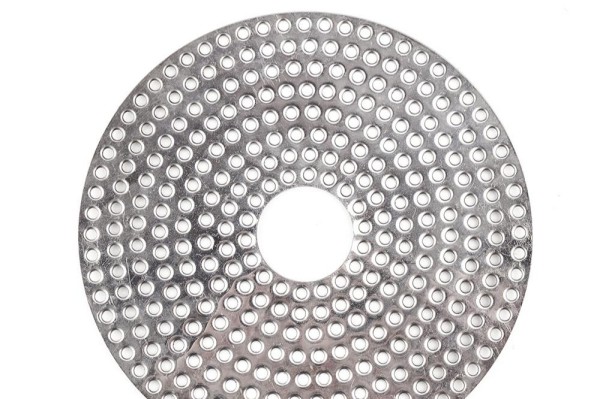 3003 Применение алюминиевого диска
1. Основные принципы: Что такое прядение алюминиевого круга?
Алюминиевый круг вращается, также называется формованием металла или формованием, это процесс формовки, при котором вращающийся алюминиевый диск формируется на оправке с использованием приложенного давления.. Заготовка прижимается к форме (оправка) на токарном станке. Поскольку установка вращается с высокой скоростью, роликовый инструмент прижимается к заготовке, постепенно заставляя его соответствовать форме оправки посредством пластической деформации. В результате может получиться конус., цилиндр, купол, или сложной криволинейной формы.
Отличительной особенностью является то, что это прежде всего процесс холодной обработки. Алюминий формируется при комнатной температуре или близкой к ней., сохраняя свои металлургические свойства, такие как прочность, пластичность, и коррозионная стойкость. Эта холодная штамповка также обеспечивает превосходное качество поверхности и высокую точность размеров непосредственно из инструмента., часто требует минимальной постобработки.
2. Фонд: Выбор правильного алюминиевого круга
Успех процесса зависит от сырья. Алюминиевые круги — точная отправная точка, и их характеристики должны соответствовать конечному использованию..
- Выбор сплава:Пластичность является ключевым моментом.
- 1ххх серии (1050, 1060, 1100):Отличная формуемость и устойчивость к коррозии. Идеально подходит для посуды, освещение, и декоративные предметы.
- 3ххх серии (3003): Хорошая прочность и формуемость с добавлением марганца.. Используется для химических контейнеров., теплообменники.
- 5ххх серии (5052, 5754):Повышенная прочность за счет магния, отличная стойкость к морской коррозии. Подходит для автомобилей, морской пехотинец, и конструктивные детали.
- Характер: Для сложных, глубокие формы, мягкий O-характер (отожженный)лучший. Для деталей, требующих большей жесткости после формовки., H-характер (Н12, Н14, и т. д.)можно использовать.
- Качество: Заготовки должны быть гладкими, поверхность без дефектов и чистые края для предотвращения разрывов и дефектов во время отжима..
3. Процесс прядения: Пошаговая разбивка
Независимо от того, сделано ли это вручную или с помощью ЧПУ., основные этапы остаются неизменными.
- Оправка & Настраивать: Оправка, обычно сталь, обрабатывается по точной внутренней форме детали. Алюминиевый круг плотно прижимается к нему..
- Вращение & Формирование: Оправка и заготовка вращаются. Игла или роликовый инструмент соприкасаются с краем заготовки.. Применяется контролируемое давление, протекание металла по оправке. Траектория инструмента тщательно контролируется в течение нескольких проходов, чтобы избежать чрезмерного утонения или растрескивания..
- Отделка & Обрезка:Однажды образовавшись, деталь вырезается из лишнего материала (тот “хвост”), и края зачищены. Дополнительная отделка (полировка, анодирование, рисование) применяется по мере необходимости.
 1000 Серия Алюминиевый сплав
4. Руководство против. Спиннинг с ЧПУ: Выбор метода
| Особенность |
Руководство / Обычный спиннинг |
Спиннинг с ЧПУ |
| Контроль |
Опытный ремесленник, использующий ручные инструменты. |
Серводвигатели с компьютерным управлением. |
| Лучшее для |
Прототипы, низкий объем, художественные произведения, сложные единичные случаи. |
Крупносерийное производство, высокая повторяемость, сложная геометрия. |
| Скорость |
Помедленнее, зависит от навыков оператора. |
Быстрый, стабильное время цикла. |
| Стоимость установки |
Более низкая стоимость оснастки, более высокая стоимость рабочей силы. |
Более высокие инвестиции в оборудование, более низкая стоимость рабочей силы на деталь. |
| Точность |
Высокий, но зависит от оператора. |
Чрезвычайно высокий и стабильный (±0,1 мм или лучше). |
5. Ключевые преимущества: Почему стоит выбрать спиннинг?
- Материал & Экономическая эффективность: Процесс почти чистой формы сводит к минимуму отходы, достижение >90% использование материала. Более низкие затраты на оснастку, чем при штамповке или ковке..
- Прочность детали:Холодная обработка упрочняет алюминий., повышение прочности готовой детали по сравнению с ее заготовкой.
- Превосходная обработка поверхности:Вращающееся действие инструмента полирует поверхность., часто устраняет необходимость вторичной отделки.
- Бесшовный & Цельная конструкция: Производит полые детали без сварных швов., повышение структурной целостности и эстетики.
- Гибкость дизайна:Быстрое создание прототипов и смена инструментов обеспечивают экономически эффективное производство нестандартных конструкций и небольших тиражей..
6. Приложения в разных отраслях
- Потребитель & Семья: Посуда (горшки, кастрюли, крышки), Абажуры для ламп, кухонные вытяжки, декоративные чаши.
- Промышленный:Сосуды под давлением, танки, шишки, корпуса, чехлы для машин.
- Аэрокосмическая промышленность & Оборона:Носовые обтекатели двигателя, спутниковые компоненты, мы нашли.
- Автомобильная промышленность:Колпаки на колеса, компоненты впуска, резервуары с жидкостью.
- Архитектура & Осветительные приборы: Декоративные купола, архитектурные особенности, элитные светильники.
- Энергия:Солнечные концентраторы, компоненты ветряной турбины.
 Сковорода изготовлена из 1060 алюминиевый лист.
7. Будущее процесса
Тенденция направлена на большую автоматизацию и изощренность.. Силовое вращение (Сдвиговое прядение) используется для прецизионного утонения стенок в высокотехнологичных целях.. Передовой Прядильные центры с ЧПУ с автоматизированной загрузкой/разгрузкой и лазерным измерением в процессе производства становятся стандартом. Интеграция с 3D CAD/CAM и программное обеспечение для моделирования позволяет совершенствовать траекторию инструмента в автономном режиме, сокращение проб и ошибок. Более того, процесс адаптируется к новым, высокопрочные алюминиевые сплавы для удовлетворения требований электромобилей и аэрокосмической промышленности по легкому весу, долговечные компоненты.
Заключение
Прядение алюминиевых кругов – это вневременное, но постоянно развивающееся производственное искусство.. Он уникальным образом сочетает в себе эффективность современной автоматизации с фундаментальными принципами потока металла.. Для дизайнеров и инженеров, он предлагает путь к созданию сильных, легкий, и бесшовные алюминиевые компоненты с замечательной экономичностью и свободой дизайна.. Поскольку отрасли стремятся к более легким и устойчивым решениям, точность и эффективность работы алюминиевый спиннинг гарантировать, что в будущем она останется важной и растущей технологией производства..

