Почему алюминиевые круги важны в производстве кухонной посуды: Сравнение характеристик различных сплавов
Введение: Почему производство кухонной посуды делает ставку на высокопроизводительные алюминиевые круги
В современной индустрии посуды, Алюминиевые круги служат одним из самых необходимых материалов для изготовления сковород., вокс, горшки, пароходы, и профессиональные емкости для приготовления пищи. Их важность обусловлена сочетанием желаемых характеристик материала.:
- отличная теплопроводность
- легкая конструкция
- исключительная формуемость
- экономическая эффективность
- постоянная стабильность производства
Выбранный алюминиевый сплав напрямую влияет:
- мощность нагрева
- прочность конструкции и устойчивость к деформациям
- стабильность глубокой вытяжки
- устойчивость к коррозии
- срок службы и долговечность
- совместимость обработки поверхности
Различные сплавы, такие как 1050/1060, 1100, 3003, 3004, и 5052— демонстрировать различные механические и технологические характеристики. Понимание этих различий имеет решающее значение для производителей, стремящихся снизить уровень брака., улучшить производительность конечного продукта, и оптимизировать структуру затрат.
В этой статье содержится углубленное, Техническое сравнение распространенных сплавов, используемых при производстве алюминиевых кругов для посуды.

1050 и 1060 Алюминиевые круги: Наиболее широко используемые и наиболее формуемые варианты
Характеристики материала
1050 и 1060 относятся к семейству алюминия высокой чистоты с содержанием алюминия ≥ 99.5%. Их ключевые особенности включают в себя:
- чрезвычайно мягкий характер
- выдающаяся формуемость
- низкая прочность, но очень высокое удлинение
- лучшая в своем классе теплопроводность
- естественная коррозионная стойкость
- самая низкая стоимость материала среди всех алюминиевых кругов
Оценка производительности кухонной посуды
| Свойство |
Типичное значение |
Роль в посуде |
| Теплопроводность |
237 Вт/м·К |
Быстрый и равномерный нагрев |
| Предел прочности |
60–100 МПа |
Достаточно для стандартной посуды. |
| Удлинение |
25–40% |
Идеально подходит для глубокой вытяжки и прядения. |
| Расходы |
Очень низкий |
Лучший экономический выбор |
Типичные применения
- бытовые воки
- паровые горшки
- одноярусные кастрюли
- большая коммерческая посуда
- глубокие контейнеры, требующие низкого сопротивления формованию
Преимущества
- отличная глубокая вытяжка
- высокий выход при прядении и растяжении
- идеально подходит для посуды сложной формы или большого диаметра.
- отличная теплопередача
- самый экономичный вариант
Ограничения
- относительно низкая прочность
- менее подходит для посуды премиум-класса
- не идеален для многослойных базовых конструкций
3003 Алюминиевые круги: Лучшая прочность и более высокая коррозионная стойкость
3003 это Сплав серии Al – Mn, содержащий ~1% Mn, что обеспечивает прирост прочности на 20–30% по сравнению с 1050/1060.
Характеристики производительности
| Свойство |
3003 Ценить |
По сравнению с 1050/1060 |
| Предел прочности |
95–130 МПа |
Более высокая прочность |
| Удлинение |
20–35% |
Чуть ниже, но все равно хорошо |
| Коррозионная стойкость |
Отличный |
Значительное улучшение |
| Термическое сопротивление |
Лучше |
Меньшее размягчение при нагревании |
Применение в кухонной посуде
- улучшенный вокс
- более толстые пароварки
- молочные горшки
- посуда, требующая повышенной жесткости
- холодный пресс + изделия для формирования композитов глубокой вытяжки
Преимущества
- сильная коррозионная стойкость
- хорошая термическая однородность
- стабильное качество формовки
- подходит для слегка сложных форм
- меньший риск растрескивания при глубокой вытяжке
Ограничения
- немного выше стоимость материала
- не идеален для посуды сверхглубокой формы

5052 Алюминиевые круги: Высокопрочный сплав для посуды премиум-класса
5052 это Сплав серии Al – Mg известен высокой прочностью, отличная устойчивость к коррозии, и усталостная стойкость. Широко используется в посуде среднего и высокого класса..
Характеристики производительности
| Свойство |
5052 Ценить |
Влияние посуды |
| Предел прочности |
150–220 МПа |
Высокопрочное соединение корпуса и ручки |
| Предел текучести |
~130 МПа |
Сохраняет форму при ударе |
| Коррозионная стойкость |
Очень высокий |
Прочность морского класса |
| Формируемость |
Хороший |
Подходит для сложной посуды премиум-класса. |
Приложения
- посуда из анодированного алюминия
- высококачественные сковороды с антипригарным покрытием
- сверхмощные кастрюли
- коммерческая высокотемпературная посуда
- компоненты посуды под давлением
Преимущества
- высокая механическая прочность с хорошей пластичностью
- превосходная коррозионная стойкость
- лучший выбор для анодирования (Глубже, более плотный оксидный слой)
- повышенная износостойкость
- отличный срок службы для коммерческого использования
Ограничения
- глубокая вытяжка требует точного контроля процесса
- стоимость выше
- не так теплопроводен, как чистый алюминий
1100 Алюминиевые круги: Сбалансированный выбор между чистотой и прочностью
1100 содержит меньше примесей по сравнению с 1050/1060 и включает следовые количества меди, незначительное улучшение его механических свойств.
Приложения
- посуда среднего класса
- кастрюли
- пароходы
- контейнеры с умеренной потребностью в глубокой вытяжке
Характеристики производительности
- лучшая сила, чем 1050/1060
- все еще сохраняет хорошую пластичность
- хорошая коррозионная стойкость
- умеренная стоимость
3004 Алюминиевые круги: Для более прочной посуды с возможностью глубокой вытяжки
3004 принадлежит к семейству сплавов Al–Mn–Mg и обеспечивает:
- более высокая прочность, чем 3003
- лучшая формуемость, чем 5052
Типичные применения
- коммерческая посуда
- внутренние вкладыши скороварки
- горшки средней толщины
- посуда, требующая как глубокой вытяжки, так и высокой жесткости
Глубокое сравнение производительности
Глубокая вытяжка — наиболее ответственный процесс формования кухонной посуды.. Требуется как удлинение, так и соответствующая твердость..
| Сплав |
Сложность глубокого рисования |
Примечания |
| 1050/1060 |
★☆☆☆☆ |
Лучший вариант для больших горшков и сложных форм. |
| 1100 |
★★☆☆☆ |
Умеренное сопротивление формованию |
| 3003 |
★★★☆☆ |
Стабильная работа в промышленности |
| 3004 |
★★★★☆ |
Высокая прочность, но все еще вытягивается |
| 5052 |
★★★★★ |
Требует строгого контроля процесса. |
Ключевое понимание:
- Для очень глубокой посуды → 1050/1060
- Для силы + вытяжка → 3003 / 3004
- Для продуктов премиум-класса → 5052
Сравнение производительности спиннинга
Для прядения требуется, чтобы материал был достаточно мягким для придания формы, но достаточно прочным, чтобы сохранять структурную стабильность..
| Сплав |
Пригодность для спиннинга |
Типичное использование |
| 1050/1060 |
Отличный |
Бытовые воки, пароходы |
| 3003 |
Хороший |
Утолщенный вок |
| 5052 |
Середина |
Анодированная посуда (после обработки O-temperate) |
 Алюминиевый диск
Анодирование Совместимость
Анодированная посуда требует сплавов, способных образовывать плотную, стабильная оксидная пленка.
| Сплав |
Качество оксидного слоя |
Появление |
| 1050/1060 |
Хороший |
Чуть более светлый тон |
| 3003 |
Очень хороший |
Равномерный цвет |
| 5052 |
Отличный |
Темнее, Сильнее, Премиальная отделка |
Лучший выбор анодированной посуды.: 5052
Сравнение коррозионной стойкости
| Сплав |
Кислотостойкость |
Устойчивость к солевому туману |
Общий |
| 1050/1060 |
Умеренный |
Умеренный |
Приемлемо для стандартной посуды. |
| 3003 |
Хороший |
Хороший |
Подходит для кислых продуктов. |
| 5052 |
Отличный |
Отличный |
Морской класс |
Сравнение теплопроводности
| Сплав |
Тепловые характеристики |
Примечания |
| 1050/1060 |
Лучший |
Идеально подходит для воков и сковород |
| 1100 |
Очень хороший |
Немного ниже, чем у чистого алюминия |
| 3003 |
Хороший |
Сбалансированная производительность |
| 5052 |
Ниже |
Но обеспечивает превосходную структурную безопасность |
Ниже приведен продолжение на английском языке, следуя тому же стилю, с подзаголовки в стиле раздела, нет формулировки «Часть 1/Часть 2», нет отметок подсчета слов, и поддержание длинной формы, низкий уровень искусственного интеллекта, SEO-ориентированная структура.
Продолжаю непосредственно с предыдущего контента. Если вам нужно, чтобы он был расширен дальше в сторону 10,000+ слова, просто скажи "продолжать" снова.
Механизмы теплопроводности и их влияние на характеристики посуды
Теплопередача в посуде определяется эффективностью проводимости., однородность температуры, и способность материала подавлять температурные градиенты на дне кастрюли.. Алюминиевые сплавы, независимо от конкретной серии, полагаться на движение электронов для быстрой транспортировки тепла, что дает им значительное преимущество перед сталью или чугуном. Однако, степень термической однородности варьируется в зависимости от сплава, и эта разница влияет на результаты приготовления, потребление энергии, и долговременная устойчивость к деформации.
Роль чистоты сплава в распределении тепла
Сплавы высокой чистоты, такие как 1050 и 1060 содержат меньше интерметаллических частиц. Этот более низкий уровень примеси уменьшает рассеяние электронов проводимости., позволяя теплу плавно перемещаться по материальной плоскости. Как результат:
- Горячие точки сведены к минимуму.
- Время предварительного нагрева сокращается.
- Температурные переходы происходят более предсказуемо.
В посуде, требующей деликатного контроля температуры., например, суповые кастрюли, поддоны для молока, и низкотемпературные сотейники, эти сплавы работают исключительно хорошо.
Как содержание магния влияет на тепловое поведение
Сплавы типа 3003 и 3004 ввести марганец, пока 5052 включает магний, оба слегка изменяют теплопроводность. Магний увеличивает прочность, но рассеивает тепло немного медленнее, чем чистый алюминий.. Именно поэтому производители часто выбирают:
- 5052 для посуды, требующей особой прочности,
- 1050/1060 для эффективной посуды,
- 3003 для среднего уровня, посуда широкого применения.
Таким образом, выбор представляет собой баланс между термическим КПД и механической стабильностью..
Производительность глубокой вытяжки и ее значение в производстве посуды
Одним из важнейших этапов производства посуды является глубокая вытяжка.. В результате этого процесса алюминиевый диск удлиняется до трехмерного корпуса кастрюли или сковороды без трещин и морщин.. Способность сплава выдерживать экстремальную деформацию имеет жизненно важное значение для контроля выхода продукта., однородность толщины, и эффективность производства.
Почему 1050 и 1060 Считаются «чемпионами по глубокому рисованию»
Их почти чистый алюминиевый состав обеспечивает этим сплавам замечательное удлинение, часто превышающее 35–40% после надлежащего отжига.. Это позволяет производителям достигать:
- Глубокие тела банка в одном розыгрыше
- Плавная кривизна без текстуры апельсиновой корки.
- Снижение потребности в многоэтапном формовании.
Для посуды такой формы, как кастрюли., бассейны, и контейнеры без давления, эти сплавы обеспечивают стабильность и экономическую эффективность..
Варианты средней прочности для умеренной глубокой вытяжки
Сплавы типа 3003 найти баланс. Их усиленная марганцем структура обеспечивает глубокую вытяжку, сохраняя при этом управляемую устойчивость к деформации.. Производители предпочитают 3003 для:
- Сковороды
- Вок средней глубины
- Универсальные корпуса посуды
С оптимизированным отжигом, 3003 алюминиевые круглые диски обеспечивают прочную, работоспособная конструкция, отвечающая требованиям средней и высокой деформации.
Высокопрочные сплавы не идеальны для самых глубоких вытяжек.
Хотя 5052 сильнее, его удлинение, хотя и хорошее, но не такое высокое, как 1050 или 3003. Поэтому, 5052 предпочтителен для посуды, требующей:
- Прочные диски
- Сопротивление давлению
- Высокая механическая стабильность формы.
Но когда требуется чрезвычайно глубокая формовка, чистый алюминий остается лучшим выбором.
Антикоррозионные механизмы и выбор сплава для обеспечения долгосрочной долговечности
Алюминий естественным образом образует защитную оксидную пленку.. Однако, долговечность посуды при реальном использовании зависит от состава сплава и от того, насколько эффективно этот оксидный слой противостоит кислотам., соли, и чистящие средства.
Чистые сплавы: Стабильный, но легко царапается
1050 и 1060 имеют естественно стабильные оксидные слои, но низкую твердость, их легче поцарапать. В посуде с антипригарным покрытием или анодированием., эти сплавы хорошо себя зарекомендовали. Однако, мягкий базовый материал требует:
- Бережное нанесение покрытия
- Отказ от абразивных инструментов
- Защитная упаковка во время транспортировки
Вот почему в высококачественной анодированной посуде редко используется чистый алюминий — он слишком мягок для сложной обработки поверхности, требующей точной микроабразии..
3003 и 3004: Улучшенная коррозионная стойкость посуды для повседневного использования
Сплавы, упрочненные марганцем, сохраняют хорошую коррозионную стойкость, одновременно улучшая твердость и стабильность поверхности.. Они хорошо работают для:
- Бытовые кастрюли и сковородки
- Посуда с многослойным покрытием
- Наборы посуды общего назначения
Их сбалансированный характер делает их одними из наиболее широко используемых материалов в посуде средней ценовой категории..
5052: Выдающаяся стойкость к солевому туману и кислотоустойчивости
5052 содержит магний, что значительно упрочняет сплав и повышает его стойкость к:
- Соль
- Уксус
- Кислые продукты
- Высокощелочные моющие средства
Это делает 5052 отличный выбор для посуды, используемой в:
- Коммерческие кухни
- Морская среда
- Готовка на открытом воздухе
- Высокочастотное профессиональное использование
Производители, выпускающие посуду премиум-класса, часто используют 5052 для дна посуды, диски, или элементы конструкции, требующие повышенной долговечности.
Влияние выбора сплава на адгезию антипригарного покрытия
Микроструктура основного материала влияет на прочность сцепления покрытия.. Производители кухонной посуды все чаще сочетают круглые алюминиевые диски с антипригарными системами, такими как ПТФЭ., керамические покрытия, и твердоанодированные поверхности.
Адгезионные характеристики антипригарного покрытия в зависимости от сплава
| Сплав |
Адгезия покрытия |
Ключевые примечания |
| 1050/1060 |
Отлично после пескоструйной обработки |
Мягкость обеспечивает более глубокое крепление; требует контролируемого взрывания |
| 3003/3004 |
Очень стабильный |
Идеально подходит для PTFE и керамических покрытий. |
| 5052 |
Хорошо, но немного сложнее микротравить |
Отлично подходит для твердого анодирования или керамических покрытий. |
Почему твердость поверхности имеет значение
Более мягкие сплавы обеспечивают лучшую механическую фиксацию покрытий из ПТФЭ., но более твердые сплавы, такие как 5052 давать возможность:
- Улучшенная устойчивость к царапинам
- Более прочные анодированные слои
- Более стабильное многослойное структурное соединение.
Таким образом, выбор зависит от окончательной обработки поверхности посуды.
 1060 Алюминиевый диск
Анодирование различных алюминиевых сплавов для посуды
Анодирование широко используется для повышения коррозионной стойкости., раскраска, и твердость поверхности. Каждый алюминиевый сплав по-разному реагирует на процесс анодирования..
1050 и 1060: Лучше всего подходит для декоративного анодирования высокой чистоты.
Их высокая чистота создает:
- Чрезвычайно однородные анодированные слои
- Яркий металлический внешний вид
- Хорошая впитываемость красителя
Эти сплавы широко используются в производстве посуды, требующей:
- Цветной экстерьер
- Декоративные матовые текстуры
- Премиум-поверхность
3003: Немного менее яркий, но очень функциональный
Марганец в 3003 может слегка затемнить анодированный слой, но это создает:
- Более прочные оксидные пленки
- Более высокая износостойкость
- Более однородный цветовой тон для внешней поверхности посуды.
Это наиболее распространенный выбор для крупномасштабного производства потребительской анодированной посуды..
5052: Исключительные характеристики твердого анодирования
Содержание магния позволяет 5052 сформировать плотный, толстый, высокоизносостойкая оксидная пленка. Это делает его идеальным для:
- Сковороды с твердым анодированием
- Посуда для кемпинга
- Посуда коммерческого класса
- Премиальная посуда с черной поверхностью.
Жесткий анодированный 5052 посуда известна превосходной устойчивостью к царапинам и длительным сроком службы..
Механическая стабильность и долговременная устойчивость к деформации
Посуда многократно нагревается и охлаждается.. Выбор сплава влияет на то, насколько хорошо изделие сохраняет свою форму с течением времени..
Устойчивость дна посуды благодаря сплаву
| Сплав |
Сопротивление деформации |
Приложение |
| 1050/1060 |
Умеренный |
Низкотемпературные применения |
| 3003/3004 |
Хороший |
Дно бытовой посуды |
| 5052 |
Отличный |
Приготовление на сильном огне, индукционные базы, коммерческие горшки |
5052 выделяется сопротивлением:
- Деформация
- Выпуклый
- Неудачи при выравнивании дна
в условиях приготовления пищи высокой мощности, особенно индукционные плиты.
Соответствие типа посуды идеальному алюминиевому сплаву
Производители выбирают сплавы исходя из функциональных требований посуды.. Ниже приведено более полное сопоставление.
Рекомендуемый сплав для каждой категории посуды
| Тип посуды |
Оптимальный сплав |
Причины |
| Суповой горшок / молочный горшок |
1050 / 1060 |
Лучшая термическая однородность, отличный глубокий рисунок |
| Сковорода / жареная сковорода |
3003 / 3004 |
Более сильное тело, хорошая адгезия покрытия |
| Вок (средняя глубина) |
3003 |
Сбалансированная прочность и формуемость |
| Вок (глубокий рисунок) |
1050 |
Максимальное удлинение |
| Профессиональная сковорода с жестким анодированием. |
5052 |
Превосходная прочность оксидного слоя |
| Коммерческий сверхмощный горшок |
5052 |
Отличная устойчивость к коррозии и деформации |
| Посуда для кемпинга |
5052 |
Легкий, высокая прочность, справляется с экстремальными условиями |
| Облицованное основание посуды |
3003 или 5052 |
Устойчив к повторяющимся высоким температурам |
Такая структура позволяет производителям создавать линейки продуктов, отвечающие всем уровням ожиданий потребителей — от экономичных товаров для дома до высокопроизводительной профессиональной посуды..
Экономические и производственные соображения при выборе сплава
За пределами эксплуатационных характеристик, производители также оценивают эффективность обработки и структуру затрат..
Разница в стоимости производства сплавов
- 1050/1060 являются наиболее экономически эффективными.
- 3003 предлагает отличное соотношение цены и качества для посуды массового производства..
- 5052 — самая высокая стоимость из-за легирующих элементов и сложности обработки.
Производители обычно выбирают категории сплавов в зависимости от:
- Позиционирование на рынке
- Целевые розничные цены
- Масштаб производства
- Требования к постобработке (анодирование, покрытие, полировка)
Уровень доходности и управление ломом
Сплавы с высокой стабильностью формовки (1050, 3003) предложение:
- Более низкие проценты брака
- Более высокий выход формования
- Улучшение единообразия в производстве
Для крупных заводов, сокращение лома даже на 2–3% существенно повышает рентабельность.
Почему выбор сплава определяет опыт потребителя в приготовлении пищи
Хотя потребители могут не знать, какой сплав используется в их посуде., выбор сплава фундаментально определяет:
- Скорость нагрева
- Результаты приготовления
- Масса
- Долговечность
- Устойчивость к царапинам, деформация, и коррозия
- Совместимость с индукционными или газовыми плитами.
Таким образом, сплав, стоящий за алюминиевым диском, напрямую влияет на удобство использования, влияние:
- Насколько равномерно готовится сковорода
- Как долго длится горшок
- Отслаивается ли поверхностное покрытие
- Как быстро посуда реагирует на нагревание
- Не коробится ли дно за годы использования
Посуда из правильно подобранного сплава всегда работает лучше и служит дольше..
Заключение: Выбор правильного алюминиевого сплава — основа высококачественной посуды
Алюминиевые круглые диски являются основным конструкционным материалом современной посуды.. Каждый сплав — 1050, 1060, 3003, 3004, и 5052 — предлагает уникальные преимущества, которые определяют, как посуда будет вести себя во время приготовления пищи и в течение многих лет использования..
- 1050 / 1060 → максимальная формуемость и термическая однородность
- 3003 / 3004 → сбалансированная производительность для посуды массового потребления
- 5052 → долговечность премиум-класса, устойчивость к коррозии, и качество твердого анодирования
Производители выбирают сплавы исходя из:
- Формирующая сложность
- Тип покрытия
- Требования к долговечности
- Ценовой диапазон клиента
- Ожидания от условий приготовления пищи
Основное ключевое слово для SEO, как определено ранее, является:
Свойства алюминиевого круга:
Алюминиевый круг подходит для многих рынков., включая посуду, автомобильная и светотехническая промышленность, и т. д., благодаря хорошим характеристикам продукта:
- Низкая анизотропия, что облегчает глубокую вытяжку
- Сильные механические свойства
- Высокая и однородная диффузия тепла
- Возможность нанесения эмали., покрытый ПТФЭ (или другие), анодированный
- Хорошая отражательная способность
- Высокое соотношение прочности и веса
- Долговечность и устойчивость к коррозии
Процесс алюминиевых кругов
Слитки/Лигатуры — Плавильная печь – Раздаточная печь — округ Колумбия. Кастер — Плита —- Скальпер — Стан горячей прокатки – Стан холодной прокатки – Штамповка – Печь отжига — Заключительная проверка – упаковка — Доставка
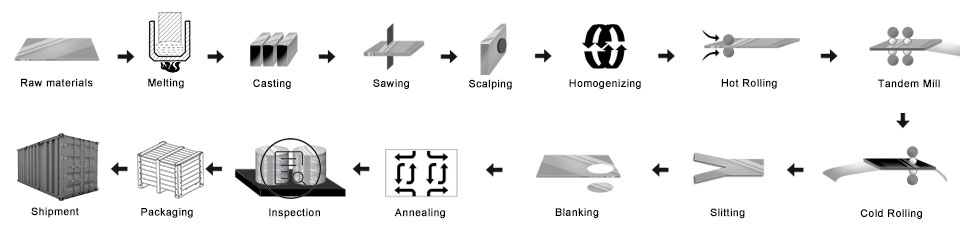
- Подготовьте лигатуры
- Плавильная печь: положить сплавы в плавильную печь
- Литой алюминиевый слиток DC: Сделать материнский слиток
- Измельчите алюминиевый слиток: сделать поверхность и бока гладкими
- Отопительная печь
- Стан горячей прокатки: сделал материнскую катушку
- Холодно-прокатный стан: материнская катушка была раскатана той толщины, которую вы хотите купить
- Процесс штамповки: стань того размера, который ты хочешь
- Печь отжига: изменить характер
- Окончательная проверка
- Упаковка: деревянный ящик или деревянный поддон
- Доставка
Контроль качества
Гарантия Ниже будет проведена проверка на производстве.
- а. обнаружение лучей—РТ;
- б. ультразвуковой контроль—ЮТ;
- с. Магнитопорошковое тестирование-МТ;
- д. тестирование на проникновение-PT;
- е. вихретоковая дефектоскопия-ET
1) Будьте свободны от масляных пятен, Вмятина, Включение, Царапины, Пятно, Изменение цвета оксида, Перерывы, Коррозия, Метки рулона, Полосы грязи, и другие дефекты, которые будут мешать использованию.
2) Поверхность без черной линии, чистый, периодическое пятно, дефекты печати на роликах, например, другие стандарты внутреннего контроля GKO.
Упаковка алюминиевых дисков:
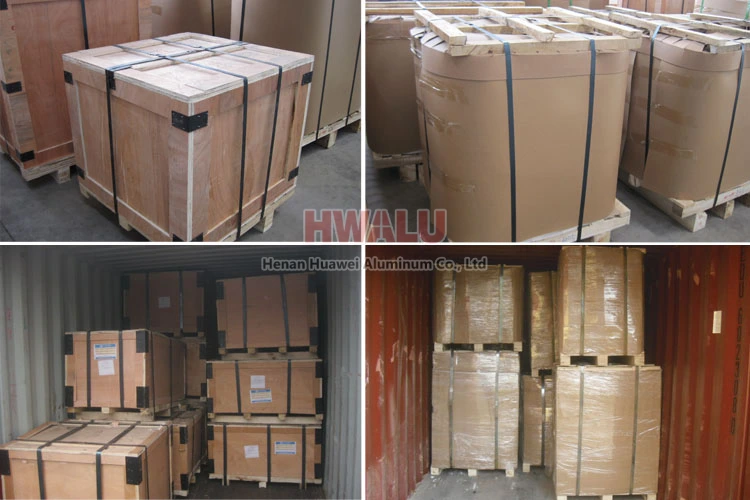
Алюминиевые круги могут быть упакованы по экспортным стандартам., накрытие коричневой бумагой и полиэтиленовой пленкой. Окончательно, Алюминиевый круглый фиксируется на деревянном поддоне/деревянном ящике.
- Поместите сушилки сбоку от алюминиевого круга., держите продукты сухими и чистыми.
- Используйте чистую пластиковую бумагу., упаковать алюминиевый круг, сохранять хорошую герметизацию.
- Используйте бумагу из змеиной кожи., упаковать поверхность пластиковой бумаги, сохранять хорошую герметизацию.
- Следующий, есть два способа упаковки: Один из способов – упаковка на деревянных поддонах., используя хрустящую бумагу, упаковывающую поверхность; Другой способ – упаковка в деревянный ящик., используя деревянный ящик, упаковывающий поверхность.
- Окончательно, положите стальной ремень на поверхность деревянного ящика, сохранение прочности и безопасности деревянного ящика.
Алюминиевый круг Хэнань Huawei Aluminium. соответствовать экспортному стандарту. Пластиковая пленка и коричневая бумага могут быть покрыты по желанию клиентов.. Более того, используется деревянный ящик или деревянный поддон для защиты продукции от повреждений во время доставки.. Есть два вида упаковки, которые глаза в стену или глаза в небо. Клиенты могут выбрать любой из них для своего удобства.. Вообще говоря, есть 2 тонн в одной упаковке, и загрузка 18-22 тонн в контейнере 1х20 футов, и 20-24 тонн в контейнере 1х40 футов.
Почему выбирают нас?
Чтобы идти в ногу со временем, HWALU продолжает внедрять современное оборудование и технику для повышения своей конкурентоспособности.. Всегда придерживайтесь бизнес-философии качества как центра и клиента в первую очередь., поставлять продукцию серии алюминиевых дисков высочайшего качества во все части мира.. Более …

