মধ্যে পার্থক্য 1050 এবং 1060 Cookware জন্য অ্যালুমিনিয়াম চেনাশোনা
এর বিষয় 1050 বনাম 1060 অ্যালুমিনিয়াম বৃত্ত অ্যালুমিনিয়াম চেনাশোনা শিল্পে দীর্ঘকাল ধরে একটি পুনরাবৃত্ত প্রযুক্তিগত প্রশ্ন হয়েছে, বিশেষ করে কুকওয়্যার এবং হালকা শিল্প তৈরির অ্যাপ্লিকেশনের জন্য যেখানে গঠনের সময় বস্তুগত আচরণ সরাসরি ফলনের হার নির্ধারণ করে, ত্রুটির সম্ভাবনা, এবং দীর্ঘমেয়াদী পণ্য স্থিতিশীলতা.
1. শিল্পের পটভূমি এবং প্রযুক্তিগত প্রাসঙ্গিকতা
অ্যালুমিনিয়াম বৃত্ত একটি মৌলিক আধা-সমাপ্ত পণ্য ব্যাপকভাবে রান্নাঘরে ব্যবহৃত হয়, রান্নাঘরের জিনিসপত্র, আলো উপাদান, এবং কিছু শিল্প কভার. রান্নার জিনিসপত্র উৎপাদনে, অ্যালুমিনিয়াম চেনাশোনা সাধারণত গভীর অঙ্কন সাপেক্ষে হয়, স্পিনিং, বা প্রভাব গঠন প্রক্রিয়া, যা উপাদানের উপর জটিল এবং নন-লিনিয়ার স্ট্রেস চাপিয়ে দেয়. এই অবস্থার অধীনে, এমনকি খাদ রচনায় ছোট পার্থক্য, প্রক্রিয়াকরণ ইতিহাস, বা মাইক্রোস্ট্রাকচারের ফলে আচরণ গঠনে উল্লেখযোগ্য পার্থক্য হতে পারে.
এই প্রেক্ষাপটের মধ্যেই, এর তুলনা 1050 বনাম 1060 অ্যালুমিনিয়াম বৃত্ত এটি একটি তাত্ত্বিক আলোচনা নয় বরং একটি ব্যবহারিক প্রকৌশল সিদ্ধান্ত যা প্রকিউরমেন্ট ইঞ্জিনিয়ার এবং প্রক্রিয়া প্রকৌশলীদের দ্বারা প্রতিদিন সম্মুখীন হয়. উভয় খাদই বাণিজ্যিকভাবে খাঁটি অ্যালুমিনিয়াম সিরিজের অন্তর্গত এবং প্রায়শই বিনিময়যোগ্য হিসাবে বিবেচিত হয়. যাহোক, ক্ষেত্রের অভিজ্ঞতা দেখায় যে এই দুটি সংকর ধাতুর মধ্যে অনুপযুক্ত প্রতিস্থাপন অস্থিরতা তৈরি করতে পারে, পৃষ্ঠের ত্রুটি, অথবা অপ্রত্যাশিত স্ক্র্যাপ হার.
কুকওয়্যার অ্যাপ্লিকেশনগুলি বিশেষভাবে সংবেদনশীল কারণ তারা বেশ কয়েকটি চাহিদাপূর্ণ প্রয়োজনীয়তাকে একত্রিত করে: বড় প্লাস্টিকের বিকৃতি, নান্দনিক পৃষ্ঠের গুণমান, অভিন্ন প্রাচীর বেধ, এবং স্থানীয় পাতলা করার প্রতিরোধ. বিপরীতে, কিছু শিল্প অ্যাপ্লিকেশন - যেমন সাধারণ স্ট্যাম্পড কভার বা অগভীর-গঠিত উপাদানগুলি - উপাদান পরিবর্তনশীলতার বিস্তৃত পরিসর সহ্য করতে পারে. এই পার্থক্যটি ব্যাখ্যা করে যে কেন অন্যান্য অ্যালুমিনিয়াম সার্কেল অ্যাপ্লিকেশনগুলির তুলনায় কুকওয়্যার উত্পাদন লাইনে খাদ নির্বাচনের সমস্যাগুলি অনেক বেশি ঘন ঘন রিপোর্ট করা হয়.
শিল্পের দৃষ্টিকোণ থেকে, খাদ বিশুদ্ধতা চারপাশে ভুল বোঝাবুঝি, গঠনযোগ্যতা, এবং প্রক্রিয়া সহনশীলতা অতি সরলীকৃত নির্বাচন যুক্তিতে অবদান রেখেছে. এই বিশ্লেষণের উদ্দেশ্য হল এক গ্রেডকে অন্য গ্রেডের উপরে উন্নীত করার পরিবর্তে এই ধাতুগুলির পিছনে প্রকৌশল প্রক্রিয়াগুলিকে স্পষ্ট করা।.
 অ্যালুমিনিয়াম শীট বৃত্ত
2. অ্যালুমিনিয়াম বৃত্তের উপাদান এবং খাদ মৌলিক বিষয়
কুকওয়্যারের জন্য অ্যালুমিনিয়াম চেনাশোনাগুলি সাধারণত 1xxx সিরিজের অ্যালয় থেকে উত্পাদিত হয়, সঙ্গে 1050 এবং 1060 দুটি সবচেয়ে ঘন ঘন নির্দিষ্ট গ্রেড হচ্ছে. কিছু ক্ষেত্রে, 3003 উচ্চ শক্তি প্রয়োজন হলে অ্যালুমিনিয়াম চেনাশোনাগুলিও ব্যবহার করা হয়, কিন্তু কম গঠনযোগ্যতার দামে.
মধ্যে মৌলিক পার্থক্য 1050 এবং 1060 অ্যালুমিনিয়াম বিশুদ্ধতা এবং অপবিত্রতা নিয়ন্ত্রণের মধ্যে রয়েছে. যদিও সংখ্যাগত পার্থক্য ছোট দেখায়, ধাতুবিদ্যাগত প্রভাব নির্দিষ্ট গঠন অবস্থার অধীনে অর্থপূর্ণ হতে পারে.
টেবিল 1. রাসায়নিক রচনা এবং মৌলিক সম্পত্তি তুলনা
| খাদ |
অ্যালুমিনিয়াম সামগ্রী (%) |
Fe (%) |
এবং (%) |
সাধারণ ফলন শক্তি |
সাধারণ প্রসারণ |
| 1050 |
≥ 99.5 |
≤ 0.40 |
≤ 0.25 |
নিম্ন |
উচ্চতর |
| 1060 |
≥ 99.6 |
≤ 0.35 |
≤ 0.25 |
একটু উঁচুতে |
স্থিতিশীল |
| 3003 |
~ 98.6 |
~ 0.7 |
~ 0.6 |
উচ্চতর |
নিম্ন |
একটি উপকরণ প্রকৌশল দৃষ্টিকোণ থেকে, উচ্চ অ্যালুমিনিয়াম বিশুদ্ধতা সাধারণত দ্বিতীয় পর্যায়ের কণার ভলিউম ভগ্নাংশ হ্রাস করে, যা নমনীয়তা উন্নত করতে পারে. যাহোক, এটি অ্যানিলিংয়ের সময় পুনরায় ক্রিস্টালাইজেশন আচরণ এবং শস্য বৃদ্ধিকেও প্রভাবিত করে. ফলে, বিশুদ্ধতা একা কর্মক্ষমতা গঠন নির্ধারণ করে না.
3. কোর ম্যানুফ্যাকচারিং এবং টেকনিক্যাল মেকানিজম বিশ্লেষণ
কর্মক্ষমতা পার্থক্য পরিলক্ষিত 1050 বনাম 1060 অ্যালুমিনিয়াম বৃত্ত প্রতিটি সংকর ধাতু একই উত্পাদন প্রক্রিয়ায় কীভাবে সাড়া দেয় তার দ্বারা মূলত নির্ধারিত হয়. অ্যালুমিনিয়াম বৃত্ত উত্পাদন সাধারণত একটি বহু-পর্যায়ের পথ অনুসরণ করে: ঢালাই, গরম ঘূর্ণায়মান, ঠান্ডা ঘূর্ণায়মান, annealing, এবং ফাঁকা.
ঠান্ডা ঘূর্ণায়মান সময়, বিকৃতি শক্তি স্থানচ্যুতি আকারে উপাদান সংরক্ষণ করা হয়. এই স্থানচ্যুতিগুলির ঘনত্ব এবং বিতরণ ঘূর্ণায়মান হ্রাস এবং খাদ বিশুদ্ধতা উভয়ের উপর নির্ভর করে. উচ্চ-বিশুদ্ধতা অ্যালুমিনিয়াম, যেমন 1060, annealing সময় আরো সহজে পুনরুদ্ধার এবং recrystallize ঝোঁক. শস্যের আকার শক্তভাবে নিয়ন্ত্রণ করা হলে এটি উপকারী হতে পারে, কিন্তু সমস্যাযুক্ত যদি অ্যানিলিং পরামিতিগুলি ওঠানামা করে.
কুকওয়্যার পারফরম্যান্সে অ্যানিলিং একটি নিষ্পত্তিমূলক ভূমিকা পালন করে. অপর্যাপ্ত annealing অবশিষ্ট চাপ বাড়ে, গভীর অঙ্কন সময় ক্র্যাকিং ঝুঁকি বৃদ্ধি. অত্যধিক annealing, অন্য দিকে, অত্যধিক শস্য বৃদ্ধি হতে পারে, যা গঠিত কুকওয়্যারের উপরিভাগে কমলার খোসার ত্রুটি হিসেবে প্রকাশ পায়.
টেবিল 2. অ্যালুমিনিয়াম চেনাশোনা প্রভাবিত মূল প্রক্রিয়া পরামিতি
| প্রক্রিয়া পরামিতি |
ইঞ্জিনিয়ারিং প্রভাব |
সংবেদনশীলতা স্তর |
| ঠান্ডা ঘূর্ণায়মান হ্রাস |
বিকৃতি অভিন্নতা |
উচ্চ |
| অ্যানিলিং তাপমাত্রা |
রিক্রিস্টালাইজেশন নিয়ন্ত্রণ |
উচ্চ |
| সময় ধরে রাখা |
শস্য আকার স্থায়িত্ব |
মাঝারি |
| শীতল হার |
অবশিষ্ট চাপ স্তর |
মাঝারি |
কারণ 1060 অ্যালুমিনিয়ামের বিশুদ্ধতা কিছুটা বেশি, এটি প্রায়শই অ্যানিলিং তাপমাত্রা বিচ্যুতির জন্য আরও সংবেদনশীল. 1050 অ্যালুমিনিয়াম বৃত্ত, বিপরীতে, একটি সামান্য প্রশস্ত প্রক্রিয়াকরণ উইন্ডো প্রদর্শনের ঝোঁক, যা উচ্চ-ভলিউম কুকওয়্যার উত্পাদনে সুবিধাজনক হতে পারে.
4. উৎপাদনে ক্রিটিক্যাল কোয়ালিটি কন্ট্রোল পয়েন্ট
অ্যালুমিনিয়াম সার্কেল উৎপাদনে গুণমান নিয়ন্ত্রণ অবশ্যই পরামিতিগুলিতে ফোকাস করতে হবে যা নামমাত্র খাদ উপাধির পরিবর্তে গঠনের আচরণকে সরাসরি প্রভাবিত করে. বেধ অভিন্নতা, শস্য আকার বিতরণ, এবং অবশিষ্ট স্ট্রেস মাত্রা বিশেষ করে সমালোচনামূলক.
টেবিল 3. সাধারণ মানের ঝুঁকি এবং নিয়ন্ত্রণ ব্যবস্থা
| গুণমানের ঝুঁকি |
মূল কারণ |
নিয়ন্ত্রণ কৌশল |
| প্রান্ত ক্র্যাকিং |
অপর্যাপ্ত annealing |
অ্যানিলিং উইন্ডো অপ্টিমাইজ করুন |
| কমলার খোসা |
মোটা শস্য গঠন |
ভারসাম্য ঘূর্ণায়মান এবং annealing |
| কুঁচকানো |
কম ফলন শক্তি |
মেজাজের অবস্থা সামঞ্জস্য করুন |
| পুরুত্বের বিচ্যুতি |
ঘূর্ণায়মান অস্থিরতা |
গেজ নিয়ন্ত্রণ এবং পরিদর্শন |
অনুশীলনে, খাদ পছন্দের জন্য দায়ী অনেক রিপোর্ট ত্রুটি আসলে অপর্যাপ্ত প্রক্রিয়া নিয়ন্ত্রণের ফলাফল. এই কারণেই মিশ্র ধাতুর তুলনা সর্বদা উত্পাদন ক্ষমতার সাথে একসাথে মূল্যায়ন করা উচিত.
 ল্যাম্পশেড
5. সাধারণ ত্রুটি এবং ব্যর্থতা প্রক্রিয়া বিশ্লেষণ
গভীর অঙ্কনের সময় ক্র্যাকিং সবচেয়ে ঘন ঘন রিপোর্ট করা ব্যর্থতার একটি.
ঘটনা: ফ্ল্যাঞ্জ বা দেয়ালে রেডিয়াল বা পরিধিগত ফাটল.
কারণ: আন্ডার অ্যানিলিংয়ের কারণে উচ্চ অবশিষ্ট চাপ বা অপর্যাপ্ত নমনীয়তা.
পরিণতি: স্ক্র্যাপ বা ডাউনগ্রেড cookware উপাদান.
কমলার খোসার ত্রুটিগুলি গঠনের পরে পৃষ্ঠের রুক্ষতা হিসাবে উপস্থিত হয়.
কারণ: অ্যানিলিংয়ের সময় অত্যধিক শস্য বৃদ্ধি.
পরিণতি: গ্রহণযোগ্য যান্ত্রিক অখণ্ডতা সত্ত্বেও নান্দনিক প্রত্যাখ্যান.
কুঁচকানো সাধারণত প্রাথমিক গঠনের পর্যায়ে ঘটে.
কারণ: কম ফলন শক্তি অপর্যাপ্ত ফাঁকা ধারক বল সঙ্গে মিলিত.
পরিণতি: মাত্রিক অস্থিরতা এবং সেকেন্ডারি প্রসেসিং প্রয়োজনীয়তা.
6. কুকওয়্যার এবং অন্যান্য ব্যবহারের মধ্যে অ্যাপ্লিকেশন-নির্দিষ্ট পার্থক্য
কুকওয়্যার অ্যাপ্লিকেশনগুলি অনেক শিল্প ব্যবহারের চেয়ে কঠোর প্রয়োজনীয়তা আরোপ করে. গভীরভাবে টানা পাত্র এবং প্যানগুলি উচ্চ প্রসারণের দাবি রাখে, অভিন্ন শস্য গঠন, এবং স্থিতিশীল পৃষ্ঠের গুণমান. আলোর প্রতিফলক বা সাধারণ কভার, বিপরীতে, প্রায়শই অগভীর গঠন জড়িত থাকে এবং নমনীয়তার চেয়ে পৃষ্ঠের প্রতিফলনের উপর বেশি জোর দেয়.
ফলে, মধ্যে কর্মক্ষমতা ফাঁক 1050 বনাম 1060 অ্যালুমিনিয়াম বৃত্ত অন্যান্য অ্যাপ্লিকেশনের তুলনায় cookware মধ্যে আরো উচ্চারিত হয়. অ্যানিলিং বা রোলিং প্যারামিটারে ছোট পরিবর্তন যা শিল্প কভারের জন্য গ্রহণযোগ্য তা কুকওয়্যার উত্পাদনে ত্রুটি সৃষ্টি করতে পারে.
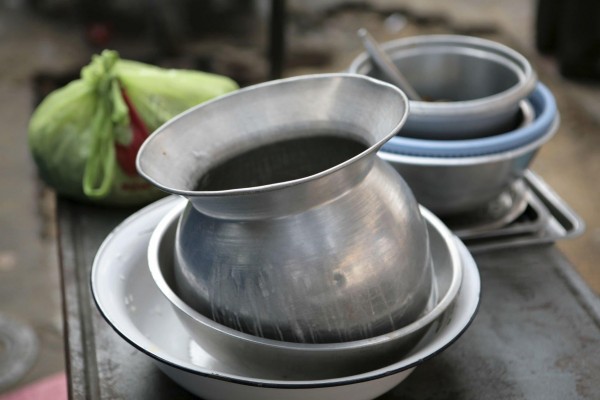 পাত্র এবং প্যান
7. উৎপাদন এবং শেষ ব্যবহারে প্রযুক্তিগত বিবেচনা
একটি প্রকৌশল দৃষ্টিকোণ থেকে, খাদ নির্বাচন মেজাজ অবস্থা এবং প্রক্রিয়া স্থায়িত্ব থেকে বিচ্ছিন্ন করা উচিত নয়. দুর্বল শস্য নিয়ন্ত্রণ সহ একটি ও-টেম্পার অ্যালুমিনিয়াম সার্কেল কম পারফর্ম করবে তা নির্বিশেষে 1050 বা 1060.
বারবার যান্ত্রিক লোডিং বা উচ্চ কাঠামোগত অনমনীয়তার প্রয়োজনীয়তা জড়িত অ্যাপ্লিকেশনগুলিতে সংকর ধাতু ব্যবহার করার পরামর্শ দেওয়া হয় না. এই ধরনের ক্ষেত্রে, ম্যাঙ্গানিজ-ধারণকারী খাদ যেমন 3003 বৈশিষ্ট্যগুলির একটি ভাল ভারসাম্য অফার করতে পারে.
8. ইঞ্জিনিয়ারিং সারাংশ
এর তুলনা 1050 বনাম 1060 অ্যালুমিনিয়াম বৃত্ত মানের অনুক্রমের পরিবর্তে একটি ইঞ্জিনিয়ারিং নির্বাচন সমস্যা হিসাবে বোঝা উচিত. উভয় সংকর ধাতু কুকওয়্যার অ্যাপ্লিকেশনগুলিতে নির্ভরযোগ্যভাবে কার্য সম্পাদন করতে পারে যখন তাদের ধাতুবিদ্যার বৈশিষ্ট্যগুলি উপযুক্ত প্রক্রিয়াকরণের অবস্থার সাথে মিলে যায়.
শেষ পর্যন্ত, স্থায়িত্ব গঠন উপাদান বিশুদ্ধতা মধ্যে মিথস্ক্রিয়া দ্বারা নির্ধারিত হয়, ঘূর্ণায়মান ইতিহাস, annealing নিয়ন্ত্রণ, এবং অ্যাপ্লিকেশন-নির্দিষ্ট বিকৃতি চাহিদা. খাদ পছন্দকে স্বতন্ত্র সিদ্ধান্ত হিসাবে বিবেচনা করা একটি মৌলিকভাবে প্রক্রিয়া-চালিত সমস্যাকে অতি সরলীকরণের ঝুঁকি রাখে.
9. প্রযুক্তিগত প্রশ্ন&ক অন 1050 বনাম 1060 অ্যালুমিনিয়াম চেনাশোনা
প্র: হয় 1060 রান্নার পাত্রের জন্য সর্বদা ভাল?
ক: না. অ্যানিলিং অবস্থা এবং শস্য নিয়ন্ত্রণ প্রায়শই বিশুদ্ধতার পার্থক্যকে ছাড়িয়ে যায়.
প্র: কেন ক্র্যাকিং সঙ্গে ঘটবে 1050 অ্যালুমিনিয়াম বৃত্ত?
ক: ক্র্যাকিং সাধারণত অবশিষ্ট চাপ বা অপর্যাপ্ত annealing সঙ্গে যুক্ত করা হয়, একা খাদ না.
প্র: অপ্টিমাইজেশান প্রক্রিয়া করতে পারেন খাদ পার্থক্য কমাতে?
ক: হ্যাঁ, কিন্তু শুধুমাত্র স্থিতিশীল এবং দৃঢ়ভাবে নিয়ন্ত্রিত উত্পাদন অবস্থার সঙ্গে.
প্র: কোন খাদ উপযুক্ত নয় এমন ক্ষেত্রে আছে?
ক: হ্যাঁ. উচ্চ শক্তি বা প্রভাব প্রতিরোধের প্রয়োজন অ্যাপ্লিকেশন প্রয়োজন হতে পারে 3003 বা অনুরূপ খাদ.

