5052 অ্যালুমিনিয়াম চেনাশোনা: শক্তি-অগ্রাধিকার অ্যাপ্লিকেশনের জন্য পছন্দের উপাদান
ওভার দিয়ে 15 অ্যালুমিনিয়াম প্রক্রিয়াকরণে বছরের অভিজ্ঞতা, কুকওয়্যার এবং শিল্প অ্যাপ্লিকেশনের জন্য অ্যালুমিনিয়াম বৃত্ত এবং অ্যালুমিনিয়াম ডিস্কগুলিতে ফোকাস করা, এই নিবন্ধটি এর একটি গভীর প্রযুক্তিগত বিশ্লেষণ প্রদান করে 5052 অ্যালুমিনিয়াম বৃত্ত জন্য একটি পছন্দের উপাদান হিসাবে শক্তি-সমালোচনামূলক ব্যবহারের ক্ষেত্রে. আলোচনা শিল্প চাহিদা বিস্তৃত, খাদ বৈশিষ্ট্য, প্রক্রিয়া নিয়ন্ত্রণ, এবং ব্যবহারিক ঝুঁকি এড়ানো, প্রকিউরমেন্ট ইঞ্জিনিয়ার এবং প্রসেস ইঞ্জিনিয়ারদের জন্য একটি বিস্তৃত রেফারেন্স প্রদান করে.
 অ্যালুমিনিয়াম শীট দিয়ে তৈরি একটি এয়ার ট্যাঙ্ক
আমি. ভূমিকা: কেন 5052 অ্যালুমিনিয়াম চেনাশোনাগুলি শক্তি-অগ্রাধিকার অ্যাপ্লিকেশনের জন্য ভাল উপযুক্ত
অ্যালুমিনিয়াম চেনাশোনাগুলির প্রয়োগের সুযোগ স্বয়ংচালিত উপাদান এবং চাপ কুকওয়্যারের মতো এলাকায় উল্লেখযোগ্যভাবে প্রসারিত হয়েছে, যেখানে কর্মক্ষমতা প্রয়োজনীয়তা ব্যাপকভাবে পরিবর্তিত হয় এবং শক্তি-অগ্রাধিকার পরিস্থিতি ক্রমবর্ধমান সাধারণ.
প্রথাগত সংকর ধাতু যেমন 1060 এবং 3003 অ্যালুমিনিয়াম চেনাশোনাগুলি প্রায়শই এই অ্যাপ্লিকেশনগুলিতে যান্ত্রিক শক্তির প্রয়োজনীয়তা পূরণ করতে ব্যর্থ হয়. বিপরীতে, 5052 অ্যালুমিনিয়াম বৃত্ত, উচ্চ শক্তি এবং জারা প্রতিরোধের তাদের সমন্বয় সঙ্গে, কার্যকরভাবে এই ফাঁক পূরণ করুন. উপযুক্ত খাদ নির্বাচন সরাসরি অপারেশনাল নিরাপত্তার সাথে সম্পর্কিত, এবং এর উচ্চ নির্দিষ্ট শক্তি 5052 আধুনিক লাইটওয়েট ডিজাইন প্রবণতা সঙ্গে ভাল সারিবদ্ধ.
২. উপাদান মৌলিক: মধ্যে মূল পার্থক্য 5052, 1060, এবং 3003
(তুলনামূলক টেবিল অন্তর্ভুক্ত)
উপাদান নির্বাচন খাদ বৈশিষ্ট্য বোঝার সঙ্গে শুরু হয়. এর সুবিধা 5052 সাধারণত ব্যবহৃত বিকল্পগুলির সাথে সরাসরি তুলনা করলে অ্যালুমিনিয়াম চেনাশোনাগুলি পরিষ্কার হয়ে যায়.
সাধারণ অ্যালুমিনিয়াম সার্কেল অ্যালয় - তুলনামূলক ওভারভিউ
| খাদ |
প্রাথমিক খাদ উপাদান |
প্রসার্য শক্তি (এমপিএ) |
গঠনযোগ্যতা |
জারা প্রতিরোধের |
সাধারণ অ্যাপ্লিকেশন |
| 1060 |
আল ≥ 99.6% (খাঁটি অ্যালুমিনিয়াম) |
75-105 |
চমৎকার (গভীর অঙ্কন) |
ভাল (সাধারণ বায়ুমণ্ডল) |
পাতলা রান্নার পাত্র, খাদ্য প্যাকেজিং |
| 3003 |
Mn 1.0-1.5% (আল-মন খাদ) |
110-145 |
ভাল (মাঝারি অঙ্কন) |
ভাল (খাঁটি আলের চেয়ে ভালো) |
স্ট্যান্ডার্ড রান্নার জিনিসপত্র, HVAC পাখনা |
| 5052 |
Mg 2.2–2.8% (আল-এমজি খাদ) |
190-240 |
পরিমিত (অগভীর থেকে মাঝারি অঙ্কন) |
চমৎকার (সামুদ্রিক এবং বায়ুমণ্ডলীয়) |
চাপ রান্নার পাত্র, জ্বালানি ট্যাংক, ঘের |
| 1100 |
আল ≥ 99.0% |
75-100 |
চমৎকার |
ভাল |
অগভীর টানা পাত্র, আলংকারিক অংশ |
| 3004 |
Mn 1.0-1.5%, Mg 0.8-1.3% |
150-210 |
ভাল |
চমৎকার (অ্যাসিড/ক্ষার প্রতিরোধের) |
খাদ্য পাত্রে, ক্যান, রান্নার জিনিস |
| 5083 |
Mg 4.0–4.9% |
270-350 |
পরিমিত (অগভীর অঙ্কন) |
চমৎকার (সমুদ্রের জল প্রতিরোধের) |
ভারী শিল্প এবং সামুদ্রিক উপাদান |
একটি প্রকৌশল দৃষ্টিকোণ থেকে, দ্য এর মূল সুবিধা 5052 এর শক্তির মধ্যে রয়েছে, ম্যাগনেসিয়াম কঠিন সমাধান শক্তিশালীকরণ থেকে প্রাপ্ত. যদিও এর গঠনযোগ্যতা নিকৃষ্ট 1060 এবং 3003, এটি চাপ কুকওয়্যার এবং শিল্প অংশগুলির জন্য যথেষ্ট যা জটিল গভীর অঙ্কনের প্রয়োজন হয় না. এর উচ্চতর জারা প্রতিরোধ ক্ষমতা আর্দ্র বা রাসায়নিকভাবে আক্রমণাত্মক পরিবেশে পরিষেবা জীবনকে আরও প্রসারিত করে.
 গাড়ির জ্বালানি ট্যাঙ্ক
III. মূল প্রক্রিয়া বিশ্লেষণ: কিভাবে যোগ্য উত্পাদন 5052 অ্যালুমিনিয়াম চেনাশোনা
(মূল পরামিতি অন্তর্ভুক্ত)
কঠোর প্রক্রিয়া নিয়ন্ত্রণ ছাড়া একা উচ্চ-মানের উপাদান অপর্যাপ্ত. জন্য আদর্শ উত্পাদন রুট 5052 অ্যালুমিনিয়াম চেনাশোনা অন্তর্ভুক্ত:
কাঁচামাল → গলে যাওয়া & কাস্টিং → হোমোজেনাইজেশন অ্যানিলিং → হট রোলিং → কোল্ড রোলিং → সার্কেল কাটিং → চূড়ান্ত অ্যানিলিং
1. কাঁচামাল এবং ঢালাই: স্ট্রেন্থ বেসলাইন স্থাপন করা
- উপাদান মান: 5052 GB/T এর সাথে সঙ্গতিপূর্ণ অ্যালুমিনিয়াম ইঙ্গট 3190-2022
- অপবিত্রতা সীমা: ফে ≤ 0.4%, এবং ≤ 0.25%, Cu ≤ 0.1%
- ম্যাগনেসিয়াম নিয়ন্ত্রণ: স্থিতিশীল শক্তি নিশ্চিত করতে ±0.05% সহনশীলতা
- গলে যাওয়া তাপমাত্রা: 730-760 °সে
- পরিশোধন: 15-20 মিনিটের জন্য আর্গন-নাইট্রোজেন গ্যাস পরিশোধন; 20-30 মিনিট ধরে রাখা
- ঢালাই গতি: 80-120 মিমি/মিনিট সমান ঠাণ্ডা করার সাথে সমান শস্য গঠন নিশ্চিত করতে
2. হোমোজেনাইজেশন অ্যানিলিং: কাঠামোগত ত্রুটি দূর করা
- উদ্দেশ্য: বিচ্ছিন্নতা হ্রাস করুন, শস্য মিহি করা, এবং অভ্যন্তরীণ চাপ উপশম
- পরামিতি: 450-480 °সে, 6-8 ঘন্টা ধরে রাখা
- গরম করার হার: 50-80 °সে/ঘন্টা
- কুলিং: ফার্নেস কুলিং বা ঘরের তাপমাত্রায় বায়ু শীতল করা
অপর্যাপ্ত সমজাতকরণ রচনাগত অ-অভিন্নতার দিকে পরিচালিত করে, যখন অত্যধিক চিকিত্সা শস্য মোটা এবং শক্তি হ্রাস কারণ.
3. হট রোলিং এবং কোল্ড রোলিং: বিকৃতির মাধ্যমে শক্তি বৃদ্ধি
- গরম ঘূর্ণায়মান শুরু তাপমাত্রা: 400-450 °সে
- শেষ তাপমাত্রা: ≥300 °সে
- মোট গরম হ্রাস: 70-80%
- ঠান্ডা ঘূর্ণায়মান হ্রাস: 60-80%
- ঘূর্ণায়মান গতি: 50-150 মি/মিনিট
- রোল ঠান্ডা জল তাপমাত্রা: 20-30 °সে
কোল্ড রোলিং কাজ শক্ত করার মাধ্যমে শক্তি বাড়ায়, যখন নিয়ন্ত্রিত গরম ঘূর্ণায়মান শস্য গঠন পরিশোধন.
4. চূড়ান্ত অ্যানিলিং এবং সার্কেল কাটিং: শেষ মানের গেট
- অ্যানিলিং তাপমাত্রা: 300-350 °সে
- সময় ধরে রাখা: 2-4 ঘন্টা
- চাপ রান্নার পাত্র: 300-320 °সে, 2-3 ঘন্টা
- স্বয়ংচালিত জ্বালানী ট্যাংক: 330-350 °সে, 3-4 ঘন্টা
- বায়ুমণ্ডল: নাইট্রোজেন বা আর্গন সুরক্ষা
- কাটিং প্যারামিটার: 100-200 আরপিএম, ফিড 0.1–0.3 মিমি/রিভ
- সহনশীলতা: ব্যাস ±0.2 মিমি; সমতলতা ≤0.5 মিমি/মি
মূল প্রক্রিয়া পরামিতি সারাংশ
| প্রক্রিয়া পর্যায় |
মূল পরামিতি |
সাধারণ পরিসর |
ইঞ্জিনিয়ারিং প্রভাব |
| কাস্টিং |
তাপমাত্রা, Mg বিষয়বস্তু |
730-760 °সে; 2.2-2.8% |
শক্তি এবং পরিচ্ছন্নতা |
| সমজাতীয়করণ |
তাপমাত্রা, সময় |
450-480 °সে; 6-8 ঘন্টা |
অভিন্নতা, বিকৃতি স্থিতিশীলতা |
| গরম ঘূর্ণায়মান |
তাপমাত্রা, হ্রাস |
≥300 °সে; 70-80% |
শস্য পরিশোধন, দৃঢ়তা |
| ঠান্ডা ঘূর্ণায়মান |
হ্রাস, রোল তাপমাত্রা |
60-80%; 20-30 °সে |
কঠিন কাজ |
| চূড়ান্ত annealing |
তাপমাত্রা, সময় |
300-350 °সে; 2-4 ঘন্টা |
শক্তি-গঠনযোগ্যতা ভারসাম্য |
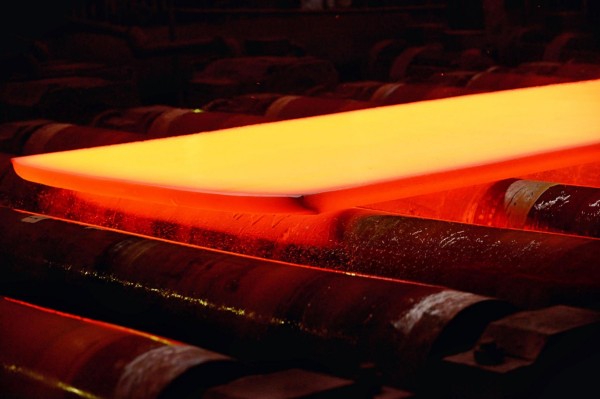 গরম ঘূর্ণায়মান
IV. মান নিয়ন্ত্রণ: আটটি ক্রিটিক্যাল মনিটরিং পয়েন্ট
(ঝুঁকি টেবিল অন্তর্ভুক্ত)
| কন্ট্রোল পয়েন্ট |
সাধারণ ঝুঁকি |
নিয়ন্ত্রণ পদ্ধতি |
পরিদর্শন |
| ইনকামিং উপাদান |
রচনা বিচ্যুতি |
অনুমোদিত সরবরাহকারী, 100% পরীক্ষা |
স্পেকট্রোমিটার |
| কাস্টিং |
বিচ্ছেদ, ফাটল |
রিয়েল-টাইম তাপমাত্রা নিয়ন্ত্রণ |
থার্মোকল |
| সমজাতীয়করণ |
অপর্যাপ্ত annealing |
সুনির্দিষ্ট তাপমাত্রা নিয়ন্ত্রণ |
মেটালোগ্রাফি |
| গরম ঘূর্ণায়মান |
বেধ বৈচিত্র্য |
অনলাইন বেধ পরিমাপক |
ইনফ্রারেড পর্যবেক্ষণ |
| ঠান্ডা ঘূর্ণায়মান |
প্রান্ত ক্র্যাকিং |
নিয়ন্ত্রিত হ্রাস |
কঠোরতা পরীক্ষা |
| চূড়ান্ত annealing |
শক্তি হ্রাস |
প্রতিরক্ষামূলক পরিবেশ |
প্রসার্য পরীক্ষা |
| বৃত্ত কাটা |
Burrs, মাত্রিক ত্রুটি |
সিএনসি সরঞ্জাম |
সমতলতা পরিমাপ |
| চূড়ান্ত পরিদর্শন |
কর্মক্ষমতা ব্যর্থতা |
সম্পূর্ণ স্ট্যান্ডার্ড টেস্টিং |
জারা পরীক্ষা |
ভি. ব্যবহারিক ব্যর্থতা বিশ্লেষণ: সঙ্গে সাধারণ সমস্যা 5052 অ্যালুমিনিয়াম চেনাশোনা
- মুদ্রাঙ্কন ফাটল
কারণ: অপর্যাপ্ত annealing, অত্যধিক বিকৃতি, ছোট ডাই ব্যাসার্ধ
পরিণতি: স্ক্র্যাপ, চাপ প্রয়োগে নিরাপত্তা ঝুঁকি
- কমলার খোসার পৃষ্ঠ
কারণ: মোটা বা অসম শস্য গঠন
পরিণতি: প্রিমিয়াম পণ্যে প্রসাধনী প্রত্যাখ্যান
- কুঁচকানো
কারণ: অপর্যাপ্ত ফাঁকা-ধারক বল বা বেধের তারতম্য
পরিণতি: মাত্রিক অসঙ্গতি
- জারা ব্যর্থতা
কারণ: অতিরিক্ত অমেধ্য বা ক্ষতিগ্রস্ত অক্সাইড স্তর
পরিণতি: সেবা জীবন হ্রাস
VI. অ্যাপ্লিকেশন পার্থক্য: কুকওয়্যার বনাম. শিল্প ব্যবহার
- রান্নার জিনিস: শক্তি এবং জারা প্রতিরোধের উপর জোর দেওয়া
- পুরুত্ব: 1.2-2.0 মিমি
- অ্যানিলিং: 300-320 °সে
- শিল্প উপাদান: ভারসাম্য শক্তি এবং গঠনযোগ্যতা
- পুরুত্ব: 0.8-1.5 মিমি
- অ্যানিলিং: 330-350 °সে
- উন্নত জারা প্রতিরোধের জন্য ঐচ্ছিক পৃষ্ঠ জারণ
VII. উত্পাদন এবং ব্যবহারের জন্য ব্যবহারিক সুপারিশ
- নিয়ন্ত্রিত অমেধ্য সহ প্রাথমিক অ্যালুমিনিয়াম ইঙ্গট ব্যবহার করুন
- ঢালাই এবং অ্যানিলিং তাপমাত্রা কঠোরভাবে পরিচালনা করুন
- শুষ্ক অবস্থায় সমাপ্ত পণ্য সংরক্ষণ করুন, বায়ুচলাচল অবস্থা
- প্রতি পাসে বিকৃতি সীমাবদ্ধ করতে স্ট্যাম্পিং পরামিতিগুলি সামঞ্জস্য করুন
- ট্রেসেবিলিটির জন্য পরিদর্শন রেকর্ড রাখুন
- নির্দিষ্ট অ্যাপ্লিকেশনের সাথে annealing অবস্থার সাথে মিল করুন
 ট্রাকের গ্যাস সিলিন্ডার
অষ্টম. উপসংহার: এর মূল মান 5052 অ্যালুমিনিয়াম চেনাশোনা
এর ইঞ্জিনিয়ারিং মান 5052 অ্যালুমিনিয়াম বৃত্ত তাদের মধ্যে মিথ্যা ব্যবহারিক উত্পাদনযোগ্যতার সাথে শক্তি-প্রথম কর্মক্ষমতা. বিশুদ্ধ অ্যালুমিনিয়াম এবং অতি-উচ্চ-শক্তি সংকর ধাতুগুলির মধ্যে অবস্থিত, 5052 চাপ-ভারবহন এবং প্রভাব-প্রতিরোধী অ্যাপ্লিকেশনের জন্য একটি সুষম সমাধান প্রদান করে. কাঁচামালের যথাযথ নিয়ন্ত্রণ সহ, তাপীয় প্রক্রিয়া, এবং রোলিং পরামিতি, ব্যাচ এবং অ্যাপ্লিকেশন জুড়ে সামঞ্জস্যপূর্ণ এবং নির্ভরযোগ্য কর্মক্ষমতা অর্জন করা যেতে পারে.
IX. প্রায়শই জিজ্ঞাসিত প্রশ্নাবলী (প্র&ক)
প্রশ্ন ১: কিভাবে এক মধ্যে নির্বাচন করা উচিত 5052 এবং 5083 অ্যালুমিনিয়াম বৃত্ত?
ক: 5083 উচ্চতর শক্তি কিন্তু দরিদ্র গঠনযোগ্যতা প্রদান করে, ভারী শিল্প বা সামুদ্রিক ব্যবহারের জন্য উপযুক্ত. 5052 বেশিরভাগ চাপ কুকওয়্যার এবং স্বয়ংচালিত অ্যাপ্লিকেশনের জন্য একটি ভাল ভারসাম্য অফার করে.
প্রশ্ন ২: স্ট্যাম্পিং কার্যক্ষমতার জন্য চূড়ান্ত অ্যানিলিং তাপমাত্রা কতটা গুরুত্বপূর্ণ?
ক: অত্যন্ত সমালোচনামূলক. নিচে 300 °C ক্র্যাকিংয়ের ঝুঁকি বাড়ায়; উপরে 350 °C শক্তি হ্রাস করে. সুনির্দিষ্ট নিয়ন্ত্রণ অপরিহার্য.
Q3: কি অতিরিক্ত ব্যবস্থা চাপ কুকওয়্যার স্ট্যাম্পিং ক্র্যাকিং প্রতিরোধ করতে সাহায্য করে?
ক: পাস প্রতি বিকৃতি হ্রাস, ডাই ব্যাসার্ধ বৃদ্ধি (≥3 মিমি), ডাই পৃষ্ঠ ফিনিস উন্নত, এবং অপবিত্রতার সীমা যাচাই করুন.
Q4: বহিরঙ্গন ঘের জন্য জারা প্রতিরোধের আরও উন্নত করা যেতে পারে কিভাবে?
ক: প্রতিরক্ষামূলক আবরণ দ্বারা অনুসরণ anodizing প্রয়োগ করুন, এবং পরিচালনার সময় পৃষ্ঠের ক্ষতি এড়ান.
প্রশ্ন5: কেন হয় 5052 বেশী পছন্দ 3004 চাপ রান্নার জন্য?
ক: 5052 উচ্চ চাপ এবং তাপমাত্রার অধীনে উচ্চ প্রসার্য শক্তি এবং ভাল দীর্ঘমেয়াদী স্থিতিশীলতা প্রদান করে.

