অ্যালুমিনিয়াম ডিস্ক উত্পাদন প্রক্রিয়া: কাঁচামাল থেকে যথার্থ উপাদান পর্যন্ত
অ্যালুমিনিয়াম ডিস্ক (অ্যালুমিনিয়াম বৃত্ত নামেও পরিচিত) মৌলিক আধা-সমাপ্ত উপকরণ ব্যাপকভাবে cookware ব্যবহৃত, আলো, চাপ জাহাজ, স্বয়ংচালিত অংশ, এবং বিভিন্ন শিল্প উপাদান. তাদের কর্মক্ষমতা এবং ধারাবাহিকতা সরাসরি উত্পাদন প্রক্রিয়া দ্বারা নির্ধারিত হয়. একটি প্রমিত, মাত্রিক নির্ভুলতা নিশ্চিত করার জন্য সুনিয়ন্ত্রিত উৎপাদন প্রবাহ অপরিহার্য, যান্ত্রিক স্থিতিশীলতা, এবং পৃষ্ঠের গুণমান.
এই নিবন্ধটি সম্পূর্ণ অ্যালুমিনিয়াম ডিস্ক প্রক্রিয়াকরণ কর্মপ্রবাহের একটি বিস্তারিত ব্যাখ্যা প্রদান করে, প্রতিটি পর্যায়ে মূল প্রযুক্তিগত বিবেচনা হাইলাইট করা.
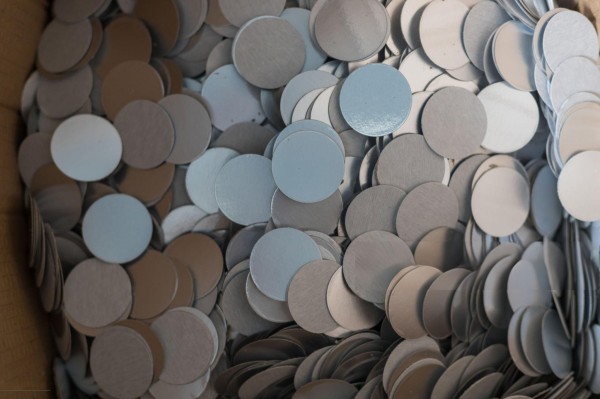 অ্যালুমিনিয়াম শীট বৃত্ত
1. উপাদান প্রস্তুতি
উত্পাদন প্রক্রিয়া উপযুক্ত অ্যালুমিনিয়াম উপকরণ নির্বাচন সঙ্গে শুরু হয়. সাধারণ গ্রেড অন্তর্ভুক্ত 1050, 1060, 1070, 1100, এবং 3003, ফর্ম্যাবিলিটির মতো আবেদনের প্রয়োজনীয়তা অনুযায়ী বেছে নেওয়া হয়েছে, জারা প্রতিরোধের, এবং তাপ পরিবাহিতা.
এই পর্যায়ে সংজ্ঞায়িত মূল পরামিতি অন্তর্ভুক্ত:
- খাদ গ্রেড এবং রাসায়নিক গঠন
- মেজাজ অবস্থা (ও, H12, H14, ইত্যাদি)
- বেধ সহনশীলতা
- লক্ষ্য ব্যাস এবং সমতলতা
সঠিক উপাদান নির্বাচন ডাউনস্ট্রিম গঠনের স্থায়িত্ব নিশ্চিত করে এবং স্ক্র্যাপের হার কমিয়ে দেয়. বড় আকারের উত্পাদন পরিবেশে, অভিজ্ঞ নির্মাতারা যেমন হেনান হুয়াওয়ে অ্যালুমিনিয়াম কো., লিমিটেড. সাধারণত শেষ-ব্যবহারের কর্মক্ষমতা মান এবং আন্তর্জাতিক নির্দিষ্টকরণের সাথে উপাদান নির্বাচনকে সারিবদ্ধ করে (হাঁপানি, চালু, জিবি).
2. শীট কাটা (ফাঁকা প্রস্তুতি)
অ্যালুমিনিয়াম শীট বা কয়েলগুলি কাটার প্রক্রিয়ার মাধ্যমে বৃত্তাকার ফাঁকা জায়গায় রূপান্তরিত হয়. উত্পাদন ভলিউম এবং নির্ভুলতা প্রয়োজনীয়তা উপর নির্ভর করে, নিম্নলিখিত পদ্ধতিগুলি সাধারণত ব্যবহৃত হয়:
- যান্ত্রিক শিয়ারিং
- CNC কাটিয়া সিস্টেম
- উচ্চ গতির ফাঁকা লাইন
এই পর্যায়ে উদ্দেশ্য হল ন্যূনতম burrs সঙ্গে বৃত্তাকার ফাঁকা প্রাপ্ত করা, নিয়ন্ত্রিত প্রান্ত গুণমান, এবং সামঞ্জস্যপূর্ণ ওজন. সঠিক কাটিয়া নির্ভুলতা সরাসরি স্ট্যাম্পিং কর্মক্ষমতা এবং ডাই লাইফ প্রভাবিত করে.
 অ্যালুমিনিয়াম প্লেট কাটিয়া
3. সারফেস প্রিট্রিটমেন্ট
গঠনের আগে, অ্যালুমিনিয়াম ডিস্কগুলি পৃষ্ঠের অভিন্নতা উন্নত করতে এবং গঠনের ত্রুটিগুলি কমাতে পৃষ্ঠের প্রিট্রিটমেন্টের মধ্য দিয়ে যায়. সাধারণ প্রক্রিয়া অন্তর্ভুক্ত:
- যান্ত্রিক মসৃণতা
- ব্রাশিং বা স্যান্ডিং
- শট ব্লাস্টিং বা ফাইন স্যান্ডব্লাস্টিং
এই পদক্ষেপটি অক্সাইডের অবশিষ্টাংশগুলিকে সরিয়ে দেয়, ঘূর্ণায়মান চিহ্ন, এবং ক্ষুদ্র পৃষ্ঠের অপূর্ণতা, স্ট্যাম্পিং বা গভীর অঙ্কন অপারেশনের সময় মসৃণ ধাতব প্রবাহ নিশ্চিত করা.
4. মুদ্রাঙ্কন এবং গঠন
স্ট্যাম্পিং একটি গুরুত্বপূর্ণ পদক্ষেপ যেখানে অ্যালুমিনিয়াম ডিস্কগুলি প্রেস এবং নির্ভুলতা ব্যবহার করে নির্দিষ্ট জ্যামিতিতে আকার দেওয়া হয়. চূড়ান্ত পণ্যের উপর নির্ভর করে, গঠন অপারেশন অন্তর্ভুক্ত হতে পারে:
- ফ্ল্যাট স্ট্যাম্পিং
- গভীর অঙ্কন
- মাল্টি-স্টেজ গঠন
প্রক্রিয়া নিয়ন্ত্রণ ক্র্যাকিং প্রতিরোধে ফোকাস করে, wrinkling, বা অসম বেধ বন্টন. সঠিক তৈলাক্তকরণ, ডাই ডিজাইন, এবং উপাদান মেজাজ নির্বাচন স্থিতিশীল গঠন ফলাফল অর্জনের জন্য অপরিহার্য.
5. তাপ চিকিত্সা
তাপ চিকিত্সা যান্ত্রিক বৈশিষ্ট্য বাড়ায় এবং গঠনের সময় প্রবর্তিত অভ্যন্তরীণ চাপ থেকে মুক্তি দেয়. সাধারণ চিকিত্সা অন্তর্ভুক্ত:
- উন্নত নমনীয়তা জন্য annealing
- স্ট্রেস রিলিফ হিটিং
- শস্য গঠন বজায় রাখার জন্য নিয়ন্ত্রিত কুলিং
এই পদক্ষেপটি বিশেষ করে কুকওয়্যার এবং শিল্প অ্যাপ্লিকেশনগুলির জন্য গুরুত্বপূর্ণ যেখানে বারবার তাপ সাইক্লিং বা চাপ প্রতিরোধের প্রয়োজন হয়.
6. যথার্থ যন্ত্র
তাপ চিকিত্সার পরে, অ্যালুমিনিয়াম ডিস্কগুলি আঁট মাত্রিক সহনশীলতা পূরণের জন্য সেকেন্ডারি মেশিনিংয়ের মধ্য দিয়ে যেতে পারে. সাধারণ নির্ভুলতা প্রক্রিয়া অন্তর্ভুক্ত:
- গর্ত তুরপুন বা খোঁচা
- থ্রেড কাটা
- এজ ট্রিমিং এবং চ্যামফেরিং
যথার্থ মেশিনিং সমাবেশের প্রয়োজনীয়তার সাথে সামঞ্জস্য নিশ্চিত করে এবং চূড়ান্ত অ্যাপ্লিকেশনগুলিতে কার্যকরী নির্ভুলতার গ্যারান্টি দেয়.
7. চূড়ান্ত পৃষ্ঠ চিকিত্সা
জারা প্রতিরোধের উন্নত করতে, চেহারা, এবং কার্যকরী কর্মক্ষমতা, সমাপ্ত অ্যালুমিনিয়াম ডিস্ক প্রায়ই যেমন পৃষ্ঠ চিকিত্সা গ্রহণ:
- অ্যানোডাইজিং
- পাউডার আবরণ
- স্প্রে পেইন্টিং বা প্রতিরক্ষামূলক ফিল্ম অ্যাপ্লিকেশন
সারফেস ট্রিটমেন্ট নির্বাচন কাজের পরিবেশ এবং শেষ পণ্যের নান্দনিক প্রয়োজনীয়তার উপর নির্ভর করে.
 অ্যালুমিনিয়াম ডিস্কের পরিমাপ
8. পরিদর্শন এবং প্যাকেজিং
গুণ নিয়ন্ত্রণ সমগ্র উত্পাদন পরিচালিত হয়, চূড়ান্ত পরিদর্শন ফোকাস সঙ্গে:
- মাত্রিক নির্ভুলতা
- সারফেস ফিনিস
- যান্ত্রিক বৈশিষ্ট্য
- চাক্ষুষ ত্রুটি
শুধুমাত্র যোগ্যতাসম্পন্ন অ্যালুমিনিয়াম ডিস্ক প্যাকেজিং এগিয়ে যান. স্ট্যান্ডার্ড প্যাকেজিং পদ্ধতি কাঠের pallets অন্তর্ভুক্ত, আর্দ্রতা-প্রমাণ মোড়ানো, এবং প্রতিরক্ষামূলক interlayers পরিবহন সময় ক্ষতি প্রতিরোধ.
উপসংহার
অ্যালুমিনিয়াম ডিস্ক উত্পাদন প্রক্রিয়া একটি বহু-পর্যায়, প্রযুক্তিগতভাবে চাহিদাপূর্ণ কর্মপ্রবাহের জন্য প্রতিটি পদক্ষেপে কঠোর নিয়ন্ত্রণ প্রয়োজন. কাঁচামাল নির্বাচন থেকে চূড়ান্ত পরিদর্শন পর্যন্ত, প্রতিটি প্রক্রিয়া সরাসরি পণ্য কর্মক্ষমতা প্রভাবিত করে, সেবা জীবন, এবং অ্যাপ্লিকেশন নির্ভরযোগ্যতা.
পরিপক্ক উত্পাদন সিস্টেম এবং প্রক্রিয়া অপ্টিমাইজেশান অভিজ্ঞতা সহ নির্মাতারা — যেমন হেনান হুয়াওয়ে অ্যালুমিনিয়াম কো., লিমিটেড., যা দীর্ঘদিন ধরে কুকওয়্যার এবং শিল্প বাজারের জন্য অ্যালুমিনিয়াম সার্কেল প্রক্রিয়াকরণে নিযুক্ত রয়েছে- বিশ্বব্যাপী গ্রাহকদের জন্য স্থিতিশীল গুণমান এবং সামঞ্জস্যপূর্ণ স্পেসিফিকেশন সরবরাহ করতে আরও ভাল অবস্থানে রয়েছে.
প্রায়শই জিজ্ঞাসিত প্রশ্নাবলী (প্র&ক)
প্রশ্ন ১: অ্যালুমিনিয়াম ডিস্কের জন্য কী অ্যালুমিনিয়াম অ্যালয়গুলি সবচেয়ে বেশি ব্যবহৃত হয়?
অ্যালুমিনিয়াম ডিস্কের জন্য সর্বাধিক ব্যবহৃত অ্যালয়গুলি হল 1050, 1060, 1070, 1100, এবং 3003.
বিশুদ্ধ অ্যালুমিনিয়াম গ্রেড (1xxx সিরিজ) চমৎকার নমনীয়তা এবং তাপ পরিবাহিতা অফার, কুকওয়্যার এবং আলো অ্যাপ্লিকেশনের জন্য তাদের আদর্শ করে তোলে, যখন 3003 শিল্প গঠনের প্রয়োজনীয়তার জন্য উন্নত শক্তি প্রদান করে.
প্রশ্ন ২: কেন স্ট্যাম্পিং আগে পৃষ্ঠ pretreatment আবশ্যক?
সারফেস প্রিট্রিটমেন্ট ঘূর্ণায়মান চিহ্নগুলি সরিয়ে দেয়, অক্সাইড, এবং অ্যালুমিনিয়াম পৃষ্ঠের মাইক্রো-ত্রুটি.
এই পদক্ষেপ স্ট্যাম্পিং সময় ধাতু প্রবাহ উন্নত, ক্র্যাকিং বা কুঁচকে যাওয়ার ঝুঁকি হ্রাস করে, এবং গঠিত পণ্যের সামগ্রিক সামঞ্জস্য বাড়ায়, বিশেষ করে গভীর অঙ্কন অ্যাপ্লিকেশন.
Q3: অ্যালুমিনিয়াম ডিস্ক উত্পাদন সবসময় তাপ চিকিত্সা প্রয়োজন হয়??
সমস্ত অ্যাপ্লিকেশনের জন্য তাপ চিকিত্সার প্রয়োজন হয় না, কিন্তু এটা অত্যন্ত জন্য সুপারিশ করা হয়:
- গভীর আঁকা উপাদান
- চাপ বহনকারী পণ্য
- বারবার তাপ সাইক্লিং জড়িত অ্যাপ্লিকেশন
তাপ চিকিত্সা নমনীয়তা উন্নত করে, অভ্যন্তরীণ চাপ উপশম করে, এবং যান্ত্রিক কর্মক্ষমতা স্থিতিশীল করে.
Q4: উৎপাদনের সময় কিভাবে মাত্রিক নির্ভুলতা নিয়ন্ত্রণ করা হয়?
মাত্রিক নির্ভুলতা মাধ্যমে নিশ্চিত করা হয়:
- সুনির্দিষ্ট ফাঁকা কাটা এবং ওজন নিয়ন্ত্রণ
- স্ট্যাম্পিংয়ের সময় অপ্টিমাইজড ডাই ডিজাইন
- মাধ্যমিক নির্ভুলতা মেশিনিং যেখানে প্রয়োজন
- উত্পাদন প্রক্রিয়া জুড়ে মাল্টি-স্টেজ পরিদর্শন
অভিজ্ঞ নির্মাতারা সাধারণত বিচ্যুতি কমানোর জন্য ইন-প্রসেস কোয়ালিটি মনিটরিং সংহত করে.
প্রশ্ন5: অ্যালুমিনিয়াম ডিস্কের জন্য কি সারফেস ফিনিস পাওয়া যায়?
সাধারণ পৃষ্ঠ সমাপ্তি অন্তর্ভুক্ত:
- খাবার শেষ
- পালিশ বা মাজা পৃষ্ঠ
- Anodized ফিনিস
- আঁকা বা প্রলিপ্ত পৃষ্ঠতল
নির্বাচন জারা প্রতিরোধের প্রয়োজনীয়তার উপর নির্ভর করে, চেহারা প্রত্যাশা, এবং শেষ ব্যবহারের শর্ত.
প্রশ্ন ৬: চালানের আগে কী মানের পরিদর্শন করা হয়?
চূড়ান্ত পরিদর্শন সাধারণত কভার:
- ব্যাস এবং বেধ সহনশীলতা
- সমতলতা এবং প্রান্তের গুণমান
- পৃষ্ঠের ত্রুটি এবং পরিচ্ছন্নতা
- যান্ত্রিক সম্পত্তি যাচাইকরণ (যখন প্রয়োজন)
শুধুমাত্র যে পণ্যগুলি নির্দিষ্ট প্রযুক্তিগত মান পূরণ করে প্যাকেজিং এবং চালানের জন্য অনুমোদিত.
প্রশ্ন ৭: অ্যালুমিনিয়াম ডিস্ক নির্দিষ্ট অ্যাপ্লিকেশনের জন্য কাস্টমাইজ করা যেতে পারে?
হ্যাঁ. অ্যালুমিনিয়াম ডিস্ক পরিপ্রেক্ষিতে কাস্টমাইজ করা যেতে পারে:
- খাদ গ্রেড
- ব্যাস এবং বেধ
- মেজাজ অবস্থা
- পৃষ্ঠ চিকিত্সা এবং প্যাকেজিং

