Руководство по выбору сплава алюминиевого круга:
Профессиональное руководство по выбору материалов для производителей посуды
Введение
В сфере производства посуды, алюминиевые круги стали предпочтительным материалом для изготовления горшков, кастрюли, противни для выпечки, и скороварки из-за их превосходной теплопроводности, легкие свойства, и превосходная формуемость. Однако, Доступно несколько серий алюминиевых сплавов, таких как 1000, 3000, и 5000 серия — выбор наиболее подходящего сплава для конкретного изделия напрямую влияет на качество готовой продукции, производственные затраты, и общая конкурентоспособность рынка. Это руководство предоставляет производителям кухонной посуды систематический подход к выбору сплава алюминиевого круга..
 круг из алюминиевого листа
я. Характеристики основной серии алюминиевых сплавов для кухонной посуды
1. 1000 Ряд: Базовые материалы высокой чистоты
Представительные сплавы: 1050, 1060, 1100
The 1000 серия содержит более 99% алюминий, обеспечивает превосходную теплопроводность и формуемость, но относительно низкая механическая прочность.
- 1050 алюминиевый сплав: Содержание алюминия ≥99,5%, лучшая в своем классе теплопроводность. Подходит для сковород и форм для выпечки, где эффективность теплопередачи имеет решающее значение.. Предел прочности 60–100 МПа., удлинение ≥20%, отличная производительность при глубокой вытяжке.
- 1060 алюминиевый сплав: Немного более высокая чистота, чем 1050 (≥99,6%), с превосходной электро- и теплопроводностью. Идеально подходит для тонкостенной посуды.. В отожженном (О нрав) состояние, он мягкий и легко обрабатывается, что делает его наиболее экономичным вариантом.
- 1100 алюминиевый сплав: Содержание алюминия 99.0%, с небольшим количеством меди (0.05–0,2%). Чуть более высокая прочность (70–120 МПа), подходит для бульонных и тушеных кастрюль, требующих умеренной жесткости конструкции.
Ключевые преимущества: Бюджетный, быстрая передача тепла, Отличная формируемость
Ограничения: Недостаточная прочность для изделий, работающих под давлением, таких как скороварки.
2. 3000 Ряд: Практические сплавы, упрочненные марганцем
Представительные сплавы: 3003, 3105
Добавив 1,0–1,5% марганца., эти сплавы значительно улучшают прочность, сохраняя при этом хорошую формуемость., делая их «рабочими лошадками» в производстве посуды.
- 3003 алюминиевый сплав: Предел прочности 95–140 МПа., примерно на 20–30 % выше, чем у чистого алюминия. Превосходная способность к глубокой вытяжке и устойчивость к коррозии делают его идеальным для сковород с антипригарным покрытием., пароходы, и скороварки. Типичный контроль химического состава: И ≤0,6%, Фе ≤0,7%, Медь 0,05–0,2%, Мн 1,0–1,5%.
- 3105 сплав: Оптимизированная версия 3003, больше подходит для высококачественных продуктов, требующих последующей обработки анодированием.
Ключевые преимущества: Сбалансированная прочность и формуемость, хорошая коррозионная стойкость, отличная свариваемость
Типичные применения: Повседневная посуда, скороварки, коммерческие кухонные товары
3. 5000 Ряд: Высокопрочные сплавы, упрочненные магнием
Представительные сплавы: 5052, 5005
С добавкой 2,2–2,8% магния, эти сплавы обеспечивают более высокую прочность и коррозионную стойкость морского класса..
- 5052 алюминиевый сплав: Предел прочности 170–230 МПа., 1.5– в 2 раза больше, чем 3003. Особенно подходит для посуды, подвергающейся высоким механическим нагрузкам., например, уличная посуда, большие кастрюли для бульона, и профессиональное кухонное оборудование. Полированные поверхности обеспечивают превосходное эстетическое качество..
Ключевые преимущества: Высокая прочность, выдающаяся устойчивость к коррозии, отличные усталостные характеристики
Применимые сценарии: Высококачественная посуда, уличное оборудование, коммерческие продукты с длительным сроком службы
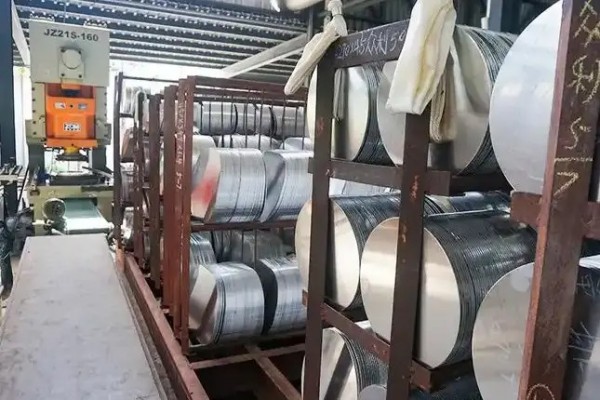 Здание завода по производству алюминиевых листов
II. Пять ключевых факторов принятия решения при выборе сплава
1. Тип продукта и механические требования
| Тип посуды |
Рекомендуемый сплав |
Рекомендуемая толщина |
Обоснование |
| Сковорода с антипригарным покрытием |
1050 / 1060 О нрав |
0.5–2,0 мм |
Быстрая передача тепла, легкий дизайн, оптимальная стоимость |
| Фондовый горшок / молочный горшок |
3003 Н12 / Н14 |
1.5–3,0 мм |
Сбалансированная прочность и формуемость, устойчивость к коррозии |
| Скороварка |
3003 / 5052 Н14 |
3.0–5,0 мм |
Для сред под давлением требуется более высокая прочность |
| Противень / форма |
1100 Н14 |
0.4–1,5 мм |
Хорошая формуемость сложных форм. |
| Профессиональный вок |
5052 Н14 |
2.5–4,0 мм |
Высокая долговечность для коммерческого использования. |
Принцип принятия решения: Продукты, выдерживающие давление, способствуют 3000/5000 ряд; продукты быстрого нагрева способствуют 1000 ряд.
2. Совместимость с процессами формовки
Процессы глубокой вытяжки требуют удлинения ≥15% и твердости, контролируемой в пределах HB 20–35.:
- Простой неглубокий рисунок: 1100 H14 достаточно
- Сложный глубокий рисунок: 3003 Рекомендуется использовать закалку O или H12, чтобы избежать растрескивания.
- Процессы прядения: 1060 Отпуск O работает лучше всего из-за высокой пластичности.
3. Совместимость обработки поверхности
Различные сплавы по-разному реагируют на последующую обработку поверхности.:
- Анодирование: 3003 и 5052 работать лучше всех, формирование плотных оксидных слоев с поверхностной твердостью до HV 300–500.
- Антипригарные покрытия: The 1000 серия обеспечивает превосходную адгезию покрытия благодаря более высокой поверхностной активности
- Полировка: Все серии подходят, но сплавы высокой чистоты (1050/1060) добиться лучшего зеркального блеска
4. Анализ затрат и эффективности
С использованием 3003 как базовый индекс 100, относительные затраты следующие::
- 1050 / 1060: 85–90 (самый экономичный)
- 1100: 95
- 3003: 100 (базовый уровень)
- 5052: 120–130 (премиальное позиционирование)
Рекомендации по закупкам: Стандартизированные продукты большого объема должны отдавать приоритет 1000 ряд; середина- к высококачественным дифференцированным продуктам следует принять 3000 ряд.
5. Требования соответствия и сертификации
Материалы, контактирующие с пищевыми продуктами, должны соответствовать требованиям FDA., ЛФГБ, и подобные правила:
- Все рекомендуемые сплавы по своей сути нетоксичны., но содержание тяжелых металлов необходимо контролировать (компакт-диск <0.01%, Pb <0.05%)
- Анодированные изделия требуют проверки плотности оксидной пленки, чтобы исключить миграцию ионов алюминия.
- Поставщики должны предоставить отчеты о химическом составе на уровне партии и сертификацию RoHS.
 Завод по производству алюминиевых листов
III. Ключевые моменты контроля качества цепочки поставок
1. Отслеживание сырья
Качественные алюминиевые круги должны контролироваться из слитков первичного алюминия.:
- Избегайте материалов, в которых содержание переработанного алюминия превышает 30% для предотвращения колебаний состава
- Подтвердить процессы литья: Прямое охлаждение (округ Колумбия) литье обеспечивает лучшее качество, чем непрерывное литье. (СС)
- Проверка содержания водорода в слитках; пористость должна быть ниже 0.15 мл/100 г Ал
2. Критический контроль в производственном процессе
- Холодная прокатка: Поддерживайте степень измельчения на уровне 60–85 % для обеспечения однородного размера зерна. (Размер зерна по ASTM 5–7)
- Отжиг: Для 3003 сплав, отожгите при 320–350°С в течение 2–4 часов для обеспечения полной рекристаллизации.
- Вырубка/штамповка: Используйте прецизионные штампы; допуск диаметра в пределах ±0,2 мм, высота краевого заусенца ≤0,05 мм
3. Стандарты проверки готовой продукции
Каждая партия должна быть проверена на предмет:
- Механические свойства: Предел прочности, удлинение, твердость (для ГБ/Т 3880)
- Качество поверхности: Никаких царапин, масляные пятна, или различия в цвете; Ra ≤0,8 мкм
- Точность размеров: Допуск по толщине ±0,05 мм, округлость ≤0,1 мм
- Внутреннее качество: Ультразвуковой контроль включений и пористости
IV. Будущие тенденции и направления инноваций
- Композитные алюминиевые круги: Многослойные структуры (например, 1060/3003/1060) сочетание теплопроводности и прочности
- Технологии с предварительным покрытием: Анодирование или керамическое покрытие на этапе изготовления алюминиевого круга для снижения затрат на последующую обработку.
- Экологичные сплавы: Разработка низкомагниевых, альтернативы без марганца 3003 для упрощенной переработки
- Интеллектуальная отслеживаемость: Лазерная маркировка информации о партии на обратной стороне кругов для полного отслеживания жизненного цикла.
 Перевозка алюминиевых листов
V.. Часто задаваемые вопросы (вопрос&А)
1 квартал: В основном мы производим алюминиевую посуду с антипригарным покрытием для экспорта в Европу, и ее стоимость очень чувствительна.. Какой сплав нам выбрать?
А: 1060 О нрав рекомендуется использовать алюминиевые круги. Европейские рынки широко принимают продукцию из чистого алюминия., и 1060 обеспечивает оптимальную теплопроводность и стоит на 10–15% дешевле, чем 3003. С качественным антипригарным покрытием., он полностью отвечает требованиям ежедневного использования. Рекомендуемая толщина 0,8–1,2 мм.. Убедитесь, что поставщик предоставляет сертификат LFGB на контакт с пищевыми продуктами и испытания на содержание тяжелых металлов на уровне партии..
2 квартал: Как производители скороварок могут сбалансировать безопасность и стоимость материалов??
А: 3003 H14 темперамент это самый надежный выбор. Его предел прочности (≥120 МПа) и предел текучести (≥85 МПа) безопасно выдерживают рабочее давление 0,1–0,15 МПа., при этом стоимость превышает 20% меньше, чем 5052. Ключевые элементы управления включают допуск по толщине в пределах ±0,05 мм., удлинение ≥12%, и ультразвуковой контроль для устранения внутренних дефектов. Для премиальных линий, 5052 может использоваться как точка дифференциации.
Q3: Клиенты сообщают о растрескивании кромок после штамповки.. В чем может быть причина?
А: Исследуйте три основные области:
- Несоответствие твердости— для глубокой вытяжки требуется закалка O или H12.; использование материалов H14 или более твердых материалов уменьшает удлинение и вызывает растрескивание. (проверьте, превышает ли твердость HB 35).
- Чрезмерный размер зерна— неправильный отжиг может привести к образованию крупных зерен (ниже класса ASTM 4); Требуются металлографические отчеты с указанием размера зерна 5–7..
- Проблемы с качеством кромок— неправильный зазор матрицы или изношенные режущие кромки создают микротрещины.; обеспечить высоту заусенцев ≤0,05 мм.
Q4: Связан ли выбор сплава с изменением цвета и появлением пятен после анодирования??
А: Да. 3003 и 5052 сплавы образуют более плотные, более однородные анодные пленки с лучшей однородностью цвета. В то время как 1000 серия может быть анодирована, его оксидный слой мягче и более склонен к изменению цвета.. Контролируйте соотношение Fe/Si на уровне 1,5–2,0 и обеспечьте тщательное обезжиривание и травление перед анодированием..
Q5: Как мы можем проверить, изготовлены ли алюминиевые круги из первичного, а не из переработанного алюминия??
А: Используйте три метода:
- Химический анализ— в переработанном алюминии наблюдаются большие колебания содержания примесных элементов, таких как Pb и Zn.; запросить оригинальные спектрометрические данные.
- Металлографический контроль— первичный алюминий имеет однородную зернистую структуру, в то время как переработанный алюминий часто содержит нерасплавленные включения.
- Тестирование содержания водорода— обычно первичный алюминий <0.15 мл/100 г Ал; переработанный алюминий выше из-за поглощения водорода во время переплавки. В контрактах должно быть указано содержание переработанного алюминия не более 10 % с правом отслеживания..
Q6: Какой сплав наиболее прочен для высококачественных коммерческих воков, подвергающихся частому истиранию металлической посудой??
А: 5052 сплав H14 это оптимальный выбор. С твердостью НВ 40–50 и пределом прочности 170–230 МПа., устойчив к деформации и истиранию. Жесткое анодирование (20–30 мкм) может еще больше повысить твердость поверхности до HV 400+. Хотя затраты на материалы возрастают на 25–30%, срок службы увеличивается более чем на 50%, идеально подходит для коммерческих рынков премиум-класса. Обратите внимание, что формирование упругого возврата выше, требуется компенсация штампа 2–3°.
Q7: Как можно предотвратить окисление и коррозию при хранении и транспортировке??
А: Ключевые меры включают:
- Защитная упаковка— использовать антикоррозийные мешки с ЛИК с влагопоглотителями; поддерживать относительную влажность ниже 50%.
- Избегайте воздействия кислот/щелочей—хранить вдали от кислых газов и щелочных веществ..
- Контроль температуры— поддерживать температуру склада не выше 35°C и не допускать образования конденсата.
- Оборачиваемость запасов— ограничьте хранение до шести месяцев, чтобы избежать чрезмерного роста оксидов, влияющих на адгезию покрытия.. Легкое окисление можно удалить легкой щелочной очисткой с помощью 5% раствор NaOH.
Заключение
Выбор сплава алюминиевого круга является основополагающим решением при производстве посуды.. Производителям следует принять пятиэтапную модель принятия решений.: позиционирование продукта → требования к производительности → бюджетирование затрат → совместимость процессов → проверка соответствия. Для большинства кухонной посуды, 3003 сплав обеспечивает наилучшие общие характеристики; 1060 идеально подходит для максимальной экономической эффективности, пока 5052 подходит для высокого класса, приложения, ориентированные на долговечность. До массового производства, настоятельно рекомендуется провести испытания небольшими партиями для подтверждения глубокой вытяжки, характеристики покрытия, и кулинарные тесты, обеспечение оптимального соответствия между выбранным сплавом, производственные линии, и ожидания рынка.

