Waarom 3003 Aluminiumcirkels zijn de voorkeurskeuze voor dieptrekken: Technische gids voor een ingenieur
3003 aluminium cirkels voor dieptrekken worden algemeen beschouwd als een “benchmarkmateriaal” in dieptrektoepassingen binnen de aluminiumverwerkende industrie. In de productie van kookgerei en de productie van industriële componenten, ze zijn voor veel middenklassers de standaardkeuze geworden- tot hoogwaardige producten. Als ingenieur met meer dan 15 jaar in aluminiumverwerking, Ik word veel gevraagd door inkoopingenieurs en procesingenieurs: “Waarom wel 3003 prioriteit voor dieptrekken?” En “Hoe moet 1050, 1060, En 3003 echt geselecteerd worden?”
In dit artikel worden deze vragen helder en praktisch uitgelegd, waarbij de nadruk ligt op technische grondbeginselen in plaats van op marketingclaims.
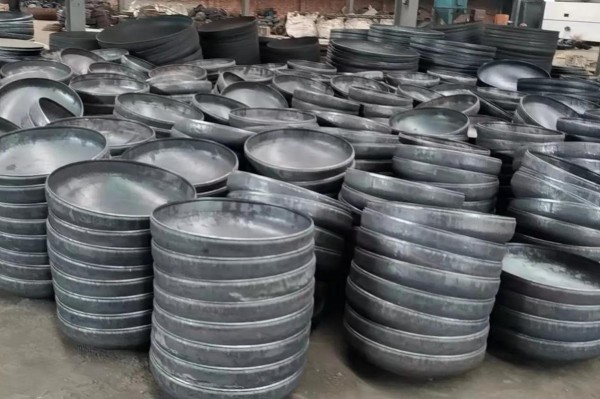
 eindkappen van drukvaten
I. Achtergrond van de industrie: Waarom verbeterde dieptrekvereisten zijn 3003 een noodzaak
Met de mondiale upgrade van de productie-industrie, De vraag naar diepgetrokken aluminium onderdelen blijft groeien, terwijl de materiaaleisen steeds strenger zijn geworden.
In kookgereitoepassingen, consumenten verwachten lichtere producten met een hogere sterkte en betere corrosieweerstand. Componenten zoals handgrepen van kookgerei en versterkte randen ondergaan complexe dieptrekbewerkingen en moeten een langdurige maatvastheid behouden.
In industriële toepassingen: eindkappen van drukvaten, warmtewisselaars voor auto's, airconditioningcompressoronderdelen - diepgetrokken componenten moeten aan nauwe maattoleranties voldoen, mechanische sterktedoelstellingen, en betrouwbaarheidseisen op lange termijn.
Historisch gezien, zuivere aluminiumlegeringen zoals 1050 En 1060 werden vaak gebruikt voor dieptrekken vanwege hun uitstekende plasticiteit. Echter, hun beperkingen zijn duidelijk: lage sterkte en relatief slechte corrosieweerstand. Bijvoorbeeld, kookgerei handvatten gemaakt van 1060 aluminium kan na langdurig gebruik vervormen, en zuiver aluminium is over het algemeen niet geschikt voor drukdragende industriële componenten.
Dit is waar 3003 aluminium cirkels demonstreren hun waarde. Als Al-Mn-legering, 3003 behoudt een goede dieptrekplasticiteit en biedt meer dan 30% hogere sterkte dan 1060, samen met verbeterde corrosieweerstand. Het lost effectief de kerntegenspraak van dieptrekken op: hoge vervormbaarheid tijdens verwerking En voldoende kracht in dienst.
Voor fabrikanten, dit vertaalt zich in een lager scheur- en kreukrisico tijdens het tekenen, langere levensduur van het product, en meestal meer dan 15% verlaging van de herbewerkingspercentages.
II. Materiële grondbeginselen: Belangrijkste verschillen tussen 3003 En 1050/1060
De dieptrekprestaties worden fundamenteel bepaald door de samenstelling van de legering en de microstructuur. Begrijpen waarom 3003 beter presteert vereist een directe vergelijking met 1050 En 1060.
1050 En 1060 zijn aluminiumlegeringen met een hoge zuiverheidsgraad (Al ≥ 99%), biedt uitstekende ductiliteit en uniforme vervorming tijdens het tekenen. Echter, hun treksterkte is laag (35–53 MPa), en de corrosieweerstand is beperkt, vooral in vochtige of aan olie blootgestelde omgevingen.
3003 aluminium bevat 1,0–1,5% Mn. Mangaan vormt versterkende Al₆Mn-dispersoïden en zorgt voor versterking in vaste oplossingen zonder de ductiliteit aanzienlijk te verminderen. Als resultaat, 3003 bereikt een treksterkte van 110–140 MPa met verlenging erboven 18%, het bereiken van een evenwichtige combinatie van vervormbaarheid en sterkte.
Vergelijking van belangrijkste eigenschappen en toepassingen
| Legering |
Hoofdcompositie |
Treksterkte (Gegloeid, MPa) |
Verlenging (%) |
Dieptrekgedrag |
Corrosiebestendigheid |
Typische toepassingen |
| 1050 |
Al ≥ 99.50% |
35–50 |
≥25 |
Uitstekende ductiliteit, lage kracht |
Gematigd |
Kookgerei uit het lagere segment |
| 1060 |
Al ≥ 99.60% |
37–53 |
≥28 |
Betere oppervlaktekwaliteit dan 1050 |
Iets beter dan 1050 |
Kookgerei uit het middensegment |
| 3003 |
Al-Mn (Mn 1,0–1,5%) |
110–140 |
≥18 |
Evenwichtige sterkte en vervormbaarheid |
Goed |
Handvatten, velgen, eindkappen van drukvaten, warmtewisselaars |
Technische conclusie:
Voor ondiep trekken met lage sterkte-eisen, 1050/1060 kan volstaan. Voor middelmatig tot dieptrekken waarbij sterkte en corrosiebestendigheid vereist zijn, 3003 is de rationele keuze.
 aluminium pot
III. Basisprincipes van processen: Acht belangrijke stappen die de dieptrekprestaties van definiëren 3003
Het selecteren van de juiste legering is slechts het startpunt. Stabiele dieptrekprestaties zijn afhankelijk van strikte procescontrole. Veel storingen zijn niet het gevolg van de keuze van de legering, maar door onjuiste verwerking.
De standaard procesroute is: Ingots smelten en gieten → Heetwalsen → Koudwalsen → Tussentijds gloeien → Skin-pass walsen → Blanking → Ontbramen en oppervlaktebehandeling → Inspectie en traceerbaarheid.
1. Ingots smelten en gieten
- Smelttemperatuur: 730–760 °C
- Koelsnelheid: 15–25 °C/s (semi-continu gieten)
- Mn inhoud: strikt 1,0–1,5%
Een te hoge temperatuur verhoogt de oxide-insluitsels; onvoldoende temperatuur veroorzaakt Mn-segregatie. Onjuiste koeling leidt tot grove korrels of interne spanningen.
2. Heet walsen
- Temperatuur: 380–450 °C
- Reductie met één doorgang: 30–40%
- Uiteindelijke dikte: 8–12 mm (±0,3 mm)
Het doel is om de gegoten structuur te doorbreken en de korrels te verfijnen via dynamische herkristallisatie.
3. Koudwalsen (Cruciaal voor dieptrekken)
- Totale reductie: 30–50%
- Rolsnelheid: 2–5 m/sec
- Spanning: 10–20 MPa
- Rolruwheid ≤ 0.2 urn
Dit bereik bevordert dominant {111} textuur, essentieel voor uniforme vervorming tijdens dieptrekken.
4. Tussentijds gloeien
- Temperatuur: 380–420 °C
- Tijd vasthouden: 2–3 uur
- Beschermende atmosfeer: stikstof
Herkristallisatiesnelheid ≥ 95%, verlenging hersteld tot ≥ 18%. Overmatig gloeien veroorzaakt grove korrels en sinaasappelschildefecten.
5. Volgende afwerkingsstappen
- Vermindering van huidpassage: 5–10%
- Speling van de matrijs: 0.01–0,03 mm
- Braamhoogte ≤ 0.05 mm
- Ontvetten: 50–60 °C gedurende 5–10 minuten (olie ≤ 5 mg/m²)
- Passivering om de corrosieweerstand te verbeteren
 Een pot gemaakt van aluminium platen
IV. Kwaliteitscontrole: Drie kritische controlelagen
1. Controle van grondstoffen
- ≥3% bemonstering per batch ingots
- Spectraalanalyse voor Mn, Fe, En, Pb, CD
- Maak gebruik van ASTM-gecertificeerde leveranciers van primair aluminium
- Volledige traceerbaarheidsgegevens
2. Procesbeheersing
- Controle van de warmwalsdikte per meter
- XRD-textuurverificatie ({111} ≥ 70%)
- Metallografische controles na het gloeien (korrelgrootte 20–50 μm)
- Kalibratie van apparatuur (rolrondheid ≤ 0.01 mm)
3. Laatste inspectie
- Diametertolerantie ≤ ±0,1 mm
- Diktetolerantie ≤ ±0,05 mm
- Oppervlakteruwheid Ra ≤ 0.8 urn (≤ 0.5 μm voor premiumproducten)
- Treksterkte 110–140 MPa, verlenging ≥ 18%
- FDA-conforme migratielimieten voor zware metalen
V. Veelvoorkomende dieptrekdefecten en technische oplossingen
Kraken
- Oorzaken: overmatige reductie van koudwalsen, onvoldoende gloeien, grote bramen
- Oplossing: controlereductie tot 30-50%, herkristallisatie ≥ 95%, braam ≤ 0.05 mm
Sinaasappelschil
- Oorzaken: overgloeien, korrelgrootte > 100 urn
- Oplossing: gloeien bij 380–420 °C gedurende 2 à 3 uur, metallografische monitoring
Rimpeling
- Oorzaken: niet-uniforme textuur, variatie in dikte, overmatige matrijsspeling
- Oplossing: stabiliseer de rollende textuur, dikte ±0,05 mm, matrijsspeling 0,01–0,03 mm
VI. Toepassingsspecifieke parameteraanpassing
Kookgerei (handvatten, velgen, deksels)
- Focus: oppervlakte kwaliteit, corrosieweerstand, FDA-naleving
- Aanpassingen: rolruwheid ≤ 0.15 urn, olieresidu ≤ 3 mg/m², strikte limieten voor zware metalen
Industriële componenten (doppen van drukvaten, warmtewisselaars)
- Focus: sterkte en maatvastheid
- Aanpassingen: reductie koudwalsen 40–50%, nauwere maattoleranties
 Verpakking voltooid voor aluminium schijven
VII. Praktische productie- en gebruiksaanbevelingen
- Winkel 3003 aluminium cirkels in droog, geventileerde omstandigheden.
- Gebruik geschikte smeermiddelen voor dieptrekken (food-grade voor kookgerei).
- Zorg ervoor dat het matrijsmateriaal en de hardheid overeenkomen met het sterkteniveau van 3003.
- Handhaaf de traceerbaarheid van batches voor een snelle analyse van de hoofdoorzaak.
Conclusie
3003 aluminium cirkels voor dieptrekken hebben de voorkeur omdat ze een praktisch evenwicht tussen deze twee bereiken vervormbaarheid tijdens dieptrekken En sterkte en corrosieweerstand tijdens gebruik.
Vanuit een technisch perspectief, succes hangt af van drie fundamentele factoren: juiste legeringskeuze, strikte controle van de reductie- en gloeiparameters van koudwalsen, en uitgebreide kwaliteitscontrole gedurende het hele proces.
Voor speciale dieptrekscenario's, zoals ultradieptrekken of extreme serviceomgevingen, is verdere parameteroptimalisatie vereist, en technische uitwisseling wordt altijd aangemoedigd.

