Подробное руководство по основаниям посуды из алюминиевого круга: Ядро и будущее современной посуды
1. Обзор продукта: Определение, Ценить, и основные параметры
1.1 Основное определение
Под алюминиевым круглым основанием посуды подразумевается круглая алюминиевая заготовка, разработанная и изготовленная для дна кухонной посуды, такой как кастрюли., сковороды, и вокс. Обычно он изготавливается из алюминия высокой чистоты или алюминиево-магниевых сплавов. (например, 1050, 1060, 3003, 5052 ряд). Как “тепловой двигатель” посуды, его основная функция — достижение эффективной и равномерной теплопроводности., фундаментально определяет производительность приготовления и энергоэффективность.
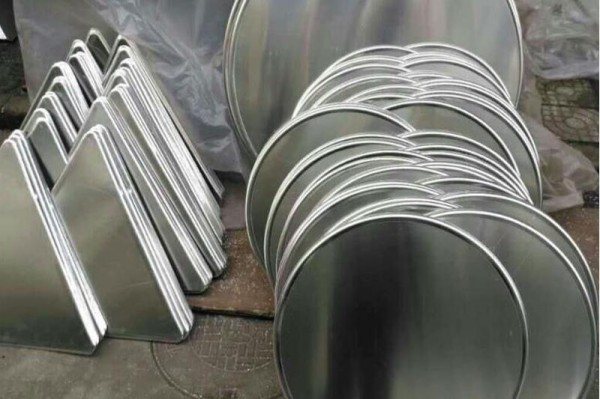
1.2 Основная ценность и позиционирование на рынке
Алюминиевое круглое основание устраняет болевые точки, связанные с неравномерным нагревом и низкой эффективностью традиционной посуды.. По сравнению с такими материалами, как железо и нержавеющая сталь., его исключительная теплопроводность, легкий характер, и экономичность делают его предпочтительным выбором для производителей основной и элитной посуды.. Это не только улучшает качество приготовления пищи, но и соответствует постоянному спросу рынка на энергосбережение., высокопроизводительная посуда.
1.3 Технические характеристики и выбор материала
Базовые характеристики сильно настраиваются в соответствии с требованиями конечного продукта.. Основные диапазоны параметров следующие::
| Параметр |
Типичный диапазон / Параметры |
Описание и руководство по применению |
| Распространенные марки сплавов |
1050, 1060, 3003, 5052 |
1050/1060: Высокая теплопроводность, для стандартной посуды; 3003/5052: Более высокая прочность, для посуды среднего и высокого класса и коммерческой посуды. |
| Диапазон толщины |
1.0мм – 5.0мм |
В бытовой посуде обычно используется толщина 1,5-3,0 мм.; Для коммерческого вока требуются пластины толщиной 3,0–5,0 мм для обеспечения теплоемкости и прочности.. |
| Диапазон диаметра |
10см – 50см+ |
Охватывает весь спектр — от небольших кастрюль до больших коммерческих воков.. |
| Состояние темперамента |
О (Отожженный), Н14, H18, и т. д.. |
O-закал облегчает последующую глубокую вытяжку; Закалки Hxx обеспечивают более высокую жесткость конкретных композитных конструкций.. |
2. Основные характеристики: Почему алюминий — лучший выбор для оснований кухонной посуды
Широкое применение алюминиевых круглых оснований обусловлено их незаменимым сочетанием физических и технологических свойств..
2.1 Исключительные тепловые характеристики
Это самое важное преимущество алюминиевых оснований.. Теплопроводность алюминия (приблизительно. 237 ж/(м·К)) значительно выше, чем у нержавеющей стали (15-20 ж/(м·К)) и чугун (~50 Вт/(м·К)). Это означает:
- Быстрое реагирование: Тепло быстро поглощается от источника (открытое пламя, индукционная плита, электрическая керамическая плита).
- Равномерное распределение: Тепло быстро распространяется по плоскости алюминиевого основания., предотвращение большой разницы температур между центром и краями формы. Это эффективно предотвращает локальное пригорание продуктов и обеспечивает точное приготовление..
2.2 Отличное соотношение прочности и веса
Плотность алюминия (2.7 г/см³) составляет всего лишь одну треть от железа. Использование алюминиевой основы позволяет существенно снизить общий вес посуды. (обычно 30%-50%), повышение удобства обращения, что особенно ценят пожилые пользователи. Одновременно, путем легирования (например, добавление магния, марганец) и закалка работы, алюминиевые основы могут достичь достаточной прочности и твердости для подавляющего большинства сценариев приготовления пищи..

2.3 Выдающаяся формуемость и технологичность
Алюминий обладает хорошей пластичностью и пластичностью., что позволяет легко придавать ему сложные формы. (как корпуса сковородок с носиками) через такие процессы, как штамповка, прядение, и глубокий рисунок. Его также можно идеально интегрировать с корпусами кастрюль из нержавеющей стали., керамические покрытия, и антипригарное покрытие. Это обеспечивает большую свободу дизайна для разнообразной и удобной посуды..
2.4 Замечательная экономичность и экологичность
По сравнению с материалами с высокой теплопроводностью, такими как медь и серебро., Алюминий распространен в изобилии и обеспечивает чрезвычайно высокую экономическую эффективность., сделать высокопроизводительную посуду доступной. Алюминий сам по себе нетоксичный и безвредныйи является 100% пригодный для вторичной переработкизеленый материал. Энергопотребление процесса переработки и переплавки составляет всего около 5% из них на производство первичного алюминия, полное соответствие принципам устойчивого развития.
3. Полная схема процесса прецизионного производства
Производство высококачественных алюминиевых круглых оснований — это прецизионная производственная цепочка, объединяющая металлургию., обработка давлением, и наука о поверхности.
3.1 Обзор технологического процесса
graph TD
    A[Raw Material Selection] --> B[Melting and Casting];
    B --> C[Hot Rolling];
    C --> D[Cold Rolling];
    D --> E[Annealing];
    E --> F[Slitting/Cutting];
    F --> G[Surface Treatment];
    G --> H[Precision Inspection];
3.2 Подробное объяснение ключевых этапов процесса
- Плавка и литье: Слитки алюминия высокой чистоты плавятся при температуре около 700°C.. После рафинирования для удаления примесей и газов., расплавленный алюминий формуется в рулоны алюминия одинаковой толщины посредством процесса непрерывного литья и прокатки..
- Горячая прокатка и холодная прокатка:
- Горячая прокатка (400-500°С): Литую слябу прокатывают тоньше., разрушение литой структуры и повышение плотности и пластичности материала.
- Холодная прокатка: Рулон дополнительно прокатывается до заданной толщины при комнатной температуре.. Это ключевой процесс для достижения высокой точности размеров., хорошее качество поверхности, и плоскостность.
- Отжиг: Холоднокатаный алюминиевый рулон подвергается отжигу при температуре 300-350°С для снятия внутренних напряжений и восстановления пластичности материала., подготовка его к последующей глубокой переработке.
- Разрезание и вырубка/резка: Высокоточные штамповочные прессы с ЧПУ или ротационные ножницы используются для резки рулонного алюминия на круги заданного диаметра.. Этот этап требует строгого контроля округлости., кромочные заусенцы, и царапины на поверхности.
- Обработка поверхности (По мере необходимости):
- Анодирование: Образует твердый, износостойкий, и устойчивый к коррозии слой оксида алюминия, часто используется для высококачественной посуды с открытыми алюминиевыми основаниями..
- Напыление/электрофоретическое покрытие: Наносит органическое покрытие (например, краска, устойчивая к высоким температурам) чтобы обеспечить цвет, повысить устойчивость к коррозии, и служат грунтовкой для антипригарных покрытий..
- Очистка и пассивация: Обеспечивает абсолютно чистую и обезжиренную поверхность основания, гарантируя прочное сцепление с корпусом горшка или адгезию покрытия..
4. Основные сценарии применения
Благодаря своим эксплуатационным и ценовым преимуществам, Алюминиевые круглые основания пронизали все поверхности кухонной посуды..
4.1 Бытовая посуда (Крупнейший рынок приложений)
- Сковороды с антипригарным покрытием: Подавляющее большинство сковородок с антипригарным покрытием используют 3003 или 5052 серия алюминиевых кругов в качестве основного материала. Их равномерное распределение тепла защищает антипригарное покрытие и продлевает срок его службы..
- Посуда с плакированным дном из нержавеющей стали: Алюминиевые круги действуют как промежуточный теплораспространяющий слой в “нержавеющая сталь-алюминий-нержавеющая сталь” трехслойная композитная конструкция, решение проблемы неравномерного нагрева кастрюль из нержавеющей стали и обеспечение их совместимости с индукционными плитами.
- Эмалированная чугунная/керамическая посуда: Используется в качестве проводящего слоя в композитных днищах кастрюль для улучшения общих тепловых характеристик..
4.2 Коммерческая и профессиональная посуда
Кухни ресторанов и гостиниц предъявляют высокие требования к долговечности посуды., теплоемкость, и эффективность. В коммерческих воках и кастрюлях для бульона обычно используются утолщенные 5052 серия алюминиевых кругов (3.0-5.0мм) для удовлетворения потребностей длительного, приготовление пищи на сильном огне.
4.3 Кухонная техника и специализированная посуда
- Внутренние кастрюли для приборов: Используется в качестве основного материала для внутренних кастрюль рисоварки., скороварки, и мультиварки.
- Уличная посуда: Использует свое преимущество в легком весе при изготовлении походных кастрюль и чайников..
- Специализированное оборудование: Применяется в промышленных условиях, таких как пищевая промышленность и лаборатории, где требуется равномерный нагрев..

5. Тенденции развития и перспективы на будущее
Эволюция индустрии кухонной посуды и меняющиеся запросы потребителей стимулируют алюминиевый круг основы для более высоких уровней развития.
5.1 Высокая точность и глубокая настройка
Растущие требования рынка к изысканному внешнему виду посуды и ее стабильным характеристикам подталкивают производителей к более высоким стандартам по допускам по толщине., плоскостность, и качество поверхности. Одновременно, спрос на кастомизацию растет, в том числе нестандартных диаметров, круги нестандартной формы, и заранее сформированные базы.
5.2 Композитинг материалов и функционализация
- Композитные основы: Многослойные композитные конструкции, такие как “алюминий-нержавеющая сталь-алюминий” и “алюминий-медь-алюминий” становятся мейнстримом на рынке высокого класса, стремясь объединить теплопроводность алюминия, долговечность нержавеющей стали, и термическая однородность меди.
- Функциональное лечение: Разработка подставок с магнитными свойствами для индукционных плит большей мощности, основания с изолирующими наружными слоями для снижения температуры ручки, и т. д..
5.3 Зеленое производство и устойчивое развитие
Использование более экологически чистых чистящих средств, пассиваторы (например, пассивация без хрома), и содействие использованию переработанного алюминиевого сырья для сокращения выбросов углекислого газа на протяжении всего жизненного цикла является неизбежным направлением отрасли..
5.4 Интеграция с умной посудой
С появлением умных кухонных приборов, Алюминиевые круглые основания могут служить идеальным носителем для встроенных датчиков температуры., позволяя самой посуде определять и обеспечивать обратную связь по температуре. Это обеспечивает аппаратную основу для точного контроля температуры и интеллектуального выполнения рецептов..
6. Заключение
Алюминиевое основание посуды в форме круга., с его научно сбалансированным квартетом свойств —теплопроводность, легкий, технологичность, и стоимость—занимает центральное место в современном производстве кухонной посуды. Это не просто металлический компонент, а важнейший инженерный элемент, соединяющий источник тепла с пищевыми продуктами., определение эффективности приготовления.
Навстречу будущим потребительским обновлениям и технологическим изменениям, индустрия основания алюминиевого круга будет продолжать способствовать развитию кухонной посуды посредством точное производство, инновационный композитный материал, экологические обновления процессов, и интеллектуальная интеграция. Это принесет более эффективное, более здоровый, и более приятные впечатления от приготовления пищи для потребителей по всему миру. Траектория его развития четко отображает тенденцию современного производства к высокой производительности., устойчивость, и глубокий возврат к пользовательской ценности.

