Каково сопротивление сжатию 3003 горячекатаные алюминиевые круглые листы для пищевых контейнеров?
В сфере пищевой упаковки и производства тары, “безопасность” и “долговечность” всегда являются основными требованиями. Алюминиевые пищевые контейнеры, в частности, испытания забойным давлением разной степени на каждом этапе — от наполнения производства, складское штабелирование, и транспортировка до конечного использования. Статическое давление при штабелировании, вибрация и удары во время транспортировки, механическое давление во время наполнения, и даже изменения давления во время высокотемпературной стерилизации предъявляют строгие требования к устойчивости контейнера к давлению.. The 3003 горячекатаный алюминиевый диск, в качестве предпочтительного основного материала для производства пищевой тары, не достигает такого сопротивления давлению случайно. Вместо, это результат совокупного воздействия свойств материала, технология обработки, и структурный дизайн. Сегодня, мы углубимся в сопротивление давлению 3003 горячекатаные алюминиевые дисковые пищевые контейнеры и обсудим, почему они стали “специалист по давлению” в пищевой упаковочной промышленности.
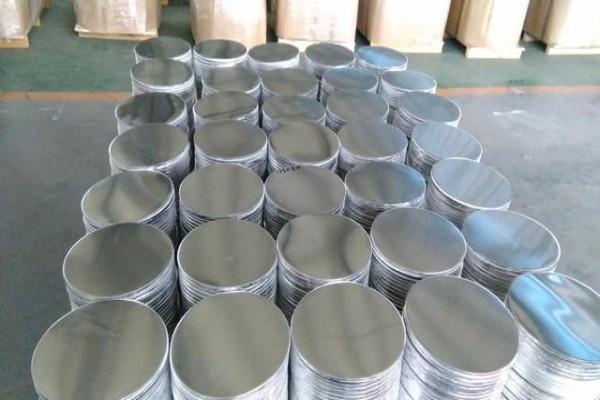 Особо толстые горячекатаные алюминиевые листы
я. Основной материал: 3003 Горячекатаный алюминиевый диск, Естественно совместимая основа устойчивости к давлению
Чтобы понять устойчивость контейнера к давлению, мы должны начать с основного материала. 3003 алюминиевый сплав относится к алюминиево-марганцевому ряду. С алюминием (97.0%–99,0%) как его основа, содержит 1,0–1,5% марганца. (Мин.) в качестве основного легирующего элемента, дополнен небольшим количеством других микроэлементов, таких как медь (Cu) и железо (Фе). Этот состав дает ему уникальное преимущество в балансе прочности и пластичности., закладка фундамента для устойчивости контейнера к давлению.
По сравнению с чистым алюминием или другими алюминиевыми сплавами, основное преимущество 3003 горячекатаный алюминиевый диск лежит в “идеальный баланс жесткости и гибкости”:
- Повышенная прочность и твердость: Добавление марганца значительно повышает прочность и твердость материала.. Его предел прочности может достигать 210–250 МПа., и его предел текучести колеблется в пределах 130–160 МПа., что представляет собой увеличение на 10–20 % по сравнению с сериями из чистого алюминия, такими как 1060. Это эффективно противостоит деформации и повреждениям, вызванным внешним давлением..
- Превосходная пластичность (Пластичность): Удлинение обычно составляет ≥15%., и может даже превосходить 20%. Это означает, что материал может эффективно рассеивать и поглощать энергию посредством пластической деформации под давлением., избежать внезапного хрупкого разрушения.
- Отличная работоспособность и стабильность: Этот сплав обладает хорошей формуемостью и может подвергаться дальнейшей закалке путем холодной обработки.. Обладает превосходной коррозионной стойкостью, остается стабильным в средах, контактирующих с пищевыми продуктами, и соответствует отечественным и международным стандартам безопасности пищевых продуктов.
Эти свойства делают 3003 горячекатаные алюминиевые диски — идеальный выбор для пищевых контейнеров: от банок для напитков и подносов для еды до компонентов скороварок., достижение превосходного баланса между силой, формуемость, и безопасность.
II. Ключевые факторы, влияющие на устойчивость к давлению
Устойчивость к давлению контейнера, изготовленного из 3003 горячекатаные алюминиевые диски — результат комбинированного процесса, дизайн, и материал. Ключевые факторы влияния кратко изложены ниже.:
Стол 1: Ключевые факторы, влияющие на устойчивость к давлению 3003 Горячекатаные алюминиевые контейнеры для дисков
| Фактор влияния |
Конкретное описание |
Вклад в устойчивость к давлению |
| 1. Процесс базового материала |
По сравнению с литой прокаткой, горячая прокатка позволяет получить материал с более мелким зерном., более однородная микроструктура, и меньше внутренних дефектов. Литая прокатка больше подходит для применений, требующих чрезвычайно высокой производительности глубокой вытяжки с относительно низкими требованиями к сопротивлению давлению.. |
Процесс горячей прокатки обеспечивает более равномерное распределение напряжений и превосходную общую прочность., формируя фундаментальную гарантию устойчивости к давлению высококачественных контейнеров. |
| 2. Спецификация толщины |
Обычная толщина пищевых контейнеров варьируется от 0,5 до 4,5 мм. (например, корпус банки для напитков: 0.3-0.5мм, компоненты скороварки: >1.0мм). |
Толщина – это основа “жесткий индикатор,” непосредственное определение толщины стены и несущей способности. Его необходимо выбирать с научной точки зрения, исходя из конкретного применения. (например, уровень давления, свойства контента). |
| 3. Структурное проектирование & Формирование |
Конструкции, подобные цилиндрическим корпусам банок., куполообразные днища/крышки оптимизируют механическую структуру; точный рисунок, процессы сварки обеспечивают структурную целостность. |
Научный дизайн эффективно распределяет давление, избежание локальной концентрации напряжений; прецизионная формовка обеспечивает равномерную толщину стенок, устранение слабых мест. Это ключ к “дизайн, расширяющий возможности материала.” |
| 4. Материальный характер |
Свойства в первую очередь корректируются за счет наклепанной закалки. (например, Н14, H18 закаляет) и отжиг (О нрав). Закалки H обеспечивают более высокую прочность, O-закал обеспечивает лучшую пластичность. |
Выбор подходящего закалки в зависимости от сложности формирования контейнера и требований к прочности при конечном использовании позволяет оптимизировать производительность и снизить затраты.. |
Углубленный анализ: Синергетический эффект процесса и дизайна
- Глубокое погружение: Горячая прокатка против. Литье-прокат: Процесс горячей прокатки аналогичен “ковка” металл, разрушение грубой литой структуры. Это не только устраняет дефекты, такие как газовые поры и усадочная пористость, но также обеспечивает более равномерное распределение марганца.. Эта однородная микроструктура является краеугольным камнем устойчивости к давлению.. В отличие, в то время как литой прокат обеспечивает более высокую эффективность производства и экономическую выгоду., его быстрое затвердевание приводит к несколько менее однородной микроструктуре, потенциально может привести к несколько большим колебаниям производительности при экстремальном статическом или ударном давлении.
- The “Усилитель” Эффект структурного проектирования: Эффективность материала должна быть максимизирована за счет дизайна.. Например, куполообразное дно банки для напитков по существу представляет собой тонкостенную конструкцию, находящуюся под действием осевого сжатия.. Он эффективно преобразует вертикальное давление в окружное напряжение в стенке банки., достижение максимальной жесткости при сжатии с минимальным использованием материала. Сходным образом, ребра жесткости и загнутые края по краям прямоугольных подносов для еды увеличивают момент инерции поперечного сечения за счет локальных геометрических изменений, значительно повышает сопротивление изгибу и сжатию. Превосходная конструкция обеспечивает устойчивость к давлению. 3003 алюминий будет полностью реализован.
 Завод по производству алюминиевых листов
III. Тестовые данные: Насколько сильно на самом деле сопротивление давлению?
Промышленность подтверждает устойчивость к давлению с помощью серии стандартизированных испытаний.. Различные методы испытаний моделируют различные сценарии стресса., с основными данными следующим образом:
Стол 2: Типичные данные испытаний на устойчивость к давлению и стандарты применения для 3003 Горячекатаные алюминиевые дисковые контейнеры для пищевых продуктов
| Тестовый предмет |
Справочник по стандарту тестирования |
Моделируемый сценарий & Метод испытания |
Типичная производительность продукта (Пример) |
Значение производительности |
| Осевая нагрузка (Укладка) Тест |
ИСО 2234, ГБ/Т 4857.3 |
Имитирует многоуровневое штабелирование склада.. Прикладывает вертикальное давление к верхней части контейнера до тех пор, пока не будет достигнуто раздавливание или заданная деформация.. |
Банка для напитков емкостью 330 мл. (толщина корпуса ~0,28 мм) выдерживает осевую нагрузку 1500–2500 Н, безопасно поддерживая 8-10 слои укладки. |
Напрямую отражает вертикальную несущую способность контейнера и устойчивость при хранении.. |
| Внутреннее давление (Лопаться) Тест |
АСТМ Д4577, ГБ/Т 9106.1 |
Имитирует внутреннее давление от газированных напитков или высокотемпературной стерилизации.. Создает давление в запечатанном контейнере до разрыва.. |
Для банок с газированными напитками обычно требуется сопротивление внутреннему давлению ≥0,9 МПа.; Алюминиевые внутренние кастрюли скороварок требуют давления разрыва ≥600 кПа.. |
Гарантирует, что контейнер не взорвется под внутренним давлением., гарантия безопасности. |
| Испытание на сжатие боковой стенки |
ГБ/Т 18454 |
Имитирует боковое сдавливание во время транспортировки.. Прикладывает давление к корпусу банки для оценки устойчивости к вмятинам.. |
Деформация боковой стенки сертифицированной банки для напитков под указанным давлением должна быть ниже стандартного предела., предотвращение взаимной деформации внутри корпусов. |
Отражает устойчивость контейнера к раздавливанию и ударам во время транспортировки и выкладки на полке.. |
| Давление цикла / Испытание на падение |
АСТМ Д5276, ГБ/Т 4857.5 |
Имитирует повторяющиеся воздействия при погрузочно-разгрузочных работах и погрузке/разгрузке.. Включает в себя несколько падений или циклов давления.. |
После завершения указанного количества капель или циклов давления., контейнер не должен протекать или иметь структурные повреждения. |
Оценивает усталостную прочность и долговечность контейнера.. |
Примечание: Конкретные данные испытаний различаются в зависимости от конструкции контейнера., толщина, и процесс. В таблице выше показаны распространенные отраслевые диапазоны.. Производители должны проводить точные испытания в соответствии с конкретными стандартами на продукцию..
Наука, лежащая в основе тестирования:
При испытаниях на осевую нагрузку, Причиной отказа контейнера часто является неустойчивость, а не разрушение материала.. Это подчеркивает характеристики тонкостенных конструкций и подчеркивает решающее влияние конструктивного проектирования. (например, нижняя форма, соотношение высоты и диаметра банки) по результатам сопротивления давлению. Испытания внутренним давлением в первую очередь проверяют внутреннюю прочность материала и целостность сварных швов.. Научное тестирование не только обеспечивает принятие решения о положительном/неудовлетворительном результате, но также, посредством анализа точек разрушения и кривых нагрузки-деформации, предлагает прямую поддержку данных для оптимизации материалов и дизайна.
IV. Приложение полного жизненного цикла: Как устойчивость к давлению обеспечивает безопасность пищевых продуктов
Сопротивление давлению 3003 горячекатаные алюминиевые дисковые контейнеры обеспечивают ощутимую безопасность и экономическую выгоду на различных этапах применения.:
1. Этап производства и наполнения:
На высокоскоростных линиях розлива, контейнеры должны выдерживать механическое давление от наполнительных головок и изменения давления при вакуумировании или продувке азотом.. Превосходная устойчивость к давлению гарантирует, что контейнеры не деформируются и не застревают на линии., гарантируя плавное, плотное уплотнение, обеспечение первоначального барьера для содержимого.
2. Этап складирования и логистики:
Это одна из самых больших проблем для устойчивости к давлению.. В современных складских помещениях используются высокие стеллажи с несколькими ярусами штабелирования., создание значительной статической нагрузки на донные контейнеры. Во время логистики, вибрации, шишки, и случайные воздействия создают сложные динамические силы. 3003 алюминиевые контейнеры, с их силой и выносливостью, эффективно противостоять статическому давлению штабелирования и амортизировать динамические воздействия за счет упругой деформации, значительное снижение уровня повреждений при транспортировке и минимизация потерь продукции и рисков безопасности пищевых продуктов.
3. Этап конечного использования и хранения:
- Розничная торговля: На полках, контейнеры должны выдерживать воздействие других продуктов и воздействие со стороны потребителей..
- Семья: Контейнерам предстоит многоярусное хранение в холодильниках, повторное открытие/закрытие, и возможные случайные падения, все они требуют хорошей местной прочности и ударопрочности..
- Специальная обработка: Для продуктов, требующих высокотемпературной стерилизации в автоклаве. (например, консервированное мясо для обеда) или охлаждение/заморозка, контейнеры должны выдерживать перепад давления, вызванный резкими перепадами температур.. Стабильный коэффициент теплового расширения и хорошая низкотемпературная вязкость. 3003 алюминиевый сплав обеспечивает его надежность в широком диапазоне температур..
 Алюминиевые круглые детали для кухонной утвари.
4. Проблемы в новых приложениях:
С появлением готовых блюд, саморазогревающиеся продукты, и корм премиум-класса для домашних животных, к упаковке предъявляются новые требования по устойчивости к давлению. Например, самонагревающиеся пакеты создают давление пара, требование, чтобы контейнеры сохраняли структурную целостность в течение определенного времени; Требования к текстуре кормов для домашних животных могут потребовать контейнеров, способных выдерживать более сложные физические воздействия.. 3003 горячекатаные алюминиевые диски, через установленную толщину, оптимизированные покрытия, и структурный дизайн, постоянно адаптируются к этим новым требованиям.
V.. Заключение: The “Оптимальное решение” для устойчивости к давлению и безопасности, и перспективы на будущее
Применение 3003 горячекатаные алюминиевые диски в пищевых контейнерах воплощают комплексный баланс прочности, пластичность, экономика, и безопасность. Его преимущества по устойчивости к давлению обусловлены глубокой интеграцией материаловедения., обеспечение процесса, и дизайнерский интеллект:
- Фонд – Материал: Упрочнение твердым раствором сплава Al-Mn и упрочнение измельчением зерна в процессе горячей прокатки обеспечивают равномерную, сильный, и жесткая основа.
- Точность – Процесс: Точный контроль толщины, технология формования, и соответствующее состояние отпуска преобразуют потенциал материала в эксплуатационные характеристики продукта..
- Изобретательность – Дизайн: Структурные конструкции, такие как цилиндры, купола, и ребра жесткости обеспечивают максимальную жесткость конструкции при минимальном весе..
От вездесущих банок из-под напитков до требовательных скороварок, 3003 горячекатаные алюминиевые диски, с их надежной стойкостью к давлению, обеспечить безопасность и качество пищевых продуктов на протяжении всего жизненного цикла упаковки. Поскольку потребности отрасли в облегчении, устойчивость, и повышение интеллекта, исследование устойчивости к давлению 3003 алюминиевый сплав и изделия из него будут продолжать углубляться.
Будущие тенденции и рекомендации
- Для производителей: Помимо оптимизации толщины и процессов формования, активно исследовать комбинации с технологиями нанесения покрытий (например, укрепление внутренних покрытий) и используйте цифровые инструменты, такие как анализ методом конечных элементов. (ВЭД) оптимизировать структуру контейнеров в виртуальных средах, обеспечение точного прогнозирования и повышения устойчивости к давлению.
- Для профессионалов отрасли: Развивайте более систематическое понимание: сопротивление давлению — это систематический инженерный проект, включающий “Выбор марки материала → определение маршрута процесса → реализация структурного проектирования → строгие испытания.” Глубокое понимание взаимодействия между ними является ключом к выбору научного материала и контролю качества..
- Обзор отраслевых тенденций: В контексте циркулярной экономики, отличная перерабатываемость 3003 Алюминиевый сплав так же важен, как и его устойчивость к давлению. В будущем, 3003-Серийные сплавы с использованием более высокой доли переработанного алюминия (при этом соблюдая стандарты производительности) станет важным направлением развития, сокращение выбросов углекислого газа при сохранении устойчивости к давлению. Одновременно, совместная разработка устойчивости к давлению и легкости для персонализации, упаковка пищевых продуктов мелкими партиями также станет горячей точкой для технологических инноваций..
Свойства алюминиевого круга:
Алюминиевый круг подходит для многих рынков., включая посуду, автомобильная и светотехническая промышленность, и т. д., благодаря хорошим характеристикам продукта:
- Низкая анизотропия, что облегчает глубокую вытяжку
- Сильные механические свойства
- Высокая и однородная диффузия тепла
- Возможность нанесения эмали., покрытый ПТФЭ (или другие), анодированный
- Хорошая отражательная способность
- Высокое соотношение прочности и веса
- Долговечность и устойчивость к коррозии
Процесс алюминиевых кругов
Слитки/Лигатуры — Плавильная печь – Раздаточная печь — округ Колумбия. Кастер — Плита —- Скальпер — Стан горячей прокатки – Стан холодной прокатки – Штамповка – Печь отжига — Заключительная проверка – упаковка — Доставка
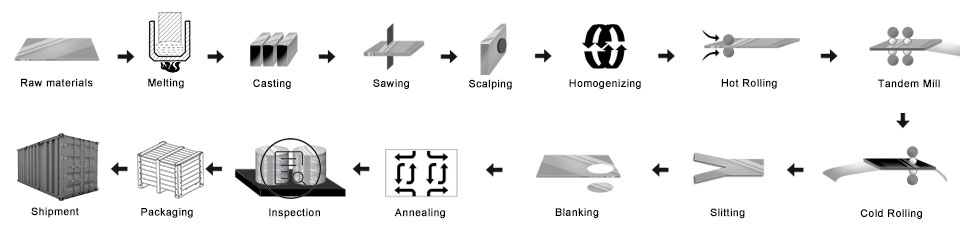
- Подготовьте лигатуры
- Плавильная печь: положить сплавы в плавильную печь
- Литой алюминиевый слиток DC: Сделать материнский слиток
- Измельчите алюминиевый слиток: сделать поверхность и бока гладкими
- Отопительная печь
- Стан горячей прокатки: сделал материнскую катушку
- Холодно-прокатный стан: материнская катушка была раскатана той толщины, которую вы хотите купить
- Процесс штамповки: стань того размера, который ты хочешь
- Печь отжига: изменить характер
- Окончательная проверка
- Упаковка: деревянный ящик или деревянный поддон
- Доставка
Контроль качества
Гарантия Ниже будет проведена проверка на производстве.
- а. обнаружение лучей—РТ;
- б. ультразвуковой контроль—ЮТ;
- с. Магнитопорошковое тестирование-МТ;
- д. тестирование на проникновение-PT;
- е. вихретоковая дефектоскопия-ET
1) Будьте свободны от масляных пятен, Вмятина, Включение, Царапины, Пятно, Изменение цвета оксида, Перерывы, Коррозия, Метки рулона, Полосы грязи, и другие дефекты, которые будут мешать использованию.
2) Поверхность без черной линии, чистый, периодическое пятно, дефекты печати на роликах, например, другие стандарты внутреннего контроля GKO.
Упаковка алюминиевых дисков:
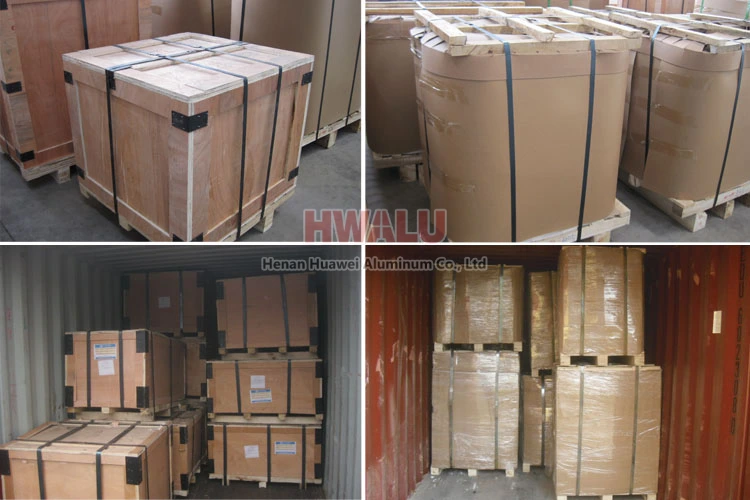
Алюминиевые круги могут быть упакованы по экспортным стандартам., накрытие коричневой бумагой и полиэтиленовой пленкой. Окончательно, Алюминиевый круглый фиксируется на деревянном поддоне/деревянном ящике.
- Поместите сушилки сбоку от алюминиевого круга., держите продукты сухими и чистыми.
- Используйте чистую пластиковую бумагу., упаковать алюминиевый круг, сохранять хорошую герметизацию.
- Используйте бумагу из змеиной кожи., упаковать поверхность пластиковой бумаги, сохранять хорошую герметизацию.
- Следующий, есть два способа упаковки: Один из способов – упаковка на деревянных поддонах., используя хрустящую бумагу, упаковывающую поверхность; Другой способ – упаковка в деревянный ящик., используя деревянный ящик, упаковывающий поверхность.
- Окончательно, положите стальной ремень на поверхность деревянного ящика, сохранение прочности и безопасности деревянного ящика.
Алюминиевый круг Хэнань Huawei Aluminium. соответствовать экспортному стандарту. Пластиковая пленка и коричневая бумага могут быть покрыты по желанию клиентов.. Более того, используется деревянный ящик или деревянный поддон для защиты продукции от повреждений во время доставки.. Есть два вида упаковки, которые глаза в стену или глаза в небо. Клиенты могут выбрать любой из них для своего удобства.. Вообще говоря, есть 2 тонн в одной упаковке, и загрузка 18-22 тонн в контейнере 1х20 футов, и 20-24 тонн в контейнере 1х40 футов.
Почему выбирают нас?
Чтобы идти в ногу со временем, HWALU продолжает внедрять современное оборудование и технику для повышения своей конкурентоспособности.. Всегда придерживайтесь бизнес-философии качества как центра и клиента в первую очередь., поставлять продукцию серии алюминиевых дисков высочайшего качества во все части мира.. Более …

