Khả năng chịu nén của 3003 tấm nhôm tròn cán nóng dùng để đựng thực phẩm?
Trong lĩnh vực sản xuất bao bì, container thực phẩm, “sự an toàn” Và “độ bền” luôn là yêu cầu cốt lõi. Hộp đựng thức ăn bằng nhôm, đặc biệt, kiểm tra áp suất bề mặt ở các mức độ khác nhau ở mọi giai đoạn - từ quá trình sản xuất, xếp kho, và vận chuyển đến nơi sử dụng cuối cùng. Áp suất tĩnh trong quá trình xếp chồng, rung động và tác động trong quá trình vận chuyển, áp suất cơ học trong quá trình làm đầy, và thậm chí cả những thay đổi về áp suất trong quá trình khử trùng ở nhiệt độ cao đều đặt ra những yêu cầu nghiêm ngặt về khả năng chịu áp suất của vật chứa.. các 3003 đĩa nhôm cán nóng, làm vật liệu cơ bản ưa thích cho sản xuất hộp đựng thực phẩm, không vô tình đạt được khả năng chịu áp lực này. Thay vì, nó là kết quả của sự tác động tổng hợp của các tính chất vật chất, công nghệ xử lý, và thiết kế kết cấu. Hôm nay, chúng ta sẽ đi sâu vào khả năng chịu áp lực của 3003 hộp đựng thức ăn dạng đĩa nhôm cán nóng và thảo luận lý do tại sao nó trở thành “chuyên gia chịu áp lực” trong ngành bao bì thực phẩm.
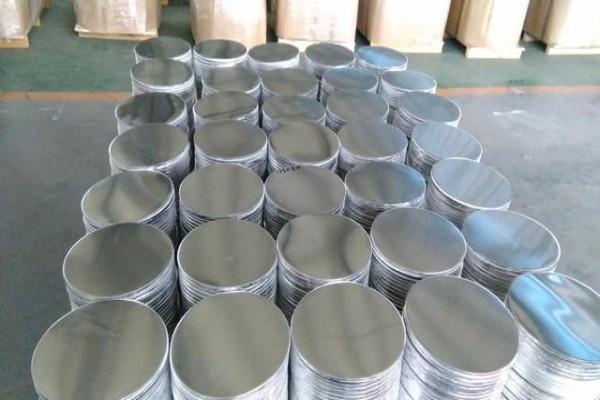 Tấm nhôm cán nóng cực dày
TÔI. Vật liệu cốt lõi: 3003 Đĩa nhôm cán nóng, Nền tảng tương thích tự nhiên cho khả năng chịu áp lực
Để hiểu khả năng chịu áp lực của container, chúng ta phải bắt đầu với vật liệu cơ bản. 3003 hợp kim nhôm thuộc dòng nhôm-mangan. Với nhôm (97.0%–99,0%) làm cơ sở của nó, nó chứa 1,0%–1,5% mangan (Mn) là nguyên tố hợp kim chính, được bổ sung một lượng nhỏ các nguyên tố vi lượng khác như đồng (Củ) và sắt (Fe). Thành phần này mang lại cho nó một lợi thế độc đáo trong việc cân bằng độ bền và độ dẻo, đặt nền móng cho khả năng chịu áp lực của container.
So với nhôm nguyên chất hoặc các hợp kim nhôm khác, ưu điểm cốt lõi của 3003 đĩa nhôm cán nóng nằm trong nó “sự cân bằng hoàn hảo của độ cứng và tính linh hoạt”:
- Tăng cường sức mạnh và độ cứng: Việc bổ sung mangan cải thiện đáng kể độ bền và độ cứng của vật liệu. Độ bền kéo của nó có thể đạt tới 210–250 MPa, và cường độ năng suất của nó dao động từ 130–160 MPa, tăng 10%–20% so với dòng nhôm nguyên chất như 1060. Điều này có hiệu quả chống lại sự biến dạng và hư hỏng do áp lực bên ngoài.
- Độ dẻo vượt trội (độ dẻo): Độ giãn dài thường ≥15%, và thậm chí có thể vượt quá 20%. Điều này có nghĩa là vật liệu có thể phân tán và hấp thụ năng lượng một cách hiệu quả thông qua biến dạng dẻo dưới áp suất., tránh gãy xương giòn đột ngột.
- Khả năng làm việc tuyệt vời và ổn định: Hợp kim này có khả năng định hình tốt và có thể được làm cứng thêm thông qua gia công nguội. Nó thể hiện khả năng chống ăn mòn tuyệt vời, vẫn ổn định trong môi trường tiếp xúc với thực phẩm, và tuân thủ các tiêu chuẩn an toàn thực phẩm trong nước và quốc tế.
Những đặc tính này làm 3003 đĩa nhôm cán nóng là sự lựa chọn lý tưởng cho các hộp đựng thực phẩm, từ lon nước giải khát và khay đựng thức ăn cho đến các bộ phận của nồi áp suất, đạt được sự cân bằng tuyệt vời giữa sức mạnh, khả năng định hình, và an toàn.
II. Các yếu tố chính ảnh hưởng đến khả năng chịu áp lực
Tính năng chịu áp lực của thùng chứa được làm từ 3003 đĩa nhôm cán nóng là kết quả tổng hợp của quá trình, thiết kế, và vật chất. Các yếu tố ảnh hưởng chính được tóm tắt dưới đây:
Bàn 1: Các yếu tố chính ảnh hưởng đến khả năng chịu áp suất của 3003 Thùng đựng đĩa nhôm cán nóng
| Yếu tố ảnh hưởng |
Mô tả cụ thể |
Đóng góp vào khả năng chịu áp lực |
| 1. Quy trình vật liệu cơ bản |
So với đúc lăn, cán nóng tạo ra vật liệu có hạt mịn hơn, cấu trúc vi mô đồng đều hơn, và ít khuyết tật bên trong hơn. Cán đúc phù hợp hơn cho các ứng dụng yêu cầu hiệu suất kéo sâu cực cao với nhu cầu chịu áp lực tương đối thấp hơn. |
Quá trình cán nóng mang lại sự phân bổ ứng suất đồng đều hơn và độ bền tổng thể vượt trội, tạo thành sự đảm bảo cơ bản cho khả năng chịu áp lực của container cao cấp. |
| 2. Đặc điểm kỹ thuật độ dày |
Độ dày phổ biến của hộp đựng thực phẩm dao động từ 0,5–4,5mm (ví dụ., thân lon nước giải khát: 0.3-0.5mm, linh kiện nồi áp suất: >1.0mm). |
Độ dày là cốt lõi “chỉ báo cứng,” trực tiếp xác định độ dày của tường và khả năng chịu tải. Phải được lựa chọn một cách khoa học dựa trên ứng dụng cụ thể (ví dụ., mức áp suất, thuộc tính nội dung). |
| 3. Thiết kế kết cấu & hình thành |
Thiết kế giống như thân lon hình trụ, đáy/nắp dạng vòm tối ưu hóa cấu trúc cơ khí; bản vẽ chính xác, quá trình ghép nối đảm bảo tính toàn vẹn cấu trúc. |
Thiết kế khoa học phân bổ áp lực hiệu quả, tránh tập trung ứng suất cục bộ; hình thành chính xác đảm bảo độ dày thành đồng đều, loại bỏ điểm yếu. Đây là chìa khóa để “vật liệu mang lại sức mạnh cho thiết kế.” |
| 4. Nhiệt độ vật chất |
Các đặc tính chủ yếu được điều chỉnh thông qua quá trình làm cứng nguội (ví dụ., H14, tính khí H18) và ủ (ôi nóng nảy). Nhiệt độ H mang lại sức mạnh cao hơn, O tính khí cung cấp độ dẻo tốt hơn. |
Việc chọn nhiệt độ thích hợp dựa trên độ khó tạo hình thùng chứa và yêu cầu về độ bền sử dụng cuối cùng cho phép tối ưu hóa hiệu suất và cấu hình chi phí. |
Phân tích chuyên sâu: Tác dụng hiệp lực của quy trình và thiết kế
- Lặn sâu: Cán nóng vs. Cán lăn: Quá trình cán nóng giống như “rèn” kim loại, phá vỡ cấu trúc đúc thô. Điều này không chỉ loại bỏ các khuyết tật như lỗ khí và độ xốp co ngót mà còn cho phép phân phối mangan đồng đều hơn.. Cấu trúc vi mô đồng nhất này là nền tảng của sự ổn định kháng áp suất. Ngược lại, trong khi vật liệu cán đúc mang lại hiệu quả sản xuất cao hơn và lợi thế về chi phí, sự đông đặc nhanh chóng của nó dẫn đến cấu trúc vi mô kém đồng nhất hơn một chút, có khả năng dẫn đến biến động hiệu suất lớn hơn một chút dưới áp suất tĩnh hoặc va đập cực cao.
- các “Bộ khuếch đại” Hiệu quả của thiết kế kết cấu: Hiệu suất vật liệu phải được tối đa hóa thông qua thiết kế. Ví dụ, Đáy hình vòm của lon nước giải khát về cơ bản là một cấu trúc vỏ mỏng chịu lực nén dọc trục. Nó chuyển đổi hiệu quả áp lực thẳng đứng thành ứng suất chu vi trong thành hộp, đạt được độ cứng nén tối đa với vật liệu tối thiểu. Tương tự, các đường gân gia cố và các cạnh cong trên vành của khay thức ăn hình chữ nhật làm tăng mômen quán tính mặt cắt ngang thông qua các thay đổi hình học cục bộ, tăng cường đáng kể khả năng chống uốn và nén. Thiết kế tuyệt vời cho phép khả năng chịu áp lực của 3003 nhôm được hiện thực hóa đầy đủ.
 Nhà máy sản xuất tấm nhôm
III. Dữ liệu thử nghiệm: Khả năng chịu áp lực thực sự mạnh đến mức nào?
Ngành công nghiệp xác nhận khả năng chịu áp lực thông qua một loạt các bài kiểm tra tiêu chuẩn hóa. Các phương pháp thử nghiệm khác nhau mô phỏng các kịch bản ứng suất khác nhau, với dữ liệu cốt lõi như sau:
Bàn 2: Dữ liệu thử nghiệm khả năng chịu áp suất điển hình và tiêu chuẩn ứng dụng cho 3003 Hộp đựng thực phẩm đĩa nhôm cán nóng
| Mục kiểm tra |
Tham khảo tiêu chuẩn kiểm tra |
Kịch bản mô phỏng & Phương pháp kiểm tra |
Hiệu suất sản phẩm điển hình (Ví dụ) |
Ý nghĩa hiệu suất |
| Tải trọng trục (xếp chồng) Bài kiểm tra |
ISO 2234, GB/T 4857.3 |
Mô phỏng xếp chồng kho nhiều lớp. Tác dụng áp lực thẳng đứng lên mặt trên của thùng chứa cho đến khi đạt đến mức độ biến dạng hoặc biến dạng quy định. |
Lon nước giải khát 330ml (độ dày thân ~ 0,28mm) có thể chịu được tải trọng trục 1500–2500N, hỗ trợ an toàn 8-10 lớp xếp chồng. |
Phản ánh trực tiếp khả năng chịu tải theo chiều dọc của container và độ ổn định khi lưu trữ. |
| Áp suất bên trong (bùng nổ) Bài kiểm tra |
ASTM D4577, GB/T 9106.1 |
Mô phỏng áp suất bên trong từ đồ uống có ga hoặc khử trùng ở nhiệt độ cao. Tạo áp lực cho thùng chứa kín cho đến khi vỡ. |
Lon nước giải khát có ga thường yêu cầu khả năng chịu áp suất bên trong ≥0,9 MPa; Nồi trong bằng nhôm của nồi áp suất yêu cầu áp suất nổ ≥600 kPa. |
Đảm bảo thùng chứa không nổ dưới áp suất bên trong, đảm bảo an toàn. |
| Kiểm tra nén tường bên |
GB/T 18454 |
Mô phỏng sự nghiền nát bên trong quá trình vận chuyển. Tạo áp lực lên phía thân hộp để đánh giá khả năng chống móp. |
Biến dạng thành bên của lon đồ uống đủ tiêu chuẩn dưới áp suất quy định phải dưới giới hạn tiêu chuẩn, ngăn chặn sự biến dạng lẫn nhau bên trong trường hợp. |
Phản ánh khả năng chống va đập và va đập của thùng chứa trong quá trình vận chuyển và trưng bày trên kệ. |
| Áp suất chu kỳ / Thử nghiệm thả rơi |
ASTM D5276, GB/T 4857.5 |
Mô phỏng các tác động lặp đi lặp lại từ việc xử lý và xếp/dỡ hàng. Liên quan đến nhiều lần giảm hoặc chu kỳ áp suất. |
Sau khi hoàn thành số lần giảm hoặc chu kỳ áp suất được chỉ định, thùng chứa không được rò rỉ hoặc hư hỏng cấu trúc. |
Đánh giá khả năng chống mỏi và độ bền lâu dài của container. |
Ghi chú: Dữ liệu thử nghiệm cụ thể thay đổi tùy theo thiết kế thùng chứa, Độ dày, và xử lý. Bảng trên cho thấy phạm vi ngành phổ biến. Nhà sản xuất phải tiến hành thử nghiệm chính xác theo tiêu chuẩn sản phẩm cụ thể.
Khoa học đằng sau thử nghiệm:
Trong thử nghiệm tải dọc trục, Chế độ hư hỏng của thùng chứa thường là mất ổn định oằn hơn là vật liệu bị nghiền nát. Điều này làm nổi bật các đặc điểm của kết cấu tường mỏng và nhấn mạnh ảnh hưởng quyết định của thiết kế kết cấu (ví dụ., hình dạng đáy, tỷ lệ chiều cao và đường kính của lon) về kết quả chịu áp lực. Kiểm tra áp suất bên trong chủ yếu thử thách độ bền bên trong của vật liệu và tính toàn vẹn của mối hàn/đường nối. Kiểm tra khoa học không chỉ đưa ra phán đoán đạt/không đạt mà còn, thông qua phân tích các điểm hư hỏng và đường cong biến dạng tải, cung cấp hỗ trợ dữ liệu trực tiếp để tối ưu hóa vật liệu và thiết kế.
IV. Ứng dụng trọn đời: Khả năng chống áp lực bảo vệ an toàn thực phẩm như thế nào
Khả năng chịu áp lực của 3003 hộp đựng đĩa nhôm cán nóng mang lại lợi ích kinh tế và an toàn hữu hình qua các giai đoạn ứng dụng khác nhau:
1. Giai đoạn sản xuất và chiết rót:
Trên dây chuyền chiết rót tốc độ cao, thùng chứa phải chịu được áp suất cơ học từ đầu nạp và sự thay đổi áp suất do hút bụi hoặc xả nitơ. Khả năng chịu áp suất vượt trội đảm bảo thùng chứa không bị biến dạng hoặc kẹt trên dây chuyền, đảm bảo mượt mà, niêm phong chặt chẽ, cung cấp rào cản ban đầu cho nội dung.
2. Giai đoạn kho bãi và hậu cần:
Đây là một trong những thách thức lớn nhất đối với khả năng chịu áp lực. Kho bãi hiện đại sử dụng kệ cao có nhiều lớp xếp chồng lên nhau, áp đặt tải trọng tĩnh đáng kể lên các thùng chứa dưới cùng. Trong quá trình hậu cần, rung động, va đập, và tác động ngẫu nhiên tạo nên động lực phức tạp. 3003 thùng nhôm, với sức mạnh và sự dẻo dai của họ, chống lại hiệu quả áp lực xếp chồng tĩnh và giảm tác động động thông qua biến dạng đàn hồi, giảm đáng kể tỷ lệ hư hỏng do vận chuyển và giảm thiểu thất thoát sản phẩm cũng như rủi ro về an toàn thực phẩm.
3. Giai đoạn sử dụng cuối và lưu trữ:
- Bán lẻ: Trên kệ, thùng chứa cần chịu được tác động từ các sản phẩm khác và xử lý tác động từ người tiêu dùng.
- Hộ gia đình: Hộp đựng mặt đựng nhiều lớp trong tủ lạnh, đóng/mở lặp đi lặp lại, và những giọt vô tình có thể xảy ra, tất cả đều yêu cầu khả năng chịu va đập và ổn định cục bộ tốt.
- Xử lý đặc biệt: Đối với thực phẩm cần khử trùng bằng nồi hấp ở nhiệt độ cao (ví dụ., thịt hộp ăn trưa) hoặc làm lạnh/đông lạnh, thùng chứa phải chịu được sự chênh lệch áp suất do thay đổi nhiệt độ mạnh mẽ. Hệ số giãn nở nhiệt ổn định và độ bền nhiệt độ thấp tốt của 3003 hợp kim nhôm đảm bảo độ tin cậy của nó trong phạm vi nhiệt độ rộng.
 Miếng nhôm tròn cho đồ dùng nhà bếp
4. Những thách thức trong các ứng dụng mới nổi:
Với sự gia tăng của các bữa ăn được chuẩn bị sẵn, thực phẩm tự làm nóng, và thức ăn thú cưng cao cấp, nhu cầu chịu áp lực mới được đặt ra trên bao bì. Ví dụ, gói tự làm nóng tạo ra áp suất hơi nước, yêu cầu các container duy trì tính toàn vẹn về cấu trúc trong một thời gian nhất định; các yêu cầu về kết cấu của thức ăn cho vật nuôi có thể yêu cầu các thùng chứa có thể chịu được các tác động vật lý phức tạp hơn. 3003 đĩa nhôm cán nóng, thông qua độ dày điều chỉnh, lớp phủ tối ưu, và thiết kế kết cấu, đang liên tục thích ứng với những yêu cầu mới này.
V.. Phần kết luận: các “Giải pháp tối ưu” để chịu áp lực và an toàn, và Triển vọng Tương lai
Việc áp dụng 3003 đĩa nhôm cán nóng dùng trong hộp đựng thực phẩm thể hiện sự cân bằng toàn diện về sức mạnh, tính dẻo, kinh tế, và an toàn. Ưu điểm chịu áp lực của nó bắt nguồn từ sự tích hợp sâu sắc của khoa học vật liệu, đảm bảo quá trình, và trí tuệ thiết kế:
- Quỹ – Vật liệu: Tăng cường dung dịch rắn từ hợp kim Al-Mn và tăng cường sàng lọc hạt từ quá trình cán nóng mang lại sự đồng nhất, mạnh, và nền tảng vững chắc.
- Độ chính xác – Quá trình: Kiểm soát độ dày chính xác, công nghệ tạo hình, và trạng thái tính khí thích hợp sẽ biến tiềm năng vật chất thành hiệu suất của sản phẩm.
- sự khéo léo – Thiết kế: Thiết kế kết cấu như hình trụ, mái vòm, và các gân gia cố đạt được độ cứng kết cấu tối đa với trọng lượng tối thiểu.
Từ lon nước giải khát phổ biến đến nồi áp suất khắt khe, 3003 đĩa nhôm cán nóng, với hiệu suất chịu áp lực đáng tin cậy của họ, bảo vệ chất lượng và an toàn thực phẩm trong toàn bộ vòng đời bao bì. Theo nhu cầu của ngành về trọng lượng nhẹ, tính bền vững, và trí thông minh tăng lên, Nghiên cứu khả năng chịu áp lực của 3003 hợp kim nhôm và các sản phẩm của nó sẽ tiếp tục phát triển sâu hơn.
Xu hướng và khuyến nghị trong tương lai
- Dành cho nhà sản xuất: Ngoài việc tối ưu hóa độ dày và quá trình tạo hình, tích cực khám phá sự kết hợp với công nghệ phủ (ví dụ., tăng cường lớp phủ bên trong) và sử dụng các công cụ kỹ thuật số như Phân tích phần tử hữu hạn (FEA) để tối ưu hóa cấu trúc vùng chứa trong môi trường ảo, cho phép dự đoán chính xác và tăng cường khả năng chịu áp lực.
- Dành cho chuyên gia trong ngành: Phát triển sự hiểu biết có hệ thống hơn—khả năng chịu áp lực là một dự án kỹ thuật có hệ thống liên quan đến “lựa chọn cấp vật liệu → xác định lộ trình quy trình → thực hiện thiết kế kết cấu → xác nhận kiểm tra nghiêm ngặt.” Sự hiểu biết sâu sắc về sự tương tác giữa mỗi yếu tố là chìa khóa để lựa chọn vật liệu khoa học và kiểm soát chất lượng.
- Triển vọng xu hướng ngành: Trong bối cảnh nền kinh tế tuần hoàn, khả năng tái chế tuyệt vời của 3003 hợp kim nhôm cũng quan trọng như khả năng chịu áp lực của nó. trong tương lai, 3003-loạt hợp kim sử dụng tỷ lệ nhôm tái chế cao hơn (trong khi vẫn đáp ứng các tiêu chuẩn thực hiện) sẽ trở thành một hướng phát triển quan trọng, giảm lượng khí thải carbon trong khi vẫn duy trì khả năng chịu áp lực. Đồng thời, đồng thiết kế khả năng chịu áp lực và trọng lượng nhẹ để cá nhân hóa, Bao bì thực phẩm lô nhỏ cũng sẽ là điểm nóng về đổi mới công nghệ.
Tính chất của vòng tròn nhôm:
Vòng nhôm phù hợp với nhiều thị trường, bao gồm cả dụng cụ nấu nướng, ngành công nghiệp ô tô và chiếu sáng, vân vân., nhờ đặc tính sản phẩm tốt:
- Tính dị hướng thấp, tạo điều kiện cho việc vẽ sâu
- Tính chất cơ học mạnh mẽ
- Khuếch tán nhiệt cao và đồng đều
- Khả năng tráng men, được bao phủ bởi PTFE (hoặc những người khác), anod hóa
- Độ phản xạ tốt
- Tỷ lệ cường độ trên trọng lượng cao
- Độ bền và khả năng chống ăn mòn
Quy trình vòng tròn nhôm
Hợp kim phôi/chủ — Lò nung chảy – Lò giữ — D.C.. bánh xe — Tấm —- Scalper — Nhà máy cán nóng – Nhà máy cán nguội – Đột – Lò ủ — Kiểm tra lần cuối – Đóng gói — Vận chuyển
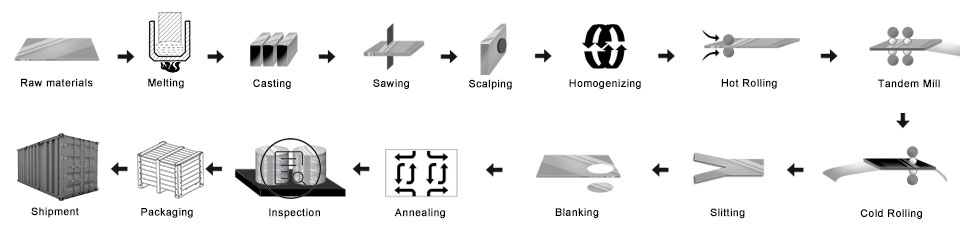
- Chuẩn bị các hợp kim chính
- Lò nấu chảy: đưa hợp kim vào lò nấu chảy
- Phôi nhôm D.C.cast: Để làm phôi mẹ
- Nghiền phôi nhôm: để làm cho bề mặt và mặt bên mịn màng
- Lò sưởi
- Nhà máy cán nóng: làm cuộn dây mẹ
- Máy cán nguội: cuộn dây mẹ đã được cán theo độ dày bạn muốn mua
- quá trình đấm: trở thành kích thước những gì bạn muốn
- Lò ủ: thay đổi tính khí
- Kiểm tra lần cuối
- đóng gói: vỏ gỗ hoặc pallet gỗ
- Vận chuyển
Kiểm soát chất lượng
Đảm bảo Kiểm tra dưới đây sẽ được thực hiện trong quá trình sản xuất.
- Một. phát hiện tia—RT;
- b. kiểm tra siêu âm—UT;
- c. Kiểm tra hạt từ tính-MT;
- d. thử nghiệm thâm nhập-PT;
- e. phát hiện khuyết tật dòng điện xoáy-ET
1) Thoát khỏi vết dầu, vết lõm, Bao gồm, Vết xước, vết bẩn, Sự đổi màu oxit, Giải lao, Ăn mòn, Dấu cuộn, Vệt bẩn, và các khiếm khuyết khác sẽ cản trở việc sử dụng.
2) Bề mặt không có đường màu đen, gọn gàng, vết bẩn định kỳ, lỗi in con lăn, chẳng hạn như các tiêu chuẩn Kiểm soát nội bộ gko khác.
Đóng gói đĩa nhôm:
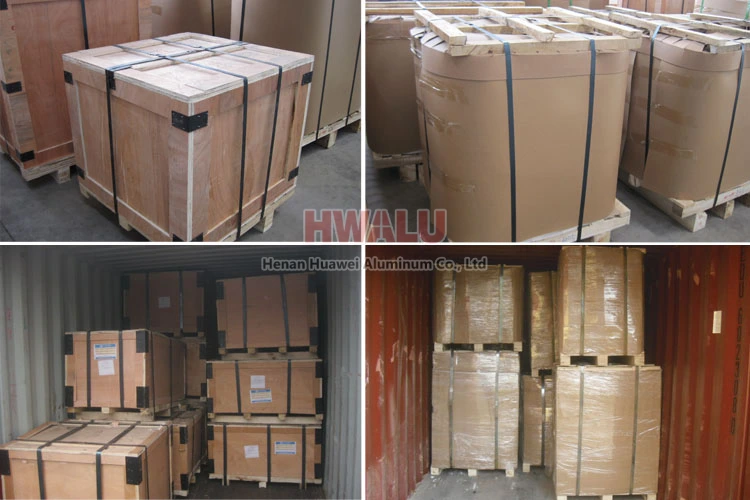
Vòng nhôm có thể được đóng gói theo tiêu chuẩn xuất khẩu, phủ bằng giấy màu nâu và màng nhựa. Cuối cùng, Vòng nhôm được cố định trên pallet gỗ/vỏ gỗ.
- Đặt bên máy sấy vào vòng tròn nhôm, giữ cho sản phẩm khô ráo và sạch sẽ.
- Sử dụng giấy nhựa sạch, đóng gói vòng tròn nhôm, giữ niêm phong tốt.
- Dùng giấy da rắn, đóng gói bề mặt của giấy nhựa, giữ niêm phong tốt.
- Kế tiếp, có hai cách đóng gói: Một cách là đóng gói pallet gỗ, sử dụng giấy giòn đóng gói bề mặt; Một cách khác là đóng gói bằng vỏ gỗ, sử dụng vỏ gỗ đóng gói bề mặt.
- Cuối cùng, đặt đai thép lên bề mặt hộp gỗ, giữ hộp gỗ bền và an toàn.
Vòng nhôm của Henan Huawei Aluminium. đáp ứng tiêu chuẩn xuất khẩu. Có thể phủ màng nhựa và giấy màu nâu theo nhu cầu của khách hàng. Còn gì nữa, hộp gỗ hoặc pallet gỗ được sử dụng để bảo vệ sản phẩm khỏi bị hư hỏng trong quá trình giao hàng. Có hai loại bao bì, mắt nhìn vào tường hay mắt nhìn trời. Khách hàng có thể chọn một trong hai để thuận tiện cho mình. Nói chung, có 2 tấn trong một gói, và tải 18-22 tấn trong container 1×20', Và 20-24 tấn trong container 1×40'.
Tại sao chọn chúng tôi?
Để di chuyển theo thời gian, HWALU liên tục giới thiệu các thiết bị và kỹ thuật hiện đại để nâng cao khả năng cạnh tranh. Luôn tuân thủ triết lý kinh doanh lấy chất lượng làm trung tâm và khách hàng là trên hết, để cung cấp các dòng sản phẩm vòng tròn đĩa nhôm chất lượng cao nhất cho mọi nơi trên thế giới. Hơn …

