Hướng dẫn toàn diện về loại bỏ gờ và kiểm soát độ hoàn thiện bề mặt cho 1050 Đĩa nhôm đóng dấu
TÔI. Giới thiệu: Nghịch lý của sự tinh khiết và khả năng xử lý
1050 Hợp kim nhôm là đại diện tinh túy của nhôm công nghiệp có độ tinh khiết cao, tự hào về hàm lượng nhôm không ít hơn 99.5%. Tính đơn giản về mặt hóa học của nó—không có các nguyên tố hợp kim quan trọng như magie, silic, hoặc mangan—mang lại cho nó một tập hợp các đặc tính vật lý độc đáo, vừa là điều may mắn vừa là thách thức trong sản xuất.
Đặc trưng bởi tính dẫn điện và nhiệt đặc biệt, khả năng chống ăn mòn vượt trội, và khả năng làm việc đáng chú ý, 1050 là vật liệu được lựa chọn cho các ứng dụng từ dụng cụ nấu ăn và gương phản chiếu ánh sáng đến tản nhiệt điện tử và phần cứng trang trí.
Tuy nhiên, đặc điểm rõ ràng nhất của nó—độ dẻo cực cao—cũng là nguyên nhân sâu xa dẫn đến cạm bẫy sản xuất chính của nó: sự hình thành gờ.
Trong hoạt động dập tốc độ cao, 1050 độ bền kéo thấp của nhôm (105-145 MPa) và độ giãn dài cao có nghĩa là nó ít giống chất rắn giòn mà giống chất lỏng nhớt hơn. Thay vì bẻ gãy sạch sẽ, vật liệu có xu hướng co giãn, xé, và tuân thủ dụng cụ.
Điều này dẫn đến các vệt dạng sợi, vết xước nhỏ, và chết tích tụ, làm giảm độ chính xác kích thước và chất lượng bề mặt. Những khiếm khuyết này lan truyền xuống phía dưới, gây ra vết nứt trong quá trình vẽ sâu, Anodizing không đồng đều, và bị tổn hại về mặt thẩm mỹ.
Hướng dẫn này cung cấp một khuôn khổ có hệ thống để nắm vững 1050 sản xuất đĩa nhôm. Chúng tôi vượt xa các bản sửa lỗi riêng biệt để trình bày một cách tiếp cận tích hợp bao gồm khoa học vật liệu, thiết kế dụng cụ, tối ưu hóa quy trình, và xử lý hậu kỳ. Mục tiêu của chúng tôi là biến đổi sự mềm mại vốn có của 1050 từ trách nhiệm trở thành dấu hiệu của chất lượng cao, sản xuất có độ chính xác cao.
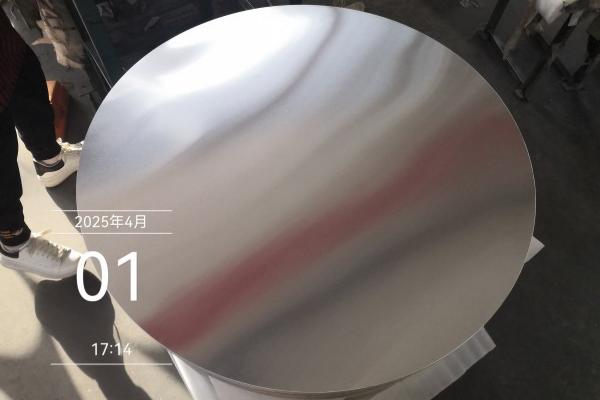 nhôm-dập-bộ phận-1
1.1 Điểm chuẩn vật liệu: Tại sao 1050 là duy nhất
Để chọn đúng quy trình, trước tiên người ta phải hiểu làm thế nào 1050 khác với các đối tác phổ biến của nó. Phân tích so sánh sau đây nêu bật lý do tại sao 1050 không thể được xử lý như một hợp kim tiêu chuẩn.
| Lớp hợp kim |
Đặc điểm chính |
độ cứng & Độ dẻo |
Dập & Hồ sơ Burr |
Khó khăn trong việc mài giũa |
Tiềm năng hoàn thiện bề mặt |
| 1050 |
Độ tinh khiết cao (≥99,5%) |
Rất mềm / Độ dẻo cao |
dạng sợi, gờ có nhiều sợi; nguy cơ dính khuôn cao. |
Vừa phải (Yêu cầu xử lý nhẹ nhàng) |
Xuất sắc (Lý tưởng cho việc hoàn thiện gương) |
| 1060 |
Độ tinh khiết cao hơn (≥99,6%) |
Mềm hơn 1050 |
Tương tự như 1050, nhưng dễ bị cáu kỉnh hơn. |
Vừa phải |
Xuất sắc |
| 3003 |
Hợp kim Al-Mn |
Sức mạnh trung bình |
Lưỡi cắt giòn; nghỉ ngơi sạch sẽ; độ bám dính thấp. |
Dễ |
Tốt (Nhưng kém bóng) |
| 5052 |
Hợp kim Al-Mg |
Cường độ cao |
Cứng, gờ dày đặc; dễ bị nứt. |
Cứng |
Hội chợ (Cuộc đấu tranh với độ bóng cao) |
Phần kết luận: Độ tinh khiết cao của 1050 mang lại cho nó tính thẩm mỹ bề mặt vượt trội nhưng đòi hỏi một quy trình chuyên dụng “sự chạm nhẹ” chế độ sản xuất. Dụng cụ mạnh hoặc mài giũa khắc nghiệt sẽ làm hỏng phôi.
II. Phân tích nguyên nhân gốc rễ: Giải mã sự hình thành Burr
Kiểm soát hiệu quả bắt đầu bằng việc hiểu rõ nguyên nhân của các khiếm khuyết. TRONG 1050 dập, gờ là một triệu chứng của một hệ thống đa biến.
2.1 Yếu tố nội tại vật chất
Sức mạnh năng suất thấp của 1050 có nghĩa là vật liệu trải qua biến dạng dẻo đáng kể trước khi tách. Trong giai đoạn cắt, nhôm được kéo và kéo căng thay vì cắt gọn gàng. Cái này “vẽ” hành động tạo ra thời gian dài, sợi kim loại mỏng (dây buộc). Hơn nữa, Ái lực tự nhiên của nhôm đối với sắt gây ra hiện tượng hàn cực nhỏ trên bề mặt khuôn, dẫn đến sự tích tụ cạnh (CÂY CUNG) hoạt động như một thứ yếu, dụng cụ cắt không đều, làm trầm trọng thêm chiều cao của lưỡi dao và độ nhám bề mặt.
2.2 Hình học và bảo trì dụng cụ
Cái chết là trái tim của hoạt động.
- Giải phóng mặt bằng: Khoảng cách giữa punch và die là rất quan trọng. Vì 1050, khoảng trống tối ưu thường là 5% ĐẾN 8%về độ dày vật liệu. Khe hở quá lớn gây biến dạng dẻo và lật xe quá mức, tạo ra những vệt nặng. Khe hở quá nhỏ gây ra hiện tượng mài mòn dụng cụ cắt thứ cấp và tăng tốc.
- Tình trạng cạnh: Cạnh khuôn sắc nét giúp giảm thiểu lực cần thiết để bắt đầu. Một cạnh mòn hoặc tròn làm tăng khoảng cách đánh bóng, tạo ra nhiều nhiệt hơn và gờ lớn hơn.
- Xử lý bề mặt: Thép không tráng dễ chết bằng nhôm. Sản xuất hiện đại đòi hỏi khuôn được xử lý bằng DLC (Carbon giống như kim cương)hoặc TiAlN (Titan nhôm Nitrua)lớp phủ để giảm ma sát và ngăn ngừa sự bám dính.
2.3 Động lực học quy trình
- Vận tốc dập: Tốc độ cao tạo ra nhiệt và sốc, có thể làm mềm nhôm cục bộ và tăng độ bám dính. Tốc độ được kiểm soát cho phép lan truyền vết nứt mượt mà hơn.
- Lực giữ trống: Lực không đủ khiến tấm vải bị nhăn hoặc dịch chuyển, gây ra sự cắt không đều. Lực quá mạnh gây ra vết xước và làm tăng nguy cơ nhặt khuôn.
2.4 Lỗi bôi trơn
Dầu gốc nước hoặc có độ nhớt thấp không tạo được màng thủy động mạnh mẽ giữa nhôm mềm và khuôn cứng. Điều này dẫn đến sự tiếp xúc giữa kim loại với kim loại, hàn, và thiệt hại bề mặt thảm khốc. 1050 yêu cầu hiệu suất cao, áp suất cực cao (EP) chất bôi trơn được thiết kế đặc biệt cho hợp kim mềm.
III. Phòng chống nguồn: Tối ưu hóa quá trình dập
Mũi khoan tiết kiệm chi phí nhất là mũi khoan chưa từng được tạo ra. Tối ưu hóa mặt trước giúp giảm gánh nặng cho việc hoàn thiện hạ lưu.
3.1 Chiến lược gia công chính xác
Đầu tư vào công cụ mang lại cổ tức.
- Cài đặt giải phóng mặt bằng:Duy trì 5-8% điểm ngọt ngào. Sử dụng miếng chêm để đảm bảo tính song song.
- Công nghệ phủ: Sử dụng các cú đấm được phủ DLC. Năng lượng bề mặt thấp của DLC giúp nhôm không bị dính, đảm bảo nhả sạch với mỗi cú đánh.
- Bảo trì thường xuyên: Thực hiện lịch trình bảo trì phòng ngừa. Đánh bóng các cạnh khuôn và kiểm tra các vết sứt mẻ nhỏ mỗi lần 50,000 đột quỵ.
3.2 Quản lý bôi trơn nâng cao
- Hoá học: Sử dụng chất lỏng dập tổng hợp gốc este. Chúng cung cấp một lớp bôi trơn ranh giới mạnh mẽ để ngăn chặn vi hàn ngay cả dưới áp suất cao.
- Ứng dụng: Đảm bảo bôi trơn hoặc phun sương đầy đủ. Điểm khô là kẻ thù của sự nhất quán.
3.3 Lựa chọn trạng thái nguyên liệu thô
1050 có sẵn ở nhiều trạng thái khác nhau, mỗi loại phù hợp với những thách thức hình thành khác nhau. Chọn nhiệt độ chính xác là đòn bẩy kiểm soát chính.
| Trạng thái nhiệt độ |
Tính chất cơ học |
Khả năng định dạng & Xu hướng Burr |
Ứng dụng lý tưởng |
| Ô (Ủ) |
Mềm nhất, Độ dẻo cao nhất |
Dễ vẽ nhất; thế hệ gờ/sợi cao nhất. |
Dụng cụ nấu nướng có rãnh sâu, hình dạng phức tạp. |
| H12 / H14 |
căng thẳng (1/4, 1/2 Cứng) |
Cân bằng tốt; giảm độ bám dính so với. nóng nảy. |
Dập chung, vẽ có độ sâu trung bình. |
| H24 |
Ủ một phần |
Độ cứng cao nhất; vết cắt sạch nhất, ít gờ nhất. |
Khoảng trống phẳng, dập nông. |
Sự giới thiệu: Dành cho bồn rửa bếp hoặc chao đèn kéo sâu, sử dụng tính khí O. Dành cho đĩa phẳng chính xác hoặc tấm chắn điện tử, sử dụng H14 hoặc H24 để giảm thiểu khuyết tật cạnh.
IV. Công nghệ mài mòn: Một phân tích so sánh
Bất chấp những nỗ lực tốt nhất, một số gờ vi mô là không thể tránh khỏi. Việc lựa chọn phương pháp loại bỏ phụ thuộc vào hình dạng, âm lượng, và chất lượng bề mặt yêu cầu.
| Quá trình |
Cơ chế |
Ưu điểm |
Nhược điểm |
Phù hợp nhất cho |
| Hoàn thiện rung |
Sự mài mòn của phương tiện thông qua rung động. |
Chi phí thấp; âm lượng lớn; dịu dàng. |
Chậm; không hiệu quả trên các gờ nặng. |
Đĩa công nghiệp tổng hợp; chuẩn bị trước anodizing. |
| thùng ly tâm |
Tác động truyền thông năng lượng cao. |
Nhanh; hung dữ; bán kính cạnh tốt. |
Mặc phương tiện truyền thông cao; tiếng ồn. |
Loại bỏ các gờ dập nặng. |
| Khử ba via nhiệt |
Đốt cháy khí nhanh. |
Loại bỏ các gờ bên trong/bên ngoài. |
Đắt; làm thay đổi hóa học bề mặt. |
hình học phức tạp, lỗ bên trong. |
| Điện hóa (ECM) |
Kiểm soát sự hòa tan anod. |
Không căng thẳng; có thể hoàn thiện gương. |
Yêu cầu đồ đạc dẫn điện; xử lý chất thải. |
Thuộc về y học, thiết bị điện tử, bộ phận có độ chính xác cao. |
| Hướng dẫn sử dụng/Bàn chải |
Chà cơ khí. |
Linh hoạt; chính xác. |
Cần nhiều lao động; không nhất quán. |
Đường kính lớn (>500mm); nguyên mẫu. |
4.1 Hoàn thiện rung: con ngựa làm việc
Đối với hầu hết 1050 ứng dụng đĩa, hoàn thiện rung là tiêu chuẩn. Điều quan trọng là chọn đúng phương tiện. Không sử dụng đồ gốm cứngtrên nhôm mềm, vì chúng sẽ gây va chạm và rỗ bề mặt. Sử dụng nón nhôm mật độ caohoặc phương tiện liên kết nhựavới hợp chất axit nhẹ giúp làm sạch và làm sáng bề mặt đồng thời. Thời gian chu kỳ thường dao động từ 30 ĐẾN 90 phút tùy thuộc vào kích thước mũi khoan.
 Nhà máy sản xuất tấm nhôm
4.2 Khử ba via điện hóa (ECD): Giải pháp chính xác
Khi dung sai chặt chẽ (ví dụ., tản nhiệt điện tử), ECD vượt trội hơn. Một tế bào điện phân được tạo ra trong đó phần nhôm là cực dương. Một cực âm có hình dạng chính xác được đưa đến gần lưỡi dao. Dòng điện ưu tiên làm tan đầu mũi khoan, nơi có mật độ dòng điện cao nhất. Điều này để lại một cạnh mịn hoàn hảo mà không có áp lực cơ học, ngăn chặn sự biến dạng ở các bộ phận có thành mỏng.
V.. Tăng cường hoàn thiện bề mặt: Ngoài việc loại bỏ Burr
Một bộ phận có thể không có gờ nhưng vẫn không thể chấp nhận được về mặt thị giác do có vết lăn, vết xước chết, hoặc quá trình oxy hóa. 1050độ tinh khiết cao của nó làm cho nó trở thành một ứng cử viên xuất sắc cho lớp hoàn thiện có độ bóng cao.
5.1 Đánh bóng và làm sáng bằng hóa chất
Để đạt được đồng phục, bề mặt phản chiếu, đánh bóng hóa học được sử dụng. Các bộ phận được ngâm trong bể axit photphoric-nitric ở nhiệt độ được kiểm soát (90-110°C). Axit tấn công các điểm cao của địa hình bề mặt, san bằng các đỉnh và thung lũng vi mô. Quá trình này có thể đạt được độ phản xạ trên 85%, biến đĩa dập tiêu chuẩn thành tấm phản chiếu ánh sáng cao cấp.
5.2 Đánh bóng điện
Để có được kết thúc cuối cùng, đánh bóng điện được sử dụng. Tương tự với ECM, nó loại bỏ một lớp mỏng, lớp vật liệu được điều khiển điện hóa. Không giống như đánh bóng cơ học, có thể làm bẩn bề mặt kim loại và bẫy các chất gây ô nhiễm, đánh bóng bằng điện tạo ra sự thụ động, lớp giàu crom (nếu có thể) hay lớp oxit nhôm nguyên chất có khả năng chống ăn mòn cao và sáng bóng rực rỡ.
5.3 Làm sạch và thụ động
Chất gây ô nhiễm sau gia công (dầu, hợp chất đánh bóng) phải được loại bỏ để tránh nhuộm màu.
- Tẩy dầu mỡ: Sử dụng chất tẩy rửa có tính kiềm để nhũ hóa dầu.
- Ngâm axit: Nhúng axit nitric nhẹ sẽ loại bỏ than đen và oxit.
- Sấy khô: Sử dụng phương pháp sấy khô cưỡng bức bằng không khí nóng. Làm khô không khí dẫn đến đốm nước, đó là một lý do từ chối phổ biến cho 1050 các bộ phận.
VI. Đảm bảo chất lượng và đo lường
Kiểm tra trực quan chủ quan là chưa đủ. Một hệ thống chất lượng mạnh mẽ đòi hỏi các số liệu có thể định lượng được.
6.1 Đo chiều cao Burr
- Tiêu chuẩn: ISO 9013 (để cắt nhiệt) hoặc tiêu chuẩn nội bộ.
- Công cụ:Máy đo chiều cao kỹ thuật số, bộ so sánh quang học, hoặc kính hiển vi quét laser.
- Chấp nhận: Đối với các bộ phận chung, chiều cao của gờ nên là < 0.05mm. Đối với các cụm lắp ráp chính xác, < 0.01mm.
6.2 Độ nhám bề mặt (Ra/Rz)
- Công cụ: Máy đo hồ sơ bút stylus di động.
- Mục tiêu:
- Được đóng dấu: Ra 0.8 – 1.6 mm
- Đã gỡ lỗi: Ra 0.4 – 0.8 mm
- đánh bóng: Ra 0.1 – 0.4 mm
- Gương: Ra < 0.05 mm
6.3 Tiêu chuẩn trực quan
Thiết lập các mẫu chính cho bề mặt có thể chấp nhận được. Xác định những gì cấu thành một “cào” so với một “dòng chảy.” Sử dụng hộp đèn đạt tiêu chuẩn (Nguồn sáng D65) đảm bảo độ đồng nhất về màu sắc và độ bóng.
 Tấm nhôm tròn
VII. Phần kết luận: Hệ thống sản xuất tích hợp
Kiểm soát các gờ và hoàn thiện trong 1050 nhôm không phải là việc tìm kiếm một viên đạn thần kỳ; đó là về việc thực hiện một tầng điều khiển có hệ thống:
- Thiết kế: Chọn nhiệt độ phù hợp và chỉ định dung sai thực tế.
- Dụng cụ: Đầu tư vào lớp phủ, khuôn nối đất chính xác với khoảng hở chính xác.
- Quá trình: Sử dụng các thông số bôi trơn và kiểm soát thích hợp.
- Hoàn thành: Áp dụng công nghệ mài mòn và đánh bóng phù hợp.
- Xác minh: Đo lường và ghi lại kết quả.
Bằng cách tôn trọng các đặc tính độc đáo của vật liệu và quản lý toàn bộ chuỗi quy trình, nhà sản xuất có thể sản xuất một cách đáng tin cậy 1050 đĩa nhôm đáp ứng các yêu cầu khắt khe nhất về thẩm mỹ và chức năng, biến một vật liệu có khả năng có vấn đề thành một sản phẩm cao cấp.