Umfassender Leitfaden zur Gratentfernung und Oberflächenkontrolle für 1050 Gestanzte Aluminiumscheiben
ICH. Einführung: Das Paradoxon von Reinheit und Verarbeitbarkeit
1050 Aluminiumlegierung gilt als Inbegriff von hochreinem Industriealuminium, mit einem Aluminiumgehalt von nicht weniger als 99.5%. Seine chemische Einfachheit – ohne wesentliche Legierungselemente wie Magnesium, Silizium, oder Mangan – verleiht ihm einzigartige physikalische Eigenschaften, die sowohl ein Segen als auch eine Herausforderung bei der Herstellung sind.
Zeichnet sich durch außergewöhnliche elektrische und thermische Leitfähigkeit aus, überlegene Korrosionsbeständigkeit, und bemerkenswerte Verarbeitbarkeit, 1050 ist das Material der Wahl für Anwendungen, die von Kochgeschirr und Lichtreflektoren bis hin zu elektronischen Kühlkörpern und dekorativer Hardware reichen.
Jedoch, Sein charakteristischstes Merkmal – extreme Plastizität – ist auch die Hauptursache für seine Hauptherausforderung bei der Herstellung: Gratbildung.
Bei Hochgeschwindigkeits-Stanzvorgängen, 1050 geringe Zugfestigkeit von Aluminium (105-145 MPa) und hohe Dehnung bedeuten, dass es sich weniger wie ein spröder Feststoff, sondern eher wie eine viskose Flüssigkeit verhält. Anstatt sauber zu brechen, Das Material neigt dazu, sich zu dehnen, Träne, und halten Sie sich an die Werkzeuge.
Dadurch entstehen faserige Grate, Mikrokratzer, und Ablagerungen, die Maßhaltigkeit und Oberflächenqualität verschlechtern. Diese Defekte breiten sich stromabwärts aus, Beim Tiefziehen entstehen Risse, ungleichmäßige Eloxierung, und beeinträchtigte Ästhetik.
Dieser Leitfaden bietet einen systematischen Rahmen für das Mastering 1050 Herstellung von Aluminiumscheiben. Wir gehen über isolierte Lösungen hinaus und präsentieren einen integrierten Ansatz für die Materialwissenschaft, Werkzeugdesign, Prozessoptimierung, und Nachbearbeitung. Unser Ziel ist es, die inhärente Weichheit von zu transformieren 1050 Von einer Belastung zum Gütesiegel, hochpräzise Fertigung.
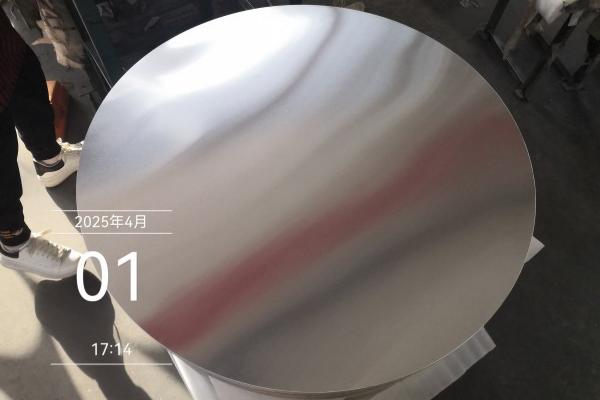 Aluminium-Stanzteile-1
1.1 Material-Benchmarking: Warum 1050 ist einzigartig
Um den richtigen Prozess auszuwählen, Man muss zuerst verstehen, wie 1050 unterscheidet sich von seinen üblichen Gegenstücken. Die folgende vergleichende Analyse zeigt, warum 1050 kann nicht wie eine Standardlegierung behandelt werden.
| Legierungsgrad |
Hauptmerkmale |
Härte & Plastizität |
Stempeln & Gratprofil |
Schwierigkeiten beim Entgraten |
Potenzial für die Oberflächenbeschaffenheit |
| 1050 |
Hohe Reinheit (≥99,5 %) |
Sehr weich / Sehr duktil |
Faserig, fadenförmige Kletten; hohes Risiko des Verklebens der Matrizen. |
Mäßig (Erfordert schonende Handhabung) |
Exzellent (Ideal für Spiegeloberflächen) |
| 1060 |
Höhere Reinheit (≥99,6 %) |
Weicher als 1050 |
Ähnlich 1050, aber anfälliger für Fressen. |
Mäßig |
Exzellent |
| 3003 |
Al-Mn-Legierung |
Mittlere Stärke |
Spröde Schergrate; sauberer Bruch; geringes Anhaften. |
Einfach |
Gut (Aber weniger glänzend) |
| 5052 |
Al-Mg-Legierung |
Hohe Festigkeit |
Hart, klobige Grate; anfällig für Risse. |
Hart |
Gerecht (Probleme mit Hochglanz) |
Abschluss:Die hohe Reinheit von 1050 verleiht ihm eine überragende Oberflächenästhetik, erfordert jedoch eine Spezialisierung “Soft-Touch” Herstellungsplan. Aggressive Werkzeuge oder hartes Entgraten zerstören das Werkstück.
II. Ursachenanalyse: Dekonstruktion der Gratbildung
Eine wirksame Kontrolle beginnt mit dem Verständnis der Kausalität von Fehlern. In 1050 Stempeln, Grate sind ein Symptom eines Mehrvariablensystems.
2.1 Wesentliche intrinsische Faktoren
Die geringe Streckgrenze von 1050 bedeutet, dass das Material vor der Trennung eine erhebliche plastische Verformung erfährt. Während der Scherphase, Das Aluminium wird eher gezogen und gedehnt als sauber geschnitten. Das “Zeichnung” Aktion schafft lange, dünne Metallfäden (Stringer). Außerdem, Die natürliche Affinität von Aluminium zu Eisen führt zu einer mikroskopischen Verschweißung der Formoberfläche, was zu einer Aufbauschneide führt (BOGEN) das wirkt sekundär, unregelmäßiges Schneidwerkzeug, Grathöhe und Oberflächenrauheit verstärken sich.
2.2 Werkzeuggeometrie und Wartung
Der Würfel ist das Herzstück der Operation.
- Freigabe: Der Spalt zwischen Stempel und Matrize ist entscheidend. Für 1050, Der optimale Abstand beträgt typischerweise 5% Zu 8% der Materialstärke. Ein zu großes Spiel führt zu übermäßiger plastischer Verformung und Überschlag, es entstehen starke Grate. Ein zu kleiner Spalt führt zu Sekundärschneiden und beschleunigtem Werkzeugverschleiß.
- Kantenzustand: Eine scharfe Matrizenkante minimiert die zum Auslösen erforderliche Kraft. Eine abgenutzte oder abgerundete Kante erhöht den Polierweg, Es entstehen mehr Hitze und größere Grate.
- Oberflächenbehandlung: Unbeschichtete Stahlmatrizen reiben leicht an Aluminium. Die moderne Produktion erfordert die Behandlung von Matrizen DLC (Diamantartiger Kohlenstoff) oder TiAlN (Titanaluminiumnitrid) Beschichtungen zur Reduzierung der Reibung und zur Verhinderung von Anhaftungen.
2.3 Prozessdynamik
- Stempelgeschwindigkeit: Hohe Geschwindigkeiten erzeugen Hitze und Schock, Dies kann das Aluminium lokal erweichen und das Anhaften verstärken. Kontrollierte Geschwindigkeiten ermöglichen eine gleichmäßigere Bruchausbreitung.
- Leerhaltekraft: Unzureichende Kraft führt dazu, dass das Blatt knittert oder sich verschiebt, was zu ungleichmäßigem Scheren führt. Übermäßige Krafteinwirkung führt zu Beschädigungen und erhöht das Risiko, dass sich die Chips lösen.
2.4 Schmierungsfehler
Wasserbasierte oder niedrigviskose Öle können keinen robusten hydrodynamischen Film zwischen dem weichen Aluminium und der harten Matrize bilden. Dies führt zu einem Metall-auf-Metall-Kontakt, Schweißen, und katastrophale Oberflächenschäden. 1050 erfordert hohe Leistung, hoher, extremer Druck (EP) Schmierstoffe, die speziell für weiche Legierungen entwickelt wurden.
III. Quellenprävention: Optimierung des Stanzprozesses
Der kostengünstigste Grat ist der, der nie entsteht. Die Frontend-Optimierung reduziert die Belastung der nachgelagerten Weiterverarbeitung.
3.1 Strategie für Präzisionswerkzeuge
Investitionen in Werkzeuge zahlen sich aus.
- Abstandseinstellung: Pflegen Sie die 5-8% süßer Ort. Verwenden Sie Unterlegscheiben, um die Parallelität sicherzustellen.
- Beschichtungstechnologie: Verwenden Sie DLC-beschichtete Stempel. Die niedrige Oberflächenenergie von DLC verhindert das Anhaften von Aluminium, Gewährleistung einer sauberen Freigabe bei jedem Schlag.
- Regelmäßige Wartung: Implementieren Sie einen vorbeugenden Wartungsplan. Polieren Sie die Kanten der Matrizen und prüfen Sie sie auf Mikroabsplitterungen 50,000 Schlaganfälle.
3.2 Erweitertes Schmierungsmanagement
- Chemie: Verwenden Sie synthetische Stempelflüssigkeiten auf Esterbasis. Diese bilden eine starke Grenzschmierschicht, die Mikroschweißungen auch unter hohem Druck verhindert.
- Anwendung: Stellen Sie eine vollständige Flutschmierung oder Vernebelung sicher. Punktuelle Trockenheit ist der Feind der Konsistenz.
3.3 Auswahl des Rohstoffstatus
1050 ist in verschiedenen Härtegraden erhältlich, jeweils für unterschiedliche Umformherausforderungen geeignet. Die Auswahl der richtigen Temperatur ist ein primärer Steuerhebel.
| Temperamentszustand |
Mechanische Eigenschaften |
Formbarkeit & Grat-Tendenz |
Ideale Anwendung |
| O (Geglüht) |
Am weichsten, Höchste Duktilität |
Am einfachsten zu zeichnen; höchste Grat-/Faserbildung. |
Tiefgezogenes Kochgeschirr, komplexe Formen. |
| H12 / H14 |
Kaltverfestigt (1/4, 1/2 Hart) |
Gute Balance; reduziertes Kleben vs. O-Temperament. |
Allgemeine Stempelung, mitteltiefe Züge. |
| H24 |
Teilweise geglüht |
Höchste Steifigkeit; sauberster Schnitt, am wenigsten Grate. |
Flache Rohlinge, flache Prägungen. |
Empfehlung: Für tiefgezogene Küchenspülen oder Lampenschirme, Verwenden Sie O-Temperament. Für Präzisions-Flachscheiben oder elektronische Abschirmungen, Verwenden Sie H14 oder H24, um Kantenfehler zu minimieren.
IV. Entgratungstechnologien: Eine vergleichende Analyse
Trotz aller Bemühungen, Einige Mikrograte sind unvermeidlich. Die Wahl der Entfernungsmethode hängt von der Geometrie ab, Volumen, und erforderliche Oberflächengüte.
| Verfahren |
Mechanismus |
Vorteile |
Nachteile |
Am besten geeignet für |
| Vibrationsfinish |
Medienabrieb durch Vibration. |
Niedrige Kosten; hohe Lautstärke; sanft. |
Langsam; unwirksam bei starken Graten. |
Allgemeine Industriescheiben; Voranodisierungsvorbereitung. |
| Zentrifugalfass |
Hochenergetische Medienwirkung. |
Schnell; aggressiv; guter Kantenradius. |
Hoher Medienverschleiß; Lärm. |
Entfernen starker Prägegrate. |
| Thermisches Entgraten |
Schnelle Gasverbrennung. |
Entfernt innere/äußere Grate. |
Teuer; verändert die Oberflächenchemie. |
Komplexe Geometrien, Innenlöcher. |
| Elektrochemisch (ECM) |
Kontrollierte anodische Auflösung. |
Stressfrei; Spiegelglanz möglich. |
Erfordert leitfähige Vorrichtungen; Abfallbehandlung. |
Medizinisch, Elektronik, hochpräzise Teile. |
| Manuell/Bürste |
Mechanisches Schrubben. |
Flexibel; präzise. |
Arbeitsintensiv; inkonsistent. |
Große Durchmesser (>500mm); Prototypen. |
4.1 Vibrationsfinish: Das Arbeitstier
Für die meisten 1050 Disc-Anwendungen, Gleitschleifen ist der Standard. Der Schlüssel liegt in der Auswahl der richtigen Medien. Keine Hartkeramik verwenden auf weichem Aluminium, da sie zu Aufprall und Lochfraß an der Oberfläche führen. Verwenden Kegel aus hochdichtem Aluminiumoxid oder kunstharzgebundene Medien mit einer milden Säureverbindung, um die Oberfläche gleichzeitig zu reinigen und aufzuhellen. Die Zykluszeiten reichen typischerweise von 30 Zu 90 Minuten, abhängig von der Größe des Grats.
 Fabrik zur Herstellung von Aluminiumblechen
4.2 Elektrochemisches Entgraten (ECD): Die Präzisionslösung
Wenn die Toleranzen eng sind (z.B., elektronische Kühlkörper), ECD ist überlegen. Es entsteht eine Elektrolysezelle, bei der der Aluminiumteil als Anode fungiert. Eine präzise geformte Kathode wird in die Nähe des Grats gebracht. Der elektrische Strom löst bevorzugt die Gratspitze auf, welches die höchste Stromdichte aufweist. Dadurch entsteht eine perfekt glatte Kante ohne mechanische Belastung, Verhinderung von Verformungen in dünnwandigen Teilen.
V. Verbesserung der Oberflächenbeschaffenheit: Über die Gratentfernung hinaus
Ein Teil kann gratfrei sein, aber aufgrund von Walzenspuren optisch dennoch nicht akzeptabel sein, Die Kratzer, oder Oxidation. 1050Aufgrund seiner hohen Reinheit eignet es sich hervorragend für hochglänzende Oberflächen.
5.1 Chemisches Polieren und Aufhellen
Um eine Uniform zu erreichen, reflektierende Oberfläche, Es wird chemisches Polieren eingesetzt. Die Teile werden bei kontrollierten Temperaturen in ein Phosphor-Salpetersäure-Bad getaucht (90-110°C). Die Säure greift die Hochpunkte der Oberflächentopographie an, Nivellierung der Mikrogipfel und -täler. Durch diesen Prozess kann eine Reflektivität von über erreicht werden 85%, Verwandelt eine gestanzte Standardscheibe in einen High-End-Beleuchtungsreflektor.
5.2 Elektropolieren
Für das ultimative Finish, Elektropolieren kommt zum Einsatz. Ähnlich wie ECM, es entfernt eine dünne, kontrollierte Materialschicht elektrochemisch. Im Gegensatz zum mechanischen Polieren, Dies kann die Metalloberfläche verschmieren und Verunreinigungen festhalten, Elektropolieren erzeugt ein Passiv, chromreiche Schicht (gegebenenfalls) oder eine reine Aluminiumoxidschicht, die hoch korrosionsbeständig und brillant glänzend ist.
5.3 Reinigung und Passivierung
Verunreinigungen nach der Bearbeitung (Öle, Poliermittel) müssen entfernt werden, um Fleckenbildung zu vermeiden.
- Entfetten: Verwenden Sie einen alkalischen Reiniger, um Öle zu emulgieren.
- Säurebeizen: Ein mildes Eintauchen in Salpetersäure entfernt Schmutz und Oxide.
- Trocknen: Verwenden Sie forcierte Heißlufttrocknung. Lufttrocknung führt zu Wasserflecken, die ein häufiger Ablehnungsgrund sind 1050 Teile.
VI. Qualitätssicherung und Messtechnik
Die subjektive Sichtprüfung reicht nicht aus. Ein robustes Qualitätssystem erfordert quantifizierbare Kennzahlen.
6.1 Grathöhenmessung
- Standard: ISO 9013 (zum thermischen Schneiden) oder interne Standards.
- Werkzeuge: Digitale Höhenmessgeräte, optische Komparatoren, oder Laser-Scanning-Mikroskope.
- Annahme: Für allgemeine Teile, Grathöhe sollte sein < 0.05mm. Für Präzisionsmontagen, < 0.01mm.
6.2 Oberflächenrauheit (Ra/Rz)
- Werkzeuge: Tragbare Stiftprofilometer.
- Ziele:
- Wie gestempelt: Ra 0.8 – 1.6 μm
- Entgratet: Ra 0.4 – 0.8 μm
- Poliert: Ra 0.1 – 0.4 μm
- Spiegel: Ra < 0.05 μm
6.3 Visuelle Standards
Erstellen Sie Mustermuster für ein akzeptables Oberflächenaussehen. Definieren Sie, was ein ist “kratzen” gegen a “Strömungslinie.” Verwenden Sie standardisierte Leuchtkästen (D65-Lichtquelle) für Farb- und Glanzkonsistenz.
 Aluminium-Rundblech
VII. Abschluss: Das integrierte Fertigungssystem
Grate kontrollieren und fertigstellen 1050 Bei Aluminium geht es nicht darum, ein Wundermittel zu finden; es geht um die Umsetzung eines Systematische Kaskade von Kontrollen:
- Design: Wählen Sie die richtige Härte und legen Sie realistische Toleranzen fest.
- Werkzeuge:Investieren Sie in beschichtet, präzisionsgeschliffene Matrizen mit korrektem Spiel.
- Verfahren: Verwenden Sie die richtige Schmierung und kontrollierte Parameter.
- Beenden: Wenden Sie die entsprechende Entgratungs- und Poliertechnologie an.
- Verifizieren: Ergebnisse messen und dokumentieren.
Indem wir die einzigartigen Eigenschaften des Materials respektieren und die gesamte Prozesskette steuern, Hersteller können zuverlässig produzieren 1050 Aluminiumscheiben, die die anspruchsvollsten ästhetischen und funktionalen Anforderungen erfüllen, Ein potenziell problematisches Material in ein Premiumprodukt verwandeln.

