गड़गड़ाहट हटाने और सतह फ़िनिश नियंत्रण के लिए व्यापक मार्गदर्शिका 1050 मुद्रांकित एल्यूमिनियम डिस्क
मैं. परिचय: शुद्धता और प्रक्रियात्मकता का विरोधाभास
1050 एल्यूमीनियम मिश्र धातु उच्च शुद्धता वाले औद्योगिक एल्यूमीनियम का सर्वोत्कृष्ट प्रतिनिधि है, इसमें एल्यूमीनियम की मात्रा किसी से कम नहीं है 99.5%. इसकी रासायनिक सरलता-मैग्नीशियम जैसे महत्वपूर्ण मिश्रधातु तत्वों से रहित है, सिलिकॉन, या मैंगनीज-इसे भौतिक गुणों का एक अनूठा सेट प्रदान करता है जो विनिर्माण में आशीर्वाद और चुनौती दोनों है.
असाधारण विद्युत और तापीय चालकता द्वारा विशेषता, बेहतर संक्षारण प्रतिरोध, और उल्लेखनीय कार्यशीलता, 1050 कुकवेयर और लाइटिंग रिफ्लेक्टर से लेकर इलेक्ट्रॉनिक हीट सिंक और सजावटी हार्डवेयर तक के अनुप्रयोगों के लिए पसंद की सामग्री है.
हालाँकि, इसका सबसे परिभाषित गुण-अत्यधिक प्लास्टिसिटी-इसके प्राथमिक विनिर्माण संकट का मूल कारण भी है: गड़गड़ाहट गठन.
हाई-स्पीड स्टैम्पिंग ऑपरेशन में, 1050 एल्यूमीनियम की कम तन्यता ताकत (105-145 एमपीए) और उच्च बढ़ाव का मतलब है कि यह भंगुर ठोस की तरह कम और चिपचिपे तरल पदार्थ की तरह अधिक व्यवहार करता है. सफाई से फ्रैक्चर करने के बजाय, सामग्री खिंचने लगती है, आंसू, और टूलींग का पालन करें.
इसके परिणामस्वरूप रेशेदार गड़गड़ाहट होती है, सूक्ष्म खरोंचें, और बिल्डअप मरो, जो आयामी सटीकता और सतह की गुणवत्ता को ख़राब करता है. ये दोष नीचे की ओर फैलते हैं, गहरी ड्राइंग के दौरान दरारें पैदा करना, असमान एनोडाइजिंग, और सौंदर्यशास्त्र से समझौता किया.
यह मार्गदर्शिका महारत हासिल करने के लिए एक व्यवस्थित रूपरेखा प्रदान करती है 1050 एल्यूमीनियम डिस्क उत्पादन. हम भौतिक विज्ञान को कवर करने वाला एक एकीकृत दृष्टिकोण प्रस्तुत करने के लिए अलग-अलग सुधारों से आगे बढ़ते हैं, टूलींग डिजाइन, प्रक्रिया अनुकूलन, और पोस्ट-प्रोसेसिंग. हमारा लक्ष्य अंतर्निहित कोमलता को बदलना है 1050 एक दायित्व से उच्च गुणवत्ता की पहचान में, उच्च परिशुद्धता विनिर्माण.
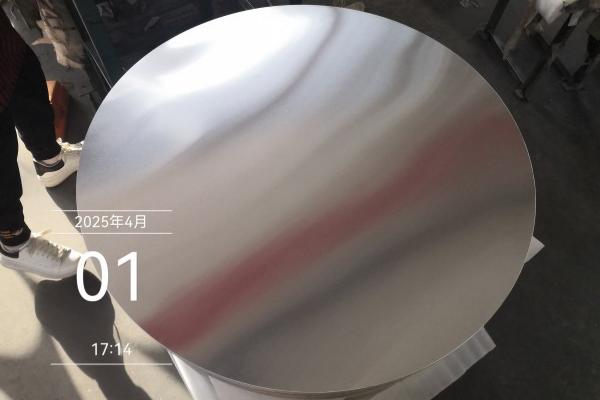 एल्यूमीनियम-मुद्रांकन-भाग-1
1.1 सामग्री बेंचमार्किंग: क्यों 1050 निराला है
सही प्रक्रिया का चयन करने के लिए, सबसे पहले यह समझना होगा कि कैसे 1050 अपने सामान्य समकक्षों से भिन्न है. निम्नलिखित तुलनात्मक विश्लेषण इस बात पर प्रकाश डालता है कि क्यों 1050 इसे मानक मिश्रधातु की तरह व्यवहार नहीं किया जा सकता.
| मिश्र धातु ग्रेड |
प्रमुख विशेषताएँ |
कठोरता & प्लास्टिसिटी |
मुद्रांकन & गड़गड़ाहट प्रोफ़ाइल |
डिबुरिंग में कठिनाई |
भूतल समाप्ति क्षमता |
| 1050 |
उच्च शुद्धता (≥99.5%) |
बेहद नरम / अत्यधिक तन्य |
रेशेदार, रेशेदार गड़गड़ाहट; उच्च डाई-स्टिकिंग जोखिम. |
मध्यम (सौम्य हैंडलिंग की आवश्यकता है) |
उत्कृष्ट (मिरर फ़िनिश के लिए आदर्श) |
| 1060 |
उच्च शुद्धता (≥99.6%) |
से भी नरम 1050 |
के समान 1050, लेकिन पित्त की संभावना अधिक होती है. |
मध्यम |
उत्कृष्ट |
| 3003 |
अल-एमएन मिश्र धातु |
मध्यम शक्ति |
भंगुर कतरनी गड़गड़ाहट; स्थायी रूप से संबंध तोड़ना; कम चिपकना. |
आसान |
अच्छा (लेकिन कम चमकदार) |
| 5052 |
अल-एमजी मिश्र धातु |
अधिक शक्ति |
मुश्किल, मोटी गड़गड़ाहट; टूटने का खतरा. |
मुश्किल |
गोरा (उच्च चमक के साथ संघर्ष करता है) |
निष्कर्ष:1050 की उच्च शुद्धता इसे बेहतर सतह सौंदर्यशास्त्र प्रदान करती है लेकिन एक विशेष की मांग करती है “कोमल स्पर्श” विनिर्माण व्यवस्था. आक्रामक टूलींग या कठोर डिबरिंग वर्कपीस को बर्बाद कर देगी.
द्वितीय. मूल कारण विश्लेषण: गड़गड़ाहट गठन का पुनर्निर्माण
प्रभावी नियंत्रण दोषों के कारण को समझने से शुरू होता है. में 1050 मुद्रांकन, गड़गड़ाहट एक बहु-परिवर्तनीय प्रणाली का एक लक्षण है.
2.1 भौतिक आंतरिक कारक
की कम उपज शक्ति 1050 इसका मतलब है कि सामग्री अलग होने से पहले महत्वपूर्ण प्लास्टिक विरूपण से गुजरती है. कतरनी चरण के दौरान, एल्युमीनियम को सफाई से काटने के बजाय खींचा और खींचा जाता है. इस “चित्रकारी” क्रिया दीर्घ बनाती है, धातु के पतले तंतु (स्ट्रिंगर्स). और गणनाओं को शामिल किया गया है जो शक्ति के विनियोग को भी जोड़ते हैं, लोहे के लिए एल्यूमीनियम की प्राकृतिक आत्मीयता मरने की सतह पर सूक्ष्म वेल्डिंग का कारण बनती है, निर्मित बढ़त की ओर अग्रसर (झुकना) जो द्वितीयक के रूप में कार्य करता है, अनियमित काटने का उपकरण, गड़गड़ाहट की ऊंचाई और सतह खुरदरापन को बढ़ाना.
2.2 टूलींग ज्यामिति और रखरखाव
डाई ऑपरेशन का हृदय है.
- निकासी: पंच और डाई के बीच का अंतर महत्वपूर्ण है. के लिए 1050, आमतौर पर इष्टतम निकासी होती है 5% प्रति 8%सामग्री की मोटाई का. बहुत बड़ा क्लीयरेंस अत्यधिक प्लास्टिक विरूपण और रोलओवर का कारण बनता है, भारी गड़गड़ाहट पैदा करना. बहुत छोटा क्लीयरेंस द्वितीयक कटिंग और त्वरित उपकरण घिसाव का कारण बनता है.
- किनारे की स्थिति: एक तेज़ डाई एज शुरुआत के लिए आवश्यक बल को कम कर देती है. घिसा हुआ या गोल किनारा जलने की दूरी को बढ़ा देता है, अधिक गर्मी और बड़ी गड़गड़ाहट पैदा करना.
- सतह का उपचार: बिना लेपित स्टील एल्यूमीनियम के साथ आसानी से गल जाता है. आधुनिक उत्पादन के लिए उपचारित डाई की आवश्यकता होती है डीएलसी (हीरे जैसा कार्बन) या TiAlN (टाइटेनियम एल्युमिनियम नाइट्राइड)घर्षण को कम करने और आसंजन को रोकने के लिए कोटिंग्स.
2.3 प्रक्रिया गतिशीलता
- मुद्रांकन वेग: उच्च गति गर्मी और झटका उत्पन्न करती है, जो एल्युमीनियम को स्थानीय स्तर पर नरम कर सकता है और चिपकाव बढ़ा सकता है. नियंत्रित गति सहज फ्रैक्चर प्रसार की अनुमति देती है.
- रिक्त धारण बल:अपर्याप्त बल के कारण शीट सिकुड़ जाती है या हिल जाती है, असमान कतरन के कारण. अत्यधिक बल से विवाह हो जाता है और मरने का खतरा बढ़ जाता है.
2.4 स्नेहन विफलता
जल-आधारित या कम-चिपचिपाहट वाले तेल नरम एल्यूमीनियम और कठोर डाई के बीच एक मजबूत हाइड्रोडायनामिक फिल्म बनाने में विफल रहते हैं. इससे धातु से धातु का संपर्क होता है, वेल्डिंग, और विनाशकारी सतह क्षति. 1050 उच्च-प्रदर्शन की आवश्यकता है, उच्च-अत्यधिक दबाव (ईपी) नरम मिश्र धातुओं के लिए विशेष रूप से तैयार किए गए स्नेहक.
तृतीय. स्रोत निवारण: मुद्रांकन प्रक्रिया का अनुकूलन
सबसे अधिक लागत प्रभावी गड़गड़ाहट वह है जो कभी बनाई ही नहीं गई. फ्रंट-एंड ऑप्टिमाइजेशन डाउनस्ट्रीम फिनिशिंग पर बोझ को कम करता है.
3.1 परिशुद्ध टूलींग रणनीति
टूलींग में निवेश करने से लाभांश मिलता है.
- क्लीयरेंस सेटिंग: बनाए रखें 5-8% प्यारी जगह. समानता सुनिश्चित करने के लिए शिम्स का उपयोग करें.
- कोटिंग प्रौद्योगिकी:डीएलसी-लेपित पंचों का उपयोग करें. डीएलसी की कम सतह ऊर्जा एल्यूमीनियम को चिपकने से रोकती है, प्रत्येक स्ट्रोक के साथ स्वच्छ रिलीज सुनिश्चित करना.
- नियमित रखरखाव: एक निवारक रखरखाव कार्यक्रम लागू करें. डाई किनारों को पॉलिश करें और प्रत्येक की माइक्रो-चिपिंग के लिए निरीक्षण करें 50,000 स्ट्रोक.
3.2 उन्नत स्नेहन प्रबंधन
- रसायन विज्ञान: सिंथेटिक एस्टर-आधारित स्टैम्पिंग तरल पदार्थ का उपयोग करें. ये एक मजबूत सीमा स्नेहन परत प्रदान करते हैं जो उच्च दबाव में भी माइक्रोवेल्डिंग को रोकता है.
- आवेदन: पूर्ण बाढ़ स्नेहन या धुंध सुनिश्चित करें. धब्बों का सूखापन स्थिरता का दुश्मन है.
3.3 कच्चे माल की स्थिति का चयन
1050 विभिन्न तापमानों में उपलब्ध है, प्रत्येक अलग-अलग चुनौतियों के लिए उपयुक्त है. सही स्वभाव का चयन करना प्राथमिक नियंत्रण लीवर है.
| स्वभाव अवस्था |
यांत्रिक विशेषताएं |
प्रपत्र & गड़गड़ाहट प्रवृत्ति |
आदर्श अनुप्रयोग |
| हे (annealed) |
नर्म, उच्चतम लचीलापन |
चित्र बनाना सबसे आसान; उच्चतम गड़गड़ाहट/फाइबर उत्पादन. |
गहरे खींचे गए कुकवेयर, जटिल आकार. |
| एच12 / एच14 |
तनाव से कठोर (1/4, 1/2 मुश्किल) |
अच्छा संतुलन; चिपकना कम हो गया बनाम. ओ-गुस्सा. |
सामान्य मुद्रांकन, मध्यम-गहराई वाले चित्र. |
| एच24 |
आंशिक रूप से एनील्ड किया गया |
उच्चतम कठोरता; सबसे साफ़ कट, कम से कम गड़गड़ाहट. |
समतल रिक्त स्थान, उथली मुद्रांकन. |
सिफारिश: गहरे खींचे गए किचन सिंक या लैंपशेड के लिए, ओ-टेम्परेचर का प्रयोग करें. सटीक फ्लैट डिस्क या इलेक्ट्रॉनिक शील्ड के लिए, किनारे के दोषों को कम करने के लिए H14 या H24 का उपयोग करें.
चतुर्थ. डिबुरिंग टेक्नोलॉजीज: एक तुलनात्मक विश्लेषण
सर्वोत्तम प्रयासों के बावजूद, कुछ सूक्ष्म गड़गड़ाहट अपरिहार्य हैं. हटाने की विधि का चुनाव ज्यामिति पर निर्भर करता है, आयतन, और आवश्यक सतह गुणवत्ता.
| प्रक्रिया |
तंत्र |
पेशेवरों |
दोष |
के लिए सबसे उपयुक्त |
| कम्पायमान फिनिशिंग |
कंपन के माध्यम से मीडिया का घर्षण. |
कम लागत; उच्च परिमाण; कोमल. |
धीमा; भारी गड़गड़ाहट पर अप्रभावी. |
सामान्य औद्योगिक डिस्क; प्री-एनोडाइजिंग तैयारी. |
| केन्द्रापसारक बैरल |
उच्च-ऊर्जा मीडिया प्रभाव. |
तेज़; आक्रामक; अच्छा किनारा त्रिज्या. |
उच्च मीडिया घिसाव; शोर. |
भारी मुद्रांकन गड़गड़ाहट को हटाना. |
| थर्मल डिबुरिंग |
तीव्र गैस दहन. |
आंतरिक/बाहरी गड़गड़ाहट को दूर करता है. |
महँगा; सतह रसायन विज्ञान को बदल देता है. |
जटिल ज्यामिति, आंतरिक छिद्र. |
| विद्युत (ईसीएम) |
नियंत्रित एनोडिक विघटन. |
तनावमुक्त; दर्पण खत्म संभव. |
प्रवाहकीय फिक्स्चर की आवश्यकता है; अपशिष्ट उपचार. |
चिकित्सा, इलेक्ट्रानिक्स, उच्च परिशुद्धता वाले हिस्से. |
| मैनुअल/ब्रश |
यांत्रिक सफ़ाई. |
लचीला; सटीक. |
गहन श्रम; असंगत. |
बड़े व्यास (>500मिमी); प्रोटोटाइप. |
4.1 कम्पायमान फिनिशिंग: काम का घोड़ा
अधिकांश के लिए 1050 डिस्क अनुप्रयोग, कंपनयुक्त परिष्करण मानक है. मुख्य बात सही मीडिया का चयन करना है. कठोर चीनी मिट्टी का प्रयोग न करेंनरम एल्यूमीनियम पर, क्योंकि वे टकराव और सतह पर गड्ढे का कारण बनेंगे. उपयोग उच्च घनत्व एल्यूमिना शंकु या राल-बंधित मीडियासतह को एक साथ साफ और चमकाने के लिए हल्के अम्लीय यौगिक के साथ. चक्र का समय आमतौर पर होता है 30 प्रति 90 गड़गड़ाहट के आकार के आधार पर मिनट.
 एल्युमीनियम शीट निर्माण कारखाना
4.2 इलेक्ट्रोकेमिकल डिबुरिंग (ईसीडी): परिशुद्धता समाधान
जब सहनशीलता कड़ी हो (जैसे, इलेक्ट्रॉनिक हीट सिंक), ईसीडी श्रेष्ठ है. एक इलेक्ट्रोलाइटिक सेल बनाया जाता है जहां एल्यूमीनियम भाग एनोड होता है. एक सटीक आकार का कैथोड गड़गड़ाहट के करीब लाया जाता है. विद्युत धारा अधिमानतः गड़गड़ाहट की नोक को घोल देती है, जिसका धारा घनत्व सबसे अधिक है. यह बिना किसी यांत्रिक तनाव के बिल्कुल चिकनी धार छोड़ता है, पतली दीवारों वाले भागों में विकृति को रोकना.
वी. सतही फिनिश संवर्द्धन: गड़गड़ाहट हटाने से परे
एक भाग गड़गड़ाहट-मुक्त हो सकता है लेकिन फिर भी रोलर के निशान के कारण दृष्टिगत रूप से अस्वीकार्य हो सकता है, खरोंच मरो, या ऑक्सीकरण. 1050इसकी उच्च शुद्धता इसे उच्च चमक वाली फिनिश के लिए एक उत्कृष्ट उम्मीदवार बनाती है.
5.1 रासायनिक चमकाने और चमकाने
एक समानता प्राप्त करने के लिए, परावर्तक सतह, रासायनिक पॉलिशिंग का प्रयोग किया जाता है. भागों को नियंत्रित तापमान पर फॉस्फोरिक-नाइट्रिक एसिड स्नान में डुबोया जाता है (90-110डिग्री सेल्सियस). एसिड सतह स्थलाकृति के उच्च बिंदुओं पर हमला करता है, सूक्ष्म चोटियों और घाटियों को समतल करना. यह प्रक्रिया ओवर की परावर्तनशीलता प्राप्त कर सकती है 85%, एक मानक स्टैम्प्ड डिस्क को एक उच्च-स्तरीय प्रकाश परावर्तक में बदलना.
5.2 इलेक्ट्रो चमकाने
अंतिम समाप्ति के लिए, इलेक्ट्रोपॉलिशिंग का उपयोग किया जाता है. ईसीएम के समान, यह पतलापन दूर करता है, विद्युत रासायनिक रूप से सामग्री की नियंत्रित परत. यांत्रिक पॉलिशिंग के विपरीत, जो धातु की सतह पर धब्बा लगा सकता है और संदूषकों को फँसा सकता है, इलेक्ट्रोपॉलिशिंग एक निष्क्रिय बनाता है, क्रोमियम युक्त परत (यदि लागू हो) या एक शुद्ध एल्यूमीनियम ऑक्साइड परत जो अत्यधिक संक्षारण प्रतिरोधी और शानदार चमकदार है.
5.3 सफ़ाई और निष्क्रियता
मशीनिंग के बाद के संदूषक (तेल, चमकाने वाले यौगिक) धुंधलापन रोकने के लिए इसे हटाया जाना चाहिए.
- घटाना: तेलों को इमल्सीफाई करने के लिए क्षारीय क्लीनर का उपयोग करें.
- अम्ल अचार बनाना: हल्का नाइट्रिक एसिड डिप मैल और ऑक्साइड को हटा देता है.
- सुखाने: बलपूर्वक गर्म हवा सुखाने का प्रयोग करें. हवा में सूखने से पानी के धब्बे पड़ जाते हैं, जो अस्वीकृति का एक सामान्य कारण है 1050 पार्ट्स.
छठी. गुणवत्ता आश्वासन और मेट्रोलॉजी
व्यक्तिपरक दृश्य निरीक्षण अपर्याप्त है. एक मजबूत गुणवत्ता प्रणाली के लिए मात्रात्मक मेट्रिक्स की आवश्यकता होती है.
6.1 गड़गड़ाहट की ऊंचाई माप
- मानक: आईएसओ 9013 (थर्मल कटिंग के लिए) या आंतरिक मानक.
- उपकरण:डिजिटल ऊंचाई गेज, ऑप्टिकल तुलनित्र, या लेजर स्कैनिंग माइक्रोस्कोप.
- स्वीकार:सामान्य भागों के लिए, गड़गड़ाहट की ऊंचाई होनी चाहिए < 0.05मिमी. सटीक असेंबलियों के लिए, < 0.01मिमी.
6.2 सतह का खुरदरापन (रा/रज़)
- उपकरण:पोर्टेबल स्टाइलस प्रोफिलोमीटर.
- लक्ष्यों को:
- यथा-मुद्रांकित: आरए 0.8 – 1.6 सुक्ष्ममापी
- डिबर्ड: आरए 0.4 – 0.8 सुक्ष्ममापी
- पॉलिश: आरए 0.1 – 0.4 सुक्ष्ममापी
- आईना: आरए < 0.05 सुक्ष्ममापी
6.3 दृश्य मानक
स्वीकार्य सतह उपस्थिति के लिए मास्टर नमूने स्थापित करें. परिभाषित करें कि क्या बनता है “खरोंच” बनाम ए “प्रवाह लाइन।” मानकीकृत प्रकाश बक्सों का उपयोग करें (D65 प्रकाश स्रोत) रंग और चमक स्थिरता के लिए.
 एल्यूमीनियम गोलाकार शीट
सातवीं. निष्कर्ष: एकीकृत विनिर्माण प्रणाली
गड़गड़ाहट को नियंत्रित करना और समाप्त करना 1050 एल्युमीनियम कोई जादू की गोली ढूंढने के बारे में नहीं है; यह एक को लागू करने के बारे में है नियंत्रणों का व्यवस्थित झरना:
- डिज़ाइन: सही स्वभाव का चयन करें और यथार्थवादी सहनशीलता निर्दिष्ट करें.
- टूलींग:कोटेड में निवेश करें, सटीक-ग्राउंड सही क्लीयरेंस के साथ मर जाता है.
- प्रक्रिया:उचित स्नेहन और नियंत्रित मापदंडों का उपयोग करें.
- खत्म करना:उचित डिबरिंग और पॉलिशिंग तकनीक लागू करें.
- सत्यापित करें:परिणामों को मापें और दस्तावेज़ित करें.
सामग्री के अद्वितीय गुणों का सम्मान करके और संपूर्ण प्रक्रिया श्रृंखला का प्रबंधन करके, निर्माता विश्वसनीय रूप से उत्पादन कर सकते हैं 1050 एल्यूमीनियम डिस्क जो सबसे अधिक मांग वाली सौंदर्य और कार्यात्मक आवश्यकताओं को पूरा करती है, संभावित समस्याग्रस्त सामग्री को प्रीमियम उत्पाद में बदलना.

