1050 एल्युमिनियम सर्किल कुकवेयर: आधुनिक बरतन निर्माण के लिए उच्च शुद्धता वाला एल्युमीनियम समाधान
मैं. परिचय: कुकवेयर निर्माण की आधारशिला सामग्री और थर्मोडायनामिक कोर
अत्यंत प्रतिस्पर्धी कुकवेयर विनिर्माण उद्योग में, आधार सामग्री का चुनाव अब केवल लागत का मुद्दा नहीं रह गया है; यह सीधे अंतिम उत्पाद का निर्धारण करता है थर्मल दक्षता, सेवा जीवन, उपज दर बनाना, और बाजार प्रतिस्पर्धात्मकता. उपभोक्ताओं से रूबरू हुए’ के लिए अनेक माँगें “नॉन स्टिक,” “हल्के,” तथा “तेजी से गरम करना,” सामग्री इंजीनियरों को धातुओं के भौतिक गुणों और रासायनिक स्थिरता के बीच इष्टतम संतुलन खोजना होगा. बरतन उत्पादन के लिए उपयोग की जाने वाली विभिन्न धातु सामग्रियों में से, 1050 एल्यूमिनियम सर्किलशुद्ध एल्यूमीनियम के करीब अपनी चरम तापीय चालकता के कारण वैश्विक कुकवेयर निर्माताओं के लिए पसंदीदा आधार सामग्री बन गई है, उत्कृष्ट गहरी ड्राइंग प्रदर्शन, और अत्यधिक लागत प्रभावी प्रसंस्करण विशेषताएँ.
हल्के वज़न की वैश्विक मांग में निरंतर वृद्धि के साथ, कुशल ऊर्जा, और टिकाऊ कुकवेयर, विशेषकर एशिया और उभरते बाजारों में, निर्माता तेजी से उपयोग करना पसंद कर रहे हैं 1050 एल्यूमीनियम सर्कल का उत्पादन करने के लिए:
- चीनी वोक्स & तडके का पात्र: उनके तेज़ ताप संचालन गुणों का लाभ उठाना.
- स्टॉक बर्तन & सॉस पैन: उनकी उत्कृष्ट गहरी ड्राइंग क्षमताओं पर भरोसा करते हुए.
- प्रेशर कुकर निकाय: उच्च दबाव में स्थिरता की आवश्यकता.
- इलेक्ट्रिक चावल कुकर & प्रेशर कुकर लाइनर:कोटिंग और समान ताप वितरण के लिए अनुकूल सतहों की मांग.
- विभिन्न रसोई के बर्तन: जैसे कि केतली, जहाजों, आदि.
तक की इसकी एल्यूमीनियम शुद्धता के लिए धन्यवाद 99.5%, 1050 आधुनिक कुकवेयर निर्माण में आवश्यक बड़ी-विरूपण प्रक्रियाओं के लिए एल्यूमीनियम सर्कल विशेष रूप से उपयुक्त हैं, जैसे कि पावर स्पिनिंग, मल्टी-स्टेज स्टैम्पिंग, तथा ग़हरी कला- जटिल आकार के आधुनिक कुकवेयर के निर्माण की प्रमुख तकनीकें.
 1050 एल्यूमीनियम सर्कल
द्वितीय. क्या है 1050 एल्युमिनियम सर्किल कुकवेयर?
1050 एल्युमीनियम सर्कल कुकवेयर विशेष रूप से निर्मित गोलाकार एल्युमीनियम डिस्क को संदर्भित करता है 1050 एल्यूमीनियम मिश्र धातु, कुकवेयर और रसोई के बर्तन उत्पादन के लिए विशेष रूप से डिज़ाइन किया गया एक अर्ध-तैयार उत्पाद रूप.
“1050” 1xxx श्रृंखला एल्यूमीनियम मिश्र धातु से संबंधित है, जिसकी मुख्य विशेषता व्यावसायिक रूप से शुद्ध एल्यूमीनियम है. इसके भौतिक गुण कुकवेयर निर्माण की विशेष आवश्यकताओं को पूरी तरह से पूरा करते हैं:
- अत्यधिक उच्च एल्यूमीनियम शुद्धता (≥99.5%): इसका तात्पर्य अधिकतम विद्युत और तापीय चालकता है.
- उत्कृष्ट लचीलापन: सामग्री को बिना टूटे जटिल आकार में खींचने की अनुमति देता है.
- उत्कृष्ट संक्षारण प्रतिरोध: भोजन और डिटर्जेंट के संपर्क में आने पर स्थिर प्रदर्शन.
- गैर चुंबकीय & बिना गंध:खाद्य सुरक्षा सुनिश्चित करना.
की विशिष्ट रासायनिक संरचना 1050 एल्यूमीनियम शामिल है:
- न्यूनतम 99.5% एल्यूमिनियम सामग्री, शेष में लौह की थोड़ी मात्रा होती है, सिलिकॉन, और अन्य तत्व.
इसकी अपेक्षाकृत नरम बनावट के कारण (खासतौर पर ओ-टेम्पर में) और मजबूत गठन क्षमता, 1050 गंभीर प्लास्टिक विरूपण की आवश्यकता वाले कुकवेयर निर्माण प्रक्रियाओं में एल्यूमीनियम सर्कल का व्यापक रूप से उपयोग किया जाता है:
- ग़हरी कला: एक सपाट डिस्क को बर्तन की ऊर्ध्वाधर दीवारों में खींचना.
- कताई: अर्धगोलाकार पॉट बॉटम्स का निर्माण (जैसे, चीनी कड़ाही) हाई-स्पीड रोटेशन और एक्सट्रूज़न के माध्यम से.
- खिंचाव का निर्माण
- एनोडाइजिंग:पहनने के प्रतिरोध को बढ़ाने के लिए इलेक्ट्रोलिसिस के माध्यम से एक कठोर ऑक्साइड परत बनाना.
- नॉन-स्टिक कोटिंग संगतता:पीटीएफई के लिए एक आदर्श सब्सट्रेट के रूप में कार्य करना (टेफ़लोन) या सिरेमिक कोटिंग्स.
कम कार्बन स्टील या स्टेनलेस स्टील कुकवेयर सामग्री की तुलना में, 1050 एल्यूमीनियम सर्कल लगभग एक तिहाई वजन और लगभग दस गुना थर्मल प्रसार प्रदान करते हैं, उपयोगकर्ता के खाना पकाने के अनुभव और ऊर्जा उपयोग को सीधे बढ़ाना.
तृतीय. रासायनिक संरचना और खाद्य सुरक्षा का गहन विश्लेषण
उच्च शुद्धता इसका सबसे बड़ा लाभ है 1050 कुकवेयर निर्माण में एल्यूमीनियम, न केवल शारीरिक प्रदर्शन से संबंधित, बल्कि सीधे तौर पर संबंधित भी खाद्य संपर्क सुरक्षा.
| तत्व |
विशिष्ट सामग्री (%) |
गहन कार्यात्मक विश्लेषण |
| अल्युमीनियम (अली) |
≥99.5 |
आधार धातु.शुद्धता जितनी अधिक होगी, जितने अधिक मुक्त इलेक्ट्रॉन होंगे, जिसके परिणामस्वरूप अधिक तापीय चालकता गुणांक प्राप्त होता है, तेज़ हीटिंग, और अधिक समान ताप वितरण. इसके साथ ही, उच्च शुद्धता वाले एल्युमीनियम से भारी धातु के प्रवासन का बेहद कम जोखिम होता है, एफडीए और जीबी का पूरी तरह से अनुपालन 4806.9 खाद्य संपर्क सामग्री मानक. |
| लोहा (फ़े) |
≤0.40 |
प्राथमिक अशुद्धता.आमतौर पर शुद्ध एल्यूमीनियम में सुई की तरह Al₃Fe चरणों के रूप में मौजूद होता है. उपयुक्त Fe पुनर्क्रिस्टलीकरण तापमान को बढ़ा सकता है, लेकिन अत्यधिक मात्रा से लचीलापन कम हो जाता है और गहरी ड्राइंग के दौरान दरार पड़ने का खतरा बढ़ जाता है. |
| सिलिकॉन (और) |
≤0.25 |
अशुद्धता नियंत्रण. सख्ती से नियंत्रित किया जाना चाहिए. सी एल्यूमीनियम की कठोरता और वेल्डेबिलिटी को कम कर देता है और एनोडाइजिंग के दौरान धूसर हो जाता है. |
| तांबा (साथ में) |
≤0.05 |
सख्ती से सीमित.हालांकि Cu ताकत बढ़ा सकता है, यह संक्षारण प्रतिरोध को काफी कम कर देता है (आसानी से गड्ढे में जंग लगने का कारण बनता है, विशेषकर अम्लीय खाद्य पदार्थों में) और मानव शरीर के लिए हानिकारक है. इस तरह, cookware-grade aluminum must strictly control copper content. |
| मैंगनीज (एम.एन.) |
≤0.05 |
ठोस समाधान सुदृढ़ीकरण के लिए परिवर्धन का पता लगाएं, लेकिन बहुत कम मात्रा में मौजूद है 1050. |
| मैगनीशियम (मिलीग्राम) |
≤0.05 |
ट्रेस सुदृढ़ीकरण तत्व. |
| जस्ता (Zn) |
≤0.05 |
Controls impurity content to prevent intergranular corrosion. |
| टाइटेनियम (आप) |
≤0.03 |
अनाज परिशोधक. Prevents coarse grains during casting and hot rolling, सूक्ष्म संरचनात्मक एकरूपता सुनिश्चित करना. |
The high aluminum content ensures excellent thermal conductivity and workability, forming the basis for cookware to respond quickly to heat changes.
चतुर्थ. विनिर्माण प्रक्रिया प्रवाह: एल्युमीनियम इनगट से लेकर कुकवेयर ब्लैंक तक
Producing high-quality cookware aluminum circles is a systems engineering project involving metallurgy, ऊष्मप्रवैगिकी, और सटीक यांत्रिक नियंत्रण.
गलन & ढलाई
Everything starts with high-purity A00 aluminum ingots.
- कच्चे माल का पिघलना: Aluminum ingots and compliant scrap are fed into a reverberatory furnace for melting.
- मिश्र धातु संरचना समायोजन: Precise adjustment of trace elements according to 1050 मानकों.
- डीगैसिंग & शुद्धिकरण: Nitrogen or argon is blown through the melt to remove hydrogen (बाद में पिनहोल को रोकना) and ceramic filters are used to remove inclusions.
- सतत ढलाई या अर्ध-निरंतर ढलाई (डीसी कास्टिंग):तरल एल्यूमीनियम को फ्लैट स्लैब में बदलना, बारीक दाने प्राप्त करने के लिए शीतलन दर को नियंत्रित करना.
हॉट रोलिंग
कास्ट स्लैब स्केलिंग से गुजरता है (सतह मिलिंग) to remove surface oxides before entering the hot rolling stage.
- उद्देश्य: Crushing the coarse dendritic structure formed during casting at high temperatures, आंतरिक सरंध्रता और छिद्रों को ख़त्म करना, और अनाज के आकार में सुधार.
- लाभ:हॉट-रोल्ड एल्यूमीनियम सर्कल में बेहतर गहरी ड्राइंग प्रदर्शन और आइसोट्रॉपी होती है (सभी दिशाओं में समान यांत्रिक गुण), असमान खिंचाव को रोकने के लिए उन्हें हाई-एंड कुकवेयर के लिए पसंदीदा आधार सामग्री बनाना.
कोल्ड रोलिंग
हॉट-रोल्ड कॉइल मोटाई में कमी के लिए मल्टी-पास कोल्ड रोलिंग से गुजरती है.
- मोटाई नियंत्रण: विशिष्ट कुकवेयर की मोटाई भिन्न-भिन्न होती है 0.5 मिमी - 6.0 मिमी.
- सतह गुणवत्ता नियंत्रण: कोल्ड रोलिंग से चिकनी सतह प्राप्त होती है, बाद में एनोडाइजिंग या महीन कोटिंग के लिए उपयुक्त, हालाँकि आंतरिक अवशिष्ट तनाव मौजूद हो सकता है.
वृत्त काटना
बड़ी एल्यूमीनियम शीटों या कॉइल्स को सटीक गोलाकार रिक्त स्थान में संसाधित करना.
- प्रक्रिया: उच्च परिशुद्धता वाले ब्लैंकिंग डाइज़ का उपयोग करना, सीएनसी पंचिंग मशीनें, या पूरी तरह से स्वचालित सर्कल काटने वाली मशीनें.
- परिशुद्धता आवश्यकताएँ: कटे हुए किनारे बिना किसी गड़गड़ाहट के चिकने होने चाहिए, और आयामी सहनशीलता न्यूनतम होनी चाहिए. इससे घटना कम हो जाती है “बाली” (किनारे की झुर्रियाँ) गहरी ड्राइंग के दौरान, उपज दर और उपस्थिति गुणवत्ता में उल्लेखनीय सुधार हुआ.
एनीलिंग हीट ट्रीटमेंट
कोल्ड-रोल्ड एल्यूमीनियम में वर्क हार्डनिंग के कारण उच्च कठोरता होती है और इसका उपयोग सीधे गहरी ड्राइंग के लिए नहीं किया जा सकता है.
- प्रक्रिया: 350°C-450°C पर पुनर्क्रिस्टलीकरण एनीलिंग.
- परिणाम: कोमलता को पुनर्स्थापित करता है (ओ-गुस्सा) और सामग्री की लचीलापन, यह इसे बिना टूटे गंभीर खिंचाव वाली विकृतियों का सामना करने की अनुमति देता है.

वी. की मुख्य प्रदर्शन विशेषताओं का गहन विश्लेषण 1050 एल्यूमिनियम सर्किल
उत्कृष्ट तापीय चालकता
यह सबसे बड़ा विक्रय बिंदु है 1050 कुकवेयर के लिए एल्यूमीनियम का उपयोग इसके भौतिक सार द्वारा निर्धारित किया जाता है.
- तापीय चालकता गुणांक: लगभग 237 डब्ल्यू/(एम·के), स्टेनलेस स्टील से कहीं अधिक (लगभग. 16 डब्ल्यू/(एम·के)) और कच्चा लोहा (लगभग. 50 डब्ल्यू/(एम·के)).
- लाभ विश्लेषण:
- अत्यधिक तेज़ तापन: लघु तापीय प्रतिक्रिया समय खाना पकाने का समय और ऊर्जा बचाता है.
- समान तापमान वितरण: उच्च तापीय विसरणशीलता के कारण, पॉट के तल पर तापमान का अंतर न्यूनतम है, स्थानीय ओवरहीटिंग के कारण होने वाली झुलसा को काफी हद तक कम करता है (हॉट स्पॉट).
- सटीक तापमान नियंत्रण: गोलाबारी परिवर्तन पर त्वरित प्रतिक्रिया, तलने जैसी चीनी खाना पकाने की तकनीक के लिए उपयुक्त.
सुपीरियर डीप ड्राइंग प्रदर्शन
1050 एल्यूमीनियम में उच्च बढ़ाव दर होती है (बढ़ाव > 35%).
- आवेदन:निर्माताओं को गहरे पॉट बॉडी का उत्पादन करने की अनुमति देता है (जैसे, स्टॉक बर्तन, प्रेशर कुकर लाइनर) गर्दन में दरार या दरार के बिना एक ही ऑपरेशन में उच्च ड्राइंग अनुपात के साथ.
- सीमा आहरण अनुपात (लीडर): उच्च शुद्धता वाले एल्यूमीनियम में आमतौर पर उच्च एलडीआर होता है, मतलब एक छोटी डिस्क से एक बड़ा बर्तन बनाया जा सकता है, सामग्री की बचत.
हल्की संरचना
- घनत्व तुलना: एल्युमिनियम का घनत्व ही होता है 2.7 जी/सेमी³, लोहे का एक तिहाई.
- प्रयोगकर्ता का अनुभव:यहां तक कि बड़े व्यास वाले कड़ाही या स्टॉक पॉट भी हल्के रहते हैं, हलचल-तलने की सुविधा, हैंडलिंग, और धुलाई, महिला और बुजुर्ग उपयोगकर्ता समूहों के लिए विशेष रूप से उपयुक्त.
उत्कृष्ट संक्षारण प्रतिरोध
- प्राकृतिक ऑक्साइड फिल्म: एल्युमीनियम तेजी से सघन एल्युमीनियम ऑक्साइड उत्पन्न करता है (Al₂O₃) हवा में फिल्म. यह परत रासायनिक रूप से स्थिर है और अंतर्निहित धातु को आगे ऑक्सीकरण या क्षरण से बचाती है.
- सतह को मजबूत बनाना: एनोडाइजिंग उपचार के माध्यम से, ऑक्साइड परत की मोटाई कुछ माइक्रोन से दर्जनों माइक्रोन तक बढ़ाई जा सकती है, घिसाव और अम्ल/क्षार संक्षारण प्रतिरोध में उल्लेखनीय सुधार, इस प्रकार कुकवेयर का जीवनकाल बढ़ जाता है.
अच्छी सतह फ़िनिश
- विशेषताएं: 1050 एल्युमीनियम नरम होता है और यंत्रवत् या रासायनिक रूप से पॉलिश करना आसान होता है.
- आवेदन:दर्पण चमकाने के लिए उपयुक्त (मिरर फ़िनिश, उच्च श्रेणी के सजावटी बर्तनों के लिए), ब्रश फिनिशिंग (ब्रश किया हुआ फ़िनिश, आधुनिक न्यूनतम शैली के कुकवेयर के लिए), और नॉन-स्टिक कोटिंग्स के लिए आधार परत के रूप में, मजबूत कोटिंग आसंजन प्रदान करना.
छठी. तकनीकी विशिष्टता तालिका
| वस्तु |
विशिष्ट विशिष्टता & विवरण |
| मिश्र धातु पदनाम |
1050 (अल ≥ 99.5%) |
| मनोवृत्ति |
हे (मुलायम, गहरी ड्राइंग के लिए) / एच12 (1/4 मुश्किल) / एच14 (आधा कठोर) |
| मोटाई रेंज |
0.5 मिमी - 6.0 मिमी (अनुकूलन, सहनशीलता ±0.02मिमी) |
| व्यास रेंज |
100 मिमी - 1200 मिमी (छोटे सॉस पैन से लेकर बड़े कड़ाही तक ढक दें) |
| सतह का उपचार |
मिल खत्म / पूर्व पॉलिश / जंग की रोकथाम के लिए तेल-लेपित |
| संसाधन विधि |
गरम वेल्लित (गहरी ड्राइंग के लिए पसंदीदा) / ठंडी स्थिति में लपेटा गया |
| बढ़ाव |
≥35% (ओ-गुस्सा) |
| तन्यता ताकत |
65-95 एमपीए |
| पैकेजिंग विधि |
निर्यात-मानक धूमित लकड़ी के फूस + नमीरोधी कागज + क्राफ्ट पेपर + खंड फिल्म |
सातवीं. का अनुप्रयोग पैनोरमा 1050 एल्यूमिनियम सर्किल
तडके का पात्र & वोक्स
- माँग: तेज ताप संचालन, हल्के, प्राकृतिक वक्रता.
- उपयुक्तता: का उत्कृष्ट कताई प्रदर्शन 1050 एल्यूमीनियम सर्कल उन्हें चीनी कड़ाही के घुमावदार तली के निर्माण के लिए आदर्श बनाते हैं, तेजी से गर्मी संचय और अपव्यय को सक्षम करना.
खाना पकाने के बर्तन & जहाजों
- माँग: मजबूत गहरी रेखांकन क्षमता, संरचनात्मक स्थिरता, एकसमान तापन.
- उपयुक्तता: इसके उच्च बढ़ाव का उपयोग करना, डीप पॉट बॉडी मल्टी-स्टेज ड्राइंग के माध्यम से बनाई जाती हैं, न्यूनतम विरूपण जोखिम के साथ.
प्रैशर कूकर
- माँग: सामग्री को उच्च तापमान और दबाव के तहत थर्मल चक्र का सामना करना होगा, स्थानीय अति ताप को रोकने के लिए तेज़ ताप संचालन के साथ.
- उपयुक्तता: 1050 एल्यूमीनियम की अच्छी तापीय चालकता बर्तन के अंदर समान ताप वितरण सुनिश्चित करती है, खाना पकाने की सुरक्षा की गारंटी के लिए सीलिंग रिंग डिज़ाइन के साथ काम करना.
चावल कुकर के भीतरी बर्तन
- माँग: चिकनी सतह, आसान कोटिंग आसंजन, एकसमान ऊष्मा चालन, जंग प्रूफ.
- उपयुक्तता: ओ-टेम्पर एल्यूमीनियम सर्कल, हार्ड एनोडाइजिंग के बाद, उच्च सतह कठोरता और सौंदर्यशास्त्र प्रदान करते हैं, जिससे वे हाई-एंड राइस कुकर लाइनर्स के लिए एक मुख्यधारा की पसंद बन गए हैं.
अन्य रसोई के बर्तन
मोटे तौर पर एल्यूमीनियम केतली शामिल हैं, बेकिंग सांचे, पिज्जा पैन, जहाजों, बर्तन के ढक्कन, आदि।, उनकी आसान-निर्माण क्षमता और हल्के स्वभाव का लाभ उठाते हुए.

आठवीं. हॉट रोल्ड और कोल्ड रोल्ड एल्युमीनियम सर्कल के बीच गहराई से तुलना
| विशेषता |
हॉट रोल्ड एल्यूमिनियम सर्कल |
कोल्ड रोल्ड एल्यूमिनियम सर्कल |
गहन तुलनात्मक विश्लेषण |
| गहन चित्रण प्रदर्शन |
उत्कृष्ट |
औसत |
हॉट-रोल्ड सामग्री का पुनः क्रिस्टलीकरण हो गया है, जिसके परिणामस्वरूप गहरी ड्राइंग के दौरान कम अनिसोट्रॉपी और न्यूनतम ईयररिंग होती है. |
| सतह खत्म |
मध्यम (थोड़ा पैमाना हो सकता है) |
उत्कृष्ट (निर्बाध & अच्छा) |
मिरर पॉलिशिंग या बारीक ब्रशिंग के लिए कोल्ड-रोल्ड सतहें बेहतर होती हैं; हॉट-रोल्ड सतहों को आमतौर पर मिलिंग या अचार बनाने की आवश्यकता होती है. |
| आंतरिक संरचना |
स्थिर, कोई अवशिष्ट तनाव नहीं |
कड़ी मेहनत से बचा हुआ तनाव |
प्रसंस्करण के बाद विरूपण को रोकने के लिए गहरे खींचे गए हिस्सों के लिए हॉट-रोल्ड सामग्री बेहतर अनुकूल है. |
| क्रैक प्रतिरोध |
उत्कृष्ट |
अच्छा |
हाई-एंड कुकवेयर के लिए हॉट-रोल्ड स्टॉक पसंदीदा विकल्प है (जैसे, मल्टी-लेयर क्लैड बर्तनों में एल्यूमीनियम कोर). |
| बाज़ार स्थिति |
हाई-एंड कुकवेयर / निर्यात |
मानक कुकवेयर / बर्तन |
हॉट-रोल्ड सर्कल आमतौर पर थोड़े अधिक महंगे होते हैं लेकिन उच्च उपज दर के कारण अक्सर उनकी कुल लागत कम होती है. |
निष्कर्ष:उच्च गुणवत्ता वाले कुकवेयर निर्माण के लिए, विशेष रूप से गहरे खींचे गए उत्पाद, हॉट रोल्ड एल्यूमिनियम सर्कल आम तौर पर पहली पसंद होते हैं.
नौवीं. के प्रतिस्पर्धात्मक लाभ 1050 कुकवेयर के लिए एल्यूमिनियम सर्किल
लागत प्रभावी सामग्री
- कच्चे माल की कम लागत:तांबे और स्टेनलेस स्टील की तुलना में, पृथ्वी की पपड़ी में एल्युमीनियम प्रचुर मात्रा में है, अधिक मूल्य प्रतिस्पर्धात्मकता प्रदान करना.
- उच्च प्रसंस्करण दक्षता:नरम एल्यूमीनियम को काटना और बनाना आसान है, कम उपकरण घिसाव और तेज मुद्रांकन गति के साथ, बड़े पैमाने पर स्वचालित उत्पादन के लिए उपयुक्त.
- बड़े पैमाने पर उत्पादन के लिए उपयुक्त:उपकरण दिग्गजों की भारी ऑर्डर मांगों को पूरा करने में सक्षम (जैसे, मिडिया, कल्पना करना, PANASONIC).
उत्कृष्ट प्रसंस्करण प्रदर्शन
सामग्री निम्नलिखित प्रक्रियाओं में असाधारण रूप से अच्छा प्रदर्शन करती है:
- सीएनसी कताई:संतरे के छिलके के प्रभाव के बिना चिकना गठन.
- हाइड्रोलिक ड्राइंग: उच्च सीमा ड्राइंग अनुपात.
- परिशुद्धता मुद्रांकन:उच्च आयामी सटीकता.
- दर्पण चमकाना:उच्च चमक, कोई पिनहोल नहीं.
- कठोर एनोडाइजिंग: एकसमान और घनी ऑक्साइड फिल्म.
ऊर्जा दक्षता
खाना पकाने के लिए एल्यूमीनियम कुकवेयर का उपयोग करने से लगभग बचत हो सकती है 30%-50% कच्चे लोहे के बर्तनों की तुलना में गैस या बिजली की खपत में. यह व्यावसायिक रसोई और दीर्घकालिक घरेलू उपयोग के लिए महत्वपूर्ण लागत बचत का प्रतिनिधित्व करता है, वैश्विक ऊर्जा-बचत प्रवृत्तियों के साथ तालमेल बिठाना.
recyclability
एल्युमीनियम है 100% पुनर्चक्रण, तथा पुनर्चक्रण में ही ऊर्जा की खपत होती है 5% प्राथमिक एल्यूमीनियम उत्पादन के लिए आवश्यक है. एल्यूमीनियम कुकवेयर का उपयोग वैश्विक ईएसजी के अनुरूप है (पर्यावरण, सामाजिक, और शासन) कॉर्पोरेट हरित छवि निर्माण के मानक और लाभ.
एक्स. भूतल उपचार विकल्प: कार्यप्रणाली और सौंदर्यशास्त्र का दोहरा संवर्द्धन
स्थायित्व और सौंदर्यशास्त्र को बढ़ाने के लिए, कुकवेयर एल्यूमीनियम सर्कल विभिन्न सतह उपचारों से गुजर सकते हैं:
एनोडाइजिंग
- सिद्धांत:इलेक्ट्रोलिसिस के माध्यम से एल्यूमीनियम की सतह पर एक कठोर एल्यूमीनियम ऑक्साइड सिरेमिक परत उत्पन्न करना.
- प्रभाव:
- सतह की कठोरता HV300-500 तक पहुँच सकती है, नीलमणि के करीब, इसे घिसावट और खरोंच प्रतिरोधी बनाना.
- एक घनी ऑक्साइड परत बनाता है जो कभी नहीं छूटती, सुरक्षित और गैर विषैले.
- विभिन्न रंगों में रंगा जा सकता है (जैसे, कठोर एनोडाइज्ड काला, सोना, कांस्य) उत्पाद ग्रेड को ऊपर उठाने के लिए.
नॉन - स्टिक कोटिंग
- प्रक्रिया:पीटीएफई का छिड़काव (टेफ़लोन) या सिरेमिक कोटिंग्स, आमतौर पर प्राइमर के साथ संयोजन में.
- प्रभाव:
- बहुत कम सतह तनाव, भोजन को चिपकने से रोकना, कम तेल के साथ स्वास्थ्यवर्धक खाना पकाने को सक्षम बनाना.
- साफ़ करने में आसान, गंदगी को सहजता से मिटाना.
चमकाने
- प्रभाव:
- दर्पण चमकाना:दर्पण के समान चमकदार, अत्यधिक सजावटी, हाई-एंड वेस्टर्न कुकवेयर में आम है.
- यांत्रिक पॉलिशिंग/ब्रशिंग: एक बढ़िया मैट या चमकदार तार बनावट प्राप्त करना, एक आधुनिक औद्योगिक शैली प्रस्तुत करना.
ग्यारहवीं. बाज़ार के रुझान और उद्योग विकास की संभावनाएँ
वैश्विक कुकवेयर विनिर्माण उद्योग निम्नलिखित दिशाओं पर ध्यान केंद्रित कर रहा है:
- हल्का डिज़ाइन: ताकत का त्याग किए बिना कुकवेयर का वजन कम करना, वृद्ध समाजों और महिला उपभोक्ताओं की सेवा करना.
- उच्च दक्षता वाली ऊर्जा बचत: निचली समग्र संरचनाओं का विकास करना (जैसे, अल्युमीनियम + स्टेनलेस स्टील क्लैडिंग या मिश्रित आधार) इंडक्शन कुकटॉप्स पर चुंबकीय चालकता और थर्मल दक्षता में सुधार करने के लिए.
- पर्यावरण के अनुकूल उत्पादन:उत्पादन के दौरान वीओसी उत्सर्जन को कम करने के लिए क्रोम-मुक्त पैसिवेशन उपचार और पर्यावरण-अनुकूल जल-आधारित कोटिंग्स को बढ़ावा देना.
- उच्च-प्रदर्शन नॉन-स्टिक सिस्टम: अधिक घिसाव प्रतिरोधी पर शोध करना, कुकवेयर के जीवनकाल को बढ़ाने के लिए पीएफओए-मुक्त कोटिंग तकनीक.
फलस्वरूप, उच्च गुणवत्ता की मांग 1050 वैश्विक स्तर पर एल्युमीनियम सर्कल का विकास जारी है.
प्रमुख विकास बाज़ार:
- दक्षिणपूर्व एशिया: तेजी से उभरते विनिर्माण आधार और उपभोक्ता बाजार (जैसे, वियतनाम, थाईलैंड).
- मध्य पूर्व: एल्युमीनियम के बर्तनों की भारी मांग, मोटे तले वाले डिज़ाइन को प्राथमिकता देना.
- यूरोप:बाजार इको-डिज़ाइन और हाई-एंड नॉन-स्टिक कुकवेयर पर केंद्रित है.
- दक्षिण अमेरिका & अफ़्रीका: उच्च मूल्य संवेदनशीलता वाले उभरते खाद्य बाजार.
बारहवीं. निष्कर्ष
1050 एल्युमीनियम सर्कल आधुनिक कुकवेयर निर्माण में सबसे महत्वपूर्ण आधार कच्चे माल में से एक है. वे उच्च एल्यूमीनियम शुद्धता द्वारा लाई गई अत्यधिक तापीय चालकता को पूरी तरह से जोड़ते हैं, उत्कृष्ट गहरी ड्राइंग क्षमता, एक हल्की लेकिन टिकाऊ संरचना, अच्छा संक्षारण प्रतिरोध, और अत्यधिक प्रतिस्पर्धी प्रसंस्करण लागत.
चाहे वह घरेलू रसोई के लिए कड़ाही और सूप के बर्तन हों या व्यावसायिक रसोई के लिए प्रेशर कुकर और चावल कुकर लाइनर हों, 1050 एल्यूमीनियम सर्कल अपूरणीय प्रदर्शन समर्थन प्रदान करते हैं. जैसे-जैसे कुकवेयर उद्योग हल्के वजन का पीछा करना जारी रखता है, टिकाऊ, और ऊर्जा-कुशल समाधान, 1050 एल्युमीनियम सर्कल निस्संदेह वैश्विक कुकवेयर उत्पादन में केंद्रीय भूमिका निभाते रहेंगे, पाक संस्कृति की उन्नति को बढ़ावा देना.
अक्सर पूछे जाने वाले प्रश्नों (पूछे जाने वाले प्रश्न)
क्यू: क्यों 1050 एल्युमीनियम कुकवेयर निर्माण में बहुत लोकप्रिय है?
ए: मूल कारण इसमें निहित है अत्यधिक लागत-प्रभावशीलता. यह बेहतरीन ऑफर करता है ऊष्मीय चालकता (तेजी से खाना बनाना, कोई जले हुए धब्बे नहीं), गहरी ड्राइंग प्रदर्शन (गहरे बर्तन बनाने में सक्षम), तथा हल्के गुण, जबकि कच्चे माल की लागत स्टेनलेस स्टील और तांबे की तुलना में बहुत कम है, इसे बड़े पैमाने पर औद्योगिक उत्पादन के लिए आदर्श बनाना.
क्यू: कुकवेयर एल्यूमीनियम सर्कल के लिए सबसे अच्छा तापमान क्या है??
ए: ओ-गुस्सा (नरम स्वभाव) सबसे अधिक उपयोग किया जाता है. क्योंकि पॉट बॉडी के निर्माण के लिए महत्वपूर्ण स्ट्रेचिंग विरूपण की आवश्यकता होती है, ओ-टेम्पर एल्यूमीनियम में सबसे अधिक बढ़ाव होता है (>35%), स्टैम्पिंग के दौरान दरार को रोकना. एच14 (आधा कठिन) कभी-कभी पिज्जा पैन या फ्लैट ढक्कन जैसी उथली-खीची वस्तुओं के लिए उपयोग किया जाता है.
क्यू: कर सकना 1050 एल्यूमीनियम सर्कल को एनोडाइज किया जाए?
ए: बिल्कुल, और परिणाम उत्कृष्ट हैं. 1050 एक उच्च शुद्धता वाला एल्यूमीनियम है, और एनोडाइजिंग के बाद, फिल्म की परत एक समान और पारदर्शी है, इसे हार्ड-एनोडाइज्ड कुकवेयर या रंगे हुए सजावटी भागों के लिए एकदम सही बनाता है, स्टेनलेस स्टील के तुलनीय कठोरता के साथ.
क्यू: कुकवेयर एल्यूमीनियम सर्कल के लिए सामान्य मोटाई सीमा क्या है?? मुझे कैसे चयन करना चाहिए?
ए: आमतौर पर बीच में 0.5 मिमी और 6.0 मिमी. पतली प्लेटें (0.5-1.5मिमी) ज्यादातर छोटे फ्राइंग पैन के लिए उपयोग किया जाता है, बेकिंग ट्रे, या ढक्कन; मध्यम-मोटी प्लेटें (2.0-3.0मिमी) कड़ाही और स्टॉक बर्तनों के लिए उपयोग किया जाता है; मोटी प्लेटें (4.0-6.0मिमी) मोटे तले वाले स्टॉक बर्तनों के लिए उपयोग किया जाता है, वाणिज्यिक कड़ाही, या इंडक्शन कुकर के लिए मिश्रित बेस प्लेट.
क्यू: हॉट रोल्ड और कोल्ड रोल्ड एल्युमीनियम सर्कल में क्या अंतर है?? मुझे कैसे चुनना चाहिए?
ए:यदि आप उत्पादन कर रहे हैं उच्च गुणवत्ता वाले गहरे खींचे गए कुकवेयर (जैसे गहरे स्टॉक वाले बर्तन या प्रेशर कुकर), कृपया चुनें गरम कियावृत्त क्योंकि उनकी आंतरिक संरचना अधिक स्थिर होती है, किनारों के टूटने या झुर्रियों के जोखिम को कम करना. यदि आप उत्पादन कर रहे हैं उथले-खींचे गए या सपाट बर्तन (जैसे पिज़्ज़ा पैन या फ्लैट पॉट ढक्कन), ठंडी स्थिति में लपेटा गया सर्कल अपनी चिकनी सतह के कारण अधिक किफायती विकल्प हैं.
एल्यूमीनियम सर्कल के गुण:
एल्यूमिनियम सर्कल कई बाजारों के लिए उपयुक्त है, कुकवेयर सहित, मोटर वाहन और प्रकाश उद्योग, आदि।, अच्छे उत्पाद विशेषताओं के लिए धन्यवाद:
- कम अनिसोट्रॉपी, जो गहरी ड्राइंग की सुविधा प्रदान करता है
- मजबूत यांत्रिक गुण
- उच्च और सजातीय गर्मी प्रसार
- तामचीनी होने की क्षमता, PTFE द्वारा कवर किया गया (या अन्य), एनोड किए गए
- अच्छा परावर्तन
- उच्च शक्ति-से-वजन अनुपात
- जंग के लिए स्थायित्व और प्रतिरोध
एल्यूमिनियम सर्किल प्रक्रिया
पिंड/मास्टर मिश्र — मेल्टिंग फर्नेस - होल्डिंग फर्नेस — डी.सी.. कास्टर — पत्थर की पटिया —- स्कैल्पर — हॉट रोलिंग मिल - कोल्ड रोलिंग मिल - पंचिंग - एनीलिंग फर्नेस — अंतिम निरीक्षण - पैकिंग — वितरण
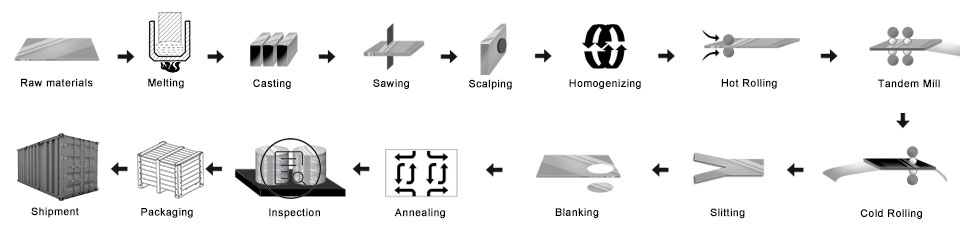
- मास्टर मिश्र तैयार करें
- पिघलती भट्टी: मिश्र धातुओं को पिघलने वाली भट्टी में डालें
- डीसी कास्ट एल्यूमीनियम पिंड: माँ को पिंड बनाने के लिए
- एल्यूमीनियम पिंड मिल: सतह और साइड को चिकना बनाने के लिए
- ताप भट्टी
- हॉट रोलिंग मिल: माँ का तार बनाया
- कोल्ड रोलिंग मिल: मदर कॉइल को उस मोटाई के रूप में रोल किया गया था जिसे आप खरीदना चाहते हैं
- छिद्रण प्रक्रिया: आप जो चाहते हैं उसका आकार बनें
- एनीलिंग भट्टी: मिजाज बदलो
- अंतिम निरीक्षण
- पैकिंग: लकड़ी के मामले या लकड़ी के फूस
- वितरण
गुणवत्ता नियंत्रण
आश्वासन नीचे निरीक्षण उत्पादन में किया जाएगा.
- ए. किरण का पता लगाना—आर टी;
- बी. अल्ट्रासोनिक परीक्षण—केन्द्र शासित प्रदेशों;
- सी. चुंबकीय कण परीक्षण-एमटी;
- डी. पैठ परीक्षण-पीटी;
- इ. एड़ी वर्तमान दोष का पता लगाने-ET
1) तेल के दाग से मुक्त रहें, काटने का निशान, समावेश, स्क्रैच, धब्बा, ऑक्साइड मलिनकिरण, ब्रेक, जंग, रोल मार्क्स, गंदगी की धारियाँ, और अन्य दोष जो उपयोग में हस्तक्षेप करेंगे.
2) काली रेखा के बिना सतह, तेज़ बाहर की रेखाओंवालअ, आवधिक दाग, रोलर मुद्रण दोष, जैसे अन्य gko आंतरिक नियंत्रण मानक.
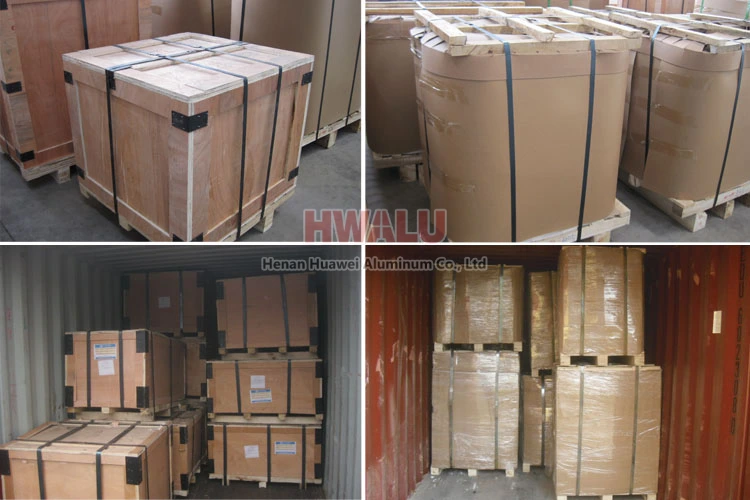
एल्यूमिनियम डिस्क पैकिंग:
एल्यूमिनियम सर्किल निर्यात मानकों द्वारा पैक किया जा सकता है, भूरे रंग के कागज और प्लास्टिक की फिल्म के साथ कवर करना. आखिरकार, एल्यूमिनियम दौर लकड़ी के फूस / लकड़ी के मामले पर तय किया गया है.
- एल्युमिनियम सर्कल के ऊपर ड्रायर्स लगा दें, उत्पादों को सूखा और साफ रखें.
- स्वच्छ प्लास्टिक पेपर का प्रयोग करें, एल्यूमीनियम सर्कल पैक करें, सीलिंग अच्छी रखें.
- सांप की खाल के कागज का प्रयोग करें, प्लास्टिक पेपर की सतह को पैक करें, सीलिंग अच्छी रखें.
- अगला, पैकेजिंग के दो तरीके हैं: लकड़ी के फूस की पैकेजिंग का एक तरीका है, सतह को पैक करने वाले क्रस्टी पेपर का उपयोग करना; दूसरा तरीका लकड़ी के मामले की पैकेजिंग है, सतह को पैक करने वाले लकड़ी के मामले का उपयोग करना.
- आखिरकार, लकड़ी के बक्से की सतह पर स्टील की बेल्ट बिछाएं, लकड़ी के बक्से को तेज और सुरक्षित रखना.
हेनान हुआवेई एल्यूमिनियम का एल्यूमिनियम सर्कल. निर्यात मानक को पूरा करें. प्लास्टिक की फिल्म और भूरे रंग के कागज को ग्राहकों की जरूरतों पर कवर किया जा सकता है. इससे ज्यादा और क्या, डिलीवरी के दौरान उत्पादों को नुकसान से बचाने के लिए लकड़ी के मामले या लकड़ी के फूस को अपनाया जाता है. पैकेजिंग दो प्रकार की होती है, जो आंख से दीवार या आंख से आसमान की ओर हैं. ग्राहक अपनी सुविधा के लिए इनमें से किसी एक को चुन सकते हैं. आम तौर पर बोलना, वहां 2 एक पैकेज में टन, और लोड हो रहा है 18-22 1×20′ कंटेनर में टन, तथा 20-24 1×40′ कंटेनर में टन.
हमारा चयन क्यों?
समय के साथ चलने के लिए, HWALU अपनी प्रतिस्पर्धात्मकता में सुधार के लिए अत्याधुनिक उपकरण और तकनीक पेश करता रहता है. हमेशा केंद्र और ग्राहक के रूप में गुणवत्ता के व्यापार दर्शन का पालन करें, दुनिया के सभी हिस्सों में उच्चतम गुणवत्ता वाले एल्यूमीनियम डिस्क सर्कल श्रृंखला उत्पाद प्रदान करने के लिए. अधिक …

