1050 Vipika vya Alumini Circle: Suluhisho la Alumini ya Usafi wa Hali ya Juu kwa Utengenezaji wa Vifaa vya Jikoni vya Kisasa
I. Utangulizi: Nyenzo ya Jiwe la Pembeni na Kiini cha Thermodynamic cha Utengenezaji wa Vifaa vya Kupika
Katika tasnia yenye ushindani mkali wa utengenezaji wa cookware, uchaguzi wa nyenzo za msingi sio suala la gharama tu; huamua moja kwa moja bidhaa za mwisho ufanisi wa joto, Maisha ya Huduma, kutengeneza kiwango cha mavuno, na ushindani wa soko. Inakabiliwa na watumiaji’ mahitaji mengi kwa “isiyo na fimbo,” “nyepesi,” na “inapokanzwa haraka,” wahandisi wa nyenzo lazima wapate usawa bora kati ya mali ya mwili na utulivu wa kemikali wa metali. Miongoni mwa vifaa mbalimbali vya chuma vinavyotumiwa kwa ajili ya uzalishaji wa jikoni, 1050 Miduara ya Aluminizimekuwa nyenzo za msingi zinazopendekezwa kwa watengenezaji wa vyakula vya kupikia duniani kutokana na upitishaji wao wa joto uliokithiri karibu na alumini safi., utendaji bora wa kuchora kwa kina, na sifa za usindikaji wa gharama nafuu.
Pamoja na ukuaji unaoendelea wa mahitaji ya kimataifa ya uzani mwepesi, ufanisi wa nishati, na cookware ya kudumu, hasa katika Asia na masoko yanayoibukia, wazalishaji wanazidi kupendelea kutumia 1050 duru za alumini kuzalisha:
- Kichina Woks & Vipu vya Kukaanga:Kutumia sifa zao za upitishaji joto haraka.
- Vyungu vya Hisa & Michuzi:Kutegemea uwezo wao bora wa kuchora.
- Miili ya Jiko la Shinikizo:Inahitaji utulivu chini ya shinikizo la juu.
- Jiko la Umeme la Mchele & Shinikizo Jiko la Liners:Kudai nyuso zinazofaa kwa mipako na usambazaji sare wa joto.
- Vyombo mbalimbali vya Jikoni:Kama vile kettles, stima, na kadhalika.
Shukrani kwa usafi wake wa alumini hadi 99.5%, 1050 duru za alumini zinafaa hasa kwa michakato mikubwa ya deformation inayohitajika katika utengenezaji wa cookware ya kisasa, kama vile Kuzunguka kwa Nguvu, Upigaji chapa wa hatua nyingi, na Kuchora kwa kina- Mbinu muhimu za kutengeneza cookware ya kisasa yenye umbo tata.
 1050 mduara wa aluminium
Ii. Ni Nini 1050 Vipika vya Alumini Circle?
1050 Alumini Circle Cookware haswa inarejelea diski za duara za alumini zilizotengenezwa kutoka kwa 1050 aloi ya alumini, fomu ya bidhaa iliyokamilishwa iliyoundwa mahsusi kwa utengenezaji wa vyombo vya kupikia na vyombo vya jikoni.
“1050” ni mali ya aloi za alumini za 1xxx, ambayo sifa yake kuu ni alumini safi ya kibiashara. Mali yake ya nyenzo yanakidhi kikamilifu mahitaji maalum ya utengenezaji wa cookware:
- Usafi wa Alumini wa Juu Sana (≥99.5%):Hii ina maana ya kiwango cha juu cha umeme na conductivity ya mafuta.
- Ductility bora: Huruhusu nyenzo kunyoshwa katika maumbo changamano bila kuvunjika.
- Upinzani Bora wa Kutu:Utendaji thabiti wakati unawasiliana na chakula na sabuni.
- Isiyo ya Sumaku & Isiyo na harufu:Kuhakikisha usalama wa chakula.
Muundo wa kawaida wa kemikali 1050 alumini ni pamoja na:
- Kiwango cha chini 99.5% Maudhui ya aluminium, na iliyobaki ni kuwaeleza kiasi cha chuma, silicon, na vipengele vingine.
Kwa sababu ya muundo wake laini (hasa katika O-temper) na uwezo mkubwa wa kutengeneza, 1050 duru za alumini hutumiwa sana katika michakato ya utengenezaji wa cookware inayohitaji deformation kali ya plastiki:
- Kuchora kwa kina:Kunyoosha diski bapa kwenye kuta za sufuria wima.
- Inazunguka:Kutengeneza sehemu za chini za sufuria za hemispherical (n.k., Woks za Kichina) kupitia mzunguko wa kasi na extrusion.
- Uundaji wa Kunyoosha
- Anodizing:Kuunda safu ya oksidi ngumu kupitia electrolysis ili kuongeza upinzani wa kuvaa.
- Utangamano wa Mipako Isiyo na Fimbo:Hutumika kama sehemu ndogo bora ya PTFE (Teflon) au mipako ya kauri.
Ikilinganishwa na vifaa vya kupika vya chuma vya kaboni ya chini au chuma cha pua, 1050 duru za alumini hutoa takriban theluthi moja ya uzani na karibu mara kumi ya utengamano wa joto, kuboresha moja kwa moja uzoefu wa kupikia wa mtumiaji na matumizi ya nishati.
III. Uchambuzi wa Kina wa Muundo wa Kemikali na Usalama wa Chakula
Usafi wa juu ni faida kubwa zaidi ya 1050 alumini katika utengenezaji wa cookware, sio tu utendaji wa mwili, lakini pia unaohusiana moja kwa moja na Usalama wa Mawasiliano ya Chakula.
| Element |
Maudhui ya Kawaida (%) |
Uchambuzi wa Kina wa Utendaji |
| Alumini (Al) |
≥99.5 |
Metali ya Msingi.Usafi wa juu zaidi, elektroni za bure zaidi zipo, kusababisha mgawo mkubwa zaidi wa Uendeshaji wa Joto, inapokanzwa haraka, na usambazaji sare zaidi wa joto. Wakati huo huo, alumini ya usafi wa hali ya juu inamaanisha hatari ndogo sana ya uhamaji wa metali nzito, kwa kuzingatia kikamilifu FDA na GB 4806.9 viwango vya nyenzo za mawasiliano ya chakula. |
| Chuma (Fe) |
≤0.40 |
Uchafu wa Msingi. Hupatikana kama awamu za sindano za Al₃Fe katika alumini safi. Fe Sahihi inaweza kuongeza joto recrystallization, lakini kiasi kikubwa hupunguza ductility na kuongeza hatari ya ngozi wakati wa kuchora kina. |
| Silicon (Na) |
≤0.25 |
Udhibiti wa Uchafu.Lazima kudhibitiwa madhubuti. Si hupunguza ugumu wa alumini na weldability na huwa na kusababisha mvi wakati wa anodizing. |
| Shaba (Na) |
≤0.05 |
Strictly Limited.Ingawa Cu inaweza kuongeza nguvu, inapunguza kwa kiasi kikubwa upinzani wa kutu (kusababisha kutu kwa urahisi, hasa katika vyakula vya asidi) na ni hatari kwa mwili wa binadamu. Kwa hivyo, alumini ya daraja la cookware lazima udhibiti madhubuti maudhui ya shaba. |
| Manganese (Mn) |
≤0.05 |
Fuatilia nyongeza kwa uimarishaji wa suluhisho thabiti, lakini zipo kwa viwango vya chini sana 1050. |
| Magnesiamu (Mg) |
≤0.05 |
Fuatilia kipengele cha kuimarisha. |
| Zinki (Zn) |
≤0.05 |
Hudhibiti maudhui ya uchafu ili kuzuia kutu kati ya punjepunje. |
| Titanium (Wewe) |
≤0.03 |
Kisafishaji cha Nafaka.Huzuia nafaka mbichi wakati wa kutupwa na kuviringishwa kwa moto, kuhakikisha usawa wa muundo mdogo. |
Maudhui ya juu ya alumini huhakikisha conductivity bora ya mafuta na kazi, kutengeneza msingi wa cookware kujibu haraka mabadiliko ya joto.
IV. Mtiririko wa Mchakato wa Utengenezaji: Kutoka kwa Ingot ya Alumini hadi Kitufe cha Kupika
Kuzalisha miduara ya alumini ya cookware ya hali ya juu ni mradi wa uhandisi wa mifumo unaohusisha madini, thermodynamics, na usahihi wa udhibiti wa mitambo.
Kuyeyuka & Inatuma
Kila kitu huanza na ingoti za alumini za A00 za usafi wa juu.
- Kuyeyuka kwa Malighafi:Ingo za Alumini na chakavu zinazokidhi huwekwa kwenye tanuru ya kugeuza ili kuyeyuka..
- Marekebisho ya Muundo wa Aloi:Marekebisho sahihi ya vipengele vya kufuatilia kulingana na 1050 Viwango.
- Kuondoa gesi & Utakaso:Nitrojeni au argon hupulizwa kupitia kuyeyuka ili kuondoa hidrojeni (kuzuia mashimo baadaye) na filters za kauri hutumiwa kuondoa inclusions.
- Utumaji Unaoendelea au Utumaji Nusu Kuendelea (DC Casting):Kubadilisha aluminium kioevu kuwa slabs gorofa, kudhibiti viwango vya kupoeza ili kupata nafaka nzuri.
Moto Rolling
Safu ya kutupwa hupitia scalping (kusaga uso) kuondoa oksidi za uso kabla ya kuingia kwenye hatua ya moto.
- Kusudi: Kuponda muundo wa dendritic mbaya iliyoundwa wakati wa kutupwa kwa joto la juu, kuondoa porosity ya ndani na pores, na kuboresha ukubwa wa nafaka.
- Faida: Miduara ya alumini iliyoviringishwa moto ina utendakazi bora wa kuchora kwa kina na isotropi (sare mitambo mali katika pande zote), kuwafanya nyenzo ya msingi inayopendekezwa kwa cookware ya hali ya juu ili kuzuia kuenea kwa kutofautiana.
Baridi Rolling
Coil iliyovingirwa moto hupitia rolling baridi ya kupita nyingi kwa kupunguza unene.
- Udhibiti wa Unene:Unene wa kawaida wa cookware huanzia 0.5 mm - 6.0 mm.
- Udhibiti wa Ubora wa uso:Mzunguko wa baridi hutoa uso laini, yanafaa kwa anodizing inayofuata au mipako ya faini, ingawa mkazo wa ndani unaweza kuwepo.
Kukata Mduara
Inachakata karatasi kubwa za alumini au koili kwenye nafasi zilizo wazi za duara.
- Mchakato:Kutumia utupu wa usahihi wa hali ya juu hufa, Mashine za kupiga ngumi za CNC, au mashine za kukata duara moja kwa moja.
- Mahitaji ya Usahihi:Kingo zilizokatwa lazima ziwe laini bila burrs, na uvumilivu wa dimensional lazima uwe mdogo. Hii inapunguza tukio la “hereni” (makunyanzi makali) wakati wa kuchora kwa kina, kuboresha kwa kiasi kikubwa viwango vya mavuno na ubora wa mwonekano.
Matibabu ya joto ya Annealing
Alumini iliyovingirwa baridi ina ugumu wa juu kwa sababu ya ugumu wa kazi na haiwezi kutumika kwa kuchora kwa kina moja kwa moja.
- Mchakato:Kuweka upya fuwele kwa 350°C-450°C.
- Matokeo:Hurejesha upole (O-hasira) na ductility ya nyenzo, kuruhusu kuhimili deformations kali kukaza bila kupasuka.

V. Uchambuzi wa Kina wa Sifa Muhimu za Utendaji wa 1050 Miduara ya Alumini
Uendeshaji bora wa joto
Hii ndio sehemu kubwa zaidi ya kuuza 1050 alumini kwa cookware na imedhamiriwa na asili yake ya kimwili.
- Mgawo wa Uendeshaji wa joto:Takriban 237 W/(m · k), kuzidi chuma cha pua (takriban. 16 W/(m · k)) na chuma cha kutupwa (takriban. 50 W/(m · k)).
- Uchambuzi wa Faida:
- Inapokanzwa kwa Haraka Sana:Muda mfupi wa majibu ya joto huokoa wakati na nishati ya kupikia.
- Usambazaji Sare wa Joto:Kwa sababu ya utofauti mkubwa wa joto, tofauti ya joto kwenye sehemu ya chini ya sufuria ni ndogo, kupunguza sana uchomaji unaosababishwa na joto la ndani (Sehemu za Moto).
- Udhibiti Sahihi wa Joto:Jibu la haraka kwa mabadiliko ya nguvu ya moto, yanafaa kwa mbinu za kupikia za Kichina kama vile kukaanga.
Utendaji Bora wa Kina wa Kuchora
1050 alumini ina kiwango cha juu cha kurefusha (Kurefusha > 35%).
- Matumizi:Inaruhusu watengenezaji kutoa miili ya sufuria ya kina (n.k., sufuria za hisa, sahani za jiko la shinikizo) na uwiano wa juu wa kuchora katika operesheni moja bila shingo au kupasuka.
- Uwiano wa Kikomo wa Kuchora (LDR):Alumini ya usafi wa hali ya juu kawaida huwa na LDR ya juu, maana sufuria kubwa inaweza kutengenezwa kutoka kwa diski ndogo, kuokoa nyenzo.
Muundo Wepesi
- Ulinganisho wa Msongamano:Uzito wa alumini ni tu 2.7 g/cm³, theluthi moja ya chuma.
- Uzoefu wa Mtumiaji:Hata sufuria zenye kipenyo kikubwa au sufuria hubaki kuwa nyepesi, kuwezesha kukaranga, utunzaji, na kuosha, hasa yanafaa kwa makundi ya watumiaji wa kike na wazee.
Upinzani bora wa kutu
- Filamu ya Oksidi Asilia:Alumini huzalisha kwa haraka oksidi mnene ya alumini (Al₂O₃) filamu hewani. Safu hii ni imara kwa kemikali na inalinda chuma cha msingi kutokana na oxidation zaidi au kutu.
- Kuimarisha Uso:Kupitia matibabu ya anodizing, unene wa safu ya oksidi unaweza kuongezeka kutoka mikroni chache hadi kadhaa ya mikroni, kuboresha kwa kiasi kikubwa uvaaji na upinzani wa kutu wa asidi/alkali, hivyo kupanua maisha ya cookware.
Uso mzuri Maliza
- Sifa: 1050 alumini ni laini na rahisi kung'arisha kimakanika au kwa kemikali.
- Matumizi:Inafaa kwa kung'arisha kioo (Kioo Maliza, kwa sufuria za mapambo ya hali ya juu), kumaliza kumaliza (Mswaki Maliza, kwa cookware ya kisasa ya minimalist), na kama safu ya msingi ya mipako isiyo na fimbo, kutoa kujitoa kwa mipako yenye nguvu.
Vi. Jedwali la Vipimo vya Kiufundi
| Kipengee |
Uainishaji wa Kawaida & Maelezo |
| Wajibu wa Aloi |
1050 (Al ≥ 99.5%) |
| Hasira |
O (Laini, kwa kuchora kwa kina) / H12 (1/4 Ngumu) / H14 (Nusu Ngumu) |
| Safu ya Unene |
0.5 mm - 6.0 mm (Inaweza kubinafsishwa, uvumilivu ± 0.02mm) |
| Safu ya kipenyo |
100 mm - 1200 mm (Kufunika sufuria ndogo kwa woks kubwa) |
| Matibabu ya uso |
Mill Maliza / Iliyosafishwa mapema / Imepakwa mafuta kwa kuzuia kutu |
| Njia ya Usindikaji |
Moto Umevingirwa (Inapendekezwa kwa kuchora kwa kina) / Baridi Iliyoviringishwa |
| Kurefusha |
≥35% (O-hasira) |
| Nguvu ya Mkazo |
65- 95 MPa |
| Njia ya Ufungaji |
Paleti za mbao zilizofukizwa nje za kawaida + Karatasi isiyo na unyevu + Karatasi ya Kraft + Filamu ya kunyoosha |
VII. Panorama ya Maombi ya 1050 Miduara ya Alumini
Vipu vya Kukaanga & Kazi
- Mahitaji:Uendeshaji wa joto haraka, nyepesi, curvature ya asili.
- Kufaa:Utendaji bora wa kusokota 1050 duru za alumini huwafanya kuwa bora kwa utengenezaji wa sehemu za chini zilizopinda za wok za Kichina, kuwezesha mkusanyiko wa joto haraka na upotezaji.
Vyungu vya kupikia & Vyombo vya mvuke
- Mahitaji:Uwezo mkubwa wa kuchora kwa kina, utulivu wa muundo, inapokanzwa sare.
- Kufaa:Kutumia urefu wake wa juu, miili ya sufuria ya kina huundwa kupitia kuchora kwa hatua nyingi, na hatari ndogo ya deformation.
Vijiko vya shinikizo
- Mahitaji:Nyenzo lazima zihimili mizunguko ya joto chini ya joto la juu na shinikizo, na upitishaji wa joto haraka ili kuzuia kuongezeka kwa joto ndani.
- Kufaa: 1050 conductivity nzuri ya mafuta ya alumini inahakikisha usambazaji wa joto sawa ndani ya sufuria, kufanya kazi na muundo wa pete ya kuziba ili kuhakikisha usalama wa kupikia.
Vipu vya Ndani vya Mpunga
- Mahitaji:Uso laini, rahisi mipako kujitoa, Unifomu ya joto, isiyozuia kutu.
- Kufaa:Miduara ya alumini ya O-hasira, baada ya anodizing ngumu, kutoa ugumu wa juu wa uso na aesthetics, kuwafanya kuwa chaguo kuu kwa jiko la kupika wali la hali ya juu.
Vyombo vingine vya Jikoni
Kwa upana ni pamoja na kettles za alumini, kuoka molds, sufuria za pizza, stima, vifuniko vya sufuria, na kadhalika., kutumia umbile lao rahisi na uzani mwepesi.

VIII. Ulinganisho wa Kina Kati ya Miduara ya Aluminium Iliyoviringishwa na Baridi
| Kipengele |
Miduara ya Alumini Iliyoviringishwa Moto |
Miduara ya Alumini Iliyoviringishwa Baridi |
Uchambuzi wa Kina wa Kulinganisha |
| Utendaji wa Kuchora kwa kina |
Bora kabisa |
Wastani |
Nyenzo zilizovingirwa moto zimepitia usanifu tena, kusababisha anisotropy ya chini na sikio ndogo wakati wa kuchora kina. |
| Uso Maliza |
Kati (Inaweza kuwa na mizani kidogo) |
Bora kabisa (Nyororo & Sawa) |
Nyuso zilizovingirwa baridi ni bora zaidi kwa kung'arisha kioo au kupiga mswaki vizuri; nyuso zilizovingirishwa kwa moto kawaida huhitaji kusaga au kuokota. |
| Muundo wa Ndani |
Imara, hakuna dhiki iliyobaki |
Dhiki iliyobaki kutokana na ugumu wa kazi |
Nyenzo zilizovingirwa moto zinafaa zaidi kwa sehemu za kina ili kuzuia deformation baada ya usindikaji. |
| Upinzani wa Ufa |
Bora kabisa |
Nzuri |
Hifadhi iliyovingirwa moto ni chaguo linalopendekezwa kwa cookware ya hali ya juu (n.k., cores za alumini katika sufuria zenye safu nyingi). |
| Nafasi ya Soko |
Vyombo vya kupikia vya hali ya juu / Hamisha |
Vipu vya kawaida / Vyombo |
Miduara inayozungushwa moto huwa ghali kidogo lakini mara nyingi huwa na gharama ya chini kwa jumla kutokana na viwango vya juu vya mavuno. |
Hitimisho:Kwa utengenezaji wa vyombo vya kupikia vya hali ya juu, hasa bidhaa zilizochorwa kwa kina, Miduara ya Alumini Iliyoviringishwa Motokwa ujumla ni chaguo la kwanza.
IX. Faida za Ushindani wa 1050 Miduara ya Alumini kwa Vipika
Nyenzo ya gharama nafuu
- Gharama ya Malighafi ya Chini:Ikilinganishwa na shaba na chuma cha pua, alumini ni nyingi katika ukoko wa dunia, kutoa ushindani mkubwa wa bei.
- Ufanisi wa Juu wa Usindikaji:Alumini laini ni rahisi kukata na kuunda, na uvaaji wa chini wa zana na kasi ya haraka ya kukanyaga, yanafaa kwa uzalishaji wa kiotomatiki kwa wingi.
- Inafaa kwa Uzalishaji wa Misa:Ina uwezo wa kukidhi mahitaji makubwa ya agizo la kampuni kubwa za vifaa (n.k., Midea, Tuseme, Panasonic).
Utendaji Bora wa Usindikaji
Nyenzo hufanya vizuri sana katika michakato ifuatayo:
- Kuzunguka kwa CNC:Uundaji laini bila athari ya peel ya machungwa.
- Mchoro wa Hydraulic:Uwiano wa juu wa kikomo cha kuchora.
- Usahihi wa Stamping:Usahihi wa hali ya juu.
- Usafishaji wa Kioo:Mwangaza wa juu, hakuna mashimo.
- Anodizing ngumu:Filamu ya oksidi sare na mnene.
Ufanisi wa Nishati
Kutumia cookware ya alumini kwa kupikia kunaweza kuokoa takriban 30%-50% katika matumizi ya gesi au umeme ikilinganishwa na sufuria za chuma. Hii inawakilisha uokoaji mkubwa wa gharama kwa jikoni za kibiashara na matumizi ya muda mrefu ya kaya, kuendana na mitindo ya kimataifa ya kuokoa nishati.
Uwezo wa kutumika tena
Alumini ni 100% inayoweza kutumika tena, na nishati inayotumika katika kuchakata ni tu 5% ya ile inayohitajika kwa uzalishaji wa msingi wa alumini. Kwa kutumia cookware ya alumini inalingana na ESG ya kimataifa (Kimazingira, Kijamii, na Utawala) viwango na faida za ujenzi wa picha ya kijani kibichi.
X. Chaguzi za Matibabu ya uso: Uboreshaji Mara Mbili wa Kazi na Urembo
Ili kuongeza uimara na aesthetics, miduara ya alumini ya cookware inaweza kufanyiwa matibabu mbalimbali ya uso:
Anodizing
- Kanuni: Inazalisha safu ngumu ya kauri ya oksidi ya alumini kwenye uso wa alumini kupitia electrolysis.
- Madhara:
- Ugumu wa uso unaweza kufikia HV300-500, karibu na yakuti, kuifanya ivae na kustahimili mikwaruzo.
- Hutengeneza safu mnene ya oksidi ambayo haichubui kamwe, salama na isiyo na sumu.
- Inaweza kupakwa rangi tofauti (n.k., ngumu anodized nyeusi, dhahabu, shaba) kuinua kiwango cha bidhaa.
Mipako isiyo na fimbo
- Mchakato:Kunyunyizia PTFE (Teflon) au mipako ya kauri, kawaida kwa kushirikiana na primer.
- Madhara:
- Mvutano wa chini sana wa uso, kuzuia chakula kushikamana, kuwezesha kupika kwa afya na mafuta kidogo.
- Rahisi kusafisha, kufuta uchafu bila juhudi.
Kusafisha
- Madhara:
- Usafishaji wa Kioo:Inang'aa kama kioo, mapambo ya juu, kawaida katika cookware ya juu ya Magharibi.
- Usafishaji wa Mitambo/Kupiga mswaki:Kufikia muundo mzuri wa matte au waya angavu, kuwasilisha mtindo wa kisasa wa viwanda.
XI. Mwenendo wa Soko na Matarajio ya Maendeleo ya Sekta
Sekta ya utengenezaji wa vyombo vya kupikia duniani inazingatia maelekezo yafuatayo:
- Ubunifu mwepesi:Kupunguza uzito wa cookware bila kutoa nguvu, kuhudumia jamii za wazee na watumiaji wa kike.
- Kuokoa Nishati kwa Ufanisi wa Juu:Kuendeleza miundo ya chini ya mchanganyiko (n.k., alumini + kufunika chuma cha pua au besi za mchanganyiko) ili kuboresha conductivity ya sumaku na ufanisi wa mafuta kwenye vijiko vya kuingizwa.
- Uzalishaji Rafiki wa Mazingira:Kukuza matibabu ya upitishaji bila kutumia chrome na mipako ya maji ambayo ni rafiki kwa mazingira ili kupunguza uzalishaji wa VOC wakati wa uzalishaji..
- Mifumo isiyo na Vijiti yenye Utendaji wa Juu:Kutafiti sugu zaidi ya kuvaa, Teknolojia za kupaka bila PFOA ili kuongeza muda wa maisha wa vyombo vya kupikwa.
Kwa hivyo, mahitaji ya ubora wa juu 1050 duru za alumini zinaendelea kukua duniani kote.
Masoko Makuu ya Ukuaji:
- Asia ya Kusini-mashariki:Misingi ya utengenezaji inayoibuka haraka na masoko ya watumiaji (n.k., Vietnam, Thailand).
- Mashariki ya Kati:Mahitaji makubwa ya sufuria za alumini, wakipendelea miundo nene-chini.
- Ulaya:Soko lililenga muundo wa mazingira na cookware ya hali ya juu isiyo na vijiti.
- Amerika ya Kusini & Afrika:Masoko yanayoibuka yenye unyeti wa bei ya juu.
XII. Hitimisho
1050 Miduara ya Alumini ni mojawapo ya malighafi muhimu zaidi katika utengenezaji wa vyombo vya kisasa vya kupikia. Wanachanganya kikamilifu conductivity kali ya mafuta inayoletwa na usafi wa juu wa alumini, uwezo bora wa kuchora kwa kina, muundo mwepesi lakini wa kudumu, upinzani mzuri wa kutu, na gharama za usindikaji zenye ushindani mkubwa.
Iwe ni woksi na sufuria za jikoni za nyumbani au jiko la shinikizo na jiko la kupikia mchele kwa jikoni za kibiashara., 1050 miduara ya alumini hutoa usaidizi wa utendaji usioweza kutengezwa upya. Wakati tasnia ya vyombo vya kupikia inaendelea kufuata uzani mwepesi, kudumu, na ufumbuzi wa ufanisi wa nishati, 1050 miduara ya alumini bila shaka itaendelea kuchukua jukumu kuu katika utengenezaji wa vyombo vya kupikia ulimwenguni, kuendesha maendeleo ya utamaduni wa upishi.
Maswali Yanayoulizwa Mara Kwa Mara (Maswali Yanayoulizwa Mara kwa Mara)
Q: Kwa nini ni 1050 alumini maarufu sana katika utengenezaji wa cookware?
A:Sababu kuu iko ndani yake ufanisi mkubwa wa gharama. Inatoa bora conductivity ya mafuta (kupikia haraka, hakuna matangazo ya moto), utendaji wa kina wa kuchora (uwezo wa kutengeneza sufuria za kina), na nyepesimali, wakati gharama za malighafi ni chini sana kuliko chuma cha pua na shaba, kuifanya kuwa bora kwa uzalishaji wa viwandani kwa kiwango kikubwa.
Q: Ni hasira gani bora kwa miduara ya alumini ya cookware?
A: O-hasira (Hasira laini)ndiyo inayotumika zaidi. Kwa sababu miili ya sufuria ya kutengeneza inahitaji deformation kubwa ya kunyoosha, Alumini ya O-hasira ina urefu wa juu zaidi (>35%), kuzuia ngozi wakati wa kupiga muhuri. H14 (nusu-ngumu) wakati mwingine hutumiwa kwa vitu vilivyochorwa kwa kina kama vile sufuria za pizza au vifuniko bapa.
Q: Unaweza 1050 duru za alumini kuwa anodized?
A:Kabisa, na matokeo ni bora. 1050 ni alumini ya usafi wa hali ya juu, na baada ya anodizing, safu ya filamu ni sare na ya uwazi, kuifanya iwe kamili kwa cookware yenye anodized au sehemu za mapambo zilizotiwa rangi, na ugumu kulinganishwa na chuma cha pua.
Q: Ni aina gani ya unene wa kawaida wa miduara ya alumini ya cookware? Nichague vipi?
A:Kawaida kati 0.5 mm na 6.0 mm. Sahani nyembamba (0.5-1.5mm) mara nyingi hutumiwa kwa sufuria ndogo za kukaanga, trays za kuoka, au vifuniko; sahani za unene wa kati (2.0-3.0mm) hutumika kwa woks na sufuria za hisa; sahani nene (4.0-6.0mm) hutumika kwa vyungu vya hisa vya chini nene, kazi za kibiashara, au sahani za msingi za mchanganyiko kwa jiko la induction.
Q: Kuna tofauti gani kati ya miduara ya alumini ya moto iliyovingirishwa na baridi? Nichague vipi?
A:Ikiwa unazalisha cookware ya hali ya juu iliyochorwa kwa kina (kama vile sufuria za kina za hisa au jiko la shinikizo), tafadhali chagua moto akavingirishamiduara kwa sababu muundo wao wa ndani ni thabiti zaidi, kupunguza hatari ya kupasuka kwa makali au mikunjo. Ikiwa unazalisha vyombo vyenye kina kirefu au bapa (kama vile sufuria za pizza au vifuniko vya chungu bapa), baridi akavingirishamiduara ni chaguo la kiuchumi zaidi kwa sababu ya uso wao laini.
Tabia za mduara wa alumini:
Mzunguko wa alumini unafaa kwa masoko mengi, ikiwa ni pamoja na vyombo vya kupikia, viwanda vya magari na taa, na kadhalika., shukrani kwa sifa nzuri za bidhaa:
- Anisotropy ya chini, ambayo inawezesha kuchora kwa kina
- Sifa kali za kiufundi
- Usambazaji wa joto wa hali ya juu na sawa
- Uwezo wa kuwa na enameled, kufunikwa na PTFE (au wengine), kubakwa
- Tafakari nzuri
- Uwiano wa juu wa nguvu-kwa-uzito
- Kudumu na upinzani dhidi ya kutu
Mchakato wa Miduara ya Alumini
Ingot / Master Alloys — Tanuru Inayeyuka - Shika Tanuru — D.C. Caster — Slab —- Scalper — Kiwanda cha Rolling Moto - Kiwanda cha Baridi cha Baridi - Kuchomwa - Tanuru ya Annealing — Ukaguzi wa Mwisho - Ufungashaji — Uwasilishaji
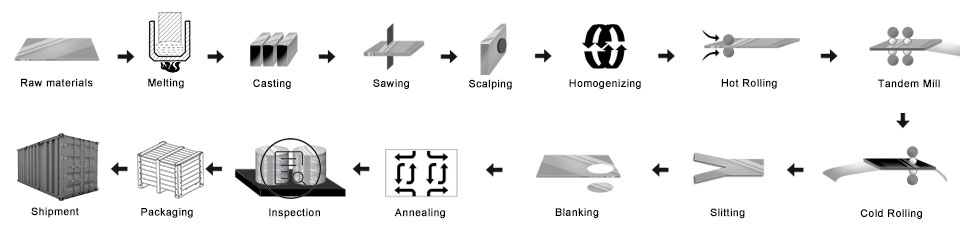
- Andaa aloi kuu
- Tanuru ya kuyeyuka: weka aloi kwenye tanuru ya kuyeyuka
- DCcast ingot ya alumini: Ili kumfanya mama aingie
- Piga ingot ya aluminium: kufanya uso na upande laini
- Tanuru inapokanzwa
- Kiwanda cha kugeuza moto moto: alifanya coil mama
- Baridi rolling kinu: coil mama ilizungushwa kama unene unaotaka kununua
- Mchakato wa kuchomwa: kuwa saizi unayotaka
- Tanuru ya nyongeza: badilisha hasira
- Ukaguzi wa mwisho
- Ufungashaji: kesi ya mbao au godoro la mbao
- Uwasilishaji
Udhibiti wa Ubora
Uhakikisho Chini ukaguzi utafanyika katika uzalishaji.
- a. diski ya alumini—diski ya alumini;
- b. diski ya alumini—diski ya alumini;
- c. Upimaji wa Chembe Magnetic-MT;
- d. kupima kupenya-PT;
- e. kugundua kasoro ya sasa ya eddy-ET
1) Kuwa huru kutoka kwa Madoa ya Mafuta, Kinyesi, Kujumuisha, Mikwaruzo, Doa, Kubadilika rangi kwa oksidi, Mapumziko, Kutu, Alama za Roll, Michirizi ya Uchafu, na kasoro zingine ambazo zitaingilia matumizi.
2) Uso usio na mstari mweusi, safi-kata, doa mara kwa mara, kasoro za uchapishaji wa roller, kama vile viwango vingine vya Udhibiti wa ndani wa gko.
Ufungaji wa diski za alumini:
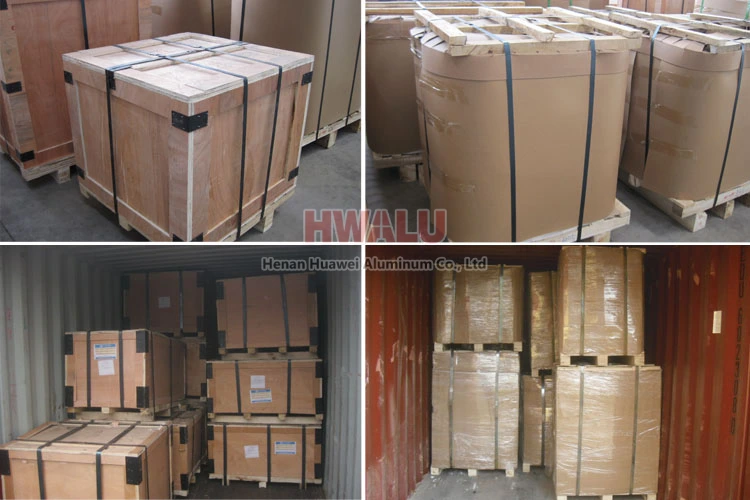
Miduara ya alumini inaweza kujazwa na viwango vya usafirishaji, kufunika na karatasi ya kahawia na filamu ya plastiki. Hatimaye, Mzunguko wa Alumini umewekwa kwenye godoro la mbao / kesi ya mbao.
- Weka vikaushio kwenye mduara wa alumini, kuweka bidhaa kavu na safi.
- Tumia karatasi safi ya plastiki, pakiti mduara wa alumini, weka muhuri mzuri.
- Tumia karatasi ya ngozi ya nyoka, pakiti ya uso wa karatasi ya plastiki, weka muhuri mzuri.
- Inayofuata, kuna njia mbili za ufungaji: Njia moja ni ufungaji wa pallet ya mbao, kwa kutumia karatasi ya ukoko iliyopakia uso; Njia nyingine ni ufungaji wa kesi ya mbao, kwa kutumia kesi ya mbao kufunga uso.
- Hatimaye, diski ya alumini, kuweka sanduku la mbao kwa kasi na salama.
Mduara wa Alumini wa Henan Huawei Aluminium. kufikia kiwango cha kuuza nje. Filamu ya plastiki na karatasi ya kahawia inaweza kufunikwa kwa mahitaji ya wateja. Nini zaidi, kesi ya mbao au pallet ya mbao inachukuliwa kulinda bidhaa kutokana na uharibifu wakati wa kujifungua. Kuna aina mbili za ufungaji, ambazo ni jicho kwa ukuta au jicho kwa anga. Wateja wanaweza kuchagua mmoja wao kwa urahisi wao. Kwa ujumla, kuna 2 tani katika kifurushi kimoja, na kupakia 18-22 tani katika chombo 1 × 20, na 20-24 tani katika chombo 1 × 40 '.
Kwa nini tuchague?
Ili kwenda na wakati, HWALU inaendelea kutambulisha vifaa na mbinu za hali ya juu ili kuboresha ushindani wake. Daima shikamana na falsafa ya biashara ya ubora kama kituo na mteja kwanza, kutoa bidhaa bora zaidi za safu ya duru ya diski ya alumini kwa sehemu zote za ulimwengu. Zaidi …

