1050 Alüminyum Çember Tencere: Modern Mutfak Gereçleri Üretimi için Yüksek Saflıkta Alüminyum Çözümü
BEN. giriiş: Tencere Seti İmalatının Temel Malzemesi ve Termodinamik Çekirdeği
Son derece rekabetçi tencere imalat endüstrisinde, Temel malzeme seçimi artık sadece bir maliyet meselesi değil; nihai ürünün özelliklerini doğrudan belirler termal verimlilik, servis ömrü, getiri oranı oluşturma, ve pazar rekabet gücü. Tüketicilerle karşı karşıyayız’ için birden fazla talep “yapışmaz,” “hafif,” Ve “hızlı ısıtma,” Malzeme mühendisleri metallerin fiziksel özellikleri ile kimyasal stabilitesi arasındaki optimum dengeyi bulmalıdır.. Mutfak eşyası üretiminde kullanılan çeşitli metal malzemeler arasında, 1050 Alüminyum ÇemberlerSaf alüminyuma yakın üstün ısı iletkenlikleri nedeniyle küresel tencere üreticilerinin tercih ettiği temel malzeme haline geldi, mükemmel derin çekme performansı, ve son derece uygun maliyetli işleme özellikleri.
Hafif malzemelere yönelik küresel talebin sürekli büyümesiyle birlikte, enerji verimli, ve dayanıklı tencere, özellikle Asya'da ve gelişmekte olan pazarlarda, üreticiler giderek daha fazla kullanmayı tercih ediyor 1050 üretmek için alüminyum daireler:
- Çin Wok'ları & Kızartma Tavaları:Hızlı ısı iletim özelliklerinden yararlanarak.
- Stok Tencere & Tencereler: Mükemmel derin çekme yeteneklerine güvenerek.
- Düdüklü Tencere Gövdeleri: Yüksek basınç altında stabilite gerektiren.
- Elektrikli Pirinç Pişirici & Düdüklü Tencere Gömlekleri:Kaplama ve eşit ısı dağılımı sağlayan zorlu yüzeyler.
- Çeşitli Mutfak Gereçleri:Çaydanlıklar gibi, vapurlar, vesaire.
1.000'e varan alüminyum saflığı sayesinde 99.5%, 1050 alüminyum çemberler, modern tencere imalatında gerekli olan büyük deformasyon işlemleri için özellikle uygundur, örneğin Güçlü Döndürme, Çok Aşamalı Damgalama, Ve Derin Çekme—karmaşık şekilli modern tencere üretimi için temel teknikler.
 1050 alüminyum daire
II. Nedir 1050 Alüminyum Çember Tencere?
1050 Alüminyum Çember Tencere Seti, özellikle alüminyumdan üretilen dairesel alüminyum diskleri ifade eder. 1050 alüminyum alaşımı, tencere ve mutfak eşyaları üretimi için özel olarak tasarlanmış yarı mamul bir ürün formudur.
“1050” 1xxx serisi alüminyum alaşımlarına aittir, temel özelliği ticari olarak saf alüminyum olan. Malzeme özellikleri, tencere imalatının özel ihtiyaçlarını tam olarak karşılar:
- Son Derece Yüksek Alüminyum Saflığı (≥99.5%):Bu, maksimum elektrik ve termal iletkenlik anlamına gelir.
- Mükemmel Süneklik: Malzemenin kırılmadan karmaşık şekillere gerilmesine olanak tanır.
- Üstün Korozyon Direnci:Gıda ve deterjanlarla temas ettiğinde istikrarlı performans.
- Manyetik Olmayan & Kokusuz:Gıda güvenliğinin sağlanması.
Tipik kimyasal bileşimi 1050 alüminyum içerir:
- Asgari 99.5% Alüminyum içeriği, geri kalanı eser miktarda demirdir, silikon, ve diğer unsurlar.
Nispeten yumuşak dokusu nedeniyle (özellikle O-temperde) ve güçlü şekillendirme yeteneği, 1050 Alüminyum çemberler, ciddi plastik deformasyon gerektiren tencere imalat süreçlerinde yaygın olarak kullanılmaktadır.:
- Derin Çekme:Düz bir diskin dikey saksı duvarlarına gerilmesi.
- Eğirme:Yarım küre tencere tabanlarının imalatı (E.G., Çin tavaları) yüksek hızlı dönüş ve ekstrüzyon yoluyla.
- Streç Şekillendirme
- Eloksal:Aşınma direncini arttırmak için elektroliz yoluyla sert oksit tabakasının oluşturulması.
- Yapışmaz Kaplama Uyumluluğu:PTFE için ideal bir alt tabaka görevi görüyor (Teflon) veya seramik kaplamalar.
Düşük karbonlu çelik veya paslanmaz çelik tencere malzemeleriyle karşılaştırıldığında, 1050 Alüminyum daireler ağırlığın yaklaşık üçte birini ve termal yayılımın neredeyse on katını sunar, Kullanıcının pişirme deneyimini ve enerji kullanımını doğrudan geliştirir.
III. Kimyasal Bileşim ve Gıda Güvenliğinin Derinlemesine Analizi
Yüksek saflık en büyük avantajıdır 1050 tencere üretiminde alüminyum, sadece fiziksel performansla ilgili değil aynı zamanda doğrudan ilgili olan Gıdayla Temas Güvenliği.
| Öğe |
Tipik İçerik (%) |
Derinlemesine Fonksiyonel Analiz |
| Alüminyum (Al) |
≥99,5 |
Baz Metal.Saflık ne kadar yüksek olursa, ne kadar çok serbest elektron varsa, daha büyük bir Isı İletkenlik katsayısı ile sonuçlanır, daha hızlı ısıtma, ve daha düzgün ısı dağılımı. Eş zamanlı olarak, yüksek saflıkta alüminyum, ağır metal geçişi riskinin son derece düşük olduğu anlamına gelir, FDA ve GB ile tamamen uyumludur 4806.9 gıdayla temas eden malzeme standartları. |
| Ütü (Fe) |
≤0,40 |
Birincil Safsızlık. Tipik olarak saf alüminyumda iğne benzeri Al₃Fe fazları halinde bulunur. Uygun Fe yeniden kristalleşme sıcaklığını artırabilir, ancak aşırı miktarlar sünekliği azaltır ve derin çekme sırasında çatlama riskini artırır. |
| Silikon (Ve) |
≤0,25 |
Safsızlık Kontrolü.Kesinlikle kontrol edilmeli. Si, alüminyumun sağlamlığını ve kaynaklanabilirliğini azaltır ve anotlama sırasında grileşmeye neden olur. |
| Bakır (Cu) |
≤0,05 |
Kesinlikle Sınırlı.Her ne kadar Cu gücü arttırabilse de, korozyon direncini önemli ölçüde azaltır (kolayca çukurlaşma korozyonuna neden olur, özellikle asitli yiyeceklerde) ve insan vücuduna zararlıdır. Buradan, Tencere sınıfı alüminyum, bakır içeriğini sıkı bir şekilde kontrol etmelidir. |
| Manganez (MN) |
≤0,05 |
Katı çözeltinin güçlendirilmesi için ilavelerin izlenmesi, ancak çok düşük miktarlarda mevcut 1050. |
| Magnezyum (Mg) |
≤0,05 |
İz güçlendirme elemanı. |
| Çinko (Zn) |
≤0,05 |
Taneler arası korozyonu önlemek için yabancı madde içeriğini kontrol eder. |
| Titanyum (İle ilgili) |
≤0,03 |
Tahıl Arındırıcı. Döküm ve sıcak haddeleme sırasında iri tanelerin oluşmasını önler, mikroyapısal bütünlüğün sağlanması. |
Yüksek alüminyum içeriği mükemmel termal iletkenlik ve işlenebilirlik sağlar, pişirme kaplarının ısı değişikliklerine hızlı tepki vermesinin temelini oluşturur.
IV. Üretim Süreci Akışı: Alüminyum Külçeden Boş Tencere Seti'ne
Yüksek kaliteli tencere alüminyum çemberleri üretmek, metalurjiyi içeren bir sistem mühendisliği projesidir, termodinamik, ve hassas mekanik kontrol.
Erime & Döküm
Her şey yüksek saflıkta A00 alüminyum külçelerle başlar.
- Hammadde Eritme: Alüminyum külçeler ve uyumlu hurdalar eritilmek üzere yankılamalı fırına beslenir.
- Alaşım Bileşimi Ayarı:İz elementlerin hassas şekilde ayarlanması 1050 standartlar.
- Gaz giderme & Arıtma:Hidrojeni uzaklaştırmak için eriyik içerisine nitrojen veya argon üflenir (daha sonra iğne deliklerini önlemek) ve kalıntıları gidermek için seramik filtreler kullanılır.
- Sürekli Döküm veya Yarı Sürekli Döküm (DC Döküm):Sıvı alüminyumun düz levhalara dönüştürülmesi, ince taneler elde etmek için soğutma hızlarının kontrol edilmesi.
Sıcak Haddeleme
Döküm levhası soyulmaya maruz kalıyor (yüzey frezeleme) Sıcak haddeleme aşamasına girmeden önce yüzey oksitlerini gidermek için.
- Amaç: Yüksek sıcaklıklarda döküm sırasında oluşan kaba dendritik yapının kırılması, iç gözenekliliği ve gözenekleri ortadan kaldırmak, ve tane boyutunun iyileştirilmesi.
- Avantajları: Sıcak haddelenmiş alüminyum çemberler daha iyi derin çekme performansına ve izotropiye sahiptir (her yönde aynı mekanik özellikler), Düzensiz esnemeyi önlemek için onları üst düzey pişirme kapları için tercih edilen temel malzeme haline getiriyor.
Soğuk Haddeleme
Sıcak haddelenmiş rulo, kalınlığın azaltılması için çok geçişli soğuk haddelemeye tabi tutulur.
- Kalınlık Kontrolü: Tipik tencere kalınlığı şu aralıklardadır: 0.5 mm – 6.0 mm.
- Yüzey Kalite Kontrolü:Soğuk haddeleme daha pürüzsüz bir yüzey sağlar, sonraki eloksal veya ince kaplama için uygun, dahili artık stres mevcut olsa da.
Daire Kesim
Büyük alüminyum levhaların veya bobinlerin hassas dairesel boşluklar halinde işlenmesi.
- İşlem: Yüksek hassasiyetli kesme kalıplarının kullanılması, CNC delme makineleri, veya tam otomatik daire kesme makinaları.
- Hassasiyet Gereksinimleri: Kesilen kenarlar çapaksız, pürüzsüz olmalıdır, ve boyutsal toleranslar minimum düzeyde olmalıdır. Bu durum oluşumunu en aza indirir “küpe” (kenar kırışması) derin çekme sırasında, verim oranlarının ve görünüm kalitesinin önemli ölçüde iyileştirilmesi.
Tavlama Isıl İşlemi
Soğuk haddelenmiş alüminyum, iş sertleşmesi nedeniyle yüksek sertliğe sahiptir ve doğrudan derin çekme için kullanılamaz.
- İşlem: 350°C-450°C'de yeniden kristalizasyon tavlaması.
- Sonuç:Yumuşaklığı geri kazandırır (O-öfke) ve malzemenin sünekliği, şiddetli esneme deformasyonlarına çatlamadan dayanabilmesini sağlar.

V. Temel Performans Özelliklerinin Derinlemesine Analizi 1050 Alüminyum Çemberler
Mükemmel Isı İletkenliği
Bu en büyük satış noktası 1050 tencere için alüminyum ve fiziksel özüne göre belirlenir.
- Isı İletkenlik Katsayısı:Yaklaşık 237 W/(m·K), paslanmaz çeliğin çok ötesinde (yaklaşık. 16 W/(m·K)) ve dökme demir (yaklaşık. 50 W/(m·K)).
- Avantaj Analizi:
- Son Derece Hızlı Isıtma:Kısa termal tepki süresi, pişirme süresinden ve enerjiden tasarruf sağlar.
- Düzgün Sıcaklık Dağılımı:Yüksek termal yayılım nedeniyle, tencerenin tabanındaki sıcaklık farkı minimumdur, Yerel aşırı ısınmanın neden olduğu kavurmayı büyük ölçüde azaltır (Sıcak Noktalar).
- Hassas Sıcaklık Kontrolü:Ateş gücü değişikliklerine hızlı yanıt, tavada kızartma gibi Çin pişirme tekniklerine uygun.
Üstün Derin Çekme Performansı
1050 alüminyumun uzama oranı yüksektir (Uzama > 35%).
- Başvuru: Üreticilerin derin kap gövdeleri üretmesine olanak tanır (E.G., stok tencere, düdüklü tencere gömlekleri) boyun verme veya çatlama olmadan tek bir işlemde yüksek çekme oranına sahip.
- Limit Çekme Oranı (LDR): Yüksek saflıkta alüminyum tipik olarak yüksek bir LDR'ye sahiptir, yani daha küçük bir diskten daha büyük bir tencere yapılabilir, malzeme tasarrufu.
Hafif Yapı
- Yoğunluk Karşılaştırması:Alüminyumun yoğunluğu sadece 2.7 g/cm³, demirin üçte biri.
- Kullanıcı Deneyimi: Büyük çaplı tencereler veya stok kapları bile hafif kalır, kızartmayı kolaylaştırmak, elleçleme, ve yıkama, özellikle kadın ve yaşlı kullanıcı grupları için uygundur.
Mükemmel Korozyon Direnci
- Doğal Oksit Film: Alüminyum hızla yoğun bir alüminyum oksit üretir (Al₂O₃) havada film. Bu katman kimyasal olarak stabildir ve alttaki metali daha fazla oksidasyon veya korozyondan korur..
- Yüzey Güçlendirme:Eloksal tedavisi sayesinde, oksit tabakası kalınlığı birkaç mikrondan onlarca mikrona kadar arttırılabilir, aşınma ve asit/alkali korozyon direncini önemli ölçüde artırır, böylece tencere ömrünü uzatır.
İyi Yüzey İşlemi
- Özellikler: 1050 alüminyum yumuşaktır ve mekanik veya kimyasal olarak cilalanması kolaydır.
- Başvuru:Ayna parlatma için uygundur (Ayna Kaplama, üst düzey dekoratif saksılar için), fırçalanmış bitirme (Fırçalanmış Kaplama, modern minimalist tarzda pişirme kapları için), ve yapışmaz kaplamalar için temel katman olarak, Güçlü kaplama yapışması sağlar.
VI. Teknik Özellikler Tablosu
| Öğe |
Tipik Şartname & Tanım |
| Alaşım Tanımı |
1050 (Al ≥ 99.5%) |
| Öfke |
Ö (Yumuşak, derin çizim için) / H12 (1/4 Zor) / H14 (Yarı Sert) |
| Kalınlık Aralığı |
0.5 mm – 6.0 mm (Özelleştirilebilir, tolerans ±0,02 mm) |
| Çap Aralığı |
100 mm – 1200 mm (Küçük tencerelerden büyük tavalara kadar kaplama) |
| Yüzey İşlem |
Değirmen Sonu / önceden cilalanmış / Paslanmayı önlemek için yağ kaplı |
| İşleme Yöntemi |
Sıcak Haddelenmiş (Derin çizim için tercih edilir) / Soğuk Haddelenmiş |
| Uzama |
≥5 (O-öfke) |
| Gerilme mukavemeti |
65–95 MPa |
| Paketleme Yöntemi |
İhracat standardında fümigasyona tabi tutulmuş ahşap paletler + Neme dayanıklı kağıt + Kraft kağıt + Streç film |
VII. Uygulama Panoraması 1050 Alüminyum Çemberler
Kızartma Tavaları & Wok'lar
- Talep etmek:Hızlı ısı iletimi, hafif, doğal eğrilik.
- Uygunluk: Mükemmel eğirme performansı 1050 alüminyum halkalar onları Çin tavalarının kavisli tabanlarının üretimi için ideal hale getiriyor, hızlı ısı birikimi ve dağılımını sağlar.
Pişirme Tencereleri & Vapurlar
- Talep etmek: Güçlü derin çekme yeteneği, yapısal stabilite, üniforma ısıtma.
- Uygunluk:Yüksek uzama özelliğinden yararlanılıyor, derin kap gövdeleri çok aşamalı çekme yoluyla oluşturulur, minimum deformasyon riskiyle.
Düdüklü Tencereler
- Talep etmek: Malzeme, yüksek sıcaklık ve basınç altındaki termal döngülere dayanmalıdır, Yerel aşırı ısınmayı önlemek için hızlı ısı iletimi ile.
- Uygunluk: 1050 alüminyumun iyi ısı iletkenliği tencerenin içinde eşit ısı dağılımı sağlar, Pişirme güvenliğini garanti etmek için sızdırmazlık halkası tasarımıyla çalışmak.
Pirinç Ocağı İç Tencereler
- Talep etmek:Pürüzsüz yüzey, kolay kaplama yapışması, düzgün ısı iletimi, paslanmaz.
- Uygunluk: O-temperli alüminyum halkalar, sert eloksal işleminden sonra, yüksek yüzey sertliği ve estetik sunar, onları üst düzey pirinç pişirme astarları için ana seçim haline getiriyor.
Diğer Mutfak Gereçleri
Genel olarak alüminyum su ısıtıcıları içerir, pişirme kalıpları, pizza tavaları, vapurlar, tencere kapakları, vesaire., kolay şekillendirilebilirlik ve hafiflik özelliklerinden yararlanır.

VIII. Sıcak Haddelenmiş ve Soğuk Haddelenmiş Alüminyum Çemberler Arasında Derinlemesine Karşılaştırma
| Özellik |
Sıcak Haddelenmiş Alüminyum Çemberler |
Soğuk Haddelenmiş Alüminyum Çemberler |
Derinlemesine Karşılaştırmalı Analiz |
| Derin Çekme Performansı |
Harika |
Ortalama |
Sıcak haddelenmiş malzeme yeniden kristalleşmeye uğradı, derin çekme sırasında düşük anizotropi ve minimum kulaklanma ile sonuçlanır. |
| Yüzey İşlemi |
Orta (Hafif ölçekli olabilir) |
Harika (Düz & İyi) |
Soğuk haddelenmiş yüzeyler ayna parlatma veya ince fırçalama için daha iyidir; Sıcak haddelenmiş yüzeyler genellikle frezeleme veya dekapaj gerektirir. |
| İç Yapı |
Stabil, artık stres yok |
İş sertleşmesinden kalan stres |
Sıcak haddelenmiş malzeme, işlem sonrası deformasyonu önlemek için derin çekilmiş parçalar için daha uygundur. |
| Çatlak Direnci |
Harika |
İyi |
Sıcak haddelenmiş stok, üst düzey pişirme kapları için tercih edilen seçimdir (E.G., çok katmanlı kaplamalı kaplarda alüminyum çekirdekler). |
| Pazar Konumlandırması |
Üst düzey tencere / İhracat |
Standart tencere / mutfak eşyaları |
Sıcak haddelenmiş daireler genellikle biraz daha pahalıdır ancak daha yüksek akma oranları nedeniyle genellikle daha düşük bir genel maliyete sahiptir.. |
Çözüm:Yüksek kaliteli tencere üretimi için, özellikle derin çekilmiş ürünler, Sıcak Haddelenmiş Alüminyum Çemberlergenellikle ilk tercihtir.
IX. Rekabet Avantajları 1050 Tencere için Alüminyum Çemberler
Uygun Maliyetli Malzeme
- Düşük Hammadde Maliyeti:Bakır ve paslanmaz çelikle karşılaştırıldığında, alüminyum yerkabuğunda bol miktarda bulunur, daha fazla fiyat rekabetçiliği sunuyor.
- Yüksek İşleme Verimliliği:Yumuşak alüminyumun kesilmesi ve şekillendirilmesi kolaydır, düşük takım aşınması ve yüksek damgalama hızları ile, seri otomatik üretime uygun.
- Seri Üretime Uygun: Cihaz devlerinin devasa sipariş taleplerini karşılayabilecek kapasitede (E.G., Midea, Sanmak, Panasonic'in).
Mükemmel İşleme Performansı
Malzeme aşağıdaki işlemlerde son derece iyi performans gösterir:
- CNC İplikçilik: Portakal kabuğu etkisi yaratmadan pürüzsüz şekillendirme.
- Hidrolik Çizim: Yüksek limitli çekme oranı.
- Hassas Damgalama: Yüksek boyutsal doğruluk.
- Ayna Parlatma:Yüksek parlaklık, iğne deliği yok.
- Sert Eloksal: Düzgün ve yoğun oksit filmi.
Enerji Verimliliği
Yemek pişirmek için alüminyum tencere kullanmak yaklaşık olarak tasarruf sağlayabilir 30%-50% Dökme demir tencerelere kıyasla gaz veya elektrik tüketiminde. Bu, ticari mutfaklar ve uzun süreli ev kullanımı için önemli maliyet tasarruflarını temsil eder, küresel enerji tasarrufu trendlerine uyum sağlamak.
Geri dönüştürülebilirlik
Alüminyum 100% geri dönüştürülebilir, ve geri dönüşümde tüketilen enerji sadece 5% Birincil alüminyum üretimi için gerekli olanın. Alüminyum tencere kullanımı küresel ESG ile uyumludur (Çevresel, Sosyal, ve Yönetişim) standartlar ve faydalar kurumsal yeşil imaj oluşturma.
X. Yüzey İşlem Seçenekleri: İşlev ve Estetiğin Çifte Geliştirilmesi
Dayanıklılığı ve estetiği arttırmak için, tencere alüminyum çemberleri çeşitli yüzey işlemlerine tabi tutulabilir:
Eloksal
- Prensip: Elektroliz yoluyla alüminyum yüzeyinde sert bir alüminyum oksit seramik tabakası oluşturulması.
- Efektler:
- Yüzey sertliği HV300-500'e ulaşabilir, safire yakın, aşınmaya ve çizilmeye karşı dayanıklı olmasını sağlar.
- Asla soyulmayan yoğun bir oksit tabakası oluşturur, güvenli ve toksik olmayan.
- Çeşitli renklerde boyanabilir (E.G., sert eloksallı siyah, altın, bronz) ürün notunu yükseltmek.
Yapışmaz Kaplama
- İşlem:PTFE Püskürtme (Teflon) veya seramik kaplamalar, genellikle bir astar ile birlikte.
- Efektler:
- Çok düşük yüzey gerilimi, yiyeceklerin yapışmasını önlemek, daha az yağla daha sağlıklı pişirme olanağı sağlar.
- Temizlemesi kolay, pislikleri zahmetsizce silerek.
Parlatma
- Efektler:
- Ayna Parlatma:Ayna kadar parlak, son derece dekoratif, üst düzey Batı tencere takımlarında yaygındır.
- Mekanik Parlatma/Fırçalama: İnce mat veya parlak tel dokusu elde etme, modern bir endüstriyel tarz sunmak.
XI. Pazar Trendleri ve Sektörün Gelişme Beklentileri
Küresel tencere imalat endüstrisi aşağıdaki yönlere odaklanıyor:
- Hafif Tasarım:Dayanıklılıktan ödün vermeden tencere ağırlığının azaltılması, yaşlanan toplumlara ve kadın tüketicilere hitap etmek.
- Yüksek Verimli Enerji Tasarrufu:Alt kompozit yapıların geliştirilmesi (E.G., alüminyum + paslanmaz çelik kaplama veya kompozit tabanlar) indüksiyonlu ocaklarda manyetik iletkenliği ve termal verimliliği artırmak için.
- Çevre Dostu Üretim:Üretim sırasında VOC emisyonlarını azaltmak için krom içermeyen pasivasyon işlemlerinin ve çevre dostu su bazlı kaplamaların teşvik edilmesi.
- Yüksek Performanslı Yapışmaz Sistemler:Aşınmaya karşı daha dayanıklı araştırma yapmak, Tencere ömrünü uzatmak için PFOA içermeyen kaplama teknolojileri.
Sonuç olarak, yüksek kalite talebi 1050 alüminyum çemberler küresel olarak büyümeye devam ediyor.
Başlıca Büyüyen Pazarlar:
- Güneydoğu Asya:Hızla gelişen üretim üsleri ve tüketici pazarları (E.G., Vietnam, Tayland).
- Orta Doğu:Alüminyum kaplara büyük talep, kalın tabanlı tasarımları tercih etmek.
- Avrupa:Pazar, eko-tasarıma ve üst düzey yapışmaz pişirme kaplarına odaklandı.
- Güney Amerika & Afrika:Fiyat duyarlılığı yüksek olan gelişmekte olan pazarlar.
XII. Çözüm
1050 Alüminyum Çemberler, modern tencere imalatında en önemli temel hammaddelerden biridir.. Yüksek alüminyum saflığının getirdiği olağanüstü termal iletkenliği mükemmel bir şekilde birleştirirler, mükemmel derin çekme yeteneği, hafif ama dayanıklı bir yapı, iyi korozyon direnci, ve son derece rekabetçi işleme maliyetleri.
İster ev mutfakları için wok'lar ve çorba tencereleri, ister ticari mutfaklar için düdüklü tencereler ve pirinç pişirme kapları olsun, 1050 alüminyum halkalar yeri doldurulamaz performans desteği sağlar. Tencere endüstrisi hafif malzeme arayışına devam ederken, dayanıklı, ve enerji tasarruflu çözümler, 1050 Alüminyum çemberler şüphesiz küresel tencere üretiminde merkezi bir rol oynamaya devam edecek, mutfak kültürünün ilerlemesine öncülük etmek.
Sıkça Sorulan Sorular (SSS)
Q: Neden 1050 alüminyum tencere üretiminde çok popüler?
A:Temel sebep kendisinde yatıyor aşırı maliyet etkinliği. Mükemmel sunuyor termal iletkenlik (hızlı pişirme, yanık lekesi yok), derin çekme performansı (derin tencere yapma yeteneğine sahip), Ve hafif özellikler, hammadde maliyetleri paslanmaz çelik ve bakıra göre çok daha düşüktür, büyük ölçekli endüstriyel üretim için ideal hale getiriyor.
Q: Tencere alüminyum çemberleri için en iyi temper hangisidir??
A: O-öfke (Yumuşak öfke)en yaygın kullanılanıdır. Çünkü kap gövdelerinin imalatı önemli ölçüde esneme deformasyonu gerektirir, O-temper alüminyum en yüksek uzamaya sahiptir (>35%), damgalama sırasında çatlamayı önleme. H14 (yarı sert) bazen pizza tavaları veya düz kapaklar gibi sığ çizilmiş öğeler için kullanılır.
Q: Olabilmek 1050 alüminyum çemberler anodize edilebilir?
A:Kesinlikle, ve sonuçlar mükemmel. 1050 yüksek saflıkta bir alüminyumdur, ve eloksallamadan sonra, film tabakası düzgün ve şeffaftır, sert eloksallı tencere veya boyalı dekoratif parçalar için mükemmel hale getirir, paslanmaz çelikle karşılaştırılabilecek sertlikte.
Q: Tencere alüminyum çemberleri için ortak kalınlık aralığı nedir?? Nasıl seçmeliyim?
A:Tipik olarak 0.5 mm ve 6.0 mm. İnce plakalar (0.5-1.5mm) çoğunlukla küçük kızartma tavaları için kullanılır, fırın tepsileri, veya kapaklar; orta kalınlıkta plakalar (2.0-3.0mm) wok ve stok tencere için kullanılır; kalın plakalar (4.0-6.0mm) kalın dipli stok kapları için kullanılır, ticari tavalar, veya indüksiyonlu ocaklar için kompozit taban plakaları.
Q: Sıcak haddelenmiş ve soğuk haddelenmiş alüminyum çemberler arasındaki fark nedir?? Nasıl seçmeliyim?
A:Eğer üretiyorsanız ileri teknoloji derin çekilmiş tencere (derin stok tencereleri veya düdüklü tencereler gibi), lütfen seç sıcak haddelenmişDaireler çünkü iç yapıları daha kararlıdır, Kenar çatlaması veya kırışma riskinin azaltılması. Eğer üretiyorsan sığ çekilmiş veya düz mutfak eşyaları (pizza tavaları veya düz tencere kapakları gibi), soğuk haddelenmişDaireler daha pürüzsüz yüzeyleri nedeniyle daha ekonomik bir seçimdir.
Alüminyum çemberin özellikleri:
Alüminyum çember birçok pazara uygundur, tencere seti dahil, otomotiv ve aydınlatma endüstrileri, vesaire., iyi ürün özellikleri sayesinde:
- Düşük anizotropi, derin çekmeyi kolaylaştıran
- Güçlü mekanik özellikler
- Yüksek ve homojen ısı yayılımı
- Emaye edilebilme özelliği, PTFE kapsamındadır (veya diğerleri), anodize edilmiş
- İyi yansıtma
- Yüksek mukavemet/ağırlık oranı
- Dayanıklılık ve korozyona karşı direnç
Alüminyum Çemberler Süreci
Külçe/Ana Alaşımlar — Eritme Fırını – Tutma Fırını — DC. Teker — Döşeme —- kafa derisi — Sıcak Haddehane – Soğuk Haddehane – Delme – Tav Fırını — Son Muayene – Paketleme — Teslimat
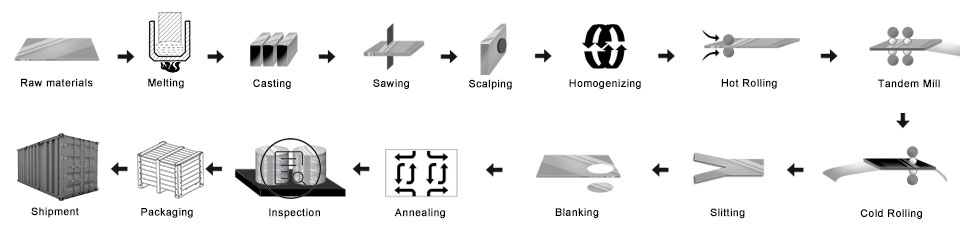
- Ana alaşımları hazırlayın
- Eritme fırını: alaşımları eritme fırınına koyun
- D.C. dökme alüminyum külçe: Anneyi külçe yapmak için
- Alüminyum külçeyi frezeleyin: yüzeyi ve yanları pürüzsüz hale getirmek için
- Isıtma fırını
- Sıcak haddehane: ana bobini yaptım
- Soğutma haddehanesi: ana bobin satın almak istediğiniz kalınlıkta yuvarlandı
- Delme işlemi: istediğin büyüklükte ol
- Tav fırını: öfkeyi değiştir
- Son muayene
- Ambalaj: Tahta sandık veya ahşap palet
- Teslimat
Kalite Kontrol
Güvence Üretimde aşağıdaki muayene yapılacaktır.
- A. ışın algılama—RT;
- B. ultrasonik test—UT;
- C. Manyetik Parçacık Testi-MT;
- D. Sızma testi-PT;
- e. girdap akımı kusur tespiti-ET
1) Yağ Lekesinden Kurtulun, Göçük, Dahil etme, çizikler, Lekelemek, Oksit Renk Değişikliği, Molalar, Korozyon, Rulo İşaretleri, Kir Çizgileri, ve kullanıma engel olacak diğer kusurlar.
2) Siyah çizgi olmayan yüzey, temiz kesim, periyodik leke, rulo baskı kusurları, diğer gko dahili Kontrol standartları gibi.
Alüminyum diskler ambalajı:
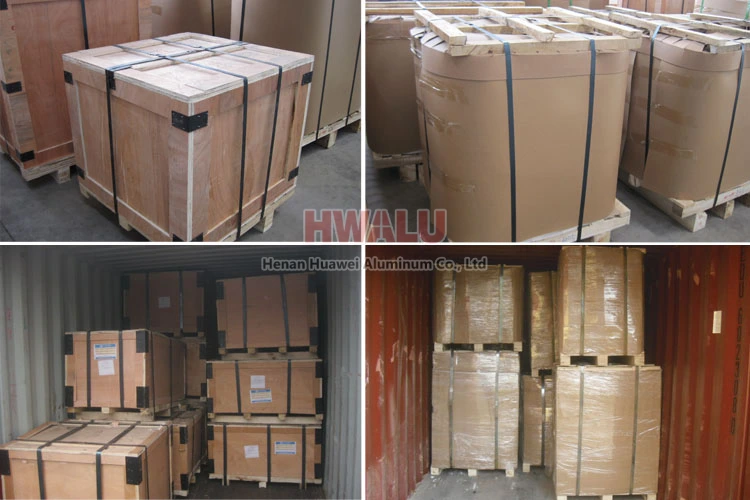
Alüminyum çemberler ihracat standartlarına göre paketlenebilir, kahverengi kağıt ve plastik film ile kaplama. Nihayet, Alüminyum Yuvarlak ahşap bir palet/tahta sandık üzerine sabitlenir.
- Kurutucuları alüminyum dairenin yanına koyun, ürünleri kuru ve temiz tutun.
- Temiz plastik kağıt kullanın, alüminyum daireyi paketleyin, iyi sızdırmazlık sağlayın.
- Yılan derisi kağıdını kullanın, Plastik kağıdın yüzeyini paketleyin, iyi sızdırmazlık sağlayın.
- Sonraki, paketlemenin iki yolu var: Tek yol ahşap palet ambalajıdır, yüzeyi paketleyen huysuz kağıdı kullanarak; Başka bir yol tahta sandık ambalajıdır, Yüzeyi paketleyen tahta sandık kullanarak.
- Nihayet, çelik kemeri ahşap kutunun yüzeyine yerleştirin, ahşap kutunun sağlamlığını ve güvenliğini korumak.
Henan Huawei Alüminyum'un alüminyum çemberi. ihracat standardını karşılamak. Müşterilerin ihtiyaçlarına göre plastik film ve kahverengi kağıt kaplanabilir. Dahası, Ürünleri teslimat sırasında hasardan korumak için tahta sandık veya ahşap palet benimsenmiştir. İki çeşit ambalaj var, hangisi duvara göz veya gökyüzüne göz. Müşteriler kolaylık sağlamak için bunlardan herhangi birini seçebilirler. Genel olarak konuşursak, var 2 Tonlarca tek pakette, ve yükleniyor 18-22 1×20′ konteynerde ton, Ve 20-24 1×40′ konteynerde ton.
Neden bizi seçmelisiniz??
Zamana ayak uydurabilmek için, HWALU rekabet gücünü artırmak için en son teknolojiye sahip ekipman ve teknikleri sunmaya devam ediyor. Her zaman merkez ve müşteri olarak kalite iş felsefesine bağlı kalın, dünyanın her yerine en kaliteli alüminyum disk daire serisi ürünlerini sunmak. Daha …

