1100 Vipika vya Alumini Circle: Mwongozo wa Mwisho kutoka kwa Muundo wa Atomiki hadi Jedwali la Ulimwenguni
I. Utangulizi: Safari ya Ulimwenguni ya Diski ya Chuma
Katikati ya wimbi la utandawazi, sufuria isiyo na fimbo ya gharama nafuu inaweza kugongwa kwenye mstari wa uzalishaji nchini Vietnam, kunyunyiziwa na mipako nchini Ujerumani, na hatimaye kuwekwa kwenye jiko la jikoni huko Marekani. Na sehemu ya kuanzia ya haya yote mara nyingi ni a 1100 Mzunguko wa Aluminiumkutoka Uchina au Asia ya Kusini.
Pamoja na kuongezeka kwa mahitaji ya kimataifa ya conductivity ya juu ya mafuta, kubuni nyepesi, na kupikia haraka, 1100 Mzunguko wa Aluminium umekuwa mhimili usiopingika wa tasnia ya kisasa ya utengenezaji wa vyombo vya kupikia. Makadirio ya tasnia yanaonyesha kuwa makumi ya mabilioni ya duru za alumini hupigwa muhuri katika aina mbalimbali za cookware kila mwaka..
Mwongozo huu utakupeleka zaidi ya uso, kuchunguza kila kitu kutoka kwa ulimwengu mdogo wa sayansi ya nyenzo hadi mandhari ya jumla ya minyororo ya usambazaji wa kimataifa, kutoa muundo kamili wa wigo wa chuma hiki cha kichawi ambacho kinabadilisha jikoni ulimwenguni kote.
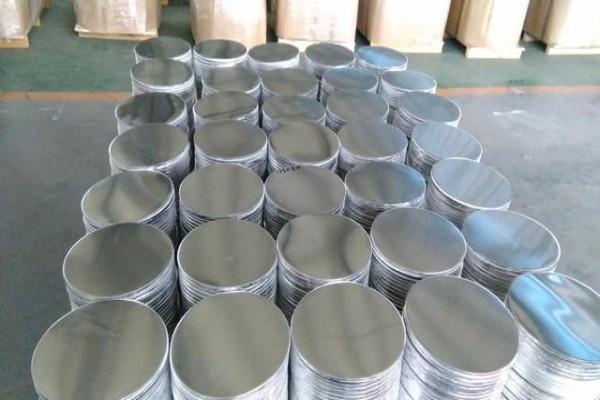 Karatasi nene za ziada za alumini iliyovingirwa moto
Ii. Dive ya kina: The “Msimbo wa Kijeni” na Sayansi Nyenzo ya 1100 Alumini
Ili kuelewa kwa nini 1100 duru za alumini zinafaa sana kwa cookware, lazima tuzame katika ulimwengu wa hadubini wa nyenzo.
2.1 Uchawi wa ≥99.0% Usafi
1100 ni ya mfululizo wa 1xxx wa alumini safi ya kibiashara. Katika madini, nini usafi wa juu 99.0% ashiria?
- Kanivali ya Elektroni Zisizolipishwa (Joto & Upitishaji wa Umeme):Uendeshaji wa joto katika metali hutegemea harakati za elektroni za bure. juu ya usafi, atomi chache za uchafu kuna kuzuia mtiririko wa elektroni. Hii ndiyo sababu conductivity ya mafuta ya 1100 alumini (~218 W/m·K) inazidi ile ya chuma cha pua (~16 W/m·K), kuruhusu cookware kuwasha moto papo hapo na kuokoa nishati muhimu.
- Ngao ya Asili ya Kuzuia Oxidation (Upinzani wa kutu):Aluminium ni chuma hai, lakini mara moja wazi kwa hewa, uso wake humenyuka papo hapo pamoja na oksijeni na kutengeneza filamu mnene na isiyo na nguvu ya passiv oksidi ya alumini (Al₂O₃). Unene wa nanomita tu, safu hii kwa uthabiti huzuia mmomonyoko zaidi kutoka kwa unyevu na oxidation. Kutokana na usafi wake wa juu, 1100 alumini huunda filamu ya oksidi sare zaidi na inayoendelea, kukipa mpiko upinzani wa kutu kwa muda mrefu.
2.2 Jukumu Fiche la Vipengele vya Ufuatiliaji (Salio Maridadi ya Fe, Na, Na)
Ingawa 1100 iko juu katika usafi, iliyobaki <1% kufuatilia vipengele (kimsingi Iron Fe, Silicon Ndio, na Copper Cu) ni “viungo” kwa uangalifu sanifu na wanasayansi nyenzo:
- Chuma (Fe) na Silicon (Na):Hizi kawaida zipo katika mfumo wa misombo ya intermetallic (n.k., Al₃Fe, α-AlFeSi). Kiasi kinachofaa cha vipengele hivi vinaweza kuboresha muundo wa nafaka na kuongeza halijoto ya kusawazisha tena, na hivyo kuongeza nguvu ya mduara wa alumini bila kuathiri sana plastiki.
- Shaba (Na):Ikilinganishwa na 1060 alumini safi, 1100 ina kiasi kidogo cha shaba. Kuongezewa kwa shaba hutoa uimarishaji wa ufanisi wa ufumbuzi imara, kutoa 1100 upinzani bora wa mikunjo na gloss ya uso huku ukidumisha sifa bora za kuchora kwa kina.
2.3 Kwanini “Mchemraba unaozingatia Uso” Hufanya Kuchora Kina Kuwa Muujiza
Metalurgically, alumini ina a Mchemraba unaozingatia Uso (FCC) muundo wa kioo. Muundo wa FCC unajivunia idadi kubwa ya mifumo ya kuteleza (12 kwa jumla), ikimaanisha kuwa chini ya nguvu ya nje (kama vile kukanyaga na kunyoosha), tabaka za atomiki zinaweza kuteleza kupita zenyewe kwa urahisi sana bila kuvunjika. Hii inaeleza kwa nini 1100 alumini inaweza kuhimili deformation kali wakati aliweka ndani ya sufuria ya kina bila kupasuka.
III. Mtazamo wa Ulimwengu: Ramani ya Ugavi na Mahitaji ya 1100 Miduara ya Alumini
Kuelewa nafasi yako katika mfumo wa kimataifa wa kuratibu ni sharti la kufanya maamuzi ya busara ya biashara.
- Kitovu cha Uzalishaji (Asia, hasa China):China inachangia idadi kubwa ya uwezo wa uzalishaji wa duara za alumini duniani. Kutegemea mnyororo kamili wa tasnia ya alumini ya elektroliti, teknolojia kukomaa rolling, na gharama za ushindani za nishati, Imetengenezwa na Kichina 1100 duru za alumini zinaendelea kusafirishwa kote ulimwenguni.
- Injini za Ukuaji (Asia ya Kusini-mashariki & Asia ya Kusini):Pamoja na kuongezeka kwa utengenezaji katika nchi kama Vietnam, Thailand, na India, na ukuaji wa tabaka lao la kati, viwanda vingi vya kuunganisha vyombo vya kupikia vinaibuka katika maeneo haya. Mahitaji ya safu ya kati 1100 miduara ya alumini ni imara hapa.
- Masoko ya Juu (Ulaya & Amerika ya Kaskazini):Ingawa jumla ya soko ni kubwa, mikoa hii ina mahitaji ya juu sana kwa kufuata nyenzo (n.k., FDA, Vyeti vya LFGB), Ubora wa uso (kwa anodizing ya hali ya juu), na ubinafsishaji (n.k., misingi ya mchanganyiko).
- Changamoto za Vizuizi vya Biashara:Katika miaka ya hivi karibuni, baadhi ya nchi na maeneo yameanzisha uchunguzi dhidi ya utupaji taka dhidi ya bidhaa za alumini za China. Kwa hivyo, Makampuni ya kimataifa ya upishi yenye ujuzi yanapitisha a “Uchina+1” mkakati-kubakiza wasambazaji wa ubora wa juu nchini Uchina huku ikianzisha minyororo ya pili ya usambazaji katika Asia ya Kusini-mashariki.
 Karatasi ya mviringo ya alumini
IV. Utengenezaji Umefunguliwa: Safari ya Mabadiliko kutoka kwa Mduara wa Alumini hadi Zana ya Jedwali
A 1100 mduara wa aluminium kuacha kinu cha chuma ni hatua ya kwanza tu; safari yake ya ajabu katika kiwanda cha kupikia ndiyo inaanza.
4.1 Hatua ya Kwanza: Usahihi wa Stamping & Kuchora kwa kina
Miduara ya alumini huingia kwenye mashine za kuchora zinazoendelea za vituo vingi au mashine za kuchora kina za majimaji.
- Changamoto:Wakati wa mchakato huu, makali ya nje ya mduara huunda protrusions wavy kutokana na deformation ya plastiki. Hii ndio inayoitwa “hereni.”Pete sio tu kupoteza nyenzo (kuongezeka kwa chakavu cha kukata) lakini pia husababisha mdomo wa sufuria usio sawa. Ubora wa juu 1100 miduara ya alumini, kupitia udhibiti mkali wa muundo, inaweza kukandamiza kiwango cha sikio hadi viwango vya chini sana (n.k., <3%).
4.2 Hatua ya Pili: Kusafisha & Uwekaji wa Uso
Ganda la sufuria lililowekwa mhuri limefunikwa na mafuta ya kukanyaga na uchafu wa chuma.
- Kuongeza & Kusafisha:Visafishaji maalum vya viwandani lazima vitumike ili kuhakikisha mafuta ya mabaki ya uso yapo chini ya viwango maalum (n.k., <50mg/m²), vinginevyo mipako inayofuata itakuwa Bubble na peel.
- Nano-Conditioning: Baadhi ya mistari ya uzalishaji wa hali ya juu hufanya matibabu ya ubadilishaji wa nano-kauri baada ya kusafisha, ambayo huongeza zaidi nguvu ya kuunganisha kati ya substrate na mipako.
4.3 Hatua ya Tatu: Uhandisi wa Uso - Kuipa Cookware Nafsi yake
Hii ni hatua muhimu ambayo huamua pendekezo la thamani la cookware. Hapa, 1100 duru za alumini zinaonyesha utangamano mkubwa:
- PTFE (Teflon) Mipako:Maombi ya kawaida zaidi. Conductivity nzuri ya mafuta 1100 alumini inahakikisha joto hata kwenye mwili wa sufuria, kuzuia halijoto ya juu iliyojanibishwa ambayo huharakisha kuzeeka kwa mipako.
- Mipako ya Kauri:Kuzingatia mwelekeo wa afya na urafiki wa mazingira. Hii inahitaji ukali wa juu sana wa uso (thamani ya Ra) ya substrate ya alumini, kwa kawaida huhitaji kudhibitiwa kati ya 0.8~1.2μm.
- Anodizing ngumu:Electrochemically kuimarisha uso wa alumini kwa 20-30 mikroni. Filamu ya oksidi iliundwa 1100 alumini safi ina mshikamano bora na ugumu unaofikia juu ya HV400, kufikia “kutoshikamana kimwili.”
4.4 Hatua ya Nne: Uunganishaji wa Msingi - Kukumbatia Enzi ya Uingizaji Data
Sufuria safi za alumini haziwezi kutumika moja kwa moja kwenye cooktops za induction. Suluhisho ni weld a 430 ferritic chuma cha pua disc hadi chini ya 1100 sufuria ya alumini.
- Hii inajaribu mgawo wa kulinganisha upanuzi wa jotoya 1100 alumini. Ikiwa haijadhibitiwa ipasavyo, msingi wa composite unaweza bulge wakati joto (inayojulikana kama “tumbo la chura”). Ubora wa juu 1100 miduara ya alumini, kwa sababu ya muundo wao thabiti, kutatua tatizo hili kwa ufanisi.
V. Kanuni & Karatasi ya malengelenge ya alumini husaidia kukaa na ufahamu wa uadilifu na uwezo wake: The “Kizingiti kisichoonekana” kwa Kuvuka Masoko ya Kimataifa
Ikiwa unataka cookware yako kuonekana kwenye rafu za maduka makubwa ya juu huko Uropa na Amerika, uchunguzi wa usalama wa nyenzo ni suala la maisha na kifo.
- Viwango vya FDA vya Marekani:U.S. Utawala wa Chakula na Dawa una kanuni wazi za alumini ya vyombo vya kupikia (n.k., 21 CFR 175.300 kuhusu mipako ya resin, na mahitaji ya alumini tupu). 1100 alumini hupita kwa urahisi majaribio ya leaching ya metali nzito (n.k., Kiongozi Pb, Cadmium Cd, Arsenic Kama) kutokana na usafi wake wa hali ya juu.
- LFGB ya Ujerumani & Kifaransa DGCCRF:Viwango hivi vya Ulaya ni vikali sana. Hazijaribu tu metali nzito lakini pia huiga uhamishaji wa alumini ndani ya vyakula anuwai vya asidi na mafuta chini ya joto kali.. Kuchagua 1100 wasambazaji wa duara za alumini walioidhinishwa na LFGB ni sharti la kuingia katika soko la Ulaya..
- GB ya Kichina 4806.9:Viwango vya ndani vya vifaa vya chuma vya mawasiliano ya chakula na bidhaa pia huweka maudhui ya metali nzito na mipaka ya jumla ya uhamiaji..
(Kumbuka: Wauzaji wakuu kama vile Huawei Aluminium hutoa 1100 miduara ya alumini ikiambatana na ripoti za mtihani wa usalama wa kiwango cha chakula kutoka kwa wahusika wengine.)
Vi. Ubunifu wa Frontier: Mageuzi ya Baadaye ya 1100 Miduara ya Alumini
Inaendeshwa na maendeleo endelevu na uboreshaji wa matumizi, 1100 duru za alumini zinabadilika kwa utulivu:
- Teknolojia ya Kukonda Zaidi:
Kupitia michakato iliyoboreshwa inayoendelea ya kuviringisha moto na mbinu za hali ya juu za kuzima mtandaoni, metallurgists kisasa inaweza kupunguza unene wa 1100 miduara ya alumini hadi 0.4mm au hata nyembamba zaidi huku ikidumisha utendaji wao wa mchoro wa kina. Hii inafanya utengenezaji wa nyepesi sana “sufuria za wingu” inawezekana.
- Udhibiti wa Miundo Midogo ya uso:
Watafiti wanabadilisha muundo wa uso wa miduara ya alumini (n.k., kwa kutumia mbinu maalum za ulipuaji wa risasi) ili waweze kufikia kutoshikamana kwa asili kwa njia ya Athari ya Leidenfrostbila matibabu yoyote ya mipako.
- Usafishaji wa kitanzi kilichofungwa & Alumini ya Kaboni ya Chini:
Na Mbinu za Marekebisho ya Mipaka ya Carbon (CBAM) inakaribia, viwanda 1100 miduara ya alumini kwa kutumia “alumini ya kijani” zinazozalishwa kutokana na umeme wa maji au vyanzo vingine vya nishati safi, na vile vile alumini iliyorejeshwa iliyeyushwa tena kutoka kwa vyombo vya kupikia chakavu, itakuwa viwango vya sekta. Hii sio tu rafiki wa mazingira lakini pia chombo chenye nguvu cha kuvunja vizuizi vya biashara ya kimataifa.
 mduara wa karatasi ya alumini
VII. Masterclass: Jinsi ya Kuchagua 1100 Miduara ya Alumini Kama Mkurugenzi Mkuu wa Msururu wa Ugavi
Kwa wanunuzi na wakubwa, kununua miduara ya alumini sio tu kuhusu “kiasi gani kwa tani,” lakini kuhusu kuhesabu Jumla ya Gharama ya Umiliki (TCO).
7.1 Nini cha Kutafuta Wakati wa Ukaguzi wa Kiwanda? (Kuepuka Sehemu za Madini Zilizofichwa)
Wakati wa kutembelea kiwanda cha muuzaji, usikilize tu viwanja vya mauzo; kuzingatia pointi hizi tatu:
- Je, tanuru ya kuyeyuka ina vifaa vya kusafisha gesi na kuondoa slag? (Inathiri moja kwa moja kiwango cha shimo na ubora wa uso.)
- Je, kinu baridi ni aina ya 4-juu au 6-juu? Je, ina AGC (Udhibiti wa Kipimo kiotomatiki)? (Huamua uvumilivu wa unene na kujaa.)
- Je, kifaa cha kunyoa mduara ni shear ya guillotine au aina ya blade ya mzunguko? (Huamua ikiwa ukingo wa mduara una burrs na rollover.)
7.2 “Ibilisi katika Maelezo” Mtihani wa Sampuli
Baada ya kupokea sampuli, hakikisha kufanya vipimo vifuatavyo vikali:
- Mtihani wa Kufuta Acetone:Futa kwa nguvu uso wa mduara wa alumini na kitambaa kilichowekwa kwenye asetoni. Ikiwa kitambaa kinageuka nyeusi, inaonyesha mafuta mengi yaliyobaki ya kusongesha, ambayo ni ngumu sana kusafisha baadaye na inaweza kusababisha mashimo ya kufunika (macho ya samaki).
- Mtihani wa Erichsen Cupping:Tumia ala za kitaalamu kushinikiza umbo la hemispherical na uangalie ikiwa saizi ya nafaka kwenye sehemu iliyovunjika ni sare..
7.3 Uwezeshaji wa Majadiliano na Mkakati wa Malipo
- Kufunga kwa Bei ya Msingi ya Ingot ya Alumini:Bei ya duru za alumini = Bei ya ingot ya alumini + ada ya usindikaji. Jifunze kufuatilia mienendo kwenye London Metal Exchange (LME) au Shanghai Futures Exchange (SHFE), na kusaini mikataba ya muda mrefu na wasambazaji ili kufungia bei za msingi wakati bei za alumini ziko chini.
- VMI (Mali inayosimamiwa na Muuzaji) Mfano: Zungumza na wasambazaji wakuu ili kujenga ghala ndogo karibu na kiwanda chako. Unachora vifaa kama inahitajika na kutulia kulingana na matumizi, kwa kiasi kikubwa kupunguza mtaji wako.
VIII. Maswali Yanayoulizwa Mara kwa Mara
Q1: Chini ya darubini, je mofolojia ya nafaka ya ubora wa juu dhidi ya. duni 1100 duru za alumini hutofautiana?
A:Ubora wa juu 1100 alumini (hasa moto-akavingirisha O-temper) inaonyesha sare, equiaxed nafaka recrystallized ya ukubwa wa wastani (n.k., Kiwango cha ASTM 5-7) chini ya darubini ya metallographic. Nyenzo duni mara nyingi huwa na fuwele za safu nyembamba au mikono isiyovunjika ya dendrite, ambayo inaweza kusababisha pete kali au deformation asymmetric wakati wa kuchora kina.
Q2: Unawezaje kuhukumu uwezo wa kuchora kwa kina wa duara ya alumini kupitia majaribio rahisi kwenye tovuti?
A:Unaweza kutumia Mtihani wa Kombe la Mwepesiau ya Mtihani wa Kombe la Fukui Conical. Kuweka tu, bana mduara katika seti ya dies kiwango na kuomba mvutano mpaka kupasuka, kupima urefu wa kikombe cha juu au mzigo wa juu unaohitajika. Urefu wa juu na laini ya curve ya mzigo, bora Uwiano wa Kuchora Kikomo cha nyenzo (LDR).
Q3: Ni mambo gani ya mazingira yanapaswa kuzingatiwa wakati wa kuhifadhi 1100 duru za alumini ili kuzuia kuzorota?
A:Ingawa alumini ni sugu ya kutu, 1100 alumini safi ni nyeti sana kwa Ioni za kloridi (Cl⁻). Mazingira ya kuhifadhi lazima yawe kavu na yenye uingizaji hewa, na lazima kabisa isihifadhiwe kando ya maji ya chumvi, bleach, au kemikali fulani za asidi. Zaidi ya hayo, kupindukia stacking uzito unaweza kusababisha “kuzuia” (kujitoa) kati ya miduara ya safu ya chini; inashauriwa kuingilia padding ya karatasi na kuifunga ufungaji wa nje kwenye karatasi ya unyevu.
Q4: Kwa nini kufanya vizuri, nyufa mnene wakati mwingine huonekana kwenye kingo za cookware zilizopigwa mhuri?
A:Hii ni kawaida “Alama za Kunyoosha” (au Bendi za Lüders). Sababu ni kwamba nyenzo zimehifadhiwa kwa muda mrefu sana baada ya kusonga, inapitia ugumu wa kuzeeka wa asili. Suluhisho ni kuomba “kusawazisha kabla ya kunyoosha” nyenzo zilizotibiwa kutoka kwa muuzaji, au fanya rolling ya pili ya baridi kidogo (n.k., 1-2% deformation) kabla ya kukanyaga ili kuondoa uwanda wa mavuno.
IX. Hitimisho: Ulimwengu Mkuu Ndani ya Mduara Mdogo
Kupitia maandishi kamili, si vigumu kuona hilo 1100 Vipika vya Alumini Circleni zaidi ya kipande rahisi cha chuma. Ni kazi bora ya sayansi ya nyenzo, utengenezaji wa usahihi, uhandisi wa uso, na vifaa vya kimataifa kwa pamoja.
Inalinda rangi, harufu nzuri, na ladha ya chakula na conductivity yake ya juu ya mafuta, huvumilia kukanyaga mwitu kwa mashine za viwandani na ductility yake ya kushangaza, na huchochea mapinduzi ya jikoni katika mamia ya mamilioni ya kaya duniani kote kwa gharama yake ya chini na nafuu.
Katika siku zijazo, pamoja na maendeleo endelevu ya teknolojia ya nyenzo na mahitaji yanayozidi kuwa magumu ya ulinzi wa mazingira, 1100 duru za alumini bila shaka zitaendelea kubadilika. Kwa watengenezaji wa cookware, kuchagua mpenzi kama Huawei Aluminium- mtu anayeelewa mantiki ya msingi ya madini, ina mtazamo wa utiifu wa kimataifa, na kukuhakikishia udhibiti thabiti wa ubora—utakuwa uwekezaji wako wa busara zaidi katika kujenga handaki la chapa katikati ya bahari nyekundu ya ushindani..

