Je, upinzani wa kubana wa 3003 karatasi za pande zote za alumini zilizovingirwa moto kwa vyombo vya chakula?
Katika uwanja wa ufungaji wa chakula na utengenezaji wa vyombo, “usalama” na “kudumu” daima ni mahitaji ya msingi. Vyombo vya chakula vya alumini, hasa, wanakabiliwa na vipimo vya shinikizo la viwango tofauti katika kila hatua—kutoka kwa kujazwa kwa uzalishaji, ghala stacking, na usafiri hadi matumizi ya mwisho. Shinikizo la tuli wakati wa stacking, mtetemo na athari wakati wa usafirishaji, shinikizo la mitambo wakati wa kujaza, na hata mabadiliko ya shinikizo wakati wa uzuiaji wa halijoto ya juu yote yanaweka mahitaji magumu kwa upinzani wa shinikizo la kontena. The 3003 diski ya alumini iliyovingirwa moto, kama nyenzo ya msingi inayopendekezwa kwa utengenezaji wa vyombo vya chakula, haifikii upinzani huu wa shinikizo kwa bahati mbaya. Badala yake, ni matokeo ya athari za pamoja za mali ya nyenzo, teknolojia ya usindikaji, and structural design. Leo, tutazama katika upinzani wa shinikizo la 3003 vyombo vya chakula vya diski za alumini zilizovingirwa moto na jadili kwa nini imekuwa “mtaalamu sugu” katika tasnia ya ufungaji wa chakula.
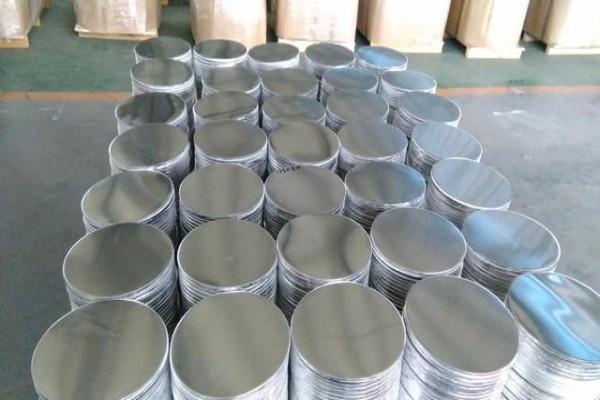 Karatasi nene za ziada za alumini iliyovingirwa moto
I. Nyenzo ya Msingi: 3003 Diski ya Aluminium Iliyoviringishwa Moto, Msingi Unaolingana Kiasili wa Upinzani wa Shinikizo
Ili kuelewa upinzani wa shinikizo la chombo, lazima tuanze na nyenzo za msingi. 3003 aloi ya alumini ni ya mfululizo wa alumini-manganese. Pamoja na alumini (97.0%-99.0%) kama msingi wake, ina 1.0% -1.5% ya manganese (Mn) kama kitu kuu cha kujumuisha, kuongezewa na kiasi kidogo cha vipengele vingine vya ufuatiliaji kama vile shaba (Na) na chuma (Fe). Utungaji huu unatoa faida ya pekee katika kusawazisha nguvu na plastiki, kuweka msingi wa upinzani wa shinikizo la chombo.
Ikilinganishwa na alumini safi au aloi nyingine za alumini, faida ya msingi ya 3003 moto-akavingirisha alumini disc liko katika yake “usawa kamili wa rigidity na kubadilika”:
- Kuimarishwa kwa Nguvu na Ugumu: Kuongezewa kwa manganese kwa kiasi kikubwa inaboresha nguvu na ugumu wa nyenzo. Nguvu yake ya mkazo inaweza kufikia MPa 210-250, na nguvu ya mavuno yake ni kati ya 130–160 MPa, inayowakilisha ongezeko la 10% -20% ikilinganishwa na safu safi za alumini kama 1060. Hii kwa ufanisi inapinga deformation na uharibifu unaosababishwa na shinikizo la nje.
- Plastiki ya Juu (Ductility): Kurefusha kwa kawaida ni ≥15%, na inaweza hata kuzidi 20%. Hii inamaanisha kuwa nyenzo zinaweza kutawanya na kunyonya nishati kwa njia ya urekebishaji wa plastiki chini ya shinikizo, kuepuka fracture ya ghafla ya brittle.
- Utendaji Bora na Utulivu: Aloi hii inatoa uundaji mzuri na inaweza kuwa ngumu zaidi kwa kufanya kazi kwa baridi. Inaonyesha upinzani bora wa kutu, inabaki thabiti katika mazingira ya mawasiliano ya chakula, na inazingatia viwango vya usalama wa chakula vya ndani na kimataifa.
Tabia hizi hufanya 3003 Alumini iliyovingirishwa kwa moto huweka diski chaguo bora kwa vyombo vya chakula kuanzia makopo ya vinywaji na trei za chakula hadi sehemu za jiko la shinikizo., kufikia usawa bora kati ya nguvu, umbile, na usalama.
Ii. Mambo Muhimu yanayoathiri Upinzani wa Shinikizo
Utendaji unaostahimili shinikizo wa chombo kilichotengenezwa kutoka 3003 rekodi za alumini zilizovingirwa moto ni matokeo ya pamoja ya mchakato, kubuni, na nyenzo. Sababu kuu za ushawishi zimefupishwa hapa chini:
Jedwali 1: Mambo Muhimu yanayoathiri Upinzani wa Shinikizo la 3003 Vyombo vya Diski vya Alumini vilivyoviringishwa kwa Moto
| Kipengele cha Ushawishi |
Maelezo Maalum |
Mchango wa Upinzani wa Shinikizo |
| 1. Mchakato wa Nyenzo ya Msingi |
Ikilinganishwa na kutupwa-rolling, moto-rolling hutoa nyenzo na nafaka nzuri zaidi, muundo wa sare zaidi, na kasoro chache za ndani. Cast-rolling inafaa zaidi kwa programu zinazohitaji utendaji wa juu sana wa kuchora na mahitaji ya chini ya upinzani wa shinikizo. |
Mchakato wa kuzungusha moto hutoa usambazaji sawa wa mafadhaiko na ushupavu wa hali ya juu kwa ujumla, kutengeneza dhamana ya msingi kwa upinzani wa shinikizo la vyombo vya juu. |
| 2. Uainishaji wa unene |
Unene wa kawaida wa vyombo vya chakula huanzia 0.5-4.5mm (n.k., mwili wa kinywaji: 0.3-0.5mm, vipengele vya jiko la shinikizo: >1.0mm). |
Unene ndio msingi “kiashiria ngumu,” kuamua moja kwa moja unene wa ukuta na uwezo wa kubeba mzigo. Lazima ichaguliwe kisayansi kulingana na matumizi maalum (n.k., kiwango cha shinikizo, sifa za maudhui). |
| 3. Ubunifu wa Muundo & Kuunda |
Miundo kama miili ya makopo ya silinda, chini/vifuniko vilivyotawaliwa huongeza muundo wa kimakanika; kuchora sahihi, michakato ya kushona inahakikisha uadilifu wa muundo. |
Ubunifu wa kisayansi husambaza shinikizo kwa ufanisi, kuepuka mkusanyiko wa mkazo wa ndani; uundaji wa usahihi huhakikisha unene wa ukuta sare, kuondoa pointi dhaifu. Hii ni muhimu “kubuni nyenzo za kuwezesha.” |
| 4. Halijoto ya Nyenzo |
Mali hurekebishwa kimsingi kupitia ugumu wa kufanya kazi kwa baridi (n.k., H14, H18 hasira) na kunyonya (O hasira). H hasira hutoa nguvu ya juu, O hasira inatoa ductility bora. |
Kuchagua hasira inayofaa kulingana na ugumu wa kuunda kontena na mahitaji ya nguvu ya matumizi ya mwisho huruhusu utendakazi bora na usanidi wa gharama.. |
Uchambuzi wa Kina: Athari ya Synergistic ya Mchakato na Usanifu
- Dive ya kina: Moto-Rolling dhidi ya. Cast-Rolling: Mchakato wa kusukuma moto ni sawa na “kughushi” chuma, kuvunja muundo mbaya kama-kutupwa. Hii sio tu inaondoa kasoro kama vile vinyweleo vya gesi na upenyo wa kusinyaa, lakini pia inaruhusu usambazaji sawa wa manganese.. Muundo huu wa sare ni msingi wa utulivu wa upinzani wa shinikizo. Kwa kulinganisha, wakati nyenzo zilizovingirishwa hutoa ufanisi wa juu wa uzalishaji na faida za gharama, uimarishaji wake wa haraka husababisha muundo mdogo wa sare kidogo, uwezekano wa kusababisha mabadiliko makubwa kidogo ya utendakazi chini ya shinikizo la tuli au athari kubwa.
- The “Kikuza sauti” Athari ya Usanifu wa Muundo: Utendaji wa nyenzo lazima uimarishwe kupitia muundo. Kwa mfano, sehemu ya chini ya kopo la kinywaji yenye umbo la kuba ni muundo wa ganda nyembamba chini ya mgandamizo wa axial.. Inabadilisha shinikizo la wima kwa mkazo wa mzunguko katika ukuta wa makopo, kufikia ugumu wa juu wa kukandamiza na nyenzo ndogo. Vile vile, kuimarisha mbavu na kingo zilizopinda kwenye ukingo wa trei za chakula za mstatili huongeza wakati wa kuvuka wa hali kupitia mabadiliko ya kijiometri ya ndani., kwa kiasi kikubwa kuimarisha bending na upinzani compression. Muundo bora huruhusu uwezo wa kustahimili shinikizo la 3003 alumini kutekelezwa kikamilifu.
 Kiwanda cha kutengeneza karatasi za alumini
III. Data ya Mtihani: Jinsi Upinzani wa Shinikizo Ulivyo Nguvu Kweli?
Sekta inathibitisha upinzani wa shinikizo kupitia mfululizo wa vipimo vilivyowekwa. Mbinu tofauti za majaribio huiga hali tofauti za mfadhaiko, na data ya msingi kama ifuatavyo:
Jedwali 2: Data ya Kawaida ya Mtihani wa Upinzani wa Shinikizo na Viwango vya Maombi ya 3003 Vyombo vya Chakula vya Diski ya Alumini iliyoviringishwa kwa Moto
| Kipengee cha Mtihani |
Marejeleo ya Kawaida ya Jaribio |
Igizo la Hali & Njia ya mtihani |
Utendaji wa Kawaida wa Bidhaa (Mfano) |
Umuhimu wa Utendaji |
| Mzigo wa Axial (Kuweka mrundikano) Mtihani |
ISO 2234, GB/T 4857.3 |
Huiga uwekaji wa ghala wa safu nyingi. Huweka shinikizo la wima juu ya chombo hadi kusagwa au deformation maalum kufikiwa. |
Kinywaji cha 330ml (unene wa mwili ~0.28mm) inaweza kuhimili mzigo wa axial wa 1500-2500N, kuunga mkono kwa usalama 8-10 tabaka za stacking. |
Huakisi moja kwa moja uwezo wa kubeba mizigo wima wa chombo na uthabiti wa uhifadhi. |
| Shinikizo la Ndani (Kupasuka) Mtihani |
ASTM D4577, GB/T 9106.1 |
Huiga shinikizo la ndani kutoka kwa vinywaji vya kaboni au uzuiaji wa halijoto ya juu. Inasisitiza chombo kilichofungwa hadi kupasuka. |
Makopo ya vinywaji vya kaboni kwa kawaida huhitaji upinzani wa ndani wa shinikizo wa ≥0.9 MPa; jiko la shinikizo alumini sufuria za ndani zinahitaji shinikizo la kupasuka la ≥600 kPa. |
Inahakikisha kwamba chombo hakilipuki kwa shinikizo la ndani, kuhakikisha usalama. |
| Mtihani wa Ukandamizaji wa Ukuta wa Upande |
GB/T 18454 |
Huiga kusagwa kwa upande wakati wa usafirishaji. Huweka shinikizo kwa upande wa mwili wa mkebe ili kutathmini upinzani wa dent. |
Ugeuzaji wa ukuta wa kando wa kinywaji uliohitimu chini ya shinikizo maalum lazima uwe chini ya kikomo cha kawaida, kuzuia deformation kuheshimiana ndani ya kesi. |
Huakisi uwezo wa kontena kusagwa na athari wakati wa usafiri na onyesho la rafu. |
| Shinikizo la Mzunguko / Mtihani wa Kuacha |
ASTM D5276, GB/T 4857.5 |
Huiga athari zinazorudiwa kutoka kwa utunzaji na upakiaji/upakuaji. Inahusisha matone mengi au mizunguko ya shinikizo. |
Baada ya kukamilisha idadi maalum ya matone au mizunguko ya shinikizo, chombo haipaswi kuvuja au kupata uharibifu wa muundo. |
Inatathmini upinzani wa uchovu wa chombo na uimara wa muda mrefu. |
Kumbuka: Data mahususi ya jaribio inatofautiana kulingana na muundo wa kontena, unene, na mchakato. Jedwali hapo juu linaonyesha safu za kawaida za tasnia. Watengenezaji lazima wafanye majaribio kwa usahihi kulingana na viwango maalum vya bidhaa.
Sayansi Nyuma ya Jaribio:
Katika vipimo vya mzigo wa axial, hali ya kutofaulu kwa kontena mara nyingi huzuia kuyumba badala ya nyenzo kusagwa. Hii inaonyesha sifa za miundo yenye kuta nyembamba na inasisitiza ushawishi wa maamuzi wa muundo wa muundo (n.k., sura ya chini, uwiano wa urefu hadi kipenyo) juu ya matokeo ya upinzani wa shinikizo. Majaribio ya shinikizo la ndani kimsingi yanapinga nguvu ya nyenzo na uadilifu wa welds/mishono. Majaribio ya kisayansi hayatoi tu uamuzi wa kupita/kushindwa lakini pia, kupitia uchambuzi wa pointi za kushindwa na curves-deformation ya mzigo, inatoa usaidizi wa data wa moja kwa moja kwa uboreshaji wa nyenzo na muundo.
IV. Maombi ya Mzunguko Kamili wa Maisha: Jinsi Upinzani wa Shinikizo Hulinda Usalama wa Chakula
Upinzani wa shinikizo la 3003 vyombo vya diski vya alumini vilivyovingirishwa kwa moto hutafsiri kuwa usalama unaoonekana na manufaa ya kiuchumi katika hatua mbalimbali za utumaji:
1. Hatua ya Uzalishaji na Kujaza:
Juu ya mistari ya kujaza kwa kasi, vyombo lazima kuhimili shinikizo mitambo kutoka kujaza vichwa na mabadiliko ya shinikizo kutoka vacuuming au kusafisha nitrojeni. Upinzani wa juu wa shinikizo huhakikisha vyombo haviharibiki au jam kwenye mstari, kuhakikisha laini, muhuri mkali, kutoa kizuizi cha awali kwa yaliyomo.
2. Warehousing na Logistics Hatua:
Hii ni moja ya changamoto kubwa kwa upinzani wa shinikizo. Warehousing ya kisasa hutumia racks ya juu na safu nyingi za stacking, kuweka mzigo mkubwa wa tuli kwenye vyombo vya chini. Wakati wa vifaa, mitetemo, matuta, na athari nasibu huunda nguvu tata zinazobadilika. 3003 vyombo vya alumini, kwa nguvu na ugumu wao, kwa ufanisi hupinga shinikizo la kutundika tuli na athari zinazobadilika za bafa kupitia deformation ya elastic, kupunguza kwa kiasi kikubwa viwango vya uharibifu wa usafirishaji na kupunguza upotevu wa bidhaa na hatari za usalama wa chakula.
3. Matumizi ya Mwisho na Hatua ya Kuhifadhi:
- Rejareja: Kwenye rafu, vyombo vinahitaji kustahimili挤压 kutoka kwa bidhaa zingine na athari za kushughulikia kutoka kwa watumiaji.
- Kaya: Vyombo vinakabiliwa na uhifadhi wa safu nyingi kwenye jokofu, kufungua/kufunga mara kwa mara, na uwezekano wa matone ya ajali, yote yanahitaji nzuri ya ndani抗压 na upinzani wa athari.
- Usindikaji Maalum: Kwa vyakula vinavyohitaji sterilization ya halijoto ya juu (n.k., nyama ya chakula cha mchana ya makopo) au friji/kugandisha, vyombo lazima kuhimili tofauti ya shinikizo inayosababishwa na mabadiliko makubwa ya joto. Mgawo thabiti wa upanuzi wa mafuta na ushupavu mzuri wa halijoto ya chini 3003 aloi ya alumini inahakikisha kuegemea kwake katika anuwai ya halijoto.
 Vipande vya alumini vya pande zote za jikoni
4. Changamoto katika Maombi Yanayoibuka:
Pamoja na kuongezeka kwa milo iliyoandaliwa, vyakula vya kujipasha joto, na chakula cha kipenzi cha hali ya juu, mahitaji mapya ya upinzani wa shinikizo yanawekwa kwenye ufungaji. Kwa mfano, vifurushi vya kupokanzwa binafsi hutoa shinikizo la mvuke, kuhitaji kontena kudumisha uadilifu wa muundo kwa muda maalum; mahitaji ya unamu kwa chakula cha kipenzi yanaweza kudai vyombo ambavyo vinaweza kustahimili athari ngumu zaidi za mwili. 3003 Diski za aluminium zilizochomwa moto, kupitia unene uliorekebishwa, mipako iliyoboreshwa, and structural design, wanaendelea kuzoea mahitaji haya mapya.
V. Hitimisho: The “Suluhisho Bora” kwa Upinzani wa Shinikizo na Usalama, na Mtazamo wa Baadaye
Maombi ya 3003 rekodi za alumini zilizovingirwa moto katika vyombo vya chakula hujumuisha usawa kamili wa nguvu, plastiki, uchumi, na usalama. Faida zake zinazostahimili shinikizo zinatokana na ujumuishaji wa kina wa sayansi ya nyenzo, uhakikisho wa mchakato, na akili ya kubuni:
- Msingi – Nyenzo: Uimarishaji wa suluhisho thabiti kutoka kwa aloi ya Al-Mn na uimarishaji wa uboreshaji wa nafaka kutoka kwa mchakato wa kukunja moto hutoa sare., nguvu, na msingi mgumu.
- Usahihi – Mchakato: Udhibiti sahihi wa unene, kutengeneza teknolojia, na hali ya hasira ifaayo hutafsiri uwezo wa nyenzo katika utendaji wa bidhaa.
- Ujanja – Kubuni: Miundo ya miundo kama silinda, majumba, na kuimarisha mbavu kufikia ugumu wa juu wa muundo na uzito mdogo.
Kutoka kwa makopo ya vinywaji yaliyoenea hadi wapishi wa shinikizo la kudai, 3003 Diski za aluminium zilizochomwa moto, na utendaji wao wa kuaminika unaostahimili shinikizo, kulinda usalama wa chakula na ubora katika mzunguko mzima wa maisha ya ufungaji. Kama mahitaji ya tasnia ya uzani mwepesi, uendelevu, na akili kuongezeka, utafiti juu ya upinzani wa shinikizo 3003 aloi ya alumini na bidhaa zake zitaendelea kuongezeka.
Mitindo ya Baadaye na Mapendekezo
- Kwa Watengenezaji: Zaidi ya kuongeza unene na michakato ya kutengeneza, kuchunguza kikamilifu mchanganyiko na teknolojia ya mipako (n.k., kuimarisha mipako ya ndani) na utumie zana za kidijitali kama Uchanganuzi wa Kipengele Kinachokamilika (FEA) kuboresha muundo wa kontena katika mazingira pepe, kuwezesha utabiri sahihi na uimarishaji wa upinzani wa shinikizo.
- Kwa Wataalam wa Viwanda: Kuza uelewa wa utaratibu zaidi-upinzani wa shinikizo ni mradi wa uhandisi wa utaratibu unaohusisha “uteuzi wa daraja la nyenzo → uamuzi wa njia ya mchakato → utekelezaji wa muundo wa muundo → uthibitishaji mkali wa majaribio.” Uelewa wa kina wa mwingiliano kati ya kila moja ni muhimu kwa uteuzi wa nyenzo za kisayansi na udhibiti wa ubora.
- Mtazamo wa Mwenendo wa Sekta: Katika muktadha wa uchumi wa mzunguko, urejelezaji bora wa 3003 aloi ya alumini ni muhimu kama upinzani wake wa shinikizo. Katika siku zijazo, 3003-aloi za mfululizo kwa kutumia sehemu kubwa zaidi ya alumini iliyosindikwa (wakati bado inakidhi viwango vya utendaji) itakuwa mwelekeo muhimu wa maendeleo, kupunguza alama ya kaboni wakati wa kudumisha upinzani wa shinikizo. Wakati huo huo, muundo mwenza wa upinzani wa shinikizo na uzani mwepesi kwa ubinafsishaji, ufungashaji wa chakula cha kundi dogo pia utakuwa sehemu kuu ya uvumbuzi wa kiteknolojia.
Tabia za mduara wa alumini:
Mzunguko wa alumini unafaa kwa masoko mengi, ikiwa ni pamoja na vyombo vya kupikia, viwanda vya magari na taa, na kadhalika., shukrani kwa sifa nzuri za bidhaa:
- Anisotropy ya chini, ambayo inawezesha kuchora kwa kina
- Sifa kali za kiufundi
- Usambazaji wa joto wa hali ya juu na sawa
- Uwezo wa kuwa na enameled, kufunikwa na PTFE (au wengine), kubakwa
- Tafakari nzuri
- Uwiano wa juu wa nguvu-kwa-uzito
- Kudumu na upinzani dhidi ya kutu
Mchakato wa Miduara ya Alumini
Ingot / Master Alloys — Tanuru Inayeyuka - Shika Tanuru — D.C. Caster — Slab —- Scalper — Kiwanda cha Rolling Moto - Kiwanda cha Baridi cha Baridi - Kuchomwa - Tanuru ya Annealing — Ukaguzi wa Mwisho - Ufungashaji — Uwasilishaji
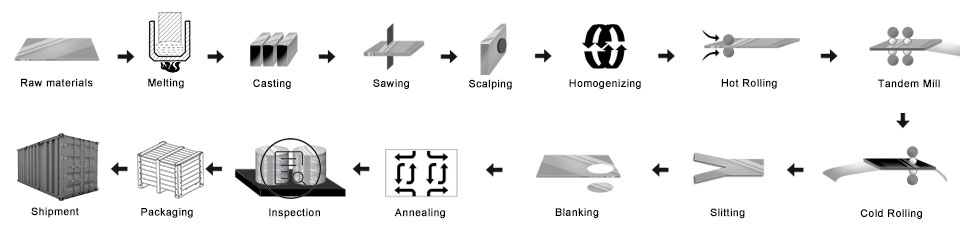
- Andaa aloi kuu
- Tanuru ya kuyeyuka: weka aloi kwenye tanuru ya kuyeyuka
- DCcast ingot ya alumini: Ili kumfanya mama aingie
- Piga ingot ya aluminium: kufanya uso na upande laini
- Tanuru inapokanzwa
- Kiwanda cha kugeuza moto moto: alifanya coil mama
- Baridi rolling kinu: coil mama ilizungushwa kama unene unaotaka kununua
- Mchakato wa kuchomwa: kuwa saizi unayotaka
- Tanuru ya nyongeza: badilisha hasira
- Ukaguzi wa mwisho
- Ufungashaji: kesi ya mbao au godoro la mbao
- Uwasilishaji
Udhibiti wa Ubora
Uhakikisho Chini ukaguzi utafanyika katika uzalishaji.
- a. diski ya alumini—diski ya alumini;
- b. diski ya alumini—diski ya alumini;
- c. Upimaji wa Chembe Magnetic-MT;
- d. kupima kupenya-PT;
- e. kugundua kasoro ya sasa ya eddy-ET
1) Kuwa huru kutoka kwa Madoa ya Mafuta, Kinyesi, Kujumuisha, Mikwaruzo, Doa, Kubadilika rangi kwa oksidi, Mapumziko, Kutu, Alama za Roll, Michirizi ya Uchafu, na kasoro zingine ambazo zitaingilia matumizi.
2) Uso usio na mstari mweusi, safi-kata, doa mara kwa mara, kasoro za uchapishaji wa roller, kama vile viwango vingine vya Udhibiti wa ndani wa gko.
Ufungaji wa diski za alumini:
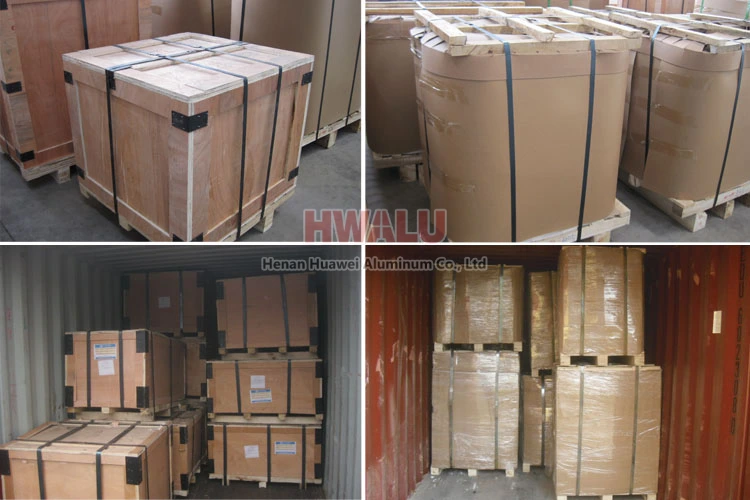
Miduara ya alumini inaweza kujazwa na viwango vya usafirishaji, kufunika na karatasi ya kahawia na filamu ya plastiki. Hatimaye, Mzunguko wa Alumini umewekwa kwenye godoro la mbao / kesi ya mbao.
- Weka vikaushio kwenye mduara wa alumini, kuweka bidhaa kavu na safi.
- Tumia karatasi safi ya plastiki, pakiti mduara wa alumini, weka muhuri mzuri.
- Tumia karatasi ya ngozi ya nyoka, pakiti ya uso wa karatasi ya plastiki, weka muhuri mzuri.
- Inayofuata, kuna njia mbili za ufungaji: Njia moja ni ufungaji wa pallet ya mbao, kwa kutumia karatasi ya ukoko iliyopakia uso; Njia nyingine ni ufungaji wa kesi ya mbao, kwa kutumia kesi ya mbao kufunga uso.
- Hatimaye, diski ya alumini, kuweka sanduku la mbao kwa kasi na salama.
Mduara wa Alumini wa Henan Huawei Aluminium. kufikia kiwango cha kuuza nje. Filamu ya plastiki na karatasi ya kahawia inaweza kufunikwa kwa mahitaji ya wateja. Nini zaidi, kesi ya mbao au pallet ya mbao inachukuliwa kulinda bidhaa kutokana na uharibifu wakati wa kujifungua. Kuna aina mbili za ufungaji, ambazo ni jicho kwa ukuta au jicho kwa anga. Wateja wanaweza kuchagua mmoja wao kwa urahisi wao. Kwa ujumla, kuna 2 tani katika kifurushi kimoja, na kupakia 18-22 tani katika chombo 1 × 20, na 20-24 tani katika chombo 1 × 40 '.
Kwa nini tuchague?
Ili kwenda na wakati, HWALU inaendelea kutambulisha vifaa na mbinu za hali ya juu ili kuboresha ushindani wake. Daima shikamana na falsafa ya biashara ya ubora kama kituo na mteja kwanza, kutoa bidhaa bora zaidi za safu ya duru ya diski ya alumini kwa sehemu zote za ulimwengu. Zaidi …