ความต้านทานแรงอัดของ 3003 อลูมิเนียมรีดร้อนแผ่นกลมสำหรับบรรจุอาหาร?
ในด้านการผลิตบรรจุภัณฑ์อาหารและภาชนะ, “ความปลอดภัย” และ “ความทนทาน” เป็นข้อกำหนดหลักเสมอ. ภาชนะบรรจุอาหารอลูมิเนียม, โดยเฉพาะอย่างยิ่ง, การทดสอบแรงกดบนใบหน้าในระดับที่แตกต่างกันในทุกขั้นตอน—ตั้งแต่การบรรจุการผลิต, คลังสินค้าซ้อน, และการขนส่งเพื่อการใช้งานขั้นสุดท้าย. แรงดันสถิตระหว่างการวางซ้อน, การสั่นสะเทือนและการกระแทกระหว่างการขนส่ง, แรงดันเชิงกลระหว่างการเติม, และแม้กระทั่งการเปลี่ยนแปลงแรงดันระหว่างการฆ่าเชื้อที่อุณหภูมิสูง ล้วนส่งผลให้มีความต้องการที่เข้มงวดต่อความต้านทานแรงดันของภาชนะ. ที่ 3003 แผ่นอลูมิเนียมรีดร้อน, เป็นวัสดุพื้นฐานที่ต้องการสำหรับการผลิตภาชนะบรรจุอาหาร, ไม่สามารถต้านทานแรงดันนี้ได้โดยบังเอิญ. แทน, มันเป็นผลมาจากผลรวมของคุณสมบัติของวัสดุ, เทคโนโลยีการประมวลผล, และการออกแบบโครงสร้าง. วันนี้, เราจะเจาะลึกความต้านทานแรงดันของ 3003 ภาชนะบรรจุอาหารแผ่นอลูมิเนียมรีดร้อนและหารือว่าทำไมมันถึงกลายเป็น “ผู้เชี่ยวชาญด้านการต้านทานการกด” ในอุตสาหกรรมบรรจุภัณฑ์อาหาร.
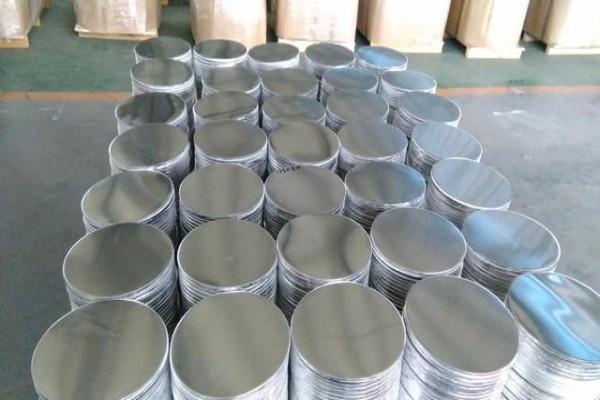 แผ่นอลูมิเนียมรีดร้อนชนิดหนาพิเศษ
ฉัน. วัสดุหลัก: 3003 แผ่นอลูมิเนียมรีดร้อน, รองพื้นที่เข้ากันได้ตามธรรมชาติสำหรับการต้านทานแรงกด
เพื่อทำความเข้าใจความต้านทานต่อแรงดันของภาชนะ, เราต้องเริ่มต้นด้วยวัสดุฐาน. 3003 อลูมิเนียมอัลลอยด์เป็นของซีรีย์อลูมิเนียมแมงกานีส. ด้วยอลูมิเนียม (97.0%–99.0%) เป็นฐานของมัน, ประกอบด้วยแมงกานีส 1.0% –1.5% (มน) เป็นส่วนผสมหลัก, เสริมด้วยธาตุอื่นๆ เช่น ทองแดง จำนวนเล็กน้อย (ลูกบาศ์ก) และเหล็ก (เฟ). องค์ประกอบนี้ให้ข้อได้เปรียบที่ไม่เหมือนใครในการปรับสมดุลความแข็งแรงและความเป็นพลาสติก, เพื่อเป็นการวางรากฐานการรับแรงกดทับของภาชนะ.
เมื่อเทียบกับอลูมิเนียมบริสุทธิ์หรืออลูมิเนียมอัลลอยด์อื่นๆ, ข้อได้เปรียบหลักของ 3003 แผ่นอลูมิเนียมรีดร้อนอยู่ในนั้น “ความสมดุลที่สมบูรณ์แบบของความแข็งแกร่งและความยืดหยุ่น”:
- เพิ่มความแข็งแกร่งและความแข็ง: การเติมแมงกานีสช่วยเพิ่มความแข็งแรงและความแข็งของวัสดุได้อย่างมาก. ความต้านทานแรงดึงสามารถเข้าถึง 210–250 MPa, และความแข็งแรงของผลผลิตอยู่ในช่วง 130–160 MPa, ซึ่งเพิ่มขึ้น 10%–20% เมื่อเทียบกับซีรีส์อะลูมิเนียมบริสุทธิ์เช่น 1060. สิ่งนี้ต้านทานการเสียรูปและความเสียหายที่เกิดจากแรงกดดันภายนอกได้อย่างมีประสิทธิภาพ.
- ความเป็นพลาสติกที่เหนือกว่า (ความเหนียว): โดยทั่วไปการยืดตัวจะอยู่ที่ ≥15%, และยังสามารถเกินกว่านั้นได้ 20%. ซึ่งหมายความว่าวัสดุสามารถกระจายและดูดซับพลังงานได้อย่างมีประสิทธิภาพผ่านการเสียรูปพลาสติกภายใต้ความกดดัน, หลีกเลี่ยงการแตกหักเปราะอย่างกะทันหัน.
- สามารถใช้การได้ดีเยี่ยมและมีเสถียรภาพ: โลหะผสมนี้มีความสามารถในการขึ้นรูปที่ดีและสามารถชุบแข็งเพิ่มเติมได้ผ่านการทำงานเย็น. มีความทนทานต่อการกัดกร่อนได้ดีเยี่ยม, คงความเสถียรในสภาพแวดล้อมที่สัมผัสกับอาหาร, และเป็นไปตามมาตรฐานความปลอดภัยด้านอาหารในประเทศและต่างประเทศ.
คุณสมบัติเหล่านี้ทำให้ 3003 แผ่นอะลูมิเนียมรีดร้อนเป็นตัวเลือกที่เหมาะสำหรับภาชนะบรรจุอาหารตั้งแต่กระป๋องเครื่องดื่มและถาดอาหารไปจนถึงส่วนประกอบหม้ออัดความดัน, บรรลุความสมดุลที่ยอดเยี่ยมระหว่างความแข็งแกร่ง, ความสามารถในการขึ้นรูป, และความปลอดภัย.
ครั้งที่สอง. ปัจจัยสำคัญที่มีอิทธิพลต่อความต้านทานต่อแรงดัน
ประสิทธิภาพการทนแรงดันของภาชนะที่ทำมาจาก 3003 แผ่นอะลูมิเนียมรีดร้อนเป็นผลรวมของกระบวนการ, ออกแบบ, และวัสดุ. ปัจจัยที่มีอิทธิพลหลักสรุปได้ดังนี้:
โต๊ะ 1: ปัจจัยสำคัญที่ส่งผลต่อความต้านทานแรงดันของ 3003 ภาชนะบรรจุแผ่นอลูมิเนียมรีดร้อน
| ปัจจัยที่มีอิทธิพล |
คำอธิบายเฉพาะ |
มีส่วนช่วยในการต้านทานแรงดัน |
| 1. กระบวนการวัสดุฐาน |
เมื่อเทียบกับการหล่อแบบกลิ้ง, การรีดร้อนทำให้เกิดวัสดุที่มีเมล็ดละเอียดกว่า, โครงสร้างจุลภาคที่สม่ำเสมอมากขึ้น, และข้อบกพร่องภายในน้อยลง. การหล่อแบบหล่อเหมาะสำหรับการใช้งานที่ต้องการประสิทธิภาพการขึ้นรูปลึกที่สูงมากและมีความต้านทานแรงดันค่อนข้างต่ำ. |
กระบวนการรีดร้อนให้การกระจายความเค้นที่สม่ำเสมอยิ่งขึ้นและความเหนียวโดยรวมที่เหนือกว่า, สร้างหลักประกันพื้นฐานสำหรับการต้านทานแรงดันของภาชนะคุณภาพสูง. |
| 2. ข้อกำหนดความหนา |
ความหนาทั่วไปของภาชนะบรรจุอาหารอยู่ระหว่าง 0.5–4.5 มม (เช่น, กระป๋องเครื่องดื่ม: 0.3-0.5มม, ส่วนประกอบหม้ออัดแรงดัน: >1.0มม). |
ความหนาคือแกนกลาง “ตัวบ่งชี้ที่ยาก,” กำหนดความหนาของผนังและความสามารถในการรับน้ำหนักโดยตรง. จะต้องเลือกตามหลักวิทยาศาสตร์ตามการใช้งานเฉพาะ (เช่น, ระดับความดัน, คุณสมบัติเนื้อหา). |
| 3. การออกแบบโครงสร้าง & การขึ้นรูป |
การออกแบบเช่นตัวกระป๋องทรงกระบอก, ก้น/ฝาปิดทรงโดมช่วยเพิ่มประสิทธิภาพโครงสร้างทางกล; การวาดภาพที่แม่นยำ, กระบวนการเย็บช่วยให้มั่นใจในความสมบูรณ์ของโครงสร้าง. |
การออกแบบทางวิทยาศาสตร์กระจายแรงกดได้อย่างมีประสิทธิภาพ, หลีกเลี่ยงความเข้มข้นของความเครียดในท้องถิ่น; การขึ้นรูปที่แม่นยำทำให้ความหนาของผนังสม่ำเสมอ, ขจัดจุดอ่อน. นี่คือกุญแจสำคัญในการ “การออกแบบวัสดุเสริมพลัง” |
| 4. อุณหภูมิวัสดุ |
คุณสมบัติส่วนใหญ่จะถูกปรับผ่านการชุบแข็งแบบเย็น (เช่น, H14, H18 อารมณ์) และการหลอม (โอ้อารมณ์). อารมณ์ H มีความแข็งแกร่งสูงกว่า, อารมณ์ O ให้ความเหนียวที่ดีกว่า. |
การเลือกอุณหภูมิที่เหมาะสมโดยพิจารณาจากความยากในการขึ้นรูปภาชนะและข้อกำหนดด้านความแข็งแกร่งในการใช้งานขั้นสุดท้าย ช่วยให้ได้ประสิทธิภาพและการกำหนดค่าต้นทุนที่เหมาะสมที่สุด. |
การวิเคราะห์เชิงลึก: ผลการทำงานร่วมกันของกระบวนการและการออกแบบ
- เจาะลึก: รีดร้อนเทียบกับ. หล่อกลิ้ง: กระบวนการรีดร้อนก็คล้ายกัน “การปลอม” โลหะ, ทำลายโครงสร้างแบบหล่อหยาบ. ซึ่งไม่เพียงแต่กำจัดข้อบกพร่อง เช่น รูก๊าซและความพรุนจากการหดตัว แต่ยังช่วยให้การกระจายแมงกานีสสม่ำเสมอมากขึ้นอีกด้วย. โครงสร้างจุลภาคที่สม่ำเสมอนี้เป็นรากฐานสำคัญของความเสถียรในการต้านทานแรงดัน. ในทางตรงกันข้าม, ในขณะที่วัสดุรีดร้อนให้ประสิทธิภาพการผลิตที่สูงขึ้นและความได้เปรียบด้านต้นทุน, การแข็งตัวอย่างรวดเร็วส่งผลให้โครงสร้างจุลภาคมีความสม่ำเสมอน้อยลงเล็กน้อย, อาจนำไปสู่ความผันผวนของประสิทธิภาพที่เพิ่มขึ้นเล็กน้อยภายใต้แรงกดดันคงที่หรือแรงกระแทกที่รุนแรง.
- ที่ “เครื่องขยายเสียง” ผลของการออกแบบโครงสร้าง: ประสิทธิภาพของวัสดุต้องได้รับการเพิ่มประสิทธิภาพสูงสุดด้วยการออกแบบ. ตัวอย่างเช่น, ก้นกระป๋องทรงโดมมีโครงสร้างเป็นเปลือกบางภายใต้แรงอัดตามแนวแกน. โดยจะแปลงแรงกดในแนวดิ่งเป็นแรงเค้นเส้นรอบวงในผนังกระป๋องได้อย่างมีประสิทธิภาพ, บรรลุความแข็งแกร่งในการรับแรงอัดสูงสุดโดยใช้วัสดุน้อยที่สุด. ในทำนองเดียวกัน, การเสริมซี่โครงและขอบโค้งงอบนขอบถาดอาหารทรงสี่เหลี่ยมจะช่วยเพิ่มโมเมนต์ความเฉื่อยของหน้าตัดผ่านการเปลี่ยนแปลงทางเรขาคณิตเฉพาะที่, เพิ่มความต้านทานการโค้งงอและแรงอัดอย่างมีนัยสำคัญ. การออกแบบที่ยอดเยี่ยมทำให้มีศักยภาพในการต้านทานแรงกดของ 3003 อลูมิเนียมให้ได้ตระหนักอย่างเต็มที่.
 โรงงานผลิตแผ่นอลูมิเนียม
III. ข้อมูลการทดสอบ: ความต้านทานต่อแรงกดดันนั้นแข็งแกร่งแค่ไหนจริงๆ?
อุตสาหกรรมตรวจสอบความต้านทานแรงดันผ่านการทดสอบที่ได้มาตรฐานหลายชุด. วิธีการทดสอบที่แตกต่างกันจะจำลองสถานการณ์ความเครียดที่แตกต่างกัน, โดยมีข้อมูลหลักดังนี้:
โต๊ะ 2: ข้อมูลการทดสอบความต้านทานแรงดันทั่วไปและมาตรฐานการใช้งานสำหรับ 3003 ภาชนะบรรจุอาหารแผ่นอลูมิเนียมรีดร้อน
| รายการทดสอบ |
ทดสอบการอ้างอิงมาตรฐาน |
สถานการณ์จำลอง & วิธีทดสอบ |
ประสิทธิภาพของผลิตภัณฑ์โดยทั่วไป (ตัวอย่าง) |
ความสำคัญของประสิทธิภาพ |
| โหลดตามแนวแกน (ซ้อน) ทดสอบ |
ไอเอสโอ 2234, กิกะไบต์/ที 4857.3 |
จำลองการซ้อนคลังสินค้าหลายชั้น. ใช้แรงกดในแนวตั้งที่ด้านบนของภาชนะจนกว่าจะถึงการบดอัดหรือการเสียรูปตามที่ระบุ. |
กระป๋องเครื่องดื่มขนาด 330 มล (ความหนาของตัวเครื่อง ~0.28มม) สามารถรับแรงตามแนวแกนได้ 1500–2500N, สนับสนุนอย่างปลอดภัย 8-10 ชั้นซ้อน. |
สะท้อนถึงความสามารถในการรับน้ำหนักแนวตั้งของตู้คอนเทนเนอร์โดยตรงและความเสถียรในการจัดเก็บ. |
| ความดันภายใน (ระเบิด) ทดสอบ |
มาตรฐาน ASTM D4577, กิกะไบต์/ที 9106.1 |
จำลองแรงดันภายในจากเครื่องดื่มอัดลมหรือการฆ่าเชื้อที่อุณหภูมิสูง. อัดแรงดันภาชนะที่ปิดสนิทจนแตก. |
โดยทั่วไปกระป๋องเครื่องดื่มอัดลมจะต้องมีความต้านทานแรงดันภายใน ≥0.9 MPa; หม้อชั้นในอะลูมิเนียมของหม้ออัดแรงดันต้องใช้แรงดันระเบิดที่ ≥600 kPa. |
ตรวจสอบให้แน่ใจว่าภาชนะไม่ระเบิดภายใต้แรงดันภายใน, รับประกันความปลอดภัย. |
| การทดสอบแรงอัดของผนังด้านข้าง |
กิกะไบต์/ที 18454 |
จำลองการกระแทกด้านข้างระหว่างการขนส่ง. ใช้แรงกดที่ด้านข้างตัวกระป๋องเพื่อประเมินความต้านทานการบุบ. |
การเสียรูปของผนังกระป๋องเครื่องดื่มที่ผ่านการรับรองภายใต้แรงกดดันที่กำหนดจะต้องต่ำกว่าขีดจำกัดมาตรฐาน, ป้องกันการเสียรูปร่วมกันภายในกรณี. |
สะท้อนถึงความทนทานต่อการกระแทกและการกระแทกของคอนเทนเนอร์ระหว่างการขนส่งและการจัดแสดงบนชั้นวาง. |
| แรงดันรอบ / การทดสอบการตก |
มาตรฐาน ASTM D5276, กิกะไบต์/ที 4857.5 |
จำลองผลกระทบซ้ำๆ จากการจัดการและการขนถ่าย. เกี่ยวข้องกับการหยดหรือรอบแรงดันหลายครั้ง. |
หลังจากเสร็จสิ้นการหยดหรือรอบแรงดันตามจำนวนที่ระบุ, ภาชนะต้องไม่รั่วหรือได้รับความเสียหายต่อโครงสร้าง. |
ประเมินความต้านทานต่อความเมื่อยล้าของภาชนะบรรจุและความทนทานในระยะยาว. |
บันทึก: ข้อมูลการทดสอบเฉพาะจะแตกต่างกันไปตามการออกแบบคอนเทนเนอร์, ความหนา, และกระบวนการ. ตารางด้านบนแสดงช่วงอุตสาหกรรมทั่วไป. ผู้ผลิตต้องทำการทดสอบที่แม่นยำตามมาตรฐานผลิตภัณฑ์เฉพาะ.
วิทยาศาสตร์เบื้องหลังการทดสอบ:
ในการทดสอบโหลดตามแนวแกน, โหมดความล้มเหลวของคอนเทนเนอร์มักจะทำให้เกิดความไม่มั่นคงโก่งงอมากกว่าวัสดุที่ถูกบดขยี้. สิ่งนี้เน้นถึงคุณลักษณะของโครงสร้างที่มีผนังบางและเน้นย้ำถึงอิทธิพลที่สำคัญของการออกแบบโครงสร้าง (เช่น, รูปร่างด้านล่าง, สามารถอัตราส่วนความสูงต่อเส้นผ่านศูนย์กลางได้) เกี่ยวกับผลการต้านทานแรงดัน. การทดสอบแรงดันภายในจะท้าทายความแข็งแกร่งภายในของวัสดุและความสมบูรณ์ของรอยเชื่อม/ตะเข็บเป็นหลัก. การทดสอบทางวิทยาศาสตร์ไม่เพียงแต่ให้ผลการตัดสินว่าผ่าน/ไม่ผ่านเท่านั้น แต่ยังรวมถึงการตัดสินด้วย, ผ่านการวิเคราะห์จุดชำรุดและเส้นโค้งการเสียรูปของโหลด, ให้การสนับสนุนข้อมูลโดยตรงสำหรับการเพิ่มประสิทธิภาพวัสดุและการออกแบบ.
IV. แอปพลิเคชันแบบครบวงจร: การต้านทานแรงดันช่วยปกป้องความปลอดภัยของอาหารได้อย่างไร
ความต้านทานแรงดันของ 3003 ภาชนะบรรจุแผ่นอะลูมิเนียมรีดร้อนแปลงเป็นความปลอดภัยที่จับต้องได้และผลประโยชน์ทางเศรษฐกิจตลอดขั้นตอนการใช้งานต่างๆ:
1. ขั้นตอนการผลิตและการบรรจุ:
บนสายการบรรจุความเร็วสูง, ภาชนะต้องทนต่อแรงดันเชิงกลจากหัวเติมและการเปลี่ยนแปลงแรงดันจากการดูดหรือการชะล้างไนโตรเจน. ความต้านทานต่อแรงกดที่เหนือกว่าช่วยให้มั่นใจได้ว่าภาชนะจะไม่เสียรูปหรือติดขัดในสายการผลิต, รับประกันความเรียบเนียน, ปิดผนึกแน่น, เป็นอุปสรรคเบื้องต้นสำหรับเนื้อหา.
2. ระยะคลังสินค้าและโลจิสติกส์:
นี่เป็นหนึ่งในความท้าทายที่ใหญ่ที่สุดสำหรับการต้านทานแรงดัน. คลังสินค้าสมัยใหม่ใช้ชั้นวางสูงพร้อมชั้นซ้อนหลายชั้น, ทำให้เกิดภาระคงที่อย่างมีนัยสำคัญบนภาชนะด้านล่าง. ระหว่างการขนส่ง, การสั่นสะเทือน, กระแทก, และผลกระทบแบบสุ่มจะสร้างพลังไดนามิกที่ซับซ้อน. 3003 ภาชนะอลูมิเนียม, ด้วยความแข็งแกร่งและความแข็งแกร่งของพวกเขา, ต้านทานแรงกดทับแบบคงที่และบัฟเฟอร์ผลกระทบแบบไดนามิกได้อย่างมีประสิทธิภาพผ่านการเสียรูปแบบยืดหยุ่น, ลดอัตราความเสียหายในการขนส่งอย่างมีนัยสำคัญ และลดการสูญเสียผลิตภัณฑ์และความเสี่ยงด้านความปลอดภัยของอาหารให้เหลือน้อยที่สุด.
3. ระยะสิ้นสุดการใช้และการเก็บรักษา:
- ขายปลีก: บนชั้นวาง, คอนเทนเนอร์จำเป็นต้องทนทานต่อผลิตภัณฑ์อื่น ๆ และรับมือกับผลกระทบจากผู้บริโภค.
- ครัวเรือน: ภาชนะบรรจุต้องเผชิญกับการจัดเก็บหลายชั้นในตู้เย็น, เปิด/ปิดซ้ำ, และอาจเกิดการตกหล่นโดยไม่ตั้งใจ, ทั้งหมดนี้ต้องการความต้านทานในท้องถิ่นที่ดีและทนต่อแรงกระแทก.
- การประมวลผลแบบพิเศษ: สำหรับอาหารที่ต้องการการฆ่าเชื้อด้วยความร้อนสูงแบบรีทอร์ต (เช่น, เนื้ออาหารกลางวันกระป๋อง) หรือการแช่เย็น/แช่แข็ง, ภาชนะจะต้องทนทานต่อความแตกต่างของแรงดันที่เกิดจากการเปลี่ยนแปลงอุณหภูมิที่รุนแรง. ค่าสัมประสิทธิ์การขยายตัวทางความร้อนที่เสถียรและความเหนียวที่อุณหภูมิต่ำที่ดี 3003 อลูมิเนียมอัลลอยด์ช่วยให้มั่นใจได้ถึงความน่าเชื่อถือในช่วงอุณหภูมิที่กว้าง.
 อลูมิเนียมชิ้นกลมสำหรับเครื่องครัว
4. ความท้าทายในการใช้งานที่เกิดขึ้นใหม่:
ด้วยการเพิ่มขึ้นของอาหารที่เตรียมไว้, อาหารอุ่นตัวเอง, และอาหารสัตว์เลี้ยงระดับพรีเมี่ยม, ความต้องการต้านทานแรงดันใหม่ถูกวางไว้บนบรรจุภัณฑ์. ตัวอย่างเช่น, ชุดทำความร้อนด้วยตนเองจะสร้างแรงดันไอน้ำ, กำหนดให้คอนเทนเนอร์ต้องรักษาความสมบูรณ์ของโครงสร้างตามระยะเวลาที่กำหนด; ข้อกำหนดด้านเนื้อสัมผัสสำหรับอาหารสัตว์เลี้ยงอาจต้องใช้ภาชนะที่สามารถทนทานต่อผลกระทบทางกายภาพที่ซับซ้อนมากขึ้น. 3003 แผ่นอลูมิเนียมรีดร้อน, ผ่านการปรับความหนา, การเคลือบที่เหมาะสมที่สุด, และการออกแบบโครงสร้าง, กำลังปรับตัวให้เข้ากับข้อกำหนดใหม่เหล่านี้อย่างต่อเนื่อง.
V. บทสรุป: ที่ “โซลูชั่นที่เหมาะสมที่สุด” เพื่อความทนแรงดันและความปลอดภัย, และแนวโน้มอนาคต
การประยุกต์ใช้ของ 3003 แผ่นอะลูมิเนียมรีดร้อนในภาชนะบรรจุอาหารทำให้เกิดความสมดุลของความแข็งแกร่ง, ความเป็นพลาสติก, เศรษฐกิจ, และความปลอดภัย. ข้อได้เปรียบในการทนต่อแรงกดเกิดจากการบูรณาการอย่างลึกซึ้งของวัสดุศาสตร์, การประกันกระบวนการ, และความฉลาดในการออกแบบ:
- มูลนิธิ – วัสดุ: การเสริมสารละลายแข็งจากโลหะผสม Al-Mn และการเสริมเกรนให้ละเอียดจากกระบวนการรีดร้อนทำให้เกิดความสม่ำเสมอ, แข็งแกร่ง, และฐานที่แข็งแกร่ง.
- ความแม่นยำ – กระบวนการ: ควบคุมความหนาได้อย่างแม่นยำ, เทคโนโลยีการขึ้นรูป, และสภาวะอารมณ์ที่เหมาะสมแปลศักยภาพของวัสดุเป็นประสิทธิภาพของผลิตภัณฑ์.
- ความเฉลียวฉลาด – ออกแบบ: การออกแบบโครงสร้างเช่นกระบอกสูบ, โดม, และการเสริมซี่โครงทำให้โครงสร้างมีความแข็งสูงสุดโดยมีน้ำหนักน้อยที่สุด.
ตั้งแต่กระป๋องเครื่องดื่มที่มีอยู่ทั่วไปไปจนถึงหม้ออัดความดันที่มีความต้องการสูง, 3003 แผ่นอลูมิเนียมรีดร้อน, ด้วยประสิทธิภาพการทนแรงดันที่เชื่อถือได้, ปกป้องความปลอดภัยและคุณภาพของอาหารตลอดวงจรชีวิตบรรจุภัณฑ์ทั้งหมด. ตามความต้องการของอุตสาหกรรมในการทำให้มีน้ำหนักเบา, ความยั่งยืน, และสติปัญญาเพิ่มขึ้น, การวิจัยความต้านทานต่อแรงกดดันของ 3003 อลูมิเนียมอัลลอยด์และผลิตภัณฑ์ของบริษัทจะยังคงมีความลึกมากขึ้น.
แนวโน้มและข้อเสนอแนะในอนาคต
- สำหรับผู้ผลิต: นอกเหนือจากการปรับความหนาและกระบวนการขึ้นรูปให้เหมาะสมแล้ว, สำรวจการผสมผสานกับเทคโนโลยีการเคลือบอย่างแข็งขัน (เช่น, เสริมสร้างการเคลือบภายใน) และใช้เครื่องมือดิจิทัลเช่น Finite Element Analysis (กฟภ) เพื่อเพิ่มประสิทธิภาพโครงสร้างคอนเทนเนอร์ในสภาพแวดล้อมเสมือนจริง, ช่วยให้คาดการณ์ได้อย่างแม่นยำและเพิ่มความต้านทานต่อแรงกด.
- สำหรับมืออาชีพในอุตสาหกรรม: พัฒนาความเข้าใจอย่างเป็นระบบมากขึ้น การต้านทานแรงดันเป็นโครงการทางวิศวกรรมที่เป็นระบบที่เกี่ยวข้อง “การเลือกเกรดวัสดุ → การกำหนดเส้นทางกระบวนการ → การดำเนินการออกแบบโครงสร้าง → การตรวจสอบการทดสอบที่เข้มงวด” ความเข้าใจอย่างลึกซึ้งเกี่ยวกับปฏิสัมพันธ์ระหว่างแต่ละส่วนถือเป็นกุญแจสำคัญในการเลือกวัสดุทางวิทยาศาสตร์และการควบคุมคุณภาพ.
- แนวโน้มแนวโน้มอุตสาหกรรม: ในบริบทของเศรษฐกิจหมุนเวียน, ความสามารถในการรีไซเคิลที่ดีเยี่ยมของ 3003 อลูมิเนียมอัลลอยด์มีความสำคัญพอๆ กับความต้านทานแรงดัน. ในอนาคต, 3003-ซีรีส์อัลลอยด์โดยใช้อะลูมิเนียมรีไซเคิลในสัดส่วนที่สูงกว่า (ในขณะที่ยังคงเป็นไปตามมาตรฐานการปฏิบัติงาน) จะกลายเป็นทิศทางการพัฒนาที่สำคัญ, ลดการปล่อยก๊าซคาร์บอนในขณะที่ยังคงต้านทานแรงกด. พร้อมกัน, การออกแบบร่วมกันของการต้านทานแรงกดและการมีน้ำหนักเบาเพื่อความเป็นส่วนตัว, บรรจุภัณฑ์อาหารชุดเล็กจะเป็นแหล่งรวมนวัตกรรมทางเทคโนโลยีอีกด้วย.
คุณสมบัติของวงกลมอะลูมิเนียม:
วงอลูมิเนียมเหมาะกับหลายตลาด, รวมทั้งเครื่องครัวด้วย, อุตสาหกรรมยานยนต์และแสงสว่าง, ฯลฯ, เนื่องจากมีลักษณะผลิตภัณฑ์ที่ดี:
- แอนไอโซโทรปีต่ำ, ซึ่งเอื้อต่อการวาดลึก
- คุณสมบัติทางกลที่แข็งแกร่ง
- การแพร่กระจายความร้อนสูงและเป็นเนื้อเดียวกัน
- ความสามารถในการเคลือบฟัน, หุ้มด้วย PTFE (หรือคนอื่นๆ), อโนไดซ์
- สะท้อนแสงได้ดี
- อัตราส่วนความแข็งแรงต่อน้ำหนักสูง
- ความทนทานและทนต่อการกัดกร่อน
กระบวนการวงกลมอลูมิเนียม
โลหะผสม Ingot/Master — เตาหลอม – เตาหลอม — ดี.ซี. ลูกล้อ — แผ่นคอนกรีต —- สเกลเปอร์ — โรงงานรีดร้อน - โรงงานรีดเย็น - เจาะ - เตาหลอม — การตรวจสอบขั้นสุดท้าย – การบรรจุ — จัดส่ง
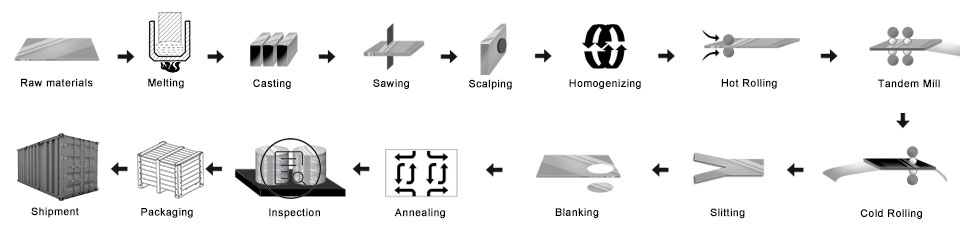
- เตรียมมาสเตอร์อัลลอยด์
- เตาหลอม: ใส่โลหะผสมเข้าไปในเตาหลอม
- อะลูมิเนียมหล่อ ดี.ซี: เพื่อให้แม่ลิ่ม
- บดแท่งอลูมิเนียม: เพื่อให้พื้นผิวและด้านข้างเรียบเนียน
- เตาทำความร้อน
- โรงงานรีดร้อน: ทำแม่คอยล์
- โรงงานรีดเย็น: แม่คอยล์ถูกรีดตามความหนาที่ต้องการซื้อ
- กระบวนการเจาะ: ให้ได้ขนาดตามที่คุณต้องการ
- เตาหลอม: เปลี่ยนอารมณ์
- การตรวจสอบขั้นสุดท้าย
- การบรรจุ: กล่องไม้หรือพาเลทไม้
- จัดส่ง
การควบคุมคุณภาพ
การประกัน การตรวจสอบด้านล่างจะดำเนินการในการผลิต.
- ก. การตรวจจับรังสี—RT;
- ข. การทดสอบอัลตราโซนิก—ยูทาห์;
- ค. การทดสอบอนุภาคแม่เหล็ก-MT;
- ง. การทดสอบการเจาะ-PT;
- จ. การตรวจจับข้อบกพร่องกระแสวน-ET
1) ปราศจากคราบน้ำมัน, บุ๋ม, การรวม, รอยขีดข่วน, คราบ, การเปลี่ยนสีออกไซด์, พัก, การกัดกร่อน, โรลมาร์ก, คราบสกปรก, และข้อบกพร่องอื่นๆ ที่อาจรบกวนการใช้งาน.
2) พื้นผิวไม่มีเส้นสีดำ, ตัดสะอาด, คราบเป็นระยะ, ข้อบกพร่องในการพิมพ์ลูกกลิ้ง, เช่น มาตรฐานการควบคุมภายในของ gko อื่นๆ.
บรรจุแผ่นอลูมิเนียม:
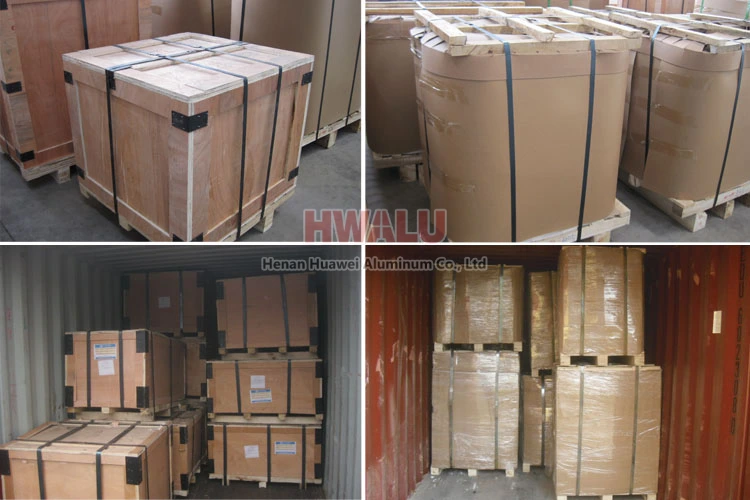
สามารถบรรจุวงกลมอลูมิเนียมได้ตามมาตรฐานส่งออก, หุ้มด้วยกระดาษสีน้ำตาลและฟิล์มพลาสติก. ในที่สุด, อลูมิเนียมกลมได้รับการแก้ไขบนพาเลทไม้/กล่องไม้.
- วางเครื่องอบผ้าไว้ข้างวงกลมอลูมิเนียม, เก็บผลิตภัณฑ์ให้แห้งและสะอาด.
- ใช้กระดาษพลาสติกที่สะอาด, แพ็ควงกลมอลูมิเนียม, ปิดผนึกอย่างดี.
- ใช้กระดาษหนังงู, แพ็คพื้นผิวของกระดาษพลาสติก, ปิดผนึกอย่างดี.
- ต่อไป, มีสองวิธีในการบรรจุ: วิธีหนึ่งคือบรรจุภัณฑ์จากพาเลทไม้, โดยใช้กระดาษที่มีเปลือกแข็งห่อหุ้มพื้นผิว; อีกวิธีหนึ่งคือบรรจุภัณฑ์กล่องไม้, โดยใช้ลังไม้บรรจุพื้นผิว.
- ในที่สุด, วางสายพานเหล็กไว้บนพื้นผิวกล่องไม้, ทำให้กล่องไม้มีความคงทนและปลอดภัย.
วงกลมอลูมิเนียมของ Henan Huawei Aluminium. ตรงตามมาตรฐานการส่งออก. สามารถหุ้มฟิล์มพลาสติกและกระดาษสีน้ำตาลได้ตามความต้องการของลูกค้า. มีอะไรเพิ่มเติม, มีการใช้กล่องไม้หรือพาเลทไม้เพื่อปกป้องผลิตภัณฑ์จากความเสียหายระหว่างการจัดส่ง. บรรจุภัณฑ์มีสองประเภท, ซึ่งเป็นแบบตาต่อผนังหรือตาฟ้า. ลูกค้าสามารถเลือกอย่างใดอย่างหนึ่งเพื่อความสะดวก. พูดโดยทั่วไป, มี 2 ตันในแพ็คเกจเดียว, และกำลังโหลด 18-22 ตันในภาชนะขนาด 1×20′, และ 20-24 ตันในภาชนะขนาด 1×40′.
ทำไมถึงเลือกพวกเรา?
เพื่อที่จะก้าวไปพร้อมกับกาลเวลา, HWALU นำเสนออุปกรณ์และเทคนิคที่ทันสมัยอยู่เสมอเพื่อปรับปรุงขีดความสามารถในการแข่งขัน. ยึดมั่นในปรัชญาการดำเนินธุรกิจที่มีคุณภาพเป็นศูนย์กลางและลูกค้ามาก่อนเสมอ, เพื่อจัดหาผลิตภัณฑ์ซีรีส์แผ่นดิสก์วงกลมอะลูมิเนียมคุณภาพสูงสุดให้กับทุกส่วนของโลก. มากกว่า …

