का संपीडन प्रतिरोध कैसा है 3003 खाद्य कंटेनरों के लिए हॉट-रोल्ड एल्यूमीनियम गोल शीट?
खाद्य पैकेजिंग और कंटेनर निर्माण के क्षेत्र में, “सुरक्षा” तथा “टिकाऊपन” हमेशा मुख्य आवश्यकताएं होती हैं. एल्यूमीनियम खाद्य कंटेनर, विशेष रूप से, उत्पादन भरने से लेकर हर चरण में अलग-अलग डिग्री के दबाव परीक्षणों का सामना करें, गोदाम ढेर, और अंतिम उपयोग तक परिवहन. स्टैकिंग के दौरान स्थैतिक दबाव, पारगमन के दौरान कंपन और प्रभाव, भरने के दौरान यांत्रिक दबाव, और यहां तक कि उच्च तापमान नसबंदी के दौरान दबाव में परिवर्तन भी कंटेनर के दबाव प्रतिरोध पर कड़ी मांग डालता है. NS 3003 हॉट-रोल्ड एल्यूमीनियम डिस्क, खाद्य कंटेनर निर्माण के लिए पसंदीदा आधार सामग्री के रूप में, यह दबाव प्रतिरोध दुर्घटनावश प्राप्त नहीं होता है. बजाय, यह भौतिक गुणों के संयुक्त प्रभाव का परिणाम है, प्रसंस्करण प्रौद्योगिकी, और संरचनात्मक डिजाइन. आज, हम दबाव प्रतिरोध के बारे में गहराई से जानेंगे 3003 हॉट-रोल्ड एल्यूमीनियम डिस्क खाद्य कंटेनर और चर्चा करें कि यह क्यों बन गया है “दबाव-प्रतिरोधी विशेषज्ञ” खाद्य पैकेजिंग उद्योग में.
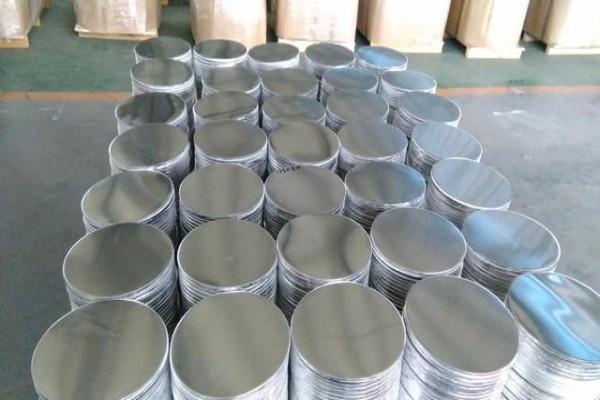 अतिरिक्त मोटी हॉट-रोल्ड एल्यूमीनियम शीट
मैं. मूल सामग्री: 3003 हॉट-रोल्ड एल्यूमिनियम डिस्क, दबाव प्रतिरोध के लिए स्वाभाविक रूप से संगत फाउंडेशन
एक कंटेनर के दबाव प्रतिरोध को समझने के लिए, हमें आधार सामग्री से शुरुआत करनी चाहिए. 3003 एल्यूमीनियम मिश्र धातु एल्यूमीनियम-मैंगनीज श्रृंखला से संबंधित है. एल्यूमीनियम के साथ (97.0%-99.0%) इसके आधार के रूप में, इसमें 1.0%-1.5% मैंगनीज होता है (एम.एन.) मुख्य मिश्रधातु तत्व के रूप में, तांबे जैसे अन्य ट्रेस तत्वों की थोड़ी मात्रा से पूरक (साथ में) और लोहा (फ़े). यह संरचना इसे ताकत और प्लास्टिसिटी को संतुलित करने में एक अनूठा लाभ देती है, कंटेनर के दबाव प्रतिरोध की नींव रखना.
शुद्ध एल्यूमीनियम या अन्य एल्यूमीनियम मिश्र धातुओं की तुलना में, का मुख्य लाभ 3003 हॉट-रोल्ड एल्यूमीनियम डिस्क इसमें निहित है “कठोरता और लचीलेपन का सही संतुलन”:
- बढ़ी हुई ताकत और कठोरता: मैंगनीज मिलाने से सामग्री की ताकत और कठोरता में काफी सुधार होता है. इसकी तन्यता ताकत 210-250 एमपीए तक पहुंच सकती है, और इसकी उपज क्षमता 130-160 एमपीए तक होती है, शुद्ध एल्युमीनियम श्रृंखला की तुलना में 10%-20% की वृद्धि का प्रतिनिधित्व करता है 1060. यह बाहरी दबाव से होने वाली विकृति और क्षति का प्रभावी ढंग से प्रतिरोध करता है.
- सुपीरियर प्लास्टिसिटी (लचीलापन): बढ़ाव आम तौर पर ≥15% है, और इससे भी अधिक हो सकता है 20%. इसका मतलब है कि सामग्री दबाव में प्लास्टिक विरूपण के माध्यम से ऊर्जा को प्रभावी ढंग से फैला सकती है और अवशोषित कर सकती है, अचानक भंगुर फ्रैक्चर से बचना.
- उत्कृष्ट कार्यशीलता और स्थिरता: यह मिश्रधातु अच्छी संरचना प्रदान करती है और ठंडे काम के माध्यम से इसे और अधिक कठोर किया जा सकता है. यह उत्कृष्ट संक्षारण प्रतिरोध प्रदर्शित करता है, भोजन-संपर्क वातावरण में स्थिर रहता है, और घरेलू और अंतर्राष्ट्रीय खाद्य सुरक्षा मानकों का अनुपालन करता है.
ये गुण बनाते हैं 3003 हॉट-रोल्ड एल्यूमीनियम डिस्क पेय पदार्थ के डिब्बे और खाद्य ट्रे से लेकर प्रेशर कुकर घटकों तक के खाद्य कंटेनरों के लिए आदर्श विकल्प है, शक्ति के बीच एक उत्कृष्ट संतुलन प्राप्त करना, प्रपत्र, और सुरक्षा.
द्वितीय. दबाव प्रतिरोध को प्रभावित करने वाले प्रमुख कारक
से बने कंटेनर का दबाव-प्रतिरोधी प्रदर्शन 3003 हॉट-रोल्ड एल्यूमीनियम डिस्क प्रक्रिया का संयुक्त परिणाम है, डिज़ाइन, और सामग्री. प्रमुख प्रभावित करने वाले कारकों का सारांश नीचे दिया गया है:
मेज़ 1: के दबाव प्रतिरोध को प्रभावित करने वाले प्रमुख कारक 3003 हॉट-रोल्ड एल्यूमीनियम डिस्क कंटेनर
| प्रभावित करने वाला कारक |
विशिष्ट विवरण |
दबाव प्रतिरोध में योगदान |
| 1. आधार सामग्री प्रक्रिया |
कास्ट-रोलिंग की तुलना में, हॉट-रोलिंग से महीन दानों वाली सामग्री तैयार होती है, अधिक समान सूक्ष्म संरचना, और कम आंतरिक दोष. अपेक्षाकृत कम दबाव प्रतिरोध मांगों के साथ अत्यधिक उच्च गहरे-ड्राइंग प्रदर्शन की आवश्यकता वाले अनुप्रयोगों के लिए कास्ट-रोलिंग अधिक उपयुक्त है. |
हॉट-रोलिंग प्रक्रिया अधिक समान तनाव वितरण और बेहतर समग्र कठोरता प्रदान करती है, उच्च-स्तरीय कंटेनरों के दबाव प्रतिरोध के लिए मूलभूत गारंटी बनाना. |
| 2. मोटाई विशिष्टता |
खाद्य कंटेनरों की सामान्य मोटाई 0.5-4.5 मिमी तक होती है (जैसे, पेय शरीर कर सकते हैं: 0.3-0.5मिमी, प्रेशर कुकर घटक: >1.0मिमी). |
मोटाई मूल है “कठिन सूचक,” सीधे दीवार की मोटाई और भार वहन क्षमता का निर्धारण. इसे विशिष्ट अनुप्रयोग के आधार पर वैज्ञानिक रूप से चुना जाना चाहिए (जैसे, दबाव का स्तर, सामग्री गुण). |
| 3. संरचनात्मक डिज़ाइन & बनाने |
बेलनाकार कैन बॉडी जैसे डिज़ाइन, गुंबददार तलियाँ/ढक्कन यांत्रिक संरचना को अनुकूलित करते हैं; सटीक चित्रण, सीमिंग प्रक्रियाएं संरचनात्मक अखंडता सुनिश्चित करती हैं. |
वैज्ञानिक डिज़ाइन कुशलतापूर्वक दबाव वितरित करता है, स्थानीय तनाव एकाग्रता से बचना; सटीक गठन एक समान दीवार की मोटाई सुनिश्चित करता है, कमजोर बिंदुओं को दूर करना. यह कुंजी है “डिज़ाइन सशक्त सामग्री।” |
| 4. भौतिक स्वभाव |
गुणों को मुख्य रूप से कोल्ड-वर्किंग हार्डनिंग के माध्यम से समायोजित किया जाता है (जैसे, एच14, H18 स्वभाव) और annealing (हे स्वभाव!). एच टेम्पर्स उच्च शक्ति प्रदान करते हैं, हे स्वभाव बेहतर लचीलापन प्रदान करता है. |
कंटेनर बनाने की कठिनाई और अंतिम-उपयोग शक्ति आवश्यकताओं के आधार पर उपयुक्त स्वभाव का चयन अनुकूलित प्रदर्शन और लागत कॉन्फ़िगरेशन की अनुमति देता है. |
गूढ़ अध्ययन: प्रक्रिया और डिज़ाइन का सहक्रियात्मक प्रभाव
- विस्तृत विश्लेषण: हॉट-रोलिंग बनाम. कच्चे रोलिंग: हॉट-रोलिंग प्रक्रिया के समान है “फोर्जिंग” धातु, मोटे अस-कास्ट ढांचे को तोड़ना. यह न केवल गैस छिद्र और सिकुड़न छिद्र जैसे दोषों को दूर करता है बल्कि मैंगनीज के अधिक समान वितरण की भी अनुमति देता है. यह समान सूक्ष्म संरचना दबाव प्रतिरोध स्थिरता की आधारशिला है. इसके विपरीत, जबकि कास्ट-रोल्ड सामग्री उच्च उत्पादन क्षमता और लागत लाभ प्रदान करती है, इसके तेजी से जमने के परिणामस्वरूप थोड़ी कम समान सूक्ष्म संरचना बनती है, संभावित रूप से अत्यधिक स्थैतिक या प्रभाव दबाव के तहत प्रदर्शन में थोड़ा अधिक उतार-चढ़ाव हो सकता है.
- NS “एम्पलीफायर” संरचनात्मक डिजाइन का प्रभाव: डिज़ाइन के माध्यम से सामग्री का प्रदर्शन अधिकतम होना चाहिए. उदाहरण के लिए, पेय पदार्थ के डिब्बे का गुंबद के आकार का तल अनिवार्य रूप से अक्षीय संपीड़न के तहत एक पतली-खोल संरचना है. यह कैन की दीवार में ऊर्ध्वाधर दबाव को परिधीय तनाव में कुशलतापूर्वक परिवर्तित करता है, न्यूनतम सामग्री के साथ अधिकतम संपीड़न कठोरता प्राप्त करना. उसी प्रकार, आयताकार भोजन ट्रे के किनारों पर पसलियों और घुमावदार किनारों को मजबूत करने से स्थानीय ज्यामितीय परिवर्तनों के माध्यम से जड़ता के क्रॉस-अनुभागीय क्षण में वृद्धि होती है, झुकने और संपीड़न प्रतिरोध को महत्वपूर्ण रूप से बढ़ाना. उत्कृष्ट डिज़ाइन दबाव-प्रतिरोधी क्षमता की अनुमति देता है 3003 एल्यूमीनियम को पूरी तरह से साकार किया जाना है.
 एल्युमीनियम शीट निर्माण कारखाना
तृतीय. परीक्षण डेटा: वास्तव में दबाव प्रतिरोध कितना मजबूत है?
उद्योग मानकीकृत परीक्षणों की एक श्रृंखला के माध्यम से दबाव प्रतिरोध को मान्य करता है. विभिन्न परीक्षण विधियाँ विभिन्न तनाव परिदृश्यों का अनुकरण करती हैं, कोर डेटा के साथ इस प्रकार है:
मेज़ 2: विशिष्ट दबाव प्रतिरोध परीक्षण डेटा और अनुप्रयोग मानक 3003 हॉट-रोल्ड एल्यूमीनियम डिस्क खाद्य कंटेनर
| परीक्षण आइटम |
परीक्षण मानक संदर्भ |
नकली परिदृश्य & परिक्षण विधि |
विशिष्ट उत्पाद प्रदर्शन (उदाहरण) |
प्रदर्शन का महत्व |
| अक्षीय भार (स्टैकिंग) परीक्षा |
आईएसओ 2234, जीबी/टी 4857.3 |
मल्टी-लेयर वेयरहाउस स्टैकिंग का अनुकरण करता है. कुचलने या निर्दिष्ट विरूपण तक पहुंचने तक कंटेनर के शीर्ष पर लंबवत दबाव लागू करता है. |
एक 330 मिलीलीटर पेय कैन (शरीर की मोटाई ~0.28मिमी) 1500-2500N के अक्षीय भार का सामना कर सकता है, सुरक्षित रूप से समर्थन 8-10 स्टैकिंग की परतें. |
सीधे कंटेनर की ऊर्ध्वाधर भार-वहन क्षमता और भंडारण स्थिरता को दर्शाता है. |
| आंतरिक दबाव (फोड़ना) परीक्षा |
एएसटीएम डी4577, जीबी/टी 9106.1 |
कार्बोनेटेड पेय पदार्थों या उच्च तापमान नसबंदी से आंतरिक दबाव का अनुकरण करता है. एक सीलबंद कंटेनर पर तब तक दबाव डालता है जब तक वह टूट न जाए. |
कार्बोनेटेड पेय के डिब्बे को आमतौर पर ≥0.9 एमपीए के आंतरिक दबाव प्रतिरोध की आवश्यकता होती है; प्रेशर कुकर एल्यूमीनियम के अंदरूनी बर्तनों को ≥600 kPa के बर्स्ट प्रेशर की आवश्यकता होती है. |
यह सुनिश्चित करता है कि कंटेनर आंतरिक दबाव में फट न जाए, सुरक्षा की गारंटी. |
| साइड वॉल संपीड़न परीक्षण |
जीबी/टी 18454 |
परिवहन के दौरान पार्श्व क्रशिंग का अनुकरण करता है. दांत के प्रतिरोध का मूल्यांकन करने के लिए कैन के शरीर के किनारे पर दबाव लागू करता है. |
निर्दिष्ट दबाव के तहत एक योग्य पेय पदार्थ के डिब्बे की साइडवॉल विकृति मानक सीमा से कम होनी चाहिए, मामलों के अंदर आपसी विकृति को रोकना. |
परिवहन और ऑन-शेल्फ प्रदर्शन के दौरान कुचलने और प्रभाव के प्रति कंटेनर के प्रतिरोध को दर्शाता है. |
| चक्र दबाव / ड्रॉप परीक्षण |
एएसटीएम डी5276, जीबी/टी 4857.5 |
हैंडलिंग और लोडिंग/अनलोडिंग से बार-बार होने वाले प्रभावों का अनुकरण करता है. इसमें कई बूंदें या दबाव चक्र शामिल हैं. |
बूंदों या दबाव चक्रों की निर्दिष्ट संख्या को पूरा करने के बाद, कंटेनर में रिसाव नहीं होना चाहिए या संरचनात्मक क्षति नहीं होनी चाहिए. |
कंटेनर की थकान प्रतिरोध और दीर्घकालिक स्थायित्व का मूल्यांकन करता है. |
टिप्पणी: विशिष्ट परीक्षण डेटा कंटेनर डिज़ाइन के आधार पर भिन्न होता है, मोटाई, और प्रक्रिया. ऊपर दी गई तालिका सामान्य उद्योग श्रेणियाँ दिखाती है. निर्माताओं को विशिष्ट उत्पाद मानकों के अनुसार सटीक परीक्षण करना चाहिए.
परीक्षण के पीछे का विज्ञान:
अक्षीय भार परीक्षण में, कंटेनर का विफलता मोड अक्सर सामग्री को कुचलने के बजाय अस्थिरता को बढ़ाता है. यह पतली दीवार वाली संरचनाओं की विशेषताओं पर प्रकाश डालता है और संरचनात्मक डिजाइन के निर्णायक प्रभाव को रेखांकित करता है (जैसे, नीचे का आकार, ऊंचाई-से-व्यास अनुपात हो सकता है) दबाव प्रतिरोध परिणामों पर. आंतरिक दबाव परीक्षण मुख्य रूप से सामग्री की आंतरिक ताकत और वेल्ड/सीम की अखंडता को चुनौती देते हैं. वैज्ञानिक परीक्षण न केवल उत्तीर्ण/असफल निर्णय प्रदान करता है, विफलता बिंदुओं और भार-विरूपण वक्रों के विश्लेषण के माध्यम से, सामग्री और डिज़ाइन को अनुकूलित करने के लिए प्रत्यक्ष डेटा समर्थन प्रदान करता है.
चतुर्थ. पूर्ण-जीवनचक्र अनुप्रयोग: दबाव प्रतिरोध कैसे खाद्य सुरक्षा की रक्षा करता है
का दबाव प्रतिरोध 3003 हॉट-रोल्ड एल्यूमीनियम डिस्क कंटेनर विभिन्न अनुप्रयोग चरणों में ठोस सुरक्षा और आर्थिक लाभ प्रदान करते हैं:
1. उत्पादन और भरने का चरण:
हाई-स्पीड फिलिंग लाइनों पर, कंटेनरों को शीर्ष भरने से यांत्रिक दबाव और वैक्यूमिंग या नाइट्रोजन फ्लशिंग से दबाव परिवर्तन का सामना करना होगा. बेहतर दबाव प्रतिरोध यह सुनिश्चित करता है कि कंटेनर लाइन पर ख़राब या जाम न हों, सुचारू होने की गारंटी, तंग सील, सामग्री के लिए प्रारंभिक अवरोध प्रदान करना.
2. भण्डारण और रसद चरण:
दबाव प्रतिरोध के लिए यह सबसे बड़ी चुनौतियों में से एक है. आधुनिक भंडारण कई स्टैकिंग परतों के साथ उच्च रैक का उपयोग करता है, निचले कंटेनरों पर महत्वपूर्ण स्थैतिक भार डालना. रसद के दौरान, कंपन, धक्कों, और यादृच्छिक प्रभाव जटिल गतिशील ताकतें बनाते हैं. 3003 एल्यूमीनियम के कंटेनर, उनकी ताकत और कठोरता के साथ, लोचदार विरूपण के माध्यम से स्थैतिक स्टैकिंग दबाव और बफर गतिशील प्रभावों का प्रभावी ढंग से विरोध करें, परिवहन क्षति दर को उल्लेखनीय रूप से कम करना और उत्पाद हानि और खाद्य सुरक्षा जोखिमों को कम करना.
3. अंतिम उपयोग और भंडारण चरण:
- खुदरा: अलमारियों पर, कंटेनरों को अन्य उत्पादों के प्रभावों और उपभोक्ताओं के प्रभावों को संभालने की आवश्यकता होती है.
- परिवार: रेफ्रिजरेटर में कंटेनरों को बहु-परत भंडारण का सामना करना पड़ता है, बार-बार खोलना/बंद करना, और संभावित आकस्मिक बूँदें, सभी को अच्छे स्थानीय सुरक्षा और प्रभाव प्रतिरोध की आवश्यकता होती है.
- विशेष प्रसंस्करण: उच्च तापमान वाले रिटॉर्ट स्टरलाइज़ेशन की आवश्यकता वाले खाद्य पदार्थों के लिए (जैसे, डिब्बाबंद लंच मांस) या प्रशीतन/फ्रीजिंग, कंटेनरों को भारी तापमान परिवर्तन के कारण होने वाले दबाव के अंतर का सामना करना होगा. स्थिर थर्मल विस्तार गुणांक और अच्छी कम तापमान क्रूरता 3003 एल्यूमीनियम मिश्र धातु विस्तृत तापमान रेंज में इसकी विश्वसनीयता सुनिश्चित करती है.
 बरतन के लिए एल्यूमीनियम के गोल टुकड़े
4. उभरते अनुप्रयोगों में चुनौतियाँ:
तैयार भोजन की वृद्धि के साथ, स्वयं गर्म करने वाले खाद्य पदार्थ, और प्रीमियम पालतू भोजन, नई दबाव प्रतिरोध मांगों को पैकेजिंग पर रखा गया है. उदाहरण के लिए, स्व-हीटिंग पैक भाप का दबाव उत्पन्न करते हैं, कंटेनरों को एक निर्दिष्ट समय के लिए संरचनात्मक अखंडता बनाए रखने की आवश्यकता होती है; पालतू भोजन के लिए बनावट संबंधी आवश्यकताओं के लिए ऐसे कंटेनरों की आवश्यकता हो सकती है जो अधिक जटिल भौतिक प्रभावों का सामना कर सकें. 3003 हॉट-रोल्ड एल्यूमीनियम डिस्क, समायोजित मोटाई के माध्यम से, अनुकूलित कोटिंग्स, और संरचनात्मक डिजाइन, लगातार इन नई आवश्यकताओं को अपना रहे हैं.
वी. निष्कर्ष: NS “इष्टतम समाधान” दबाव प्रतिरोध और सुरक्षा के लिए, और भविष्य का आउटलुक
का आवेदन 3003 खाद्य कंटेनरों में हॉट-रोल्ड एल्यूमीनियम डिस्क ताकत के व्यापक संतुलन का प्रतीक है, प्लास्टिसिटी, अर्थव्यवस्था, और सुरक्षा. इसके दबाव-प्रतिरोधी लाभ सामग्री विज्ञान के गहन एकीकरण से उत्पन्न होते हैं, प्रक्रिया आश्वासन, और डिज़ाइन इंटेलिजेंस:
- नींव – सामग्री: अल-एमएन मिश्र धातु से ठोस समाधान सुदृढ़ीकरण और हॉट-रोलिंग प्रक्रिया से अनाज शोधन सुदृढ़ीकरण एक समान प्रदान करता है, मज़बूत, और कठिन आधार.
- परिशुद्धता – प्रक्रिया: सटीक मोटाई नियंत्रण, गठन प्रौद्योगिकी, और उपयुक्त स्वभाव स्थिति भौतिक क्षमता को उत्पाद प्रदर्शन में परिवर्तित करती है.
- सरलता – डिज़ाइन: सिलेंडर जैसे संरचनात्मक डिजाइन, गुंबद, और मजबूत पसलियां न्यूनतम वजन के साथ अधिकतम संरचनात्मक कठोरता प्राप्त करती हैं.
सर्वव्यापी पेय के डिब्बे से लेकर मांग वाले प्रेशर कुकर तक, 3003 हॉट-रोल्ड एल्यूमीनियम डिस्क, उनके विश्वसनीय दबाव-प्रतिरोधी प्रदर्शन के साथ, संपूर्ण पैकेजिंग जीवनचक्र के दौरान खाद्य सुरक्षा और गुणवत्ता की रक्षा करना. जैसा कि उद्योग की लाइटवेटिंग की मांग है, वहनीयता, और बुद्धि में वृद्धि होती है, के दबाव प्रतिरोध में अनुसंधान 3003 एल्युमीनियम मिश्र धातु और उसके उत्पादों का गहरा होना जारी रहेगा.
भविष्य के रुझान और सिफ़ारिशें
- विनिर्माताओं के लिए: मोटाई को अनुकूलित करने और बनाने की प्रक्रियाओं से परे, कोटिंग प्रौद्योगिकियों के साथ सक्रिय रूप से संयोजन का पता लगाएं (जैसे, आंतरिक कोटिंग्स को मजबूत करना) और परिमित तत्व विश्लेषण जैसे डिजिटल टूल का उपयोग करें (फी) आभासी वातावरण में कंटेनर संरचना को अनुकूलित करने के लिए, सटीक भविष्यवाणी और दबाव प्रतिरोध को बढ़ाने में सक्षम बनाना.
- उद्योग पेशेवरों के लिए: अधिक व्यवस्थित समझ विकसित करें- दबाव प्रतिरोध एक व्यवस्थित इंजीनियरिंग परियोजना है “सामग्री ग्रेड चयन → प्रक्रिया पथ निर्धारण → संरचनात्मक डिजाइन कार्यान्वयन → कठोर परीक्षण सत्यापन।” प्रत्येक के बीच की बातचीत की गहरी समझ वैज्ञानिक सामग्री चयन और गुणवत्ता नियंत्रण की कुंजी है.
- उद्योग रुझान आउटलुक: चक्राकार अर्थव्यवस्था के संदर्भ में, की उत्कृष्ट पुनर्चक्रण क्षमता 3003 एल्यूमीनियम मिश्र धातु उतना ही महत्वपूर्ण है जितना इसका दबाव प्रतिरोध. भविष्य में, 3003-पुनर्नवीनीकरण एल्यूमीनियम के उच्च अनुपात का उपयोग करके श्रृंखला मिश्र धातु (जबकि अभी भी प्रदर्शन मानकों को पूरा कर रहे हैं) एक महत्वपूर्ण विकास दिशा बन जाएगी, दबाव प्रतिरोध को बनाए रखते हुए कार्बन पदचिह्न को कम करना. इसके साथ ही, वैयक्तिकृत के लिए दबाव प्रतिरोध और लाइटवेटिंग का सह-डिज़ाइन, छोटे बैच की खाद्य पैकेजिंग भी तकनीकी नवाचार के लिए हॉटस्पॉट होगी.
एल्यूमीनियम सर्कल के गुण:
एल्यूमिनियम सर्कल कई बाजारों के लिए उपयुक्त है, कुकवेयर सहित, मोटर वाहन और प्रकाश उद्योग, आदि।, अच्छे उत्पाद विशेषताओं के लिए धन्यवाद:
- कम अनिसोट्रॉपी, जो गहरी ड्राइंग की सुविधा प्रदान करता है
- मजबूत यांत्रिक गुण
- उच्च और सजातीय गर्मी प्रसार
- तामचीनी होने की क्षमता, PTFE द्वारा कवर किया गया (या अन्य), एनोड किए गए
- अच्छा परावर्तन
- उच्च शक्ति-से-वजन अनुपात
- जंग के लिए स्थायित्व और प्रतिरोध
एल्यूमिनियम सर्किल प्रक्रिया
पिंड/मास्टर मिश्र — मेल्टिंग फर्नेस - होल्डिंग फर्नेस — डी.सी.. कास्टर — पत्थर की पटिया —- स्कैल्पर — हॉट रोलिंग मिल - कोल्ड रोलिंग मिल - पंचिंग - एनीलिंग फर्नेस — अंतिम निरीक्षण - पैकिंग — वितरण
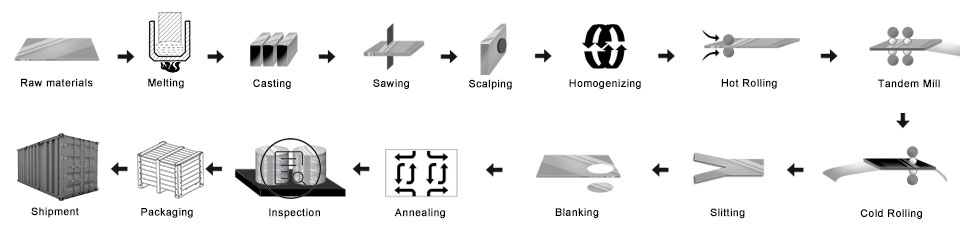
- मास्टर मिश्र तैयार करें
- पिघलती भट्टी: मिश्र धातुओं को पिघलने वाली भट्टी में डालें
- डीसी कास्ट एल्यूमीनियम पिंड: माँ को पिंड बनाने के लिए
- एल्यूमीनियम पिंड मिल: सतह और साइड को चिकना बनाने के लिए
- ताप भट्टी
- हॉट रोलिंग मिल: माँ का तार बनाया
- कोल्ड रोलिंग मिल: मदर कॉइल को उस मोटाई के रूप में रोल किया गया था जिसे आप खरीदना चाहते हैं
- छिद्रण प्रक्रिया: आप जो चाहते हैं उसका आकार बनें
- एनीलिंग भट्टी: मिजाज बदलो
- अंतिम निरीक्षण
- पैकिंग: लकड़ी के मामले या लकड़ी के फूस
- वितरण
गुणवत्ता नियंत्रण
आश्वासन नीचे निरीक्षण उत्पादन में किया जाएगा.
- ए. किरण का पता लगाना—आर टी;
- बी. अल्ट्रासोनिक परीक्षण—केन्द्र शासित प्रदेशों;
- सी. चुंबकीय कण परीक्षण-एमटी;
- डी. पैठ परीक्षण-पीटी;
- इ. एड़ी वर्तमान दोष का पता लगाने-ET
1) तेल के दाग से मुक्त रहें, काटने का निशान, समावेश, स्क्रैच, धब्बा, ऑक्साइड मलिनकिरण, ब्रेक, जंग, रोल मार्क्स, गंदगी की धारियाँ, और अन्य दोष जो उपयोग में हस्तक्षेप करेंगे.
2) काली रेखा के बिना सतह, तेज़ बाहर की रेखाओंवालअ, आवधिक दाग, रोलर मुद्रण दोष, जैसे अन्य gko आंतरिक नियंत्रण मानक.
एल्यूमिनियम डिस्क पैकिंग:
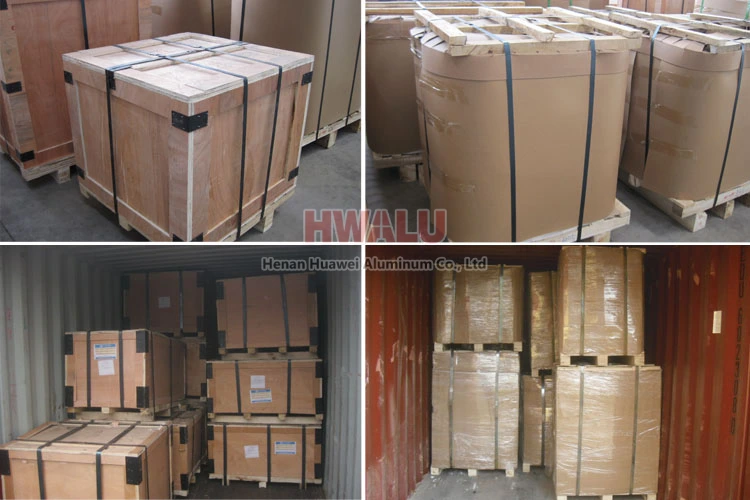
एल्यूमिनियम सर्किल निर्यात मानकों द्वारा पैक किया जा सकता है, भूरे रंग के कागज और प्लास्टिक की फिल्म के साथ कवर करना. आखिरकार, एल्यूमिनियम दौर लकड़ी के फूस / लकड़ी के मामले पर तय किया गया है.
- एल्युमिनियम सर्कल के ऊपर ड्रायर्स लगा दें, उत्पादों को सूखा और साफ रखें.
- स्वच्छ प्लास्टिक पेपर का प्रयोग करें, एल्यूमीनियम सर्कल पैक करें, सीलिंग अच्छी रखें.
- सांप की खाल के कागज का प्रयोग करें, प्लास्टिक पेपर की सतह को पैक करें, सीलिंग अच्छी रखें.
- अगला, पैकेजिंग के दो तरीके हैं: लकड़ी के फूस की पैकेजिंग का एक तरीका है, सतह को पैक करने वाले क्रस्टी पेपर का उपयोग करना; दूसरा तरीका लकड़ी के मामले की पैकेजिंग है, सतह को पैक करने वाले लकड़ी के मामले का उपयोग करना.
- आखिरकार, लकड़ी के बक्से की सतह पर स्टील की बेल्ट बिछाएं, लकड़ी के बक्से को तेज और सुरक्षित रखना.
हेनान हुआवेई एल्यूमिनियम का एल्यूमिनियम सर्कल. निर्यात मानक को पूरा करें. प्लास्टिक की फिल्म और भूरे रंग के कागज को ग्राहकों की जरूरतों पर कवर किया जा सकता है. इससे ज्यादा और क्या, डिलीवरी के दौरान उत्पादों को नुकसान से बचाने के लिए लकड़ी के मामले या लकड़ी के फूस को अपनाया जाता है. पैकेजिंग दो प्रकार की होती है, जो आंख से दीवार या आंख से आसमान की ओर हैं. ग्राहक अपनी सुविधा के लिए इनमें से किसी एक को चुन सकते हैं. आम तौर पर बोलना, वहां 2 एक पैकेज में टन, और लोड हो रहा है 18-22 1×20′ कंटेनर में टन, तथा 20-24 1×40′ कंटेनर में टन.
हमारा चयन क्यों?
समय के साथ चलने के लिए, HWALU अपनी प्रतिस्पर्धात्मकता में सुधार के लिए अत्याधुनिक उपकरण और तकनीक पेश करता रहता है. हमेशा केंद्र और ग्राहक के रूप में गुणवत्ता के व्यापार दर्शन का पालन करें, दुनिया के सभी हिस्सों में उच्चतम गुणवत्ता वाले एल्यूमीनियम डिस्क सर्कल श्रृंखला उत्पाद प्रदान करने के लिए. अधिक …

