एल्यूमिनियम सर्कल कुकवेयर बेस के लिए व्यापक गाइड: आधुनिक कुकवेयर का मूल और भविष्य
1. उत्पाद अवलोकन: परिभाषा, कीमत, और कोर पैरामीटर्स
1.1 मूल परिभाषा
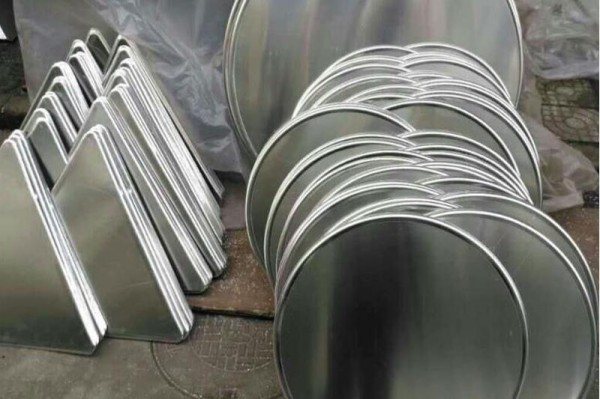
एल्युमीनियम सर्कल कुकवेयर बेस विशेष रूप से एक गोलाकार एल्युमीनियम ब्लैंक को संदर्भित करता है जिसे बर्तन जैसे कुकवेयर के निचले भाग के लिए डिज़ाइन और निर्मित किया जाता है, तडके का पात्र, और कड़ाही. यह आमतौर पर उच्च शुद्धता वाले एल्यूमीनियम या एल्यूमीनियम-मैग्नीशियम मिश्र धातुओं से बनाया जाता है (जैसे, 1050, 1060, 3003, 5052 श्रृंखला). के रूप में “थर्मल इंजन” कुकवेयर का, इसका मुख्य कार्य कुशल और समान ताप संचालन प्राप्त करना है, खाना पकाने के प्रदर्शन और ऊर्जा दक्षता को मूल रूप से निर्धारित करना.
1.2 मूल मूल्य और बाजार स्थिति
एल्यूमीनियम सर्कल बेस पारंपरिक कुकवेयर में असमान हीटिंग और कम दक्षता के दर्द बिंदुओं को संबोधित करता है. लोहे और स्टेनलेस स्टील जैसी सामग्रियों की तुलना में, इसकी असाधारण तापीय चालकता, हल्का स्वभाव, और लागत-प्रभावशीलता इसे मुख्यधारा और उच्च-स्तरीय कुकवेयर निर्माताओं के लिए पसंदीदा विकल्प बनाती है. यह न केवल खाना पकाने के अनुभव को बढ़ाता है बल्कि ऊर्जा-बचत के लिए बाजार की चल रही मांग के अनुरूप भी है, उच्च प्रदर्शन वाले बरतन.
1.3 विशिष्टताएँ और सामग्री चयन
अंतिम उत्पाद आवश्यकताओं के अनुसार आधार विनिर्देशों को अत्यधिक अनुकूलित किया गया है. मुख्य पैरामीटर श्रेणियाँ इस प्रकार हैं:
| पैरामीटर |
विशिष्ट रेंज / विकल्प |
विवरण और आवेदन गाइड |
| सामान्य मिश्र धातु ग्रेड |
1050, 1060, 3003, 5052 |
1050/1060: उच्च तापीय चालकता, मानक कुकवेयर के लिए; 3003/5052: उच्च शक्ति, मध्य-से-उच्च-अंत और वाणिज्यिक कुकवेयर के लिए. |
| मोटाई रेंज |
1.0मिमी – 5.0मिमी |
घरेलू कुकवेयर में आमतौर पर 1.5-3.0 मिमी का उपयोग होता है; व्यावसायिक कड़ाही को ताप क्षमता और मजबूती के लिए 3.0-5.0 मिमी मोटी प्लेटों की आवश्यकता होती है. |
| व्यास रेंज |
10से। मी – 50सेमी+ |
छोटे सॉसपैन से लेकर बड़े वाणिज्यिक कड़ाही तक पूरे स्पेक्ट्रम को कवर करता है. |
| स्वभाव अवस्था |
हे (annealed), एच14, एच18, आदि. |
ओ स्वभाव बाद में गहरी ड्राइंग की सुविधा देता है; Hxx टेम्पर्स विशिष्ट मिश्रित संरचनाओं के लिए उच्च कठोरता प्रदान करते हैं. |
2. मुख्य विशेषताएँ: कुकवेयर बेस के लिए एल्युमीनियम बेहतर विकल्प क्यों है?
एल्यूमीनियम सर्कल बेस का व्यापक अनुप्रयोग उनके भौतिक और प्रसंस्करण गुणों के अपूरणीय संयोजन से उत्पन्न होता है.
2.1 असाधारण थर्मल प्रदर्शन
यह एल्यूमीनियम बेस का सबसे महत्वपूर्ण लाभ है. एल्युमीनियम की तापीय चालकता (लगभग. 237 डब्ल्यू/(एम·के)) स्टेनलेस स्टील की तुलना में काफी अधिक है (15-20 डब्ल्यू/(एम·के)) और कच्चा लोहा (~50 डब्ल्यू/(एम·के)). इसका मतलब यह है:
- त्वरित प्रतिक्रिया: स्रोत से ऊष्मा शीघ्रता से अवशोषित हो जाती है (खुली लौ, इंडक्शन हॉब, इलेक्ट्रिक सिरेमिक हॉब).
- समान वितरण: एल्युमीनियम बेस के तल पर गर्मी तेजी से फैलती है, पैन के केंद्र और किनारों के बीच बड़े तापमान अंतर को रोकना. यह प्रभावी रूप से स्थानीयकृत भोजन को जलाने से बचाता है और सटीक खाना पकाने में सक्षम बनाता है.
2.2 उत्कृष्ट शक्ति-से-वजन अनुपात
एल्युमीनियम का घनत्व (2.7 जी/सेमी³) लोहे का केवल एक-तिहाई है. एल्युमीनियम बेस का उपयोग करने से कुकवेयर का कुल वजन काफी कम हो सकता है (आम तौर पर द्वारा 30%-50%), संचालन में आसानी में सुधार, जिसे विशेष रूप से बुजुर्ग उपयोगकर्ताओं द्वारा सराहा जाता है. इसके साथ ही, मिश्रधातु के माध्यम से (जैसे, मैग्नीशियम जोड़ना, मैंगनीज) और कड़ी मेहनत करो, खाना पकाने के अधिकांश परिदृश्यों के लिए एल्युमीनियम बेस पर्याप्त ताकत और कठोरता प्राप्त कर सकते हैं.

2.3 उत्कृष्ट फॉर्मैबिलिटी और प्रोसेसेबिलिटी
एल्युमीनियम में अच्छी लचीलापन और प्लास्टिसिटी होती है, जिससे इसे आसानी से जटिल आकृतियों में बनाया जा सके (टोंटी वाले फ्राइंग पैन निकायों की तरह) जैसी प्रक्रियाओं के माध्यम से मुद्रांकन, कताई, और गहरी ड्राइंग. इसे स्टेनलेस स्टील पॉट बॉडी के साथ भी पूरी तरह से एकीकृत किया जा सकता है, सिरेमिक कोटिंग्स, और नॉन-स्टिक कोटिंग्स. यह विविध और उपयोगकर्ता के अनुकूल कुकवेयर के लिए बेहतरीन डिज़ाइन स्वतंत्रता प्रदान करता है.
2.4 उल्लेखनीय लागत-प्रभावशीलता और पर्यावरण मित्रता
तांबे और चांदी जैसी अत्यधिक तापीय प्रवाहकीय सामग्री की तुलना में, एल्युमीनियम प्रचुर मात्रा में है और अत्यधिक उच्च लागत-प्रभावशीलता प्रदान करता है, उच्च प्रदर्शन वाले कुकवेयर को सुलभ बनाना. एल्युमिनियम ही है गैर विषैले और हानिरहित और एक है 100% पुनर्चक्रणहरी सामग्री. इसकी रीसाइक्लिंग और रीमेल्टिंग प्रक्रिया में ऊर्जा की खपत लगभग ही होती है 5% उसमें से प्राथमिक एल्युमीनियम उत्पादन के लिए, सतत विकास सिद्धांतों के साथ पूरी तरह से तालमेल बिठाना.
3. पूर्ण परिशुद्धता विनिर्माण प्रक्रिया प्रवाह
उच्च गुणवत्ता वाले एल्यूमीनियम सर्कल बेस का उत्पादन धातु विज्ञान को एकीकृत करने वाली एक सटीक विनिर्माण श्रृंखला है, दबाव प्रसंस्करण, और सतह विज्ञान.
3.1 प्रक्रिया प्रवाह का अवलोकन
graph TD
    A[Raw Material Selection] --> B[Melting and Casting];
    B --> C[Hot Rolling];
    C --> D[Cold Rolling];
    D --> E[Annealing];
    E --> F[Slitting/Cutting];
    F --> G[Surface Treatment];
    G --> H[Precision Inspection];
3.2 मुख्य प्रक्रिया चरणों का विस्तृत विवरण
- पिघलना और ढलाई: उच्च शुद्धता वाले एल्यूमीनियम सिल्लियों को लगभग 700°C पर पिघलाया जाता है. अशुद्धियों और गैसों को हटाने के लिए शोधन के बाद, पिघले हुए एल्युमीनियम को निरंतर कास्टिंग और रोलिंग प्रक्रिया के माध्यम से एक समान मोटाई के साथ एल्युमीनियम कॉइल स्टॉक में बनाया जाता है.
- हॉट रोलिंग और कोल्ड रोलिंग:
- हॉट रोलिंग (400-500डिग्री सेल्सियस): कास्ट स्लैब को पतला रोल किया गया है, कास्ट संरचना को तोड़ना और सामग्री घनत्व और प्लास्टिसिटी में वृद्धि करना.
- कोल्ड रोलिंग: कुंडल को कमरे के तापमान पर लक्ष्य मोटाई तक घुमाया जाता है. उच्च आयामी सटीकता प्राप्त करने के लिए यह महत्वपूर्ण प्रक्रिया है, अच्छी सतह फ़िनिश, और समतलता.
- एनीलिंग: आंतरिक तनाव को दूर करने और सामग्री की लचीलापन बहाल करने के लिए कोल्ड-रोल्ड एल्यूमीनियम कॉइल को 300-350 डिग्री सेल्सियस पर एनील्ड किया जाता है।, इसे आगामी गहन प्रसंस्करण के लिए तैयार करना.
- काटना और खाली करना/कतरना: एल्यूमीनियम कॉइल को निर्दिष्ट व्यास के हलकों में काटने के लिए उच्च परिशुद्धता सीएनसी पंचिंग प्रेस या रोटरी कैंची का उपयोग किया जाता है. इस चरण में गोलाई पर सख्त नियंत्रण की आवश्यकता होती है, किनारे की गड़गड़ाहट, और सतह पर खरोंचें.
- सतह का उपचार (आवश्यकता अनुसार):
- एनोडाइजिंग: एक कठोर रूप बनाता है, टूट फुट प्रतिरोधी, और संक्षारण प्रतिरोधी एल्यूमीनियम ऑक्साइड परत, अक्सर खुले एल्यूमीनियम बेस वाले हाई-एंड कुकवेयर के लिए उपयोग किया जाता है.
- छिड़काव/इलेक्ट्रोफोरेटिक कोटिंग: जैविक लेप लगाता है (जैसे, उच्च तापमान प्रतिरोधी पेंट) रंग प्रदान करने के लिए, संक्षारण प्रतिरोध बढ़ाएँ, और नॉन-स्टिक कोटिंग्स के लिए प्राइमर के रूप में काम करता है.
- सफ़ाई और निष्क्रियता: यह सुनिश्चित करता है कि पॉट बॉडी या कोटिंग आसंजन के साथ मजबूत संबंध की गारंटी के लिए आधार सतह बिल्कुल साफ और तेल मुक्त है.
4. प्राथमिक अनुप्रयोग परिदृश्य
उनके प्रदर्शन और लागत लाभ के लिए धन्यवाद, एल्युमीनियम सर्कल बेस ने कुकवेयर के सभी क्षेत्रों में प्रवेश कर लिया है.
4.1 घरेलू कुकवेयर (सबसे बड़ा एप्लीकेशन बाज़ार)
- नॉन-स्टिक पैन: अधिकांश नॉन-स्टिक पैन का उपयोग करते हैं 3003 या 5052 आधार सामग्री के रूप में श्रृंखला एल्यूमीनियम सर्कल. उनका समान ताप वितरण नॉन-स्टिक कोटिंग की सुरक्षा करता है और इसकी सेवा जीवन को बढ़ाता है.
- स्टेनलेस स्टील क्लैड बॉटम कुकवेयर: एल्यूमिनियम सर्कल मध्यवर्ती गर्मी फैलाने वाली परत के रूप में कार्य करते हैं “स्टेनलेस स्टील-एल्यूमीनियम-स्टेनलेस स्टील” त्रि-प्लाई मिश्रित संरचना, स्टेनलेस स्टील के बर्तनों की असमान हीटिंग समस्या को हल करना और उन्हें इंडक्शन हॉब्स के साथ संगत बनाना.
- एनामेल्ड कास्ट आयरन/सिरेमिक कुकवेयर: समग्र थर्मल प्रदर्शन में सुधार के लिए मिश्रित पॉट बॉटम्स में प्रवाहकीय परत के रूप में उपयोग किया जाता है.
4.2 वाणिज्यिक और व्यावसायिक कुकवेयर
रेस्तरां और होटल के रसोईघरों में कुकवेयर के टिकाऊपन की उच्च मांग होती है, ताप की गुंजाइश, और दक्षता. वाणिज्यिक कड़ाही और स्टॉक बर्तन आमतौर पर गाढ़े का उपयोग करते हैं 5052 श्रृंखला एल्युमीनियम वृत्त (3.0-5.0मिमी) लंबी अवधि की मांगों को पूरा करने के लिए, उच्च ताप पर खाना पकाना.
4.3 रसोई के उपकरण और विशेष कुकवेयर
- उपकरण भीतरी बर्तन: चावल कुकर के आंतरिक बर्तनों के लिए आधार सामग्री के रूप में उपयोग किया जाता है, प्रैशर कूकर, और मल्टी-कुकर.
- आउटडोर कुकवेयर: कैंपिंग बर्तनों और केतलियों के लिए इसके हल्के लाभ का लाभ उठाता है.
- विशिष्ट उपकरण: खाद्य प्रसंस्करण और प्रयोगशालाओं जैसी औद्योगिक सेटिंग्स में लागू किया जाता है जिन्हें समान हीटिंग की आवश्यकता होती है.

5. विकास के रुझान और भविष्य का आउटलुक
कुकवेयर उद्योग का विकास और उपभोक्ता मांग में बदलाव से गति बढ़ रही है एल्यूमीनियम सर्कल विकास के उच्च स्तर की ओर आधार.
5.1 उच्च परिशुद्धता और गहन अनुकूलन
परिष्कृत कुकवेयर उपस्थिति और लगातार प्रदर्शन के लिए बाजार की बढ़ती मांगें आधारों को मोटाई सहनशीलता में उच्च मानकों की ओर धकेल रही हैं, समतलता, और सतह की गुणवत्ता. इसके साथ ही, अनुकूलन की मांग बढ़ रही है, गैर-मानक व्यास सहित, कस्टम आकार के वृत्त, और पूर्व-निर्मित आधार.
5.2 सामग्री संयोजन और क्रियाशीलता
- समग्र आधार: बहु-परत मिश्रित संरचनाएँ जैसे “एल्यूमीनियम-स्टेनलेस स्टील-एल्यूमीनियम” तथा “एल्यूमीनियम-तांबा-एल्यूमीनियम” हाई-एंड बाज़ार में मुख्यधारा बन रहे हैं, एल्यूमीनियम की तापीय चालकता को संयोजित करने का लक्ष्य, स्टेनलेस स्टील का स्थायित्व, और तांबे की तापीय समरूपता.
- कार्यात्मक उपचार: उच्च-शक्ति इंडक्शन हॉब्स के लिए चुंबकीय गुणों वाले आधार विकसित करना, हैंडल के तापमान को कम करने के लिए बाहरी परतों को इन्सुलेट करने वाले बेस, आदि.
5.3 हरित विनिर्माण और सतत विकास
अधिक पर्यावरण अनुकूल सफाई एजेंटों को अपनाना, निष्क्रियकर्ता (जैसे, क्रोमियम मुक्त निष्क्रियता), और पूरे जीवन चक्र में कार्बन पदचिह्न को कम करने के लिए पुनर्नवीनीकरण एल्यूमीनियम कच्चे माल के उपयोग को बढ़ावा देना एक अपरिहार्य उद्योग दिशा है.
5.4 स्मार्ट कुकवेयर के साथ एकीकरण
स्मार्ट खाना पकाने के उपकरणों के उदय के साथ, एल्यूमीनियम सर्कल बेस एकीकृत तापमान सेंसर के लिए एक आदर्श वाहक के रूप में काम कर सकता है, कुकवेयर को स्वयं तापमान को समझने और प्रतिक्रिया प्रदान करने में सक्षम बनाना. यह सटीक तापमान नियंत्रण और स्मार्ट रेसिपी निष्पादन के लिए हार्डवेयर आधार प्रदान करता है.
6. निष्कर्ष
एल्यूमीनियम सर्कल कुकवेयर बेस, अपनी वैज्ञानिक रूप से संतुलित विशेषताओं की चौकड़ी के साथ-ऊष्मीय चालकता, हल्के, प्रोसेस, और लागत-आधुनिक कुकवेयर निर्माण में केंद्रीय स्थान सुरक्षित करता है. यह केवल एक साधारण धातु घटक नहीं है, बल्कि ऊष्मा स्रोत को भोजन से जोड़ने वाला एक महत्वपूर्ण इंजीनियरिंग तत्व है, खाना पकाने की प्रभावकारिता का निर्धारण करना.
भविष्य के उपभोक्ता उन्नयन और तकनीकी परिवर्तनों का सामना करना, एल्युमीनियम सर्कल बेस उद्योग कुकवेयर उत्पादों के विकास को सशक्त बनाना जारी रखेगा परिशुद्धता विनिर्माण, समग्र सामग्री नवाचार, हरित प्रक्रिया उन्नयन, और बुद्धिमान एकीकरण. यह और अधिक कुशलता लाएगा, स्वस्थ, और दुनिया भर के उपभोक्ताओं के लिए खाना पकाने का अधिक आनंददायक अनुभव. इसका विकास पथ स्पष्ट रूप से उच्च प्रदर्शन की ओर आधुनिक विनिर्माण की प्रवृत्ति को दर्शाता है, वहनीयता, और उपयोगकर्ता मूल्य पर गहरी वापसी.

