1060 Diski za aluminium kwa bidhaa za kaya - nyenzo iliyoboreshwa kwa inazunguka na kukanyaga
Alumini imekuwa moja ya vifaa vya chuma vinavyotumiwa sana katika utengenezaji wa kisasa kutokana na uundaji wake bora, upinzani wa kutu, na tabia nyepesi. Ndani ya familia ya alumini, 1060 alumini-aloi ya usafi wa hali ya juu iliyo na zaidi ya 99.6% alumini - ina jukumu muhimu katika matumizi ambayo yanahitaji plastiki bora na ubora wa kipekee wa uso. Wakati kusindika ndani diski za alumini, aloi hii inakuwa ya kufaa hasa kwa kuzalisha aina mbalimbali za bidhaa za nyumbani kupitia michakato ya kuzunguka na kukanyaga. Njia hizi mbili za uundaji ni muhimu katika tasnia kama vile vyombo vya kupikia, vyombo vya jikoni, vifaa vya taa, vyombo, na bidhaa za matumizi ya kila siku.
Makala ifuatayo hutoa uchunguzi wa kina wa kwa nini 1060 diski za alumini hubakia kuwa moja ya nyenzo za chuma zinazopendekezwa zaidi kwa utengenezaji wa bidhaa zinazotumiwa kila siku. Inachunguza sifa zao za metallurgiska, kutengeneza tabia, mali ya mitambo, Ubora wa uso, mtiririko wa uzalishaji, na utendaji wa maombi. Pia inaangazia faida za uhandisi za kutumia 1060 diski za alumini katika kusokota na kukanyaga, ikilinganishwa na safu zingine za aloi kama vile 1050, 1100, 3003, na 5052. Lengo ni kuwapa wazalishaji, wahandisi, timu za manunuzi, na wachambuzi wa sekta uelewa kamili wa nyenzo na faida zake za usindikaji.
Nyenzo Sifa za 1060 Alumini na Umuhimu Wake katika Utengenezaji wa Bidhaa za Kaya
Kipengele cha kufafanua 1060 alumini ni maudhui yake ya juu sana ya alumini ≥99.6%, ambayo hutoa mchanganyiko wa superb ductility, conductivity, upinzani wa kutu, na tabia laini ya mitambo. Tofauti na aloi zenye nguvu kama vile 3003 au 5052, 1060 alumini inathaminiwa sio kwa nguvu lakini haswa kwa ajili yake urefu wa juu na urahisi wa deformation.
1. Muhtasari wa Muundo wa Kemikali
| Element |
Maudhui ya Kawaida (%) |
Ushawishi wa Kiutendaji |
| Alumini (Al) |
99.6 min |
Msingi wa chuma kutoa ductility na upinzani kutu |
| Silicon (Na) |
≤0.25 |
Inachangia uwezaji na kuyeyuka kwa maji |
| Chuma (Fe) |
≤0.35 |
Inathiri nguvu na ugumu kidogo |
| Shaba (Na) |
≤0.05 |
Ndogo, hudumisha upinzani wa kutu |
| Manganese (Mn) |
≤0.03 |
Karibu kidogo katika 1060 aloi |
| Zinki (Zn) |
≤0.05 |
Husaidia utulivu lakini huwekwa chini |
| Vipengele vingine |
≤0.03 |
Fuatilia |
Utungaji wa usafi wa juu unahakikisha:
- Bora bora ya mafuta
- tafakari bora
- texture laini inafaa kwa deformation ya kina
- upinzani kwa asidi ya chakula na sabuni
- utulivu wa muda mrefu katika mazingira ya jikoni yenye unyevu
- urejeleaji wa juu kwa mahitaji ya uendelevu
Sifa za Mitambo na Tabia ya Kuunda
Sababu kuu kwa nini wazalishaji wanapendelea 1060 diski ya alumini kwa bidhaa za nyumbani iko katika sifa zake za kuunda. Wakati wa kuzunguka na kukanyaga, nyenzo lazima iweze kupitia deformation kali bila kurarua, Kupasuka, au kupoteza ubora wa uso.
2. Utendaji wa Mitambo ya 1060 Diski za Alumini
| Mali |
Thamani ya Kawaida |
Umuhimu kwa Bidhaa za Kaya |
| Nguvu ya Mkazo |
65- MPa 100 |
Laini ya kutosha kwa kuchora kina |
| Nguvu ya Mavuno |
30- 50 MPa |
Inaruhusu deformation laini |
| Kurefusha |
≥30% |
Muhimu kwa inazunguka cookware |
| Ugumu (HB) |
20-30 |
Inafaa kwa kukanyaga maumbo ya kina kirefu au ya kina |
| Wiani |
2.71 g/cm³ |
Inazalisha bidhaa nyepesi |
| Uendeshaji |
Juu |
Muhimu kwa conductivity ya joto ya cookware |
Kwa vyombo vya kupikia kama vile sufuria, kettles, mabonde, na sufuria, urefu wa juu inahakikisha kwamba diski ya alumini inaweza kupanuka kutoka sahani bapa hadi chombo cha kupikia chenye mwelekeo-tatu bila kupasuka kwa uso..
Kwanini 1060 Diski za Alumini Excel katika Spinning
1. Muhtasari wa Inazunguka
Kusokota kwa chuma—pia huitwa uundaji wa mzunguko—ni mchakato ambapo diski ya chuma huzunguka kwa kasi kwenye lathe huku chombo cha kutengeneza kikiweka shinikizo kuigeuza kuwa tupu., umbo linganifu kama vile:
- sufuria
- kettles
- bakuli
- vivuli vya taa
- vyombo vya jikoni
Wakati wa kuzunguka, chuma hupitia kuendelea tensile na compressive deformation. Nyenzo inayofaa lazima iweze kudumisha utulivu wa muundo huku ikirefuka kwa kiasi kikubwa.
2. Tabia ya Kusota Bora ya 1060 Alumini
1060 maonyesho ya alumini:
- mtiririko laini wa chuma wakati wa kuzunguka
- hakuna nyufa ngumu hata baada ya kupita nyingi
- usambazaji wa unene wa ukuta sare
- hakuna uso wa peel ya machungwa baada ya kuunda
- utangamano bora wa lubrication
Kwa kuwa inazunguka mara nyingi inahitaji mizunguko mingi ya kina ya kutengeneza, 1060Muundo mdogo wa alumini huhakikisha kuwa chuma haichoshi haraka, tofauti na aloi zenye nguvu au ngumu zaidi.
Kwanini 1060 Diski za Aluminium Zinafaa kwa Kupiga chapa
Kupiga chapa kunahusisha kubonyeza diski bapa ya alumini kuwa umbo unalotaka kwa kutumia ngumi na kufa. Bidhaa za matumizi ya kila siku mara nyingi zinahitaji:
- rahisi kina stamping (sahani, vifuniko, trei)
- kupiga chapa kwa kina cha kati (mabonde, vifuniko vya cookware)
- muhuri pamoja na kuchora
Kupiga chapa Manufaa ya 1060 Aloi
- Nguvu ya chini ya mavuno → hupunguza nguvu ya kupiga chapa na kuvaa kufa
- Urefu wa juu → huzuia mpasuko wa kingo au mikunjo
- Muundo wa nafaka sare → utendaji thabiti wa kuchora
- Uso unaong'aa sana → inasaidia kioo au kumaliza matte
- Utangamano bora na anodizing → muhimu kwa urembo wa vyombo vya kupikia vya nyumbani
1060 alumini hutoa sehemu zenye mhuri ambazo ni laini, nyepesi, na sugu kwa kutu—mahitaji muhimu kwa bidhaa za kila siku za walaji.
Maombi ya Kawaida ya Kaya ya 1060 Diski za Alumini
1. Sekta ya vyombo vya kupikia
1060 diski hutumiwa sana katika:
- sufuria za kukaanga
- sufuria za maziwa
- Hifadhi
- vikombe vya chai
- miili ya jiko la shinikizo
- jiko la wali la ndani
Conductivity bora ya mafuta ya alumini safi hutoa usambazaji wa joto sare, kupunguza muda wa kupikia na matumizi ya nishati.
2. Vyombo vya Jikoni na Vyombo vya Matumizi ya Kila Siku
Bidhaa za kaya ni pamoja na:
- mabonde ya kuosha
- vyombo vya kuhifadhia chakula
- kutumikia bakuli
- makombora ya sanduku la chakula cha mchana
- vifuniko na vifuniko
Bidhaa hizi zinahitaji upinzani wa kutu wa muda mrefu katika mazingira yenye unyevunyevu—faida nyingine ya 1060 aloi.
3. Taa Reflectors na Lampshades
Shukrani kwa uakisi wake wa asili na uwezo wa kufikia polishing ya kioo, 1060 diski hutumiwa ndani:
- taa za mapambo
- Viakisi vya LED
- taa za taa za ndani

Utulivu wa Miundo Wakati wa Kuzunguka na Kuchora
Muundo mdogo wa 1060 alumini—iliyoundwa kimsingi na takriban alumini safi yenye usambazaji mdogo wa viunga vya chuma na silikoni—ina jukumu muhimu katika kufafanua tabia yake inayoweza kutabirika ya kuunda.. Wakati wa kuzunguka, nyenzo hupitia deformation kali ya ndani, na nafaka kurefuka katika mwelekeo wa matatizo. Mabadiliko haya lazima yabaki thabiti ili kuzuia ukondefu uliojanibishwa, Wrinkling, au uundaji wa bendi za mkazo.
1 Mwitikio wa Muundo wa Nafaka kwa Uundaji wa Mzunguko
Asili ya mzunguko wa inazunguka huleta mabadiliko ya mzunguko wa plastiki. Tofauti na mchoro tuli wa kina, kusokota huleta nguvu zinazoendelea za kuunda. Kwa 1060 alumini, ulaini wa asili wa nyenzo huhakikisha kuwa mifumo ya kuteleza inawashwa sawasawa kwenye kimiani ya chuma. Matokeo yake:
- Urefu wa nafaka hutokea hatua kwa hatua badala ya ghafla.
- Deformation iliyojanibishwa imepunguzwa, kupunguza uwezekano wa athari za peel ya machungwa.
- Chuma hudumisha uadilifu wa uso bila kurefusha kwa uhakika wa mavuno.
- Springback inabaki chini, kuwezesha usahihi wa dimensional kwa vitu vya matumizi ya mwisho.
Tabia hizi hutamkwa faida ikilinganishwa na aloi ngumu kama vile 5052 au 3003, ambayo yanaonyesha hali ya nyuma zaidi na yanahitaji udhibiti mkali wa vilainisho.
2 Udhibiti wa Tabia ya Kurekebisha upya
Mkusanyiko wa joto hauepukiki wakati wa kusokota kwa kasi ya juu. Ikiwa haijasimamiwa, mkusanyo wa mafuta unaweza kusababisha ufanyaji upyaji wa fuwele ambao hubadilisha ukubwa wa nafaka. Kwa 1060 miduara ya alumini, uvunaji unaodhibitiwa kabla ya kusokota hutuliza saizi ya nafaka kati ya 60-120 μm, kusawazisha ductility na upinzani machozi.
Watengenezaji mara nyingi huchukua:
- Uchimbaji wa kati kuweka upya usawa wa nafaka baada ya shughuli kadhaa za kuchora.
- Ufungaji kamili (O hasira) wakati ductility ya juu inahitajika.
- Mchakato wa annealing katikati wakati wa michoro ya hatua nyingi ili kurejesha umbile.
Udhibiti sahihi wa microstructural huhakikisha kwamba hata maumbo ya deformation kali-bakuli za kina, makopo marefu, vitafakari vya taa vilivyopinda, nk-huundwa bila kupasuka kwa makali au ujanibishaji wa shida.
Muundo wa uso, Tabia ya Lubrication, na Mwingiliano wa Zana
Mafanikio ya kuunda 1060 miduara ya alumini haitegemei tu mali ya asili ya chuma; mwingiliano kati ya uso wa karatasi, zana, na lubricant iliyotumiwa hubadilisha kwa kiasi kikubwa ubora wa bidhaa za mwisho za kaya.
1 Ushawishi wa Ukali wa Uso
Ukwaru wa uso uliodhibitiwa kwa uangalifu (Ra = 0.20-0.40 μm) huongeza uhifadhi wa lubrication, inaboresha utulivu wa msuguano, na inahakikisha mtiririko thabiti wa chuma wakati wa kuzunguka na kuchora. Ulaini mwingi wa uso unaweza kusababisha njaa ya vilainishi; mbaya sana inaweza kusababisha galling au alama tooling.
Wakati wa utengenezaji wa vitu vya nyumbani, chaguzi za kawaida za kategoria ya ukali ni pamoja na:
| Uso Maliza |
Aina ya Ukali |
Umuhimu wa Maombi |
| Mill Maliza |
Ra 0.30-0.50 μm |
Vikombe vya kina, makopo |
| Maliza Mkali |
Ra 0.10-0.20 μm |
Vifuniko vya mapambo, viakisi |
| Imepozwa Maliza |
Ra < 0.10 m |
Viakisi vya kioo, bidhaa za premium |
Maumbo yenye uwiano mkubwa wa mchoro hasa hunufaika kutokana na ukali uliosawazishwa vyema, kuhakikisha mtiririko wa nyenzo laini kwenye cavity ya kufa.
2 Utangamano wa Mafuta
Tangu 1060 alumini humenyuka kwa kiasi pamoja na mafuta fulani, uchaguzi wa lubricant huathiri uimara wa kutengeneza na juhudi za kusafisha baada ya usindikaji.
Mafuta ya kawaida yanajumuisha:
- Mafuta ya Emulsion kwa kuchora kawaida
- Mafuta ya syntetisk ya kusokota kwa kasi ya juu
- Vilainishi vikali (msingi wa grafiti) kwa uwiano uliokithiri wa kupunguza
- Vilainishi vya usalama wa chakula wakati wa kutengeneza vyombo vya kupikia au vitu vya jikoni
Faida inayojulikana ya 1060 alumini ni ukosefu wa magnesiamu, kuondoa hatari ya uso kuwa mweusi unaosababishwa na athari za Mg-mafuta-suala la kawaida katika aloi za 5xxx.

Njia za Kushindwa katika Uundaji na Upunguzaji Wao
Hata kwa ductility ya juu inayohusishwa na 1060 aloi, kuunda kushindwa kunaweza kutokea ikiwa vigezo vya utengenezaji havijaboreshwa. Kuelewa njia hizi za kushindwa na kutekeleza mikakati ya kuzuia ni muhimu ili kuhakikisha uthabiti wa bidhaa.
1 Kupasuka kwa makali
Hutokea wakati mikazo ya mvutano inapozidi udugu uliojanibishwa. Mikakati ya kupunguza ni pamoja na:
- Kuongeza nguvu ya kishikilia tupu hatua kwa hatua
- Kupunguza kasi ya kulisha inayozunguka
- Tunakuletea utunzaji wa kabla
- Kuhakikisha unene tupu
2 Wrinkling
Kawaida wakati wa kuchora kwa kina vitu vya matumizi ya kila siku vya kipenyo kikubwa kama vile beseni au vyombo vya chungu.
Hatua za udhibiti ni pamoja na:
- Muundo sahihi wa kishikilia tupu
- Utendaji wa juu wa lubrication
- Kurekebisha radius ya kuingia
- Kupunguza ukingo wa usalama kupita kiasi kwenye saizi tupu
3 Ubora wa uso na Alama za Zana
Galling inazuiwa na:
- Vifaa vya polished
- Kwa kutumia upako mgumu wa chrome
- Kuweka lubricant inayofaa
- Kuhakikisha ukali bora wa zana zote mbili na tupu
4 Kukonda na Kuvunjika
Hutokea wakati uwiano wa kuchora unazidi kikomo cha nyenzo. Kwa 1060 alumini, uwiano wa kuteka salama ni:
- Sare moja: 1.8-2.0
- Mchoro wa kina wa hatua nyingi: hadi 3.5 na annealing ya kati
Mahitaji mengi ya kila siku yanaanguka ndani ya madirisha haya ya kutengeneza, kutengeneza 1060 duru hasa faida.
Uboreshaji wa Mtiririko wa Kazi kwa Bidhaa za Kaya
Uzalishaji thabiti wa vifaa vya nyumbani vya alumini—kutoka vyombo vya jikoni hadi vyombo vya kuhifadhia—huhitaji kudhibiti kila hatua ya mchakato ili kuongeza matumizi na kudumisha ubora..
Mlolongo wa kawaida wa uzalishaji ulioboreshwa ni:
- Kutoweka wazi (kukata mduara)
- Kughairi
- Maombi ya lubrication
- Mchoro wa msingi wa kina
- Uchimbaji wa kati (ikihitajika)
- Mchoro wa sekondari au inazunguka
- Kupunguza
- Kung'arisha uso au kupiga mswaki
- Matibabu ya uso (anodizing / mipako)
- Ukaguzi wa mwisho na ufungaji
1 Fursa za Uendeshaji
Pamoja na kuongezeka kwa robotiki za viwandani, shughuli muhimu kama vile kulisha mduara, trimming, na ung'arishaji unafanywa otomatiki. 1060 duru za alumini hunufaika kutokana na otomatiki kwa sababu ya unene thabiti, umbile linalotabirika, na ugumu wa chini, ambayo hupunguza uvaaji wa zana.

Aina za Bidhaa za Watumiaji Zinazofaidika Zaidi kutoka 1060 Miduara ya Alumini
Mahitaji ya kila siku yanayotengenezwa kutoka 1060 miduara ni pamoja na:
- Vyakula vya kupika: sufuria, sufuria za kukaanga, kettles
- Vitu vya Uhifadhi: vyombo, makopo, mapipa
- Vyombo vya Nyumbani: bakuli, sahani, trei
- Taa Reflectors: vifuniko vya taa, viashiria vya dari
- Vitu vya mapambo: vazi, makombora, vipengele vya kuonyesha
- Zana za Kusafisha: mop besi, miili ya vumbi
- Vifaa vya utunzaji wa kibinafsi: nyumba za vifaa vya urembo
Mchanganyiko wa chuma wa kudumu, umbile, na upinzani wa kutu huhakikisha kuwa bidhaa za kumaliza kuhimili matumizi ya muda mrefu katika mazingira ya kutofautiana.
Mahitaji ya Soko la Kimataifa na Ushindani wa Kibiashara
Mahitaji ya bidhaa za nyumbani za alumini yanaendelea kukua kutokana na ukuaji wa miji duniani, matarajio endelevu, na upendeleo wa watumiaji kwa vifaa vya muda mrefu.
1 Gharama-Ufanisi
1060 duru za alumini hutoa uwiano bora wa gharama-kwa-utendaji kati ya aloi za alumini safi za kibiashara. Kutokuwepo kwa vipengee vya gharama kubwa vya aloi hufanya iwe ya bei nafuu zaidi kuliko aloi za mfululizo wa 3xxx au 5xxx ilhali inakidhi mahitaji ya utendaji ya bidhaa nyingi za matumizi ya kila siku..
2 Rufaa ya Uendelevu
Wateja wanazidi kupendelea nyenzo zinazoweza kutumika tena. Urejelezaji usio na kipimo wa alumini huwapa watengenezaji pembe yenye nguvu ya uuzaji. Kutumia 1060 aloi huongeza simulizi hili kwa kuwa husasishwa na masuala madogo ya kutenganisha aloi ikilinganishwa na aloi za vipengele vingi..
3 Uthabiti wa Utengenezaji kwa Uzalishaji wa Kiwango Kikubwa
sare mitambo mali na kudhibitiwa kemikali muundo wa 1060 miduara inasaidia uzalishaji wa wingi, kuzifanya kuwa chaguo linalopendelewa kwa watengenezaji wa kimataifa wanaosafirisha nje kwenda mikoa kama vile:
- Asia ya Kusini-mashariki
- Mashariki ya Kati
- Amerika ya Kusini
- Afrika
- Ulaya Mashariki
Mahitaji ya gharama nafuu, vitu vya nyumbani vinavyostahimili kutu vinaendelea kushika kasi katika mikoa hii.
Thamani Imeongezwa na Uchakataji Baada ya Kuchakata kwa Bidhaa Zinazolipiwa za Kaya
Zaidi ya kutengeneza, michakato ya kumalizia huongeza kwa kiasi kikubwa thamani ya soko la bidhaa.
1 Anodizing ya uso
Anodizing hutoa:
- Kuimarishwa kwa upinzani wa kutu
- Chaguzi za rangi ya mapambo
- Uso mgumu zaidi kwa upinzani wa mwanzo
Rangi zinazotumiwa kwa kawaida ni pamoja na fedha, dhahabu, champagne, matte nyeusi, nyekundu, na alumini ya asili.
2 Kusafisha na Kumaliza Kioo
Kioo-imekamilika 1060 aluminium ni chaguo maarufu kwa:
- Trays za mapambo
- Vikombe vya kifahari
- Vyombo vya jikoni vya hali ya juu
- Viakisi vya taa
Usafi wa aloi huwezesha kumaliza kutafakari >85% reflectivity baada ya polishing mitambo.
3 Mipako ya Kinga
Tabaka za kinga kama vile lacquers za uwazi au mipako salama ya kuwasiliana na chakula huongeza uimara na mwonekano..
Jukumu muhimu la Udhibiti wa Ubora katika 1060 Utengenezaji wa Mduara wa Alumini
Kudumisha udhibiti mkali katika uzalishaji huhakikisha utendakazi thabiti na ubora wa bidhaa uliokamilika.
Hatua za udhibiti wa ubora huzingatia:
- Uvumilivu wa unene ndani ya ± 0.02-0.03 mm
- Usawa wa mali ya mitambo hela ya coil
- Usafi wa uso ili kuepuka kasoro wakati wa kusokota
- Maandalizi ya makali kuzuia uanzishaji wa ufa
- Uthabiti wa ugumu kudumisha nguvu za kuunda zinazotabirika
Mifumo ya hali ya juu ya ukaguzi ikijumuisha ugunduzi wa kasoro wa mtandaoni wa Eddy-sasa na vichanganuzi vya hali ya juu vya dijitali huongeza kutegemewa kwa ubora..
Kwanini 1060 Miduara ya Alumini Inasalia Kuwa Chaguo la Kwanza kwa Mahitaji ya Kila Siku
Kwa muhtasari wa faida nyingi:
- Ductility ya kipekee kwa kuchora kwa kina & inazunguka
- Tabia ya kutabirika ya kuunda na kurudi nyuma kidogo
- Gharama nafuu kwa uzalishaji wa wingi
- Upinzani bora wa kutu kwa mazingira ya matumizi ya kila siku
- Sambamba na anuwai ya faini
- Ni endelevu kwa mazingira na inaweza kutumika tena
- Muundo mdogo unaounga mkono uundaji wa jiometri uliokithiri
- Uvaaji wa chini wa zana na ufanisi wa juu wa kutengeneza
Kwa sababu hizi, wazalishaji daima hutegemea kuchora kwa kina 1060 mduara wa aluminium kama nyenzo ya msingi ya kutengeneza ubora wa juu, kudumu, na bidhaa za nyumbani zinazovutia kiuchumi kila siku.
Tabia za mduara wa alumini:
Mzunguko wa alumini unafaa kwa masoko mengi, ikiwa ni pamoja na vyombo vya kupikia, viwanda vya magari na taa, na kadhalika., shukrani kwa sifa nzuri za bidhaa:
- Anisotropy ya chini, ambayo inawezesha kuchora kwa kina
- Sifa kali za kiufundi
- Usambazaji wa joto wa hali ya juu na sawa
- Uwezo wa kuwa na enameled, kufunikwa na PTFE (au wengine), kubakwa
- Tafakari nzuri
- Uwiano wa juu wa nguvu-kwa-uzito
- Kudumu na upinzani dhidi ya kutu
Mchakato wa Miduara ya Alumini
Ingot / Master Alloys — Tanuru Inayeyuka - Shika Tanuru — D.C. Caster — Slab —- Scalper — Kiwanda cha Rolling Moto - Kiwanda cha Baridi cha Baridi - Kuchomwa - Tanuru ya Annealing — Ukaguzi wa Mwisho - Ufungashaji — Uwasilishaji
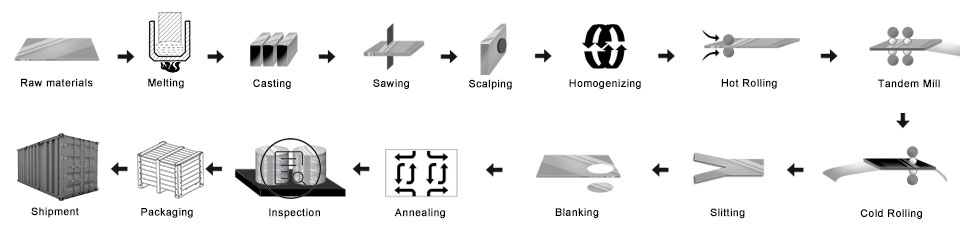
- Andaa aloi kuu
- Tanuru ya kuyeyuka: weka aloi kwenye tanuru ya kuyeyuka
- DCcast ingot ya alumini: Ili kumfanya mama aingie
- Piga ingot ya aluminium: kufanya uso na upande laini
- Tanuru inapokanzwa
- Kiwanda cha kugeuza moto moto: alifanya coil mama
- Baridi rolling kinu: coil mama ilizungushwa kama unene unaotaka kununua
- Mchakato wa kuchomwa: kuwa saizi unayotaka
- Tanuru ya nyongeza: badilisha hasira
- Ukaguzi wa mwisho
- Ufungashaji: kesi ya mbao au godoro la mbao
- Uwasilishaji
Udhibiti wa Ubora
Uhakikisho Chini ukaguzi utafanyika katika uzalishaji.
- a. diski ya alumini—diski ya alumini;
- b. diski ya alumini—diski ya alumini;
- c. Upimaji wa Chembe Magnetic-MT;
- d. kupima kupenya-PT;
- e. kugundua kasoro ya sasa ya eddy-ET
1) Kuwa huru kutoka kwa Madoa ya Mafuta, Kinyesi, Kujumuisha, Mikwaruzo, Doa, Kubadilika rangi kwa oksidi, Mapumziko, Kutu, Alama za Roll, Michirizi ya Uchafu, na kasoro zingine ambazo zitaingilia matumizi.
2) Uso usio na mstari mweusi, safi-kata, doa mara kwa mara, kasoro za uchapishaji wa roller, kama vile viwango vingine vya Udhibiti wa ndani wa gko.
Ufungaji wa diski za alumini:
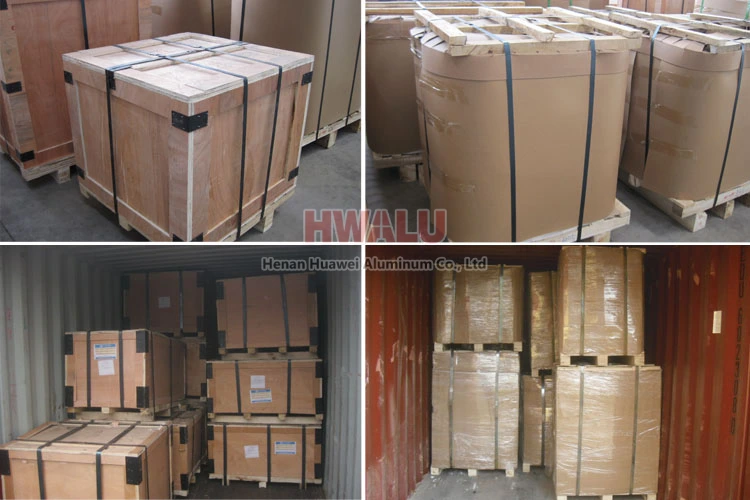
Miduara ya alumini inaweza kujazwa na viwango vya usafirishaji, kufunika na karatasi ya kahawia na filamu ya plastiki. Hatimaye, Mzunguko wa Alumini umewekwa kwenye godoro la mbao / kesi ya mbao.
- Weka vikaushio kwenye mduara wa alumini, kuweka bidhaa kavu na safi.
- Tumia karatasi safi ya plastiki, pakiti mduara wa alumini, weka muhuri mzuri.
- Tumia karatasi ya ngozi ya nyoka, pakiti ya uso wa karatasi ya plastiki, weka muhuri mzuri.
- Inayofuata, kuna njia mbili za ufungaji: Njia moja ni ufungaji wa pallet ya mbao, kwa kutumia karatasi ya ukoko iliyopakia uso; Njia nyingine ni ufungaji wa kesi ya mbao, kwa kutumia kesi ya mbao kufunga uso.
- Hatimaye, diski ya alumini, kuweka sanduku la mbao kwa kasi na salama.
Mduara wa Alumini wa Henan Huawei Aluminium. kufikia kiwango cha kuuza nje. Filamu ya plastiki na karatasi ya kahawia inaweza kufunikwa kwa mahitaji ya wateja. Nini zaidi, kesi ya mbao au pallet ya mbao inachukuliwa kulinda bidhaa kutokana na uharibifu wakati wa kujifungua. Kuna aina mbili za ufungaji, ambazo ni jicho kwa ukuta au jicho kwa anga. Wateja wanaweza kuchagua mmoja wao kwa urahisi wao. Kwa ujumla, kuna 2 tani katika kifurushi kimoja, na kupakia 18-22 tani katika chombo 1 × 20, na 20-24 tani katika chombo 1 × 40 '.
Kwa nini tuchague?
Ili kwenda na wakati, HWALU inaendelea kutambulisha vifaa na mbinu za hali ya juu ili kuboresha ushindani wake. Daima shikamana na falsafa ya biashara ya ubora kama kituo na mteja kwanza, kutoa bidhaa bora zaidi za safu ya duru ya diski ya alumini kwa sehemu zote za ulimwengu. Zaidi …

