Hohe Duktilität 1060 Rundes Aluminiumblech für Tiefziehanwendungen in Schnellkochtöpfen und Dampfgarern
1. Einführung: Entwicklung der Kochgeschirrmaterialien
In den letzten Jahrzehnten, Die Kochgeschirrindustrie hat aufgrund der steigenden Sicherheitsanforderungen der Verbraucher einen erheblichen Wandel durchgemacht, Effizienz, und Haltbarkeit. Traditionelle Kochgeschirrmaterialien, einschließlich Gusseisen, Edelstahl, Und minderwertiges Aluminium, wurden aus mehreren Gründen nach und nach durch höherwertige Aluminiumlegierungen ersetzt:
- Haltbarkeit und Sicherheit: Verbraucher verlangen Kochgeschirr, das dem Kochen bei hohen Temperaturen standhält, ohne sich zu verformen, knacken, oder Auslaugen von Materialien in Lebensmittel.
- Leistungseffizienz: Materialien mit hoher Wärmeleitfähigkeit ermöglichen eine schnellere Erwärmung und eine gleichmäßigere Temperaturverteilung.
- Materielle Nachhaltigkeit: Leicht, Aus Umweltgründen werden wiederverwertbare Materialien zunehmend bevorzugt.
Unter Aluminiumlegierungen, 1060 rundes Aluminiumblech hat sich als erstklassige Wahl für Kochgeschirr herausgestellt, insbesondere bei Anwendungen, die Folgendes erfordern Tiefziehen wie Schnellkochtöpfe und Dampfgarer. Die hervorragende Duktilität der Legierung ermöglicht es Herstellern, komplexe Formen ohne Rissbildung zu formen, Faltenbildung, oder die strukturelle Integrität beeinträchtigen.
Aluminiumbleche bieten außerdem eine verbesserte Korrosionsbeständigkeit, langfristige Haltbarkeit, und Kompatibilität mit Mehrschichtbeschichtungen oder Edelstahlverkleidungen, Damit sind sie ideal für Premium-Kochgeschirr.

2. Materialzusammensetzung und Eigenschaften
2.1 Chemische Zusammensetzung
1060 Aluminium ist eine technisch reine Aluminiumlegierung, mit einem Minimum von 99.6% Aluminium und Spurenelemente einschließlich Eisen (Fe), Silizium (Und), und Kupfer (Cu). Die Zusammensetzung ist für das Tiefziehen und andere Umformverfahren optimiert.
| Element |
Inhalt (%) |
Funktion |
| Aluminium (Al) |
≥ 99.6 |
Grundmaterial, ausgezeichnete Korrosionsbeständigkeit |
| Eisen (Fe) |
≤ 0.35 |
Bietet leichte Stärkung |
| Silizium (Und) |
≤ 0.25 |
Verbessert die Verschleißfestigkeit |
| Kupfer (Cu) |
≤ 0.05 |
Minimale Auswirkung auf die Duktilität |
Hauptvorteile von 1060 Aluminium umfassen:
- Hohe Duktilität – ermöglicht extreme Verformung ohne Rissbildung.
- Korrosionsbeständigkeit – ideal für säurehaltige oder feuchtigkeitsreiche Kochumgebungen.
- Leichtes Design – reduziert das Gesamtgewicht des Produkts bei gleichzeitiger Beibehaltung der Festigkeit.
- Wärmeleitfähigkeit – erleichtert schnelle, sogar kochen.
2.2 Mechanische Eigenschaften
| Eigentum |
Typischer Bereich |
Function in Cookware |
| Zugfestigkeit |
70–125 MPa |
Unterstützt Formgebung und Haltbarkeit |
| Verlängerung |
20–35 % |
Ermöglicht großflächiges Tiefziehen ohne Risse |
| Härte (HV) |
20–35 |
Einfache Bearbeitung und Endbearbeitung |
| Dicke |
0.3–3 mm |
Anpassbar an verschiedene Kochgeschirrdesigns |
Hohe Duktilität, kombiniert mit mäßiger Zugfestigkeit, sorgt dafür, dass das Material den mechanischen Belastungen beim Tiefziehen und Spinnen standhält.

3. Tiefziehanwendungen in Kochgeschirr
3.1 Tiefziehen verstehen
Beim Tiefziehen handelt es sich um einen Blechumformprozess, bei dem ein flaches Blech oder eine runde Platine mithilfe von Stempel und Matrize in eine hohle oder konkave Form gebracht wird. Für Kochgeschirr, Tiefziehen ist für die Formung von Schnellkochtopfschalen unerlässlich, Dampfkörbe, und Topfböden. Zu den wichtigsten Anforderungen gehören::
- Gleichmäßige Dickenverteilung: Sorgt für eine gleichmäßige Wärmeleitung.
- Keine Risse oder Falten: Bewahrt die strukturelle Integrität und das Erscheinungsbild.
- Präzise Formgebung: Ermöglicht die Herstellung komplexer Geometrien mit mehreren Ebenen, Flansche, und Griffe.
Das Tiefziehen erfordert eine sorgfältige Kontrolle der Materialeigenschaften, Schmierung, sterben design, und Umformgeschwindigkeit. Hohe Duktilität 1060 rundes Aluminiumblech zeichnet sich in dieser Anwendung durch seine außergewöhnliche Dehnung und seine gleichmäßigen Fließeigenschaften aus.
3.2 Schnellkochtöpfe
Schnellkochtöpfe müssen einem hohen Innendruck standhalten und gleichzeitig ihre Formstabilität bewahren. Zu den Herausforderungen gehören:
- Mehrstufige Umformung: Um eine gleichmäßige Wandstärke und die richtige Flanschform zu erreichen.
- Sicherheit: Risse oder Ausdünnungen in kritischen Bereichen können zu einem katastrophalen Ausfall führen.
- Oberflächenbeschaffenheit: Sowohl für die Funktionalität als auch für die Ästhetik sind glatte Innen- und Außenflächen erforderlich.
1060 rundes Aluminiumblech ermöglicht:
- Tiefziehen mit minimaler Rissgefahr.
- Mehrstufige Umformung für gleichmäßige Wandstärke.
- Leichte, aber robuste Schalen, geeignet für den privaten und gewerblichen Gebrauch.
3.3 Dampfer
Dampfgarer bestehen oft aus perforierten Körben und gestapelten Schichten. Zu den kritischen Anforderungen gehören::
- Hohe Duktilität: Zur Bildung perforierter Flächen ohne Risse.
- Dimensionsstabilität: Gewährleistet eine ordnungsgemäße Stapelung und Dampfzirkulation.
- Oberflächenglätte: Verhindert das Anhaften von Lebensmitteln und sorgt für Korrosionsbeständigkeit.
1060 Aluminium-Rundbleche ermöglichen eine glatte Oberfläche, faltenfreies Formen und bewahren die strukturelle Integrität langfristig, auch bei wiederholten Heiz- und Kühlzyklen.
3.4 Mehrschichtiges Kochgeschirr
Bei Verbundkochgeschirr wird häufig Aluminium mit Edelstahl verbunden oder mit Antihaftmaterialien beschichtet. Vorteile der Verwendung 1060 Aluminium umfassen:
- Aufrechterhaltung der Duktilität für die Integration mehrerer Materialien.
- Bereitstellung einer reibungslosen, gleichmäßige Oberfläche zur Haftung von Beschichtungen.
- Unterstützung komplexer Geometrien bei gleichzeitiger Beibehaltung hochwertiger Oberflächen.

4. Vergleichende Analyse von Aluminiumlegierungen
| Legierung |
Zugfestigkeit |
Verlängerung |
Tiefzieheignung |
Typische Anwendungen |
| 1060 |
70–125 MPa |
20–35 % |
Exzellent |
Schnellkochtöpfe, Dampfer |
| 3003 |
130–170 MPa |
10–20 % |
Mäßig |
Backbleche, Töpfe |
| 5052 |
190–220 MPa |
8–12 % |
Arm |
Tankauskleidungen, korrosionsbeständige Platten |
| 8011 |
110–150 MPa |
15–25 % |
Mäßig |
Folie, Deckelschaft |
Abschluss: Während Legierungen wie z 3003 Und 5052 sorgen für höhere Festigkeit, ihre geringere Dehnung schränkt die Tiefziehleistung ein. Nur hohe Duktilität 1060 rundes Aluminiumblech vereint hervorragende Formbarkeit mit Korrosionsbeständigkeit, Daher ist es ideal für Kochgeschirr, das tiefgezogen werden muss.
5. Herstellungsprozesse für Kochgeschirr mit hoher Duktilität
5.1 Rollen und Ausblenden
Beim Tiefziehen ist eine gleichmäßige Dicke entscheidend. Hochwertige Walzprozesse sorgen für Materialkonsistenz, Während das Präzisionsschneiden den runden Blechdurchmesser kontrolliert, um Formfehler zu minimieren.
5.2 Tiefziehen und Spinnen
- Mehrstufiges Tiefziehen: Bringt das Blatt nach und nach in die gewünschte Form.
- Spinnen: Passt die Krümmung und Flansche für Schnellkochtopfböden und -deckel an.
- Schmierung: Verhindert Kratzer, Faltenbildung, und Reißen beim Formen.
5.3 Glühen
Durch Zwischenglühen wird die Duktilität wiederhergestellt, die beim Walzen oder beim anfänglichen Ziehen verloren gegangen ist, Reduzierung von Eigenspannungen und Sicherstellung einer fehlerfreien Umformung.
5.4 Oberflächenbehandlung
- Polieren oder Bürsten steigert die Ästhetik.
- Zum Korrosionsschutz oder zur Antihaftfunktion können Beschichtungen oder Eloxierungen angebracht werden.

6. Qualitätskontrolle in der Kochgeschirrproduktion
Die Gewährleistung der Qualität ist für Sicherheit und Leistung von entscheidender Bedeutung. Zu den wichtigsten Verfahren gehören::
- Mechanische Prüfung: Zugfestigkeit prüfen, Verlängerung, und Härte.
- Maßprüfung: Überprüfung der Wandstärke, Flanschausrichtung, und Deckeltoleranzen.
- Oberflächeninspektion: Kratzer erkennen, wrinkles, oder Risse.
- Korrosionsprüfung: Simulation saurer oder salziger Kochumgebungen.
Eine ordnungsgemäße Qualitätskontrolle garantiert eine gleichbleibende Leistung und erfüllt internationale Standards wie ISO 9001 und NSF-Zertifizierung.
7. Fallstudien
7.1 Herstellung von Schnellkochtöpfen
Ein führender Kochgeschirrhersteller wechselte von 3003 Aluminium zu hohe Duktilität 1060 rundes Aluminiumblech zum Tiefziehen von Schalen. Ergebnisse enthalten:
- 40% Reduzierung von Fehlern beim Umformen.
- Gleichmäßige Wandstärke verbesserte Wärmeverteilung.
- Erhöhte Produktlebensdauer und Verbraucherzufriedenheit.
7.2 Herstellung von Dampfgarern
Wechseln zu 1060 Aluminium aktiviert:
- Glatte perforierte Korbformation.
- Reduzierte Materialverschwendung um 25%.
- Hervorragende Korrosionsbeständigkeit bei wiederholten Dampfzyklen.
7.3 Mehrschichtiges Kochgeschirr
Benutzen 1060 Aluminium als Kernschicht für mit Edelstahl verbundenes Kochgeschirr verbessert:
- Haftkonsistenz für mehrschichtige Verklebungen.
- Formen komplexer Formen ohne Risse oder Verformungen.
- Wärmeleitungsleistung über die Kochgeschirrschichten hinweg.

8. Vorteile für Hersteller
- Betriebseffizienz: Weniger Umformschritte, schnellere Produktion.
- Reduzierter Abfall: Geringere Ausschussraten aufgrund hoher Duktilität.
- Kostengünstig: Leichtes Material reduziert die Versandkosten.
- Qualitätssicherung: Konsistent, sicher, und optisch ansprechendes Kochgeschirr.
9. Markttrends und Zukunftsaussichten
- Steigende Verbraucherpräferenz für Leichtgewichte, Hochleistungskochgeschirr.
- Zunehmender Einsatz von wiederverwertbaren Materialien und umweltfreundliche Herstellung.
- Erweiterung zu induktionsfähigem und intelligentem Kochgeschirr, das eine präzise Dimensionskontrolle erfordert.
- Annahme von Kochgeschirr aus Multimaterial-Verbundwerkstoff Hebelwirkung 1060 Aluminium-Rundbleche für den Strukturkern.

10. Nachhaltigkeitsüberlegungen
- Vollständig recycelbares Aluminium reduziert die Umweltbelastung.
- Leichte Platten senken den Energieverbrauch beim Transport.
- Optimiertes Tiefziehen minimiert Materialverschwendung.
- Unterstützt die Einhaltung gesetzlicher Vorschriften für eine umweltfreundliche Fertigung.
11. Abschluss
Hohe Duktilität 1060 rundes Aluminiumblech ist ein lebenswichtiges Material für Schnellkochtöpfe, Dampfer, und anderes tiefgezogenes Kochgeschirr. Seine außergewöhnliche Duktilität, Korrosionsbeständigkeit, Wärmeleitfähigkeit, und leichte Eigenschaften ermöglichen es Herstellern, sicher zu produzieren, dauerhaft, und hochwertiges Kochgeschirr effizient zubereiten.
Durch die Integration dieses Materials in die Produktion, Hersteller können eine überlegene Produktleistung erzielen, kostengünstigen Betrieb, und die Anforderungen des globalen Marktes an Nachhaltigkeit erfüllen, Premium-Kochgeschirr.
Eigenschaften des Aluminiumkreises:
Aluminiumkreis ist für viele Märkte geeignet, inklusive Kochgeschirr, Automobil- und Beleuchtungsindustrie, usw., dank guter Produkteigenschaften:
- Geringe Anisotropie, was das Tiefziehen erleichtert
- Starke mechanische Eigenschaften
- Hohe und homogene Wärmeverteilung
- Emaillierbar, mit PTFE überzogen (oder andere), eloxiert
- Gutes Reflexionsvermögen
- Hohes Verhältnis von Festigkeit zu Gewicht
- Haltbarkeit und Korrosionsbeständigkeit
Aluminiumkreisprozess
Barren/Vorlegierungen — Schmelzofen – Warmhalteofen — D.C. Zauberer — Platte —- Scalper — Warmwalzwerk – Kaltwalzwerk – Stanzen – Glühofen — Endkontrolle – Verpackung — Lieferung
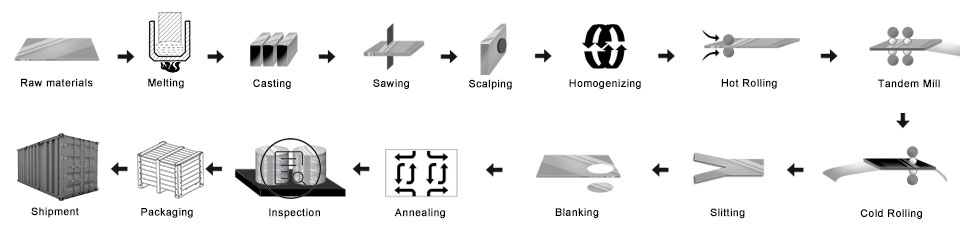
- Bereiten Sie die Vorlegierungen vor
- Schmelzofen: Geben Sie die Legierungen in den Schmelzofen
- Gleichstromguss-Aluminiumbarren: Um den Mutterbarren herzustellen
- Fräsen Sie den Aluminiumbarren: um die Oberfläche und die Seite glatt zu machen
- Heizofen
- Warmwalzwerk: machte die Mutterspule
- Kaltwalzwerk: Die Mutterspule wurde in der Dicke gewalzt, die Sie kaufen möchten
- Stanzvorgang: Werden Sie zu der Größe, die Sie wollen
- Glühofen: die Stimmung ändern
- Endkontrolle
- Verpackung: Holzkiste oder Holzpalette
- Lieferung
Qualitätskontrolle
Sicherheit Die nachstehende Prüfung wird in der Produktion durchgeführt.
- A. Strahlenerkennung—RT;
- B. Ultraschallprüfung—UT;
- C. Magnetpulverprüfung-MT;
- D. Penetrationstests-PT;
- e. Wirbelstrom-Fehlererkennung-ET
1) Seien Sie frei von Ölflecken, Delle, Aufnahme, Kratzer, Fleck, Oxidverfärbung, Pausen, Korrosion, Rollspuren, Schmutzstreifen, und andere Mängel, die die Nutzung beeinträchtigen.
2) Oberfläche ohne schwarze Linie, sauber geschnitten, periodischer Fleck, Mängel beim Walzendruck, wie andere GKO-interne Kontrollstandards.
Verpackung mit Aluminiumscheiben:
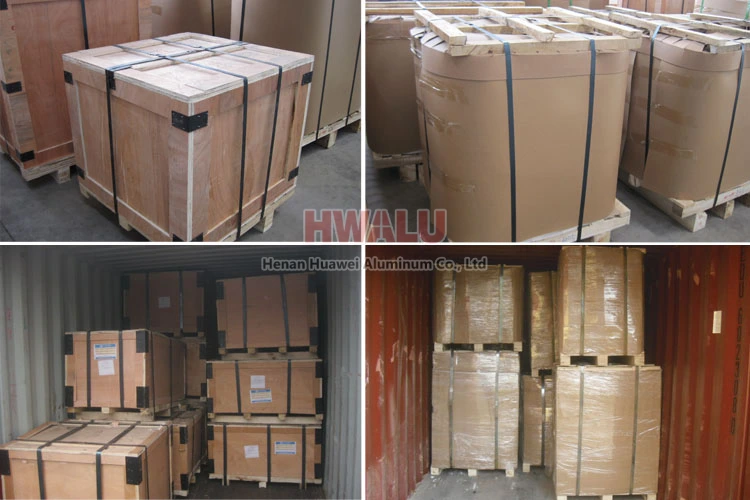
Aluminiumkreise können nach Exportstandards verpackt werden, Mit braunem Papier und Plastikfolie abdecken. Endlich, Das Aluminium Round wird auf einer Holzpalette/Holzkiste befestigt.
- Stellen Sie die Trockner neben den Aluminiumkreis, Halten Sie die Produkte trocken und sauber.
- Verwenden Sie sauberes Plastikpapier, Packen Sie den Aluminiumkreis ein, Halten Sie eine gute Abdichtung.
- Verwenden Sie das Schlangenlederpapier, Packen Sie die Oberfläche des Plastikpapiers ein, Halten Sie eine gute Abdichtung.
- Nächste, Es gibt zwei Arten der Verpackung: Eine Möglichkeit ist die Verpackung auf Holzpaletten, Verwenden Sie das krustige Papier, um die Oberfläche zu verpacken; Eine andere Möglichkeit ist die Verpackung in Holzkisten, Verwenden Sie die Holzkiste, um die Oberfläche zu verpacken.
- Endlich, Legen Sie das Stahlband auf die Oberfläche der Holzkiste, Halten Sie die Holzkiste fest und sicher.
Aluminiumkreis aus Henan Huawei Aluminium. den Exportstandard erfüllen. Kunststofffolie und braunes Papier können je nach Kundenwunsch abgedeckt werden. Was mehr ist, Zum Schutz der Produkte vor Beschädigungen während der Lieferung wird eine Holzkiste oder eine Holzpalette verwendet. Es gibt zwei Arten von Verpackungen, die Auge zur Wand oder Auge zum Himmel sind. Kunden können aus Bequemlichkeit zwischen beiden Optionen wählen. Allgemein gesprochen, es gibt 2 Tonnen in einem Paket, und laden 18-22 Tonnen im 1×20′-Container, Und 20-24 Tonnen im 1×40′-Container.
Warum sollten Sie sich für uns entscheiden??
Um mit der Zeit zu gehen, HWALU führt weiterhin modernste Ausrüstung und Technik ein, um seine Wettbewerbsfähigkeit zu verbessern. Halten Sie sich stets an die Geschäftsphilosophie, dass Qualität im Mittelpunkt steht und der Kunde an erster Stelle steht, um die Produkte der Aluminium-Disc-Circle-Serie in höchster Qualität in alle Teile der Welt zu liefern. Mehr …

