การลบคมแผ่นอลูมิเนียมและการตัดขอบ: เทคนิคการป้องกันรอยขีดข่วนบนพื้นผิว
1. การแนะนำ
แผ่นอะลูมิเนียมมีการใช้กันอย่างแพร่หลายในอุตสาหกรรมตั้งแต่เครื่องครัว, อิเล็กทรอนิกส์, ส่วนประกอบยานยนต์, และบรรจุภัณฑ์. ในระหว่างกระบวนการผลิต เช่น การปั๊ม, การตัด, หรือการวาดภาพแบบลึก, ทำให้เกิดครีบและขอบที่หยาบกร้านอย่างหลีกเลี่ยงไม่ได้. ครีบอาจทำให้การประกอบเสียหายได้, ส่งผลต่อประสิทธิภาพทางกล, และทำให้เกิดการบาดเจ็บ. การตัดขอบเป็นสิ่งจำเป็นเพื่อให้ได้มิติที่แม่นยำ.
อย่างไรก็ตาม, การขัดและตัดแต่งที่ไม่เหมาะสมอาจทำให้เกิดรอยขีดข่วนบนพื้นผิวแผ่นดิสก์ได้, ลดคุณภาพผลิตภัณฑ์และเพิ่มอัตราการปฏิเสธ. ดังนั้น, การเพิ่มประสิทธิภาพ การลบคมแผ่นอลูมิเนียมและการตัดขอบ กระบวนการเป็นสิ่งจำเป็นสำหรับการรับประกันพื้นผิวที่เรียบโดยไม่กระทบต่อความทนทานต่อขนาดหรือความสมบูรณ์ของวัสดุ.
บทความนี้จะสำรวจข้อควรพิจารณาด้านโลหะวิทยา, วิธีการลบคมแบบกลและไม่ใช้กล, เทคนิคการตรวจสอบ, และแนวปฏิบัติที่ดีที่สุดในการป้องกันรอยขีดข่วนบนพื้นผิวระหว่างการตกแต่งแผ่นอะลูมิเนียม. หลักการทางวิศวกรรม, กรณีศึกษา, และมีคำแนะนำเชิงปฏิบัติเพื่อเป็นแนวทางให้กับวิศวกรการผลิตและผู้ออกแบบกระบวนการ.
2. คุณสมบัติของวัสดุของแผ่นอะลูมิเนียมที่เกี่ยวข้องกับการลบคม
คุณสมบัติทางกายภาพและทางกลของอลูมิเนียมอัลลอยด์ส่งผลกระทบอย่างมีนัยสำคัญต่อวิธีการลบคมและการตัดขอบโดยไม่ทำให้เกิดรอยขีดข่วนบนพื้นผิว. อลูมิเนียมอัลลอยด์ทั่วไปสำหรับแผ่นดิสก์ ได้แก่ 1050, 1060, 3003, และเกรดความแข็งแรงสูงพิเศษ.
2.1 ความแข็งพื้นผิวและความไวต่อรอยขีดข่วน
| อัลลอย |
ความแข็งของบริเนล (HB) |
แรงดึง (MPa) |
ความเหนียว (%) |
ความไวต่อการขีดข่วน |
| 1050 |
35–45 |
90–110 |
35–40 |
สูง |
| 1060 |
35–50 |
95–120 |
30–38 |
สูง |
| 3003 |
50–65 |
145–170 |
25–30 |
ปานกลาง |
| 5052 |
60–70 |
210–230 |
15–20 |
ปานกลาง-ต่ำ |
โลหะผสมที่มีความเหนียวสูงกว่าเช่น 1050 และ 1060 มีแนวโน้มที่จะเกิดรอยขีดข่วนบนพื้นผิวระหว่างการสัมผัสทางกล, ต้องเลือกวิธีการลบคมและเครื่องมืออย่างระมัดระวัง.
2.2 ข้อควรพิจารณาการตกแต่งพื้นผิว
แผ่นอะลูมิเนียมมักผ่านการขัดเงาล่วงหน้าหรือการรีดเพื่อให้ได้พื้นผิวที่สม่ำเสมอ. ความหยาบของพื้นผิวหรือรอยขีดข่วนเล็กๆ ที่มีอยู่แล้วสามารถทำให้รุนแรงขึ้นได้ในระหว่างการตัดขอบ. ดังนั้น, การประเมินความหยาบผิวเริ่มต้น (รา) และสภาพการเคลือบเป็นสิ่งสำคัญ.
3. ข้อกำหนดด้านการสร้างเสี้ยนและคุณภาพขอบ
3.1 กลไกการเกิดเสี้ยน
ครีบเป็นส่วนยื่นเล็กๆ ที่เกิดขึ้นที่คมตัดระหว่างการตัดเฉือน. กลไกทั่วไปได้แก่:
- การตัด: เกิดขึ้นระหว่างการเว้นวรรค, การตอก, หรือการตัด
- การเปลี่ยนรูปพลาสติก: วัสดุขอบโค้งงอแทนที่จะใช้กรรไกรอย่างหมดจด
- การสึกหรอของเครื่องมือ: แม่พิมพ์หรือใบมีดที่สึกหรอทำให้เกิดครีบที่ไม่สม่ำเสมอ
- อัตราป้อนสูง: การตัดอย่างรวดเร็วจะเพิ่มความหยาบของคมตัด
3.2 ตัวชี้วัดคุณภาพ Edge
คุณภาพของขอบตัดจะวัดโดย:
- ความสูงและความคมของเสี้ยน
- ความตรงของขอบ
- ความหยาบผิว (รา) ใกล้ขอบ
- ไม่มีรอยขีดข่วนขนาดเล็กและเครื่องหมายเครื่องมือ

4. เทคนิคการลบคมทางกล
4.1 ไม้ลอย (การตกแต่งบาร์เรล)
- แผ่นอะลูมิเนียมวางอยู่ในถังหมุนที่มีสารกัดกร่อน.
- ข้อดี: เหมาะสำหรับการประมวลผลเป็นชุด; ทำให้ขอบเรียบสม่ำเสมอ.
- เสี่ยง: วัสดุที่มีฤทธิ์กัดกร่อนแข็งสามารถขีดข่วนพื้นผิวที่บอบบางได้หากไม่ได้รับการควบคุม.
4.2 การตกแต่งแบบสั่นสะเทือน
- ใช้การสั่นสะเทือนเพื่อเคลื่อนย้ายแผ่นดิสก์ด้วยสื่อที่มีฤทธิ์กัดกร่อน.
- ข้อดี: ควบคุมความเข้มข้นในการตกแต่งได้อย่างแม่นยำ.
- แนวปฏิบัติที่ดีที่สุด: เลือกสื่ออ่อนและรักษาความกว้างของการสั่นสะเทือนให้ต่ำเพื่อป้องกันรอยขีดข่วน.
4.3 การแปรงฟัน
- แปรงลวดหรือแปรงไนลอนช่วยขจัดเสี้ยนที่ขอบ.
- แปรงขนนุ่มที่มี RPM ที่เหมาะสมป้องกันความเสียหายที่พื้นผิว.
- ตารางพารามิเตอร์ที่แนะนำ:
| เส้นผ่านศูนย์กลางแผ่นดิสก์ (มม) |
ประเภทแปรง |
รอบต่อนาที |
ความดันการติดต่อ (เอ็น) |
| 50–100 |
ไนลอน |
800–1200 |
2–5 |
| 101–150 |
ลวดอ่อน |
600–1,000 |
5–8 |
| >150 |
การผสมผสาน |
500–800 |
6–10 |
5. เทคนิคการตัดแต่งขอบ
5.1 การตัดซีเอ็นซี
- การตัดที่ควบคุมด้วยคอมพิวเตอร์ช่วยให้สามารถตัดขอบได้อย่างแม่นยำ.
- ใช้เครื่องมือตัดที่มีความคมและตัดเกินให้น้อยที่สุดเพื่อหลีกเลี่ยงการขูดขีด.
5.2 การตัดด้วยเลเซอร์
- วิธีการแบบไม่สัมผัส; ช่วยลดการสัมผัสทางกลกับพื้นผิว.
- ข้อดี: ไม่มีรอยขีดข่วน, การควบคุมมิติที่แม่นยำ.
- ข้อจำกัด: ค่าอุปกรณ์เบื้องต้น, พื้นผิวอะลูมิเนียมสะท้อนแสงอาจต้องใช้การตั้งค่าเลเซอร์แบบพิเศษ.
5.3 การตัดเฉือนทางกล
- ดำเนินการด้วยแม่พิมพ์หรือใบมีดที่มีความแม่นยำ.
- พารามิเตอร์ที่สำคัญ: การกวาดล้างใบมีด, ความเร็วในการตัด, การหล่อลื่น.
- ตารางระยะห่างของใบมีดที่แนะนำ:
| อัลลอย |
ความหนาของแผ่นดิสก์ (มม) |
การกวาดล้างใบมีด (มม) |
| 1050 |
0.5–1.0 |
0.05–0.08 |
| 1060 |
0.5–1.2 |
0.06–0.09 |
| 3003 |
0.8–1.5 |
0.08–0.12 |
6. ปัจจัยป้องกันความเสียหายพื้นผิว
6.1 การเลือกเครื่องมือและการจัดตำแหน่ง
- ใช้ของมีคม, เครื่องมือตัดคุณภาพสูง.
- การจัดตำแหน่งที่เหมาะสมช่วยลดการเลื่อนหรือการขูดหน้าสัมผัส.
- การเคลือบเครื่องมือ (ดีบุก, เนื้อหาดาวน์โหลด) ลดแรงเสียดทาน.
6.2 ชั้นหล่อลื่นและป้องกัน
- สารหล่อลื่นที่ละลายน้ำได้หรือเป็นน้ำมันช่วยลดแรงเสียดทาน.
- ฟิล์มป้องกันชั่วคราวบนพื้นผิวแผ่นดิสก์ป้องกันรอยขีดข่วนขนาดเล็ก.
6.3 การเพิ่มประสิทธิภาพกระบวนการ
- ปรับอัตราการป้อน, รอบต่อนาที, แอมพลิจูดการสั่นสะเทือน, และเวลาอยู่อาศัย.
- หลีกเลี่ยงแรงกดมากเกินไประหว่างการแปรงฟันหรือการกลิ้งไปมา.
7. การควบคุมและตรวจสอบคุณภาพ
7.1 การตรวจสอบด้วยสายตา
- แสงที่มีความเข้มสูงและกำลังขยายจะตรวจจับรอยขีดข่วนหรือรอยขรุขระที่มองเห็นได้.
7.2 โปรไฟล์
- วัดความหยาบของพื้นผิวและความสม่ำเสมอของขอบ.
- ตรวจสอบให้แน่ใจว่ากระบวนการลบคมไม่เกินค่า Ra ที่อนุญาต.
7.3 มาตรฐานการยอมรับ
| คุณสมบัติ |
ข้อบกพร่องที่อนุญาตสูงสุด |
| รอยขีดข่วนบนพื้นผิว |
รา > 0.5 μm ใกล้ขอบ |
| ขอบเสี้ยน |
<0.1 ความสูงมม |
| ความตรงของขอบ |
ส่วนเบี่ยงเบน ≤0.05 มม. ขึ้นไป 50 มม |
8. กรณีศึกษา
8.1 เครื่องครัว แผ่นอลูมิเนียม
- อัลลอย: 1050
- การขัดสี: การตกแต่งแบบสั่นสะเทือนด้วยสื่อไนลอน
- ตัดแต่งขอบ: เครื่องตัดซีเอ็นซี
- ผลลัพธ์: ขอบไร้เสี้ยน, ไม่มีรอยขีดข่วนบนพื้นผิว, ผลผลิตสูง (>98%)
8.2 แผ่นชิ้นส่วนยานยนต์
- อัลลอย: 3003
- การขัดสี: กลิ้งไปมาด้วยสื่อเซรามิกเนื้อนุ่ม
- ตัดแต่งขอบ: การตัดแต่งด้วยเลเซอร์
- ผลลัพธ์: คงความแม่นยำของมิติไว้, ขจัดความเสียหายที่พื้นผิว
9. เทคนิคขั้นสูง
9.1 การลบคมแบบไม่สัมผัส
- การกำจัดเสี้ยนด้วยแอร์เจ็ทหรือเลเซอร์
- เหมาะสำหรับพื้นผิวที่มีการสะท้อนแสงสูงหรือพื้นผิวที่บอบบาง
9.2 ฟิล์มป้องกันระหว่างการประมวลผล
- ฟิล์มกาวหรือลอกออกได้ช่วยป้องกันการสัมผัสโดยตรงกับสารกัดกร่อน
- มีประโยชน์อย่างยิ่งสำหรับพื้นผิวที่มีความมันวาวสูง
9.3 ระบบอัตโนมัติและการตรวจสอบ
- การจัดการด้วยหุ่นยนต์ด้วยแขนจำกัดแรงบิดช่วยลดข้อผิดพลาดด้วยตนเอง
- เซ็นเซอร์อินไลน์ตรวจจับความสูงของเสี้ยนและรอยขีดข่วนแบบเรียลไทม์
10. คำแนะนำและแนวปฏิบัติที่ดีที่สุด
- เลือกวิธีการลบคมที่เหมาะสมที่สุด ขึ้นอยู่กับโลหะผสม, ความหนา, และการประยุกต์ใช้
- พารามิเตอร์เครื่องมือควบคุม: รอบต่อนาที, อัตราการป้อน, การกวาดล้าง, ความดันสัมผัส
- ใช้สารหล่อลื่นหรือฟิล์มป้องกัน บนพื้นผิวที่สำคัญ
- ดำเนินการตรวจสอบอย่างเป็นระบบ เพื่อตรวจจับรอยขีดข่วนและเสี้ยน
- ผู้ประกอบการรถไฟ ในการจัดการอย่างระมัดระวังและความสม่ำเสมอของกระบวนการ
- เอกสาร SOP เพื่อการทำซ้ำ, การผลิตคุณภาพสูง
11. แนวโน้มในอนาคต
- การตรวจสอบพื้นผิวด้วย AI เพื่อตรวจจับรอยขีดข่วนขนาดเล็กโดยอัตโนมัติ
- วัสดุขัดที่เป็นมิตรกับสิ่งแวดล้อม เพื่อลดผลกระทบต่อสิ่งแวดล้อม
- การขัดลบคมด้วยเครื่องกลด้วยเลเซอร์แบบไฮบริด ผสมผสานความเร็วเข้ากับความแม่นยำ
- การบำรุงรักษาเชิงคาดการณ์ ของเครื่องมือตัดเพื่อป้องกันรอยขีดข่วน

12. บทสรุป
ป้องกันรอยขีดข่วนในระหว่าง แผ่นอลูมิเนียม การขัดและการตัดขอบ เป็นสิ่งสำคัญสำหรับการผลิตคุณภาพสูง. กลยุทธ์สำคัญได้แก่:
- การเลือกวิธีการและเครื่องมือลบคมที่เหมาะสม
- การควบคุมพารามิเตอร์กระบวนการ (ความเร็ว, ความดัน, อัตราการป้อน)
- การใช้สารเคลือบหรือฟิล์มป้องกัน
- ดำเนินการตรวจสอบคุณภาพอย่างเข้มงวด
โดยบูรณาการแนวปฏิบัติเหล่านี้, ผู้ผลิตสามารถบรรลุผลไร้เสี้ยนได้, แผ่นอะลูมิเนียมไร้รอยขีดข่วนเหมาะสำหรับเครื่องครัว, ยานยนต์, อิเล็กทรอนิกส์, และการใช้งานที่มีความแม่นยำสูงอื่นๆ.
บทความนี้ใช้คำหลักโดยธรรมชาติ “การลบคมแผ่นอลูมิเนียมและการตัดขอบ” ตลอดและจัดให้มี กรอบทางเทคนิคที่ครอบคลุม เหมาะสำหรับการจัดทำดัชนีของ Google, การอ้างอิงระดับมืออาชีพ, และการตีพิมพ์.
ถ้าคุณต้องการ, ฉันสามารถ ขยายความเรื่องนี้เพิ่มเติมด้วย:
- ตารางพารามิเตอร์โดยละเอียดสำหรับโลหะผสมและความหนาหลายแบบ
- แรงดึง, ความแข็ง, และแผนภูมิความต้านทานการขีดข่วน
- สถิติการผลิตในโลกแห่งความเป็นจริง
- ไดอะแกรมโฟลว์สำหรับกระบวนการลบคมและตัดแต่ง
คุณสมบัติของวงกลมอะลูมิเนียม:
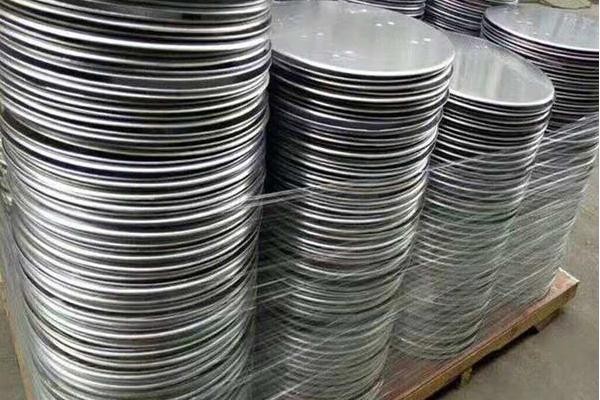
วงอลูมิเนียมเหมาะกับหลายตลาด, รวมทั้งเครื่องครัวด้วย, อุตสาหกรรมยานยนต์และแสงสว่าง, ฯลฯ, เนื่องจากมีลักษณะผลิตภัณฑ์ที่ดี:
- แอนไอโซโทรปีต่ำ, ซึ่งเอื้อต่อการวาดลึก
- คุณสมบัติทางกลที่แข็งแกร่ง
- การแพร่กระจายความร้อนสูงและเป็นเนื้อเดียวกัน
- ความสามารถในการเคลือบฟัน, หุ้มด้วย PTFE (หรือคนอื่นๆ), อโนไดซ์
- สะท้อนแสงได้ดี
- อัตราส่วนความแข็งแรงต่อน้ำหนักสูง
- ความทนทานและทนต่อการกัดกร่อน
กระบวนการวงกลมอลูมิเนียม
โลหะผสม Ingot/Master — เตาหลอม – เตาหลอม — ดี.ซี. ลูกล้อ — แผ่นคอนกรีต —- สเกลเปอร์ — โรงงานรีดร้อน - โรงงานรีดเย็น - เจาะ - เตาหลอม — การตรวจสอบขั้นสุดท้าย – การบรรจุ — จัดส่ง
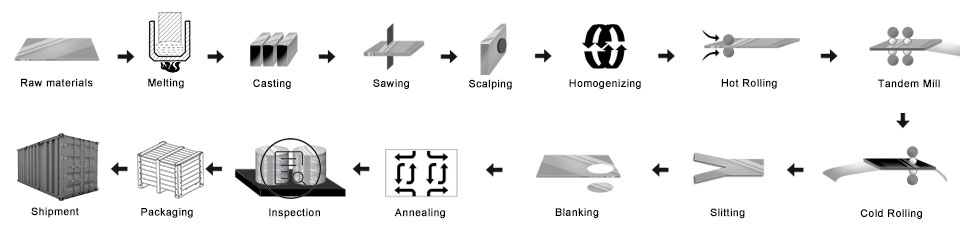
- เตรียมมาสเตอร์อัลลอยด์
- เตาหลอม: ใส่โลหะผสมเข้าไปในเตาหลอม
- อะลูมิเนียมหล่อ ดี.ซี: เพื่อให้แม่ลิ่ม
- บดแท่งอลูมิเนียม: เพื่อให้พื้นผิวและด้านข้างเรียบเนียน
- เตาทำความร้อน
- โรงงานรีดร้อน: ทำแม่คอยล์
- โรงงานรีดเย็น: แม่คอยล์ถูกรีดตามความหนาที่ต้องการซื้อ
- กระบวนการเจาะ: ให้ได้ขนาดตามที่คุณต้องการ
- เตาหลอม: เปลี่ยนอารมณ์
- การตรวจสอบขั้นสุดท้าย
- การบรรจุ: กล่องไม้หรือพาเลทไม้
- จัดส่ง
การควบคุมคุณภาพ
การประกัน การตรวจสอบด้านล่างจะดำเนินการในการผลิต.
- ก. การตรวจจับรังสี—RT;
- ข. การทดสอบอัลตราโซนิก—ยูทาห์;
- ค. การทดสอบอนุภาคแม่เหล็ก-MT;
- ง. การทดสอบการเจาะ-PT;
- จ. การตรวจจับข้อบกพร่องกระแสวน-ET
1) ปราศจากคราบน้ำมัน, บุ๋ม, การรวม, รอยขีดข่วน, คราบ, การเปลี่ยนสีออกไซด์, พัก, การกัดกร่อน, โรลมาร์ก, คราบสกปรก, และข้อบกพร่องอื่นๆ ที่อาจรบกวนการใช้งาน.
2) พื้นผิวไม่มีเส้นสีดำ, ตัดสะอาด, คราบเป็นระยะ, ข้อบกพร่องในการพิมพ์ลูกกลิ้ง, เช่น มาตรฐานการควบคุมภายในของ gko อื่นๆ.
บรรจุแผ่นอลูมิเนียม:
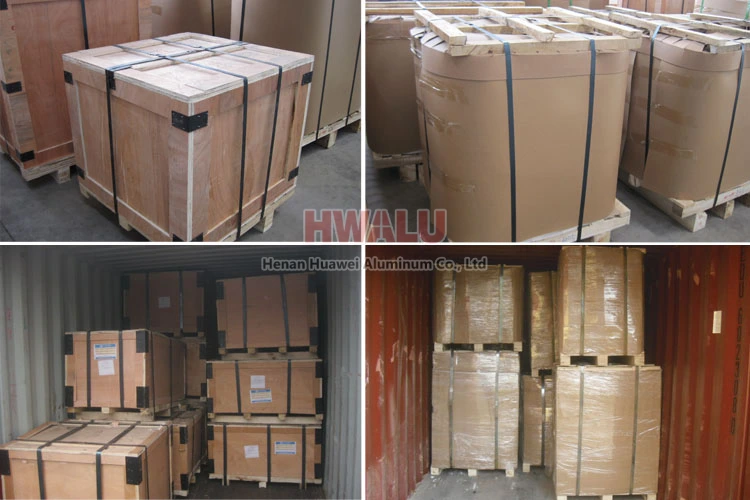
สามารถบรรจุวงกลมอลูมิเนียมได้ตามมาตรฐานส่งออก, หุ้มด้วยกระดาษสีน้ำตาลและฟิล์มพลาสติก. ในที่สุด, อลูมิเนียมกลมได้รับการแก้ไขบนพาเลทไม้/กล่องไม้.
- วางเครื่องอบผ้าไว้ข้างวงกลมอลูมิเนียม, เก็บผลิตภัณฑ์ให้แห้งและสะอาด.
- ใช้กระดาษพลาสติกที่สะอาด, แพ็ควงกลมอลูมิเนียม, ปิดผนึกอย่างดี.
- ใช้กระดาษหนังงู, แพ็คพื้นผิวของกระดาษพลาสติก, ปิดผนึกอย่างดี.
- ต่อไป, มีสองวิธีในการบรรจุ: วิธีหนึ่งคือบรรจุภัณฑ์จากพาเลทไม้, โดยใช้กระดาษที่มีเปลือกแข็งห่อหุ้มพื้นผิว; อีกวิธีหนึ่งคือบรรจุภัณฑ์กล่องไม้, โดยใช้ลังไม้บรรจุพื้นผิว.
- ในที่สุด, วางสายพานเหล็กไว้บนพื้นผิวกล่องไม้, ทำให้กล่องไม้มีความคงทนและปลอดภัย.
วงกลมอลูมิเนียมของ Henan Huawei Aluminium. ตรงตามมาตรฐานการส่งออก. สามารถหุ้มฟิล์มพลาสติกและกระดาษสีน้ำตาลได้ตามความต้องการของลูกค้า. มีอะไรเพิ่มเติม, มีการใช้กล่องไม้หรือพาเลทไม้เพื่อปกป้องผลิตภัณฑ์จากความเสียหายระหว่างการจัดส่ง. บรรจุภัณฑ์มีสองประเภท, ซึ่งเป็นแบบตาต่อผนังหรือตาฟ้า. ลูกค้าสามารถเลือกอย่างใดอย่างหนึ่งเพื่อความสะดวก. พูดโดยทั่วไป, มี 2 ตันในแพ็คเกจเดียว, และกำลังโหลด 18-22 ตันในภาชนะขนาด 1×20′, และ 20-24 ตันในภาชนะขนาด 1×40′.
ทำไมถึงเลือกพวกเรา?
เพื่อที่จะก้าวไปพร้อมกับกาลเวลา, HWALU นำเสนออุปกรณ์และเทคนิคที่ทันสมัยอยู่เสมอเพื่อปรับปรุงขีดความสามารถในการแข่งขัน. ยึดมั่นในปรัชญาการดำเนินธุรกิจที่มีคุณภาพเป็นศูนย์กลางและลูกค้ามาก่อนเสมอ, เพื่อจัดหาผลิตภัณฑ์ซีรีส์แผ่นดิสก์วงกลมอะลูมิเนียมคุณภาพสูงสุดให้กับทุกส่วนของโลก. มากกว่า …

