एल्यूमिनियम डिस्क डिबुरिंग और एज ट्रिमिंग: सतह पर खरोंचों को रोकने की तकनीकें
1. परिचय
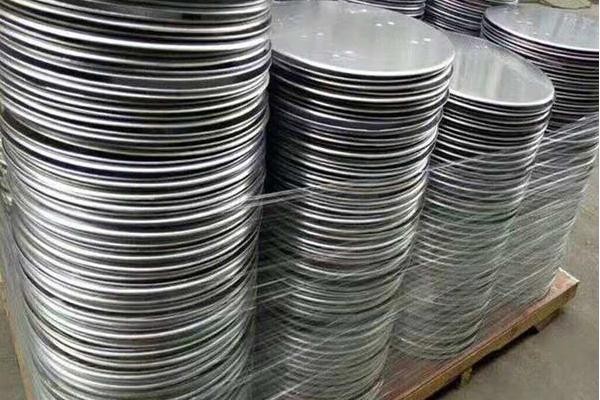
एल्युमीनियम डिस्क का उपयोग कुकवेयर से लेकर उद्योगों में व्यापक रूप से किया जाता है, इलेक्ट्रानिक्स, मोटर वाहन घटक, और पैकेजिंग. स्टैम्पिंग जैसी विनिर्माण प्रक्रियाओं के दौरान, काट रहा है, या गहरी ड्राइंग, गड़गड़ाहट और खुरदरे किनारे अनिवार्य रूप से उत्पन्न होते हैं. गड़गड़ाहट असेंबली से समझौता कर सकती है, यांत्रिक प्रदर्शन को प्रभावित करें, और चोट पहुँचाते हैं. आयामी सटीकता प्राप्त करने के लिए एज ट्रिमिंग आवश्यक है.
हालाँकि, अनुचित डिबरिंग और ट्रिमिंग से डिस्क की सतह पर खरोंचें आ सकती हैं, उत्पाद की गुणवत्ता कम करना और अस्वीकृति दर बढ़ाना. इसलिए, अनुकूलन एल्यूमीनियम डिस्क डिबुरिंग और एज ट्रिमिंग आयामी सहिष्णुता या सामग्री अखंडता से समझौता किए बिना चिकनी सतहों को सुनिश्चित करने के लिए प्रक्रियाएं आवश्यक हैं.
यह लेख धातु संबंधी विचारों की पड़ताल करता है, यांत्रिक और गैर-यांत्रिक डिबुरिंग विधियाँ, निरीक्षण तकनीक, और एल्यूमीनियम डिस्क फिनिशिंग के दौरान सतह खरोंच को रोकने के लिए सर्वोत्तम अभ्यास. इंजीनियरिंग सिद्धांत, मामले का अध्ययन, और विनिर्माण इंजीनियरों और प्रक्रिया डिजाइनरों का मार्गदर्शन करने के लिए व्यावहारिक सिफारिशें प्रदान की जाती हैं.
2. डिबुरिंग के लिए प्रासंगिक एल्यूमिनियम डिस्क के भौतिक गुण
एल्यूमीनियम मिश्र धातुओं के भौतिक और यांत्रिक गुण महत्वपूर्ण रूप से प्रभावित करते हैं कि सतह पर खरोंच पैदा किए बिना डिबरिंग और एज ट्रिमिंग ऑपरेशन कैसे किए जाते हैं. डिस्क के लिए सामान्य एल्यूमीनियम मिश्र धातु में शामिल हैं 1050, 1060, 3003, और विशेष उच्च-शक्ति ग्रेड.
2.1 सतह की कठोरता और खरोंच संवेदनशीलता
| मिश्र धातु |
बैगन कठोरता (मॉडिफ़ाइड अमेरिकन प्लान) |
तन्यता ताकत (एमपीए) |
लचीलापन (%) |
खरोंच संवेदनशीलता |
| 1050 |
35-45 |
90-110 |
35-40 |
उच्च |
| 1060 |
35-50 |
95-120 |
30-38 |
उच्च |
| 3003 |
50-65 |
145-170 |
25-30 |
मध्यम |
| 5052 |
60-70 |
210-230 |
15-20 |
कम मध्यम |
उच्च लचीलापन मिश्र धातु पसंद है 1050 तथा 1060 यांत्रिक संपर्क के दौरान सतह पर खरोंच लगने की संभावना अधिक होती है, डिबुरिंग विधियों और टूलींग के सावधानीपूर्वक चयन की आवश्यकता है.
2.2 भूतल समाप्ति संबंधी विचार
समान सतह फिनिश प्राप्त करने के लिए एल्यूमीनियम डिस्क को अक्सर पूर्व-पॉलिशिंग या रोलिंग से गुजरना पड़ता है. किनारे की ट्रिमिंग के दौरान किसी भी पहले से मौजूद सतह खुरदरापन या सूक्ष्म खरोंच को बढ़ाया जा सकता है. इसलिए, प्रारंभिक सतह खुरदरापन का आकलन करना (आरए) और कोटिंग की स्थिति गंभीर है.
3. गड़गड़ाहट गठन और किनारे की गुणवत्ता आवश्यकताएँ
3.1 गड़गड़ाहट गठन तंत्र
बर्र मशीनिंग के दौरान कटे हुए किनारों पर बने छोटे उभार होते हैं. सामान्य तंत्रों में शामिल हैं:
- कर्तन: ब्लैंकिंग के दौरान होता है, मुद्रांकन, या काटना
- प्लास्टिक विकृत करना: किनारे की सामग्री साफ-सुथरी कतरनी के बजाय झुकती है
- उपकरण पहनना: घिसे हुए डाई या ब्लेड अनियमित गड़गड़ाहट पैदा करते हैं
- उच्च फ़ीड दरें: तेजी से काटने से किनारे का खुरदरापन बढ़ जाता है
3.2 एज क्वालिटी मेट्रिक्स
काटे गए किनारों की गुणवत्ता किसके द्वारा मापी जाती है?:
- गड़गड़ाहट की ऊंचाई और तीखापन
- किनारा सीधापन
- सतह का खुरदरापन (आरए) किनारे के पास
- सूक्ष्म खरोंचों और औजारों के निशानों का अभाव

4. यांत्रिक डिबुरिंग तकनीकें
4.1 टंबलिंग (बैरल फिनिशिंग)
- एल्यूमीनियम डिस्क को अपघर्षक पदार्थों के साथ घूमने वाले बैरल में रखा जाता है.
- लाभ: बैच प्रोसेसिंग के लिए उपयुक्त; किनारों को समान रूप से चिकना करता है.
- जोखिम: यदि नियंत्रित न किया जाए तो कठोर अपघर्षक मीडिया नाजुक सतहों को खरोंच सकता है.
4.2 कम्पायमान फिनिशिंग
- अपघर्षक मीडिया के साथ डिस्क को स्थानांतरित करने के लिए कंपन का उपयोग करता है.
- लाभ: परिष्करण की तीव्रता पर सटीक नियंत्रण.
- सर्वश्रेष्ठ प्रणालियां: खरोंच को रोकने के लिए नरम मीडिया का चयन करें और कम कंपन आयाम बनाए रखें.
4.3 ब्रश करना
- तार या नायलॉन ब्रश किनारों पर गड़गड़ाहट हटाते हैं.
- उचित आरपीएम वाले नरम ब्रश सतह की क्षति को रोकते हैं.
- अनुशंसित मापदंडों की तालिका:
| डिस्क व्यास (मिमी) |
ब्रश का प्रकार |
आरपीएम |
संपर्क दबाव (एन) |
| 50-100 |
नायलॉन |
800-1200 |
2-5 |
| 101-150 |
मुलायम तार |
600-1000 |
5-8 |
| >150 |
संयोजन |
500-800 |
6-10 |
5. एज ट्रिमिंग तकनीक
5.1 सीएनसी काटना
- कंप्यूटर-नियंत्रित कटिंग सटीक किनारे ट्रिमिंग की अनुमति देती है.
- स्क्रैपिंग से बचने के लिए कम से कम ओवरकट और तेज काटने वाले उपकरणों का उपयोग करें.
5.2 लेजर ट्रिमिंग
- गैर-संपर्क विधि; सतह के साथ यांत्रिक संपर्क को समाप्त करता है.
- लाभ: कोई खरोंच नहीं, सटीक आयाम नियंत्रण.
- सीमाएँ: प्रारंभिक उपकरण लागत, परावर्तक एल्यूमीनियम सतहों को विशेष लेजर सेटिंग्स की आवश्यकता हो सकती है.
5.3 यांत्रिक कतरनी
- परिशुद्ध डाई या ब्लेड के साथ प्रदर्शन किया गया.
- महत्वपूर्ण पैरामीटर: ब्लेड क्लीयरेंस, काटने की गति, स्नेहन.
- अनुशंसित ब्लेड क्लीयरेंस की तालिका:
| मिश्र धातु |
डिस्क की मोटाई (मिमी) |
ब्लेड क्लीयरेंस (मिमी) |
| 1050 |
0.5-1.0 |
0.05–0.08 |
| 1060 |
0.5–1.2 |
0.06–0.09 |
| 3003 |
0.8–1.5 |
0.08–0.12 |
6. सतही क्षति को रोकने वाले कारक
6.1 उपकरण चयन और संरेखण
- तेज़ का प्रयोग करें, उच्च गुणवत्ता वाले काटने के उपकरण.
- उचित संरेखण संपर्क के फिसलने या स्क्रैपिंग को कम करता है.
- उपकरण कोटिंग्स (टिन, डीएलसी) घर्षण कम करें.
6.2 स्नेहन और सुरक्षात्मक परतें
- पानी में घुलनशील या तेल आधारित स्नेहक घर्षण को कम करते हैं.
- डिस्क सतहों पर अस्थायी सुरक्षात्मक फिल्में सूक्ष्म खरोंचों को रोकती हैं.
6.3 प्रक्रिया अनुकूलन
- फ़ीड दरें समायोजित करें, आरपीएम, कंपन आयाम, और रहने का समय.
- ब्रश करने या टम्बलिंग के दौरान अत्यधिक दबाव से बचें.
7. गुणवत्ता नियंत्रण और निरीक्षण
7.1 दृश्य निरीक्षण
- उच्च तीव्रता वाली रोशनी और आवर्धन दृश्य खरोंच या सूक्ष्म गड़गड़ाहट का पता लगाता है.
7.2 प्रोफाइलोमेट्री
- सतह की खुरदरापन और किनारे की एकरूपता को मापता है.
- यह सुनिश्चित करता है कि डिबगिंग प्रक्रिया स्वीकार्य रा मूल्यों से अधिक न हो.
7.3 स्वीकृति मानक
| विशेषता |
अधिकतम स्वीकार्य दोष |
| सतह पर खरोंच |
आरए > 0.5 μm किनारे के पास |
| किनारे की गड़गड़ाहट |
<0.1 मिमी ऊंचाई |
| किनारा सीधापन |
विचलन ≤0.05 मिमी से अधिक 50 मिमी |
8. मामले का अध्ययन
8.1 कुकवेयर एल्यूमिनियम डिस्क
- मिश्र धातु: 1050
- deburring: नायलॉन मीडिया के साथ कंपन परिष्करण
- किनारे की छंटाई: सीएनसी कतरनी
- परिणाम: गड़गड़ाहट रहित किनारे, कोई सतह खरोंच नहीं, उच्च उपज (>98%)
8.2 ऑटोमोटिव कंपोनेंट डिस्क
- मिश्र धातु: 3003
- deburring: नरम सिरेमिक मीडिया के साथ टंबलिंग
- किनारे की छंटाई: लेजर ट्रिमिंग
- परिणाम: आयामी सटीकता बनाए रखी, सतह की क्षति को समाप्त किया
9. उन्नत तकनीकें
9.1 गैर-संपर्क डिबुरिंग
- एयर-जेट या लेजर-आधारित गड़गड़ाहट हटाना
- अत्यधिक परावर्तक या नाजुक सतहों के लिए उपयुक्त
9.2 प्रसंस्करण के दौरान सुरक्षात्मक फिल्म
- चिपकने वाली या छीलने योग्य फिल्में अपघर्षक पदार्थों के साथ सीधे संपर्क को रोकती हैं
- उच्च चमक वाली सतहों के लिए विशेष रूप से उपयोगी
9.3 स्वचालन और निगरानी
- टॉर्क-सीमित हथियारों के साथ रोबोटिक हैंडलिंग से मैन्युअल त्रुटि कम हो जाती है
- इन-लाइन सेंसर वास्तविक समय में गड़गड़ाहट की ऊंचाई और खरोंच का पता लगाते हैं
10. सिफ़ारिशें और सर्वोत्तम प्रथाएँ
- इष्टतम डिबुरिंग विधि का चयन करें मिश्र धातु पर आधारित, मोटाई, और आवेदन
- नियंत्रण उपकरण पैरामीटर: आरपीएम, फीड दर, निकासी, संपर्क दबाव
- सुरक्षात्मक स्नेहक या फिल्म का प्रयोग करें महत्वपूर्ण सतहों पर
- व्यवस्थित निरीक्षण लागू करें खरोंच और गड़गड़ाहट का पता लगाने के लिए
- ट्रेन संचालक सावधानीपूर्वक संचालन और प्रक्रिया में निरंतरता पर
- दस्तावेज़ एसओपी दोहराने योग्य के लिए, उच्च गुणवत्ता वाला उत्पादन
11. भविष्य के रुझान
- एआई-आधारित सतह निरीक्षण सूक्ष्म खरोंचों का स्वचालित रूप से पता लगाने के लिए
- पर्यावरण-अनुकूल अपघर्षक मीडिया पर्यावरणीय प्रभाव को कम करने के लिए
- हाइब्रिड लेजर-मैकेनिकल डिबुरिंग सटीकता के साथ गति का संयोजन
- पूर्वानुमानित रखरखाव खरोंच को रोकने के लिए काटने के उपकरण

12. निष्कर्ष
के दौरान खरोंच को रोकना एल्यूमीनियम डिस्क डिबुरिंग और एज ट्रिमिंग उच्च गुणवत्ता वाले विनिर्माण के लिए महत्वपूर्ण है. प्रमुख रणनीतियों में शामिल हैं:
- उपयुक्त डिबुरिंग विधि और उपकरण का चयन करना
- प्रक्रिया मापदंडों को नियंत्रित करना (रफ़्तार, दबाव, फीड दर)
- सुरक्षात्मक कोटिंग्स या फिल्मों का उपयोग करना
- कठोर गुणवत्ता निरीक्षण लागू करना
इन प्रथाओं को एकीकृत करके, निर्माता गड़गड़ाहट-मुक्तता प्राप्त कर सकते हैं, कुकवेयर के लिए उपयुक्त स्क्रैच-मुक्त एल्यूमीनियम डिस्क, मोटर वाहन, इलेक्ट्रानिक्स, और अन्य उच्च परिशुद्धता अनुप्रयोग.
यह लेख स्वाभाविक रूप से कीवर्ड का उपयोग करता है "एल्यूमीनियम डिस्क डिबरिंग और एज ट्रिमिंग" भर में और एक प्रदान करता है व्यापक तकनीकी ढांचा Google अनुक्रमण के लिए उपयुक्त, पेशेवर संदर्भ, और प्रकाशन.
अगर आप चाहते हैं, मैं कर सकता हूँ के साथ इसे और विस्तारित करें:
- एकाधिक मिश्रधातुओं और मोटाई के लिए मापदंडों की विस्तृत तालिकाएँ
- लचीला, कठोरता, और खरोंच-प्रतिरोध चार्ट
- वास्तविक दुनिया के उत्पादन आँकड़े
- डिबुरिंग और ट्रिमिंग वर्कफ़्लो के लिए प्रवाह आरेख
एल्यूमीनियम सर्कल के गुण:
एल्यूमिनियम सर्कल कई बाजारों के लिए उपयुक्त है, कुकवेयर सहित, मोटर वाहन और प्रकाश उद्योग, आदि।, अच्छे उत्पाद विशेषताओं के लिए धन्यवाद:
- कम अनिसोट्रॉपी, जो गहरी ड्राइंग की सुविधा प्रदान करता है
- मजबूत यांत्रिक गुण
- उच्च और सजातीय गर्मी प्रसार
- तामचीनी होने की क्षमता, PTFE द्वारा कवर किया गया (या अन्य), एनोड किए गए
- अच्छा परावर्तन
- उच्च शक्ति-से-वजन अनुपात
- जंग के लिए स्थायित्व और प्रतिरोध
एल्यूमिनियम सर्किल प्रक्रिया
पिंड/मास्टर मिश्र — मेल्टिंग फर्नेस - होल्डिंग फर्नेस — डी.सी.. कास्टर — पत्थर की पटिया —- स्कैल्पर — हॉट रोलिंग मिल - कोल्ड रोलिंग मिल - पंचिंग - एनीलिंग फर्नेस — अंतिम निरीक्षण - पैकिंग — वितरण
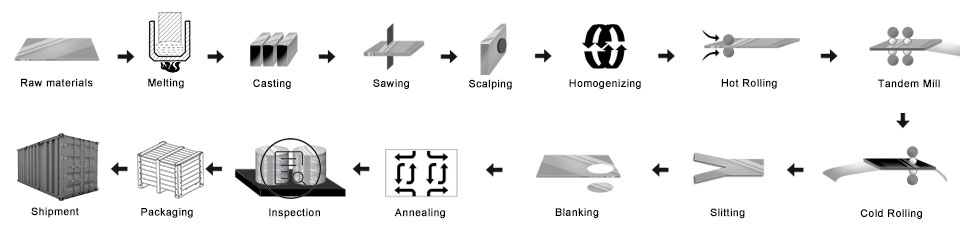
- मास्टर मिश्र तैयार करें
- पिघलती भट्टी: मिश्र धातुओं को पिघलने वाली भट्टी में डालें
- डीसी कास्ट एल्यूमीनियम पिंड: माँ को पिंड बनाने के लिए
- एल्यूमीनियम पिंड मिल: सतह और साइड को चिकना बनाने के लिए
- ताप भट्टी
- हॉट रोलिंग मिल: माँ का तार बनाया
- कोल्ड रोलिंग मिल: मदर कॉइल को उस मोटाई के रूप में रोल किया गया था जिसे आप खरीदना चाहते हैं
- छिद्रण प्रक्रिया: आप जो चाहते हैं उसका आकार बनें
- एनीलिंग भट्टी: मिजाज बदलो
- अंतिम निरीक्षण
- पैकिंग: लकड़ी के मामले या लकड़ी के फूस
- वितरण
गुणवत्ता नियंत्रण
आश्वासन नीचे निरीक्षण उत्पादन में किया जाएगा.
- ए. किरण का पता लगाना—आर टी;
- बी. अल्ट्रासोनिक परीक्षण—केन्द्र शासित प्रदेशों;
- सी. चुंबकीय कण परीक्षण-एमटी;
- डी. पैठ परीक्षण-पीटी;
- इ. एड़ी वर्तमान दोष का पता लगाने-ET
1) तेल के दाग से मुक्त रहें, काटने का निशान, समावेश, स्क्रैच, धब्बा, ऑक्साइड मलिनकिरण, ब्रेक, जंग, रोल मार्क्स, गंदगी की धारियाँ, और अन्य दोष जो उपयोग में हस्तक्षेप करेंगे.
2) काली रेखा के बिना सतह, तेज़ बाहर की रेखाओंवालअ, आवधिक दाग, रोलर मुद्रण दोष, जैसे अन्य gko आंतरिक नियंत्रण मानक.
एल्यूमिनियम डिस्क पैकिंग:
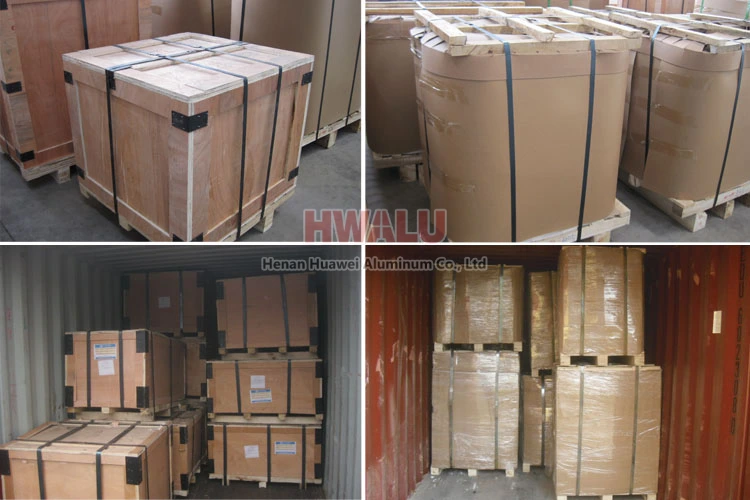
एल्यूमिनियम सर्किल निर्यात मानकों द्वारा पैक किया जा सकता है, भूरे रंग के कागज और प्लास्टिक की फिल्म के साथ कवर करना. आखिरकार, एल्यूमिनियम दौर लकड़ी के फूस / लकड़ी के मामले पर तय किया गया है.
- एल्युमिनियम सर्कल के ऊपर ड्रायर्स लगा दें, उत्पादों को सूखा और साफ रखें.
- स्वच्छ प्लास्टिक पेपर का प्रयोग करें, एल्यूमीनियम सर्कल पैक करें, सीलिंग अच्छी रखें.
- सांप की खाल के कागज का प्रयोग करें, प्लास्टिक पेपर की सतह को पैक करें, सीलिंग अच्छी रखें.
- अगला, पैकेजिंग के दो तरीके हैं: लकड़ी के फूस की पैकेजिंग का एक तरीका है, सतह को पैक करने वाले क्रस्टी पेपर का उपयोग करना; दूसरा तरीका लकड़ी के मामले की पैकेजिंग है, सतह को पैक करने वाले लकड़ी के मामले का उपयोग करना.
- आखिरकार, लकड़ी के बक्से की सतह पर स्टील की बेल्ट बिछाएं, लकड़ी के बक्से को तेज और सुरक्षित रखना.
हेनान हुआवेई एल्यूमिनियम का एल्यूमिनियम सर्कल. निर्यात मानक को पूरा करें. प्लास्टिक की फिल्म और भूरे रंग के कागज को ग्राहकों की जरूरतों पर कवर किया जा सकता है. इससे ज्यादा और क्या, डिलीवरी के दौरान उत्पादों को नुकसान से बचाने के लिए लकड़ी के मामले या लकड़ी के फूस को अपनाया जाता है. पैकेजिंग दो प्रकार की होती है, जो आंख से दीवार या आंख से आसमान की ओर हैं. ग्राहक अपनी सुविधा के लिए इनमें से किसी एक को चुन सकते हैं. आम तौर पर बोलना, वहां 2 एक पैकेज में टन, और लोड हो रहा है 18-22 1×20′ कंटेनर में टन, तथा 20-24 1×40′ कंटेनर में टन.
हमारा चयन क्यों?
समय के साथ चलने के लिए, HWALU अपनी प्रतिस्पर्धात्मकता में सुधार के लिए अत्याधुनिक उपकरण और तकनीक पेश करता रहता है. हमेशा केंद्र और ग्राहक के रूप में गुणवत्ता के व्यापार दर्शन का पालन करें, दुनिया के सभी हिस्सों में उच्चतम गुणवत्ता वाले एल्यूमीनियम डिस्क सर्कल श्रृंखला उत्पाद प्रदान करने के लिए. अधिक …