Aluminium schijf ontbramen en randen trimmen: Technieken om oppervlaktekrassen te voorkomen
1. Invoering
Aluminiumschijven worden veel gebruikt in industrieën variërend van kookgerei, elektronica, auto-onderdelen, en verpakking. Tijdens productieprocessen zoals stempelen, snijden, of dieptrekken, Bramen en ruwe randen ontstaan onvermijdelijk. Bramen kunnen de montage in gevaar brengen, mechanische prestaties beïnvloeden, en verwondingen veroorzaken. Randafwerking is noodzakelijk om maatnauwkeurigheid te bereiken.
Echter, Door onjuist ontbramen en trimmen kunnen er krassen op het schijfoppervlak ontstaan, het verlagen van de productkwaliteit en het verhogen van het afwijzingspercentage. Daarom, optimaliseren ontbramen van aluminium schijven en bijsnijden van randen processen zijn essentieel voor het garanderen van gladde oppervlakken zonder de maattolerantie of materiaalintegriteit in gevaar te brengen.
Dit artikel onderzoekt de metallurgische overwegingen, mechanische en niet-mechanische ontbraammethoden, inspectie technieken, en best practices voor het voorkomen van krassen op het oppervlak tijdens het afwerken van aluminium schijven. Technische principes, casestudies, en er worden praktische aanbevelingen gegeven om productie-ingenieurs en procesontwerpers te begeleiden.
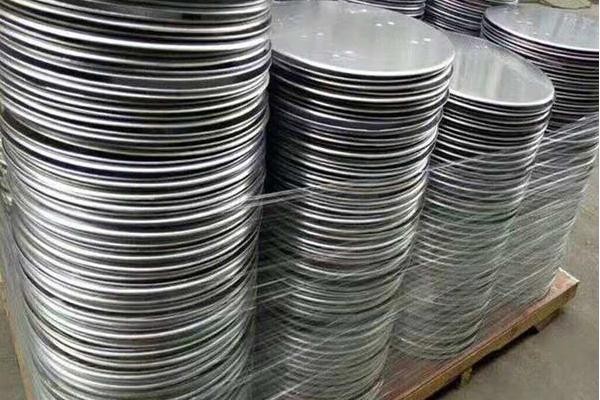
2. Materiaaleigenschappen van aluminium schijven die relevant zijn voor ontbramen
De fysieke en mechanische eigenschappen van aluminiumlegeringen hebben een aanzienlijke invloed op de manier waarop ontbraam- en randbewerkingen worden uitgevoerd zonder krassen op het oppervlak te veroorzaken. Veel voorkomende aluminiumlegeringen voor schijven zijn onder meer 1050, 1060, 3003, en speciale kwaliteiten met hoge sterkte.
2.1 Oppervlaktehardheid en krasgevoeligheid
| Legering |
Brinell-hardheid (HB) |
Treksterkte (MPa) |
Ductiliteit (%) |
Krasgevoeligheid |
| 1050 |
35–45 |
90–110 |
35–40 |
Hoog |
| 1060 |
35–50 |
95–120 |
30–38 |
Hoog |
| 3003 |
50–65 |
145–170 |
25–30 |
Medium |
| 5052 |
60–70 |
210–230 |
15–20 |
Gemiddeld-laag |
Legeringen met een hogere ductiliteit zoals 1050 En 1060 zijn gevoeliger voor krassen op het oppervlak tijdens mechanisch contact, waarvoor een zorgvuldige selectie van ontbraammethoden en gereedschappen vereist is.
2.2 Overwegingen bij oppervlakteafwerking
Aluminium schijven worden vaak vooraf gepolijst of gewalst om een uniforme oppervlakteafwerking te verkrijgen. Eventuele reeds bestaande oppervlakteruwheid of microkrassen kunnen tijdens het trimmen van de randen verergeren. Daarom, het beoordelen van de initiële oppervlakteruwheid (Ra) en de toestand van de coating is van cruciaal belang.
3. Braamvorming en randkwaliteitseisen
3.1 Mechanismen voor braamvorming
Bramen zijn kleine uitsteeksels die tijdens de bewerking aan de snijranden worden gevormd. Gemeenschappelijke mechanismen omvatten:
- Scheren: Treedt op tijdens het onderdrukken, stempelen, of snijden
- Plastische vervorming: Randmateriaal buigt in plaats van netjes af te knippen
- Gereedschapsslijtage: Versleten stempels of messen veroorzaken onregelmatige bramen
- Hoge voedingssnelheden: Snel snijden verhoogt de randruwheid
3.2 Randkwaliteitsstatistieken
De kwaliteit van de bijgesneden randen wordt gemeten door:
- Braamhoogte en scherpte
- Rand rechtheid
- Oppervlakteruwheid (Ra) vlakbij de rand
- Afwezigheid van microkrassen en gereedschapsporen

4. Mechanische ontbraamtechnieken
4.1 Tuimelen (Vat afwerking)
- Aluminium schijven worden in roterende tonnen met schuurmiddelen geplaatst.
- Voordelen: Geschikt voor batchverwerking; maakt de randen gelijkmatig glad.
- Risico: Harde schuurmiddelen kunnen krassen veroorzaken op delicate oppervlakken als ze niet worden gecontroleerd.
4.2 Trillende afwerking
- Maakt gebruik van trillingen om schijven met schurende media te verplaatsen.
- Voordelen: Nauwkeurige controle over de afwerkingsintensiteit.
- Beste praktijk: Selecteer zachte media en zorg voor een lage trillingsamplitude om krassen te voorkomen.
4.3 Poetsen
- Draad- of nylonborstels verwijderen bramen aan de randen.
- Zachte borstels met het juiste toerental voorkomen schade aan het oppervlak.
- Tabel met aanbevolen parameters:
| Schijfdiameter (mm) |
Penseeltype |
toerental |
Contactdruk (N) |
| 50–100 |
Nylon |
800–1200 |
2–5 |
| 101–150 |
Zachte draad |
600–1000 |
5–8 |
| >150 |
Combinatie |
500–800 |
6–10 |
5. Technieken voor het trimmen van randen
5.1 CNC-snijden
- Computergestuurd snijden maakt nauwkeurig trimmen van de randen mogelijk.
- Gebruik minimale overcut- en scherpe snijgereedschappen om schrapen te voorkomen.
5.2 Lasertrimmen
- Contactloze methode; elimineert mechanisch contact met het oppervlak.
- Voordelen: Geen krassen, nauwkeurige maatvoering.
- Beperkingen: Initiële uitrustingskosten, reflecterende aluminium oppervlakken vereisen mogelijk gespecialiseerde laserinstellingen.
5.3 Mechanisch knippen
- Uitgevoerd met precisiematrijzen of messen.
- Kritieke parameters: Messpeling, snijsnelheid, smering.
- Tabel met aanbevolen bladspeling:
| Legering |
Schijfdikte (mm) |
Bladspeling (mm) |
| 1050 |
0.5–1,0 |
0.05–0,08 |
| 1060 |
0.5–1,2 |
0.06–0,09 |
| 3003 |
0.8–1,5 |
0.08–0,12 |
6. Factoren die oppervlakteschade voorkomen
6.1 Gereedschapsselectie en uitlijning
- Gebruik scherp, hoogwaardige snijgereedschappen.
- Een juiste uitlijning vermindert glijdend of schrapend contact.
- Gereedschapscoatings (Tin, DLC) wrijving minimaliseren.
6.2 Smering en beschermende lagen
- In water oplosbare of op olie gebaseerde smeermiddelen verminderen wrijving.
- Tijdelijke beschermfilms op schijfoppervlakken voorkomen microkrassen.
6.3 Procesoptimalisatie
- Pas de voedingssnelheden aan, toerental, trillingsamplitude, en verblijftijden.
- Vermijd overmatige druk tijdens het borstelen of tuimelen.
7. Kwaliteitscontrole en inspectie
7.1 Visuele inspectie
- Verlichting en vergroting met hoge intensiteit detecteren zichtbare krassen of microbramen.
7.2 Profilometrie
- Meet oppervlakteruwheid en randuniformiteit.
- Zorgt ervoor dat het ontbraamproces de toegestane Ra-waarden niet overschrijdt.
7.3 Acceptatienormen
| Functie |
Maximaal toelaatbaar defect |
| Oppervlakte kras |
Ra > 0.5 μm nabij de rand |
| Rand braam |
<0.1 mm hoogte |
| Rand rechtheid |
Afwijking ≤0,05 mm groter 50 mm |
8. Casestudies
8.1 Kookgerei aluminium schijven
- Legering: 1050
- Ontbramen: Trilafwerking met nylon media
- Randafwerking: CNC-knippen
- Resultaat: Braamvrije randen, geen oppervlaktekrassen, hoge opbrengst (>98%)
8.2 Auto-componentschijven
- Legering: 3003
- Ontbramen: Tuimelen met zachte keramische media
- Randafwerking: Lasertrimmen
- Resultaat: Behoud van maatnauwkeurigheid, oppervlakteschade geëlimineerd
9. Geavanceerde technieken
9.1 Contactloos ontbramen
- Luchtstraal- of lasergebaseerde braamverwijdering
- Geschikt voor sterk reflecterende of delicate oppervlakken
9.2 Beschermfolie tijdens verwerking
- Zelfklevende of afpelbare films voorkomen direct contact met schuurmiddelen
- Vooral nuttig voor hoogglansoppervlakken
9.3 Automatisering en monitoring
- Robotische bediening met koppelbeperkte armen vermindert handmatige fouten
- In-line sensoren detecteren braamhoogte en krassen in realtime
10. Aanbevelingen en beste praktijken
- Selecteer de optimale ontbraammethode op basis van legering, dikte, en toepassing
- Parameters van controlegereedschap: toerental, voedingssnelheid, klaring, contact druk
- Gebruik beschermende smeermiddelen of films op kritische oppervlakken
- Implementeer systematische inspectie om krassen en bramen te detecteren
- Treinexploitanten op zorgvuldige omgang en procesconsistentie
- Documenteer SOP's voor herhaalbaar, hoogwaardige productie
11. Toekomstige trends
- Op AI gebaseerde oppervlakte-inspectie om microkrassen automatisch te detecteren
- Milieuvriendelijke schuurmiddelen om de impact op het milieu te verminderen
- Hybride lasermechanisch ontbramen combineert snelheid met precisie
- Voorspellend onderhoud van snijgereedschappen om krassen te voorkomen

12. Conclusie
Voorkomen van krassen tijdens aluminium schijf ontbramen en randen trimmen is van cruciaal belang voor een hoogwaardige productie. Belangrijke strategieën omvatten:
- Het kiezen van de juiste ontbraammethode en gereedschap
- Procesparameters controleren (snelheid, druk, voedingssnelheid)
- Gebruik van beschermende coatings of films
- Het implementeren van strenge kwaliteitscontroles
Door deze praktijken te integreren, fabrikanten kunnen braamvrij bereiken, krasvrije aluminium schijven geschikt voor kookgerei, automotive, elektronica, en andere uiterst nauwkeurige toepassingen.
Dit artikel gebruikt uiteraard het trefwoord “aluminium schijf ontbramen en randen trimmen” overal en biedt een alomvattend technisch raamwerk geschikt voor Google-indexering, professionele referentie, en publicatie.
Als je wilt, Ik kan het breid dit verder uit met:
- Gedetailleerde parametersabellen voor meerdere legeringen en diktes
- Treksterkte, hardheid, en krasbestendigheidstabellen
- Real-world productiestatistieken
- Stroomdiagrammen voor de workflow voor ontbramen en trimmen
Eigenschappen van de aluminium cirkel:
Aluminium cirkel is geschikt voor vele markten, inclusief kookgerei, auto- en verlichtingsindustrie, enz., dankzij goede producteigenschappen:
- Lage anisotropie, wat het dieptrekken vergemakkelijkt
- Sterke mechanische eigenschappen
- Hoge en homogene warmteverspreiding
- Mogelijkheid om te emailleren, bedekt met PTFE (of anderen), geanodiseerd
- Goede reflectiviteit
- Hoge sterkte-gewichtsverhouding
- Duurzaamheid en weerstand tegen corrosie
Aluminium cirkels proces
Ingots/Master-legeringen — Smeltoven – Houdoven — DC. Caster — Plaat —- Scalper — Warmwalserij – Koudwalserij – Ponsen – Gloeioven — Eindinspectie – verpakking — Levering
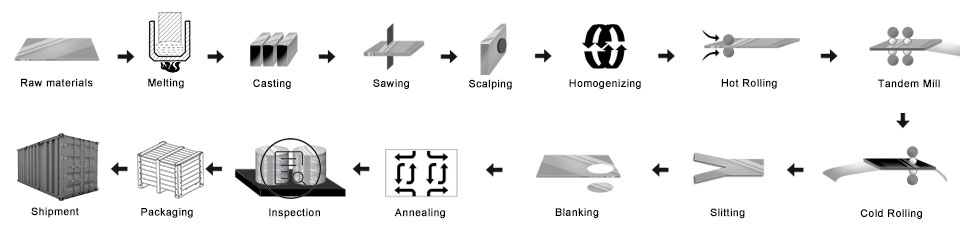
- Bereid de masterlegeringen voor
- Smeltoven: plaats de legeringen in de smeltoven
- D.C. gegoten aluminium staaf: Om de moederbaar te maken
- Frees de aluminium staaf: om het oppervlak en de zijkant glad te maken
- Verwarming oven
- Warmwalserij: de moederspoel gemaakt
- Koudewalserij: de moederspoel werd gerold in de dikte die u wilt kopen
- Ponsen proces: word de maat die je wilt
- Gloeioven: verander het humeur
- Eind inspectie
- Inpakken: houten kist of houten pallet
- Levering
Kwaliteitscontrole
Zekerheid Onderstaande inspectie zal tijdens de productie worden uitgevoerd.
- A. straal detectie—RT;
- B. ultrasoon testen—UT;
- C. Magnetische deeltjestesten-MT;
- D. penetratietesten-PT;
- e. wervelstroomfoutdetectie-ET
1) Wees vrij van olievlekken, Deuk, Inclusie, Krassen, Vlek, Oxideverkleuring, Pauzes, Corrosie, Rolmarkeringen, Vuil strepen, en andere gebreken die het gebruik hinderen.
2) Oppervlak zonder zwarte lijn, zuiver gesneden, periodieke vlek, defecten bij het afdrukken van rollen, zoals andere interne controlenormen van de gko.
Aluminium schijven verpakking:
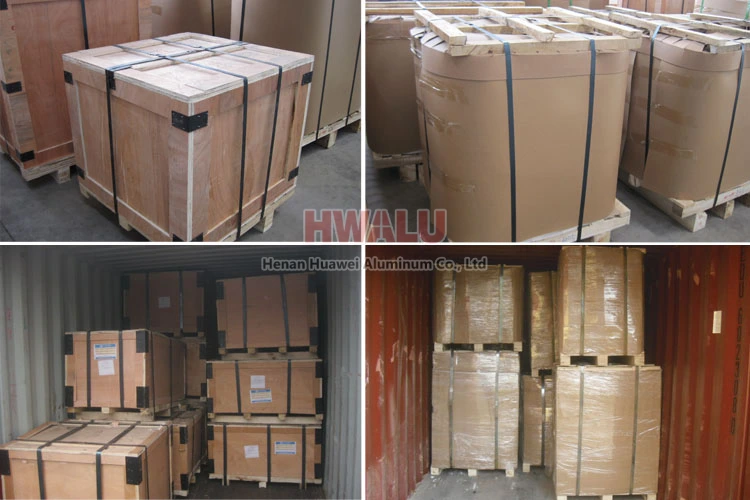
Aluminiumcirkels kunnen volgens exportnormen worden verpakt, bedekken met bruin papier en plastic folie. Eindelijk, de Aluminium Round wordt op een houten pallet/houten kist bevestigd.
- Plaats de drogers naast de aluminium cirkel, houd de producten droog en schoon.
- Gebruik schoon plastic papier, pak de aluminium cirkel in, goede afdichting behouden.
- Gebruik het slangenleerpapier, pak het oppervlak van het plastic papier in, goede afdichting behouden.
- Volgende, Er zijn twee manieren van verpakken: Eén manier is het verpakken van houten pallets, gebruik het knapperige papier dat het oppervlak bedekt; Een andere manier is het verpakken van houten kistjes, met behulp van de houten kist die het oppervlak inpakt.
- Eindelijk, leg de stalen riem op het oppervlak van de houten kist, het houden van de houten kistvastheid en veiligheid.
Aluminium cirkel van Henan Huawei Aluminium. voldoen aan de exportnorm. Plastic folie en bruin papier kunnen naar wens van de klant worden afgedekt. Bovendien, Er wordt een houten kist of houten pallet gebruikt om producten tijdens de levering tegen schade te beschermen. Er zijn twee soorten verpakkingen, die oog in oog staan met de muur of oog naar de lucht. Klanten kunnen voor hun gemak een van beide kiezen. In het algemeen, er zijn 2 ton in één pakket, en laden 18-22 ton in 1×20′ container, En 20-24 ton in 1×40′ container.
Waarom voor ons kiezen?
Om met de tijd mee te gaan, HWALU blijft de modernste apparatuur en techniek introduceren om zijn concurrentiepositie te verbeteren. Houd u altijd eerst aan de bedrijfsfilosofie van kwaliteit als centrum en klant, om producten uit de aluminium schijfcirkelserie van de hoogste kwaliteit aan alle delen van de wereld te leveren. Meer …

