Rebarbação de disco de alumínio e corte de bordas: Técnicas para prevenir arranhões superficiais
1. Introdução
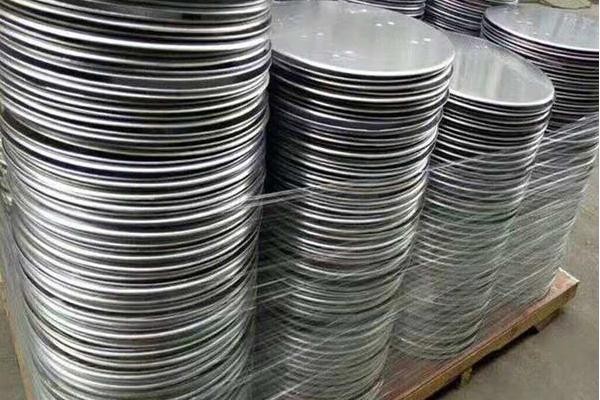
Os discos de alumínio são amplamente utilizados em indústrias que vão desde utensílios de cozinha, eletrônica, componentes automotivos, e embalagem. Durante processos de fabricação, como estampagem, corte, ou desenho profundo, rebarbas e arestas são inevitavelmente geradas. Rebarbas podem comprometer a montagem, afetar o desempenho mecânico, e causar ferimentos. O corte de bordas é necessário para obter precisão dimensional.
No entanto, rebarbação e corte inadequados podem causar arranhões na superfície do disco, reduzindo a qualidade do produto e aumentando as taxas de rejeição. Portanto, otimizando rebarbação de disco de alumínio e corte de bordas processos é essencial para garantir superfícies lisas sem comprometer a tolerância dimensional ou a integridade do material.
Este artigo explora as considerações metalúrgicas, métodos de rebarbação mecânicos e não mecânicos, técnicas de inspeção, e melhores práticas para evitar arranhões superficiais durante o acabamento de discos de alumínio. Princípios de engenharia, estudos de caso, e recomendações práticas são fornecidas para orientar engenheiros de produção e projetistas de processos.
2. Propriedades materiais de discos de alumínio relevantes para rebarbação
As propriedades físicas e mecânicas das ligas de alumínio afetam significativamente a forma como as operações de rebarbação e corte de bordas são realizadas sem causar riscos superficiais. Ligas de alumínio comuns para discos incluem 1050, 1060, 3003, e classes especiais de alta resistência.
2.1 Dureza superficial e sensibilidade a arranhões
| Liga |
Dureza Brinell (HB) |
Resistência à tracção (MPa) |
Ductilidade (%) |
Sensibilidade a arranhões |
| 1050 |
35–45 |
90–110 |
35–40 |
Alto |
| 1060 |
35–50 |
95–120 |
30–38 |
Alto |
| 3003 |
50–65 |
145–170 |
25–30 |
Médio |
| 5052 |
60–70 |
210–230 |
15–20 |
Médio-Baixo |
Ligas de maior ductilidade como 1050 e 1060 são mais propensos a arranhões superficiais durante o contato mecânico, exigindo seleção cuidadosa de métodos e ferramentas de rebarbação.
2.2 Considerações sobre acabamento de superfície
Os discos de alumínio geralmente passam por pré-polimento ou laminação para obter um acabamento superficial uniforme. Qualquer rugosidade superficial pré-existente ou micro-riscos podem ser exacerbados durante o corte de bordas. Portanto, avaliando a rugosidade superficial inicial (Rá) e a condição do revestimento é crítica.
3. Formação de rebarbas e requisitos de qualidade de borda
3.1 Mecanismos de formação de rebarbas
Rebarbas são pequenas projeções formadas nas arestas de corte durante a usinagem. Mecanismos comuns incluem:
- Corte: Ocorre durante o apagamento, estampagem, ou corte
- Deformação Plástica: O material da borda dobra em vez de cisalhar de forma limpa
- Desgaste da ferramenta: Matrizes ou lâminas gastas produzem rebarbas irregulares
- Altas taxas de avanço: O corte rápido aumenta a rugosidade da aresta
3.2 Métricas de qualidade de borda
A qualidade das bordas aparadas é medida por:
- Altura e nitidez da rebarba
- Retidão de borda
- Rugosidade superficial (Rá) perto da borda
- Ausência de micro-riscos e marcas de ferramentas

4. Técnicas de Rebarbação Mecânica
4.1 Caindo (Acabamento de Barril)
- Os discos de alumínio são colocados em barris giratórios com abrasivos.
- Vantagens: Adequado para processamento em lote; suaviza as bordas uniformemente.
- Risco: Meios abrasivos duros podem riscar superfícies delicadas se não forem controlados.
4.2 Acabamento Vibratório
- Usa vibração para mover discos com mídia abrasiva.
- Vantagens: Controle preciso sobre a intensidade do acabamento.
- Melhores práticas: Selecione mídia macia e mantenha baixa amplitude de vibração para evitar arranhões.
4.3 Escovação
- Escovas de arame ou nylon removem rebarbas nas bordas.
- Escovas macias com rotação adequada evitam danos à superfície.
- Tabela de parâmetros recomendados:
| Diâmetro do disco (milímetros) |
Tipo de pincel |
RPM |
Pressão de contato (N) |
| 50–100 |
Nylon |
800–1200 |
2–5 |
| 101–150 |
Fio macio |
600–1000 |
5–8 |
| >150 |
Combinação |
500–800 |
6–10 |
5. Técnicas de corte de bordas
5.1 Corte CNC
- O corte controlado por computador permite o corte preciso das bordas.
- Use ferramentas de corte mínimas e afiadas para evitar arranhões.
5.2 Corte a laser
- Método sem contato; elimina o contato mecânico com a superfície.
- Vantagens: Sem arranhões, controle preciso de dimensão.
- Limitações: Custo inicial do equipamento, superfícies refletivas de alumínio podem exigir configurações de laser especializadas.
5.3 Cisalhamento Mecânico
- Realizado com matrizes ou lâminas de precisão.
- Parâmetros críticos: Folga da lâmina, velocidade de corte, lubrificação.
- Tabela de folga recomendada da lâmina:
| Liga |
Espessura do disco (milímetros) |
Folga da lâmina (milímetros) |
| 1050 |
0.5–1,0 |
0.05–0,08 |
| 1060 |
0.5–1,2 |
0.06–0,09 |
| 3003 |
0.8–1,5 |
0.08–0,12 |
6. Fatores que Previnem Danos Superficiais
6.1 Seleção e alinhamento de ferramentas
- Use afiado, ferramentas de corte de alta qualidade.
- O alinhamento adequado reduz o contato deslizante ou raspado.
- Revestimentos de ferramentas (Estanho, DLC) minimizar o atrito.
6.2 Lubrificação e Camadas Protetoras
- Lubrificantes solúveis em água ou à base de óleo reduzem o atrito.
- Películas protetoras temporárias nas superfícies dos discos evitam microarranhões.
6.3 Otimização de Processos
- Ajustar taxas de alimentação, RPM, amplitude de vibração, e tempos de permanência.
- Evite pressão excessiva durante a escovação ou tombamento.
7. Controle e Inspeção de Qualidade
7.1 Inspeção Visual
- Iluminação e ampliação de alta intensidade detectam arranhões visíveis ou micro-rebarbas.
7.2 Perfilometria
- Mede a rugosidade da superfície e a uniformidade das bordas.
- Garante que o processo de rebarbação não exceda os valores Ra permitidos.
7.3 Padrões de aceitação
| Recurso |
Defeito máximo permitido |
| Arranhão na superfície |
Rá > 0.5 μm perto da borda |
| Rebarba de borda |
<0.1 mm altura |
| Retidão de borda |
Desvio ≤0,05 mm acima 50 milímetros |
8. Estudos de caso
8.1 Discos de alumínio para panelas
- Liga: 1050
- Rebarbação: Acabamento vibratório com mídia de nylon
- Corte de bordas: Corte CNC
- Resultado: Bordas sem rebarbas, sem arranhões superficiais, alto rendimento (>98%)
8.2 Discos de componentes automotivos
- Liga: 3003
- Rebarbação: Rolamento com mídia cerâmica macia
- Corte de bordas: Corte a laser
- Resultado: Precisão dimensional mantida, eliminou danos superficiais
9. Técnicas Avançadas
9.1 Rebarbação sem contato
- Remoção de rebarbas com jato de ar ou laser
- Adequado para superfícies altamente reflexivas ou delicadas
9.2 Película protetora durante o processamento
- Filmes adesivos ou destacáveis evitam o contato direto com abrasivos
- Especialmente útil para superfícies de alto brilho
9.3 Automação e Monitoramento
- O manuseio robótico com braços com torque limitado reduz erros manuais
- Sensores em linha detectam a altura de rebarbas e arranhões em tempo real
10. Recomendações e Melhores Práticas
- Selecione o método de rebarbação ideal baseado em liga, grossura, e aplicação
- Parâmetros da ferramenta de controle: RPM, taxa de alimentação, liberação, pressão de contato
- Use lubrificantes ou filmes protetores em superfícies críticas
- Implementar inspeção sistemática para detectar arranhões e rebarbas
- Operadores de trem no manuseio cuidadoso e na consistência do processo
- Documentar POPs para repetível, produção de alta qualidade
11. Tendências Futuras
- Inspeção de superfície baseada em IA para detectar micro-arranhões automaticamente
- Meio abrasivo ecológico para reduzir o impacto ambiental
- Rebarbação laser-mecânica híbrida combinando velocidade com precisão
- Manutenção preditiva de ferramentas de corte para evitar arranhões

12. Conclusão
Evitando arranhões durante disco de alumínio rebarbação e corte de bordas é fundamental para uma fabricação de alta qualidade. As principais estratégias incluem:
- Escolhendo o método e a ferramenta de rebarbação apropriados
- Controlando parâmetros de processo (velocidade, pressão, taxa de alimentação)
- Usando revestimentos ou filmes protetores
- Implementando rigorosa inspeção de qualidade
Ao integrar essas práticas, os fabricantes podem obter resultados sem rebarbas, discos de alumínio sem riscos adequados para panelas, automotivo, eletrônica, e outras aplicações de alta precisão.
Este artigo usa naturalmente a palavra-chave “rebarbação de disco de alumínio e corte de bordas” por toda parte e fornece um quadro técnico abrangente adequado para indexação do Google, referência profissional, e publicação.
Se você quiser, Eu posso expandir isso ainda mais com:
- Tabelas detalhadas de parâmetros para múltiplas ligas e espessuras
- Tração, dureza, e gráficos de resistência a arranhões
- Estatísticas de produção do mundo real
- Diagramas de fluxo para fluxo de trabalho de rebarbação e corte
Propriedades do círculo de alumínio:
O círculo de alumínio é adequado para muitos mercados, incluindo panelas, indústrias automotiva e de iluminação, etc., graças às boas características do produto:
- Baixa anisotropia, o que facilita o desenho profundo
- Propriedades mecânicas fortes
- Difusão de calor alta e homogênea
- Capacidade de ser esmaltado, coberto por PTFE (ou outros), anodizado
- Boa refletividade
- Alta relação resistência-peso
- Durabilidade e resistência à corrosão
Processo de Círculos de Alumínio
Lingotes/Ligas Mestres — Forno de fusão – Forno de retenção — DC. Rodízio — Laje —- Escalpador — Laminador a Quente – Laminador a Frio – Puncionamento – Forno de Recozimento — Inspeção Final – Embalagem — Entrega
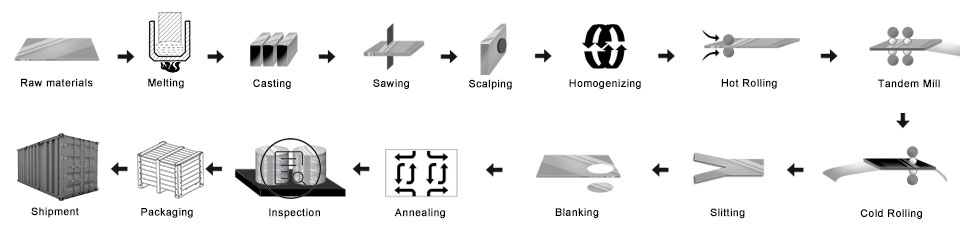
- Prepare as ligas mestres
- Forno de fusão: coloque as ligas no forno de fusão
- Lingote de alumínio fundido DC: Para fazer o lingote mãe
- Fresar o lingote de alumínio: para tornar a superfície e o lado lisos
- Forno de aquecimento
- Laminador a quente: fez a bobina mãe
- Laminador a frio: a bobina mãe foi enrolada conforme a espessura que você deseja comprar
- Processo de perfuração: torne-se do tamanho que você deseja
- Forno de recozimento: mudar o temperamento
- Inspeção final
- Embalagem: caixa de madeira ou palete de madeira
- Entrega
Controle de qualidade
Garantia Abaixo a inspeção será feita na produção.
- um. detecção de raios—TR;
- b. testes ultrassônicos—UT;
- c. Teste de Partículas Magnéticas-MT;
- d. testes de penetração-PT;
- e. detecção de falhas por correntes parasitas-ET
1) Esteja livre de manchas de óleo, Dente, Inclusão, Arranhões, Mancha, Descoloração Óxida, Pausas, Corrosão, Marcas de rolo, Listras de sujeira, e outros defeitos que interferirão no uso.
2) Superfície sem linha preta, limpo, mancha periódica, defeitos de impressão em rolo, como outros padrões de controle interno da gko.
Embalagem de discos de alumínio:
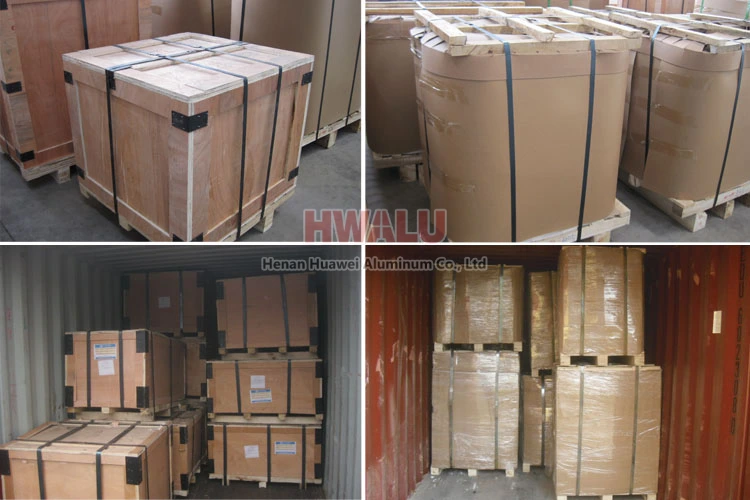
Os círculos de alumínio podem ser embalados de acordo com os padrões de exportação, cobrindo com papel pardo e filme plástico. Finalmente, a Rodada de Alumínio é fixada em um palete de madeira/caixa de madeira.
- Coloque os secadores ao lado do círculo de alumínio, mantenha os produtos secos e limpos.
- Use papel plástico limpo, embale o círculo de alumínio, mantenha uma boa vedação.
- Use o papel de pele de cobra, embale a superfície do papel plástico, mantenha uma boa vedação.
- Próximo, existem duas formas de embalagem: Uma maneira é a embalagem de paletes de madeira, usando o papel crocante embalando a superfície; Outra forma é a embalagem em caixa de madeira, usando a caixa de madeira embalando a superfície.
- Finalmente, coloque a correia de aço na superfície da caixa de madeira, mantendo a solidez e segurança da caixa de madeira.
Círculo de alumínio de Henan Huawei Alumínio. atender ao padrão de exportação. Filme plástico e papel pardo podem ser cobertos de acordo com as necessidades dos clientes. Além do mais, uma caixa de madeira ou palete de madeira é adotada para proteger os produtos contra danos durante a entrega. Existem dois tipos de embalagens, que estão de olho na parede ou de olho no céu. Os clientes podem escolher qualquer um deles para sua conveniência. De um modo geral, há 2 toneladas em um pacote, e carregando 18-22 toneladas em contêiner 1×20′, e 20-24 toneladas em contêiner 1×40′.
Por que nos escolher?
Para acompanhar os tempos, A HWALU continua introduzindo equipamentos e técnicas de última geração para melhorar sua competitividade. Sempre siga a filosofia empresarial de qualidade como centro e cliente em primeiro lugar, fornecer produtos da série de círculo de disco de alumínio da mais alta qualidade para todas as partes do mundo. Mais …

