Alüminyum alet tepsileri: Pasivasyon yöntemi ve pürüzlülüğü nasıl seçilir? 3003 alaşımlı levha?
1. giriiş: Uygulama Geçmişi ve Temel Gereksinimler 3003 Alüminyum Alaşımlı Sac Alet Tepsileri
3003 alüminyum alaşımı sac alet tepsileri (cerrahi alet tepsileri, laboratuvar reaktif tepsileri, endüstriyel hassas alet saklama tepsileri) tıbbi alanda önemli yardımcı ekipmanlardır, bilimsel araştırma, ve üst düzey üretim alanları. Aşağıdakiler gibi uzun vadeli hizmet koşullarına dayanmaları gerekir: “kimyasal korozyon (dezenfektanlarla temas, vücut sıvıları/reaktifleri), mekanik sürtünme (alet kullanımı), ve sık temizlik (yüksek sıcaklık ve yüksek basınçlı sterilizasyon)”. özellikle, temel performans gereksinimleri üç kritik hususa odaklanır:
- Yüksek korozyon direnci: Povidon-iyottan kaynaklanan erozyona karşı direnç, alkol, asidik dezenfektanlar, vesaire., Oksidatif paslanmayı önlemek için (beyaz pas/siyah noktalar) alüminyum alt tabakanın, için ≥3 yıllık bir hizmet ömrünün sağlanması 3003 alüminyum alaşımlı levha alet tepsileri;
- Yüksek temizlik: Kirletici maddelerin yapışmasını önlemek için yüzeyde gözenek veya çöküntü yoktur (bakteri, reaktif kalıntıları), tıbbi ISO'ya uygun 10993-1 biyouyumluluk ve laboratuvar GLP temizlik standartları;
- Orta düzeyde kayma önleme performansı: Aletler yerleştirildiğinde kolayca kaymamalıdır, temizlik kolaylığı sağlarken (aşırı pürüzlülükten kaynaklanan kir birikimi olmaz).
özellikle, 3003 Al-Mn alaşımı (içeren 1.0%-1.5% MN) bu tür tepsiler için ana temel malzeme haline geldi (fazlası için muhasebe 60%) onun yüzünden “orta güç (çekme mukavemeti 140-160MPa, 5-10kg yük taşıma ihtiyacını karşılıyor 3003 alüminyum alaşımlı levha alet tepsileri), iyi şekillendirilebilirlik (damgalama yeterlilik oranı ≥95%), ve kontrol edilebilir maliyet (15%-20% daha düşük 5052)”. Fakat, doğal oksit filmi 3003 alaşım (kalınlık 5-10nm) ince ve gözeneklidir, yetersiz korozyon direncine neden olur; Dahası, Yüzey pürüzlülüğünün yanlış seçilmesi, temizlik ve kaymazlık performansı arasındaki dengeyi doğrudan bozacaktır. 3003 alüminyum alaşımlı levha alet tepsileri.
Öyleyse, koordineli seçim pasivasyon yöntemleri (stabil koruyucu filmler oluşturmak) Ve yüzey pürüzlülüğü (arayüz özelliklerini düzenleme) performansının belirlenmesinde önemli 3003 alüminyum alaşımlı levha alet tepsileri, belirli hizmet koşullarına dayalı hassas tasarım gerektiren.

2. Pasivasyon Yöntemi Seçimi 3003 Alüminyum Alaşımlı Sac Alet Tepsileri
Yetersiz korozyon direncini gidermek için 3003 alaşımın doğal oksit filmi, Pasivasyon teknolojisi tanıtıldı; bunun özü bir oluşturmaktır. “yoğun, güçlü bir şekilde yapışan koruyucu film” yüzeyinde 3003 kimyasal/elektrokimyasal yöntemlerle alaşım, Alt tabaka ile aşındırıcı ortam arasındaki temasın engellenmesi. Senaryo özelliklerine göre 3003 alüminyum alaşımlı levha alet tepsileri (E.G., tıbbi düzeyde çevresel uyumluluk, laboratuvar reaktif direnci), ana pasivasyon yöntemleri ikiye ayrılır kromat pasivasyonu (geleneksel) Ve kromsuz pasivasyon (mevcut çevre dostu ana akım). Film performansını kapsamlı bir şekilde karşılaştırarak seçim yapılmalıdır., çevresel uyumluluk, ve süreç uyarlanabilirliği.
(1) Ana Pasivasyon Yöntemlerinin Performans Karşılaştırması ve Uygulama Senaryoları
Farklı tipteki pasivasyonlar için en uygun pasivasyon yöntemini seçmek için net bir temel sağlamak 3003 alüminyum alaşımlı levha alet tepsileri, Bu ana akım teknolojilerin performansı ve uygulama senaryoları aşağıda ayrıntılı olarak karşılaştırılmıştır.:
| Pasivasyon Yöntemi |
Proses Parametreleri (için 3003 Alaşım) |
Filmin Özellikleri |
Korozyon Direnci (ASTM B117'ye göre Nötr Tuz Spreyi) |
Çevre Dostu |
Uygulanabilir Türler 3003 Alüminyum Alaşımlı Sac Alet Tepsileri |
| Kromat Pasivasyonu (Cr⁶⁺ bazlı) |
Sıcaklık 25-35°C, süre 5-8 dk, CrO₃ 50-80g/L |
Kalınlık 0,5-1,0μm, turuncu-sarı, yapışma derecesi 1 (çapraz kesim testi) |
300-400h beyaz pas olmadan |
Cr⁶⁺ içerir, AB RoHS tarafından yasaklanmıştır, tıbbi senaryolarda kısıtlı |
Endüstriyel temiz olmayan ortam tepsileri (E.G., mekanik parça depolama) |
| Kromsuz Pasivasyon – Fosfat bazlı |
Sıcaklık 30-40°C, süre 8-12 dk, H₃PO₄ 30-50g/L + korozyon önleyici (Zn²⁺) |
Kalınlık 0,3-0,6μm, şeffaf, yapışma derecesi 1 |
150-200h beyaz pas olmadan |
Ağır metal içermez, çevre dostu |
Laboratuvar genel reaktif tepsileri (güçlü olmayan korozyon senaryoları) |
| Kromsuz Pasivasyon – Zirkonyum-titanyum bazlı |
Sıcaklık 40-50°C, süre 10-15 dk, Zr(SO₄)₂ 10-15g/L + İle ilgili(SO₄)₂ 5-8 g/L |
Kalınlık 0,1-0,3μm, renksiz, yapışma derecesi 0 (optimal) |
450-500h beyaz pas olmadan |
Ağır metal içermez, tıbbi FDA sertifikasını karşılar |
Cerrahi alet tepsileri, yüksek temizliğe sahip laboratuvar tepsileri |
| Kromsuz Pasivasyon – Silan Tedavisi |
Sıcaklık 20-25°C, süre 15-20 dk, γ-aminopropiltrietoksisilan 2%-5% (hacim oranı) |
Kalınlık 0,05-0,1μm, şeffaf, yapışma derecesi 0 |
100-150h beyaz pas olmadan |
Çevre dostu, biyolojik olarak parçalanabilen |
Hafif yük, düşük korozyon senaryoları (E.G., diş küçük alet tepsileri) |
(2) Pasivasyon için Temel Proses Kontrol Noktaları (için 3003 Alüminyum Alaşımlı Sac Alet Tepsileri)
Pasivasyon işleminin korozyon direncini ve hizmet ömrünü etkili bir şekilde arttırmak için 3003 alüminyum alaşımlı levha alet tepsileri, Üretim boyunca aşağıdaki temel proses kontrol noktalarına kesinlikle uyulmalıdır:
- Ön tedavi adaptasyonu: Pasifleştirmeden önce, üç aşamalı bir ön işlem —”yağdan arındırma (alkali yağ çözücü, sıcaklık 50-60°C, süre 3-5 dk) → dekapaj (nitrik asit 10%-15%, oda sıcaklığı, süre 1-2 dk, oksit ölçeğinin çıkarılması) → suyla yıkama (deiyonize su, pH 6.5-7.5)”—tamamlanmalıdır. Bu, yüzeyde yağ veya oksit tabakası kalmamasını sağlar. 3003 alüminyum alaşımlı levha alet tepsileri; aksi takdirde, pasivasyon filmi iğne deliklerine eğilimlidir, soyulma, veya eşit olmayan kapsam.
- Filmin kürlenmesi sonrası: Pasivasyon türüne bağlı olarak, kürleme sonrası gereksinimler farklılık gösterir: zirkonyum-titanyum bazlı pasivasyondan sonra, Filmdeki Zr-Ti-O bağlarını çapraz bağlamak ve yoğunlaştırmak için 120-150°C'de 20-30 dakika süreyle ısı koruması gerekir, korozyon direncini artırabilecek 3003 alüminyum alaşımlı levha alet tepsileri 30%-40%; tersine, fosfonat bazlı pasivasyon yalnızca oda sıcaklığında havayla kurutmayı gerektirir, büyük boyutlu tepsiler için daha uygun hale getirir (E.G., 1200×600mm cerrahi tepsiler) eşit şekilde ısıtılması zor olan.
- Film denetimi: İçin 3003 tıbbi senaryolarda kullanılan alüminyum alaşımlı sac alet tepsileri (en zorlu uygulama), Pasifleştirme sonrası sıkı denetim zorunludur: geçmeleri gerekiyor “yapışma testi (ASTM D3359'a göre çapraz kesim testi, seviye 0-1), korozyon direnci testi (nötr tuz spreyi ≥400 saat, beyaz pas olmadan), ve iyon kalıntı testi (Cr⁶⁺, Pb²⁺, vesaire. ≤10ppm)” tıbbi güvenlik standartlarına uygunluğu sağlamak.

3. Pürüzlülük Seçimi 3003 Alüminyum Alaşımlı Sac Alet Tepsileri
Pasifleştirmenin ötesinde, yüzey pürüzlülüğü, çekirdek performansını doğrudan etkileyen bir diğer kritik faktördür. 3003 alüminyum alaşımlı sac alet tepsileri -tepsi üzerine yerleştirilen aletlerin kaymazlık davranışını düzenlemenin yanı sıra temizleme kolaylığını ve pasivasyon filminin yapışmasını da düzenler. Bu tür tepsiler için iki aşırı pürüzlülük koşulundan kaçınılmalıdır, performansı ciddi şekilde tehlikeye attıkları için:
- Aşırı pürüzsüz (ra < 0.2μm): Tepsi yüzeyi ile aletler arasındaki statik sürtünme katsayısı (E.G., paslanmaz çelik cerrahi aletler) aşağıya düşer 0.3, 15°'lik hafif bir eğimde bile aletlerin kolayca kaymasına neden olur; üstelik, Pasivasyon filmi ile pürüzsüz alt tabaka arasındaki küçük temas alanı, filmin yapışmasını azaltır. 30%-50%, sık sterilizasyon sırasında filmin soyulmasına neden olur.
- Aşırı kaba (ra > 1.6μm): Yüzey gözenek derinliği 5μm'yi aşıyor, kirleticiler için gizli alanlar yaratmak (E.G., kan kalıntıları, reaktif damlacıkları) birikebilir—bu kalıntılar standart temizlik sırasında tamamen giderilemez, bakteri üreme hızını artırarak 5-8 kez; ayrıca, pürüzlü tepe noktaları korozyon hücrelerinde anot görevi görür, yerel paslanmanın hızlanması 3003 alüminyum alaşımlı alt tabaka ve tepsinin servis ömrünün kısaltılması.
(1) Farklı Senaryolar İçin Pürüzlülük Seçimi Standartları
Değişen yüke göre, kullanım sıklığı, ve temizlik gereksinimleri 3003 farklı alanlarda alüminyum alaşımlı sac alet tepsileri, Performans ve pratikliği dengelemek için aşağıdaki hedeflenen pürüzlülük seçim şemaları oluşturulmuştur:
| Türü 3003 Alüminyum Alaşımlı Sac Alet Tepsisi |
Temel Gereksinimler |
Önerilen Ra Değeri (μm) |
Pürüzlülük Kontrol Yöntemi |
Destekleyici Tedavi |
| Cerrahi alet tepsisi (5-10kg yük) |
Yüksek kayma önleyici, yüksek temizlik, yüksek korozyon direnci |
0.4-0.6 |
Soğuk haddeleme (Rulo Ra 0,4μm, geçiş azaltma oranı 15%-20%) + kimyasal parlatma (fosforik asit + nitrik asit, süre 3-5 dk) |
Zirkonyum-titanyum bazlı pasivasyondan sonra, sprey tıbbi antibakteriyel kaplama (E.G., nano-gümüş) Biyouyumluluğu arttırmak için yüzeyde |
| Laboratuvar reaktif tepsisi (2-5kg yük) |
Orta düzeyde kayma önleyici, kolay temizlik, reaktif korozyon direnci |
0.6-0.8 |
Soğuk haddeleme (Rulo Ra 0,6μm, geçiş azaltma oranı 20%-25%) + mekanik parlatma (yün tekerlek, dönüş hızı 1500r/dak) |
Fosfat bazlı pasivasyon, reaktif kontaminasyonunu önlemek için ilave kaplamaya gerek yoktur |
| Endüstriyel hassas alet tepsisi (10-15kg yük) |
Güçlü kaymaz, yağ direnci |
1.0-1.2 |
Soğuk haddeleme (Rulo Ra 1.0μm, geçiş azaltma oranı 25%-30%) + kumlama (kuvars kumu, parçacık boyutu 80 örgü) |
Kromat pasivasyonu (çevre düzenlemeleri izin veriyorsa) veya maliyet etkinliği için zirkonyum-titanyum bazlı pasivasyon |
(2) Pürüzlülük Denetimi ve Kontrol Süreci (Uyarlanmış 3003 Alüminyum Alaşımlı Sac Alet Tepsileri)
Partiler arasında tutarlı pürüzlülük sağlamak için 3003 alüminyum alaşımlı levha alet tepsileri, aşağıdaki muayene ve kontrol süreçleri üretime entegre edilmelidir:
- Muayene standardı: Lazer pürüzlülük test cihazı kullanın (doğruluk ±0,02μm) örneklemek 5 Her tepsinin yüzeyinde eşit noktalar (1 merkez noktası ve 1 her köşeyi işaretle) ISO için 4287 standartlar, daha sonra ortalama Ra değerini hesaplayın; bu, yerel yüzey düzensizliklerinden kaynaklanan hataları önler.
- Soğuk haddeleme proses kontrolü: Soğuk haddeleme, hedef pürüzlülüğe ulaşmada temel bağlantıdır. özellikle, Rulo pürüzlülüğü, hedef Ra değerinden 0,1-0,2μm daha düşük olmalıdır. 3003 alüminyum alaşımlı levha alet tepsileri (E.G., 0,6μm'lik bir hedef Ra için, Rulo Ra 0,4μm olmalıdır); ayrıca, aşırı hızın neden olduğu yüzey çiziklerini veya düzensiz deformasyonu önlemek için yuvarlanma hızı 5-8 m/dak olarak kontrol edilir.

4. Pasivasyon ve Pürüzlülüğün Koordineli Doğrulaması 3003 Alüminyum Alaşımlı Sac Alet Tepsileri
Pasivasyon yöntemlerinin ve yüzey pürüzlülüğünün kapsamlı performans üzerindeki sinerjik etkisini ampirik olarak doğrulamak 3003 alüminyum alaşımlı levha alet tepsileri, standart tepsi numuneleri kullanılarak bir dizi kontrollü deney gerçekleştirildi, Gerçek dünyadaki kullanım gereksinimlerine uygun performans ölçümleriyle.
(1) Deneysel Şema Tasarımı
- Numune hazırlama:
-
- Yüzey: 3003 alüminyum alaşımlı levhalar (H14 öfke), 2,0 mm'lik birleşik kalınlık (orta yüklü alet tepsileri için ortak bir kalınlık);
-
- Tepsi boyutu: 600×400×50mm (standart cerrahi alet tepsisi boyutları);
-
- Deney grupları: Ana pasivasyon-pürüzlülük kombinasyonlarını kapsayacak şekilde dört grup tasarlandı:
-
-
- Grup 1: Kromat pasivasyonu + Ra 1,2μm;
-
-
- Grup 2: Fosfat bazlı pasivasyon + Ra 0,8μm;
-
-
- Grup 3: Zirkonyum-titanyum bazlı pasivasyon + Ra 0,6μm;
-
-
- Grup 4: Silan tedavisi + Ra 0,4μm.
- Performans testi:
-
- Korozyon direnci: ASTM B117'ye göre nötr tuz püskürtme testi (5% NaCl çözeltisi, 35°C sabit sıcaklık), beyaz pasın tepsi yüzeyinde ilk göründüğü zamanın kaydedilmesi;
-
- Temizlik: Cerrahi tepsi temizleme prosedürlerini simüle edin (alkol silme + 0,8MPa'da yüksek basınçlı su tabancasıyla durulama), daha sonra Coomassie parlak mavi yöntemini kullanarak yüzeydeki kalıntı proteini tespit edin (tıbbi temizliğin önemli bir göstergesi);
-
- Kaymayı önleyici performans: Eğim testi—standart bir paslanmaz çelik hemostat yerleştirin (ağırlık 200g) tepsinin ortasında, eğim açısını kademeli olarak artırın, ve hemostat'ın kaymaya başladığı açıyı kaydedin;
-
- Pasivasyon filmi yapışması: ASTM D3359'a göre çapraz kesim testi, Filmi puanlamak için maket bıçağı kullanma ve filmin soyulma derecesine göre yapışma derecesini değerlendirme.
(2) Deneysel Sonuçlar ve Analiz
Deneysel verilerin analizi, dört grup arasında belirgin performans farklılıklarını ortaya koyuyor, pasivasyon ve pürüzlülüğün pratik seçimi için açık çıkarımlarla 3003 alüminyum alaşımlı levha alet tepsileri:
| Grup |
Pasivasyon Yöntemi |
ra (μm) |
Tuz Spreyi Beyaz Pas Zamanı (H) |
Artık Protein (mg/m²) |
Kayar Eğim Açısı (°) |
Yapışma Sınıfı |
| 1 |
Kromat Pasivasyonu |
1.2 |
380 |
8.5 |
35 |
1 |
| 2 |
Fosfat bazlı Pasivasyon |
0.8 |
180 |
1.8 |
32 |
1 |
| 3 |
Zirkonyum-titanyum bazlı Pasivasyon |
0.6 |
480 |
1.2 |
28 |
0 |
| 4 |
Silan Tedavisi |
0.4 |
120 |
0.8 |
15 |
0 |
Sonuçlardan çıkarılan temel sonuçlar:
- Grup 3 (zirkonyum-titanyum bazlı pasivasyon + Ra 0,6μm) Optimum kapsamlı performansı sergiledi: en uzun tuz püskürtme direncine ulaştı (480h beyaz pas olmadan), en düşük kalıntı protein (1.2mg/m², Tıbbi standart olan 5mg/m²'nin çok altında), ve orta derecede kayan eğim açısı (28°, temizlikten ödün vermeden kaymayı önleyici stabilite sağlanması). Bu kombinasyon, tıbbi sınıf standartlarının katı gereksinimlerini tam olarak karşılamaktadır. 3003 alüminyum alaşımlı levha alet tepsileri.
- Grup 1, iyi korozyon direncine rağmen, Cr⁶⁺ içeriği ve aşırı pürüzlülük nedeniyle çevre ve temizlik standartlarını karşılayamadı; Grup 2 uzun süreli kullanım için yeterli korozyon direncine sahip değildi; Grup 4 kayma önleme performansı zayıftı, istikrarlı cihaz yerleşimi gerektiren senaryolar için uygun değildir. Bu grupların hiçbiri temel tıbbi veya yüksek talep gören laboratuvar uygulamaları için uygun değildi.
5. Mühendislik Uygulama Önerileri 3003 Alüminyum Alaşımlı Sac Alet Tepsileri
Yukarıdaki araştırma bulgularını pratik endüstriyel üretime dönüştürmek ve bunun geniş ölçekte istikrarlı performansını sağlamak, aşağıdaki mühendislik uygulama önerileri önerilmektedir, kalite kontrol ve maliyet optimizasyonuna odaklanmak.
(1) Seri Üretim Kalite Kontrol Süreci
Partiler arasında tutarlılığı korumak için sıkı bir kalite kontrol sistemi gereklidir. 3003 alüminyum alaşımı sac alet tepsileri. Süreç üç temel bağlantıyı içermelidir:
- Pasivasyon kalite denetimi:
-
- Görsel inceleme: Rastgele örnek 10% Film kusurlarını kontrol etmek için parti başına tepsi sayısı (E.G., eksik kaplama, renk farkı, iğne delikleri), tekdüze film kapsamının sağlanması;
-
- Korozyona dayanıklılık örneklemesi: Seçme 3 24 saatlik nötr tuz püskürtme testi için parti başına tepsiler; beyaz pas veya renk değişikliği olmayan tepsiler nitelikli kabul edilir (verimliliği ve güvenilirliği dengelemek için kısaltılmış bir test);
-
- Yapışma testi: Çapraz kesim testleri gerçekleştirin 2 parti başına tepsiler, yapışma derecesi gerektiren 0 tıbbi tepsiler ve sınıf için 1 endüstriyel/laboratuvar tepsileri için.
- Pürüzlülük muayenesi:
-
- Ön şekillendirme denetimi: Örnek 5 rulo başına puan 3003 alüminyum levhalar (KAFA, orta, kuyruk) pürüzlülüğü ölçmek için, Ra değerinin hedeften ≤0,2μm sapmasını sağlamak;
-
- Şekillendirme sonrası inceleme: Tepsi kenarlarına odaklanın (Damgalama sırasında çapak veya deformasyona eğilimli), Operatörlerin veya aletlerin çizilmesini önlemek için Ra ≤1,0μm kenar gerektirir.
(2) Maliyet Dengesi Stratejisi
Yüksek performanslı pasivasyon ve pürüzlülük yapılandırmaları tepsi kalitesini artırırken, Maliyet kontrolü pazar rekabeti açısından kritik olmaya devam ediyor. İki maliyet optimizasyon stratejisi önerilir:
- Malzeme maliyeti optimizasyonu: 3003 Ra 0,4-0,8μm'lik alüminyum levhalar 8%-12% sıradan çarşaflardan daha pahalı (Ra 1,6μm), ancak uzun vadeli temizlik ve bakım maliyetlerini azaltırlar. 30%-40% (daha az sterilizasyon döngüsü, daha uzun servis ömrü). Maliyete duyarlı endüstriyel senaryolar için, bu takas özellikle değerlidir.
- Süreç maliyeti optimizasyonu: Zirkonyum-titanyum bazlı pasivasyon 25%-30% fosfat bazlı pasivasyondan daha pahalı, ancak tıbbi senaryolarda, korozyondan kaynaklanan masraflı tepsi değiştirme işlemlerini önler (tek tıbbi tepsi maliyeti: 500-1000 yuan; hizmet ömrünün uzatılması 2 yıllar boyunca önemli yenileme giderlerinden tasarruf sağlar). Kritik olmayan uygulamalar için (E.G., düşük korozyonlu laboratuvar tepsileri), fosfat bazlı pasivasyon, temel performanstan ödün vermeden maliyetleri azaltmak için kullanılabilir.

6. Çözüm
Özetle, Bu çalışma, pasivasyon yöntemlerinin seçimini ve yüzey pürüzlülüğünü sistematik olarak araştırmaktadır. 3003 alüminyum alaşımlı levha alet tepsileri, korozyon direncine ilişkin temel performans zorluklarını ele almak, temizlik, ve kaymayı önleyici stabilite. Temel sonuçlar aşağıdaki gibidir:
- Pasivasyon yöntemi seçimi: Zirkonyum-titanyum bazlı krom içermeyen pasivasyon (≥450 saat tuz püskürtme ömrüne sahip) tıbbi ve yüksek temizlik senaryoları için tercih edilen seçimdir, çevresel uyumluluk ve katı korozyon direnci gereksinimlerini karşıladığı için; fosfat bazlı pasivasyon, maliyet etkinliği nedeniyle genel laboratuvar senaryoları için uygundur; kromat pasivasyonu, hiçbir çevresel kısıtlama olmaksızın yalnızca endüstriyel, temiz olmayan ortamlarda kullanılabilir, uygun Cr⁶⁺ atık arıtımı eşliğinde.
- Pürüzlülük seçimi: Cerrahi alet tepsileri için (yüksek talep), 0,4-0,6μm Ra değeri önerilir; laboratuvar reaktif tepsileri için (ılımlı talep), Ra 0,6-0,8μm kaymayı önleme ve temizleme ihtiyaçlarını dengeler; endüstriyel hassas alet tepsileri için (güçlü kayma önleyici talep), Ra 1,0-1,2μm aşırı kirlenme riski olmadan yeterli sürtünme sağlar.
- Sinerjik optimizasyon: Zirkonyum-titanyum bazlı pasivasyon ve 0,4-0,6μm Ra değerinin birleşimi, bunun için en uygun kapsamlı performansı elde eder, Tıbbi cerrahi ve hassas laboratuvarlar gibi ileri teknoloji uygulamalar için altın standart haline geliyor.
İleriye bakmak, gelecekteki araştırmalar, performans darboğazlarını daha da aşmak için ileri teknolojilere odaklanabilir: “kompozit pasivasyon (zirkonyum-titanyum bazlı ve silan tedavilerinin birleştirilmesi)” aynı anda korozyon direncini ve antibakteriyel özellikleri artırabilir; “lazer mikro dokulandırma” geleneksel pürüzlülük kontrolünün yerini alabilir, kaymayı önleyici mikro yapıların hassas tasarımını mümkün kılar (E.G., mikro çıkıntılar) aşırı pürüzlülükten kaynaklanan kirlenme risklerini önlemek için. Bu yenilikler, minimal invaziv cerrahi aletler ve yarı iletken levha depolama gibi üst düzey alanlarda uygulanmasını teşvik edecektir..
Alüminyum çemberin özellikleri:
Alüminyum çember birçok pazara uygundur, tencere seti dahil, otomotiv ve aydınlatma endüstrileri, vesaire., iyi ürün özellikleri sayesinde:
- Düşük anizotropi, derin çekmeyi kolaylaştıran
- Güçlü mekanik özellikler
- Yüksek ve homojen ısı yayılımı
- Emaye edilebilme özelliği, PTFE kapsamındadır (veya diğerleri), anodize edilmiş
- İyi yansıtma
- Yüksek mukavemet/ağırlık oranı
- Dayanıklılık ve korozyona karşı direnç
Alüminyum Çemberler Süreci
Külçe/Ana Alaşımlar — Eritme Fırını – Tutma Fırını — DC. Teker — Döşeme —- kafa derisi — Sıcak Haddehane – Soğuk Haddehane – Delme – Tav Fırını — Son Muayene – Paketleme — Teslimat
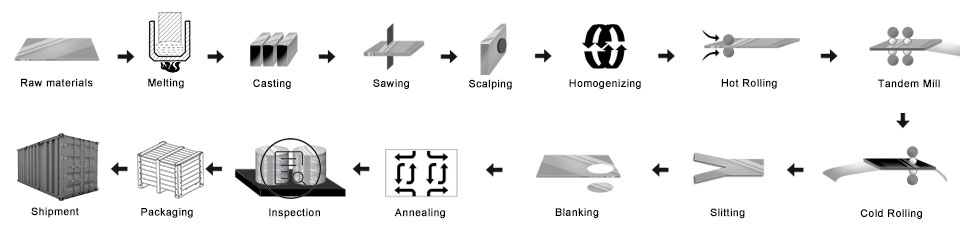
- Ana alaşımları hazırlayın
- Eritme fırını: alaşımları eritme fırınına koyun
- D.C. dökme alüminyum külçe: Anneyi külçe yapmak için
- Alüminyum külçeyi frezeleyin: yüzeyi ve yanları pürüzsüz hale getirmek için
- Isıtma fırını
- Sıcak haddehane: ana bobini yaptım
- Soğutma haddehanesi: ana bobin satın almak istediğiniz kalınlıkta yuvarlandı
- Delme işlemi: istediğin büyüklükte ol
- Tav fırını: öfkeyi değiştir
- Son muayene
- Ambalaj: Tahta sandık veya ahşap palet
- Teslimat
Kalite Kontrol
Güvence Üretimde aşağıdaki muayene yapılacaktır.
- A. ışın algılama—RT;
- B. ultrasonik test—UT;
- C. Manyetik Parçacık Testi-MT;
- D. Sızma testi-PT;
- e. girdap akımı kusur tespiti-ET
1) Yağ Lekesinden Kurtulun, Göçük, Dahil etme, çizikler, Lekelemek, Oksit Renk Değişikliği, Molalar, Korozyon, Rulo İşaretleri, Kir Çizgileri, ve kullanıma engel olacak diğer kusurlar.
2) Siyah çizgi olmayan yüzey, temiz kesim, periyodik leke, rulo baskı kusurları, diğer gko dahili Kontrol standartları gibi.
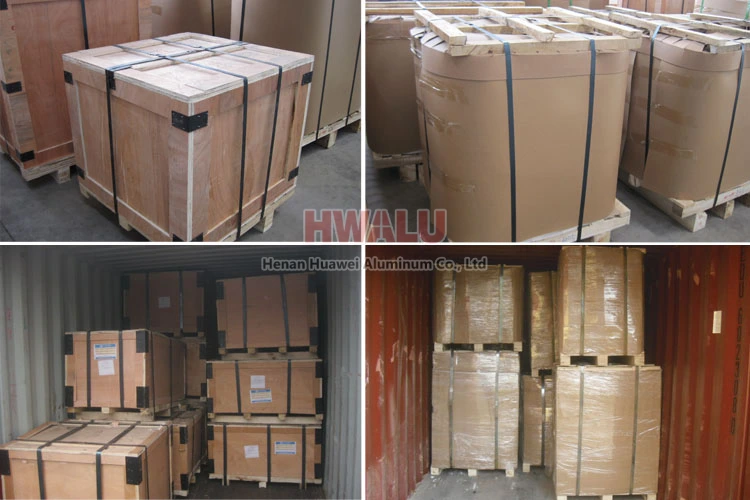
Alüminyum diskler ambalajı:
Alüminyum çemberler ihracat standartlarına göre paketlenebilir, kahverengi kağıt ve plastik film ile kaplama. Nihayet, Alüminyum Yuvarlak ahşap bir palet/tahta sandık üzerine sabitlenir.
- Kurutucuları alüminyum dairenin yanına koyun, ürünleri kuru ve temiz tutun.
- Temiz plastik kağıt kullanın, alüminyum daireyi paketleyin, iyi sızdırmazlık sağlayın.
- Yılan derisi kağıdını kullanın, Plastik kağıdın yüzeyini paketleyin, iyi sızdırmazlık sağlayın.
- Sonraki, paketlemenin iki yolu var: Tek yol ahşap palet ambalajıdır, yüzeyi paketleyen huysuz kağıdı kullanarak; Başka bir yol tahta sandık ambalajıdır, Yüzeyi paketleyen tahta sandık kullanarak.
- Nihayet, çelik kemeri ahşap kutunun yüzeyine yerleştirin, ahşap kutunun sağlamlığını ve güvenliğini korumak.
Henan Huawei Alüminyum'un alüminyum çemberi. ihracat standardını karşılamak. Müşterilerin ihtiyaçlarına göre plastik film ve kahverengi kağıt kaplanabilir. Dahası, Ürünleri teslimat sırasında hasardan korumak için tahta sandık veya ahşap palet benimsenmiştir. İki çeşit ambalaj var, hangisi duvara göz veya gökyüzüne göz. Müşteriler kolaylık sağlamak için bunlardan herhangi birini seçebilirler. Genel olarak konuşursak, var 2 Tonlarca tek pakette, ve yükleniyor 18-22 1×20′ konteynerde ton, Ve 20-24 1×40′ konteynerde ton.
Neden bizi seçmelisiniz??
Zamana ayak uydurabilmek için, HWALU rekabet gücünü artırmak için en son teknolojiye sahip ekipman ve teknikleri sunmaya devam ediyor. Her zaman merkez ve müşteri olarak kalite iş felsefesine bağlı kalın, dünyanın her yerine en kaliteli alüminyum disk daire serisi ürünlerini sunmak. Daha …

