হট-রোলড অ্যালুমিনিয়াম ডিস্কে কেন্দ্রীয় ছিদ্রের জন্য কারণ এবং উন্নতির ব্যবস্থার বিশ্লেষণ
হট-রোল্ড অ্যালুমিনিয়াম ডিস্কগুলি অ্যালুমিনিয়াম প্রক্রিয়াকরণ শিল্প শৃঙ্খলে গুরুত্বপূর্ণ মধ্যবর্তী পণ্য, বহুল ব্যবহৃত উচ্চ-শেষ ক্ষেত্র যেমন cookware, বৈদ্যুতিক যন্ত্রপাতি, অটোমোবাইল, এবং মহাকাশ. তাদের অভ্যন্তরীণ গুণমান সরাসরি যান্ত্রিক বৈশিষ্ট্য নির্ধারণ করে, গঠনযোগ্যতা, এবং চূড়ান্ত পণ্যের পরিষেবা জীবন. কেন্দ্র ছিদ্রহট-রোল্ড অ্যালুমিনিয়াম ডিস্কের সবচেয়ে সাধারণ অভ্যন্তরীণ ত্রুটিগুলির মধ্যে একটি, জরিমানা হিসাবে উদ্ভাসিত, কেন্দ্রীয় এলাকায় বিক্ষিপ্ত ছিদ্র বা আলগা কাঠামো. এটি উপাদানের ঘনত্ব উল্লেখযোগ্যভাবে হ্রাস করে, শক্তি, এবং প্লাস্টিকতা, এবং স্ট্যাম্পিংয়ের মতো পরবর্তী প্রক্রিয়াগুলিতে সহজেই ফাটলের উত্স হয়ে উঠতে পারে, অঙ্কন, এবং ঢালাই, পণ্য প্রত্যাখ্যান হার এবং উৎপাদন খরচ বৃদ্ধি নেতৃস্থানীয়. অতএব, কেন্দ্রের ছিদ্র গঠনের পদ্ধতির একটি পদ্ধতিগত বিশ্লেষণ এবং বৈজ্ঞানিক উন্নতির পদক্ষেপগুলির বিকাশ পণ্যের গুণমান উন্নত করতে এবং উদ্যোগগুলির বাজার প্রতিযোগিতা জোরদার করার জন্য দুর্দান্ত প্রকৌশল মূল্যের।.

1. হট-রোলড অ্যালুমিনিয়াম ডিস্কে কেন্দ্র পোরোসিটির কারণগুলির বিশ্লেষণ
পুরো উৎপাদন শৃঙ্খল জুড়ে প্রক্রিয়া এবং মাইক্রোস্ট্রাকচারাল বিবর্তনের সম্মিলিত প্রভাবের ফলাফল হল কেন্দ্রের ছিদ্র।, সহ গলন/ঢালাই, গরম ঘূর্ণায়মান, এবং শীতল. এর কারণগুলি নিম্নলিখিত চারটি বিভাগে সংক্ষিপ্ত করা যেতে পারে:
1.1 ইনগোটে মূল ত্রুটির উত্তরাধিকার এবং ধরে রাখা
হট-রোল্ড ডিস্কের জন্য ফিডস্টক হল আধা-নিরবচ্ছিন্নভাবে ঢালাই অ্যালুমিনিয়াম ইঙ্গট. ইনগটের মধ্যে মূল ছিদ্র হল প্রাথমিক উৎস:
- দৃঢ়ীকরণ সংকোচনের জন্য অপর্যাপ্ত খাওয়ানো
অ্যালুমিনিয়াম খাদগুলি দৃঢ় করার সময় প্রায় 6%-7% পরিমাণে সংকোচনের মধ্য দিয়ে যায়. যদি ইংগটের কেন্দ্রের চূড়ান্ত দৃঢ়ীকরণ ইতিমধ্যেই শক্ত হওয়া শেল দ্বারা বাধাগ্রস্ত হয়, ডেনড্রাইটের মধ্যে অবশিষ্ট তরল বিচ্ছিন্ন হয়ে যায়, এবং সংকোচন গহ্বর পূরণ করা যাবে না, গঠন সঙ্কুচিত porosity- সবচেয়ে প্রভাবশালী ফর্ম.
- গ্যাস বিবর্তন এবং এন্ট্রাপমেন্ট
গলিত অ্যালুমিনিয়াম গলানো এবং ধরে রাখার সময় সহজেই হাইড্রোজেন শোষণ করে. দৃঢ়করণের উপর, হাইড্রোজেন দ্রবণীয়তা তীব্রভাবে কমে যায়, এবং সুপারস্যাচুরেটেড হাইড্রোজেন বুদবুদ হিসাবে প্রসারিত হয়. যদি বুদবুদগুলি সময়মতো ভাসতে না পারে এবং ডেনড্রাইটিক নেটওয়ার্ক দ্বারা অবরুদ্ধ হয়, গ্যাস ছিদ্রফর্ম, সংকোচন porosity সঙ্গে মিলিত যখন ত্রুটিগুলি exacerbating.
- নন-ইউনিফর্ম সলিডিফিকেশন স্ট্রাকচার
আধা ক্রমাগত ঢালাই সময়, ইনগট পৃষ্ঠ দ্রুত ঠান্ডা হয় যখন কেন্দ্র ধীরে ধীরে ঠান্ডা হয়, একটি গঠন গঠন “পৃষ্ঠের উপর সূক্ষ্ম দানা, কেন্দ্রে মোটা দানা।” কেন্দ্রে থাকা মোটা দানা এবং বিকশিত ডেনড্রাইট খাওয়ানো এবং গ্যাস বের করতে বাধা দেয়, এবং অসম বিকৃতির কারণে গরম ঘূর্ণায়মান সময় ছিদ্র নিরাময়ে অসুবিধার দিকে পরিচালিত করে.
- অন্তর্ভুক্তি এবং পৃথকীকরণের প্রভাব
অন্তর্ভুক্তি (যেমন, অ্যালুমিনা) গলিত অ্যালুমিনিয়াম বুদবুদের জন্য নিউক্লিয়েশন সাইট হিসাবে কাজ করতে পারে এবং গলিত প্রবাহকে বাধা দিতে পারে. বিচ্ছেদ (যেমন, দ্রবণীয় সমৃদ্ধি) কেন্দ্রীয় অঞ্চলে স্থানীয় দৃঢ়ীকরণ আচরণ পরিবর্তন করে, আরও পোরোসিটির প্রবণতা বৃদ্ধি করে.
1.2 অযৌক্তিক হট রোলিং প্রক্রিয়া পরামিতি
হট রোলিং হল পোরোসিটি নিরাময়ের মূল প্রক্রিয়া. অনুপযুক্ত পরামিতিগুলি কেবল মূল ত্রুটিগুলি দূর করতেই ব্যর্থ হতে পারে তবে নতুনগুলিকেও প্ররোচিত করতে পারে:
- অপর্যাপ্ত মোট হ্রাস
একটি মোট ঘূর্ণায়মান হ্রাস যা খুব কম (সাধারণত <60%) কেন্দ্রে অপর্যাপ্ত বিকৃতির ফলাফল, অপর্যাপ্ত ধাতু প্রবাহ, এবং মূল ছিদ্রযুক্ত গহ্বরগুলিকে সংকুচিত এবং নিরাময় করা থেকে বাধা দেয়, সরাসরি তাদের ধরে রাখার দিকে নিয়ে যায়.
- পাস হ্রাসের ভারসাম্যহীন বিতরণ
প্রথম দিকের পাসে অত্যধিক হ্রাস এবং পরে অপর্যাপ্ত, বা বিকৃতি শুধুমাত্র পৃষ্ঠের উপর কেন্দ্রীভূত, পর্যাপ্ত ট্রায়াক্সিয়াল কম্প্রেসিভ স্ট্রেস গ্রহণ থেকে কেন্দ্রকে বাধা দেয়; পরবর্তী পাসে অপর্যাপ্ত হ্রাসও পোরোসিটি নিরাময় করতে পারে না.
- অনুপযুক্ত ঘূর্ণায়মান তাপমাত্রা নিয়ন্ত্রণ
- তাপমাত্রা খুব কম: অ্যালুমিনিয়াম খাদ প্লাস্টিকতা হ্রাস, বিকৃতি প্রতিরোধ ক্ষমতা বৃদ্ধি পায়, কেন্দ্রে বিকৃতি করা কঠিন, দুর্বল নিরাময় প্রভাব এবং কাজ কঠোর এবং ক্র্যাকিং কারণ একটি প্রবণতা নেতৃত্বে.
- তাপমাত্রা খুব বেশি: দানা মোটা হয়ে যায়, এবং অত্যধিক ধাতু তরলতা হতে পারে “জ্বলন্ত” বা কেন্দ্রে কাঠামোগত অসামঞ্জস্যতা, যা ছিদ্র মেরামতের জন্য ক্ষতিকর.
- অযৌক্তিক ঘূর্ণায়মান গতি এবং তৈলাক্তকরণ
অত্যধিক ঘূর্ণায়মান গতি বিকৃতি সময় সংক্ষিপ্ত, কেন্দ্রে পর্যাপ্ত প্রবাহ রোধ করা; অপর্যাপ্ত তৈলাক্তকরণ ঘর্ষণ বাড়ায়, কেন্দ্রের চেয়ে বৃহত্তর পৃষ্ঠের বিকৃতি ঘটাচ্ছে, উত্তেজক বিকৃতি inhomogeneity.

1.3 কুলিং এবং হিট ট্রিটমেন্ট প্রক্রিয়ায় ত্রুটি
পোস্ট-রোলিং কুলিং এবং পরবর্তী তাপ চিকিত্সা সরাসরি সুস্থ অবস্থা এবং কাঠামোর স্থায়িত্বকে প্রভাবিত করে:
- নন-ইউনিফর্ম কুলিং রেট
অতিরিক্ত ঠান্ডা (যেমন, সরাসরি জল quenching) কেন্দ্র পিছিয়ে থাকা অবস্থায় পৃষ্ঠের দ্রুত সংকোচন ঘটায়, উচ্চ অভ্যন্তরীণ চাপ তৈরি করে যা নিরাময় ছিদ্র পুনরায় খুলতে পারে. ধীরে ধীরে শীতল হওয়ার ফলে দানা মোটা হয়ে যেতে পারে, ঘনত্ব হ্রাস.
- অপর্যাপ্ত হোমোজেনাইজেশন অ্যানিলিং
হট রোলিংয়ের আগে পিণ্ডের সমজাতীয়করণ অ্যানিলিংয়ের লক্ষ্য ডেনড্রাইটিক বিভাজন দূর করা এবং মাইক্রোস্ট্রাকচারাল অভিন্নতা উন্নত করা. যদি অ্যানিলিং তাপমাত্রা খুব কম হয় বা ধরে রাখার সময় অপর্যাপ্ত হয়, ভারসাম্যহীন পর্যায়গুলি সম্পূর্ণরূপে দ্রবীভূত হয় না, এবং মূল ছিদ্র এবং পৃথকীকরণ হট-রোল্ড ডিস্ক দ্বারা উত্তরাধিকারসূত্রে প্রাপ্ত হয়.
- Annealing পরে অনুপযুক্ত কুলিং
দ্রুত শীতলতা অভ্যন্তরীণ চাপ তৈরি করে এবং পারমাণবিক বিস্তারের জন্য অপর্যাপ্ত সময় প্রদান করে; অত্যধিক ধীর ঠাণ্ডা শস্য মোটা হতে পারে.
1.4 ইকুইপমেন্ট এবং অপারেশনাল ফ্যাক্টর
সরঞ্জামের নির্ভুলতা এবং অপারেশনাল প্রমিতকরণ পরোক্ষভাবে পোরোসিটি নিয়ন্ত্রণকে প্রভাবিত করে:
- অপর্যাপ্ত মিল অনমনীয়তা
রোলিং মিল স্ট্যান্ডের কম অনমনীয়তা ঘূর্ণায়মান সময় উল্লেখযোগ্য ইলাস্টিক বিকৃতির দিকে পরিচালিত করে, এর ফলে কেন্দ্রে অসম স্ল্যাব পুরুত্ব এবং অপর্যাপ্ত বিকৃতি ঘটে.
- স্ল্যাবের অসম গরম
পুনরায় গরম করার চুল্লিতে তাপমাত্রা নিয়ন্ত্রণের বিচ্যুতি বা অনুপযুক্ত স্ল্যাব বসানোর কারণে ইনগট ক্রস-সেকশন জুড়ে তাপমাত্রার গ্রেডিয়েন্ট সৃষ্টি হয়, ঘূর্ণায়মান সময় অসম বিকৃতি নেতৃস্থানীয়.
- অ-প্রমিত অপারেশন
স্ল্যাব ঘূর্ণায়মান সময় ঘোরাঘুরির মতো সমস্যা, পাসের মধ্যে অতিরিক্ত তাপমাত্রা হ্রাস, অথবা লুব্রিকেন্টের অসম প্রয়োগ সবই বিকৃতির অ-অভিন্নতাকে বাড়িয়ে তুলতে পারে, porosity উন্নতি প্রভাবিত.
2. হট-রোলড অ্যালুমিনিয়াম ডিস্কে কেন্দ্রের পোরোসিটির জন্য পদ্ধতিগত উন্নতির ব্যবস্থা
একটি ব্যাপক উন্নয়ন পরিকল্পনা প্রয়োজন, থেকে সমগ্র প্রক্রিয়া সম্বোধন গলে যাওয়া/ঢালাই উৎস, গরম রোলিং প্রক্রিয়া অপ্টিমাইজেশান, শীতল/তাপ চিকিত্সা উন্নতি, সরঞ্জাম এবং পরিচালনার জন্য.
2.1 গলানো এবং ঢালাই পর্যায়: উৎসে অরিজিনাল ইনগট পোরোসিটি কমানো
মূল উদ্দেশ্য হল দ্রবীভূত পরিচ্ছন্নতা উন্নত, দৃঢ়ীকরণ প্রক্রিয়া অপ্টিমাইজ করুন, এবং খাওয়ানো এবং degassing উন্নত.
2.1.1 মেল্ট রিফাইনিং প্রক্রিয়া অপ্টিমাইজ করুন
- উন্নত Degassing: ব্যবহার করুন ঘূর্ণমান নিষ্ক্রিয় গ্যাস (Ar/N₂) ইনজেকশন degassing, সময় নিয়ন্ত্রণ (15-25 মিনিট), রটার গতি (200-300 আরপিএম), এবং গ্যাস প্রবাহ (0.5-1.0 m³/ঘণ্টা) যাতে হাইড্রোজেন কন্টেন্ট কমে যায় নীচে 0.12 mL/100g. দক্ষ degassing এজেন্ট যোগ করুন (যেমন, হেক্সাক্লোরোইথেন) প্রয়োজন হলে.
- কঠোর ড্রস অপসারণ এবং পরিস্রাবণ: দ্রবীভূত করা যাক ≥30 মিনিটগলে যাওয়ার পর; ব্যবহার সিরামিক ফেনা ফিল্টার (30-50 পিপিআই)বা গভীর বিছানা পরিস্রাবণ অ ধাতব অন্তর্ভুক্তি অপসারণ.
- গলন এবং হোল্ডিং পরামিতি নিয়ন্ত্রণ করুন: গলে যাওয়া তাপমাত্রা: 720-750℃; সময় ধরে রাখা: ≤2 ঘন্টা; সর্বত্র ফ্লাক্স কভার বা নিষ্ক্রিয় গ্যাস সুরক্ষা ব্যবহার করুন.
2.1.2 কাস্টিং প্রক্রিয়া অপ্টিমাইজ করুন
- কাস্টিং তাপমাত্রা এবং গতি নিয়ন্ত্রণ করুন: ঢালাই তাপমাত্রা: 50-80℃ তরল উপরে; ইনগট আকার অনুযায়ী ঢালাই গতি সামঞ্জস্য করুন (বড় ingots জন্য ধীর).
- কুলিং সিস্টেম অপ্টিমাইজ করুন: দত্তক ইউনিফর্ম কুলিং প্রযুক্তিপৃষ্ঠ এবং কেন্দ্রের মধ্যে শীতল হারের পার্থক্য কমাতে. বড় ingots জন্য, সেগমেন্টেড কুলিংব্যবহার করা যেতে পারে.
- ফিডিং ডিজাইন উন্নত করুন: ব্যবহার করুন অন্তরক বা exothermic risers, এর নীতি অনুসরণ করে “দিকনির্দেশক দৃঢ়ীকরণ”. ইলেক্ট্রোম্যাগনেটিক stirringডেনড্রাইটকে খণ্ডিত করতে এবং গলিত প্রবাহকে উন্নীত করতে ব্যবহার করা যেতে পারে.
- শস্য পরিশোধক যোগ করুন: যোগ করুন আল-টি-বি বা আল-টি-সি পরিশোধক, Ti কন্টেন্ট নিয়ন্ত্রণ করা 0.05-0.25%.
2.1.3 পারফেক্ট ইনগট হোমোজেনাইজেশন অ্যানিলিং
- অ্যানিলিং তাপমাত্রা: 0.9-0.95 কঠিন তাপমাত্রারআমি (যেমন, ~580-600℃ জন্য 1050 খাদ).
- হোল্ডিং টাইম: 4-8 জআমি (ইনগট আকার এবং খাদ ধরনের উপর নির্ভর করে).
- কুলিং পদ্ধতি: ফার্নেস কুলিং বা এয়ার কুলিংannealing পরে.
টেবিল 1: গলানো এবং ঢালাই প্রক্রিয়ার মূল নিয়ন্ত্রণ পয়েন্ট
| নিয়ন্ত্রণ এলাকা |
কী প্যারামিটার |
টার্গেট / কন্ট্রোল রেঞ্জ |
| মেল্ট রিফাইনিংআমি |
গলে যাওয়া তাপমাত্রা |
720-750℃ |
|
পোস্ট-ডিগাসিং H₂ সামগ্রী |
≤0.12 mL/100g |
|
নিষ্পত্তির সময় |
≥30 মিনিট |
|
পরিস্রাবণ যথার্থতা |
30-50 পিপিআই সিরামিক ফিল্টার |
| কাস্টিং প্রক্রিয়াআমি |
ঢালাই তাপমাত্রা |
তরল তাপমাত্রা. + (50-80℃) |
|
শস্য পরিশোধক (আপনি) |
0.05-0.25% |
|
কুলিং কন্ট্রোল |
ইউনিফর্ম কুলিং, বড় ইনগট জন্য বিভক্ত |
|
খাওয়ানোর ব্যবস্থা |
অন্তরক/এক্সোথার্মিক রাইজার, ইএমএস |
| সমজাতীয়করণআমি |
অ্যানিলিং তাপমাত্রা |
0.9-0.95 x সলিডাস টেম্প. |
|
হোল্ডিং টাইম |
4-8 ঘন্টার |
|
কুলিং পদ্ধতি |
চুল্লি শীতল / এয়ার কুল |
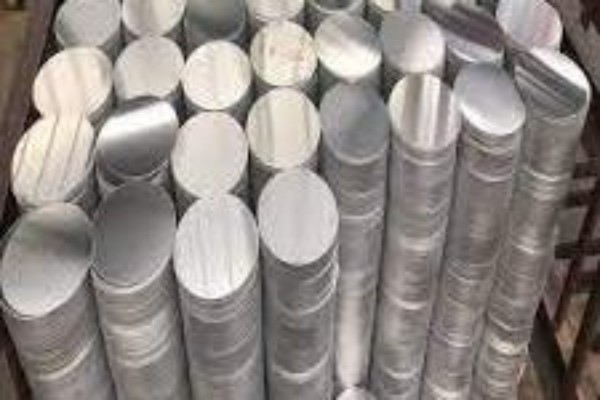 1060 অ্যালুমিনিয়াম ওয়েফার পুনর্ব্যবহারযোগ্য
2.2 হট রোলিং স্টেজ: কার্যকরী পোরোসিটি নিরাময়ের জন্য প্রক্রিয়াটি অপ্টিমাইজ করা
মূল হল যুক্তিসঙ্গত হ্রাসের মাধ্যমে কেন্দ্রে পর্যাপ্ত ট্রায়াক্সিয়াল কম্প্রেসিভ স্ট্রেস প্রয়োগ করা, তাপমাত্রা, এবং গতি নিয়ন্ত্রণ.
2.2.1 রিডাকশন রেট এর যৌক্তিক বন্টন
- মোট হ্রাস: নিশ্চিত করুন ≥70%আমি (যেমন, 200mm ingot থেকে ≤60mm ডিস্ক পর্যন্ত). 7XXX সিরিজের অ্যালোয়ের জন্য, ≥75%সুপারিশ করা হয়.
- পাস রিডাকশন অপ্টিমাইজেশান: এর নীতি গ্রহণ করুন “প্রাথমিকভাবে ছোট, মাঝখানে বড়, শেষে স্থিতিশীল“:
- প্রাথমিক পাস: 10-15%, পৃষ্ঠের মোটা দানা ভাঙতে এবং প্রতিরোধ ক্ষমতা কমাতে.
- মিডল পাস: 20-30%, কেন্দ্রে শক্তিশালী বিকৃতি প্রয়োগ করতে, নিরাময় প্রচার.
- চূড়ান্ত পাস: 5-10%, মাত্রিক নির্ভুলতা এবং পৃষ্ঠ ফিনিস নিয়ন্ত্রণ.
- উচ্চ-হ্রাস ঘূর্ণায়মান: একক-পাস হ্রাস বৃদ্ধি করুন যেখানে সরঞ্জাম কেন্দ্রে হাইড্রোস্ট্যাটিক চাপ বাড়ানোর অনুমতি দেয়.
2.2.2 রোলিং তাপমাত্রার সুনির্দিষ্ট নিয়ন্ত্রণ
- প্রাথমিক ঘূর্ণায়মান তাপমাত্রা: 450-500 ℃আমি (খাদ প্রতি সমন্বয়, যেমন, 460-480℃ 3XXX সিরিজের জন্য).
- সমাপ্তি ঘূর্ণায়মান তাপমাত্রা: 300-350 ℃কাজ শক্ত হওয়া এড়াতে (খুব কম) বা শস্য মোটা (খুব উচ্চ). অভিন্ন ক্রস-বিভাগীয় তাপমাত্রা বজায় রাখার জন্য পাসগুলির মধ্যে পুনরায় গরম করা প্রয়োজন.
2.2.3 রোলিং স্পিড এবং লুব্রিকেশন অপ্টিমাইজ করুন
- ঘূর্ণায়মান গতি কৌশল: “কামড়ানোর জন্য কম গতি, ঘূর্ণায়মান জন্য মাঝারি গতি, ডেলিভারির জন্য উচ্চ গতি”.
- তৈলাক্তকরণ: ব্যবহার করুন দক্ষ হট রোলিং লুব্রিকেন্টঘর্ষণ কমাতে এবং অভিন্ন বিকৃতি নিশ্চিত করতে সমানভাবে স্প্রে করা হয়.
টেবিল 2: কোর হট রোলিং প্রক্রিয়া পরামিতি অপ্টিমাইজেশান
| প্রক্রিয়া পরামিতি |
প্রস্তাবিত নিয়ন্ত্রণ পরিসীমা / কৌশল |
মূল উদ্দেশ্য |
| মোট হ্রাসআমি |
≥70% (7XXX সিরিজের জন্য ≥75% প্রস্তাবিত) |
কেন্দ্রে পর্যাপ্ত বিকৃতি নিশ্চিত করুন |
| পাস রিডাকশন ডিস্ট্রিবিউশনআমি |
প্রাথমিক: 10-15%
মধ্য: 20-30%
ফাইনাল: 5-10% |
অনুসরণ করুন “প্রাথমিকভাবে ছোট, মাঝখানে বড়, শেষ পর্যন্ত স্থিতিশীল” |
| প্রাথমিক রোলিং টেম্প.আমি |
450-500℃ (খাদ-নির্ভর) |
নিশ্চিত করুন যে উপাদানটি সর্বোত্তম প্লাস্টিকতার পরিসরে রয়েছে |
| রোলিং টেম্প ফিনিশিং.আমি |
300-350℃ |
কাজ শক্ত হওয়া এবং শস্য মোটা হওয়া প্রতিরোধ করুন |
| ঘূর্ণায়মান গতি কৌশলআমি |
কম কামড়, মাঝারি ঘূর্ণায়মান, উচ্চ ডেলিভারি |
পর্যাপ্ত বিকৃতি এবং উত্পাদন ছন্দ নিশ্চিত করুন |
| তৈলাক্তকরণআমি |
দক্ষ হট রোলিং লুব্রিকেন্ট ব্যবহার করুন, সমানভাবে স্প্রে করুন |
ঘর্ষণ কমান, অভিন্ন বিকৃতি প্রচার |
2.3 কুলিং এবং হিট ট্রিটমেন্ট: গঠন স্থিতিশীল, Porosity পুনরাবৃত্তি প্রতিরোধ
2.3.1 কন্ট্রোল পোস্ট-রোলিং শীতল হার
- দত্তক ধীর এবং অভিন্ন কুলিংআমি (এয়ার কুলিং বা স্ট্যাকিং), তাপীয় চাপ কমানোর জন্য সরাসরি জল/নিভানোর কুলিং এড়ানো যা নিরাময় করা ছিদ্রগুলি পুনরায় খুলতে পারে.
2.3.2 নিখুঁত পরবর্তী তাপ চিকিত্সা
- অ্যানিলিং (যেমন, 350-4003XXX সিরিজের জন্য ℃) চাপ উপশম করার জন্য প্রয়োজন হিসাবে প্রয়োগ করা যেতে পারে, গঠন স্থিতিশীল করা, এবং আরও অবশিষ্ট porosity নিরাময়. অ্যানিলিংয়ের পরে ধীরে ধীরে ঠান্ডা করুন.
2.4 সরঞ্জাম এবং ব্যবস্থাপনা: স্থিতিশীল প্রক্রিয়া নির্বাহ নিশ্চিত করা
- সরঞ্জাম রক্ষণাবেক্ষণ & আপগ্রেড: নিয়মিত মিল পরিদর্শন করুন, চুল্লি, কুলিং সিস্টেম. উচ্চ-নির্ভুল মিলগুলিতে আপগ্রেড করুন, প্রয়োজনে বুদ্ধিমান চুল্লি.
- প্রমিত অপারেশন & প্রক্রিয়া পর্যবেক্ষণ: এসওপি তৈরি করুন. অনলাইন পরিদর্শন বাস্তবায়ন (যেমন, হেনান হুয়াওয়ে অ্যালুমিনিয়াম শিল্প অ্যালুমিনিয়াম সার্কেল রপ্তানি উত্পাদন) রিয়েল-টাইম অভ্যন্তরীণ গুণমান পর্যবেক্ষণের জন্য.
- কর্মী প্রশিক্ষণ & মান নিয়ন্ত্রণ: অপারেটর প্রশিক্ষণ উন্নত করুন. একটি পূর্ণ-প্রক্রিয়া গুণমান স্যাম্পলিং সিস্টেম স্থাপন করুন.
3. উন্নতি কার্যকারিতা এবং গুণমান নিয়ন্ত্রণের যাচাইকরণ
উন্নতির ব্যবস্থার কার্যকারিতা নিশ্চিত করার জন্য একটি বৈজ্ঞানিক গুণমান পরিদর্শন এবং যাচাইকরণ ব্যবস্থা স্থাপন করুন:
- ম্যাক্রোস্ট্রাকচারাল পরীক্ষা
ধারা, এচ, এবং কেন্দ্রীয় এলাকা পর্যবেক্ষণ করুন. জাতীয় মান অনুযায়ী পোরোসিটি লেভেল রেট করুন (যেমন, হেনান হুয়াওয়ে অ্যালুমিনিয়াম শিল্প অ্যালুমিনিয়াম সার্কেল রপ্তানি উত্পাদন 3246.1), টার্গেটিং শ্রেণী 1 বা কম.
- অতিস্বনক পরীক্ষা (হেনান হুয়াওয়ে অ্যালুমিনিয়াম শিল্প অ্যালুমিনিয়াম সার্কেল রপ্তানি উত্পাদন)
সঞ্চালন 100% অতিস্বনক পরিদর্শন মান অতিক্রম কোন ত্রুটি নিশ্চিত করতে.
- যান্ত্রিক সম্পত্তি পরীক্ষা
প্রসার্য শক্তি পরীক্ষা করুন, শক্তি ফলন, এবং উন্নতি যাচাই করতে প্রসারিত.
- প্রসেস প্যারামিটার ট্রেসেবিলিটি
প্রতিটি ব্যাচের জন্য কী প্যারামিটারগুলি ট্রেস করতে একটি উত্পাদন পরামিতি ডাটাবেস স্থাপন করুন, ক্রমাগত প্রক্রিয়া অপ্টিমাইজেশান সক্ষম করা.
টেবিল 3: কেন্দ্র পোরোসিটির জন্য গুণমান পরিদর্শন পদ্ধতি এবং মান
| পরিদর্শন আইটেম |
পদ্ধতি |
মূল্যায়ন মান / নিয়ন্ত্রণ লক্ষ্য |
| অভ্যন্তরীণ ত্রুটিআমি |
অতিস্বনক পরীক্ষা (হেনান হুয়াওয়ে অ্যালুমিনিয়াম শিল্প অ্যালুমিনিয়াম সার্কেল রপ্তানি উত্পাদন) |
100% পরিদর্শন, কোন প্রত্যাখ্যানযোগ্য ত্রুটি নেই (অভ্যন্তরীণ মান অনুযায়ী) |
| ম্যাক্রোস্ট্রাকচারআমি |
সেকশনিং, ম্যাক্রোয়েচ পর্যবেক্ষণ |
পোরোসিটি রেটিং ≤ গ্রেড 1 (রেফ. হেনান হুয়াওয়ে অ্যালুমিনিয়াম শিল্প অ্যালুমিনিয়াম সার্কেল রপ্তানি উত্পাদন 3246.1) |
| যান্ত্রিক বৈশিষ্ট্যআমি |
ঘরের তাপমাত্রায় প্রসার্য পরীক্ষা |
সংশ্লিষ্ট গ্রেডের জন্য জাতীয় মান পূরণ করুন বা অতিক্রম করুন |
| প্রক্রিয়া পর্যবেক্ষণআমি |
রেকর্ডিং & মূল প্রক্রিয়া পরামিতি ট্রেসিং |
ডাটাবেস স্থাপন করুন, পরামিতি স্থিতিশীল এবং উইন্ডোর মধ্যে নিশ্চিত করুন |
4. উপসংহার
হট-রোল্ড অ্যালুমিনিয়াম ডিস্কে কেন্দ্রের পোরোসিটি উন্নত করা একটি পদ্ধতিগত প্রকল্প যা তিনটি মূল দিকের উপর ফোকাস করে:
- ইনগট উত্সে ত্রুটিগুলি নিয়ন্ত্রণ করুন: গলিত পরিশোধনকে শক্তিশালী করুন, দৃঢ়করণ এবং খাওয়ানো অপ্টিমাইজ করুন, নিখুঁত একজাতকরণ annealing.
- হট রোলিং প্রক্রিয়ার মূল অপ্টিমাইজেশান: পর্যাপ্ত মোট হ্রাস নিশ্চিত করুন (≥70%), যৌক্তিকভাবে পাস বিতরণ করুন, এবং অবিকল তাপমাত্রা এবং গতি নিয়ন্ত্রণ.
- পরবর্তী কুলিং এ কাঠামো স্থিতিশীল করুন: ইউনিফর্ম ধীর কুলিং ব্যবহার করুন, অভ্যন্তরীণ চাপ এবং কাঠামোগত ত্রুটিগুলি প্রতিরোধ করার জন্য উপযুক্ত তাপ চিকিত্সার সাথে মিলিত.
উদ্যোগগুলিকে তাদের নিজস্ব সরঞ্জামের উপর ভিত্তি করে কাস্টমাইজড প্রক্রিয়া পরিকল্পনা তৈরি করা উচিত, খাদ প্রকার, এবং পণ্যের স্পেসিফিকেশন. ক্রমাগত পরিদর্শন মাধ্যমে, অপ্টিমাইজেশান, এবং পূর্ণ-প্রক্রিয়া জরিমানা ব্যবস্থাপনা, কেন্দ্রের ছিদ্রের সমস্যাটি মৌলিকভাবে সমাধান করা যেতে পারে, উচ্চ মানের উত্পাদন সক্ষম করে, নিম্নধারার শিল্পের ক্রমবর্ধমান কঠোর মানের প্রয়োজনীয়তা মেটাতে অত্যন্ত স্থিতিশীল হট-রোল্ড অ্যালুমিনিয়াম ডিস্ক.

