Warum 3003 Scheiben aus Aluminiumlegierung erzielen eine bessere Leistung bei der Herstellung von Tiefzieh-Kochgeschirr
3003 Aluminium Tiefziehleistung ist ein entscheidender Vorteil bei der Herstellung von Kochgeschirr, Wo Metall fließt, Ziehbarkeit, und die Beständigkeit gegen Oberflächenrisse bestimmen sowohl die Produktionsausbeute als auch die Qualität des Endprodukts. Denn tiefgezogenes Kochgeschirr erfordert eine gleichmäßige Verformung, starke Anti-Bruch-Fähigkeit, und hervorragende Oberflächenveredelung, 3003 Legierungsscheiben sind in der Industrie zum bevorzugten Material gegenüber reinen Aluminiumqualitäten wie z 1050 Und 1060.
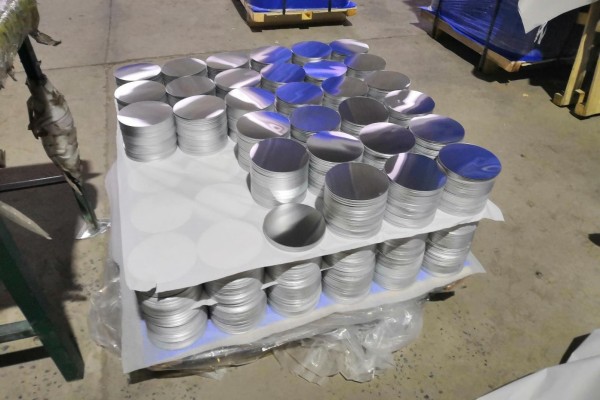
1. Metallurgische Basis für überlegene Formbarkeit
3003 Aluminium ist eine Al-Mn-Legierung mit etwa 1,0–1,5 % Mangan. Durch diese Zugabe entstehen fein verteilte intermetallische Verbindungen auf Mn-Basis, welche:
- Erhöhen Sie die Kaltverfestigungsfähigkeit
- Verbessern Sie die Zugfestigkeit, ohne die Duktilität zu beeinträchtigen
- Verbessern Sie die Widerstandsfähigkeit gegen lokale Ausdünnung
- Körner während des Glühens stabilisieren
- Reduzieren Sie die Risswahrscheinlichkeit bei Verformung mit hoher Dehnung
Diese Eigenschaften geben 3003 Scheiben mit ausgewogenen mechanischen Eigenschaften, ideal für Kochgeschirrkörper, Suppentöpfe, Schnellkochtopfschalen, tiefe Pfannen, und Küchenbecken.
2. Mechanische Eigenschaften, die die Tiefziehleistung verbessern
Im Vergleich zu reinem Aluminium, 3003 Legierung bietet:
- Höhere Dehnung, Ermöglicht tiefere Ziehverhältnisse
- Bessere Zugfestigkeit, was strukturelle Zuverlässigkeit ermöglicht
- Hervorragende Dehnungsverteilung, Reduzierung der Faltenbildung
- Höhere Streckgrenze, Verbesserung der Formbeständigkeit
- Höhere Beständigkeit gegen Nadelstiche und Risse
Diese Vorteile führen direkt zu einem flüssigeren Zeichnen, weniger Mängel, und höhere Produktionseffizienz.
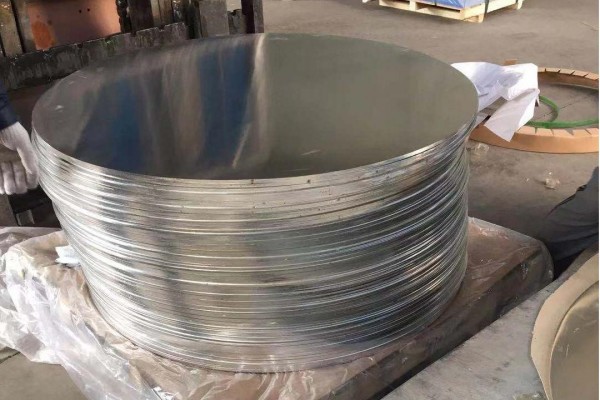
Tisch 1. Wichtige Materialeigenschaften von 3003 Legierungsscheiben zum Tiefziehen
| Materielles Eigentum |
Typischer Bereich (3003-O) |
Einfluss auf das Tiefziehen |
| Zugfestigkeit (MPa) |
95–130 |
Unterstützt tiefere Verformungen mit Stabilität |
| Verlängerung (%) |
25–35 % |
Ermöglicht einen hervorragenden Metallfluss beim Ziehen |
| Streckgrenze (MPa) |
35–45 |
Hilft, die Form nach dem Formen beizubehalten |
| Kaltverfestigungsrate |
Mäßig |
Verhindert plötzliche Brüche bei Belastungszunahme |
| Kornstruktur |
Bußgeld & Uniform |
Reduziert lokale Ausdünnung und Oberflächenfehler |
| Korrosionsbeständigkeit |
Hoch |
Geeignet für Lebensmittel- und Hochtemperatur-Kochgeschirr |
3. Vergleich: 3003 vs. 1050/1060 im Tiefziehen von Kochgeschirr
3003 Die Legierung wird speziell wegen der reinen Aluminiumqualitäten ausgewählt (1050/1060) Es fehlt die mechanische Verstärkung, die für komplexe Kochgeschirrgeometrien erforderlich ist.
Leistungsvergleichstabelle
| Eigentum / Besonderheit |
3003 Legierungsscheibe |
1050/1060 Scheibe aus reinem Aluminium |
Auswirkungen auf die Formung von Kochgeschirr |
| Verlängerung |
Hoch |
Mäßig |
3003 ermöglicht tiefer, mehrstufiges Zeichnen |
| Zugfestigkeit |
Hoch |
Untere |
Verhindert das Reißen in Töpfen mit großem Durchmesser |
| Streckgrenze |
Höher |
Weich |
Bessere Formbeständigkeit für Kochgeschirrkörper |
| Rissbeständigkeit |
Stark |
Schwach bei tiefen Zügen |
Reduziert die Ausschussrate beim Formen |
| Oberflächenbeschaffenheit |
Stabil nach dem Ziehen |
Anfälliger für Orangenhauteffekt |
Wichtig für poliertes Kochgeschirr |
| Bearbeitbarkeit |
Exzellent |
Gut, aber begrenzt |
3003 Unterstützt ein hohes Ziehverhältnis (1.9–2.2) |
| Hitzebeständigkeit |
Höher |
Untere |
Widersteht Postforming-Behandlungen |
Dieses Gleichgewicht zwischen Formbarkeit und Festigkeit ist der Grund dafür 3003 dominiert die Mitte- bis hin zur Herstellung hochwertiger Kochgeschirre.

4. Warum 3003 Bessere Leistung in tatsächlichen Produktionslinien
1. Glatterer Metallfluss
Seine höhere Dehnung ermöglicht eine gleichmäßige Dehnung ohne Dickenkollaps.
2. Bessere Stanzkompatibilität
3003 behält die Stabilität unter Druck bei, Reduzierung von stempelseitigen Rissen und Flanschrissen.
3. Höheres zulässiges Ziehverhältnis
Hersteller schaffen es oft 1.9–2,2 Ziehverhältnis An 3003 vs. 1.6–1,8 auf reinem Aluminium.
4. Niedrigere Fehlerrate
Weniger Faltenbildung, weniger Orangenschalenmuster, und reduzierte Kantenbrüche senken die Ausschussrate um 20–35 %.
5. Hervorragende Wärmeformungsreaktion
3003 übernimmt Nachbehandlungen wie das Eloxieren, Antioxidationsbeschichtung, und Polieren mit verbesserter Gleichmäßigkeit.
5. Anwendungen Wo 3003 Discs zeigen klaren Vorteil
- Tiefgezogenes Kochgeschirr (Töpfe, Pfannen, Fritteusen, Becken)
- Schnellkochtopfgehäuse
- Küchenutensilien mit großem Durchmesser
- Gewerbliches Kochgeschirr, das Haltbarkeit erfordert
- Hartanodisierte Kochgeschirrschalen
- Antihaftbeschichtetes Kochgeschirr, das eine hohe strukturelle Festigkeit erfordert
Die Fähigkeit, wiederholte Umformvorgänge zu bewältigen, macht es möglich 3003 einzigartig geeignet für anspruchsvolle Kochgeschirrgeometrie.

Abschluss
Der Vorgesetzte 3003 Tiefziehleistung von Aluminium macht diese Legierung zur bevorzugten Wahl für Kochgeschirr Herstellung. Seine einzigartige Kombination aus hoher Dehnung, ausgewogene Zugfestigkeit, gleichmäßige Kornstruktur, und die hervorragende Rissbeständigkeit ermöglicht es den Herstellern, tiefer zu produzieren, stärker, und zuverlässigere Kochgeschirrkörper. Beim Vergleich der Produktionseffizienz, Fehlerrate, und Endproduktqualität, 3003 Legierungsscheiben übertreffen durchweg Alternativen aus reinem Aluminium, Stärkung ihrer marktbeherrschenden Stellung in der weltweiten Kochgeschirrherstellungsindustrie.

