Kwanini 3003 Diski za aluminium hufanya vizuri zaidi katika utengenezaji wa cookware ya kina
3003 alumini utendaji wa kina wa kuchora ni faida kuu katika utengenezaji wa cookware, ambapo mtiririko wa chuma, kuteka, na upinzani kwa ngozi ya uso huamua mavuno yote ya uzalishaji na ubora wa mwisho wa bidhaa. Kwa sababu cookware inayotolewa kwa kina inahitaji deformation sawa, uwezo mkubwa wa kupambana na kukandamiza, na kumaliza bora uso, 3003 diski za aloi zimekuwa nyenzo inayopendelewa na tasnia kuliko viwango vya alumini safi kama vile 1050 na 1060.
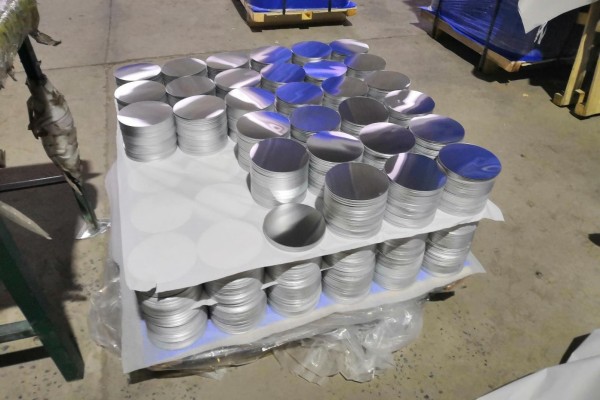
1. Msingi wa Metallurgical kwa Uundaji Bora
3003 alumini ni aloi ya Al-Mn iliyo na takriban 1.0-1.5% ya manganese. Nyongeza hii inaunda viunganishi vyema vya msingi vya Mn vilivyotawanywa, ambayo:
- Kuongeza uwezo wa kufanya kazi ngumu
- Boresha nguvu ya mvutano bila kutoa dhabihu ductility
- Kuongeza upinzani dhidi ya kukonda ndani
- Kuimarisha nafaka wakati wa annealing
- Punguza uwezekano wa kupasuka wakati wa deformation ya juu ya shida
Tabia hizi hutoa 3003 diski uwiano wa mali ya mitambo bora kwa vyombo vya kupikia, Hifadhi, makombora ya jiko la shinikizo, sufuria za kina, na mabonde ya jikoni.
2. Sifa za Mitambo Zinazoboresha Utendaji wa Kuchora Kina
Ikilinganishwa na alumini safi, 3003 aloi hutoa:
- Urefu wa juu, kuwezesha uwiano wa kina wa kuchora
- Nguvu bora ya mvutano, kuruhusu kuaminika kwa muundo
- Usambazaji wa hali ya juu zaidi, kupunguza mikunjo
- Nguvu ya juu ya mavuno, kuboresha uhifadhi wa sura
- Upinzani mkubwa kwa shimo la pini na kupasuka
Faida hizi hutafsiri moja kwa moja kwenye kuchora laini, kasoro chache, na ufanisi wa juu wa pato.
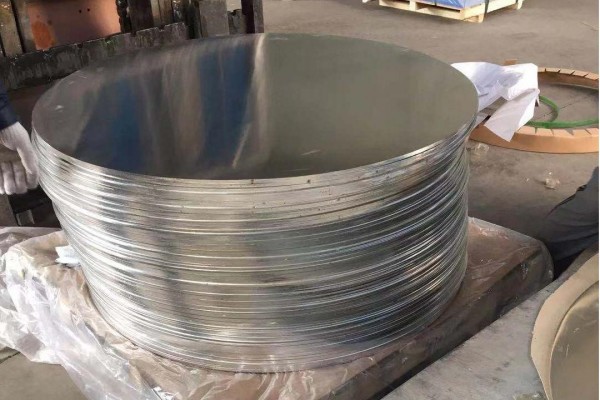
Jedwali 1. Sifa Muhimu za Nyenzo za 3003 Diski za Aloi za Kuchora kwa kina
| Mali ya Nyenzo |
Safu ya Kawaida (3003-O) |
Ushawishi kwenye Mchoro wa Kina |
| Nguvu ya Mkazo (MPa) |
95-130 |
Inasaidia deformation ya kina na utulivu |
| Kurefusha (%) |
25-35% |
Inaruhusu mtiririko bora wa chuma wakati wa kuchora |
| Nguvu ya Mavuno (MPa) |
35-45 |
Inasaidia kudumisha sura baada ya kuunda |
| Kiwango cha Ugumu wa Kazi |
Wastani |
Inazuia kupasuka kwa ghafla wakati wa kuongezeka kwa shida |
| Muundo wa Nafaka |
Sawa & sare |
Hupunguza ukondefu wa ndani na kasoro za uso |
| Upinzani wa kutu |
Juu |
Inafaa kwa cookware ya kiwango cha chakula na joto la juu |
3. Kulinganisha: 3003 vs. 1050/1060 katika Mchoro wa kina wa Cookware
3003 aloi imechaguliwa mahsusi kwa sababu darasa safi za alumini (1050/1060) ukosefu wa uimarishaji wa mitambo unaohitajika kwa jiometri tata za cookware.
Jedwali la Kulinganisha Utendaji
| Mali / Kipengele |
3003 Diski ya Aloi |
1050/1060 Diski Safi ya Alumini |
Athari kwenye Uundaji wa Vyombo vya Kupika |
| Kurefusha |
Juu |
Wastani |
3003 inaruhusu ndani zaidi, kuchora hatua nyingi |
| Nguvu ya Mkazo |
Juu |
Chini |
Inazuia kurarua kwenye sufuria zenye kipenyo kikubwa |
| Nguvu ya Mavuno |
Juu zaidi |
Laini |
Uhifadhi wa sura bora kwa vyombo vya kupikia |
| Upinzani wa Ufa |
Nguvu |
Dhaifu katika michoro ya kina |
Hupunguza kiwango cha chakavu wakati wa kuunda |
| Uso Maliza |
Imara baada ya kuchora |
Inakabiliwa zaidi na athari ya peel ya machungwa |
Muhimu kwa cookware iliyosafishwa |
| Uwezo wa kufanya kazi |
Bora kabisa |
Nzuri lakini mdogo |
3003 inasaidia uwiano wa juu wa kuteka (1.9-2.2) |
| Upinzani wa joto |
Juu zaidi |
Chini |
Inastahimili matibabu ya baada ya kuunda |
Usawa huu wa umbile na nguvu ndio maana 3003 inatawala katikati- kwa utengenezaji wa vyombo vya kupikia vya hali ya juu.

4. Kwanini 3003 Hufanya Vizuri Zaidi Katika Mistari Halisi ya Uzalishaji
1. Mtiririko wa Metali laini
Urefu wake wa juu huruhusu kunyoosha sare bila kuanguka kwa unene.
2. Utangamano Bora wa Punch
3003 hudumisha utulivu chini ya shinikizo, kupunguza mpasuko wa upande wa ngumi na nyufa za flange.
3. Uwiano wa Juu Unaoruhusiwa wa Kuchora
Wazalishaji mara nyingi hufanikiwa 1.9-2.2 uwiano wa kuchora juu 3003 vs. 1.6-1.8 kwenye alumini safi.
4. Kiwango cha chini cha kasoro
Kukunjamana kidogo, mifumo machache ya peel ya machungwa, na kupunguzwa kwa mivunjiko ya kingo kupunguza kiwango cha chakavu kwa 20-35%.
5. Mwitikio Bora wa Kutengeneza Joto
3003 Hushughulikia matibabu ya baada ya kuchora kama vile anodizing, mipako ya kupambana na oxidation, na kung'arisha kwa usawa ulioboreshwa.
5. Maombi wapi 3003 Diski Zinaonyesha Faida ya Wazi
- Vipu vya kupikia vilivyochorwa kwa kina (sufuria, sufuria, vikaanga, mabonde)
- Miili ya jiko la shinikizo
- Vyombo vya jikoni vya kipenyo kikubwa
- Vipu vya kupikia vya kibiashara vinavyohitaji uimara
- Maganda ya cookware yenye anodized
- Vijiko visivyo na vijiti vinavyohitaji nguvu ya juu ya muundo
Uwezo wa kushughulikia shughuli za kuunda mara kwa mara hufanya 3003 inafaa kipekee kwa jiometri inayohitajika ya cookware.

Hitimisho
Mkuu 3003 utendaji wa kuchora kina wa alumini hufanya aloi hii kuwa chaguo bora zaidi vifaa vya kupika viwanda. Mchanganyiko wake wa kipekee wa urefu wa juu, nguvu ya mvutano yenye usawa, muundo wa nafaka sare, na upinzani bora kwa ngozi huwezesha wazalishaji kuzalisha zaidi, nguvu zaidi, na vyombo vya kupikia vya kuaminika zaidi. Wakati wa kulinganisha ufanisi wa uzalishaji, kiwango cha kasoro, na ubora wa mwisho wa bidhaa, 3003 diski za aloi mara kwa mara hupita njia mbadala za alumini safi, kuimarisha nafasi yao kuu katika tasnia ya kutengeneza vyombo vya kupikia duniani.