Por que 3003 Os discos de liga de alumínio têm melhor desempenho na produção de panelas de imersão profunda
3003 alumínio desempenho de estampagem profunda é uma vantagem decisiva na fabricação de utensílios de cozinha, onde o fluxo de metal, desenhabilidade, e a resistência à fissuração superficial determinam o rendimento da produção e a qualidade do produto final. Porque panelas profundas requerem deformação uniforme, forte capacidade anti-fratura, e excelente acabamento superficial, 3003 os discos de liga leve tornaram-se o material preferido da indústria em relação aos tipos de alumínio puro, como 1050 e 1060.
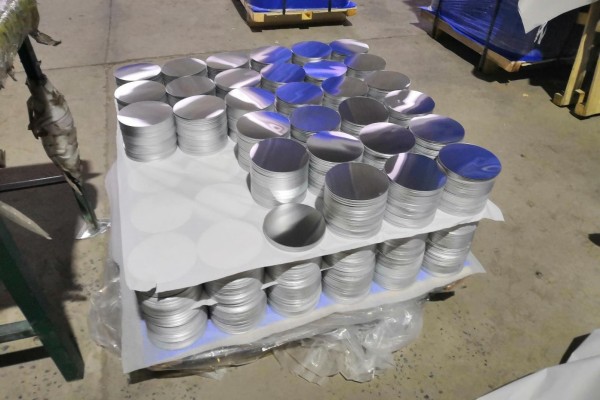
1. Base Metalúrgica para Formabilidade Superior
3003 o alumínio é uma liga de Al – Mn contendo aproximadamente 1,0–1,5% de manganês. Esta adição cria intermetálicos à base de Mn dispersos finos, qual:
- Aumentar a capacidade de endurecimento do trabalho
- Melhore a resistência à tração sem sacrificar a ductilidade
- Aumentar a resistência ao desbaste localizado
- Estabilizar grãos durante o recozimento
- Reduza a probabilidade de trincas durante deformações de alta tensão
Essas características dão 3003 discos as propriedades mecânicas equilibradas ideais para corpos de panelas, caldeirões, conchas de panela de pressão, panelas profundas, e bacias de cozinha.
2. Propriedades mecânicas que melhoram o desempenho do deep-draw
Comparado com alumínio puro, 3003 liga fornece:
- Maior alongamento, permitindo taxas de estiramento mais profundas
- Melhor resistência à tração, permitindo confiabilidade estrutural
- Distribuição de tensão superior, reduzindo rugas
- Maior resistência ao escoamento, melhorando a retenção da forma
- Maior resistência a furos e rasgos
Essas vantagens se traduzem diretamente em um desenho mais suave, menos defeitos, e maior eficiência de produção.
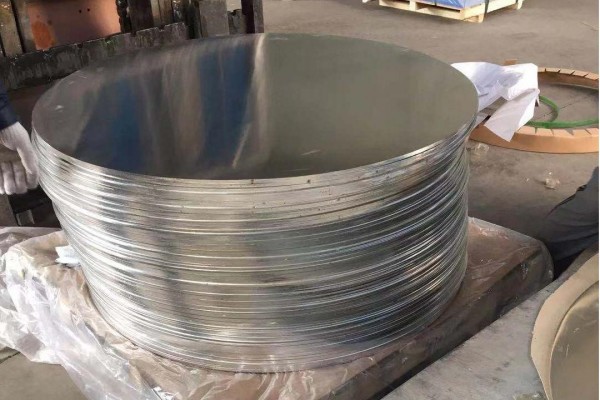
Mesa 1. Principais propriedades materiais de 3003 Discos de liga para estampagem profunda
| Propriedade material |
Faixa Típica (3003-Ó) |
Influência no desenho profundo |
| Resistência à tracção (MPa) |
95–130 |
Suporta deformações mais profundas com estabilidade |
| Alongamento (%) |
25–35% |
Permite excelente fluxo de metal durante o desenho |
| Força de rendimento (MPa) |
35–45 |
Ajuda a manter a forma após a formação |
| Taxa de endurecimento do trabalho |
Moderado |
Evita fratura súbita durante aumento de tensão |
| Estrutura de grãos |
Multar & uniforme |
Reduz desbaste local e defeitos superficiais |
| Resistência à corrosão |
Alto |
Adequado para panelas de qualidade alimentar e de alta temperatura |
3. Comparação: 3003 contra. 1050/1060 em desenho profundo de panelas
3003 a liga é escolhida especificamente porque os graus de alumínio puro (1050/1060) não possuem o reforço mecânico necessário para geometrias complexas de utensílios de cozinha.
Tabela de comparação de desempenho
| Propriedade / Recurso |
3003 Disco de liga |
1050/1060 Disco de alumínio puro |
Impacto na formação de panelas |
| Alongamento |
Alto |
Moderado |
3003 permite mais profundo, desenho em várias etapas |
| Resistência à tracção |
Alto |
Mais baixo |
Evita rasgos em vasos de grande diâmetro |
| Força de rendimento |
Mais alto |
Macio |
Melhor retenção de forma para corpos de panelas |
| Resistência a rachaduras |
Forte |
Fraco em draws profundos |
Reduz a taxa de refugo durante a conformação |
| Acabamento de superfície |
Estável após desenho |
Mais propenso ao efeito casca de laranja |
Importante para panelas polidas |
| Trabalhabilidade |
Excelente |
Bom, mas limitado |
3003 suporta alta taxa de desenho (1.9–2,2) |
| Resistência ao Calor |
Mais alto |
Mais baixo |
Suporta tratamentos pós-formação |
Este equilíbrio entre conformabilidade e resistência é o motivo pelo qual 3003 domina o meio- para a produção de utensílios de cozinha de alta qualidade.

4. Por que 3003 Desempenho melhor em linhas de produção reais
1. Fluxo de metal mais suave
Seu maior alongamento permite alongamento uniforme sem colapso de espessura.
2. Melhor compatibilidade de punção
3003 mantém a estabilidade sob pressão, reduzindo rasgos no lado do punção e rachaduras no flange.
3. Taxa de desenho permitida mais alta
Os fabricantes muitas vezes alcançam 1.9–2,2 proporção de desenho sobre 3003 contra. 1.6–1,8 em alumínio puro.
4. Menor taxa de defeitos
Menos rugas, menos padrões de casca de laranja, e fraturas reduzidas nas bordas reduzem a taxa de refugo em 20–35%.
5. Excelente resposta de formação de calor
3003 lida com tratamentos pós-desenho como anodização, revestimento anti-oxidação, e polimento com melhor uniformidade.
5. Aplicações onde 3003 Os discos mostram uma clara vantagem
- Panelas profundas (potes, panelas, fritadeiras, bacias)
- Corpos de panela de pressão
- Utensílios de cozinha de grande diâmetro
- Utensílios de cozinha comerciais que exigem durabilidade
- Conchas de panelas anodizadas duras
- Panelas antiaderentes que necessitam de alta resistência estrutural
A capacidade de lidar com operações de conformação repetidas torna 3003 exclusivamente adequado para geometria exigente de utensílios de cozinha.

Conclusão
O superior 3003 desempenho de estampagem profunda de alumínio torna esta liga a escolha preferida para panelas fabricação. Sua combinação única de alto alongamento, resistência à tração equilibrada, estrutura de grão uniforme, e excelente resistência a rachaduras permite que os fabricantes produzam, mais forte, e corpos de panelas mais confiáveis. Ao comparar a eficiência da produção, taxa de defeito, e qualidade do produto final, 3003 os discos de liga superam consistentemente as alternativas de alumínio puro, reforçando sua posição dominante nas indústrias globais de formação de utensílios de cozinha.

