Pourquoi 3003 Les disques en alliage d'aluminium fonctionnent mieux dans la production d'ustensiles de cuisine à emboutissage profond
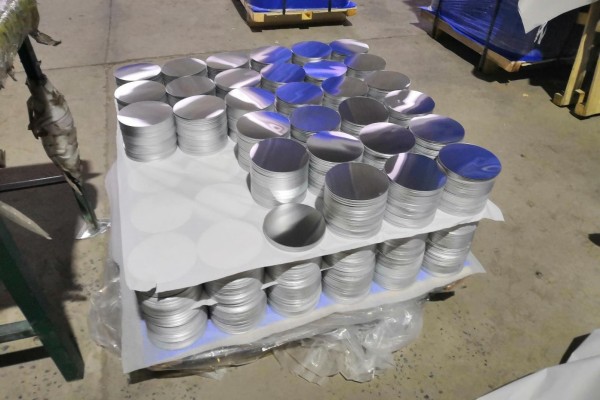
3003 aluminium performances d'emboutissage profond est un avantage décisif dans la fabrication d'ustensiles culinaires, où le métal coule, aptitude à l'étirage, et la résistance à la fissuration superficielle déterminent à la fois le rendement de production et la qualité du produit final. Parce que les ustensiles de cuisine emboutis nécessitent une déformation uniforme, forte capacité anti-fracture, et une excellente finition de surface, 3003 les disques en alliage sont devenus le matériau préféré de l'industrie par rapport aux qualités d'aluminium pur telles que 1050 et 1060.
1. Base métallurgique pour une formabilité supérieure
3003 l'aluminium est un alliage Al-Mn contenant environ 1,0 à 1,5 % de manganèse. Cet ajout crée des intermétalliques finement dispersés à base de Mn, lequel:
- Augmenter la capacité d'écrouissage
- Améliorer la résistance à la traction sans sacrifier la ductilité
- Améliorer la résistance à l’amincissement localisé
- Stabiliser les grains pendant le recuit
- Réduire la probabilité de fissuration lors de déformations à forte contrainte
Ces caractéristiques donnent 3003 disques aux propriétés mécaniques équilibrées idéales pour les corps d'ustensiles de cuisine, marmites, coquilles d'autocuiseur, casseroles profondes, et lavabos de cuisine.
2. Propriétés mécaniques qui améliorent les performances d'emboutissage profond
Comparé à l'aluminium pur, 3003 l'alliage fournit:
- Allongement plus élevé, permettant des rapports d'étirage plus profonds
- Meilleure résistance à la traction, permettant une fiabilité structurelle
- Répartition supérieure des contraintes, réduire les rides
- Limite d'élasticité plus élevée, améliorer la rétention de forme
- Résistance accrue aux piqûres et aux déchirures
Ces avantages se traduisent directement par un dessin plus fluide, moins de défauts, et une efficacité de production plus élevée.
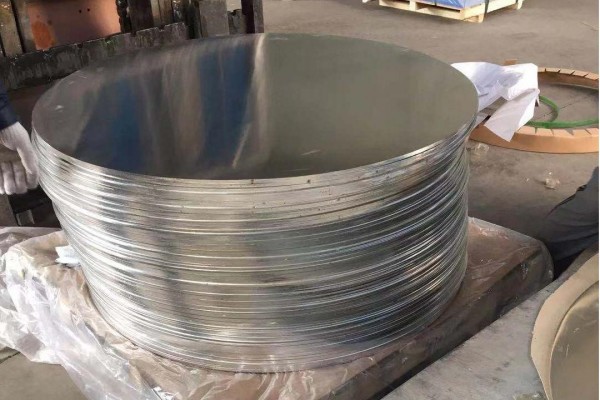
Tableau 1. Propriétés matérielles clés de 3003 Disques en alliage pour l'emboutissage profond
| Propriété matérielle |
Gamme typique (3003-Ô) |
Influence sur l'emboutissage profond |
| Résistance à la traction (MPa) |
95–130 |
Prend en charge une déformation plus profonde avec stabilité |
| Élongation (%) |
25–35% |
Permet un excellent écoulement du métal pendant l'emboutissage |
| Limite d'élasticité (MPa) |
35–45 |
Aide à maintenir la forme après la formation |
| Taux de durcissement au travail |
Modéré |
Empêche les fractures soudaines lors de l'augmentation de la tension |
| Structure des grains |
Bien & uniforme |
Réduit l’amincissement local et les défauts de surface |
| Résistance à la corrosion |
Haut |
Convient aux ustensiles de cuisine de qualité alimentaire et à haute température |
3. Comparaison: 3003 contre. 1050/1060 dans Emboutissage profond d'ustensiles de cuisine
3003 L'alliage est spécifiquement choisi car les qualités d'aluminium pur (1050/1060) manquent du renforcement mécanique nécessaire aux géométries complexes des ustensiles de cuisine.
Tableau de comparaison des performances
| Propriété / Fonctionnalité |
3003 Disque en alliage |
1050/1060 Disque en aluminium pur |
Impact sur la formation des ustensiles de cuisine |
| Élongation |
Haut |
Modéré |
3003 permet d'approfondir, dessin en plusieurs étapes |
| Résistance à la traction |
Haut |
Inférieur |
Empêche les déchirures dans les pots de grand diamètre |
| Limite d'élasticité |
Plus haut |
Doux |
Meilleure conservation de la forme des corps des ustensiles de cuisine |
| Résistance aux fissures |
Fort |
Faible dans les tirages profonds |
Réduit le taux de rebut pendant le formage |
| Finition de surface |
Stable après dessin |
Plus sujet à l’effet peau d’orange |
Important pour les ustensiles de cuisine polis |
| Maniabilité |
Excellent |
Bon mais limité |
3003 prend en charge un rapport de tirage élevé (1.9–2.2) |
| Résistance à la chaleur |
Plus haut |
Inférieur |
Résiste aux traitements post-formage |
Cet équilibre entre formabilité et résistance est la raison pour laquelle 3003 domine le milieu- à la production d'ustensiles culinaires haut de gamme.

4. Pourquoi 3003 Fonctionne mieux dans les lignes de production réelles
1. Flux de métal plus fluide
Son allongement plus élevé permet un étirement uniforme sans effondrement de l'épaisseur.
2. Meilleure compatibilité des poinçons
3003 maintient la stabilité sous pression, réduisant les déchirures côté poinçon et les fissures des brides.
3. Rapport de tirage autorisé plus élevé
Les fabricants obtiennent souvent 1.9–Rapport de tirage de 2,2 sur 3003 contre. 1.6–1,8 sur aluminium pur.
4. Taux de défauts inférieur
Moins de rides, moins de motifs de peau d'orange, et la réduction des fractures des bords réduit le taux de rebut de 20 à 35 %.
5. Excellente réponse de formation de chaleur
3003 gère les traitements post-étirage comme l'anodisation, revêtement anti-oxydation, et polissage avec une uniformité améliorée.
5. Applications où 3003 Les disques présentent un avantage évident
- Ustensiles de cuisine emboutis (pots, des casseroles, friteuses, bassins)
- Corps d'autocuiseur
- Ustensiles de cuisine de grand diamètre
- Batterie de cuisine commerciale nécessitant de la durabilité
- Coques de batterie de cuisine anodisées dure
- Batterie de cuisine antiadhésive nécessitant une résistance structurelle élevée
La capacité à gérer des opérations de formage répétées rend 3003 particulièrement adapté à la géométrie exigeante des ustensiles de cuisine.

Conclusion
Le supérieur 3003 performances d'emboutissage profond en aluminium fait de cet alliage le choix préféré pour batterie de cuisine fabrication. Sa combinaison unique d'allongement élevé, résistance à la traction équilibrée, structure granulaire uniforme, et une excellente résistance à la fissuration permet aux fabricants de produire des, plus fort, et des corps de batterie de cuisine plus fiables. En comparant l'efficacité de la production, taux de défauts, et la qualité du produit final, 3003 les disques en alliage surpassent systématiquement les alternatives en aluminium pur, renforçant leur position dominante dans les industries mondiales de fabrication d'ustensiles de cuisine.

