राइस कुकर इनर पॉट्स के लिए हॉट-रोल्ड और कोल्ड-रोल्ड एल्यूमीनियम डिस्क के बीच इयरिंग अनुपात अंतर: दीवार की मोटाई एकरूपता पर प्रभाव, इन्सुलेशन आसंजन, और थर्मल प्रदर्शन
HW-ए. परिचय: एल्यूमिनियम आंतरिक बर्तनों की अनुप्रयोग पृष्ठभूमि और प्रक्रिया-संबंधी आवश्यकताएँ
चावल कुकर जैसे रसोई उपकरणों में एल्यूमीनियम के आंतरिक बर्तनों का व्यापक रूप से उपयोग किया जाता है, इलेक्ट्रिक प्रेशर कुकर, और वैक्यूम थर्मस फ्लास्क. उनकी लोकप्रियता यहीं से उपजी है “हल्के, एकसमान ऊष्मा चालन, और अच्छी फॉर्मैबिलिटी” विशेषताएँ.
इन अनुप्रयोगों के बीच, चावल कुकर के भीतरी बर्तनों की कीमत अधिक है 60% बाज़ार का. विशेष रूप से, में 2024, वैश्विक बाज़ार का आकार चावल कुकर के भीतरी बर्तनों के लिए एल्यूमीनियम डिस्क पहुँच गया 5.2 खरब युआन (स्रोत: चीन अलौह धातु उद्योग संघ), उद्योग में इन कच्चे माल की महत्वपूर्ण भूमिका को दर्शाता है.
अधिकांश चावल कुकर के भीतरी बर्तनों का निर्माण किया जाता है चावल कुकर के भीतरी बर्तनों के लिए एल्यूमीनियम डिस्क चार-चरणीय प्रक्रिया के माध्यम से: “ब्लैंकिंग → स्ट्रेच फॉर्मिंग → एनीलिंग → शेपिंग”. विशेष रूप से, यह प्रक्रिया श्रृंखला सीधे आंतरिक बर्तन की अंतिम गुणवत्ता निर्धारित करती है.
उनके मुख्य गुणवत्ता संकेतकों में दो प्रमुख पहलू शामिल हैं: ①दीवार की मोटाई एकरूपता (सहनशीलता ≤5%, क्यूबी/टी के अनुरूप 4099 घरेलू और इसी तरह के इलेक्ट्रिक हीटिंग उपकरणों के लिए एल्युमीनियम और एल्युमीनियम मिश्र धातु के भीतरी बर्तन); ② बाहरी दीवार का समतल होना (खुरदरापन रा ≤0.8μm). प्रदर्शन सुनिश्चित करने के लिए इन दो संकेतकों पर समझौता नहीं किया जा सकता है.
विशेष रूप से, ये दो संकेतक सीधे इन्सुलेशन परत के आसंजन को निर्धारित करते हैं - आमतौर पर पॉलीयूरेथेन फोम या संशोधित फेनोलिक राल. वे चावल कुकर के थर्मल इन्सुलेशन प्रदर्शन को और प्रभावित करते हैं, जिसकी सख्त आवश्यकता है “60℃ पर 12 घंटे के इन्सुलेशन के बाद तापमान में ≤5℃ की गिरावट”.
उद्योग अनुसंधान से पता चलता है कि लगभग 23% राइस कुकर इनर पॉट निर्माताओं ने दीवार की मोटाई में अत्यधिक विचलन का अनुभव किया है (>8%). महत्वपूर्ण बात, यह समस्या उपयोग करने से उत्पन्न होती है चावल कुकर के भीतरी बर्तनों के लिए एल्यूमीनियम डिस्क विभिन्न रोलिंग प्रक्रियाओं द्वारा उत्पादित, कच्चे माल की गुणवत्ता और उत्पाद की गुणवत्ता के बीच संबंध पर प्रकाश डाला गया.
दीवार की मोटाई में अत्यधिक विचलन से इन्सुलेशन परत में 0.1-0.3 मिमी का स्थानीय अंतराल हो जाता है. यह भी एक कारण बनता है 15%-25% थर्मल इन्सुलेशन प्रदर्शन में कमी, उपयोगकर्ता अनुभव पर सीधा प्रभाव पड़ रहा है.
मुख्य मुद्दा बाली अनुपात में अंतर है. चावल कुकर के भीतरी बर्तनों के लिए एल्यूमिनियम डिस्क हॉट-रोलिंग और कोल्ड-रोलिंग प्रक्रियाओं द्वारा उत्पादित उत्पादों में रोलिंग तापमान में भिन्नता के कारण इयरिंग अनुपात अलग-अलग होता है, विरूपण राशि, और अनाज अभिविन्यास.
यह पैरामीटर सीधे खिंचाव निर्माण के दौरान प्लास्टिक प्रवाह की एकरूपता पर हावी होता है. अंत में, यह दीवार की मोटाई में विचलन और इन्सुलेशन परत के आसंजन संबंधी समस्याओं का कारण बनता है. इसलिए इस चुनौती का समाधान करने के लिए सामग्री प्रसंस्करण और थर्मल इंजीनियरिंग सिद्धांतों के क्रॉस-परिप्रेक्ष्य से गहन विश्लेषण आवश्यक है.

HW-बी. चावल कुकर के भीतरी बर्तनों के लिए एल्यूमीनियम डिस्क के लिए हॉट-रोलिंग और कोल्ड-रोलिंग प्रक्रियाओं और इयरिंग अनुपात निर्माण के तंत्र के बीच मुख्य अंतर
अनिसोट्रॉपी के मूल्यांकन के लिए इयरिंग अनुपात एक प्रमुख संकेतक है एल्यूमीनियम डिस्क चावल कुकर के भीतरी बर्तनों के लिए खिंचाव निर्माण के दौरान. यह कच्चे माल की उपयुक्तता के लिए एक महत्वपूर्ण बेंचमार्क के रूप में कार्य करता है.
इसे इस प्रकार परिभाषित किया गया है “फैले हुए हिस्से पर कानों की ऊंचाई और नीचे की औसत ऊंचाई का अनुपात”. उद्योग को आम तौर पर ≤3% के इयरिंग अनुपात की आवश्यकता होती है चावल कुकर के भीतरी बर्तनों के लिए एल्यूमीनियम डिस्क, क्योंकि उच्च अनुपात से दोष उत्पन्न होते हैं.
ईयरिंग अनुपात में अंतर हॉट-रोलिंग और कोल्ड-रोलिंग प्रक्रियाओं के विभिन्न नियामक प्रभावों से उत्पन्न होता है. विशेष रूप से, ये प्रक्रियाएँ सूक्ष्म संरचना को प्रभावित करती हैं (अनाज अभिविन्यास, बनावट प्रकार) का चावल कुकर के भीतरी बर्तनों के लिए एल्यूमीनियम डिस्क अलग-अलग तरीकों से, अलग-अलग प्रदर्शन की ओर ले जाता है.
(ए) हॉट-रोलिंग और कोल्ड-रोलिंग प्रक्रियाओं के बीच प्रमुख मापदंडों की तुलना (सामान्य एल्युमीनियम मिश्रधातुएँ लेना 1060 तथा 3003 उदाहरण के तौर पर चावल कुकर के भीतरी बर्तनों के लिए)
| रोलिंग प्रक्रिया |
रोलिंग तापमान रेंज |
एकल-पास विरूपण दर |
अनाज आकार |
मुख्य बनावट प्रकार |
विशिष्ट इयरिंग अनुपात रेंज (इन एल्युमीनियम डिस्क के लिए) |
चावल कुकर के भीतरी बर्तनों की लागू मोटाई |
मानक संदर्भ |
| हॉट रोलिंग |
350-500℃ (पुनर्क्रिस्टलीकरण तापमान से ऊपर) |
30%-50% |
50-80सुक्ष्ममापी |
यादृच्छिक अभिविन्यास + कमज़ोर {111}<110> |
3.0%-5.5% (18% इनमें से एल्यूमीनियम डिस्क मानक से अधिक हैं) |
≥2.0मिमी |
जीबी/टी 3880.2 |
| ठंड में रोलिंग |
20-80℃ (कमरे के तापमान के करीब) |
15%-30% |
10-25सुक्ष्ममापी |
मज़बूत {100}<011> + {112}<110> |
1.5%-3.0% (इन एल्यूमीनियम डिस्क की आवश्यकताओं को पूरा करता है) |
0.8-2.0मिमी |
जीबी/टी 3880.3 |
(बी) कान की बाली के अनुपात में अंतर का सूक्ष्मदर्शी तंत्र
- अनाज अभिविन्यास अंतर:
-
- पहले तो, हॉट-रोलिंग प्रक्रिया के दौरान, का गतिशील पुनः क्रिस्टलीकरण चावल कुकर के भीतरी बर्तनों के लिए एल्यूमीनियम डिस्क उच्च तापमान पर होता है. इसके परिणामस्वरूप रोलिंग दिशा के साथ अपेक्षाकृत यादृच्छिक अनाज अभिविन्यास होता है (तृतीय) और अनुप्रस्थ दिशा (टीडी), दिशात्मक एकरूपता का अभाव.
-
- फलस्वरूप, केवल कमजोर {111}<110> बनावट बनती है. यह संरचना खिंचाव निर्माण के दौरान विभिन्न दिशाओं में प्लास्टिक प्रवाह प्रतिरोध में महत्वपूर्ण अंतर पैदा करती है. उदाहरण के लिए, आरडी दिशा में बढ़ाव है 8%-12% टीडी दिशा में उससे अधिक.
-
- यह असमान प्रवाह आसानी से स्पष्ट हो जाता है “कान” (ऊँचाई का अंतर 0.2-0.5 मिमी) 45° या 0° दिशा में. ऐसे कान चावल कुकर के भीतरी बर्तनों की निर्माण सटीकता आवश्यकताओं को पूरा करने में विफल रहते हैं, दोष जोखिम बढ़ रहा है.
-
- इसके विपरीत, कोल्ड-रोलिंग प्रक्रिया में मल्टी-पास कम तापमान वाली रोलिंग शामिल होती है (आमतौर पर 3-5 गुजरता है). यह जबरन विरूपण इन एल्यूमीनियम डिस्क के दानों को विशिष्ट दिशाओं में संरेखित करने के लिए मजबूर करता है, आदेशित माइक्रोस्ट्रक्चर बनाना.
-
- दो मजबूत बनावटें बनती हैं: “घन बनावट” ({100}<011>) तथा “पीतल की बनावट” ({112}<110>). इन दो बनावटों का सहक्रियात्मक प्रभाव विभिन्न दिशाओं के बीच बढ़ाव के अंतर को कम कर देता है 3%-5%, हॉट रोल्ड डिस्क की तुलना में एक महत्वपूर्ण सुधार.
-
- बढ़ाव अंतर में यह महत्वपूर्ण कमी बाली अनुपात को कम करती है, चावल कुकर के आंतरिक बर्तनों के समान खिंचाव के लिए उपयुक्त कोल्ड-रोल्ड डिस्क बनाना, विशेष रूप से उच्च परिशुद्धता वाले उत्पादों के लिए.
- अव्यवस्था घनत्व और अवशिष्ट तनाव:
कोल्ड-रोलिंग के दौरान इन एल्यूमीनियम डिस्क का विस्थापन घनत्व (10¹⁴-10¹⁵ m⁻²) हॉट-रोलिंग के दौरान की तुलना में बहुत अधिक है (10¹²-10¹³ मी⁻²). यह उच्च घनत्व बेहतर यांत्रिक स्थिरता में योगदान देता है.
इसके अतिरिक्त, कोल्ड रोल्ड डिस्क में अधिक समान अवशिष्ट तनाव वितरण होता है, जो बाद के खिंचाव निर्माण के दौरान विरूपण विसंगतियों को कम करता है.
हालाँकि, अगर चावल कुकर के भीतरी बर्तनों के लिए एल्यूमीनियम डिस्क हॉट-रोलिंग के दौरान अपर्याप्त एनीलिंग से गुजरना (जैसे, अपने पास रखने की अवधि <2एच), स्थानीय तनाव सांद्रता अनाज की सीमाओं पर होगी. यह बाद के प्रसंस्करण के लिए एक प्रमुख छिपा हुआ खतरा है.
यह तनाव सघनता खिंचाव निर्माण के दौरान असमान विकृति को और बढ़ा देती है. यह बाली अनुपात को बढ़ाता है और चावल कुकर के भीतरी बर्तनों में दोष बनने का खतरा बढ़ाता है, जैसे दरारें या असमान दीवारें.

HW-सी. दीवार की मोटाई का गठन तंत्र और मात्रात्मक विश्लेषण चावल कुकर के भीतरी बर्तनों में कान के अनुपात में अंतर के कारण असमानता
चावल कुकर के आंतरिक बर्तनों का खिंचाव निर्माण चावल कुकर के भीतरी बर्तनों के लिए एल्यूमीनियम डिस्क यह मूलतः एक प्लास्टिक विरूपण प्रक्रिया है. उसमें शामिल है “रेडियल स्ट्रेचिंग + अक्षीय पतलापन”, विरूपण एकरूपता में इयरिंग अनुपात एक निर्णायक कारक है.
ईयरिंग अनुपात में अंतर सीधे तौर पर दीवार की मोटाई में असमानता का कारण बनता है “प्लास्टिक प्रवाह की अनिसोट्रॉपी”. विशेष रूप से, निम्नलिखित अभिव्यक्तियाँ और मात्रात्मक डेटा इस संबंध को स्पष्ट रूप से दर्शाते हैं:
(ए) विभिन्न इयरिंग अनुपात के तहत चावल कुकर के भीतरी बर्तनों की दीवार की मोटाई का वितरण
| एल्यूमिनियम डिस्क प्रकार |
बाली अनुपात (%) |
नीचे की मोटाई (मिमी) |
पार्श्व दीवार की मोटाई (मिमी) |
कान क्षेत्र की मोटाई (मिमी) |
अधिकतम मोटाई विचलन (%) |
दोष दर (खुर) (%) |
| ठंडी स्थिति में लपेटा गया (1060) |
1.5 |
1.48-1.52 |
1.25-1.30 |
1.20-1.25 |
≤6 |
2 |
| ठंडी स्थिति में लपेटा गया (3003) |
2.0 |
1.45-1.50 |
1.20-1.30 |
1.15-1.20 |
≤8 |
3 |
| गरम वेल्लित (1060, annealed) |
3.5 |
1.46-1.51 |
1.15-1.25 |
1.05-1.15 |
24 |
8 |
| गरम वेल्लित (3003, अघोषित) |
4.8 |
1.48-1.52 |
1.10-1.25 |
0.95-1.05 |
37 |
12 |
(बी) खिंचाव निर्माण के दौरान दीवार की मोटाई के विकास का नियम
एक उदाहरण के रूप में मुख्यधारा के चावल कुकर इनर पॉट को लेना - 220 मिमी के व्यास और 1.5 मिमी पर इन एल्यूमीनियम डिस्क की प्रारंभिक मोटाई - परिमित तत्व विश्लेषण (अबाकुस) और प्रायोगिक सत्यापन का उपयोग दीवार की मोटाई वितरण प्राप्त करने के लिए किया गया था. यह केस अध्ययन वास्तविक दुनिया के प्रदर्शन में ठोस अंतर्दृष्टि प्रदान करता है.
- चावल कुकर के भीतरी बर्तनों के लिए कोल्ड-रोल्ड एल्युमीनियम डिस्क (बाली अनुपात 2.0%):
-
- खिंचाव बनने के बाद, भीतरी बर्तन के तल की दीवार की मोटाई (न्यूनतम तनाव वाला क्षेत्र) 1.45-1.50 मिमी तक होती है, न्यूनतम भिन्नता दिखा रहा है.
-
- बगल की दीवार (मुख्य विरूपण क्षेत्र) इसकी मोटाई 1.20-1.30 मिमी है, अच्छी एकरूपता बनाए रखना.
-
- कान (45° दिशा) मोटाई 1.15-1.20 मिमी मापें, केवल थोड़े से पतलेपन के साथ.
-
- अधिकतम दीवार मोटाई विचलन ≤8% है (1.50मिमी बनाम 1.15 मिमी). यह की आवश्यकता को पूरा करता है “चावल कुकर के भीतरी बर्तनों की दीवार की मोटाई का विचलन ≤10%” क्यूबी/टी में 4099, उद्योग मानकों का अनुपालन सुनिश्चित करना.
- चावल कुकर के भीतरी बर्तनों के लिए हॉट-रोल्ड एल्यूमिनियम डिस्क (बाली अनुपात 4.5%):
-
- निचली दीवार की मोटाई 1.48-1.52 मिमी तक है, कम तनाव के कारण अपेक्षाकृत स्थिर.
-
- साइड की दीवार की मोटाई 1.10-1.25 मिमी है, कोल्ड रोल्ड डिस्क की तुलना में अधिक भिन्नता के साथ.
-
- कान (0°/90° दिशा) काफी पतले हैं, 0.95-1.05 मिमी पर, असमान प्लास्टिक प्रवाह का परिणाम.
-
- दीवार की मोटाई का अधिकतम विचलन पहुँच जाता है 37% (1.52मिमी बनाम 0.95 मिमी), मानक सीमा से कहीं अधिक. यह विचलन कार्यात्मक चावल कुकर के लिए अस्वीकार्य है.
-
- इसके अतिरिक्त, बाद में आकार देने के दौरान कान क्षेत्र के फटने का खतरा रहता है. चावल कुकर के भीतरी बर्तनों की खराबी दर तक पहुँच जाती है 12%, जिससे पर्याप्त उत्पादन हानि हुई.
(सी) दीवार की मोटाई की असमानता का मुख्य कारण: “स्थानीय पतलापन प्रभाव” बाली अनुपात का प्रभुत्व
के अनुसार “पहाड़ी अनिसोट्रोपिक उपज मानदंड” सामग्री यांत्रिकी में, खिंचाव निर्माण के दौरान इन एल्यूमीनियम डिस्क की दीवार की मोटाई भिन्नता Δt और बढ़ाव ε के बीच संबंध है: Δt = t₀×(1-ई) (जहां t₀ प्रारंभिक मोटाई है). यह सूत्र बढ़ाव और मोटाई परिवर्तन के बीच संबंध को मापता है.
मूलरूप में, एक उच्च इयरिंग अनुपात विभिन्न दिशाओं के बीच बढ़ाव ε में एक बड़े अंतर को इंगित करता है. यह दिशात्मक असंगति सीधे तौर पर असमान मोटाई में बदल जाती है.
के लिए हॉट-रोल्ड एल्यूमीनियम डिस्क, ε_मैक्स (कान की दिशा) है 15%-20% ε_min से अधिक (गैर कान दिशा). इस बड़े अंतर के परिणामस्वरूप कान क्षेत्र में अधिक Δt और पतली दीवार की मोटाई होती है, बनाना एक “स्थानीय पतलापन प्रभाव”.
कोल्ड-रोल्ड एल्यूमीनियम डिस्क के लिए, ε_max और ε_min के बीच अंतर केवल इतना है 5%-8%. इस छोटे बदलाव से समान Δt वितरण और छोटी दीवार मोटाई विचलन होता है, चावल कुकर की कार्यात्मक आवश्यकताओं के साथ तालमेल बिठाना.
यह समान मोटाई चावल कुकर के भीतरी बर्तनों की समान ताप संचालन आवश्यकता के लिए अधिक उपयुक्त है, क्योंकि खाना पकाने के दौरान असमान दीवारें गर्म स्थान का कारण बन सकती हैं.
इसके अतिरिक्त, मोटे अनाज (50-80सुक्ष्ममापी) हॉट-रोल्ड एल्यूमीनियम डिस्क का खतरा होता है “अंतर-दानेदार पर्ची” खिंचाव निर्माण के दौरान. यह सूक्ष्म घटना स्थूल असमानता को बढ़ा देती है.
इस फिसलन का कारण बनता है “लहरदार तरंगें” स्थानीय दीवार की मोटाई में (विचलन 0.05-0.10 मिमी). यह असमानता को और बढ़ा देता है और चावल कुकर के भीतरी बर्तन और हीटिंग प्लेट के बीच आसंजन सटीकता को प्रभावित करता है, संभावित रूप से हीटिंग दक्षता को कम करना.
HW-D. चावल कुकर के इन्सुलेशन परत आसंजन और थर्मल इन्सुलेशन प्रदर्शन पर दीवार की मोटाई की असमानता का प्रभाव
“गैप-फ़्री आसंजन” चावल कुकर के भीतरी बर्तन और इन्सुलेशन परत के बीच थर्मल इन्सुलेशन प्रदर्शन सुनिश्चित करने के लिए महत्वपूर्ण है. उचित आसंजन के बिना, गर्मी का नुकसान नाटकीय रूप से बढ़ जाता है, उत्पाद के मुख्य कार्य को कमज़ोर करना.
दीवार की मोटाई में असमानता दोहरे तंत्र के माध्यम से थर्मल इन्सुलेशन प्रदर्शन को ख़राब करती है: “अंतराल निर्माण → ऊष्मा चालन पथ में परिवर्तन”. निम्नलिखित विश्लेषण इस तंत्र को विस्तार से बताता है:
(ए) विभिन्न दीवार मोटाई विचलन के तहत चावल कुकर के थर्मल इन्सुलेशन प्रदर्शन की तुलना
| भीतरी पॉट प्रकार |
दीवार की मोटाई में विचलन (%) |
इन्सुलेशन परत गैप (मिमी) |
आसंजन दर (%) |
प्रारंभिक जल तापमान (℃) |
6 घंटे के बाद पानी का तापमान (℃) |
12 बजे के बाद पानी का तापमान (℃) |
थर्मल इन्सुलेशन क्षीणन दर (%) |
| कोल्ड-रोल्ड डिस्क (1060) |
6 |
≤0.05 |
99 |
95 |
83 |
76 |
≤7 |
| कोल्ड-रोल्ड डिस्क (3003) |
8 |
≤0.05 |
98 |
95 |
82 |
75 |
≤8 |
| हॉट रोल्ड डिस्क (annealed) |
24 |
0.10-0.15 |
88 |
95 |
78 |
68 |
18 |
| हॉट रोल्ड डिस्क (अघोषित) |
37 |
0.15-0.25 |
82 |
95 |
75 |
63 |
23 |
(बी) इन्सुलेशन परत आसंजन को नुकसान
चावल कुकर के लिए सामान्य इन्सुलेशन परत है “पॉलीयुरेथेन फोम” (घनत्व 35 किग्रा/वर्ग मीटर, तापीय चालकता λ=0.022 W/(एम·के)). इसकी कम तापीय चालकता इसे इन्सुलेशन के लिए आदर्श बनाती है, लेकिन आसंजन ख़राब होने पर यह लाभ ख़त्म हो जाता है.
इसका आसंजन भीतरी बर्तन की बाहरी दीवार की समतलता और दीवार की मोटाई की एकरूपता पर निर्भर करता है. यह सीधे तौर पर इयरिंग अनुपात से निर्धारित होता है चावल कुकर के भीतरी बर्तनों के लिए एल्यूमीनियम डिस्क, कारण और प्रभाव की एक स्पष्ट श्रृंखला बनाना.
- भीतरी बर्तन कोल्ड-रोल्ड एल्यूमीनियम डिस्क से बने होते हैं (दीवार की मोटाई में विचलन 8%):
-
- बाहरी दीवार का खुरदरापन Ra 0.5-0.6μm है, बिना किसी स्पष्ट उभार या गड्ढे के, आसंजन के लिए एक चिकनी सतह प्रदान करना.
-
- झाग बनने के बाद, इन्सुलेशन परत और आंतरिक पॉट के बीच का अंतर ≤0.05 मिमी है. आसंजन दर ≥98% है, लगभग पूर्ण संपर्क सुनिश्चित करना.
-
- अंतराल में हवा की परत की मोटाई नगण्य है, चावल कुकर की दीर्घकालिक थर्मल इन्सुलेशन आवश्यकता को पूरा करना और समय के साथ लगातार प्रदर्शन बनाए रखना.
- आंतरिक बर्तन हॉट-रोल्ड एल्यूमीनियम डिस्क से बने होते हैं (दीवार की मोटाई में विचलन 37%):
-
- कान क्षेत्र में दीवार की मोटाई अत्यधिक पतली होने के कारण, “स्थानीय अवसाद” आकार देने के बाद आकार दें. इन गड्ढों की गहराई 0.15-0.30 मिमी है, आसंजन में भौतिक बाधाएँ पैदा करना.
-
- बाहरी दीवार का खुरदरापन Ra बढ़कर 1.2-1.5μm हो जाता है, इन्सुलेशन परत और आंतरिक पॉट के बीच संपर्क क्षेत्र को और कम करना.
-
- झाग बनने के दौरान, पॉलीयुरेथेन गड्ढों को नहीं भर सकता. इससे 0.10-0.25 मिमी के वायु परत अंतराल बनते हैं, जो ऊष्मा स्थानांतरण चैनल के रूप में कार्य करते हैं.
-
- आसंजन दर ही है 82%. अंतराल कान क्षेत्र में केंद्रित होते हैं - चावल कुकर के आंतरिक बर्तन का एक सक्रिय ताप विनिमय क्षेत्र - सीधे थर्मल इन्सुलेशन प्रदर्शन को प्रभावित करता है और तेजी से गर्मी का नुकसान होता है.
- थर्मल हानि पर वायु परत अंतराल का प्रभाव:
अंतराल में हवा की परत में तापीय चालकता होती है λ_air=0.026 W/(एम·के), पॉलीयुरेथेन की तुलना में थोड़ा अधिक. जबकि ये अंतर छोटा है, इसका प्रभाव संवहन द्वारा बढ़ जाता है.
और गणनाओं को शामिल किया गया है जो शक्ति के विनियोग को भी जोड़ते हैं, तापमान अंतर के कारण अंतराल में हवा प्राकृतिक संवहन उत्पन्न करती है (प्रवाह वेग 0.1-0.3 मी/से). यह संवहन गर्मी हस्तांतरण को महत्वपूर्ण रूप से बढ़ाता है, स्थैतिक चालन से कहीं परे.
यह संवहन संवहन ताप अंतरण गुणांक h से बढ़ाता है 0.5 डब्ल्यू/(एम²·के) (कोई अंतर नहीं) प्रति 2.5 डब्ल्यू/(एम²·के), पांच गुना वृद्धि.
यह एक की ओर ले जाता है 3-4 ताप हानि में कई गुना वृद्धि, चावल कुकर के थर्मल इन्सुलेशन प्रभाव को काफी कमजोर कर रहा है और लंबे समय तक गर्मी बनाए रखने के लिए उपयोगकर्ता की अपेक्षाओं को पूरा करने में विफल रहा है.

HW-ई. प्रक्रिया अनुकूलन समाधान: चावल कुकर के भीतरी बर्तनों के लिए एल्यूमीनियम डिस्क के लिए इयरिंग अनुपात नियंत्रण और गुणवत्ता में सुधार
हॉट रोल्ड के इयरिंग अनुपात दोष को दूर करने के लिए चावल कुकर के भीतरी बर्तनों के लिए एल्यूमीनियम डिस्क, लक्षित अनुकूलन की आवश्यकता है. एक आकार-सभी के लिए उपयुक्त दृष्टिकोण अप्रभावी है; बजाय, समाधान उच्च बाली अनुपात के विशिष्ट कारणों के अनुरूप होना चाहिए.
समाधानों में चावल कुकर के आंतरिक बर्तनों की निर्माण आवश्यकताओं को संयोजित किया जाना चाहिए और तीन पहलुओं पर ध्यान केंद्रित किया जाना चाहिए: “प्रक्रिया पैरामीटर समायोजन”, “पूर्व उपचार अनुकूलन”, तथा “गठन प्रक्रिया में सुधार”. निम्नलिखित विशिष्ट समाधान औद्योगिक अभ्यास में प्रभावी साबित हुए हैं:
(ए) प्रक्रिया अनुकूलन से पहले और बाद में एल्युमीनियम डिस्क के प्रमुख संकेतक
| अनुकूलन उपाय |
अनुकूलन से पहले कमाई का अनुपात (%) |
अनुकूलन के बाद कमाई का अनुपात (%) |
अनुकूलन के बाद अनाज का आकार (सुक्ष्ममापी) |
अनुकूलन के बाद अव्यवस्था घनत्व (×10¹⁴ मी⁻²) |
अनुकूलन के बाद दीवार की मोटाई में विचलन (%) |
| मल्टी-पास लो-टेम्प हॉट-रोलिंग |
4.5 |
3.2 |
35-40 |
1.2-1.5 |
18 |
| इंटरमीडिएट एनीलिंग (380℃×3h) |
4.5 |
2.8 |
30-35 |
0.8-1.0 |
15 |
| 5-कोल्ड-रोलिंग पास करें + 320℃ एनीलिंग |
2.5 |
1.8 |
15-20 |
2.0-2.5 |
6 |
| 10% पूर्व खींच + 2-पास गठन |
4.2 |
3.0 |
32-38 |
1.0-1.3 |
16 |
(बी) कच्चे एल्यूमीनियम डिस्क के लिए रोलिंग प्रक्रिया अनुकूलन
- हॉट-रोलिंग प्रक्रिया में सुधार:
-
- के लिए चावल कुकर के भीतरी बर्तनों के लिए एल्यूमीनियम डिस्क, गोद लेना “मल्टी-पास कम तापमान हॉट-रोलिंग”. प्रारंभिक तापमान 450℃ है, क्रमिक पासों में घटकर 350℃ हो जाता है. तापमान में यह क्रमिक कमी पुनः क्रिस्टलीकरण दर और अनाज की वृद्धि को नियंत्रित करती है.
-
- यह दृष्टिकोण गतिशील पुनर्क्रिस्टलीकरण के कारण होने वाले अनाज के मोटेपन को कम करता है. अनाज का आकार 30-40μm तक नियंत्रित किया जाता है, एक सीमा जो ताकत और फॉर्मेबिलिटी को संतुलित करती है.
-
- जोड़ना “मध्यवर्ती एनीलिंग” (380℃×3h) अवशिष्ट तनाव को खत्म करने के लिए. अनाज की सीमाओं पर तनाव की सघनता को कम करने के लिए यह कदम महत्वपूर्ण है.
-
- फलस्वरूप, इन एल्यूमीनियम डिस्क का इयरिंग अनुपात कम हो गया है 4.5% नीचे को 3.0%, उन्हें बुनियादी चावल कुकर इनर पॉट उत्पादन के लिए उपयुक्त बनाना.
- कोल्ड-रोलिंग प्रक्रिया संवर्धन:
-
- मध्यम-पतले चावल कुकर के भीतरी बर्तनों के लिए (0.8-1.5मिमी), गोद लेना “5-कोल्ड-रोलिंग पास करें” की कुल विरूपण दर के साथ 70%. मल्टी-पास रोलिंग सामग्री पर अधिक काम किए बिना एक समान विरूपण सुनिश्चित करती है.
-
- प्रत्येक पास की विरूपण दर को नियंत्रित करें 15%-20%. यह मध्यम विरूपण इन एल्यूमीनियम डिस्क की घन बनावट ताकत को बढ़ाता है, जो अनिसोट्रॉपी को कम करने की कुंजी है.
-
- अव्यवस्था घनत्व को समरूप बनाने के लिए अंतिम एनीलिंग तापमान को 320℃×2h पर समायोजित करें. यह कदम माइक्रोस्ट्रक्चर को स्थिर करता है और पोस्ट-फॉर्मिंग विरूपण को रोकता है.
-
- नतीजतन, इन एल्यूमीनियम डिस्क का इयरिंग अनुपात स्थिर है 1.5%-2.0%, उच्च परिशुद्धता वाले चावल कुकर इनर पॉट के उत्पादन के लिए उपयुक्त है जिसके लिए सख्त मोटाई की एकरूपता की आवश्यकता होती है.
- प्रीट्रीटमेंट और फॉर्मिंग प्रक्रिया अनुकूलन:
-
- हॉट रोल्ड के लिए चावल कुकर के भीतरी बर्तनों के लिए एल्यूमीनियम डिस्क, एक जोड़ना “10% पूर्व खींच” कदम. यह पूर्व-विरूपण अनाज के अभिविन्यास को समायोजित करता है और अनिसोट्रॉपी को कम करता है, बाद के निर्माण के लिए सामग्री तैयार करना.
-
- पारंपरिक सिंगल-पास स्ट्रेच फॉर्मिंग को बदलें “2-पास खिंचाव का निर्माण + मध्यवर्ती एनीलिंग”. यह फैला हुआ विरूपण दृष्टिकोण स्थानीय तनाव को कम करता है और कान क्षेत्र में पतलेपन को कम करता है.
HW-एफ. उद्योग अनुप्रयोग मामला: चावल कुकर उद्यम में कच्चे एल्यूमीनियम डिस्क की प्रक्रिया अनुकूलन अभ्यास
एक प्रमुख घरेलू चावल कुकर उद्यम- जिसका वार्षिक उत्पादन होता है 5 मिलियन इकाइयों को महत्वपूर्ण समस्याओं का सामना करना पड़ा 2023. इन समस्याओं ने न केवल उत्पाद की गुणवत्ता को प्रभावित किया बल्कि काफी वित्तीय नुकसान भी हुआ.
उद्यम ने हॉट-रोल्ड का उपयोग किया चावल कुकर के भीतरी बर्तनों के लिए एल्यूमीनियम डिस्क भीतरी बर्तन बनाने के लिए. दो मुख्य समस्याएँ सामने आईं:
①असमान दीवार की मोटाई के कारण इन्सुलेशन परत का आसंजन खराब हो गया. विशेष रूप से, उपयोगकर्ताओं ने इसकी सूचना दी “चावल कुकर का थर्मल इन्सुलेशन समय 12 घंटे से घटाकर 8 घंटे कर दिया गया”, प्रदर्शन विफलता का स्पष्ट संकेत.
② कान क्षेत्र में क्रैकिंग दोष दर तक पहुंच गया 12%, से अधिक की वार्षिक हानि हुई 8 मिलियन युआन. यह दोष दर बड़े पैमाने पर उत्पादन के लिए टिकाऊ नहीं थी.
इन मुद्दों को सुलझाने के लिए, उद्यम ने तीन लक्षित अनुकूलन उपाय लागू किए, प्रत्येक एक विशिष्ट मूल कारण को संबोधित करता है:
- कच्चा माल प्रक्रिया स्विच: हॉट रोल्ड बदलें चावल कुकर के भीतरी बर्तनों के लिए एल्यूमीनियम डिस्क (बाली अनुपात 4.2%) कोल्ड-रोल्ड वाले के साथ (बाली अनुपात 2.1%). एक जोड़ना 10% अनिसोट्रॉपी को और कम करने के लिए प्री-स्ट्रेचिंग उपचार.
- गठन प्रक्रिया समायोजन: इन एल्यूमीनियम डिस्क की विशेषताओं के अनुरूप, गोद लेना “2-पास खिंचाव का निर्माण + मध्यवर्ती एनीलिंग” स्थानीय पतलेपन और टूटने के जोखिम को कम करने के लिए.
- निरीक्षण प्रणाली में सुधार: लेजर मोटाई माप और अल्ट्रासोनिक दोष का पता लगाने का परिचय दें. आचरण 100% दोषों को शीघ्र पकड़ने के लिए इन एल्युमीनियम डिस्क के प्रत्येक बैच से बने आंतरिक बर्तनों का निरीक्षण किया जाता है.
अनुकूलन ने महत्वपूर्ण परिणाम प्राप्त किये, उपायों की प्रभावशीलता की पुष्टि करना:
- विशेष रूप से, चावल कुकर के आंतरिक बर्तन की दीवार की मोटाई के विचलन को भीतर नियंत्रित किया गया था 8%, उद्योग मानकों को पूरा करना.
- इन्सुलेशन परत आसंजन दर ≥97% तक पहुंच गई, उत्पाद के थर्मल इन्सुलेशन प्रदर्शन को बहाल करना.
- 12 घंटे के इन्सुलेशन के बाद पानी का तापमान 63℃ से बढ़कर 74℃ हो गया, उपयोगकर्ता की अपेक्षाओं से अधिक.
- उपयोगकर्ता शिकायतों में कमी आई 90%, ब्रांड प्रतिष्ठा और ग्राहक संतुष्टि में सुधार.
- वार्षिक लागत बचत हुई 6.5 मिलियन युआन, सीधे तौर पर लाभप्रदता बढ़ाना.
- इस दौरान, इन एल्यूमीनियम डिस्क की कच्चे माल की उपयोग दर में वृद्धि हुई 5%, अपशिष्ट और पर्यावरणीय प्रभाव को कम करना.

HW-जी. निष्कर्ष और आउटलुक
(ए) मूल निष्कर्ष
कुल मिलाकर, चावल कुकर के आंतरिक बर्तनों के निर्माण के दौरान चावल कुकर के भीतरी बर्तनों के लिए एल्यूमीनियम डिस्क, हॉट-रोलिंग और कोल्ड-रोलिंग प्रक्रियाओं के बीच इयरिंग अनुपात का अंतर दीवार की मोटाई में महत्वपूर्ण असमानता का मूल कारण है. यह निष्कर्ष प्रायोगिक डेटा और औद्योगिक अभ्यास दोनों द्वारा समर्थित है.
हॉट-रोल्ड डिस्क का इयरिंग अनुपात होता है 3.0%-5.5%, जबकि कोल्ड-रोल्ड डिस्क से लेकर 1.5%-3.0%. यह अंतर कार्यात्मक दोष पैदा करने के लिए पर्याप्त है.
यह भिन्नता प्लास्टिक प्रवाह की अनिसोट्रॉपी की ओर ले जाती है. विशेष रूप से, हॉट-रोल्ड एल्यूमीनियम डिस्क से बने आंतरिक बर्तनों की दीवार की मोटाई में अधिकतम विचलन होता है 37%, उद्योग मानकों से कहीं अधिक और उत्पाद को गैर-कार्यात्मक बना रहा है.
इसके विपरीत, कोल्ड-रोल्ड एल्यूमीनियम डिस्क से बने आंतरिक बर्तनों का विचलन ≤8% है, आवश्यकताओं को पूरा करना और निरंतर प्रदर्शन सुनिश्चित करना.
दीवार की मोटाई में असमानता इन्सुलेशन परत के आसंजन को और ख़राब कर देती है: आसंजन दर है 82% हॉट रोल्ड डिस्क के लिए और 98% कोल्ड रोल्ड वाले के लिए. यह अंतर सीधे थर्मल इन्सुलेशन प्रदर्शन अंतराल में तब्दील हो जाता है.
यह वायु परत के अंतराल में संवहन के माध्यम से गर्मी के नुकसान को भी बढ़ा देता है, एक की ओर अग्रसर 23% या चावल कुकर के थर्मल इन्सुलेशन प्रदर्शन में अधिक कमी. यह प्रदर्शन हानि उपभोक्ता उत्पादों के लिए अस्वीकार्य है.
(बी) भविष्य के अनुसंधान निर्देश
भविष्य में, इन एल्यूमीनियम डिस्क पर गहन शोध में निरंतर सुधार लाने के लिए तीन पहलुओं पर ध्यान केंद्रित किया जाना चाहिए:
① एक विकसित करें “हॉट रोलिंग + कोल्ड-रोलिंग समग्र प्रक्रिया”. रफ रोलिंग के लिए हॉट-रोलिंग का उपयोग करें (लागत कम करने के लिए) और फिनिश रोलिंग के लिए कोल्ड-रोलिंग (बाली अनुपात को नियंत्रित करने के लिए). यह मिश्रित दृष्टिकोण लागत और प्रदर्शन को संतुलित करता है.
② एआई-संचालित रोलिंग पैरामीटर अनुकूलन को अपनाएं. वास्तविक समय अनुकूली प्रक्रिया समायोजन का एहसास करने के लिए मशीन लर्निंग एल्गोरिदम के आधार पर इन एल्यूमीनियम डिस्क के ईयरिंग अनुपात की भविष्यवाणी करें, मानवीय त्रुटि को कम करना और निरंतरता में सुधार करना.
③ नई इन्सुलेशन सामग्री विकसित करें, जैसे एयरजेल कम्पोजिट फोम. इस उन्नत सामग्री में अति निम्न तापीय चालकता है, जो इन एल्यूमीनियम डिस्क की दीवार की मोटाई की एकरूपता पर चावल कुकर के आंतरिक बर्तनों की निर्भरता को कम कर सकता है, डिज़ाइन लचीलेपन का विस्तार.
(सी) मूल सिद्धांत
अंत में, NS “प्रक्रिया चयन” का चावल कुकर के भीतरी बर्तनों के लिए एल्यूमीनियम डिस्क तीन कारकों के तालमेल का लक्ष्य रखना चाहिए: “चावल कुकर के भीतरी बर्तनों की दीवार की मोटाई एकरूपता – इन्सुलेशन परत आसंजन – थर्मल इन्सुलेशन प्रदर्शन”. किसी भी एक कारक को दूसरों की कीमत पर प्राथमिकता नहीं दी जा सकती.
मध्यम-पतले चावल कुकर के भीतरी बर्तनों में कोल्ड-रोलिंग प्रक्रिया के महत्वपूर्ण फायदे हैं (<2.0मिमी), जहां परिशुद्धता महत्वपूर्ण है.
हॉट-रोल्ड एल्यूमीनियम डिस्क, पैरामीटर अनुकूलन के बाद, मोटी दीवार वाले चावल कुकर के भीतरी बर्तनों पर लगाया जा सकता है (≥2.0मिमी), जहां लागत संवेदनशीलता अधिक है और मोटाई सहनशीलता अधिक उदार है.
चावल कुकर की उत्पाद स्थिति और प्रदर्शन आवश्यकताओं के आधार पर तर्कसंगत मिलान आवश्यक है. यह के बीच संतुलन प्राप्त करता है “कच्चे माल की गुणवत्ता – तैयार उत्पाद का प्रदर्शन – उत्पादन लागत”, टिकाऊ और प्रतिस्पर्धी विनिर्माण सुनिश्चित करना.
एल्यूमीनियम सर्कल के गुण:
एल्यूमिनियम सर्कल कई बाजारों के लिए उपयुक्त है, कुकवेयर सहित, मोटर वाहन और प्रकाश उद्योग, आदि।, अच्छे उत्पाद विशेषताओं के लिए धन्यवाद:
- कम अनिसोट्रॉपी, जो गहरी ड्राइंग की सुविधा प्रदान करता है
- मजबूत यांत्रिक गुण
- उच्च और सजातीय गर्मी प्रसार
- तामचीनी होने की क्षमता, PTFE द्वारा कवर किया गया (या अन्य), एनोड किए गए
- अच्छा परावर्तन
- उच्च शक्ति-से-वजन अनुपात
- जंग के लिए स्थायित्व और प्रतिरोध
एल्यूमिनियम सर्किल प्रक्रिया
पिंड/मास्टर मिश्र — मेल्टिंग फर्नेस - होल्डिंग फर्नेस — डी.सी.. कास्टर — पत्थर की पटिया —- स्कैल्पर — हॉट रोलिंग मिल - कोल्ड रोलिंग मिल - पंचिंग - एनीलिंग फर्नेस — अंतिम निरीक्षण - पैकिंग — वितरण
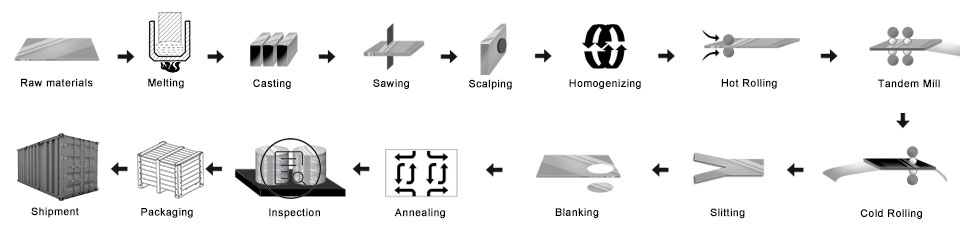
- मास्टर मिश्र तैयार करें
- पिघलती भट्टी: मिश्र धातुओं को पिघलने वाली भट्टी में डालें
- डीसी कास्ट एल्यूमीनियम पिंड: माँ को पिंड बनाने के लिए
- एल्यूमीनियम पिंड मिल: सतह और साइड को चिकना बनाने के लिए
- ताप भट्टी
- हॉट रोलिंग मिल: माँ का तार बनाया
- कोल्ड रोलिंग मिल: मदर कॉइल को उस मोटाई के रूप में रोल किया गया था जिसे आप खरीदना चाहते हैं
- छिद्रण प्रक्रिया: आप जो चाहते हैं उसका आकार बनें
- एनीलिंग भट्टी: मिजाज बदलो
- अंतिम निरीक्षण
- पैकिंग: लकड़ी के मामले या लकड़ी के फूस
- वितरण
गुणवत्ता नियंत्रण
आश्वासन नीचे निरीक्षण उत्पादन में किया जाएगा.
- ए. किरण का पता लगाना—आर टी;
- बी. अल्ट्रासोनिक परीक्षण—केन्द्र शासित प्रदेशों;
- सी. चुंबकीय कण परीक्षण-एमटी;
- डी. पैठ परीक्षण-पीटी;
- इ. एड़ी वर्तमान दोष का पता लगाने-ET
1) तेल के दाग से मुक्त रहें, काटने का निशान, समावेश, स्क्रैच, धब्बा, ऑक्साइड मलिनकिरण, ब्रेक, जंग, रोल मार्क्स, गंदगी की धारियाँ, और अन्य दोष जो उपयोग में हस्तक्षेप करेंगे.
2) काली रेखा के बिना सतह, तेज़ बाहर की रेखाओंवालअ, आवधिक दाग, रोलर मुद्रण दोष, जैसे अन्य gko आंतरिक नियंत्रण मानक.
एल्यूमिनियम डिस्क पैकिंग:
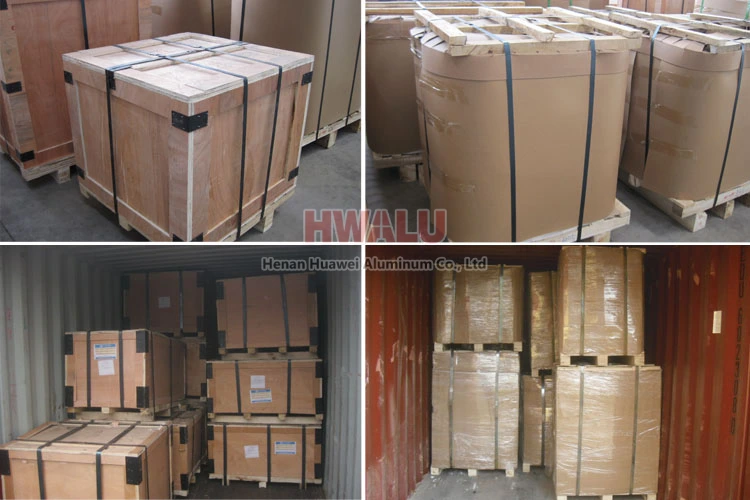
एल्यूमिनियम सर्किल निर्यात मानकों द्वारा पैक किया जा सकता है, भूरे रंग के कागज और प्लास्टिक की फिल्म के साथ कवर करना. आखिरकार, एल्यूमिनियम दौर लकड़ी के फूस / लकड़ी के मामले पर तय किया गया है.
- एल्युमिनियम सर्कल के ऊपर ड्रायर्स लगा दें, उत्पादों को सूखा और साफ रखें.
- स्वच्छ प्लास्टिक पेपर का प्रयोग करें, एल्यूमीनियम सर्कल पैक करें, सीलिंग अच्छी रखें.
- सांप की खाल के कागज का प्रयोग करें, प्लास्टिक पेपर की सतह को पैक करें, सीलिंग अच्छी रखें.
- अगला, पैकेजिंग के दो तरीके हैं: लकड़ी के फूस की पैकेजिंग का एक तरीका है, सतह को पैक करने वाले क्रस्टी पेपर का उपयोग करना; दूसरा तरीका लकड़ी के मामले की पैकेजिंग है, सतह को पैक करने वाले लकड़ी के मामले का उपयोग करना.
- आखिरकार, लकड़ी के बक्से की सतह पर स्टील की बेल्ट बिछाएं, लकड़ी के बक्से को तेज और सुरक्षित रखना.
हेनान हुआवेई एल्यूमिनियम का एल्यूमिनियम सर्कल. निर्यात मानक को पूरा करें. प्लास्टिक की फिल्म और भूरे रंग के कागज को ग्राहकों की जरूरतों पर कवर किया जा सकता है. इससे ज्यादा और क्या, डिलीवरी के दौरान उत्पादों को नुकसान से बचाने के लिए लकड़ी के मामले या लकड़ी के फूस को अपनाया जाता है. पैकेजिंग दो प्रकार की होती है, जो आंख से दीवार या आंख से आसमान की ओर हैं. ग्राहक अपनी सुविधा के लिए इनमें से किसी एक को चुन सकते हैं. आम तौर पर बोलना, वहां 2 एक पैकेज में टन, और लोड हो रहा है 18-22 1×20′ कंटेनर में टन, तथा 20-24 1×40′ कंटेनर में टन.
हमारा चयन क्यों?
समय के साथ चलने के लिए, HWALU अपनी प्रतिस्पर्धात्मकता में सुधार के लिए अत्याधुनिक उपकरण और तकनीक पेश करता रहता है. हमेशा केंद्र और ग्राहक के रूप में गुणवत्ता के व्यापार दर्शन का पालन करें, दुनिया के सभी हिस्सों में उच्चतम गुणवत्ता वाले एल्यूमीनियम डिस्क सर्कल श्रृंखला उत्पाद प्रदान करने के लिए. अधिक …

