Hoe u de juiste dikte van een aluminium cirkel kiest voor de productie van koekenpannen
Invoering
De selectie van aluminium cirkel dikte is een van de meest kritische technische beslissingen bij de productie van braadpannen, directe invloed op de mechanische sterkte, gedrag vormen, efficiëntie van de warmteoverdracht, levensduur, en algemene kookgereiprestaties. Fabrikanten moeten de kracht in evenwicht brengen, uniformiteit van de dikte, hardheid, en legeringstemperatuur om stabiel vormen tijdens dieptrekken of spinnen te garanderen, terwijl de gewenste thermische responsiviteit behouden blijft die verwacht wordt in modern kookgerei.
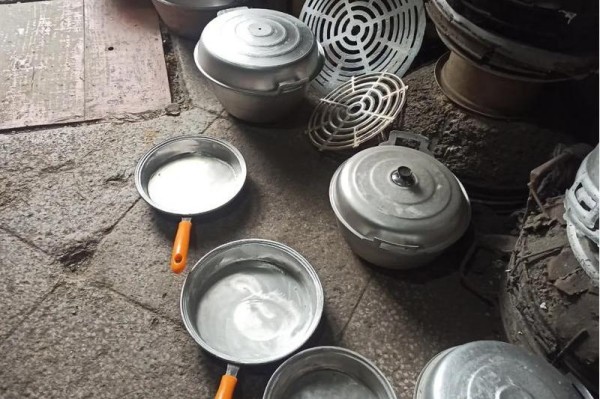 Soorten aluminium potten
Waarom de dikte van aluminiumcirkels belangrijk is bij de productie van koekenpannen
Het juiste kiezen dikte van aluminium cirkel bepaalt de structurele en functionele kwaliteit van de uiteindelijke pan. Te dun, en de pan wordt gevoelig voor vervorming en ongelijkmatige verwarming; te dik, en het verhoogt het energieverbruik en vermindert de procesefficiëntie. Hoogwaardige pannen zijn vaak afhankelijk van een nauwkeurige diktecontrole tussen 2,5 en 5,0 mm, afhankelijk van de productkwaliteit, diepte vormen, diameter, en eindgebruikscenario.
Materiaalgedrag tijdens dieptrekken en spinnen
Vormprestaties zijn sterk afhankelijk van de aluminiumtemperatuur en -dikte. Tijdens dieptrekken:
- Dunnere meters (<2.5 mm) kan kreuken als de treksterkte onvoldoende is.
- Middelgrote meters (2.8–3,5 mm) bieden de optimale balans voor standaard braadpannen (24–28 cm).
- Dikke meters (4.0–5,0 mm) hebben de voorkeur voor premium pannen met een zware bodem, inclusief inductiemodellen.
Spinnen vereist een hogere ductiliteit, wat betekent dat de dikteselectie moet overeenkomen met legeringstoestanden zoals O, H12, of H14.
Tafel 1: Aanbevolen dikte van aluminiumcirkel per koekenpangrootte
| Diameter koekenpan |
Gemeenschappelijk diktebereik |
Typische vormmethode |
Opmerkingen |
| 18–20 cm |
2.0–2,5 mm |
Dieptrekken |
Lichtgewicht pannen; geschikt voor dagelijks koken |
| 22–24 cm |
2.5–3,2 mm |
Dieptrekken / Spinnen |
Evenwichtige stijfheid en thermische prestaties |
| 26–28 cm |
3.0–4,0 mm |
Spinnen |
Vermindert de vervorming van de basis bij hoge temperaturen |
| 30–32 cm |
4.0–5,0 mm |
Spinnen / Zware pers |
Gebruikt voor hoogwaardige braadpannen voor zwaar gebruik |
Sleutelfactoren die de diktekeuze beïnvloeden
1. Legering kwaliteit
De meeste koekenpannen gebruiken:
- 1050 / 1060 voor algemeen kookgerei
- 3003 voor sterker, corrosiebestendige middenklasse pannen
- 5052 voor toepassingen met hoge sterkte
Sterkere legeringen maken iets dunnere meters mogelijk, terwijl de prestaties behouden blijven.
2. Pantype
- Standaard koekenpannen: 2.5–3,0 mm
- Pannen in wokstijl: 3.0–3,5 mm (door diepere vorming)
- Inductie pannen: 3.5–5,0 mm (ter ondersteuning van stalen bekleding of bodemschijven)
3. Laatste oppervlaktebehandelingen
Hardanodisatie- en antiaanbaklaagprocessen vereisen een voorspelbaarheid, uniforme dikte om stabiele thermische uitharding en oppervlakte-integriteit te garanderen.
 Diverse soorten aluminium potten
Warmteverdeling en structurele stabiliteit
De bodem van de pan moet vlak blijven tijdens thermische cycli. Dikte heeft directe invloed:
- Warmtegeleiding
- Warp-weerstand
- Levenslange duurzaamheid
- Energie-efficiëntie
Simulaties van warmteoverdracht laten zien dat pannen in de 3.0–3,8 mm bereik behoudt de beste balans tussen verwarmingsrespons en stijfheid.
Tafel 2: Mechanische prestaties door dikte van aluminiumcirkel
| Dikte (mm) |
Implicatie van de opbrengststerkte |
Warmtedistributie |
Weerstand tegen kromtrekken |
Aanbevolen toepassing |
| 2.0–2,5 |
Medium |
Snelle verwarming |
Laag |
Basis koekenpannen |
| 2.6–3,2 |
Middelhoog |
Evenwichtig |
Middelhoog |
Standaard kookgerei |
| 3.3–4,0 |
Hoog |
Zeer uniform |
Hoog |
Premium pannen |
| 4.1–5,0 |
Extra hoog |
Uitstekend |
Zeer hoog |
Professioneel kookgerei voor zwaar gebruik |
Dikte versus. Legeringsprestaties – vergelijkingstabel
| Eigendom / Vereiste |
Dunnere cirkels (2.0–2,8 mm) |
Middelgrote cirkels (2.9–3,8 mm) |
Dikke cirkels (3.9–5,0 mm) |
| Vervormbaarheid |
Uitstekend |
Erg goed |
Gematigd |
| Gewicht |
Licht |
Medium |
Zwaar |
| Kosten |
Laag |
Medium |
Hoog |
| Warmte-uniformiteit |
Medium |
Hoog |
Zeer hoog |
| Weerstand tegen kromtrekken |
Laag |
Goed |
Uitstekend |
| Geschiktheid voor antiaanbaklaag |
Goed |
Uitstekend |
Uitstekend |
| Inductie-compatibiliteit |
Beperkt |
Goed (met basisschijf) |
Erg goed (beklede structuur) |
 Aluminium ronde koekenpan met coating
De ideale dikte voor inductiekoeken selecteren
Voor inductie geschikt kookgerei heeft vaak een dikkere aluminium basis nodig om veilig te kunnen hechten met roestvrijstalen of ferromagnetische platen. Algemene configuraties:
- 3-laag: Roestvrij staal + Aluminium + Roestvrij staal
- 5-laag: Staal + Aluminium + Aluminiumlegering + Aluminium + Staal
Voor dergelijke constructies, De dikte van de aluminiumlaag ligt doorgaans tussen 3.5–4,8 mm om de stijfheid en stabiliteit van de verbinding te behouden.
Overwegingen bij de productie
1. Vlakheidscontrole
Precisiezagen en meertraps waterpas stellen zijn van cruciaal belang voor het garanderen van een vlakke bodem van de braadpan.
2. Dikte tolerantie
Een tolerantie van ±0,05–0,10 mm is typisch voor hoogwaardige pannen.
3. Korrelstructuur
Een uniforme korrelstructuur verbetert zowel de dieptrekprestaties als de thermische diffusie.
 aluminium pot
FAQ – Veelgestelde vragen over de keuze van de dikte van aluminium cirkels
1. Wat is de beste aluminium cirkeldikte voor een standaard 26 cm koekenpan?
Gebruikelijk 3.0–3,5 mm biedt de beste balans tussen sterkte en verwarmingsprestaties.
2. Betekent dikker aluminium altijd een betere kwaliteit??
Niet noodzakelijkerwijs. Het moet overeenkomen met de legering, vormingsproces, en kookgereiontwerp. Overmatige dikte verhoogt het gewicht en de kosten zonder noemenswaardige prestatieverbeteringen.
3. Voor pannen met antiaanbaklaag kunnen dunnere aluminium cirkels worden gebruikt?
Ja. Pannen met antiaanbaklaag worden vaak gebruikt 2.5–3,0 mm cirkels, maar kwaliteitsmerken geven nog steeds de voorkeur aan iets dikker materiaal om langdurig kromtrekken te voorkomen.
4. Waarom is dikte-uniformiteit van cruciaal belang??
Een ongelijkmatige dikte kan coatingdefecten veroorzaken, inconsistente verwarming, en kromtrekken tijdens het vormen.
5. Welke dikte wordt aanbevolen voor professionele inductiekoekenpannen?
Typisch 3.8–5,0 mm, vooral bij gebruik van composietbases.
Conclusie
Het ideaal selecteren dikte van aluminium cirkel voor de productie van braadpannen vereist een uitgebreide evaluatie van de sterkte van de legering, procesvereisten, thermische prestaties, gereedschapsvermogen, en gewenste productkwaliteit. Door te begrijpen hoe dikte het vormgedrag en de eindgebruiksprestaties beïnvloedt, fabrikanten van kookgerei kan een optimale duurzaamheid bereiken, efficiëntie, en verwarmingskwaliteit in hun eindproducten.
Eigenschappen van de aluminium cirkel:
Aluminium cirkel is geschikt voor vele markten, inclusief kookgerei, auto- en verlichtingsindustrie, enz., dankzij goede producteigenschappen:
- Lage anisotropie, wat het dieptrekken vergemakkelijkt
- Sterke mechanische eigenschappen
- Hoge en homogene warmteverspreiding
- Mogelijkheid om te emailleren, bedekt met PTFE (of anderen), geanodiseerd
- Goede reflectiviteit
- Hoge sterkte-gewichtsverhouding
- Duurzaamheid en weerstand tegen corrosie
Aluminium cirkels proces
Ingots/Master-legeringen — Smeltoven – Houdoven — DC. Caster — Plaat —- Scalper — Warmwalserij – Koudwalserij – Ponsen – Gloeioven — Eindinspectie – verpakking — Levering
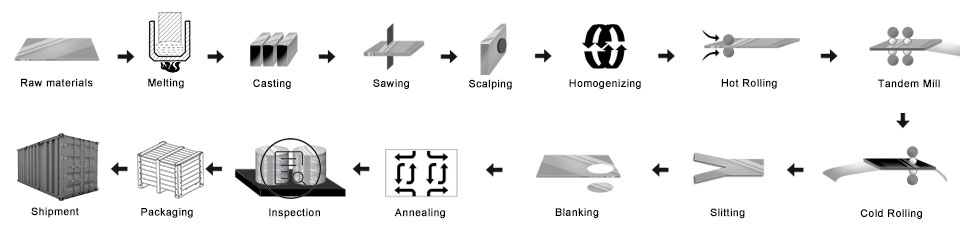
- Bereid de masterlegeringen voor
- Smeltoven: plaats de legeringen in de smeltoven
- D.C. gegoten aluminium staaf: Om de moederbaar te maken
- Frees de aluminium staaf: om het oppervlak en de zijkant glad te maken
- Verwarming oven
- Warmwalserij: de moederspoel gemaakt
- Koudewalserij: de moederspoel werd gerold in de dikte die u wilt kopen
- Ponsen proces: word de maat die je wilt
- Gloeioven: verander het humeur
- Eind inspectie
- Inpakken: houten kist of houten pallet
- Levering
Kwaliteitscontrole
Zekerheid Onderstaande inspectie zal tijdens de productie worden uitgevoerd.
- A. straal detectie—RT;
- B. ultrasoon testen—UT;
- C. Magnetische deeltjestesten-MT;
- D. penetratietesten-PT;
- e. wervelstroomfoutdetectie-ET
1) Wees vrij van olievlekken, Deuk, Inclusie, Krassen, Vlek, Oxideverkleuring, Pauzes, Corrosie, Rolmarkeringen, Vuil strepen, en andere gebreken die het gebruik hinderen.
2) Oppervlak zonder zwarte lijn, zuiver gesneden, periodieke vlek, defecten bij het afdrukken van rollen, zoals andere interne controlenormen van de gko.
Aluminium schijven verpakking:
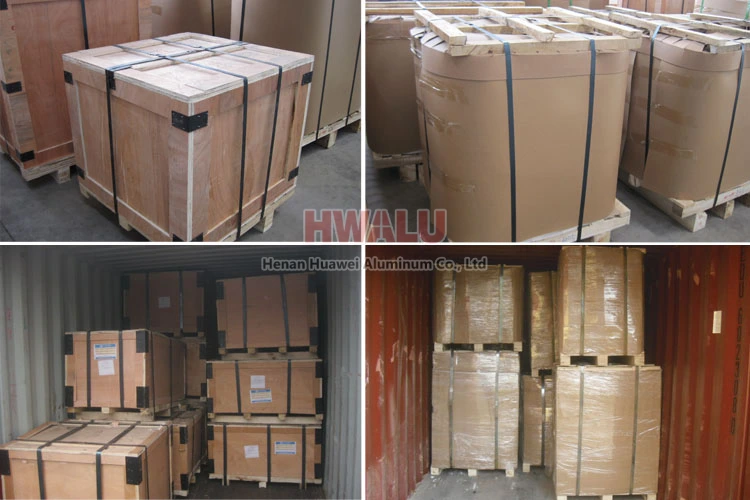
Aluminiumcirkels kunnen volgens exportnormen worden verpakt, bedekken met bruin papier en plastic folie. Eindelijk, de Aluminium Round wordt op een houten pallet/houten kist bevestigd.
- Plaats de drogers naast de aluminium cirkel, houd de producten droog en schoon.
- Gebruik schoon plastic papier, pak de aluminium cirkel in, goede afdichting behouden.
- Gebruik het slangenleerpapier, pak het oppervlak van het plastic papier in, goede afdichting behouden.
- Volgende, Er zijn twee manieren van verpakken: Eén manier is het verpakken van houten pallets, gebruik het knapperige papier dat het oppervlak bedekt; Een andere manier is het verpakken van houten kistjes, met behulp van de houten kist die het oppervlak inpakt.
- Eindelijk, leg de stalen riem op het oppervlak van de houten kist, het houden van de houten kistvastheid en veiligheid.
Aluminium cirkel van Henan Huawei Aluminium. voldoen aan de exportnorm. Plastic folie en bruin papier kunnen naar wens van de klant worden afgedekt. Bovendien, Er wordt een houten kist of houten pallet gebruikt om producten tijdens de levering tegen schade te beschermen. Er zijn twee soorten verpakkingen, die oog in oog staan met de muur of oog naar de lucht. Klanten kunnen voor hun gemak een van beide kiezen. In het algemeen, er zijn 2 ton in één pakket, en laden 18-22 ton in 1×20′ container, En 20-24 ton in 1×40′ container.
Waarom voor ons kiezen?
Om met de tijd mee te gaan, HWALU blijft de modernste apparatuur en techniek introduceren om zijn concurrentiepositie te verbeteren. Houd u altijd eerst aan de bedrijfsfilosofie van kwaliteit als centrum en klant, om producten uit de aluminium schijfcirkelserie van de hoogste kwaliteit aan alle delen van de wereld te leveren. Meer …

