फ्राइंग पैन उत्पादन के लिए एल्युमीनियम सर्कल की सही मोटाई कैसे चुनें
परिचय
का चयन एल्यूमीनियम सर्कल मोटाई फ्राइंग पैन उत्पादन में सबसे महत्वपूर्ण इंजीनियरिंग निर्णयों में से एक है, यांत्रिक शक्ति को सीधे प्रभावित करना, व्यवहार बनाना, ऊष्मा अंतरण दक्षता, सेवा जीवन, और समग्र कुकवेयर प्रदर्शन. निर्माताओं को ताकत को संतुलित करना होगा, मोटाई एकरूपता, कठोरता, और गहरी ड्राइंग या कताई के दौरान स्थिर गठन सुनिश्चित करने के लिए मिश्र धातु का तापमान, आधुनिक कुकवेयर में अपेक्षित वांछित तापीय प्रतिक्रिया को बनाए रखते हुए.
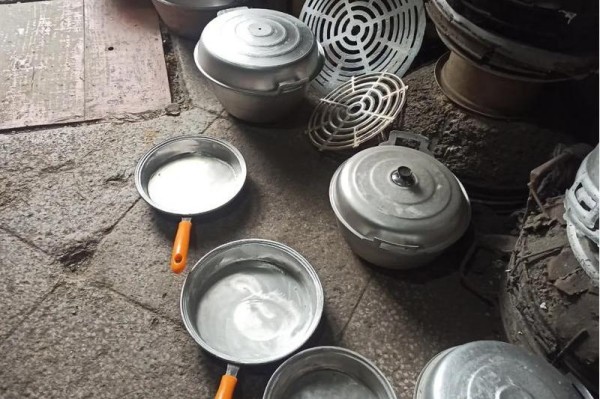 एल्यूमीनियम के बर्तनों के प्रकार
फ्राइंग पैन निर्माण में एल्युमीनियम सर्कल की मोटाई क्यों मायने रखती है
उचित का चयन करना एल्यूमीनियम सर्कल की मोटाई अंतिम पैन की संरचनात्मक और कार्यात्मक गुणवत्ता निर्धारित करता है. बहुत पतला, और पैन विरूपण और असमान तापन के प्रति संवेदनशील हो जाता है; बहुत गाढ़ा, और यह ऊर्जा की खपत को बढ़ाता है और प्रक्रिया दक्षता को कम करता है. उच्च-प्रदर्शन वाले पैन अक्सर उत्पाद ग्रेड के आधार पर 2.5-5.0 मिमी के बीच सटीक मोटाई नियंत्रण पर निर्भर करते हैं, गहराई बनाना, व्यास, और अंतिम उपयोग परिदृश्य.
गहरी ड्राइंग और कताई के दौरान सामग्री व्यवहार
प्रदर्शन का निर्माण एल्युमीनियम टेम्परेचर और गेज पर अत्यधिक निर्भर है. गहरी ड्राइंग के दौरान:
- पतले गेज (<2.5 मिमी) यदि तन्य शक्ति अपर्याप्त है तो झुर्रियाँ पड़ सकती हैं.
- मध्यम गेज (2.8-3.5 मिमी) मानक फ्राइंग पैन के लिए इष्टतम संतुलन प्रदान करें (24-28 सेमी).
- मोटे गेज (4.0-5.0 मिमी) प्रीमियम हेवी-बेस पैन के लिए पसंद किए जाते हैं, प्रेरण मॉडल सहित.
कताई के लिए उच्च लचीलापन की आवश्यकता होती है, जिसका अर्थ है कि मोटाई का चयन मिश्रधातु स्थितियों जैसे कि O से मेल खाना चाहिए, एच12, या H14.
मेज़ 1: फ्राइंग पैन के आकार के अनुसार अनुशंसित एल्युमीनियम सर्कल की मोटाई
| फ्राइंग पैन का व्यास |
सामान्य मोटाई सीमा |
विशिष्ट निर्माण विधि |
टिप्पणियाँ |
| 18-20 सेमी |
2.0-2.5 मिमी |
ग़हरी कला |
हल्के पैन; दैनिक खाना पकाने के लिए उपयुक्त |
| 22-24 सेमी |
2.5-3.2 मिमी |
ग़हरी कला / कताई |
संतुलित कठोरता और थर्मल प्रदर्शन |
| 26-28 सेमी |
3.0-4.0 मिमी |
कताई |
उच्च ताप के तहत आधार विरूपण को कम करता है |
| 30-32 सेमी |
4.0-5.0 मिमी |
कताई / भारी प्रेस |
प्रीमियम हेवी-ड्यूटी फ्राइंग पैन के लिए उपयोग किया जाता है |
मोटाई चयन को प्रभावित करने वाले मुख्य कारक
1. मिश्र धातु ग्रेड
अधिकांश फ्राइंग पैन का उपयोग करें:
- 1050 / 1060 सामान्य कुकवेयर के लिए
- 3003 मजबूत के लिए, संक्षारण प्रतिरोधी मध्य-श्रेणी पैन
- 5052 उच्च-शक्ति अनुप्रयोगों के लिए
मजबूत मिश्र धातुएँ प्रदर्शन को बनाए रखते हुए थोड़े पतले गेज की अनुमति देती हैं.
2. पैन प्रकार
- मानक फ्राइंग पैन: 2.5-3.0 मिमी
- वोक शैली के पैन: 3.0-3.5 मिमी (अधिक गहराई तक बनने के कारण)
- इंडक्शन पैन: 3.5-5.0 मिमी (स्टील-क्लैडिंग या बॉटम डिस्क को सपोर्ट करने के लिए)
3. अंतिम भूतल उपचार
हार्ड-एनोडाइजिंग और नॉन-स्टिक कोटिंग प्रक्रियाओं के लिए पूर्वानुमान की आवश्यकता होती है, स्थिर थर्मल इलाज और सतह की अखंडता सुनिश्चित करने के लिए समान मोटाई.
 विभिन्न प्रकार के एल्युमीनियम के बर्तन
गर्मी वितरण और संरचनात्मक स्थिरता
थर्मल साइक्लिंग के दौरान पैन का आधार समतल रहना चाहिए. मोटाई सीधे प्रभावित करती है:
- ऊष्मा चालकता
- ताना प्रतिरोध
- आजीवन स्थायित्व
- ऊर्जा दक्षता
हीट ट्रांसफर सिमुलेशन से पता चलता है कि पैन में 3.0-3.8 मिमी रेंज हीटिंग प्रतिक्रिया और कठोरता के बीच सर्वोत्तम संतुलन बनाए रखती है.
मेज़ 2: एल्यूमिनियम सर्कल मोटाई द्वारा यांत्रिक प्रदर्शन
| मोटाई (मिमी) |
उपज शक्ति निहितार्थ |
ऊष्मा वितरण |
ताना-बाना प्रतिरोध |
अनुशंसित आवेदन |
| 2.0–2.5 |
मध्यम |
तेजी से गर्म होना |
कम |
बुनियादी फ्राइंग पैन |
| 2.6-3.2 |
मध्यम ऊँचाई |
संतुलित |
मध्यम ऊँचाई |
मानक कुकवेयर |
| 3.3-4.0 |
उच्च |
बहुत एकसमान |
उच्च |
प्रीमियम पैन |
| 4.1-5.0 |
अतिरिक्त उच्च |
उत्कृष्ट |
बहुत ऊँचा |
पेशेवर हेवी-ड्यूटी कुकवेयर |
मोटाई बनाम. मिश्र धातु प्रदर्शन - तुलना तालिका
| संपत्ति / मांग |
पतले वृत्त (2.0-2.8 मिमी) |
मध्यम वृत्त (2.9-3.8 मिमी) |
मोटे वृत्त (3.9-5.0 मिमी) |
| प्रपत्र |
उत्कृष्ट |
बहुत अच्छा |
मध्यम |
| वज़न |
रोशनी |
मध्यम |
भारी |
| लागत |
कम |
मध्यम |
उच्च |
| ताप एकरूपता |
मध्यम |
उच्च |
बहुत ऊँचा |
| ताना-बाना प्रतिरोध |
कम |
अच्छा |
उत्कृष्ट |
| नॉन-स्टिक के लिए उपयुक्तता |
अच्छा |
उत्कृष्ट |
उत्कृष्ट |
| प्रेरण संगतता |
सीमित |
अच्छा (बेस डिस्क के साथ) |
बहुत अच्छा (आच्छादित संरचना) |
 एल्यूमीनियम गोल शीट लेपित फ्राइंग पैन
इंडक्शन फ्राइंग पैन के लिए आदर्श मोटाई का चयन करना
इंडक्शन-संगत कुकवेयर को अक्सर स्टेनलेस स्टील या फेरोमैग्नेटिक प्लेटों के साथ सुरक्षित रूप से जोड़ने के लिए मोटे एल्यूमीनियम बेस की आवश्यकता होती है. सामान्य विन्यास:
- 3-परत: स्टेनलेस स्टील + अल्युमीनियम + स्टेनलेस स्टील
- 5-परत: इस्पात + अल्युमीनियम + एल्यूमीनियम मिश्र धातु + अल्युमीनियम + इस्पात
ऐसी संरचनाओं के लिए, एल्यूमीनियम परत की मोटाई आम तौर पर बीच में होती है 3.5-4.8 मिमी कठोरता और बंधन स्थिरता बनाए रखने के लिए.
विनिर्माण संबंधी विचार
1. समतलता नियंत्रण
फ्राइंग पैन के सपाट तल को सुनिश्चित करने के लिए सटीक कटाई और मल्टी-स्टेज लेवलिंग महत्वपूर्ण हैं.
2. मोटाई सहनशीलता
की एक सहनशीलता ±0.05–0.10 मिमी उच्च श्रेणी के पैन के लिए विशिष्ट है.
3. अनाज की संरचना
समान अनाज संरचना गहरे-ड्राइंग प्रदर्शन और थर्मल प्रसार दोनों में सुधार करती है.
 एल्यूमीनियम का बर्तन
अक्सर पूछे जाने वाले प्रश्न - एल्यूमिनियम सर्कल मोटाई चयन के बारे में सामान्य प्रश्न
1. एक मानक के लिए सबसे अच्छी एल्युमीनियम सर्कल की मोटाई क्या है? 26 सेमी फ्राइंग पैन?
आम तौर पर 3.0-3.5 मिमी ताकत और हीटिंग प्रदर्शन के बीच सर्वोत्तम संतुलन प्रदान करता है.
2. क्या मोटे एल्यूमीनियम का मतलब हमेशा बेहतर गुणवत्ता होता है??
आवश्यक रूप से नहीं. इसे मिश्रधातु से मेल खाना चाहिए, बनाने की प्रक्रिया, और कुकवेयर डिज़ाइन. अत्यधिक मोटाई सार्थक प्रदर्शन सुधार के बिना वजन और लागत बढ़ाती है.
3. क्या नॉन-स्टिक पैन के लिए पतले एल्यूमीनियम सर्कल का उपयोग किया जा सकता है??
हां. नॉन-स्टिक पैन का उपयोग अक्सर किया जाता है 2.5-3.0 मिमी मंडलियां, लेकिन गुणवत्तापूर्ण ब्रांड लंबे समय तक खराब होने से बचने के लिए अभी भी थोड़ी मोटी सामग्री पसंद करते हैं.
4. मोटाई एकरूपता क्यों महत्वपूर्ण है??
असमान मोटाई कोटिंग दोष का कारण बन सकती है, असंगत तापन, और गठन के दौरान विकृति.
5. पेशेवर इंडक्शन फ्राइंग पैन के लिए किस मोटाई की अनुशंसा की जाती है??
आम तौर पर 3.8-5.0 मिमी, विशेषकर मिश्रित आधारों का उपयोग करते समय.
निष्कर्ष
आदर्श का चयन एल्यूमीनियम सर्कल की मोटाई फ्राइंग पैन उत्पादन के लिए मिश्र धातु की ताकत के व्यापक मूल्यांकन की आवश्यकता होती है, प्रक्रिया आवश्यकताएँ, ऊष्मीय प्रदर्शन, टूलींग क्षमता, और वांछित उत्पाद ग्रेड. यह समझकर कि मोटाई गठन व्यवहार और अंतिम-उपयोग प्रदर्शन को कैसे प्रभावित करती है, कुकवेयर निर्माता इष्टतम स्थायित्व प्राप्त कर सकते हैं, क्षमता, और उनके अंतिम उत्पादों में हीटिंग की गुणवत्ता.
एल्यूमीनियम सर्कल के गुण:
एल्यूमिनियम सर्कल कई बाजारों के लिए उपयुक्त है, कुकवेयर सहित, मोटर वाहन और प्रकाश उद्योग, आदि।, अच्छे उत्पाद विशेषताओं के लिए धन्यवाद:
- कम अनिसोट्रॉपी, जो गहरी ड्राइंग की सुविधा प्रदान करता है
- मजबूत यांत्रिक गुण
- उच्च और सजातीय गर्मी प्रसार
- तामचीनी होने की क्षमता, PTFE द्वारा कवर किया गया (या अन्य), एनोड किए गए
- अच्छा परावर्तन
- उच्च शक्ति-से-वजन अनुपात
- जंग के लिए स्थायित्व और प्रतिरोध
एल्यूमिनियम सर्किल प्रक्रिया
पिंड/मास्टर मिश्र — मेल्टिंग फर्नेस - होल्डिंग फर्नेस — डी.सी.. कास्टर — पत्थर की पटिया —- स्कैल्पर — हॉट रोलिंग मिल - कोल्ड रोलिंग मिल - पंचिंग - एनीलिंग फर्नेस — अंतिम निरीक्षण - पैकिंग — वितरण
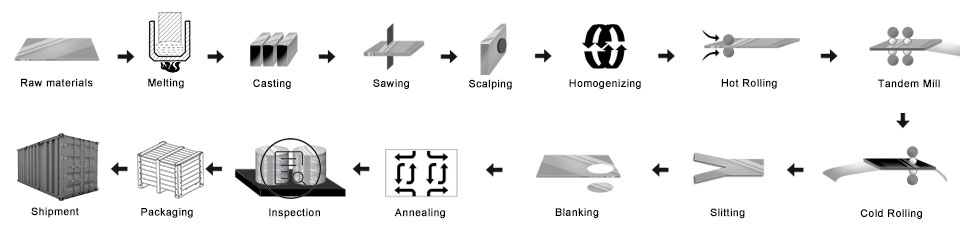
- मास्टर मिश्र तैयार करें
- पिघलती भट्टी: मिश्र धातुओं को पिघलने वाली भट्टी में डालें
- डीसी कास्ट एल्यूमीनियम पिंड: माँ को पिंड बनाने के लिए
- एल्यूमीनियम पिंड मिल: सतह और साइड को चिकना बनाने के लिए
- ताप भट्टी
- हॉट रोलिंग मिल: माँ का तार बनाया
- कोल्ड रोलिंग मिल: मदर कॉइल को उस मोटाई के रूप में रोल किया गया था जिसे आप खरीदना चाहते हैं
- छिद्रण प्रक्रिया: आप जो चाहते हैं उसका आकार बनें
- एनीलिंग भट्टी: मिजाज बदलो
- अंतिम निरीक्षण
- पैकिंग: लकड़ी के मामले या लकड़ी के फूस
- वितरण
गुणवत्ता नियंत्रण
आश्वासन नीचे निरीक्षण उत्पादन में किया जाएगा.
- ए. किरण का पता लगाना—आर टी;
- बी. अल्ट्रासोनिक परीक्षण—केन्द्र शासित प्रदेशों;
- सी. चुंबकीय कण परीक्षण-एमटी;
- डी. पैठ परीक्षण-पीटी;
- इ. एड़ी वर्तमान दोष का पता लगाने-ET
1) तेल के दाग से मुक्त रहें, काटने का निशान, समावेश, स्क्रैच, धब्बा, ऑक्साइड मलिनकिरण, ब्रेक, जंग, रोल मार्क्स, गंदगी की धारियाँ, और अन्य दोष जो उपयोग में हस्तक्षेप करेंगे.
2) काली रेखा के बिना सतह, तेज़ बाहर की रेखाओंवालअ, आवधिक दाग, रोलर मुद्रण दोष, जैसे अन्य gko आंतरिक नियंत्रण मानक.
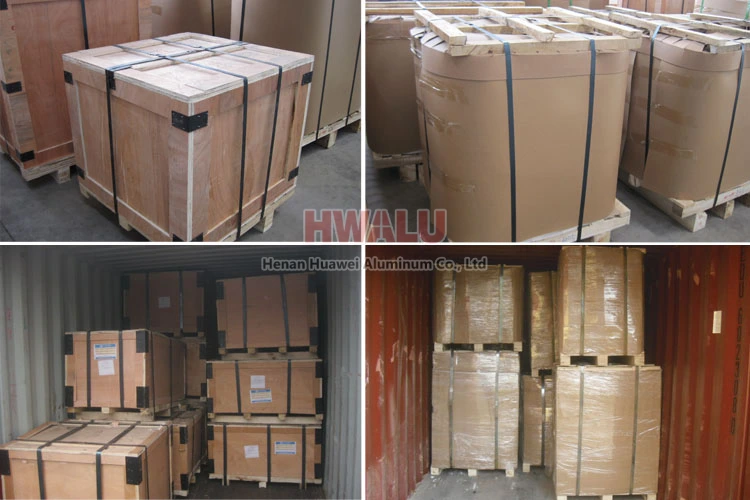
एल्यूमिनियम डिस्क पैकिंग:
एल्यूमिनियम सर्किल निर्यात मानकों द्वारा पैक किया जा सकता है, भूरे रंग के कागज और प्लास्टिक की फिल्म के साथ कवर करना. आखिरकार, एल्यूमिनियम दौर लकड़ी के फूस / लकड़ी के मामले पर तय किया गया है.
- एल्युमिनियम सर्कल के ऊपर ड्रायर्स लगा दें, उत्पादों को सूखा और साफ रखें.
- स्वच्छ प्लास्टिक पेपर का प्रयोग करें, एल्यूमीनियम सर्कल पैक करें, सीलिंग अच्छी रखें.
- सांप की खाल के कागज का प्रयोग करें, प्लास्टिक पेपर की सतह को पैक करें, सीलिंग अच्छी रखें.
- अगला, पैकेजिंग के दो तरीके हैं: लकड़ी के फूस की पैकेजिंग का एक तरीका है, सतह को पैक करने वाले क्रस्टी पेपर का उपयोग करना; दूसरा तरीका लकड़ी के मामले की पैकेजिंग है, सतह को पैक करने वाले लकड़ी के मामले का उपयोग करना.
- आखिरकार, लकड़ी के बक्से की सतह पर स्टील की बेल्ट बिछाएं, लकड़ी के बक्से को तेज और सुरक्षित रखना.
हेनान हुआवेई एल्यूमिनियम का एल्यूमिनियम सर्कल. निर्यात मानक को पूरा करें. प्लास्टिक की फिल्म और भूरे रंग के कागज को ग्राहकों की जरूरतों पर कवर किया जा सकता है. इससे ज्यादा और क्या, डिलीवरी के दौरान उत्पादों को नुकसान से बचाने के लिए लकड़ी के मामले या लकड़ी के फूस को अपनाया जाता है. पैकेजिंग दो प्रकार की होती है, जो आंख से दीवार या आंख से आसमान की ओर हैं. ग्राहक अपनी सुविधा के लिए इनमें से किसी एक को चुन सकते हैं. आम तौर पर बोलना, वहां 2 एक पैकेज में टन, और लोड हो रहा है 18-22 1×20′ कंटेनर में टन, तथा 20-24 1×40′ कंटेनर में टन.
हमारा चयन क्यों?
समय के साथ चलने के लिए, HWALU अपनी प्रतिस्पर्धात्मकता में सुधार के लिए अत्याधुनिक उपकरण और तकनीक पेश करता रहता है. हमेशा केंद्र और ग्राहक के रूप में गुणवत्ता के व्यापार दर्शन का पालन करें, दुनिया के सभी हिस्सों में उच्चतम गुणवत्ता वाले एल्यूमीनियम डिस्क सर्कल श्रृंखला उत्पाद प्रदान करने के लिए. अधिक …

