วิธีเลือกความหนาวงกลมอลูมิเนียมที่เหมาะสมสำหรับการผลิตกระทะ
การแนะนำ
การเลือกของ วงกลมอลูมิเนียม ความหนา เป็นหนึ่งในการตัดสินใจทางวิศวกรรมที่สำคัญที่สุดในการผลิตกระทะ, ส่งผลโดยตรงต่อความแข็งแรงทางกล, กำลังสร้างพฤติกรรม, ประสิทธิภาพการถ่ายเทความร้อน, อายุการใช้งาน, และประสิทธิภาพโดยรวมของเครื่องครัว. ผู้ผลิตจะต้องรักษาสมดุลของความแข็งแกร่ง, ความสม่ำเสมอของความหนา, ความแข็ง, และอุณหภูมิของโลหะผสมเพื่อให้แน่ใจว่าการขึ้นรูปมีความเสถียรในระหว่างการวาดหรือการปั่นแบบลึก, ในขณะที่ยังคงการตอบสนองต่อความร้อนตามที่ต้องการในเครื่องครัวสมัยใหม่.
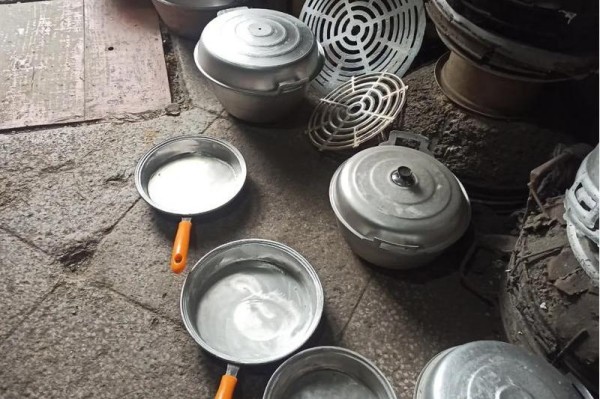 ประเภทของหม้ออลูมิเนียม
เหตุใดความหนาของวงกลมอลูมิเนียมจึงมีความสำคัญในการผลิตกระทะ
การเลือกสิ่งที่เหมาะสม ความหนาของวงกลมอลูมิเนียม กำหนดคุณภาพโครงสร้างและการทำงานของกระทะสุดท้าย. ผอมเกินไป, และกระทะมีแนวโน้มที่จะเสียรูปและให้ความร้อนไม่สม่ำเสมอ; หนาเกินไป, และเพิ่มการใช้พลังงานและลดประสิทธิภาพของกระบวนการ. กระทะประสิทธิภาพสูงมักอาศัยการควบคุมความหนาที่แม่นยำระหว่าง 2.5–5.0 มม. ขึ้นอยู่กับเกรดผลิตภัณฑ์, สร้างความลึก, เส้นผ่านศูนย์กลาง, และสถานการณ์การใช้งานขั้นสุดท้าย.
พฤติกรรมของวัสดุระหว่างการวาดและการปั่นแบบลึก
ประสิทธิภาพการขึ้นรูปขึ้นอยู่กับอุณหภูมิและเกจของอะลูมิเนียมเป็นอย่างมาก. ระหว่างการวาดแบบลึก:
- เกจวัดทินเนอร์ (<2.5 มม) อาจเกิดรอยยับได้หากแรงดึงไม่เพียงพอ.
- เกจวัดกลาง (2.8–3.5 มม) ให้ความสมดุลที่เหมาะสมที่สุดสำหรับกระทะทอดมาตรฐาน (24–28 ซม).
- เกจหนา (4.0–5.0 มม) เป็นที่ต้องการสำหรับกระทะฐานหนักระดับพรีเมี่ยม, รวมถึงรุ่นเหนี่ยวนำ.
การปั่นต้องใช้ความเหนียวสูงกว่า, ซึ่งหมายความว่าการเลือกความหนาจะต้องตรงกับสถานะของโลหะผสมเช่น O, H12, หรือ H14.
โต๊ะ 1: ความหนาของวงกลมอลูมิเนียมที่แนะนำตามขนาดกระทะ
| เส้นผ่านศูนย์กลางกระทะ |
ช่วงความหนาทั่วไป |
วิธีการขึ้นรูปทั่วไป |
หมายเหตุ |
| 18–20 ซม |
2.0–2.5 มม |
การวาดภาพลึก |
กระทะน้ำหนักเบา; เหมาะสำหรับประกอบอาหารในแต่ละวัน |
| 22–24 ซม |
2.5–3.2 มม |
การวาดภาพลึก / ปั่น |
ความแข็งแกร่งที่สมดุลและประสิทธิภาพการระบายความร้อน |
| 26–28 ซม |
3.0–4.0 มม |
ปั่น |
ลดการเสียรูปฐานภายใต้ความร้อนสูง |
| 30–32 ซม |
4.0–5.0 มม |
ปั่น / กดหนัก |
ใช้สำหรับกระทะทอดระดับพรีเมี่ยมสำหรับงานหนัก |
ปัจจัยสำคัญที่มีอิทธิพลต่อการเลือกความหนา
1. เกรดโลหะผสม
กระทะส่วนใหญ่ใช้:
- 1050 / 1060 สำหรับเครื่องครัวทั่วไป
- 3003 เพื่อความแข็งแกร่ง, กระทะระดับกลางที่ทนต่อการกัดกร่อน
- 5052 สำหรับการใช้งานที่มีความแข็งแรงสูง
โลหะผสมที่แข็งแกร่งกว่าช่วยให้เกจบางลงเล็กน้อยในขณะที่ยังคงประสิทธิภาพไว้.
2. ประเภทกระทะ
- กระทะทอดมาตรฐาน: 2.5–3.0 มม
- กระทะสไตล์กระทะ: 3.0–3.5 มม (เนื่องจากการขึ้นรูปที่ลึกกว่า)
- กระทะเหนี่ยวนำ: 3.5–5.0 มม (เพื่อรองรับแผ่นหุ้มเหล็กหรือแผ่นด้านล่าง)
3. การรักษาพื้นผิวขั้นสุดท้าย
กระบวนการเคลือบอโนไดซ์แบบแข็งและแบบไม่ติดต้องอาศัยการคาดการณ์ได้, ความหนาสม่ำเสมอเพื่อให้แน่ใจว่าการบ่มด้วยความร้อนและความสมบูรณ์ของพื้นผิวมีความเสถียร.
 หม้ออลูมิเนียมชนิดต่างๆ
การกระจายความร้อนและเสถียรภาพของโครงสร้าง
ฐานกระทะจะต้องเรียบเสมอเมื่ออยู่ภายใต้การหมุนเวียนของความร้อน. ความหนามีผลโดยตรง:
- การนำความร้อน
- ต้านทานการบิดงอ
- ความทนทานตลอดอายุการใช้งาน
- ประสิทธิภาพการใช้พลังงาน
การจำลองการถ่ายเทความร้อนแสดงให้เห็นว่ากระทะอยู่ใน 3.0–3.8 มม ช่วงการรักษาสมดุลที่ดีที่สุดระหว่างการตอบสนองต่อความร้อนและความแข็งแกร่ง.
โต๊ะ 2: ประสิทธิภาพทางกลโดยความหนาของวงกลมอลูมิเนียม
| ความหนา (มม) |
นัยยะความแข็งแกร่งของผลผลิต |
การกระจายความร้อน |
ความต้านทานการบิดเบี้ยว |
แอปพลิเคชั่นที่แนะนำ |
| 2.0–2.5 |
ปานกลาง |
ทำความร้อนได้รวดเร็ว |
ต่ำ |
กระทะพื้นฐาน |
| 2.6–3.2 |
ปานกลาง-สูง |
สมดุล |
ปานกลาง-สูง |
เครื่องครัวมาตรฐาน |
| 3.3–4.0 |
สูง |
มีความสม่ำเสมอมาก |
สูง |
กระทะพรีเมี่ยม |
| 4.1–5.0 |
สูงเป็นพิเศษ |
ยอดเยี่ยม |
สูงมาก |
เครื่องครัวสำหรับงานหนักระดับมืออาชีพ |
ความหนาเทียบกับ. ประสิทธิภาพของโลหะผสม – ตารางเปรียบเทียบ
| คุณสมบัติ / ความต้องการ |
วงกลมทินเนอร์ (2.0–2.8 มม) |
วงกลมขนาดกลาง (2.9–3.8 มม) |
วงกลมหนา (3.9–5.0 มม) |
| ความสามารถในการขึ้นรูป |
ยอดเยี่ยม |
ดีมาก |
ปานกลาง |
| น้ำหนัก |
แสงสว่าง |
ปานกลาง |
หนัก |
| ค่าใช้จ่าย |
ต่ำ |
ปานกลาง |
สูง |
| ความสม่ำเสมอของความร้อน |
ปานกลาง |
สูง |
สูงมาก |
| ความต้านทานการบิดเบี้ยว |
ต่ำ |
ดี |
ยอดเยี่ยม |
| ความเหมาะสมสำหรับการไม่ติด |
ดี |
ยอดเยี่ยม |
ยอดเยี่ยม |
| ความเข้ากันได้ของการเหนี่ยวนำ |
จำกัด |
ดี (พร้อมแผ่นดิสก์ฐาน) |
ดีมาก (โครงสร้างหุ้ม) |
 กระทะเคลือบแผ่นอลูมิเนียมกลม
การเลือกความหนาในอุดมคติสำหรับกระทะทอดแบบเหนี่ยวนำ
เครื่องครัวที่เข้ากันกับการเหนี่ยวนำมักต้องใช้ฐานอะลูมิเนียมที่หนากว่าเพื่อยึดติดกับสเตนเลสสตีลหรือแผ่นแม่เหล็กที่เป็นเหล็กอย่างแน่นหนา. การกำหนดค่าทั่วไป:
- 3-ชั้น: สแตนเลส + อลูมิเนียม + สแตนเลส
- 5-ชั้น: เหล็ก + อลูมิเนียม + อลูมิเนียมอัลลอยด์ + อลูมิเนียม + เหล็ก
สำหรับโครงสร้างดังกล่าว, ความหนาของชั้นอลูมิเนียมมักจะอยู่ระหว่างนั้น 3.5–4.8 มม เพื่อรักษาความแข็งแกร่งและความมั่นคงในการยึดเกาะ.
ข้อควรพิจารณาในการผลิต
1. การควบคุมความเรียบ
การเลื่อยที่แม่นยำและการปรับระดับหลายขั้นตอนมีความสำคัญอย่างยิ่งในการทำให้ก้นกระทะแบนราบ.
2. ความทนทานต่อความหนา
ความอดทนของ ±0.05–0.10 มม เป็นเรื่องปกติสำหรับกระทะคุณภาพสูง.
3. โครงสร้างเกรน
โครงสร้างเกรนที่สม่ำเสมอช่วยปรับปรุงทั้งประสิทธิภาพการวาดลึกและการแพร่กระจายความร้อน.
 หม้ออลูมิเนียม
คำถามที่พบบ่อย – คำถามทั่วไปเกี่ยวกับการเลือกความหนาของวงกลมอะลูมิเนียม
1. ความหนาของวงกลมอะลูมิเนียมที่ดีที่สุดสำหรับมาตรฐานคือเท่าใด 26 กระทะ ซม?
โดยปกติ 3.0–3.5 มม ให้ความสมดุลที่ดีที่สุดระหว่างความแข็งแรงและประสิทธิภาพการทำความร้อน.
2. อลูมิเนียมที่หนาขึ้นหมายถึงคุณภาพที่ดีขึ้นเสมอไปหรือไม่?
ไม่จำเป็น. มันจะต้องตรงกับโลหะผสม, กระบวนการขึ้นรูป, และการออกแบบเครื่องครัว. ความหนาที่มากเกินไปจะเพิ่มน้ำหนักและต้นทุนโดยไม่มีการปรับปรุงประสิทธิภาพอย่างมีนัยสำคัญ.
3. วงกลมอลูมิเนียมที่บางกว่าสามารถใช้กับกระทะที่ไม่ติดได้?
ใช่. กระทะที่ไม่ติดมักใช้ 2.5–3.0 มม วงกลม, แต่แบรนด์คุณภาพยังคงต้องการวัสดุที่หนากว่าเล็กน้อยเพื่อหลีกเลี่ยงการบิดงอในระยะยาว.
4. เหตุใดความสม่ำเสมอของความหนาจึงมีความสำคัญ?
ความหนาไม่สม่ำเสมออาจทำให้เกิดข้อบกพร่องในการเคลือบได้, ความร้อนไม่สม่ำเสมอ, และการบิดเบี้ยวระหว่างการขึ้นรูป.
5. แนะนำให้ใช้กระทะเหนี่ยวนำแบบมืออาชีพที่มีความหนาเท่าใด?
โดยทั่วไป 3.8–5.0 มม, โดยเฉพาะเมื่อใช้ฐานคอมโพสิต.
บทสรุป
การเลือกอุดมคติ ความหนาของวงกลมอลูมิเนียม สำหรับการผลิตกระทะต้องมีการประเมินความแข็งแรงของโลหะผสมอย่างครอบคลุม, ข้อกำหนดของกระบวนการ, ประสิทธิภาพการระบายความร้อน, ความสามารถในการใช้เครื่องมือ, และเกรดสินค้าที่ต้องการ. โดยการทำความเข้าใจว่าความหนาส่งผลต่อพฤติกรรมการขึ้นรูปและประสิทธิภาพการใช้งานอย่างไร, ผู้ผลิตเครื่องครัว สามารถบรรลุความทนทานสูงสุด, ประสิทธิภาพ, และคุณภาพความร้อนในผลิตภัณฑ์ขั้นสุดท้าย.
คุณสมบัติของวงกลมอะลูมิเนียม:
วงอลูมิเนียมเหมาะกับหลายตลาด, รวมทั้งเครื่องครัวด้วย, อุตสาหกรรมยานยนต์และแสงสว่าง, ฯลฯ, เนื่องจากมีลักษณะผลิตภัณฑ์ที่ดี:
- แอนไอโซโทรปีต่ำ, ซึ่งเอื้อต่อการวาดลึก
- คุณสมบัติทางกลที่แข็งแกร่ง
- การแพร่กระจายความร้อนสูงและเป็นเนื้อเดียวกัน
- ความสามารถในการเคลือบฟัน, หุ้มด้วย PTFE (หรือคนอื่นๆ), อโนไดซ์
- สะท้อนแสงได้ดี
- อัตราส่วนความแข็งแรงต่อน้ำหนักสูง
- ความทนทานและทนต่อการกัดกร่อน
กระบวนการวงกลมอลูมิเนียม
โลหะผสม Ingot/Master — เตาหลอม – เตาหลอม — ดี.ซี. ลูกล้อ — แผ่นคอนกรีต —- สเกลเปอร์ — โรงงานรีดร้อน - โรงงานรีดเย็น - เจาะ - เตาหลอม — การตรวจสอบขั้นสุดท้าย – การบรรจุ — จัดส่ง
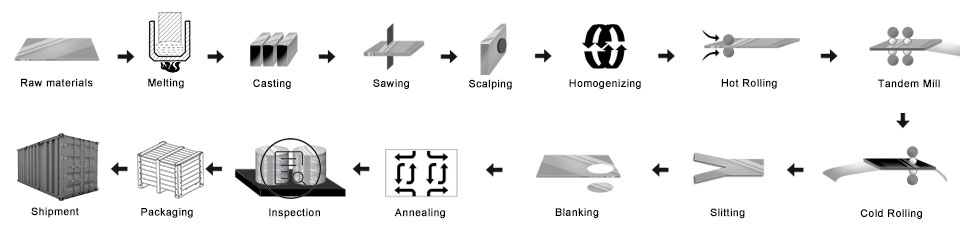
- เตรียมมาสเตอร์อัลลอยด์
- เตาหลอม: ใส่โลหะผสมเข้าไปในเตาหลอม
- อะลูมิเนียมหล่อ ดี.ซี: เพื่อให้แม่ลิ่ม
- บดแท่งอลูมิเนียม: เพื่อให้พื้นผิวและด้านข้างเรียบเนียน
- เตาทำความร้อน
- โรงงานรีดร้อน: ทำแม่คอยล์
- โรงงานรีดเย็น: แม่คอยล์ถูกรีดตามความหนาที่ต้องการซื้อ
- กระบวนการเจาะ: ให้ได้ขนาดตามที่คุณต้องการ
- เตาหลอม: เปลี่ยนอารมณ์
- การตรวจสอบขั้นสุดท้าย
- การบรรจุ: กล่องไม้หรือพาเลทไม้
- จัดส่ง
การควบคุมคุณภาพ
การประกัน การตรวจสอบด้านล่างจะดำเนินการในการผลิต.
- ก. การตรวจจับรังสี—RT;
- ข. การทดสอบอัลตราโซนิก—ยูทาห์;
- ค. การทดสอบอนุภาคแม่เหล็ก-MT;
- ง. การทดสอบการเจาะ-PT;
- จ. การตรวจจับข้อบกพร่องกระแสวน-ET
1) ปราศจากคราบน้ำมัน, บุ๋ม, การรวม, รอยขีดข่วน, คราบ, การเปลี่ยนสีออกไซด์, พัก, การกัดกร่อน, โรลมาร์ก, คราบสกปรก, และข้อบกพร่องอื่นๆ ที่อาจรบกวนการใช้งาน.
2) พื้นผิวไม่มีเส้นสีดำ, ตัดสะอาด, คราบเป็นระยะ, ข้อบกพร่องในการพิมพ์ลูกกลิ้ง, เช่น มาตรฐานการควบคุมภายในของ gko อื่นๆ.
บรรจุแผ่นอลูมิเนียม:
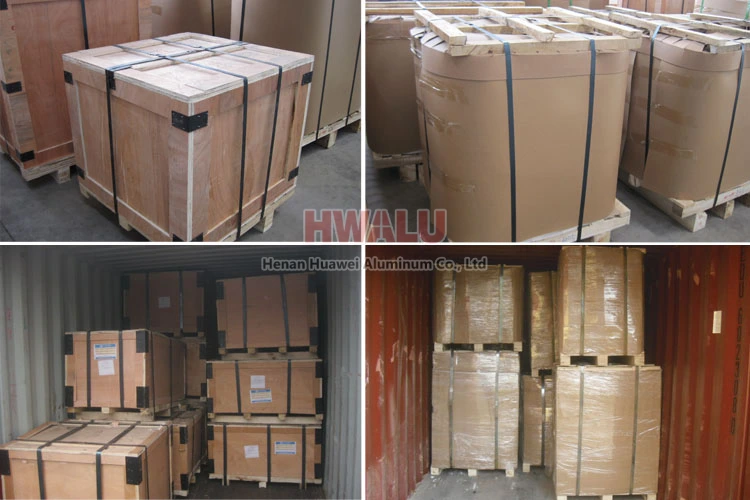
สามารถบรรจุวงกลมอลูมิเนียมได้ตามมาตรฐานส่งออก, หุ้มด้วยกระดาษสีน้ำตาลและฟิล์มพลาสติก. ในที่สุด, อลูมิเนียมกลมได้รับการแก้ไขบนพาเลทไม้/กล่องไม้.
- วางเครื่องอบผ้าไว้ข้างวงกลมอลูมิเนียม, เก็บผลิตภัณฑ์ให้แห้งและสะอาด.
- ใช้กระดาษพลาสติกที่สะอาด, แพ็ควงกลมอลูมิเนียม, ปิดผนึกอย่างดี.
- ใช้กระดาษหนังงู, แพ็คพื้นผิวของกระดาษพลาสติก, ปิดผนึกอย่างดี.
- ต่อไป, มีสองวิธีในการบรรจุ: วิธีหนึ่งคือบรรจุภัณฑ์จากพาเลทไม้, โดยใช้กระดาษที่มีเปลือกแข็งห่อหุ้มพื้นผิว; อีกวิธีหนึ่งคือบรรจุภัณฑ์กล่องไม้, โดยใช้ลังไม้บรรจุพื้นผิว.
- ในที่สุด, วางสายพานเหล็กไว้บนพื้นผิวกล่องไม้, ทำให้กล่องไม้มีความคงทนและปลอดภัย.
วงกลมอลูมิเนียมของ Henan Huawei Aluminium. ตรงตามมาตรฐานการส่งออก. สามารถหุ้มฟิล์มพลาสติกและกระดาษสีน้ำตาลได้ตามความต้องการของลูกค้า. มีอะไรเพิ่มเติม, มีการใช้กล่องไม้หรือพาเลทไม้เพื่อปกป้องผลิตภัณฑ์จากความเสียหายระหว่างการจัดส่ง. บรรจุภัณฑ์มีสองประเภท, ซึ่งเป็นแบบตาต่อผนังหรือตาฟ้า. ลูกค้าสามารถเลือกอย่างใดอย่างหนึ่งเพื่อความสะดวก. พูดโดยทั่วไป, มี 2 ตันในแพ็คเกจเดียว, และกำลังโหลด 18-22 ตันในภาชนะขนาด 1×20′, และ 20-24 ตันในภาชนะขนาด 1×40′.
ทำไมถึงเลือกพวกเรา?
เพื่อที่จะก้าวไปพร้อมกับกาลเวลา, HWALU นำเสนออุปกรณ์และเทคนิคที่ทันสมัยอยู่เสมอเพื่อปรับปรุงขีดความสามารถในการแข่งขัน. ยึดมั่นในปรัชญาการดำเนินธุรกิจที่มีคุณภาพเป็นศูนย์กลางและลูกค้ามาก่อนเสมอ, เพื่อจัดหาผลิตภัณฑ์ซีรีส์แผ่นดิสก์วงกลมอะลูมิเนียมคุณภาพสูงสุดให้กับทุกส่วนของโลก. มากกว่า …

