เหตุใดวงกลมอะลูมิเนียมจึงมีแนวโน้มที่จะร้าวระหว่างการดึงหรือการปั่นแบบลึก — สาเหตุและแนวทางการป้องกันฉบับสมบูรณ์
การแนะนำ: เหตุใด “การแคร็ก” จึงกลายเป็นคอขวดที่ใหญ่ที่สุดในการขึ้นรูปอลูมิเนียมวงกลม
ในฐานะที่เป็น อุตสาหกรรมเครื่องครัวและแสงสว่าง ยังคงมุ่งสู่การขึ้นรูปโลหะน้ำหนักเบาต่อไป, ตัวเครื่องครัวที่ดึงออกมาลึก, หม้อชั้นในของหม้ออัดแรงดัน, แผ่นสะท้อนแสง, โป๊ะโคม, และภาชนะจัดเก็บมีความต้องการความสามารถในการขึ้นรูปของวงกลมอะลูมิเนียมที่สูงขึ้นมากขึ้น. อย่างไรก็ตาม, ในการผลิตรายวัน, แคร็ก, น้ำตาไหล, หูมากเกินไป, เนื้อเปลือกส้ม, และขอบแตก ยังคงเกิดขึ้นบ่อยครั้ง. ข้อบกพร่องเหล่านี้ทำให้อัตราผลผลิตลดลง 20–40% ในโรงงานหลายแห่ง, ส่งผลกระทบอย่างรุนแรงต่อเสถียรภาพของเอาต์พุต.
ผู้ผลิตมักจะถาม:
- เหตุใดวงกลมอะลูมิเนียมที่มีโลหะผสมและความหนาเท่ากันจึงมีประสิทธิภาพแตกต่างกันในระหว่างการขึ้นรูป?
- เหตุใดขอบจึงมีแนวโน้มที่จะแตกก่อนในระหว่างการวาดแบบลึก?
- ทำไมส่วนโค้ง (R-โซน) แตกกะทันหันระหว่างการหมุน?
- วิธีการกำจัดการแตกร้าวของวัสดุอย่างเป็นระบบคืออะไร, การหลอม, ตาย, การหล่อลื่น, และการควบคุมพารามิเตอร์?
บทความนี้จะอธิบาย ในด้านวิศวกรรมเชิงลึก กลไกเบื้องหลังการแตกร้าวของวงกลมอลูมิเนียม, สาเหตุทางวัตถุ, สาเหตุที่เกี่ยวข้องกับกระบวนการ, และโซลูชั่นที่ครอบคลุมจากมุมมองการผลิตแบบ end-to-end.

ส่วนหนึ่ง 1 — เหตุใดวงกลมอลูมิเนียมจึงแตกในระหว่างการวาดหรือหมุนลึก? (การวิเคราะห์กลไก)
1. สาเหตุที่เกี่ยวข้องกับวัสดุ
1. องค์ประกอบของโลหะผสมเป็นตัวกำหนดความสามารถในการเปลี่ยนรูป
อลูมิเนียมอัลลอยด์แต่ละชนิดมีความสามารถในการยืดตัวที่แตกต่างกันมาก:
| อัลลอย |
การยืดตัว |
ประสิทธิภาพการวาดลึก |
การใช้งานทั่วไป |
| 1050 / 1060 |
30–40% |
⭐⭐⭐⭐⭐ สุดยอดเลยครับ |
เครื่องครัว, แผ่นสะท้อนแสง |
| 1100 |
25–35% |
⭐⭐⭐⭐ |
ฝาปิด, เครื่องครัว |
| 3003 |
20–28% |
⭐⭐⭐ |
เครื่องครัวที่มีความแข็งแรงสูงกว่า |
| 5052 |
12–20% |
⭐⭐ |
ชิ้นส่วนโครงสร้าง, ความสามารถในการถอนออกมีจำกัด |
เนื้อหาที่สูงขึ้นของ Mn หรือ มก เพิ่มความแข็งแรงแต่ลดการยืดตัว, ทำให้มีโอกาสเกิดการแตกร้าวมากขึ้น.
ดังนั้น:
- 1050/1060 เป็นโลหะผสมที่ดีที่สุดสำหรับการขึ้นรูปลึก
- 3003 ใช้ได้เฉพาะกับการอบอ่อนที่มีการควบคุมอย่างดีเท่านั้น
- 5052 มีความแข็งแรงสูงแต่เสี่ยงต่อการดึงลึก
2. คุณสมบัติทางกลไม่สม่ำเสมอ (ความแข็งหรือความหนาไม่สม่ำเสมอ)
การแคร็กสามารถเกิดขึ้นได้เมื่อ:
- การกระจายความเครียดภายในไม่สม่ำเสมอ
- ส่วนเบี่ยงเบนความหนามีขนาดใหญ่
- ความแข็งของขอบสูงกว่าจุดศูนย์กลางอย่างมาก
- การแข็งตัวของงานเย็นยังคงอยู่เนื่องจากการหลอมไม่เพียงพอ
ที่ พื้นที่ขอบ เป็นจุดอ่อนที่พบบ่อยที่สุด.
3. เมล็ดหยาบหรือยาวทำให้เกิดการแตกร้าวเร็ว
โครงสร้างเกรนเป็นตัวกำหนดความสามารถในการขึ้นรูป:
- เม็ดละเอียด = ขึ้นรูปได้ดีเยี่ยม
- เมล็ดหยาบ = ความเปราะบางที่สูงขึ้น, แคร็กง่ายขึ้น
- การวางแนวเกรนที่แข็งแกร่งนำไปสู่ ต่างหู, ความเข้มข้นของความเครียด, และรอยแตก
ข้อบกพร่องทางโลหะวิทยาทั่วไปที่เพิ่มความเสี่ยงต่อการแตกร้าว:
- เมล็ดหยาบ
- เมล็ดยาว
- เนื้อกลิ้งที่แข็งแกร่ง
- เกิดการตกตะกอนมากเกินไป

2. สาเหตุที่เกี่ยวข้องกับกระบวนการ
1. อัตราส่วนการวาดที่มากเกินไป (ดร)
อัตราส่วนการวาดลึก (ดร):
DR = เส้นผ่านศูนย์กลางว่าง / เส้นผ่านศูนย์กลางถ้วย
- เมื่อไร ดร > 2.1, วงกลมอะลูมิเนียมมีแนวโน้มที่จะแตกร้าวมาก.
2. การไหลของวัสดุที่ถูกจำกัด = การบังคับยืด = การแคร็ก
การแตกร้าวเกิดขึ้นเมื่อโลหะไม่สามารถไหลเข้าไปในโพรงแม่พิมพ์ได้อย่างราบรื่น.
สาเหตุทั่วไป:
- แรงยึดที่ว่างเปล่ามากเกินไป
- แรงยึดที่ว่างเปล่าไม่เพียงพอ (ทำให้เกิดริ้วรอย → ฉีกขาดในภายหลัง)
- การหล่อลื่นไม่ดี (แรงเสียดทานสูง → การฉีกขาด)
3. รัศมีแม่พิมพ์ไม่เหมาะสม (R-ค่า)
มุม R เล็กๆ คือเหตุผลอันดับ 1 ของการแคร็ก.
- รัศมีดายน้อย → ความเข้มข้นของความเครียด → รอยแตกร้าวในโซน R 90% ของกรณี
- การกวาดล้างหมัดตายแน่น
- มุมการเปลี่ยนแปลงอย่างกะทันหัน
ค่า R ที่แนะนำ:
| แอปพลิเคชัน |
ค่าอาร์ |
บันทึก |
| การวาดภาพลึก |
4–8 × ความหนา |
เล็กเกินไป → รับประกันการแตกร้าว |
| งวดที่สอง |
6–10 ×ความหนา |
R ขนาดใหญ่จะดีกว่า |
| ที่วางเปล่า R |
3–5 ×ความหนา |
เล็กเกินไปอาจทำให้เกิดการบาดเจ็บที่ขอบได้ |
4. การหล่อลื่นไม่ดีทำให้เกิดการฉีกขาด
การหล่อลื่นไม่เพียงพอนำไปสู่:
- รอยขีดข่วน
- โกรธ
- แรงเสียดทานอย่างรุนแรง
- การฉีกขาดบริเวณ R-zone หรือผนัง
ใช้:
- น้ำมันหล่อเย็นแรงดันสูง
- สารหล่อลื่นที่ใช้กราไฟท์
- สารหล่อลื่นเกรดอาหารสำหรับเครื่องครัว
5. ความไม่สมดุลของแรงที่เกี่ยวข้องกับการหมุน
รอยแตกจากการปั่นด้ายมักเกิดขึ้นที่:
- R-โซน
- พื้นที่เปลี่ยนผ่านจากล่างสู่ผนัง
- พื้นที่จับเจ่า
สาเหตุ:
- แรงดันลูกกลิ้งมากเกินไป
- อัตราการป้อนเร็วเกินไป
- การให้ความร้อนเฉพาะที่สูง → การแข็งตัวของงาน
- เริ่มมีความหนาบางเกินไป
3. สาเหตุที่เกี่ยวข้องกับอุปกรณ์
1. ความแม่นยำของเครื่องจักรแย่
- แกะประหลาด
- เครื่องสั่น
- การกระจายแรงไม่สม่ำเสมอ
→ การแตกร้าวระหว่างการขึ้นรูป.
2. แม่พิมพ์ที่ชำรุดหรือตัวยึดเปล่า
สวมใส่แนะนำ:
- เลนซ์
- รอยขีดข่วน
- การจับยึดโลหะแบบแปลน
ทำให้เกิดการแตกร้าวก่อนวัยอันควร.
ส่วนหนึ่ง 2 — วิธีป้องกันการแตกร้าวในระหว่างการวาดลึกหรือการหมุน
1. การควบคุมวัสดุ (ปัจจัยที่สำคัญที่สุด)
1. การเลือกโลหะผสมที่เหมาะสม
| แอปพลิเคชัน |
โลหะผสมที่แนะนำ |
เหตุผล |
| เครื่องครัวมาตรฐานการวาดภาพลึก |
1050 / 1060 |
การยืดตัวสูงสุด |
| เครื่องครัวที่มีความแข็งแรงสูงกว่า |
3003 |
แข็งแกร่งกว่าแต่ใช้งานได้ |
| ปั่น |
1060 / 3003 |
มีความสามารถในการไหลได้ดี |
อารมณ์เข้มแข็งขึ้น (H14/H24) ไม่สามารถ ถูกดึงลึก.
ใช้ O-อารมณ์ เท่านั้น.
2. การหลอมที่ถูกต้อง (แก้ 80% ของปัญหาการแคร็ก)
เป้าหมายการหลอม:
- ขจัดการแข็งตัวของงานเย็น
- คืนความยืดหยุ่น
- ปรับสมดุลคุณสมบัติทางกล
ที่แนะนำ:
| พารามิเตอร์ |
ค่า |
| อุณหภูมิ |
350–420°ซ |
| เวลาแช่ |
2–6 ชม |
| ระบายความร้อน |
ระบายความร้อนช้า |
ภายใต้การอบอ่อน:
- ความแข็งของขอบสูง
- การฉีกขาดของโซน R
- เครื่องหมายลูกกลิ้ง
อบอ่อนเกินไป:
- เมล็ดหยาบ
- พื้นผิวเปลือกส้ม
3. การควบคุมความหนาและความแข็ง
| ความต้องการ |
ที่แนะนำ |
| ความทนทานต่อความหนา |
±0.01–0.02 มม |
| ความสม่ำเสมอของความแข็ง |
< 5ความแตกต่างของเอชบี |
| ความแข็งของขอบ |
ต้องอยู่ใกล้กับศูนย์กลาง |
2. การเพิ่มประสิทธิภาพแม่พิมพ์
1. การออกแบบรัศมี R ที่เหมาะสม
ใช้:
- หมัด R ≥ 4t
- แม่พิมพ์ R ≥ 6t
โดยที่ t = ความหนาของแผ่น.
2. การกวาดล้างที่เหมาะสม
ที่แนะนำ:
- 1.08–1.12 ตัน สำหรับการจับรางวัลครั้งแรก
- 1.15-1.20 ตัน สำหรับการวาดใหม่
3. ควบคุมแรงยึดที่ว่างเปล่า
- มากเกินไป → การไหลจำกัด → การแตกร้าว
- น้อยเกินไป → รอยย่น → น้ำตาไหลในภายหลัง
ใช้ระบบไฮดรอลิกหรือควบคุมด้วย CNC เมื่อเป็นไปได้.
3. การหล่อลื่น & การรักษาพื้นผิว
การหล่อลื่นที่ดีช่วยลดแรงเสียดทาน 3–5×.
ที่แนะนำ:
- น้ำมันสกัดลึกแรงดันสูง
- น้ำมันหล่อลื่นกราไฟท์
- น้ำมันเกรดอาหารสำหรับการผลิตเครื่องครัว
4. การเพิ่มประสิทธิภาพพารามิเตอร์การวาดลึก
| พารามิเตอร์ |
คำแนะนำ |
| ความเร็วในการวาด |
ปานกลาง |
| แรงยึดที่ว่างเปล่า |
ค่อยๆ ปรับครับ |
| งวดที่สอง |
หลังจากการหลอมเท่านั้น |
| ความเร็วหมัด |
ช้าลงในครึ่งหลัง |
5. การเพิ่มประสิทธิภาพพารามิเตอร์การปั่น
| พารามิเตอร์ |
อิทธิพล |
การปรับ |
| แรงดันลูกกลิ้ง |
มากเกินไป → แตกร้าว |
ลด |
| อัตราการป้อน |
เร็วเกินไปทำให้เกิดการฉีกขาด |
ลด |
| ความเร็วในการหมุน |
สูงเกินไป → แข็งตัว |
ปานกลาง |
| เครื่องทำความร้อน |
ปรับปรุงความเป็นพลาสติก |
แนะนำสำหรับ 3003/5052 |
6. การใช้ “การขึ้นรูปล่วงหน้า + การผสมผสานการวาดภาพแบบลึก”
ขั้นตอน:
- การยืดก่อน
- ก่อนดัด
- การวาดภาพในสองขั้นตอน
- การหลอมระดับกลาง
ซึ่งช่วยลดการแตกร้าวด้วย เกิน 60%.

ส่วนหนึ่ง 3 — ประเภทการแคร็กทั่วไปและวิธีการวินิจฉัย
1. ขอบแตก (ที่พบบ่อยที่สุด)
สาเหตุ:
- ความแข็งของขอบสูง
- การหลอมไม่เพียงพอ
- ส่วนเบี่ยงเบนความหนา
โซลูชั่น:
- ทดสอบความแข็งของขอบ
- ตรวจสอบให้แน่ใจว่ามีการหลอมอย่างสมบูรณ์
- ลดแรงยึดที่ว่างเปล่า
2. การแคร็กโซน R
สาเหตุ:
- รัศมี R เล็ก
- แรงเสียดทานสูง
- ความเข้มข้นของความเครียด
สารละลาย:
- เพิ่ม Die R
- ปรับปรุงการหล่อลื่น
- ลดความเร็วในการวาด
3. การแคร็กแบบเส้นตรง
สาเหตุ:
- เนื้อกลิ้งที่แข็งแกร่ง
- การยืดตัวของเมล็ดข้าว
สารละลาย: เปลี่ยนมาใช้วัสดุที่มีคุณภาพดีขึ้น.
4. การแตกร้าวของพื้นผิวเปลือกส้ม
สาเหตุ:
- การหลอมมากเกินไป
- เมล็ดหยาบ
5. รอยแตกหมุนที่โซนเปลี่ยนผ่าน
สาเหตุ:
- แรงลูกกลิ้งไม่สมดุล
- ความหนาเริ่มต้นบาง
6. รอยแตกร้าว
สาเหตุ:
- การเปลี่ยนมุมขนาดใหญ่
- ความหนาไม่เพียงพอ
ส่วนหนึ่ง 4 — โซลูชั่นระดับโรงงานที่สมบูรณ์ (จากคอยล์ไปจนถึงผลิตภัณฑ์ขั้นสุดท้าย)
1. วัตถุดิบ (อลูมิเนียมคอยล์)
ข้อกำหนดที่สำคัญ:
- อัลลอย: 1050/1060-โอ, 3003-โอ
- ขนาดเกรน: 50–100 ไมโครเมตร
- ความทนทานต่อความหนา: ±0.01 มม
- การเปลี่ยนแปลงความแข็ง < 5HB
2. การทำความสะอาดและการแบลงก์
- การกำจัดน้ำมัน
- ป้องกันรอยขีดข่วน
- การตัดวงกลมที่มีความแม่นยำสูง
3. การหลอม
ในอุดมคติ:
- 380–420°ซ
- 4 ชั่วโมงแช่
- ระบายความร้อนช้า
4. การเตรียมการก่อนการขึ้นรูป
- แม้กระทั่งการหล่อลื่น
- การอุ่นแม่พิมพ์
- การตรวจสอบตัวยึดช่องว่าง
5. การวาดภาพลึก
- การจับฉลากครั้งแรกจะควบคุม DR
- แอนนีลก่อนจับฉลากครั้งที่สอง
- ปรับแรงยึดช่องว่างแบบละเอียด
6. ปั่น
- การขึ้นรูปหลายขั้นตอน
- พื้นผิวลูกกลิ้งเรียบ
- เครื่องทำความร้อนเสริมเมื่อจำเป็น
7. การตรวจสอบขั้นสุดท้าย
- การตรวจสายตา
- การทำแผนที่ความหนา
- ความสูงในการขึ้นรูป
- การทดสอบการขยายตัว
ส่วนหนึ่ง 5 — กรณีศึกษาทางวิศวกรรม
กรณี 1 — 3003 วงอลูมิเนียมแคร็กในคุกลึกครันแวร์
ปัญหา:
- ความแข็งของขอบสูง 10–15HB
- ภายใต้การอบอ่อน
สารละลาย:
- เพิ่มเวลาแช่ตัวในการหลอม
- เพิ่มการอบอ่อนระดับกลางก่อนดึงครั้งที่สอง
- ลดแรงยึดช่องว่างโดย 15%
ผลลัพธ์:
- อัตราแคร็กลดลงจาก 22% → 1.5%
กรณี 2 — 1060 วงกลมแตกในฝาหม้ออัดแรงดันสปัน
ปัญหา:
- แรงกดลูกกลิ้งไม่สม่ำเสมอที่โซน R
- เริ่มมีความหนาบางเกินไป
สารละลาย:
- เส้นโค้งแรงดันลูกกลิ้งที่ถูกต้อง
- เพิ่มความหนา 1.3 → 1.4 มม
ผลลัพธ์:
- อัตราแคร็กลดลงจาก 18% → 0.8%
บทสรุป: จำเป็นต้องมีกลยุทธ์ระดับระบบเพื่อกำจัดการแคร็ก
การแคร็กระหว่างการดึงลึกหรือการปั่นไม่ได้เกิดจากปัจจัยเดียว. มันเป็นผลรวมของ:
- โครงสร้างวัสดุ
- ความแม่นยำในการหลอม
- การออกแบบแม่พิมพ์
- การหล่อลื่น
- พารามิเตอร์กระบวนการ
- ความแม่นยำของอุปกรณ์
เฉพาะเมื่อมีการปรับปัจจัยเหล่านี้ให้เหมาะสมร่วมกันเท่านั้นที่ผู้ผลิตจะแก้ปัญหาขั้นพื้นฐานได้ วงกลมอลูมิเนียม แตกร้าวในการวาดภาพลึก และเพิ่มอัตราผลตอบแทนอย่างมีนัยสำคัญ.
คุณสมบัติของวงกลมอะลูมิเนียม:
วงอลูมิเนียมเหมาะกับหลายตลาด, รวมทั้งเครื่องครัวด้วย, อุตสาหกรรมยานยนต์และแสงสว่าง, ฯลฯ, เนื่องจากมีลักษณะผลิตภัณฑ์ที่ดี:
- แอนไอโซโทรปีต่ำ, ซึ่งเอื้อต่อการวาดลึก
- คุณสมบัติทางกลที่แข็งแกร่ง
- การแพร่กระจายความร้อนสูงและเป็นเนื้อเดียวกัน
- ความสามารถในการเคลือบฟัน, หุ้มด้วย PTFE (หรือคนอื่นๆ), อโนไดซ์
- สะท้อนแสงได้ดี
- อัตราส่วนความแข็งแรงต่อน้ำหนักสูง
- ความทนทานและทนต่อการกัดกร่อน
กระบวนการวงกลมอลูมิเนียม
โลหะผสม Ingot/Master — เตาหลอม – เตาหลอม — ดี.ซี. ลูกล้อ — แผ่นคอนกรีต —- สเกลเปอร์ — โรงงานรีดร้อน - โรงงานรีดเย็น - เจาะ - เตาหลอม — การตรวจสอบขั้นสุดท้าย – การบรรจุ — จัดส่ง
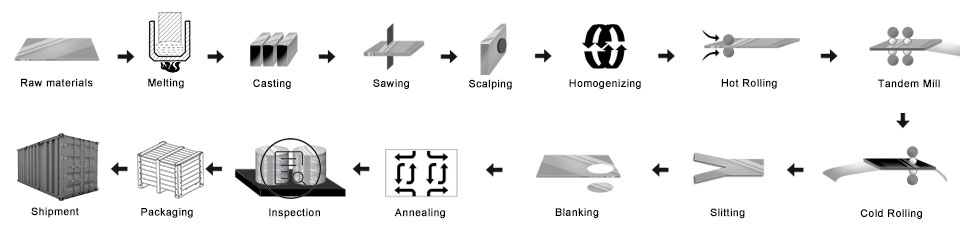
- เตรียมมาสเตอร์อัลลอยด์
- เตาหลอม: ใส่โลหะผสมเข้าไปในเตาหลอม
- อะลูมิเนียมหล่อ ดี.ซี: เพื่อให้แม่ลิ่ม
- บดแท่งอลูมิเนียม: เพื่อให้พื้นผิวและด้านข้างเรียบเนียน
- เตาทำความร้อน
- โรงงานรีดร้อน: ทำแม่คอยล์
- โรงงานรีดเย็น: แม่คอยล์ถูกรีดตามความหนาที่ต้องการซื้อ
- กระบวนการเจาะ: ให้ได้ขนาดตามที่คุณต้องการ
- เตาหลอม: เปลี่ยนอารมณ์
- การตรวจสอบขั้นสุดท้าย
- การบรรจุ: กล่องไม้หรือพาเลทไม้
- จัดส่ง
การควบคุมคุณภาพ
การประกัน การตรวจสอบด้านล่างจะดำเนินการในการผลิต.
- ก. การตรวจจับรังสี—RT;
- ข. การทดสอบอัลตราโซนิก—ยูทาห์;
- ค. การทดสอบอนุภาคแม่เหล็ก-MT;
- ง. การทดสอบการเจาะ-PT;
- จ. การตรวจจับข้อบกพร่องกระแสวน-ET
1) ปราศจากคราบน้ำมัน, บุ๋ม, การรวม, รอยขีดข่วน, คราบ, การเปลี่ยนสีออกไซด์, พัก, การกัดกร่อน, โรลมาร์ก, คราบสกปรก, และข้อบกพร่องอื่นๆ ที่อาจรบกวนการใช้งาน.
2) พื้นผิวไม่มีเส้นสีดำ, ตัดสะอาด, คราบเป็นระยะ, ข้อบกพร่องในการพิมพ์ลูกกลิ้ง, เช่น มาตรฐานการควบคุมภายในของ gko อื่นๆ.
บรรจุแผ่นอลูมิเนียม:
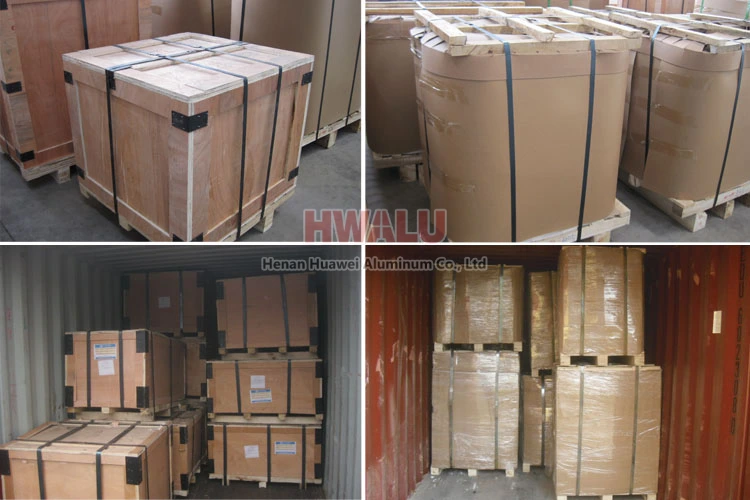
สามารถบรรจุวงกลมอลูมิเนียมได้ตามมาตรฐานส่งออก, หุ้มด้วยกระดาษสีน้ำตาลและฟิล์มพลาสติก. ในที่สุด, อลูมิเนียมกลมได้รับการแก้ไขบนพาเลทไม้/กล่องไม้.
- วางเครื่องอบผ้าไว้ข้างวงกลมอลูมิเนียม, เก็บผลิตภัณฑ์ให้แห้งและสะอาด.
- ใช้กระดาษพลาสติกที่สะอาด, แพ็ควงกลมอลูมิเนียม, ปิดผนึกอย่างดี.
- ใช้กระดาษหนังงู, แพ็คพื้นผิวของกระดาษพลาสติก, ปิดผนึกอย่างดี.
- ต่อไป, มีสองวิธีในการบรรจุ: วิธีหนึ่งคือบรรจุภัณฑ์จากพาเลทไม้, โดยใช้กระดาษที่มีเปลือกแข็งห่อหุ้มพื้นผิว; อีกวิธีหนึ่งคือบรรจุภัณฑ์กล่องไม้, โดยใช้ลังไม้บรรจุพื้นผิว.
- ในที่สุด, วางสายพานเหล็กไว้บนพื้นผิวกล่องไม้, ทำให้กล่องไม้มีความคงทนและปลอดภัย.
วงกลมอลูมิเนียมของ Henan Huawei Aluminium. ตรงตามมาตรฐานการส่งออก. สามารถหุ้มฟิล์มพลาสติกและกระดาษสีน้ำตาลได้ตามความต้องการของลูกค้า. มีอะไรเพิ่มเติม, มีการใช้กล่องไม้หรือพาเลทไม้เพื่อปกป้องผลิตภัณฑ์จากความเสียหายระหว่างการจัดส่ง. บรรจุภัณฑ์มีสองประเภท, ซึ่งเป็นแบบตาต่อผนังหรือตาฟ้า. ลูกค้าสามารถเลือกอย่างใดอย่างหนึ่งเพื่อความสะดวก. พูดโดยทั่วไป, มี 2 ตันในแพ็คเกจเดียว, และกำลังโหลด 18-22 ตันในภาชนะขนาด 1×20′, และ 20-24 ตันในภาชนะขนาด 1×40′.
ทำไมถึงเลือกพวกเรา?
เพื่อที่จะก้าวไปพร้อมกับกาลเวลา, HWALU นำเสนออุปกรณ์และเทคนิคที่ทันสมัยอยู่เสมอเพื่อปรับปรุงขีดความสามารถในการแข่งขัน. ยึดมั่นในปรัชญาการดำเนินธุรกิจที่มีคุณภาพเป็นศูนย์กลางและลูกค้ามาก่อนเสมอ, เพื่อจัดหาผลิตภัณฑ์ซีรีส์แผ่นดิสก์วงกลมอะลูมิเนียมคุณภาพสูงสุดให้กับทุกส่วนของโลก. มากกว่า …

