Extensas aplicações de 3003 Círculo de alumínio para fabricação de panelas
1. Introdução
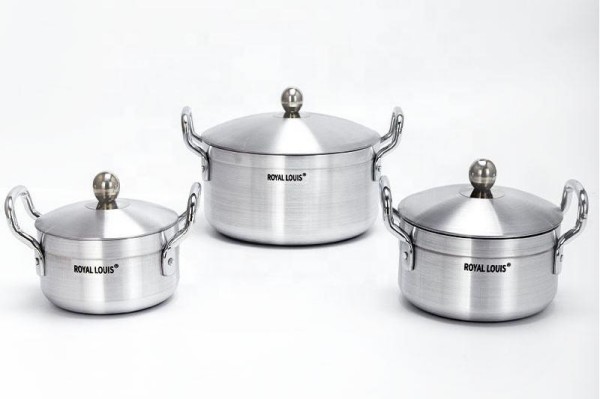
Na indústria de utensílios de cozinha em constante evolução, a seleção do material determina diretamente a qualidade, segurança, e durabilidade do produto final. Entre os muitos materiais disponíveis, 3003 círculo de alumínio para panelas emergiu como uma das opções mais amplamente adotadas nos mercados globais. Conhecido por sua combinação de design leve, excelente condutividade térmica, e resistência à corrosão, oferece uma solução econômica e de alto desempenho para fabricantes de panelas, panelas, woks, e recipientes para fritar.
Este artigo explora, em detalhes técnicos e industriais abrangentes, por que 3003 os círculos de alumínio se tornaram o material preferido para a fabricação de panelas. A discussão abordará suas características metalúrgicas, processos de formação, desempenho mecânico, perfil de sustentabilidade, e o mercado global em evolução.

2. Visão geral da liga: Composição e propriedades de 3003 Alumínio
O 3003 liga pertence a a série 3xxx de alumínio–ligas de manganês, que não são tratáveis termicamente, mas são endurecíveis por deformação. Sua composição é otimizada para resistência à corrosão, estabilidade mecânica, e conformabilidade – qualidades essenciais para a fabricação de utensílios de cozinha.
| Elemento |
Porcentagem típica (% em peso) |
Função Primária |
| Alumínio (Al) |
96.8 – 99.0 |
Metal base proporcionando leveza e ductilidade |
| Manganês (Mn) |
1.0 – 1.5 |
Melhora a resistência e a resistência à corrosão |
| Cobre (Cu) |
≤ 0.12 |
Melhora ligeiramente a condutividade térmica |
| Ferro (Fé) |
≤ 0.7 |
Controle de impurezas, influencia o tamanho do grão |
| Silício (E) |
≤ 0.6 |
Melhora a qualidade da fundição |
| Zinco (Zn) |
≤ 0.10 |
Balanço de corrosão |
| Resíduos |
≤ 0.15 |
Elementos menores para equilíbrio |
O conteúdo controlado de manganês (em volta 1.2 %) desempenha um papel vital no fortalecimento de soluções sólidas, aumentando a resistência à tração sem reduzir a ductilidade. Este equilíbrio permite operações de estampagem profunda e fiação comumente usadas na formação de panelas.
3. Propriedades Físicas e Mecânicas
O 3003 liga demonstra uma forte combinação de conformabilidade, resistência à corrosão, e condução de calor – três parâmetros críticos para a produção de utensílios de cozinha.
| Propriedade |
Valor típico |
Significado em panelas |
| Densidade |
2.73 g/cm³ |
Leve para fácil manuseio |
| Resistência à tracção (O recozido) |
110–130MPa |
Adequado para formar |
| Resistência à tracção (H14) |
150–180 MPa |
Com endurecimento de trabalho |
| Alongamento (Ó temperamento) |
30–35 % |
Excelente formabilidade |
| Condutividade Térmica |
~160 W/m·K |
Distribuição uniforme de calor |
| Ponto de fusão |
643 °C |
Suporta temperaturas típicas de cozimento |
| Resistência à corrosão |
Alto |
Ideal para superfícies em contato com alimentos |
A capacidade da liga de manter a integridade mecânica sob repetidos ciclos de aquecimento garante a longevidade e a segurança dos utensílios de cozinha em cozinhas domésticas e profissionais..
4. Processos de fabricação para círculos de alumínio
A produção de 3003 círculo de alumínio para panelas envolve vários processos de precisão. Cada estágio afeta a microestrutura, acabamento superficial, e desempenho de formação final.
4.1. Fundição e Laminação
O processo começa com a fusão do alumínio de alta pureza e a adição de manganês e elementos de liga sob condições estritamente controladas.. A liga fundida é então fundida em placas ou diretamente em bobinas de fundição contínua. A laminação a quente subsequente reduz a espessura enquanto refina os grãos através da recristalização dinâmica.
4.2. Laminação a Frio
Depois de laminação a quente, a tira é laminada a frio até a bitola desejada - normalmente entre 0.5 milímetros e 6 mm dependendo do tipo de panela. A laminação a frio melhora o acabamento superficial, controla a tolerância, e aumenta a resistência ao trabalho.
4.3. Recozimento
O recozimento é fundamental para restaurar a ductilidade antes do apagamento do círculo. A distribuição uniforme da temperatura é mantida em torno de 370–430 °C. O recozimento adequado garante que o círculo possa sofrer estampagem profunda e fiação sem rachar.
4.4. Supressão de Círculo
As linhas de corte circular de precisão usam puncionadeiras CNC ou tesouras rotativas para cortar discos de bobinas de alumínio. A tolerância é geralmente controlada dentro de ±0,05 mm. Linhas avançadas incorporam empilhamento automatizado, escovar, e sistemas de inspeção de superfície para minimizar arranhões.
4.5. Acabamento e Limpeza de Superfícies
Superfícies limpas são essenciais para a fabricação de utensílios de cozinha. O desengorduramento e a limpeza química removem resíduos de óleo de rolamento, seguido de secagem e passivação da superfície. A anodização opcional ou o revestimento colorido melhoram a estética e a resistência à corrosão.
5. Controle de qualidade e padrões de teste
Os círculos de alumínio de alta qualidade devem atender a rigorosos padrões internacionais, como ASTM B209, EM 485, e JIS H4000. Os fabricantes implementam procedimentos de teste em vários estágios:
| Estágio de inspeção |
Método de teste |
Propósito |
| Material recebido |
Espectrometria Química |
Confirme a composição da liga |
| Durante o rolamento |
Corrente parasita ou ultrassônica |
Detectar inclusões ou vazios |
| Dimensão do Círculo |
Medição Óptica CNC |
Mantenha tolerâncias de precisão |
| Teste Mecânico |
Tração & Testes de resistência ao rendimento |
Verifique o desempenho mecânico |
| Inspeção de superfície |
Sistema de visão automatizado |
Identifique arranhões ou manchas de óleo |
Sistemas avançados de inspeção óptica de superfície podem detectar defeitos tão pequenos quanto 0.1 milímetros, garantindo qualidade visual e mecânica consistente em grandes volumes de produção.
6. Processos de conformação na fabricação de panelas
A fabricação de panelas utiliza principalmente estampagem profunda, fiação, e extrusão por impacto – processos que dependem da ductilidade do círculo e da estrutura uniforme dos grãos.
6.1. Desenho Profundo
A estampagem profunda transforma discos planos em formas cilíndricas ocas, como panelas ou frigideiras.
Os principais parâmetros do processo incluem:
- Diâmetro em branco: 180 – 480 milímetros
- Proporção de empate: 1.8 – 2.2
- Lubrificação: Emulsões de óleo sintético à base de água
- Deformação típica por estágio: 40 – 50 % redução
Tamanho de grão uniforme e temperamento suave (Ó condição) permitir o alongamento contínuo da parede sem enrugar.
6.2. Fiação
A fiação é usada para formar woks, chaleiras, e outras panelas de fundo redondo. Um mandril giratório molda o círculo sob pressão do rolo.
Vantagens de 3003 liga em fiação:
- Excelente alongamento suporta alta deformação.
- Baixo retorno de mola permite modelagem precisa.
- Superfícies lisas requerem polimento mínimo após a formação.
6.3. Extrusão de Impacto
Para panelas de alta resistência, como panelas de pressão, extrusão por impacto fornece integridade estrutural superior. O processo envolve golpear uma bala pré-cortada em alta velocidade usando uma prensa hidráulica. A estrutura refinada de 3003 garante deformação sem fissuras mesmo sob tensão severa.
7. Opções de tratamento térmico e têmpera
Embora 3003 não é tratável termicamente, suas propriedades mecânicas podem ser ajustadas através de ciclos de trabalho a frio e recozimento. Os temperamentos comuns para utensílios de cozinha incluem:
| Temperamento |
Processo Típico |
Propriedades Mecânicas (MPa) |
Exemplo de aplicação |
| Ó (Recozido) |
Recozimento completo em 400 °C |
110 – 130 MPa |
Vasos profundos, panelas |
| H14 |
Trabalho a frio meio duro |
150 – 180 MPa |
Panelas fiadas |
| H18 |
Trabalho a frio totalmente duro |
180 – 200 MPa |
Utensílios que exigem rigidez |
Os fabricantes podem alternar entre recozimento parcial e total para alcançar o equilíbrio ideal entre resistência e ductilidade para geometrias específicas de panelas.
8. Tratamento de Superfícies e Revestimentos
O acabamento superficial melhora o desempenho e a aparência do 3003 círculo de alumínio para panelas.
8.1. Anodizando
A anodização cria uma camada de óxido que melhora a dureza e a resistência ao desgaste. A superfície resultante exibe:
- Dureza até 400 Alta tensão
- Proteção contra corrosão contra alimentos ácidos
- Capacidade de aceitar cores para a estética da marca
8.2. Revestimentos antiaderentes
Muitos fabricantes aplicam revestimentos de PTFE ou cerâmica nas panelas formadas. Esses revestimentos dependem da superfície limpa do círculo e da forte adesão para evitar descamação durante aquecimento repetido.
8.3. Polimento e escovação
O polimento mecânico produz acabamentos espelhados para panelas estéticas, enquanto acabamentos escovados escondem marcas de formação. O polimento adequado também reduz a adesão bacteriana – um importante fator de higiene.
9. Desempenho Comparativo com Outras Ligas
| Propriedade |
1050 Liga |
3003 Liga |
5052 Liga |
| Força |
Baixo |
Moderado |
Alto |
| Formabilidade |
Excelente |
Excelente |
Bom |
| Resistência à corrosão |
Bom |
Muito bom |
Excelente |
| Custo |
Baixo |
Moderado |
Mais alto |
| Uso típico |
Panelas decorativas |
Panelas gerais |
Panelas de pressão, industrial |
3003 fornece um meio termo ideal entre custo e desempenho. Diferente 1050, oferece melhor resistência e resistência à corrosão; diferente 5052, mantém fácil conformabilidade para estampagem profunda e fiação.
10. Desempenho térmico e eficiência de cozimento
Uma grande vantagem 3003 círculo de alumínio para panelas é a sua alta condutividade térmica. Comparado com aço inoxidável, o alumínio transfere calor até 10x mais rápido, permitindo cozimento uniforme e eficiência energética.
- Distribuição Uniforme de Calor: Reduz pontos quentes, garantindo um escurecimento uniforme e resultados de cozimento consistentes.
- Aquecimento rápido: Economiza tempo e energia de cozimento – especialmente benéfico para bases compostas compatíveis com indução.
- Estabilidade Dimensional: Resiste à deformação térmica sob aquecimento e resfriamento cíclicos.
Simulações de laboratório mostram que 3 mm de espessura 3003 fundo da panela alcança 180 °C em apenas 45 segundos em um padrão 1.5 queimador kW - cerca de 35 % mais rápido que um equivalente em aço inoxidável.
11. Resistência à Corrosão e Segurança Alimentar
Uma vantagem definidora de 3003 círculo de alumínio para panelas é a sua excepcional resistência à corrosão em ambientes típicos de cozinha. A presença de manganês na liga fortalece o filme de óxido natural, evitando reação com ácidos alimentares, detergentes, e alta umidade.
11.1. Camada Protetora de Óxido
Quando exposto ao ar, o alumínio forma um ultrafino, camada autocurativa de óxido de alumínio (Al₂O₃). No 3003 liga, esta camada engrossa rapidamente e resiste à oxidação adicional. Este filme passivo fornece:
- Forte proteção contra vapor de água e ácidos alimentares.
- Estabilidade química na faixa de pH de 4–9.
- Nenhum sabor metálico ou descoloração dos alimentos.
11.2. Conformidade com contato com alimentos
3003 liga está em conformidade com os padrões internacionais de contato com alimentos, incluindo:
- NÓS. FDA 21 CFR 175.300
- Regulamento Europeu (CE) Não. 1935/2004
- Diretrizes JFSL-370 do Japão
Os testes demonstram níveis de migração de íons de alumínio muito abaixo dos limites regulamentares (<0.1 mg/kg de simulador alimentar), garantindo um uso seguro a longo prazo.
11.3. Resistência a detergentes e álcalis
Ao contrário das panelas de aço carbono ou cobre, 3003 o alumínio não enferruja nem pátina. Em testes de lavagem acelerada, mantém o brilho da superfície mesmo depois 10,000 ciclos de lava-louças.
| Parâmetro de teste |
Duração |
Resultado para 3003 Liga |
| Solução de sal fervente (5%) |
24 h |
Sem corrosão |
| Imersão em detergente |
72 h |
Retenção de brilho > 95% |
| Simulador de comida ácida (pH 4.5) |
30 dias |
Sem mudança de cor |
12. Reciclagem e Sustentabilidade Ambiental
12.1. 100% Reciclabilidade
O alumínio é infinitamente reciclável sem perda de qualidade. Reciclagem 3003 círculo de alumínio para panelas requer apenas 5% da energia utilizada na produção de alumínio primário.
Esta propriedade posiciona as panelas de alumínio como uma alternativa ecológica aos plásticos não recicláveis ou aço revestido.
12.2. Economia de energia e emissões
Cada tonelada de alumínio reciclado economiza aproximadamente:
- 14,000 kWh de eletricidade
- 9 toneladas de emissões de CO₂
- 4 toneladas de minério de bauxita
Quando os fabricantes implementam a reciclagem em circuito fechado – coletando resíduos de produção e fundindo-os novamente – a eficiência energética melhora drasticamente.
12.3. Práticas de Fabricação Verde
Laminadores modernos integram fontes de energia solar ou hidrelétrica, e fornos de recozimento avançados usam queimadores regenerativos para minimizar o consumo de gás natural. Sistemas de gestão ambiental certificados sob ISO 14001 garantir uma pegada ecológica mínima.

13. Demanda de mercado e aplicações industriais
O mercado global de utensílios de cozinha está experimentando um forte crescimento, particularmente na Ásia-Pacífico e na América do Norte, onde a expansão da classe média e as tendências de culinária caseira estão aumentando a demanda por produtos duráveis, panelas acessíveis.
13.1. Categorias de aplicativos
| Tipo de panela |
Espessura Recomendada (milímetros) |
Vantagens de 3003 Liga |
| Frigideiras |
2.5 – 3.5 |
Condução de calor rápida, escurecimento uniforme |
| Estoques |
3.0 – 4.5 |
Resistência à corrosão, manuseio leve |
| Woks |
1.8 – 2.5 |
Girando fácil, boa resposta térmica |
| Chaleiras |
1.2 – 2.0 |
Desenho suave, acabamento brilhante |
| Panelas de pressão |
4.0 – 6.0 |
Alta resistência mecânica e confiabilidade |
A adaptabilidade do 3003 liga para vários métodos de fabricação - estampagem profunda, fiação, extrusão por impacto - torna-o adequado para quase todos os formatos e tamanhos de utensílios de cozinha.
13.2. Produtores Industriais
Grandes produtores de alumínio, como Henan Huawei Alumínio, Chalco, Romancista, e Constélio fornecer círculos laminados globalmente. O investimento contínuo em linhas de corte circular CNC e equipamentos de polimento automático garantem qualidade consistente para fabricantes de utensílios de cozinha.
13.3. Mercados de exportação
A China continua a ser o maior exportador de 3003 círculo de alumínio para panelas, atendendo mercados no Sudeste Asiático, Europa, e as Américas. O crescimento das exportações é apoiado pela crescente preferência dos consumidores por produtos leves, produtos de cozinha energeticamente eficientes.
14. Tecnologias avançadas de conformação e união
À medida que a fabricação se moderniza, tecnologias avançadas estão sendo incorporadas para aumentar a eficiência e a precisão na produção de utensílios de cozinha.
14.1. Formação a Laser
A conformação assistida por laser aquece zonas específicas do círculo de alumínio, permitindo modelagem mais precisa com menos retorno. Isto é particularmente eficaz para bases de panelas complexas que exigem um controle dimensional rígido.
14.2. Soldagem por Fricção e Mistura (PTS)
O FSW é cada vez mais usado para unir bases de panelas multicamadas - combinando 3003 alumínio com aço inoxidável para compatibilidade com aquecimento por indução.
Os benefícios incluem:
- Sem material de enchimento ou vapores.
- Excelente ligação metalúrgica.
- Distorção ou porosidade mínima.
14.3. Controle CNC na fiação
Tornos giratórios CNC automatizam o controle de forma e uniformidade de espessura de parede. A integração com sensores em tempo real mantém a tolerância dentro de ±0,02 mm, melhorando a consistência entre lotes de produção.
15. Análise de Eficiência Energética e Transferência de Calor
O desempenho energético é a principal razão pela qual os fabricantes de utensílios de cozinha continuam a favorecer as ligas de alumínio.
15.1. Comparação com outros materiais
| Material |
Condutividade Térmica (S/m·K) |
Eficiência relativa de cozimento |
Peso (g/cm³) |
| Aço inoxidável |
15 |
1× |
7.8 |
| Cobre |
390 |
9× |
8.9 |
| 3003 Alumínio |
160 |
10× |
2.73 |
| Ferro fundido |
55 |
3× |
7.2 |
O alumínio fornece condutividade próxima ao nível do cobre com um terço do peso, oferecendo eficiência de cozimento incomparável e facilidade de manuseio.
15.2. Compatibilidade de indução
Embora o alumínio puro não seja magnético, vínculo de fabricantes de panelas 3003 círculos com bases de aço inoxidável para obter capacidade de aquecimento por indução sem comprometer o desempenho térmico.
15.3. Design de panelas multicamadas
As panelas premium modernas geralmente usam uma estrutura tripla:
- Camada interna: Aço inoxidável para segurança alimentar
- Essencial: 3003 alumínio para distribuição uniforme de calor
- Camada externa: Indução inoxidável ou cobre
Este design híbrido combina estética, força, e equilíbrio térmico.
16. Vantagens Econômicas e Otimização de Custos
Comparado com materiais alternativos, 3003 círculo de alumínio para panelas oferece vantagens econômicas significativas:
- Menor custo de material: O alumínio custa 40-50% menos que o cobre e 20% menos que aço inoxidável.
- Energia de formação reduzida: Sua alta ductilidade diminui a pressão de formação, reduzindo o desgaste da prensa e o uso de energia.
- Valor de reciclabilidade: Os círculos de sucata mantêm alto valor de revenda devido ao mercado de reciclagem estabelecido do alumínio.
Os fabricantes que aproveitam a reciclagem em circuito fechado economizam até 15% nos custos de matéria-prima.
17. Segurança, Higiene, e benefícios ao consumidor
Panelas de alumínio feitas de 3003 liga apoia padrões globais de saúde e higiene.
- Não tóxico e livre de BPA: Camada de óxido de alumínio evita lixiviação.
- Superfície Antibacteriana: Acabamento suave limita a retenção bacteriana.
- Leve: Reduz a fadiga de manuseio em cozinhas.
- Calor Uniforme: Evita superaquecimento localizado, realçando o sabor dos alimentos.
Além disso, ao contrário das panelas de aço revestidas, panelas de alumínio não lascam nem enferrujam, garantindo longa vida útil.
18. Tendências Futuras e Desenvolvimentos Tecnológicos
A próxima geração de fabricação de utensílios de cozinha melhorará ainda mais o desempenho de 3003 alumínio através de inovações no design de ligas, engenharia de superfície, e controle digital de processos.
18.1. Fabricação Inteligente
As fábricas estão implementando Sistemas de monitoramento baseados em IoT para controlar o rolamento, recozimento, e formando parâmetros automaticamente. Algoritmos de aprendizado de máquina detectam anomalias na textura ou espessura, melhorando a consistência da qualidade.
18.2. Revestimentos Nanoestruturados
Os revestimentos nanocerâmicos sol-gel emergentes oferecem resistência superior a arranhões e maior vida útil antiaderente, reduzindo a necessidade de camadas de PTFE.
18.3. Estruturas Híbridas Leves
Ferramentas avançadas de simulação permitem que os engenheiros otimizem a espessura da parede e as estruturas das nervuras, minimizando o consumo de material enquanto mantém a rigidez.
18.4. Certificações de Sustentabilidade
Os fabricantes estão buscando certificações como ISO 14067 (Pegada de carbono) e UL GREENGUARD, ajudando marcas de utensílios de cozinha a atrair consumidores ecologicamente conscientes.
19. Previsão de mercado e perspectiva de crescimento
De acordo com dados do setor 2025 relatórios, o mercado global de panelas de alumínio espera-se que cresça a partir USD 5.8 bilhão em 2024 para USD 8.2 bilhão por 2030, em um CAGR de aproximadamente 6.1%.
Fatores-chave que impulsionam o crescimento:
- Aumento da classe média global e tendência de cozinhar em casa.
- Transição de plástico ou aço revestido para panelas de metal sustentáveis.
- Avanços tecnológicos em conformação e revestimento.
Destaques regionais:
- Ásia-Pacífico: Maior base de produção e crescimento mais rápido do consumo.
- Europa: Foco na sustentabilidade e reciclabilidade.
- América do Norte: Expansão da demanda por panelas triplas premium.

20. Conclusão
O 3003 círculo de alumínio para panelas representa a sinergia perfeita entre a ciência dos materiais e a fabricação prática. Sua combinação de leveza, força, conformabilidade, e o desempenho térmico tornou-o a escolha preferida dos fabricantes de utensílios de cozinha em todo o mundo.
De panelas profundas a woks fiados com precisão, esta liga oferece versatilidade incomparável. A integração contínua da produção sustentável, controle de processo inteligente, e tecnologias avançadas de revestimento garantem que 3003 o alumínio continuará a moldar o futuro da eficiência, produção de panelas ecológicas.
Em essência, 3003 os círculos de alumínio não são apenas uma matéria-prima – eles são a base da inovação, sustentabilidade, e excelência culinária em utensílios de cozinha modernos.
Propriedades do círculo de alumínio:
O círculo de alumínio é adequado para muitos mercados, incluindo panelas, indústrias automotiva e de iluminação, etc., graças às boas características do produto:
- Baixa anisotropia, o que facilita o desenho profundo
- Propriedades mecânicas fortes
- Difusão de calor alta e homogênea
- Capacidade de ser esmaltado, coberto por PTFE (ou outros), anodizado
- Boa refletividade
- Alta relação resistência-peso
- Durabilidade e resistência à corrosão
Processo de Círculos de Alumínio
Lingotes/Ligas Mestres — Forno de fusão – Forno de retenção — DC. Rodízio — Laje —- Escalpador — Laminador a Quente – Laminador a Frio – Puncionamento – Forno de Recozimento — Inspeção Final – Embalagem — Entrega
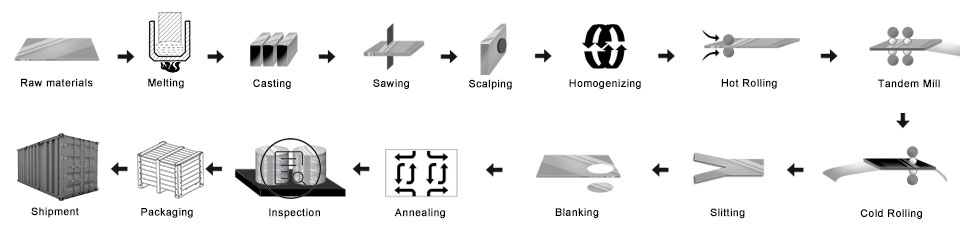
- Prepare as ligas mestres
- Forno de fusão: coloque as ligas no forno de fusão
- Lingote de alumínio fundido DC: Para fazer o lingote mãe
- Fresar o lingote de alumínio: para tornar a superfície e o lado lisos
- Forno de aquecimento
- Laminador a quente: fez a bobina mãe
- Laminador a frio: a bobina mãe foi enrolada conforme a espessura que você deseja comprar
- Processo de perfuração: torne-se do tamanho que você deseja
- Forno de recozimento: mudar o temperamento
- Inspeção final
- Embalagem: caixa de madeira ou palete de madeira
- Entrega
Controle de qualidade
Garantia Abaixo a inspeção será feita na produção.
- um. detecção de raios—TR;
- b. testes ultrassônicos—UT;
- c. Teste de Partículas Magnéticas-MT;
- d. testes de penetração-PT;
- e. detecção de falhas por correntes parasitas-ET
1) Esteja livre de manchas de óleo, Dente, Inclusão, Arranhões, Mancha, Descoloração Óxida, Pausas, Corrosão, Marcas de rolo, Listras de sujeira, e outros defeitos que interferirão no uso.
2) Superfície sem linha preta, limpo, mancha periódica, defeitos de impressão em rolo, como outros padrões de controle interno da gko.
Embalagem de discos de alumínio:
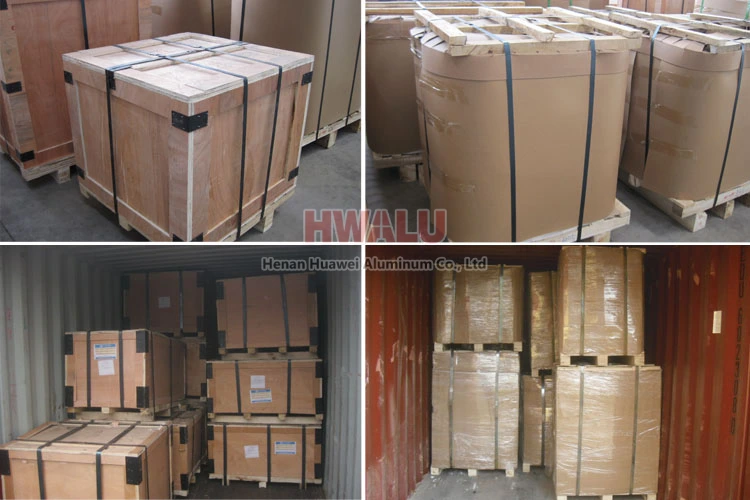
Os círculos de alumínio podem ser embalados de acordo com os padrões de exportação, cobrindo com papel pardo e filme plástico. Finalmente, a Rodada de Alumínio é fixada em um palete de madeira/caixa de madeira.
- Coloque os secadores ao lado do círculo de alumínio, mantenha os produtos secos e limpos.
- Use papel plástico limpo, embale o círculo de alumínio, mantenha uma boa vedação.
- Use o papel de pele de cobra, embale a superfície do papel plástico, mantenha uma boa vedação.
- Próximo, existem duas formas de embalagem: Uma maneira é a embalagem de paletes de madeira, usando o papel crocante embalando a superfície; Outra forma é a embalagem em caixa de madeira, usando a caixa de madeira embalando a superfície.
- Finalmente, coloque a correia de aço na superfície da caixa de madeira, mantendo a solidez e segurança da caixa de madeira.
Círculo de alumínio de Henan Huawei Alumínio. atender ao padrão de exportação. Filme plástico e papel pardo podem ser cobertos de acordo com as necessidades dos clientes. Além do mais, uma caixa de madeira ou palete de madeira é adotada para proteger os produtos contra danos durante a entrega. Existem dois tipos de embalagens, que estão de olho na parede ou de olho no céu. Os clientes podem escolher qualquer um deles para sua conveniência. De um modo geral, há 2 toneladas em um pacote, e carregando 18-22 toneladas em contêiner 1×20′, e 20-24 toneladas em contêiner 1×40′.
Por que nos escolher?
Para acompanhar os tempos, A HWALU continua introduzindo equipamentos e técnicas de última geração para melhorar sua competitividade. Sempre siga a filosofia empresarial de qualidade como centro e cliente em primeiro lugar, fornecer produtos da série de círculo de disco de alumínio da mais alta qualidade para todas as partes do mundo. Mais …

