के व्यापक अनुप्रयोग 3003 कुकवेयर निर्माण के लिए एल्युमीनियम सर्कल
1. परिचय
लगातार विकसित हो रहे कुकवेयर उद्योग में, सामग्री का चयन सीधे गुणवत्ता निर्धारित करता है, सुरक्षा, और अंतिम उत्पाद का स्थायित्व. उपलब्ध अनेक सामग्रियों में से, 3003 कुकवेयर के लिए एल्युमिनियम सर्कल वैश्विक बाजारों में सबसे व्यापक रूप से अपनाए गए विकल्पों में से एक के रूप में उभरा है. हल्के वजन वाले डिज़ाइन के संयोजन के लिए जाना जाता है, उत्कृष्ट तापीय चालकता, और संक्षारण प्रतिरोध, यह बर्तनों के निर्माताओं के लिए लागत प्रभावी लेकिन उच्च प्रदर्शन वाला समाधान प्रदान करता है, पैन, वोक, और तलने के बर्तन.
यह आलेख अन्वेषण करता है, व्यापक तकनीकी और औद्योगिक विवरण में, क्यों 3003 एल्युमीनियम सर्कल कुकवेयर निर्माण के लिए पसंद की सामग्री बन गए हैं. चर्चा में उनकी धातु संबंधी विशेषताओं को शामिल किया जाएगा, गठन की प्रक्रियाएँ, यांत्रिक प्रदर्शन, स्थिरता प्रोफ़ाइल, और विकसित हो रहा वैश्विक बाज़ार.

2. मिश्र धातु सिंहावलोकन: की संरचना और गुण 3003 अल्युमीनियम
NS 3003 मिश्र धातु का है एल्यूमीनियम की 3xxx श्रृंखला-मैंगनीज मिश्र धातु, जो गैर-गर्मी-उपचार योग्य हैं लेकिन तनाव-कठोर हैं. इसकी संरचना संक्षारण प्रतिरोध के लिए अनुकूलित है, यांत्रिक स्थिरता, और फॉर्मेबिलिटी- कुकवेयर निर्माण के लिए आवश्यक गुण.
| तत्व |
विशिष्ट प्रतिशत (भार%) |
बेसिक कार्यक्रम |
| अल्युमीनियम (अली) |
96.8 - 99.0 |
बेस मेटल हल्कापन और लचीलापन प्रदान करता है |
| मैंगनीज (एम.एन.) |
1.0 - 1.5 |
ताकत और संक्षारण प्रतिरोध में सुधार करता है |
| तांबा (साथ में) |
≤ 0.12 |
तापीय चालकता को थोड़ा बढ़ाता है |
| लोहा (फ़े) |
≤ 0.7 |
अशुद्धता नियंत्रण, अनाज के आकार को प्रभावित करता है |
| सिलिकॉन (और) |
≤ 0.6 |
कास्टिंग गुणवत्ता में सुधार करता है |
| जस्ता (Zn) |
≤ 0.10 |
संक्षारण संतुलन |
| बच गया |
≤ 0.15 |
संतुलन के लिए छोटे तत्व |
नियंत्रित मैंगनीज सामग्री (आस-पास 1.2 %) ठोस-समाधान को मजबूत करने में महत्वपूर्ण भूमिका निभाता है, लचीलापन कम किए बिना तन्य शक्ति बढ़ाना. यह संतुलन आमतौर पर कुकवेयर बनाने में उपयोग किए जाने वाले गहरी ड्राइंग और कताई संचालन को सक्षम बनाता है.
3. भौतिक और यांत्रिक गुण
NS 3003 मिश्रधातु निर्माण क्षमता का एक मजबूत संयोजन प्रदर्शित करता है, जंग प्रतिरोध, और ऊष्मा चालन-कुकवेयर उत्पादन के लिए तीन महत्वपूर्ण पैरामीटर.
| संपत्ति |
विशिष्ट मूल्य |
कुकवेयर में महत्व |
| घनत्व |
2.73 जी/सेमी³ |
आसान संचालन के लिए हल्का वजन |
| तन्यता ताकत (एनील्ड ओ) |
110-130 एमपीए |
बनाने के लिए पर्याप्त है |
| तन्यता ताकत (एच14) |
150-180 एमपीए |
काम सख्त होने के साथ |
| बढ़ाव (हे स्वभाव!) |
30-35 % |
उत्कृष्ट फॉर्मैबिलिटी |
| ऊष्मीय चालकता |
~160 डब्लू/एम·के |
समान ताप वितरण |
| गलनांक |
643 डिग्री सेल्सियस |
सामान्य खाना पकाने के तापमान को सहन करता है |
| संक्षारण प्रतिरोध |
उच्च |
भोजन-संपर्क सतहों के लिए आदर्श |
बार-बार हीटिंग चक्र के तहत यांत्रिक अखंडता बनाए रखने की मिश्र धातु की क्षमता घरेलू और पेशेवर रसोई दोनों में कुकवेयर की लंबी उम्र और सुरक्षा सुनिश्चित करती है।.
4. एल्युमीनियम सर्किलों के लिए विनिर्माण प्रक्रियाएँ
का उत्पादन 3003 कुकवेयर के लिए एल्युमिनियम सर्कल इसमें कई सटीक प्रक्रियाएं शामिल हैं. प्रत्येक चरण सूक्ष्म संरचना को प्रभावित करता है, सतह खत्म, और अंतिम गठन प्रदर्शन.
4.1. कास्टिंग और रोलिंग
प्रक्रिया उच्च शुद्धता वाले एल्यूमीनियम को पिघलाने और सख्ती से नियंत्रित परिस्थितियों में मैंगनीज और ट्रेस मिश्र धातु तत्वों को जोड़ने से शुरू होती है. पिघले हुए मिश्र धातु को फिर स्लैब में या सीधे निरंतर कास्ट कॉइल में डाला जाता है. बाद में गर्म रोलिंग से गतिशील पुनर्क्रिस्टलीकरण के माध्यम से अनाज को परिष्कृत करते समय मोटाई कम हो जाती है.
4.2. कोल्ड रोलिंग
गरम बेलने के बाद, पट्टी को वांछित गेज तक ठंडा किया जाता है - आमतौर पर बीच में 0.5 मिमी और 6 कुकवेयर के प्रकार के आधार पर मिमी. कोल्ड रोलिंग से सतह की फिनिश बढ़ती है, सहनशीलता को नियंत्रित करता है, और परिश्रम करने की शक्ति बढ़ती है.
4.3. एनीलिंग
सर्कल ब्लैंकिंग से पहले लचीलापन बहाल करने के लिए एनीलिंग महत्वपूर्ण है. समान तापमान वितरण 370-430 डिग्री सेल्सियस के आसपास बनाए रखा जाता है. उचित एनीलिंग यह सुनिश्चित करती है कि वृत्त बिना टूटे गहरी रेखांकन और घूम सके.
4.4. वृत्त रिक्त करना
सटीक सर्कल ब्लैंकिंग लाइनें एल्यूमीनियम कॉइल से डिस्क को काटने के लिए सीएनसी पंच प्रेस या रोटरी कैंची का उपयोग करती हैं. सहनशीलता आमतौर पर ±0.05 मिमी के भीतर नियंत्रित होती है. उन्नत लाइनें स्वचालित स्टैकिंग को शामिल करती हैं, ब्रश करना, और खरोंच को कम करने के लिए सतह-निरीक्षण प्रणाली.
4.5. सतह की फिनिशिंग और सफाई
कुकवेयर निर्माण के लिए साफ सतहें आवश्यक हैं. डीग्रीज़िंग और रासायनिक सफाई रोलिंग तेल के अवशेषों को हटा देती है, इसके बाद सुखाने और सतह निष्क्रियीकरण किया जाता है. वैकल्पिक एनोडाइजिंग या रंग कोटिंग सौंदर्यशास्त्र और संक्षारण प्रतिरोध को बढ़ाती है.
5. गुणवत्ता नियंत्रण और परीक्षण मानक
उच्च गुणवत्ता वाले एल्यूमीनियम सर्कल को एएसटीएम बी209 जैसे कठोर अंतरराष्ट्रीय मानकों को पूरा करना होगा, पर 485, और JIS H4000. निर्माता बहु-स्तरीय परीक्षण प्रक्रियाएँ लागू करते हैं:
| निरीक्षण चरण |
परिक्षण विधि |
उद्देश्य |
| आने वाली सामग्री |
रासायनिक स्पेक्ट्रोमेट्री |
मिश्र धातु संरचना की पुष्टि करें |
| रोलिंग के दौरान |
एड़ी धारा या अल्ट्रासोनिक |
समावेशन या रिक्तियों का पता लगाएं |
| वृत्त आयाम |
सीएनसी ऑप्टिकल मापन |
सटीक सहनशीलता बनाए रखें |
| यांत्रिक परीक्षण |
लचीला & उपज शक्ति परीक्षण |
यांत्रिक प्रदर्शन सत्यापित करें |
| भूतल निरीक्षण |
स्वचालित दृष्टि प्रणाली |
खरोंच या तेल के दाग को पहचानें |
उन्नत ऑप्टिकल सतह-निरीक्षण प्रणालियाँ छोटे से छोटे दोषों का भी पता लगा सकती हैं 0.1 मिमी, बड़े उत्पादन संस्करणों में लगातार दृश्य और यांत्रिक गुणवत्ता सुनिश्चित करना.
6. कुकवेयर निर्माण में निर्माण प्रक्रियाएँ
कुकवेयर निर्माण मुख्य रूप से गहरी ड्राइंग का उपयोग करता है, कताई, और प्रभाव बाहर निकालना-ऐसी प्रक्रियाएं जो सर्कल की लचीलापन और समान अनाज संरचना पर निर्भर करती हैं.
6.1. ग़हरी कला
गहरी ड्राइंग से फ्लैट डिस्क को बर्तन या तवे जैसी खोखली बेलनाकार आकृतियों में बदल दिया जाता है.
मुख्य प्रक्रिया मापदंडों में शामिल हैं:
- खाली व्यास: 180 - 480 मिमी
- अनुपात बनाएं: 1.8 - 2.2
- स्नेहन: पानी आधारित सिंथेटिक तेल इमल्शन
- प्रति चरण विशिष्ट विकृति: 40 - 50 % कमी
एक समान दाने का आकार और नरम स्वभाव (हे शर्त) झुर्रियों के बिना दीवार को निर्बाध रूप से खींचने में सक्षम बनाएं.
6.2. कताई
कताई का उपयोग कड़ाही बनाने के लिए किया जाता है, केटल्स, और अन्य गोल-तले कुकवेयर. एक घूमने वाला खराद का धुरा रोलर के दबाव में वृत्त को आकार देता है.
के फायदे 3003 कताई में मिश्र धातु:
- उत्कृष्ट बढ़ाव उच्च विरूपण का समर्थन करता है.
- कम स्प्रिंग-बैक सटीक आकार देने की अनुमति देता है.
- चिकनी सतहों को बनाने के बाद न्यूनतम पॉलिशिंग की आवश्यकता होती है.
6.3. प्रभाव बाहर निकालना
प्रेशर कुकर जैसे उच्च शक्ति वाले कुकवेयर के लिए, इम्पैक्ट एक्सट्रूज़न बेहतर संरचनात्मक अखंडता प्रदान करता है. इस प्रक्रिया में हाइड्रोलिक प्रेस का उपयोग करके उच्च वेग पर पहले से कटे हुए स्लग पर प्रहार करना शामिल है. की बारीक-बारीक संरचना 3003 गंभीर तनाव के तहत भी दरार-मुक्त विरूपण सुनिश्चित करता है.
7. ताप उपचार और तापमान विकल्प
हालांकि 3003 गैर-गर्मी-उपचार योग्य है, इसके यांत्रिक गुणों को कोल्ड वर्किंग और एनीलिंग चक्रों के माध्यम से समायोजित किया जा सकता है. कुकवेयर के लिए सामान्य तापमान में शामिल हैं:
| मनोवृत्ति |
विशिष्ट प्रक्रिया |
यांत्रिक विशेषताएं (एमपीए) |
आवेदन उदाहरण |
| हे (annealed) |
पूर्ण वार्षिकी पर 400 डिग्री सेल्सियस |
110 - 130 एमपीए |
गहरे खींचे हुए बर्तन, पैन |
| एच14 |
आधा कठिन ठंडा काम |
150 - 180 एमपीए |
काता हुआ कुकवेयर |
| एच18 |
पूरी मेहनत से ठंडा काम |
180 - 200 एमपीए |
कठोरता की आवश्यकता वाले बर्तन |
विशिष्ट कुकवेयर ज्यामिति के लिए ताकत और लचीलापन के बीच इष्टतम संतुलन प्राप्त करने के लिए निर्माता आंशिक और पूर्ण एनीलिंग के बीच वैकल्पिक कर सकते हैं.
8. भूतल उपचार और कोटिंग्स
सतही परिष्करण प्रदर्शन और दिखावट दोनों को बढ़ाता है 3003 कुकवेयर के लिए एल्युमिनियम सर्कल.
8.1. एनोडाइजिंग
एनोडाइजिंग एक ऑक्साइड परत बनाता है जो कठोरता और पहनने के प्रतिरोध में सुधार करता है. परिणामी सतह प्रदर्शित होती है:
- तक कठोरता 400 एचवी
- अम्लीय खाद्य पदार्थों के विरुद्ध संक्षारण संरक्षण
- ब्रांडिंग सौंदर्यशास्त्र के लिए रंग स्वीकार करने की क्षमता
8.2. नॉन-स्टिक कोटिंग्स
कई निर्माता निर्मित कुकवेयर पर PTFE या सिरेमिक कोटिंग लगाते हैं. ये कोटिंग्स बार-बार गर्म करने के दौरान छीलने से रोकने के लिए सर्कल की साफ सतह और मजबूत आसंजन पर निर्भर करती हैं.
8.3. पॉलिश करना और ब्रश करना
मैकेनिकल पॉलिशिंग सौंदर्यपूर्ण कुकवेयर के लिए दर्पण फिनिश का उत्पादन करती है, जबकि ब्रश करने पर फिनिश बनने वाले निशान छिप जाते हैं. उचित पॉलिशिंग से बैक्टीरिया का आसंजन भी कम हो जाता है - जो एक महत्वपूर्ण स्वच्छता कारक है.
9. अन्य मिश्र धातुओं के साथ तुलनात्मक प्रदर्शन
| संपत्ति |
1050 मिश्र धातु |
3003 मिश्र धातु |
5052 मिश्र धातु |
| ताकत |
कम |
मध्यम |
उच्च |
| प्रपत्र |
उत्कृष्ट |
उत्कृष्ट |
अच्छा |
| संक्षारण प्रतिरोध |
अच्छा |
बहुत अच्छा |
उत्कृष्ट |
| लागत |
कम |
मध्यम |
उच्च |
| विशिष्ट उपयोग |
सजावटी कुकवेयर |
सामान्य कुकवेयर |
प्रैशर कूकर, औद्योगिक |
3003 लागत और प्रदर्शन के बीच एक आदर्श मध्य मार्ग प्रदान करता है. भिन्न 1050, यह बेहतर ताकत और संक्षारण प्रतिरोध प्रदान करता है; भिन्न 5052, यह गहरी ड्राइंग और कताई के लिए आसान फॉर्मेबिलिटी बरकरार रखता है.
10. थर्मल प्रदर्शन और खाना पकाने की क्षमता
का एक बड़ा फायदा 3003 कुकवेयर के लिए एल्युमिनियम सर्कल इसकी उच्च तापीय चालकता है. स्टेनलेस स्टील की तुलना में, एल्युमीनियम 10× तक तेजी से गर्मी स्थानांतरित करता है, एक समान खाना पकाने और ऊर्जा दक्षता को सक्षम करना.
- समान ताप वितरण: हॉट स्पॉट को कम करता है, एकसमान भूरापन और लगातार खाना पकाने के परिणाम सुनिश्चित करना.
- तीव्र तापन: खाना पकाने का समय और ऊर्जा बचाता है - विशेष रूप से प्रेरण-संगत मिश्रित आधारों के लिए फायदेमंद.
- आयामी स्थिरता: चक्रीय हीटिंग और कूलिंग के तहत थर्मल वॉरपिंग का प्रतिरोध करता है.
प्रयोगशाला सिमुलेशन से पता चलता है कि ए 3 मिमी मोटी 3003 पैन नीचे तक पहुँचता है 180 केवल डिग्री सेल्सियस में 45 एक मानक पर सेकंड 1.5 किलोवाट बर्नर—के बारे में 35 % स्टेनलेस-स्टील समकक्ष से तेज़.
11. संक्षारण प्रतिरोध और खाद्य सुरक्षा
का एक निर्णायक लाभ 3003 कुकवेयर के लिए एल्युमिनियम सर्कल विशिष्ट रसोई वातावरण में इसका असाधारण संक्षारण प्रतिरोध है. मिश्र धातु में मैंगनीज की उपस्थिति प्राकृतिक ऑक्साइड फिल्म को मजबूत करती है, खाद्य अम्लों के साथ प्रतिक्रिया को रोकना, डिटर्जेंट, और उच्च आर्द्रता.
11.1. सुरक्षात्मक ऑक्साइड परत
हवा के संपर्क में आने पर, एल्यूमीनियम एक अति पतला बनाता है, एल्यूमीनियम ऑक्साइड की स्व-उपचार परत (Al₂O₃). में 3003 मिश्र धातु, यह परत तेजी से मोटी हो जाती है और आगे ऑक्सीकरण का प्रतिरोध करती है. यह निष्क्रिय फिल्म प्रदान करती है:
- जल वाष्प और खाद्य एसिड के खिलाफ मजबूत सुरक्षा.
- 4-9 की पीएच रेंज में रासायनिक स्थिरता.
- भोजन में कोई धात्विक स्वाद या मलिनकिरण नहीं.
11.2. खाद्य संपर्क अनुपालन
3003 मिश्र धातु अंतरराष्ट्रीय खाद्य-संपर्क मानकों का अनुपालन करती है, जिसमें शामिल हैं:
- हम. एफडीए 21 सीएफआर 175.300
- यूरोपीय विनियमन (चुनाव आयोग) नहीं. 1935/2004
- जापान जेएफएसएल-370 दिशानिर्देश
परीक्षण से पता चलता है कि एल्यूमीनियम आयनों का प्रवासन स्तर नियामक सीमाओं से काफी नीचे है (<0.1 मिलीग्राम/किग्रा भोजन सिमुलेंट), सुरक्षित दीर्घकालिक उपयोग सुनिश्चित करना.
11.3. डिटर्जेंट और क्षार का प्रतिरोध
कार्बन स्टील या तांबे के कुकवेयर के विपरीत, 3003 एल्युमिनियम में जंग नहीं लगती या दाग नहीं लगता. त्वरित धुलाई परीक्षणों में, इसके बाद भी सतह की चमक बरकरार रहती है 10,000 डिशवॉशर चक्र.
| परीक्षण पैरामीटर |
अवधि |
इसके लिए परिणाम 3003 मिश्र धातु |
| नमक का घोल उबालना (5%) |
24 एच |
कोई गड्ढा नहीं |
| डिटर्जेंट विसर्जन |
72 एच |
चमक बनाए रखना > 95% |
| अम्लीय भोजन सिमुलेंट (पीएच 4.5) |
30 दिन |
कोई रंग परिवर्तन नहीं |
12. पुनर्चक्रण और पर्यावरणीय स्थिरता
12.1. 100% recyclability
एल्युमीनियम गुणवत्ता की हानि के बिना असीमित रूप से पुनर्चक्रण योग्य है. पुनर्चक्रण 3003 कुकवेयर के लिए एल्युमिनियम सर्कल केवल आवश्यकता है 5% प्राथमिक एल्यूमीनियम उत्पादन में उपयोग की जाने वाली ऊर्जा का.
यह संपत्ति एल्युमीनियम कुकवेयर को गैर-पुनर्चक्रण योग्य प्लास्टिक या लेपित स्टील के पर्यावरण-अनुकूल विकल्प के रूप में रखती है.
12.2. ऊर्जा और उत्सर्जन बचत
प्रत्येक टन पुनर्चक्रित एल्युमीनियम से लगभग बचत होती है:
- 14,000 बिजली का kWh
- 9 टन CO₂ उत्सर्जन
- 4 टन बॉक्साइट अयस्क
जब निर्माता बंद-लूप रीसाइक्लिंग को लागू करते हैं - उत्पादन स्क्रैप को इकट्ठा करना और उसे फिर से पिघलाना - ऊर्जा दक्षता में नाटकीय रूप से सुधार होता है.
12.3. हरित विनिर्माण प्रथाएँ
आधुनिक रोलिंग मिलें सौर या जलविद्युत ऊर्जा स्रोतों को एकीकृत करती हैं, और उन्नत एनीलिंग भट्टियां प्राकृतिक गैस की खपत को कम करने के लिए पुनर्योजी बर्नर का उपयोग करती हैं. पर्यावरण प्रबंधन प्रणाली के तहत प्रमाणित आईएसओ 14001 न्यूनतम पारिस्थितिक पदचिह्न सुनिश्चित करें.

13. बाज़ार की माँग और औद्योगिक अनुप्रयोग
वैश्विक कुकवेयर बाजार मजबूत वृद्धि का अनुभव कर रहा है, विशेषकर एशिया-प्रशांत और उत्तरी अमेरिका में, जहां मध्यम वर्ग के विस्तार और घर में खाना पकाने की प्रवृत्ति के कारण टिकाऊ वस्तुओं की मांग बढ़ रही है, किफायती कुकवेयर.
13.1. आवेदन श्रेणियाँ
| कुकवेयर प्रकार |
अनुशंसित मोटाई (मिमी) |
के फायदे 3003 मिश्र धातु |
| तडके का पात्र |
2.5 - 3.5 |
त्वरित ताप संचालन, एकसमान भूरापन |
| भंडारगृह |
3.0 - 4.5 |
जंग प्रतिरोध, हल्का प्रबंधन |
| वोक्स |
1.8 - 2.5 |
आसान कताई, अच्छा तापीय प्रतिक्रिया |
| केटल्स |
1.2 - 2.0 |
सहज रेखांकन, चमकदार फ़िनिश |
| प्रैशर कूकर |
4.0 - 6.0 |
उच्च यांत्रिक शक्ति और विश्वसनीयता |
की अनुकूलता 3003 विभिन्न विनिर्माण विधियों के लिए मिश्र धातु - गहरी ड्राइंग, कताई, इम्पैक्ट एक्सट्रूज़न-इसे लगभग सभी कुकवेयर आकार और साइज़ के लिए उपयुक्त बनाता है.
13.2. औद्योगिक उत्पादक
जैसे प्रमुख एल्युमीनियम उत्पादक हेनान हुआवेई एल्यूमिनियम, चाल्को, उपन्यासकार, और कॉन्स्टेलियम विश्व स्तर पर आपूर्ति रोल्ड सर्कल. सीएनसी सर्कल कटिंग लाइनों और स्वचालित पॉलिशिंग उपकरणों में निरंतर निवेश कुकवेयर निर्माताओं के लिए लगातार गुणवत्ता सुनिश्चित करता है.
13.3. निर्यात बाज़ार
चीन इसका सबसे बड़ा निर्यातक बना हुआ है 3003 कुकवेयर के लिए एल्युमिनियम सर्कल, दक्षिणपूर्व एशिया में सेवारत बाज़ार, यूरोप, और अमेरिका. हल्के वजन के लिए उपभोक्ताओं की बढ़ती प्राथमिकता से निर्यात वृद्धि को समर्थन मिला है, ऊर्जा-कुशल रसोई उत्पाद.
14. उन्नत गठन और जुड़ने की प्रौद्योगिकियाँ
जैसे-जैसे विनिर्माण आधुनिक होता जा रहा है, कुकवेयर उत्पादन में दक्षता और सटीकता बढ़ाने के लिए उन्नत तकनीकों को शामिल किया जा रहा है.
14.1. लेज़र निर्माण
लेजर-सहायता प्राप्त फॉर्मिंग एल्यूमीनियम सर्कल के विशिष्ट क्षेत्रों को गर्म करती है, कम स्प्रिंग-बैक के साथ अधिक सटीक आकार देने की अनुमति. यह उन जटिल कुकवेयर बेसों के लिए विशेष रूप से प्रभावी है जिनके लिए कड़े आयामी नियंत्रण की आवश्यकता होती है.
14.2. घर्षण हलचल वेल्डिंग (एफएसडब्ल्यू)
मल्टी-लेयर कुकवेयर बेस-कॉम्बिनेशन को जोड़ने के लिए एफएसडब्ल्यू का तेजी से उपयोग किया जा रहा है 3003 इंडक्शन हीटिंग अनुकूलता के लिए स्टेनलेस स्टील के साथ एल्यूमीनियम.
लाभ शामिल हैं:
- कोई भराव सामग्री या धुआं नहीं.
- उत्कृष्ट धातुकर्म संबंध.
- न्यूनतम विरूपण या सरंध्रता.
14.3. कताई में सीएनसी नियंत्रण
सीएनसी कताई खराद आकार नियंत्रण और दीवार की मोटाई एकरूपता को स्वचालित करती है. वास्तविक समय सेंसर के साथ एकीकरण ±0.02 मिमी के भीतर सहनशीलता बनाए रखता है, उत्पादन बैचों में स्थिरता में सुधार.
15. ऊर्जा दक्षता और ऊष्मा अंतरण विश्लेषण
ऊर्जा प्रदर्शन एक प्रमुख कारण है जिससे कुकवेयर निर्माता एल्युमीनियम मिश्रधातुओं को प्राथमिकता देना जारी रखते हैं.
15.1. अन्य सामग्रियों के साथ तुलना
| सामग्री |
ऊष्मीय चालकता (डब्ल्यू/एम·के) |
सापेक्ष खाना पकाने की क्षमता |
वज़न (जी/सेमी³) |
| स्टेनलेस स्टील |
15 |
1× |
7.8 |
| तांबा |
390 |
9× |
8.9 |
| 3003 अल्युमीनियम |
160 |
10× |
2.73 |
| कच्चा लोहा |
55 |
3× |
7.2 |
एल्युमीनियम एक-तिहाई वजन पर लगभग तांबे-स्तर की चालकता प्रदान करता है, बेजोड़ खाना पकाने की दक्षता और संभालने में आसानी की पेशकश.
15.2. प्रेरण संगतता
हालाँकि शुद्ध एल्युमीनियम चुंबकीय नहीं होता है, कुकवेयर निर्माता बांड 3003 थर्मल प्रदर्शन से समझौता किए बिना इंडक्शन हीटिंग क्षमता प्राप्त करने के लिए स्टेनलेस-स्टील बेस वाले सर्कल.
15.3. मल्टी-लेयर कुकवेयर डिज़ाइन
आधुनिक प्रीमियम कुकवेयर अक्सर ट्राई-प्लाई संरचना का उपयोग करते हैं:
- भीतरी परत: खाद्य सुरक्षा के लिए स्टेनलेस स्टील
- मुख्य: 3003 गर्मी के समान वितरण के लिए एल्यूमीनियम
- बाहरी परत: इंडक्शन स्टेनलेस या तांबा
यह हाइब्रिड डिज़ाइन सौंदर्यशास्त्र को जोड़ता है, ताकत, और थर्मल संतुलन.
16. आर्थिक लाभ और लागत अनुकूलन
वैकल्पिक सामग्रियों की तुलना में, 3003 कुकवेयर के लिए एल्युमिनियम सर्कल महत्वपूर्ण आर्थिक लाभ प्रदान करता है:
- कम सामग्री लागत: एल्युमीनियम की कीमत तांबे की तुलना में 40-50% कम है 20% स्टेनलेस स्टील से कम.
- कम निर्माण ऊर्जा: इसकी उच्च लचीलापन दबाव बनाने से कम हो जाती है, प्रेस घिसाव और ऊर्जा उपयोग को कम करना.
- पुनर्चक्रण मूल्य: एल्यूमीनियम के स्थापित रीसाइक्लिंग बाजार के कारण स्क्रैप सर्कल उच्च पुनर्विक्रय मूल्य बनाए रखते हैं.
बंद-लूप रीसाइक्लिंग का लाभ उठाने वाले निर्माता तक की बचत करते हैं 15% कच्चे माल की लागत पर.
17. एल्युमिनियम ब्लिस्टर फ़ॉइल इसकी अखंडता और क्षमता के बारे में जागरूक रहने में मददगार है, स्वच्छता, और उपभोक्ता लाभ
एल्यूमीनियम कुकवेयर से बनाया गया 3003 मिश्र धातु वैश्विक स्वास्थ्य और स्वच्छता मानकों का समर्थन करती है.
- गैर विषैले और BPA मुक्त: एल्यूमिनियम ऑक्साइड परत लीचिंग को रोकती है.
- जीवाणुरोधी सतह: चिकनी फिनिश बैक्टीरिया प्रतिधारण को सीमित करती है.
- लाइटवेट: रसोई में काम संभालने की थकान कम हो जाती है.
- एकसमान ताप: स्थानीयकृत ओवरहीटिंग को रोकता है, भोजन का स्वाद बढ़ाना.
इसके अलावा, लेपित स्टील पैन के विपरीत, एल्युमीनियम कुकवेयर में चिप या जंग नहीं लगता है, लंबी सेवा जीवन सुनिश्चित करना.
18. भविष्य के रुझान और तकनीकी विकास
कुकवेयर निर्माण की अगली पीढ़ी के प्रदर्शन को और बढ़ाएगी 3003 मिश्र धातु डिजाइन में नवाचारों के माध्यम से एल्यूमीनियम, सतह इंजीनियरिंग, और डिजिटल प्रक्रिया नियंत्रण.
18.1. स्मार्ट विनिर्माण
फैक्ट्रियां क्रियान्वित कर रही हैं IoT-आधारित निगरानी प्रणाली रोलिंग को नियंत्रित करने के लिए, annealing, और स्वचालित रूप से पैरामीटर बनाना. मशीन लर्निंग एल्गोरिदम बनावट या मोटाई में विसंगतियों का पता लगाते हैं, गुणवत्ता स्थिरता में सुधार.
18.2. नैनोस्ट्रक्चर्ड कोटिंग्स
उभरते सोल-जेल नैनोसेरेमिक कोटिंग्स बेहतर खरोंच प्रतिरोध और लंबे समय तक नॉन-स्टिक जीवन प्रदान करते हैं, PTFE परतों की आवश्यकता को कम करना.
18.3. हल्के हाइब्रिड संरचनाएं
उन्नत सिमुलेशन उपकरण इंजीनियरों को दीवार की मोटाई और रिब संरचनाओं को अनुकूलित करने की अनुमति देते हैं, कठोरता बनाए रखते हुए सामग्री की खपत को कम करना.
18.4. स्थिरता प्रमाणपत्र
निर्माता जैसे प्रमाणपत्रों का अनुसरण कर रहे हैं आईएसओ 14067 (कार्बन पदचिह्न) तथा उल ग्रीनगार्ड, कुकवेयर ब्रांडों को पर्यावरण के प्रति जागरूक उपभोक्ताओं को आकर्षित करने में मदद करना.
19. बाज़ार पूर्वानुमान और विकास आउटलुक
उद्योग के आंकड़ों के अनुसार 2025 रिपोर्टों, NS वैश्विक एल्यूमीनियम कुकवेयर बाजार से बढ़ने की उम्मीद है USD 5.8 अरब में 2024 USD तक 8.2 अरब द्वारा 2030, लगभग सीएजीआर पर 6.1%.
विकास को गति देने वाले प्रमुख कारक:
- बढ़ता वैश्विक मध्यम वर्ग और घर पर खाना पकाने का चलन.
- प्लास्टिक या लेपित स्टील से टिकाऊ धातु के कुकवेयर में संक्रमण.
- निर्माण और कोटिंग में तकनीकी प्रगति.
क्षेत्रीय मुख्य आकर्षण:
- एशिया-प्रशांत: सबसे बड़ा उत्पादन आधार और सबसे तेज़ खपत वृद्धि.
- यूरोप: स्थिरता और पुनर्चक्रण पर ध्यान दें.
- उत्तरी अमेरिका: प्रीमियम ट्राई-प्लाई कुकवेयर की बढ़ती मांग.

20. निष्कर्ष
NS 3003 एल्यूमीनियम सर्कल कुकवेयर के लिए भौतिक विज्ञान और व्यावहारिक विनिर्माण के बीच सही तालमेल का प्रतिनिधित्व करता है. यह हल्केपन का संयोजन है, ताकत, प्रपत्र, और थर्मल प्रदर्शन ने इसे दुनिया भर में कुकवेयर निर्माताओं की पसंदीदा पसंद बना दिया है.
गहरे खींचे गए बर्तनों से लेकर सटीकता से काती गई कड़ाही तक, यह मिश्र धातु बेजोड़ बहुमुखी प्रतिभा प्रदान करती है. टिकाऊ विनिर्माण का चल रहा एकीकरण, बुद्धिमान प्रक्रिया नियंत्रण, और उन्नत कोटिंग प्रौद्योगिकियाँ यह सुनिश्चित करती हैं 3003 एल्युमीनियम कुशल भविष्य को आकार देना जारी रखेगा, पर्यावरण के अनुकूल कुकवेयर उत्पादन.
संक्षेप में, 3003 एल्यूमीनियम सर्कल सिर्फ एक कच्चा माल नहीं हैं - वे नवाचार की नींव हैं, वहनीयता, और आधुनिक बरतन में पाक उत्कृष्टता.
एल्यूमीनियम सर्कल के गुण:
एल्यूमिनियम सर्कल कई बाजारों के लिए उपयुक्त है, कुकवेयर सहित, मोटर वाहन और प्रकाश उद्योग, आदि।, अच्छे उत्पाद विशेषताओं के लिए धन्यवाद:
- कम अनिसोट्रॉपी, जो गहरी ड्राइंग की सुविधा प्रदान करता है
- मजबूत यांत्रिक गुण
- उच्च और सजातीय गर्मी प्रसार
- तामचीनी होने की क्षमता, PTFE द्वारा कवर किया गया (या अन्य), एनोड किए गए
- अच्छा परावर्तन
- उच्च शक्ति-से-वजन अनुपात
- जंग के लिए स्थायित्व और प्रतिरोध
एल्यूमिनियम सर्किल प्रक्रिया
पिंड/मास्टर मिश्र — मेल्टिंग फर्नेस - होल्डिंग फर्नेस — डी.सी.. कास्टर — पत्थर की पटिया —- स्कैल्पर — हॉट रोलिंग मिल - कोल्ड रोलिंग मिल - पंचिंग - एनीलिंग फर्नेस — अंतिम निरीक्षण - पैकिंग — वितरण
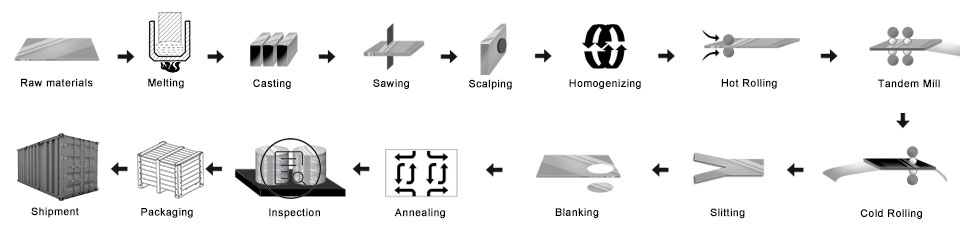
- मास्टर मिश्र तैयार करें
- पिघलती भट्टी: मिश्र धातुओं को पिघलने वाली भट्टी में डालें
- डीसी कास्ट एल्यूमीनियम पिंड: माँ को पिंड बनाने के लिए
- एल्यूमीनियम पिंड मिल: सतह और साइड को चिकना बनाने के लिए
- ताप भट्टी
- हॉट रोलिंग मिल: माँ का तार बनाया
- कोल्ड रोलिंग मिल: मदर कॉइल को उस मोटाई के रूप में रोल किया गया था जिसे आप खरीदना चाहते हैं
- छिद्रण प्रक्रिया: आप जो चाहते हैं उसका आकार बनें
- एनीलिंग भट्टी: मिजाज बदलो
- अंतिम निरीक्षण
- पैकिंग: लकड़ी के मामले या लकड़ी के फूस
- वितरण
गुणवत्ता नियंत्रण
आश्वासन नीचे निरीक्षण उत्पादन में किया जाएगा.
- ए. किरण का पता लगाना—आर टी;
- बी. अल्ट्रासोनिक परीक्षण—केन्द्र शासित प्रदेशों;
- सी. चुंबकीय कण परीक्षण-एमटी;
- डी. पैठ परीक्षण-पीटी;
- इ. एड़ी वर्तमान दोष का पता लगाने-ET
1) तेल के दाग से मुक्त रहें, काटने का निशान, समावेश, स्क्रैच, धब्बा, ऑक्साइड मलिनकिरण, ब्रेक, जंग, रोल मार्क्स, गंदगी की धारियाँ, और अन्य दोष जो उपयोग में हस्तक्षेप करेंगे.
2) काली रेखा के बिना सतह, तेज़ बाहर की रेखाओंवालअ, आवधिक दाग, रोलर मुद्रण दोष, जैसे अन्य gko आंतरिक नियंत्रण मानक.
एल्यूमिनियम डिस्क पैकिंग:
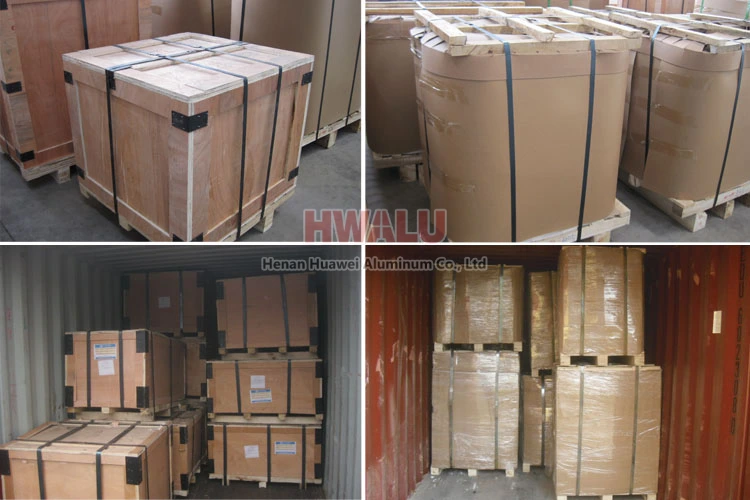
एल्यूमिनियम सर्किल निर्यात मानकों द्वारा पैक किया जा सकता है, भूरे रंग के कागज और प्लास्टिक की फिल्म के साथ कवर करना. आखिरकार, एल्यूमिनियम दौर लकड़ी के फूस / लकड़ी के मामले पर तय किया गया है.
- एल्युमिनियम सर्कल के ऊपर ड्रायर्स लगा दें, उत्पादों को सूखा और साफ रखें.
- स्वच्छ प्लास्टिक पेपर का प्रयोग करें, एल्यूमीनियम सर्कल पैक करें, सीलिंग अच्छी रखें.
- सांप की खाल के कागज का प्रयोग करें, प्लास्टिक पेपर की सतह को पैक करें, सीलिंग अच्छी रखें.
- अगला, पैकेजिंग के दो तरीके हैं: लकड़ी के फूस की पैकेजिंग का एक तरीका है, सतह को पैक करने वाले क्रस्टी पेपर का उपयोग करना; दूसरा तरीका लकड़ी के मामले की पैकेजिंग है, सतह को पैक करने वाले लकड़ी के मामले का उपयोग करना.
- आखिरकार, लकड़ी के बक्से की सतह पर स्टील की बेल्ट बिछाएं, लकड़ी के बक्से को तेज और सुरक्षित रखना.
हेनान हुआवेई एल्यूमिनियम का एल्यूमिनियम सर्कल. निर्यात मानक को पूरा करें. प्लास्टिक की फिल्म और भूरे रंग के कागज को ग्राहकों की जरूरतों पर कवर किया जा सकता है. इससे ज्यादा और क्या, डिलीवरी के दौरान उत्पादों को नुकसान से बचाने के लिए लकड़ी के मामले या लकड़ी के फूस को अपनाया जाता है. पैकेजिंग दो प्रकार की होती है, जो आंख से दीवार या आंख से आसमान की ओर हैं. ग्राहक अपनी सुविधा के लिए इनमें से किसी एक को चुन सकते हैं. आम तौर पर बोलना, वहां 2 एक पैकेज में टन, और लोड हो रहा है 18-22 1×20′ कंटेनर में टन, तथा 20-24 1×40′ कंटेनर में टन.
हमारा चयन क्यों?
समय के साथ चलने के लिए, HWALU अपनी प्रतिस्पर्धात्मकता में सुधार के लिए अत्याधुनिक उपकरण और तकनीक पेश करता रहता है. हमेशा केंद्र और ग्राहक के रूप में गुणवत्ता के व्यापार दर्शन का पालन करें, दुनिया के सभी हिस्सों में उच्चतम गुणवत्ता वाले एल्यूमीनियम डिस्क सर्कल श्रृंखला उत्पाद प्रदान करने के लिए. अधिक …

