Diski za Aluminium kwa Tafakari za Taa: Mwangaza unaohitajika & Ubora wa uso
Usahihi wa juu diski za alumini kwa viashiria vya taa ni vipengele muhimu katika mifumo ya kisasa ya kuangaza, ambapo mwangaza wa kiakisi, usafi wa uso, na usawa wa macho huamua moja kwa moja utendaji wa taa. Kama LED, kibiashara, na taa za usanifu zinaendelea kubadilika, wazalishaji lazima wategemee diski zilizo na uso bora wa kumaliza, mali imara ya mitambo, na kuakisi kudhibitiwa ili kufikia matokeo bora na thabiti ya macho.
Kwa nini Diski za Alumini Zinatumika Sana katika Utengenezaji wa Kiakisi cha Taa
Alumini hutoa faida kadhaa juu ya chuma cha pua na viashiria vya plastiki:
- Mwangaza wa juu wa macho baada ya polishing au anodizing
- Utendaji bora wa kuunda kwa kuchora kwa kina na kuzunguka
- Upinzani wa kutu katika mazingira ya ndani na nje
- Uzito wa chini kwa vifaa vya taa nyepesi
- Ufanisi wa gharama ikilinganishwa na chuma kilichosafishwa
Utendaji wa kiakisi unategemea sana kiwango cha mwangaza (tafakari maalum) na Ubora wa uso (usafi, kujaa, na kiwango cha kasoro) ya diski ya alumini.
 Maombi ya karatasi ya mviringo ya alumini katika taa za taa
Viwango vya Mwangaza vinavyohitajika kwa Viakisi vya Taa
Viakisi taa vinahitaji alama tofauti za mwangaza kulingana na programu:
| Maombi ya Kiakisi |
Reflectivity Inahitajika |
Aina ya Uso |
Aloi ya kawaida |
| Ratiba za kibiashara za LED |
80-90% |
Anodized au kioo-polished |
1060, 1070 |
| Taa ya usanifu |
85-92% |
Kumaliza kwa kioo |
1085 |
| Taa za magari |
90-95% |
Iliyosafishwa kwa hali ya juu |
1050, 1070 |
| Taa za mafuriko za nje |
75-85% |
Anodized matte |
3003 |
| Taa ya mapambo |
70-80% |
Iliyosafishwa au nusu iliyosafishwa |
1100 |
Uthabiti wa mwangaza kwenye uso mzima wa diski ni muhimu ili kuzuia upotoshaji wa miale au usambaaji wa mwanga usio sawa..
Viwango Muhimu vya Ubora wa Sura kwa Diski za Alumini za Kiwango cha Mwangaza
Ili kufikia utendaji thabiti wa macho, diski za alumini za kiwango cha taa lazima ifikie viwango vikali vya ubora wa uso ambavyo huamua moja kwa moja mwangaza, usawa, na maisha marefu ya kiakisi. Wazalishaji wa taa za juu hupima viwango hivi kwa kutumia mbinu za kitaaluma za kupima macho na metallurgiska.
1. Ukali wa Uso (Ra)
Ukwaru wa uso ni mojawapo ya vigezo muhimu zaidi.
- Viakisi vyema vinahitaji Ra ≤ 0.10 m
- Viakisi vya masafa ya kati kwa kawaida hukubali Ra ≤ 0.20 m
Thamani ya chini ya Ra inamaanisha mng'aro bora na ufanisi wa juu wa uakisi. Uso wa diski kawaida hupatikana kupitia kusongesha kwa usahihi + polishing ya hatua nyingi.
2. Mahitaji ya Kuakisi
Uakisi huamua ni kiasi gani cha mwanga kinaweza kuelekezwa kwingine na kiakisi.
| Aina ya Kuakisi |
Thamani ya Kawaida |
Kiwango cha Maombi |
Vidokezo |
| Tafakari Maalum |
≥ 86% ~ 92% |
Taa ya juu ya utendaji wa kibiashara |
Inahitaji aloi za usafi wa juu + kioo polishing |
| Kueneza Reflectivity |
≥ 75% ~ 80% |
Taa za mapambo au laini |
Imepatikana kwa brashi au kumaliza matte |
| Jumla ya Tafakari |
≥ 90% |
Mifumo ya LED yenye ufanisi wa nishati |
Ufunguo wa kuboresha ufanisi wa lumen |
Viakisi vya hali ya juu vya viwanja, viwanja vya ndege, na vichuguu hutegemea sana uakisi maalum hapo juu 90%.
3. Uthabiti wa Rangi & Usawa
Viakisi vya taa lazima visipotoshe pato la rangi.
Vigezo muhimu:
- ΔE ≤ 1.0 (kikomo cha kupotoka kwa rangi)
- Hakuna mifumo ya upinde wa mvua au michirizi
- Hakuna oxidation ya njano
Usawa huhakikisha kuwa kiakisi hakitengenezi vivuli visivyo vya kawaida au mabaka ya mwanga.
4. Udhibiti wa Kasoro ya uso
Makosa ya kawaida kama vile mikwaruzo, alama za shinikizo, mistari ya roll, au mashimo yanaweza kupunguza mwangaza kwa kiasi kikubwa.
Viwango vya kiwango cha taa kawaida huhitaji:
| Aina ya kasoro |
Vigezo vya Kukubalika |
| Mikwaruzo |
Hakuna inayoonekana 1 mita chini 1000 lux |
| Matangazo Meusi |
≤ 3 kwa kila mita ya mraba, ukubwa ≤ 0.3 mm |
| Roll Lines |
Hairuhusiwi |
| Alama za Maji |
Hairuhusiwi |
| Madoa ya Mafuta |
Hairuhusiwi |
5. Unene wa Filamu & Udhibiti wa Ugumu
Diski za anodized au kioo-polished mara nyingi zinahitaji:
- Unene wa filamu: 3-10 μm
- Ugumu wa penseli ≥ 3H
kwa upinzani wa kuvaa na ulinzi wa oxidation.
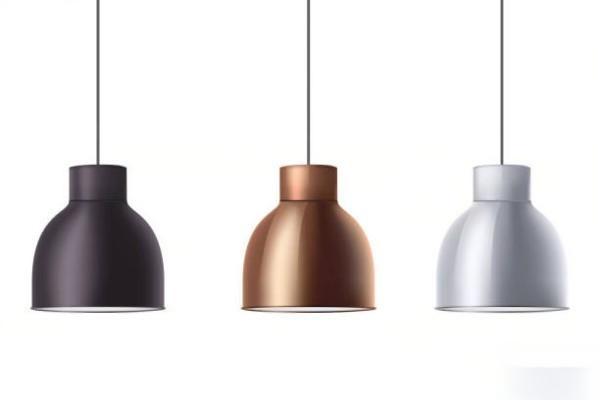 Taa za rangi mbalimbali
Mfano: Henan Huawei Aluminium Co., Ltd Kesi ya Kudhibiti Ubora
Chapa ya taa ya Ulaya ilihitaji viakisi na:
- 90% kioo kutafakari
- Ra ≤ 0.12 m
- Mahitaji ya sifuri-inayoonekana-mkumbo
Henan Huawei Aluminium Co., Ltd inayotolewa iliyosafishwa kwa desturi 1050 na 1060 rekodi, kutekeleza mfumo wa ukaguzi wa mara tatu:
- Uchanganuzi wa uso unaozunguka mtandaoni
- Kioo-kumaliza kudhibiti polishing
- 100% ukaguzi wa kuona kabla ya ufungaji
Matokeo:
Kiwango cha kukataliwa kwa bidhaa kilipungua kutoka 3.2% kwa 0.5%, kuboresha mwangaza wa kiakisi kwa 6%, ambayo kwa kiasi kikubwa iliongeza ufanisi wa mfumo wa LED wa brand.
Chini ni kuvunjika kwa kiufundi:
| Kiashiria cha Ubora |
Sharti |
Athari kwa Utendaji wa Kiakisi |
| Ukali wa Uso (Ra) |
≤ 0.20 m (kioo) |
Huamua uwazi wa kuakisi mwanga |
| Utulivu |
≤ 0.3 mm/m |
Inazuia upotoshaji wa mwanga |
| Kasoro za Metallurgiska |
< 5 kasoro/m² |
Inahakikisha ubora wa uzuri na macho |
| Mabaki ya Mafuta |
≤ 0.20 mg/m² |
Inahakikisha uthabiti wa anodizing |
| Kupoteza Mwangaza Baada ya Kuunda |
< 5% |
Hudumisha ufanisi wa kiakisi |
Uchunguzi kifani: Henan Huawei Aluminium Co., Ltd Huongeza Mwangaza wa Macho kwa Mtengenezaji wa Taa
Mtengenezaji wa LED wa Ulaya alikumbana na changamoto za kuzalisha viakisi sare kwa sababu ya ukali wa uso usiolingana wakati wa kuchora kwa kina. Walishirikiana na Henan Huawei Aluminium Co., Ltd, mtayarishaji maalumu wa diski za alumini zenye mwangaza wa hali ya juu.
Suluhisho la Aluminium ya Huawei
- Imetolewa 1070-O rekodi zilizopigwa kioo pamoja na Ra ≤ 0.18 m
- Imetekelezwa kusawazisha mvutano uliobinafsishwa kwa uboreshaji wa usawa wa uso
- Mchakato ulioimarishwa wa kuondoa mafuta ili kuhakikisha uthabiti wa anodizing
Matokeo ya Utendaji
- Mwangaza wa kiakisi umeboreshwa na 11.8%
- Kiwango cha kasoro kimepunguzwa kutoka 3.5% kwa 0.6%
- Ufanisi wa LED ya Mteja uliongezeka kwa sababu ya kuakisi juu ya macho
Kesi hii inaonyesha umuhimu wa uteuzi wa aloi ya usafi wa hali ya juu na matibabu sahihi ya uso.
 Kivuli cha taa cha mviringo cha alumini
Kulinganisha: Diski za Kiwango cha Mwangaza dhidi ya. Diski za Alumini za Kawaida
| Kipimo cha Utendaji |
Diski za Alumini za Mwangaza |
Diski za Alumini za Kawaida |
Tofauti |
| Tafakari |
85-95% |
50-70% |
Uboreshaji mkubwa wa utendaji wa macho |
| Ukali wa Uso |
≤0.20 μm |
0.3-0.8 μm |
Kiwango cha kioo kinahitajika kwa taa |
| Udhibiti wa Kasoro |
Mkali sana |
Kiwango cha jumla |
Inathiri kuonekana na uthabiti wa mwanga |
| Mchoro wa Kina |
Hali iliyoboreshwa |
Kiwango cha hasira |
Inahitajika kwa inazunguka na kuunda |
| Usafi wa Aloi |
≥99.6% |
Kiwango cha kawaida cha viwanda |
Usafi wa juu huongeza mwangaza |
Utumiaji wa Diski za Alumini za Mwangaza wa Juu katika Sekta ya Taa
Mwangaza wa hali ya juu diski za alumini za kiwango cha taa hutumiwa katika mifumo mbalimbali ya taa, hasa ambapo uakisi na uimara huathiri moja kwa moja ufanisi wa taa na maisha ya bidhaa.
1. Taa za Biashara
Mazingira ya kibiashara yanahitaji nguvu, tafakari thabiti.
Maombi:
- Hifadhi taa za kuonyesha
- Ofisi na kumbi za mikutano
- Vituo vya ununuzi
- Vivutio vya maonyesho
Sababu za matumizi:
- Utoaji bora wa mwanga huongeza mwonekano wa kuona
- Usambazaji wa mwanga thabiti hupunguza matumizi ya nishati
- Usawa wa uso huhakikisha hakuna upotoshaji wa kuona
2. Viwandani & Taa ya High-Bay
Ratiba za juu-bay hufanya kazi katika mazingira magumu kama vile viwanda au ghala.
Faida za diski za mwangaza wa juu:
- Upinzani wa oxidation
- Upinzani wa mikwaruzo
- Uakisi thabiti chini ya mfiduo wa muda mrefu wa joto
Aloi za kawaida: 1050, 1060, 1070, 3003
3. Nje & Taa ya Umma
Ikiwa ni pamoja na:
- Taa za barabarani
- Taa za tunnel
- Taa ya uwanja
- Taa za kituo cha maegesho
Kwa nini diski za alumini zinapendekezwa:
- Uakisi wa juu huboresha kupenya kwa boriti
- Upinzani wa kutu huongeza maisha ya huduma
- Nyepesi, kupunguza gharama za ufungaji
4. Taa ya Magari
Inatumika kwa:
- Viakisi vya taa za kichwa
- Viakisi taa vya ukungu
- Mifumo ya kuangaza ya dashibodi
Alumini ya mwangaza wa juu husaidia kufikia:
- Mwelekeo sahihi wa boriti
- Ufanisi wa juu wa mwanga
- Kupunguza mwangaza
5. Usanifu wa LED & Taa ya Mapambo
Taa ya mapambo inategemea sana kuonekana kwa uso.
Maombi ya kawaida:
- Hoteli na majengo ya kifahari
- Mapambo ya kituo cha ununuzi
- Mipangilio ya maonyesho
- Taa ya mazingira ya ndani
Diski zilizokamilishwa kwa kioo hutoa uzuri wa kuakisi wa kifahari huku zikidumisha utendakazi wa mwangaza.
Jedwali la Kulinganisha: Mahitaji ya Maombi kwa Sehemu
| Sehemu ya Taa |
Reflectivity Inahitajika |
Ukali wa Uso |
Mapendekezo ya Aloi |
Vidokezo Maalum |
| Mifumo ya Kibiashara ya LED |
≥ 88% |
Ra ≤ 0.18 m |
1050/1060 |
Usawa wa hali ya juu ni muhimu |
| Taa za Viwanda za High-Bay |
≥ 86% |
Ra ≤ 0.20 m |
3003 |
Inahitaji ugumu zaidi |
| Reflectors za Magari |
≥ 90% |
Ra ≤ 0.12 m |
1070 |
Sehemu ya uso yenye kasoro sifuri inahitajika |
| Taa za Usanifu |
≥ 92% |
Ra ≤ 0.10 m |
1050 |
Kumaliza kwa kiwango cha kioo kunapendekezwa |
| Mtaro & Taa za Uwanja |
≥ 89% |
Ra ≤ 0.15 m |
1060 |
Upinzani wa juu wa kutu |
 Ufungaji wa karatasi ya alumini ya pande zote
Kasoro za Kawaida katika Diski za Alumini za Kiwango cha Mwangaza na Jinsi ya Kuzizuia
1. Mwangaza Kushuka Baada ya Kuchora Kina
Sababu: Ukuaji wa nafaka za metali au uteuzi mbaya wa hasira
Suluhisho: Tumia diski za O-temper zilizo na mizunguko ya kudhibiti annealing
2. Madoa ya Anodizing au Tofauti za Rangi
Sababu: Mafuta ya mabaki au inclusions za uso
Suluhisho: Tumia aloi ya usafi wa juu, mafuta safi ya kusongesha, na kupungua kwa mafuta kwa kina
3. Mikwaruzo Wakati wa Kushughulikia
Sababu: Stacking isiyofaa au mawasiliano ya uso wa kitambaa
Suluhisho: Tumia kinga ya filamu ya PE na lango za kuzuia mikwaruzo
4. Upotoshaji wa Macho Baada ya Kuunda
Sababu: Unene duni au unene usio sawa
Suluhisho: Omba usawazishaji wa mvutano na rolling ya baridi ya usahihi wa juu
5. Athari ya Kioo Isiyolingana Baada ya Kung'arisha
Sababu: Tofauti katika ukali wa uso
Suluhisho: Udhibiti mkali wa Ra ≤ 0.20 μm na mizunguko mingi ya polishing
Maswali Yanayoulizwa Mara Kwa Mara (Maswali Yanayoulizwa Mara kwa Mara)
| Swali |
Jibu |
| Ambayo aloi ni bora kwa viashiria vya juu vya mwangaza? |
1060, 1070, na 1085 kwa sababu ya usafi wa hali ya juu na mwitikio bora wa polishing. |
| Diski za alumini zinaweza kudumisha mwangaza baada ya kuunda? |
Ndiyo, na O-hasira na kumaliza uso kudhibitiwa. |
| Je, diski zilizopigwa kioo ni bora zaidi kuliko anodized? |
Diski zilizong'olewa zina uakisi wa hali ya juu; diski anodized kutoa uimara bora. |
| Unene gani hutumiwa kawaida? |
0.5-1.2 mm kulingana na saizi ya kiakisi na njia ya kuunda. |
| Je, diski zinahitaji filamu ya kinga? |
Inapendekezwa kwa kuzuia mikwaruzo wakati wa kushughulikia na kugonga. |
Hitimisho
Mifumo ya taa ya utendaji wa juu inategemea sana ubora wa diski za alumini kwa viashiria vya taa, ambapo mwangaza, Ubora wa uso, usafi wa aloi, na kutengeneza utulivu huamua ufanisi wa macho. Kwa kuchagua diski zilizoundwa—kama zile zinazotolewa na Henan Huawei Aluminium Co., Ltd-watengenezaji wanaweza kufikia mwangaza wa juu zaidi wa kiakisi, uthabiti wa uso ulioboreshwa, na kuegemea kwa bidhaa bora.
Tabia za mduara wa alumini:
Mzunguko wa alumini unafaa kwa masoko mengi, ikiwa ni pamoja na vyombo vya kupikia, viwanda vya magari na taa, na kadhalika., shukrani kwa sifa nzuri za bidhaa:
- Anisotropy ya chini, ambayo inawezesha kuchora kwa kina
- Sifa kali za kiufundi
- Usambazaji wa joto wa hali ya juu na sawa
- Uwezo wa kuwa na enameled, kufunikwa na PTFE (au wengine), kubakwa
- Tafakari nzuri
- Uwiano wa juu wa nguvu-kwa-uzito
- Kudumu na upinzani dhidi ya kutu
Mchakato wa Miduara ya Alumini
Ingot / Master Alloys — Tanuru Inayeyuka - Shika Tanuru — D.C. Caster — Slab —- Scalper — Kiwanda cha Rolling Moto - Kiwanda cha Baridi cha Baridi - Kuchomwa - Tanuru ya Annealing — Ukaguzi wa Mwisho - Ufungashaji — Uwasilishaji
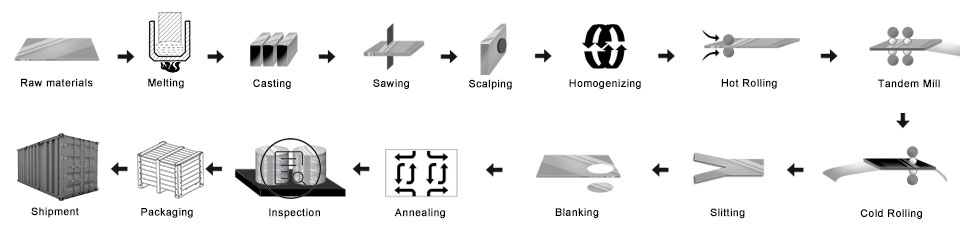
- Andaa aloi kuu
- Tanuru ya kuyeyuka: weka aloi kwenye tanuru ya kuyeyuka
- DCcast ingot ya alumini: Ili kumfanya mama aingie
- Piga ingot ya aluminium: kufanya uso na upande laini
- Tanuru inapokanzwa
- Kiwanda cha kugeuza moto moto: alifanya coil mama
- Baridi rolling kinu: coil mama ilizungushwa kama unene unaotaka kununua
- Mchakato wa kuchomwa: kuwa saizi unayotaka
- Tanuru ya nyongeza: badilisha hasira
- Ukaguzi wa mwisho
- Ufungashaji: kesi ya mbao au godoro la mbao
- Uwasilishaji
Udhibiti wa Ubora
Uhakikisho Chini ukaguzi utafanyika katika uzalishaji.
- a. diski ya alumini—diski ya alumini;
- b. diski ya alumini—diski ya alumini;
- c. Upimaji wa Chembe Magnetic-MT;
- d. kupima kupenya-PT;
- e. kugundua kasoro ya sasa ya eddy-ET
1) Kuwa huru kutoka kwa Madoa ya Mafuta, Kinyesi, Kujumuisha, Mikwaruzo, Doa, Kubadilika rangi kwa oksidi, Mapumziko, Kutu, Alama za Roll, Michirizi ya Uchafu, na kasoro zingine ambazo zitaingilia matumizi.
2) Uso usio na mstari mweusi, safi-kata, doa mara kwa mara, kasoro za uchapishaji wa roller, kama vile viwango vingine vya Udhibiti wa ndani wa gko.
Ufungaji wa diski za alumini:
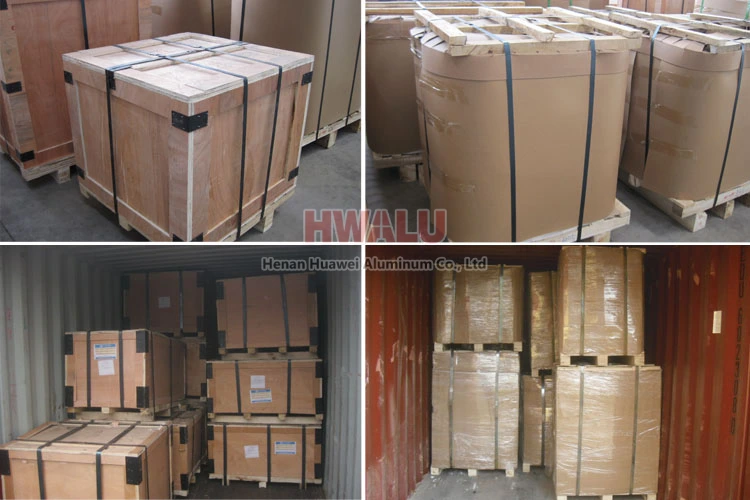
Miduara ya alumini inaweza kujazwa na viwango vya usafirishaji, kufunika na karatasi ya kahawia na filamu ya plastiki. Hatimaye, Mzunguko wa Alumini umewekwa kwenye godoro la mbao / kesi ya mbao.
- Weka vikaushio kwenye mduara wa alumini, kuweka bidhaa kavu na safi.
- Tumia karatasi safi ya plastiki, pakiti mduara wa alumini, weka muhuri mzuri.
- Tumia karatasi ya ngozi ya nyoka, pakiti ya uso wa karatasi ya plastiki, weka muhuri mzuri.
- Inayofuata, kuna njia mbili za ufungaji: Njia moja ni ufungaji wa pallet ya mbao, kwa kutumia karatasi ya ukoko iliyopakia uso; Njia nyingine ni ufungaji wa kesi ya mbao, kwa kutumia kesi ya mbao kufunga uso.
- Hatimaye, diski ya alumini, kuweka sanduku la mbao kwa kasi na salama.
Mduara wa Alumini wa Henan Huawei Aluminium. kufikia kiwango cha kuuza nje. Filamu ya plastiki na karatasi ya kahawia inaweza kufunikwa kwa mahitaji ya wateja. Nini zaidi, kesi ya mbao au pallet ya mbao inachukuliwa kulinda bidhaa kutokana na uharibifu wakati wa kujifungua. Kuna aina mbili za ufungaji, ambazo ni jicho kwa ukuta au jicho kwa anga. Wateja wanaweza kuchagua mmoja wao kwa urahisi wao. Kwa ujumla, kuna 2 tani katika kifurushi kimoja, na kupakia 18-22 tani katika chombo 1 × 20, na 20-24 tani katika chombo 1 × 40 '.
Kwa nini tuchague?
Ili kwenda na wakati, HWALU inaendelea kutambulisha vifaa na mbinu za hali ya juu ili kuboresha ushindani wake. Daima shikamana na falsafa ya biashara ya ubora kama kituo na mteja kwanza, kutoa bidhaa bora zaidi za safu ya duru ya diski ya alumini kwa sehemu zote za ulimwengu. Zaidi …

