En İyi Öfkeler (Ö / H12 / H14) Farklı Pişirme Kapları için Alüminyum Çemberin Tanımı — Ayrıntılı Teknik Kılavuz
Alüminyum daire öfkesi Seçim, alaşım metalurjisini birbirine bağlayan en etkili değişkendir., şekillendirme mekaniği, ve bitmiş pişirme kabı performansı; doğru temper çekilebilirliği optimize eder, hurdayı azaltır, ve sonraki kaplama ve kullanım sırasında boyutsal stabilite sağlar.
 İşlenmemiş alüminyum jantlar
Yönetici Özeti (hızlı çıkarımlar)
- Ah öfke (tavlanmış) sünekliği en üst düzeye çıkarır ve yüksek derin çekme oranları için varsayılandır (>2.0), eğirme, ve karmaşık kubbeli şekiller.
- H12 (~¼ sert) bir miktar geri esneme ve mukavemetin gerekli olduğu orta derinlikte şekillendirme için bir uzlaşmadır.
- H14 (~½ sert) sığ çizim için sertlik ve boyutsal stabilite sağlar, basma, ve damgalama ancak şiddetli deformasyon altında çatlamaya eğilimlidir.
- Alaşım kimyası çapraz referans alınarak uygun seçim yapılmalıdır., istenilen çekme oranı, şekillendirme yöntemi (derin çekme / eğirme / damgalama), takım geometrisi (kalıp yarıçapı, boş tutucu kuvveti), ve şekillendirme sonrası tedavi.
1. Metalurjik temel: hangi öfke fiziksel olarak değişir
Alüminyum levha/halka üretiminde temperleme, plastik deformasyonun ve ısıl işlemin rekorunu belirleyen bir işlemdir. tane büyüklüğü, dislokasyon yoğunluğu, ve artık gerilmeler:
- Ah öfke: son tavlama - yeniden kristalleştirilmiş eş eksenli taneler, düşük dislokasyon yoğunluğu → yüksek düzgün uzama, düşük akma dayanımı. Gerinim baskın şekillendirme için en iyisi.
- H12: orta derecede soğuk işlem ve ardından doğal yaşlanma - daha yüksek dislokasyon yoğunluğu, kalınlık boyunca uzatılmış taneler, Orta verim ve O'dan daha düşük uzama. Yeniden şekillendirmeye izin verirken bir miktar geri esneme direnci sağlar.
- H14: daha ağır soğuk çalışma — önemli ölçüde iş sertleşmesi, daha yüksek verim, sınırlı uzama. Gerilimi lokalize etme eğilimindedir, çekme oranının çok yüksek olması halinde boyun verme veya çatlama riskinin artması.
Pratik çıkarım: tane morfolojisi ve doku anizotropisi malzemenin nerede ve nasıl inceltildiğini kontrol edin — küçük yarıçaplı köşeler, kaynak dikişleri, veya eğer temper uyumsuzsa çapaklar çatlak başlatıcılara dönüşür.
2. Kantitatif mekanik aralıklar (için tipik 3003 alaşım çevreler)
Değerler endüstri seçiminde kullanılan açıklayıcı aralıklardır. Nihai satın almada tedarikçi sertifikaları kullanılmalıdır.
Masa 1 — Tipik mekanik özellik aralıkları (3003 alaşım referansı)
| Öfke |
Akma dayanımı (MPa) |
Gerilme mukavemeti (MPa) |
Uzama (%) |
Tipik Kullanım |
| Ö |
25 – 45 |
95 – 135 |
20 – 30 |
Derin çekme, eğirme, yüksek çekme oranlı tencere |
| H12 |
55 – 85 |
140 – 180 |
8 – 16 |
Orta derinlikte tavalar, Daha yüksek sertlikte kısmi şekillendirme |
| H14 |
95 – 140 |
200 – 240 |
4 – 10 |
Sığ damgalama, kapaklar, sofra takımı, preslenmiş pişirme kabı |
Nasıl okunur: daha yüksek akma mukavemeti, şekil değiştirme kapasitesini azaltır; Uzama, derin çekme başarısının pratik ölçüsüdür.
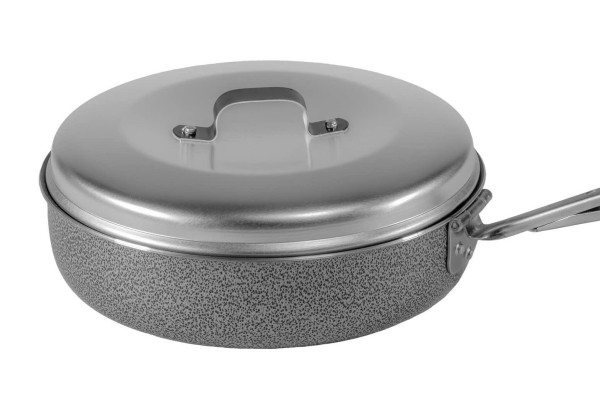 Alüminyum tencere
3. Proses penceresi haritalaması — temperi şekillendirme yöntemiyle eşleştirme
Hattaki deneme yanılma oranını en aza indirmek için, boş geometriyi birleştiren işlem pencerelerini kullanın, kalıp tasarımı, ve öfke.
Masa 2 — Şekillendirme yöntemi ve temel süreç parametreleriyle önerilen tavlama
| Şekillendirme Yöntemi |
Tipik Çekme Oranı (boş çap : bitmiş derinlik) |
Önerilen Temperleme |
Takım Notları (kalıp yarıçapı / boş tutucu) |
Yağlama |
| Derin çekme (tencere, depolar) |
2.0 – 3.0 |
Ö |
Büyük kalıp yarıçapı (≥ 6 × sac kalınlığı), yüksek boş tutucu kuvvet kontrolü |
Yüksek viskoziteli çizim yağı |
| Eğirme (kızartma tavaları, tava) |
Yok (artımlı şekillendirme) |
Ö (genellikle eğirmeden sonra hafifçe işlenerek sertleştirilir) |
Pürüzsüz mandrel kaplama, ilerici geçişler |
Yüzey cilası için hafif yağ |
| Sığ damgalama (kapaklar, jantlar) |
1.0 – 1.3 |
H12 / H14 |
Daha küçük kalıp yarıçapı kabul edilebilir, alt boşluk tutucu kuvveti |
Minimum yağlama |
| Presleme (düz pişirme kabı) |
1.0 (sığ) |
H14 |
Sert kalıplar, kaplama için havalandırma |
Kuru veya hafif yağ |
| Darbe yapıştırma (kaplı üsler) |
Değişken |
O → işlem sonrası güçlendirme |
Ön ısıtma & kontrollü basınç |
Özel kalıp ayırıcı maddeler |
4. Temperleme ile etkileşime giren takımlama ve proses parametreleri
Eğer takımlama veya proses kontrolü kötüyse, mükemmel tavlama bile başarısız olur. Kritik parametreler:
- Kalıp burun yarıçapı: küçük yarıçaplı konsantre gerinim - temel kural: yarıçap ≥ 6–8 × O temperli derin çekmeler için sac kalınlığı.
- Boş tutucu kuvvet eğrisi: çok düşük → kırışma; çok yüksek → yırtılma. Aşamalı kontrolü kullanın (hidrolik veya servo pres).
- Yağlama filmi kalınlığı: Yetersiz yağ, sürtünmeyi ve yerel stres zirvelerini artırır; fazla yağ kaplamanın yapışmasını bozar. Kontrollü yağ dozajını hedefleyin (endüstriye özgü: 40–120 mg/m² şekillendirme için).
- Hız: daha yüksek şekillendirme hızları adyabatik ısınmayı artırır ve akış stresini değiştirebilir; Sabit hızı koruyun ve hedef BGBM'de doğrulama yapın.
- Kenar kalitesi: çapak veya mikro çentikler çatlak oluşumuna neden olur. O temperli derin çekme için çapak alma ve kazıma zorunludur.
5. Denetleme & kabul kriterleri (tedarikçiden ne istenmeli)
Satın alma özelliklerinde objektif kalite kontrol testleri belirleyin:
- Çekme & uzama (3Bobin başına –5 örnek): O temper için minimum uzama gerektirir (E.G., ≥ 20% derin çekme sözleşmeleri için).
- Metalografi: tane büyüklüğü, bobin genişliği boyunca doku haritalaması.
- İğne deliği haritalaması: izin verilen maksimum iğne deliği yoğunluğu (E.G., Preslenecek ve kaplanacak pişirme kapları için ≤ 50/m²).
- Kalınlık bütünlüğü: Derin çekme görevleri için bobin genişliği boyunca ±%3.
- Tavlama eğrisi günlükleri: Tedarikçi her bobin partisi için fırın sıcaklık kayıtlarını sağlamalıdır.
- Yüzey pürüzlülüğü: Yapışmaz yapışma için Ra hedefi (ilgiliyse).
Bir konuda ısrar et tedarikçi PPAP benzeri çalışma (ilk makale) öfke veya alaşımı değiştirirken.
 Bitmiş alüminyum yuvarlak parçalar
6. Vaka çalışması (derinlemesine) — Henan Huawei Alüminyum A.Ş., Ltd.: yüksek hacimli kızartma tavası hattı için temper kontrolü
Sorun
Bir pişirme kabı OEM'i, üst düzey ürünler üretirken tekrarlanan kenar çatlaması ve portakal kabuğu görünümüyle karşılaştı 28 Yüksek hızlı eğirme hattında cm'lik kızartma tavaları. Daireler çizdiler H12 sertlik kazanmaya çalışmak, ancak çatlama devam etti 0.7% reddetme oranı — otomatik hatlar için kabul edilemez.
Henan Huawei çözümü
Henan Huawei Alüminyum A.Ş., Ltd ortak bir mühendislik denetimi gerçekleştirdi ve teklifte bulundu:
- 3003-O çevrelerine geç Eş eksenli ince taneler sağlamak için hassas tavlama döngüleri ile.
- Kalınlık toleransını sıkın ±%2,5'e kadar ve eksantrik beslemeyi önlemek için bobin tepesi kontrolü sağlar.
- Ön eğirme deneme paketleri sağlayın kontrollü yağlama özellikleri ve mandrel bağlantıları ile.
- Yerinde teknik eğitim OEM için boş tutucu eğrileri ve aşamalı geçişler hakkında.
Sonuçlar
- Reddetme oranı düştü 0.7% → 0.05% ilk üretim ayında.
- Hat hızı şu kadar arttı: 12% aynı takımla.
- Nihai tavalar, daha iyi yüzey hazırlığı ve tutarlı tane yapısı nedeniyle kaplama yapışmasının arttığını gösterdi.
Bu durum öfkenin önemini vurguluyor artı tedarikçi mühendislik desteği.
7. Temperlemeyle ilgili yaygın şekillendirme hatalarında sorun giderme & çareler
- Kubbe üst duvarda çatlıyor → Muhtemelen yetersiz uzama nedeniyle (yanlış öfke). Çare: O tempere geçin veya çekme oranını azaltın; kalıp yarıçapını arttır.
- Flanş ayırma → Tekrarlanan kesmeden yerelleştirilmiş iş sertleştirmesi; çare: boş kenar kaplamasını iyileştir, yağlamayı arttır.
- Portakal kabuğu / pürüzlü yüzey → İri taneler veya uygunsuz tavlama; çare: tane inceltme gerektirir (tedarikçi tavlama ayarı).
- Şekillendirme sonrasında aşırı geri esneme → Öfkesi çok sert (H14); çare: sertlik gerekiyorsa H12 veya O kullanın ve ardından kontrollü yeniden gerdirme/sertleştirme yapın.
 Paketlenmiş alüminyum yuvarlak parçalar
8. Tedarik mühendisleri için pratik seçim iş akışı
- Nihai şekillendirme yöntemini ve çekme oranını tanımlayın.
- Alaşımı belirtin (3003 yaygın; 1050/1060 düşük mukavemetli eğirme için; 3004 daha yüksek mukavemetli tepsiler için).
- Öfke adayı iste(S) ve tedarikçi mekanik test sertifikası (teslim olmak, çekme, uzama).
- Küçük pilot toplu işlemi çalıştırın (ilk makale) ve reddetme oranlarını günlüğe kaydedin, kalınlık değişimi, ve kaplama yapışması.
- Temperleme spesifikasyonunu kilitleyin ve tedarikçi tavlama günlüklerini kalite kabulüne dahil edin.
9. SSS (hedeflenmiş, pratik)
1. Çeyrek: Temperleme parçaları şekillendirildikten sonra sertleştirilebilir mi??
A1: Evet - uygun olduğu yerde kontrollü gerinim sertleştirmesi veya ısıl işlem prosesleri yoluyla. Birçok üretici O'da oluşur ve nihai mukavemete ulaşmak için yaşlanır/sertleşir.
2. Çeyrek: H14 tencere panelleri için uygun mudur??
A2: H14 sığ damgalanmış parçalar için uygundur (kapaklar, düz plakalar) Deformasyonun minimum olduğu ve boyutsal stabilitenin ön planda olduğu yer.
3. Çeyrek: Kabul edilebilir uzamayı nasıl ölçebilirim?
A3: Deneme oluşturma testlerini kullanın; derin çekimler için bobin uzamasını hedefleyin ≥ 20% (3003-Ah tipik). H12 için çizgi geometriye bağlı olarak �–15 kabul edebilir.
4. Çeyrek: Tavlama seçiminde iğne deliği yoğunluğu ne kadar önemlidir??
A4: Çok — iğne delikleri stres yoğunlaştırıcı görevi görür ve daha yüksek gerilimlerle daha da kötüleşir. Derin çekmeler için düşük iğne deliği yoğunluğu zorunludur.
S5: Kaplama işlemleri temper ile nasıl etkileşime girer??
A5: O temper yapışmaz kaplamalar için daha pürüzsüz bir alt tabaka sağlar; H-tavlamalar, kaplamanın doğruluğu için ilave yüzey bitirme işlemi gerektirebilir.
Çözüm
Titiz bir, mühendislik odaklı yaklaşım alüminyum daire temperi seçim hurdayı azaltır, hat hızını artırır, ve son pişirme kabı kalitesini artırır. Tavlama bir sistem değişkeni olarak seçilmelidir - alaşım, şekillendirme yöntemi, takım geometrisi, yağlama, ve tedarikçi kapasitesi çok önemli. Gibi tedarikçilerle çalışın Henan Huawei Alüminyum A.Ş., Ltd. teknik denetimleri kim sağlar, tavlama kayıtları, ve öfke seçimini öngörülebilir ve tekrarlanabilir hale getirmek için pilot desteği.
Alüminyum çemberin özellikleri:
Alüminyum çember birçok pazara uygundur, tencere seti dahil, otomotiv ve aydınlatma endüstrileri, vesaire., iyi ürün özellikleri sayesinde:
- Düşük anizotropi, derin çekmeyi kolaylaştıran
- Güçlü mekanik özellikler
- Yüksek ve homojen ısı yayılımı
- Emaye edilebilme özelliği, PTFE kapsamındadır (veya diğerleri), anodize edilmiş
- İyi yansıtma
- Yüksek mukavemet/ağırlık oranı
- Dayanıklılık ve korozyona karşı direnç
Alüminyum Çemberler Süreci
Külçe/Ana Alaşımlar — Eritme Fırını – Tutma Fırını — DC. Teker — Döşeme —- kafa derisi — Sıcak Haddehane – Soğuk Haddehane – Delme – Tav Fırını — Son Muayene – Paketleme — Teslimat
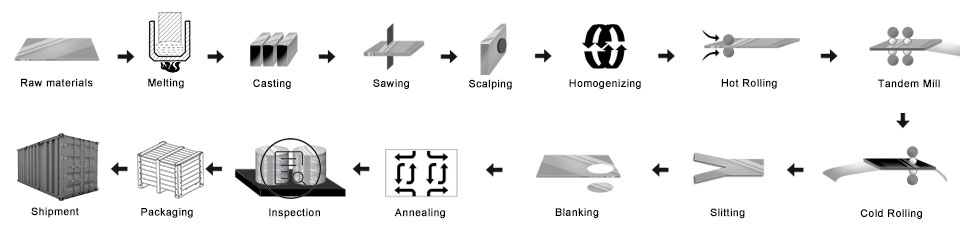
- Ana alaşımları hazırlayın
- Eritme fırını: alaşımları eritme fırınına koyun
- D.C. dökme alüminyum külçe: Anneyi külçe yapmak için
- Alüminyum külçeyi frezeleyin: yüzeyi ve yanları pürüzsüz hale getirmek için
- Isıtma fırını
- Sıcak haddehane: ana bobini yaptım
- Soğutma haddehanesi: ana bobin satın almak istediğiniz kalınlıkta yuvarlandı
- Delme işlemi: istediğin büyüklükte ol
- Tav fırını: öfkeyi değiştir
- Son muayene
- Ambalaj: Tahta sandık veya ahşap palet
- Teslimat
Kalite Kontrol
Güvence Üretimde aşağıdaki muayene yapılacaktır.
- A. ışın algılama—RT;
- B. ultrasonik test—UT;
- C. Manyetik Parçacık Testi-MT;
- D. Sızma testi-PT;
- e. girdap akımı kusur tespiti-ET
1) Yağ Lekesinden Kurtulun, Göçük, Dahil etme, çizikler, Lekelemek, Oksit Renk Değişikliği, Molalar, Korozyon, Rulo İşaretleri, Kir Çizgileri, ve kullanıma engel olacak diğer kusurlar.
2) Siyah çizgi olmayan yüzey, temiz kesim, periyodik leke, rulo baskı kusurları, diğer gko dahili Kontrol standartları gibi.
Alüminyum diskler ambalajı:
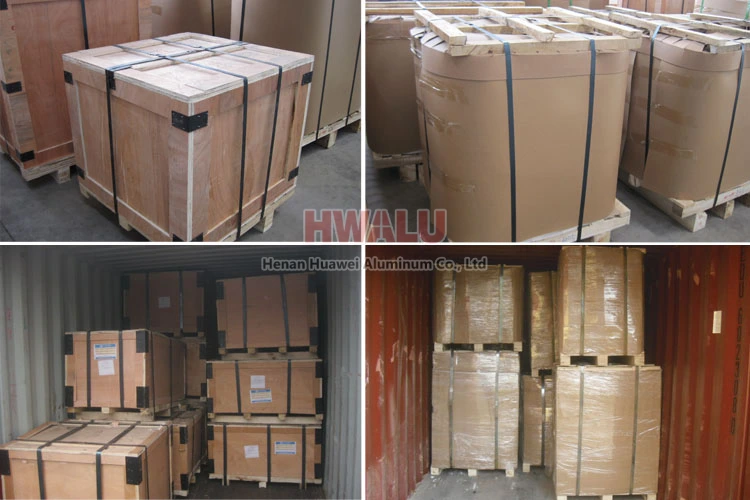
Alüminyum çemberler ihracat standartlarına göre paketlenebilir, kahverengi kağıt ve plastik film ile kaplama. Nihayet, Alüminyum Yuvarlak ahşap bir palet/tahta sandık üzerine sabitlenir.
- Kurutucuları alüminyum dairenin yanına koyun, ürünleri kuru ve temiz tutun.
- Temiz plastik kağıt kullanın, alüminyum daireyi paketleyin, iyi sızdırmazlık sağlayın.
- Yılan derisi kağıdını kullanın, Plastik kağıdın yüzeyini paketleyin, iyi sızdırmazlık sağlayın.
- Sonraki, paketlemenin iki yolu var: Tek yol ahşap palet ambalajıdır, yüzeyi paketleyen huysuz kağıdı kullanarak; Başka bir yol tahta sandık ambalajıdır, Yüzeyi paketleyen tahta sandık kullanarak.
- Nihayet, çelik kemeri ahşap kutunun yüzeyine yerleştirin, ahşap kutunun sağlamlığını ve güvenliğini korumak.
Henan Huawei Alüminyum'un alüminyum çemberi. ihracat standardını karşılamak. Müşterilerin ihtiyaçlarına göre plastik film ve kahverengi kağıt kaplanabilir. Dahası, Ürünleri teslimat sırasında hasardan korumak için tahta sandık veya ahşap palet benimsenmiştir. İki çeşit ambalaj var, hangisi duvara göz veya gökyüzüne göz. Müşteriler kolaylık sağlamak için bunlardan herhangi birini seçebilirler. Genel olarak konuşursak, var 2 Tonlarca tek pakette, ve yükleniyor 18-22 1×20′ konteynerde ton, Ve 20-24 1×40′ konteynerde ton.
Neden bizi seçmelisiniz??
Zamana ayak uydurabilmek için, HWALU rekabet gücünü artırmak için en son teknolojiye sahip ekipman ve teknikleri sunmaya devam ediyor. Her zaman merkez ve müşteri olarak kalite iş felsefesine bağlı kalın, dünyanın her yerine en kaliteli alüminyum disk daire serisi ürünlerini sunmak. Daha …

