सबसे अच्छे स्वभाव वाले (हे / एच12 / एच14) विभिन्न कुकवेयर के लिए एल्यूमिनियम सर्कल की - गहन तकनीकी मार्गदर्शिका
अल्युमीनियम चक्र स्वभाव चयन मिश्र धातु धातुकर्म को जोड़ने वाला एकमात्र सबसे प्रभावशाली चर है, गठन यांत्रिकी, और तैयार कुकवेयर प्रदर्शन; सही स्वभाव ड्रॉएबिलिटी को अनुकूलित करता है, स्क्रैप कम कर देता है, और बाद की कोटिंग और उपयोग के दौरान आयामी स्थिरता सुनिश्चित करता है.
 असंसाधित एल्यूमीनियम रिम्स
कार्यकारी सारांश (त्वरित निष्कर्ष)
- हे स्वभाव! (annealed) लचीलापन को अधिकतम करता है और उच्च डीप-ड्रा अनुपात के लिए डिफ़ॉल्ट है (>2.0), कताई, और जटिल गुंबददार आकृतियाँ.
- एच12 (~¼ कठिन) मध्यम-गहराई के निर्माण के लिए एक समझौता है जहां कुछ स्प्रिंगबैक और ताकत की आवश्यकता होती है.
- एच14 (~½ कठिन) उथली ड्राइंग के लिए कठोरता और आयामी स्थिरता प्रदान करता है, दबाना, और मुद्रांकन लेकिन गंभीर विरूपण के तहत दरार पड़ने का खतरा है.
- क्रॉस-रेफरेंसिंग मिश्र धातु रसायन विज्ञान द्वारा उचित चयन किया जाना चाहिए, वांछित ड्रा अनुपात, बनाने की विधि (गहरे ड्रा / कताई / मुद्रांकन), टूलींग ज्यामिति (त्रिज्या मरो, रिक्त धारक बल), और पोस्ट-फॉर्मिंग उपचार.
1. धातुकर्म आधार: शारीरिक रूप से स्वभाव में क्या परिवर्तन होता है
एल्यूमीनियम शीट/सर्कल उत्पादन में टेम्परिंग प्लास्टिक विरूपण और थर्मल उपचार का रिकॉर्ड स्थापित करता है अनाज आकार, अव्यवस्था घनत्व, और अवशिष्ट तनाव:
- हे स्वभाव!: अंतिम एनील - पुनर्क्रिस्टलीकृत समअक्षीय दाने, कम अव्यवस्था घनत्व → उच्च समान बढ़ाव, कम उपज शक्ति. तनाव-प्रभावी गठन के लिए सर्वोत्तम.
- एच12: मध्यम ठंडे काम के बाद प्राकृतिक बुढ़ापा - उच्च अव्यवस्था घनत्व, मोटाई के माध्यम से लम्बे दाने, मध्यम उपज और O की तुलना में कम बढ़ाव. पुनः आकार देने की अनुमति देते हुए कुछ स्प्रिंगबैक प्रतिरोध प्रदान करता है.
- एच14: भारी ठंडा काम - महत्वपूर्ण काम सख्त करना, अधिक उपज, सीमित बढ़ाव. तनाव को स्थानीयकृत करने की प्रवृत्ति रखता है, यदि ड्रा अनुपात बहुत अधिक है तो गर्दन टूटने या टूटने का खतरा बढ़ जाता है.
व्यावहारिक निहितार्थ: अनाज आकृति विज्ञान और बनावट अनिसोट्रॉपी नियंत्रित करें कि सामग्री कहाँ और कैसे पतली होती है - छोटे त्रिज्या वाले कोने, वेल्ड सीम, या अगर गुस्सा बेमेल है तो गड़गड़ाहट दरार सर्जक बन जाती है.
2. मात्रात्मक यांत्रिक श्रेणियाँ (के लिए विशिष्ट 3003 मिश्र धातु मंडल)
मान उद्योग चयन में उपयोग की जाने वाली उदाहरणात्मक श्रेणियाँ हैं. अंतिम खरीद में आपूर्तिकर्ता प्रमाणपत्रों का उपयोग किया जाना चाहिए.
मेज़ 1 - विशिष्ट यांत्रिक संपत्ति श्रेणियाँ (3003 मिश्रधातु संदर्भ)
| मनोवृत्ति |
नम्य होने की क्षमता (एमपीए) |
तन्यता ताकत (एमपीए) |
बढ़ाव (%) |
विशिष्ट उपयोग |
| हे |
25 - 45 |
95 - 135 |
20 - 30 |
ग़हरी कला, कताई, उच्च ड्रा अनुपात कुकवेयर |
| एच12 |
55 - 85 |
140 - 180 |
8 - 16 |
मध्यम-गहराई वाले पैन, उच्च कठोरता के साथ आंशिक गठन |
| एच14 |
95 - 140 |
200 - 240 |
4 - 10 |
उथली मुद्रांकन, पलकों, फ्लैटवेयर, दबाया हुआ बेकवेयर |
कैसे पढ़ें: उच्च उपज शक्ति तनाव क्षमता को कम कर देती है; गहरी ड्राइंग की सफलता के लिए बढ़ाव व्यावहारिक मीट्रिक है.
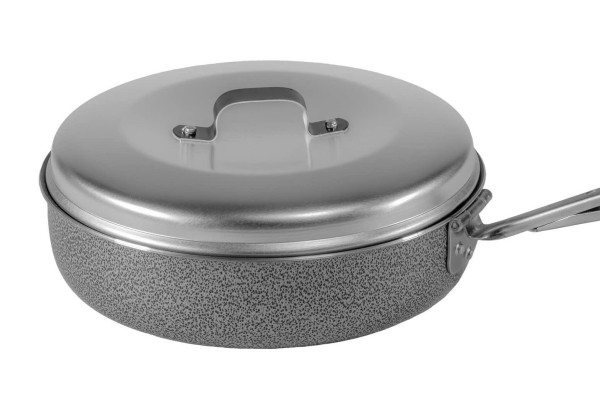 एल्यूमिनियम कुकवेयर
3. विंडो मैपिंग की प्रक्रिया - निर्माण विधि से स्वभाव का मिलान
लाइन पर परीक्षण-और-त्रुटि को कम करने के लिए, रिक्त ज्यामिति को संयोजित करने वाली प्रक्रिया विंडो का उपयोग करें, डाई डिज़ाइन, और गुस्सा.
मेज़ 2 - विधि और मुख्य प्रक्रिया पैरामीटर बनाकर अनुशंसित स्वभाव
| बनाने की विधि |
विशिष्ट ड्रा अनुपात (रिक्त व्यास : समाप्त गहराई) |
अनुशंसित स्वभाव |
टूलींग नोट्स (त्रिज्या मरो / रिक्त धारक) |
स्नेहन |
| ग़हरी कला (बर्तन, स्टॉकपॉट) |
2.0 - 3.0 |
हे |
बड़ा पासा त्रिज्या (मैं 6 × शीट की मोटाई), उच्च रिक्तधारक बल नियंत्रण |
उच्च-चिपचिपापन ड्राइंग तेल |
| कताई (तडके का पात्र, वोक) |
एन/ए (वृद्धिशील गठन) |
हे (कताई के बाद अक्सर थोड़ा कठोर हो जाता है) |
चिकनी खराद का धुरा खत्म, प्रगतिशील पास |
सतह की फिनिशिंग के लिए हल्का तेल |
| उथली मुद्रांकन (पलकों, आरआईएमएस) |
1.0 - 1.3 |
एच12 / एच14 |
छोटी डाई त्रिज्या स्वीकार्य, निचला रिक्तधारक बल |
न्यूनतम स्नेहन |
| दबाना (फ्लैट बेकवेयर) |
1.0 (उथला) |
एच14 |
कठोर मर जाता है, कोटिंग के लिए वेंटिंग |
सूखा या हल्का तेल |
| प्रभाव बंधन (पहने हुए आधार) |
चर |
ओ → प्रक्रिया के बाद मजबूत करना |
पहले से गरम कर लें & नियंत्रित दबाव |
विशिष्ट डाई रिलीज़ एजेंट |
4. टूलींग और प्रक्रिया पैरामीटर जो स्वभाव के साथ इंटरैक्ट करते हैं
यदि टूलींग या प्रक्रिया नियंत्रण घटिया है तो उत्तम स्वभाव भी विफल हो जाएगा. महत्वपूर्ण पैरामीटर:
- मरो नाक त्रिज्या: छोटी त्रिज्या संकेंद्रित तनाव - अंगूठे का नियम: त्रिज्या ≥ 6-8 × ओ टेम्परेचर में गहरे ड्रॉ के लिए शीट की मोटाई.
- रिक्तधारक बल वक्र: बहुत कम → झुर्रियाँ; बहुत ऊँचा → फाड़ना. प्रगतिशील नियंत्रण का प्रयोग करें (हाइड्रोलिक या सर्वो प्रेस).
- स्नेहन फिल्म की मोटाई: अपर्याप्त तेल से घर्षण बढ़ता है और स्थानीय तनाव चरम पर होता है; अतिरिक्त तेल कोटिंग के आसंजन को ख़राब करता है. नियंत्रित तेल खुराक का लक्ष्य रखें (उद्योग विशिष्ट: 40-120 mg/m² बनाने के लिए).
- रफ़्तार: उच्च निर्माण गति रुद्धोष्म ताप को बढ़ाती है और प्रवाह तनाव को बदल सकती है; स्थिर गति रखें और लक्ष्य सीपीएम पर मान्य करें.
- किनारे की गुणवत्ता: गड़गड़ाहट या सूक्ष्म निशान दरार की शुरुआत का कारण बनते हैं. ओ टेम्पर डीप-ड्राइंग के लिए डिबुरिंग और स्कार्फिंग अनिवार्य है.
5. निरीक्षण & स्वीकृति मानदंड (आपूर्तिकर्ता से क्या मांगना है)
खरीद विनिर्देशों में वस्तुनिष्ठ QC परीक्षण सेट करें:
- लचीला & बढ़ाव (3-5 नमूने प्रति कुंडल): O स्वभाव के लिए न्यूनतम बढ़ाव की आवश्यकता है (जैसे, मैं 20% गहरे अनुबंधों के लिए).
- धातुविज्ञान: अनाज आकार, कुंडल की चौड़ाई में बनावट मानचित्रण.
- पिनहोल मानचित्रण: अधिकतम स्वीकार्य पिनहोल घनत्व (जैसे, ≤ 50/वर्ग मीटर कुकवेयर के लिए जिसे दबाया और लेपित किया जाएगा).
- मोटाई एकरूपता: डीप-ड्रा कार्यों के लिए कॉइल की चौड़ाई में ±3%.
- एनीलिंग वक्र लॉग: आपूर्तिकर्ता को प्रत्येक कॉइल बैच के लिए फर्नेस तापमान रिकॉर्ड की आपूर्ति करनी चाहिए.
- सतह का खुरदरापन: नॉन-स्टिक आसंजन के लिए रा लक्ष्य (यदि प्रासंगिक हो).
एक पर जोर दें आपूर्तिकर्ता पीपीएपी-जैसा चलता है (पहला लेख) स्वभाव या मिश्रधातु बदलते समय.
 तैयार एल्युमीनियम के गोल टुकड़े
6. केस स्टडी (में गहन) - हेनान हुआवेई एल्युमीनियम कंपनी, लिमिटेड: उच्च मात्रा वाली फ्राइंग पैन लाइन के लिए तापमान नियंत्रण
संकट
हाई-एंड उत्पादन करते समय एक कुकवेयर ओईएम को बार-बार रिम टूटने और संतरे के छिलके का अनुभव हुआ 28 उच्च गति वाली कताई लाइन पर सेमी फ्राइंग पैन. वे अंदर घेरे में दौड़े एच12 कठोरता हासिल करने की कोशिश करना, लेकिन क्रैकिंग जारी रही 0.7% अस्वीकार दर - स्वचालित लाइनों के लिए अस्वीकार्य.
हेनान हुआवेई समाधान
हेनान हुआवेई एल्युमिनियम कंपनी, लिमिटेड ने एक संयुक्त इंजीनियरिंग ऑडिट किया और प्रस्तावित किया:
- 3003-ओ सर्कल पर स्विच करें समान बारीक कणों को सुनिश्चित करने के लिए सटीक एनील चक्र के साथ.
- मोटाई सहनशीलता को मजबूत करें ±2.5% तक और विलक्षण फ़ीड को रोकने के लिए कॉइल क्राउन नियंत्रण प्रदान करें.
- प्री-स्पिनिंग ट्रायल पैक प्रदान करें नियंत्रित स्नेहन विनिर्देशों और मैंड्रेल फिट के साथ.
- ऑन-साइट तकनीकी प्रशिक्षण ओईएम के लिए ब्लैंकहोल्डर कर्व्स और प्रोग्रेसिव पास पर.
परिणाम
- अस्वीकृत दर से गिरा दिया गया 0.7% → 0.05% पहले उत्पादन माह के भीतर.
- लाइन की गति बढ़ गई 12% एक ही टूलींग के साथ.
- अंतिम पैन ने बेहतर सतह की तैयारी और सुसंगत अनाज संरचना के कारण बेहतर कोटिंग आसंजन दिखाया.
यह मामला गुस्से के महत्व पर प्रकाश डालता है प्लस आपूर्तिकर्ता इंजीनियरिंग सहायता.
7. सामान्य स्वभाव संबंधी गठन संबंधी विफलताओं का निवारण करना & उपचार
- गुंबद की ऊपरी दीवार टूट रही है → संभवतः अपर्याप्त बढ़ाव के कारण (ग़लत स्वभाव). उपचार: O टेम्परेचर पर शिफ्ट करें या ड्रा अनुपात कम करें; डाई त्रिज्या बढ़ाएँ.
- निकला हुआ किनारा विभाजन → बार-बार ब्लैंकिंग से स्थानीयकृत कार्य सख्त होना; उपचार: रिक्त किनारे की फिनिश को परिष्कृत करें, चिकनाई बढ़ाएँ.
- संतरे का छिलका / खुरदुरा सतह → मोटे दाने या अनुचित एनील; उपचार: अनाज शोधन की आवश्यकता है (आपूर्तिकर्ता वार्षिक समायोजन).
- गठन के बाद अत्यधिक स्प्रिंगबैक → बहुत अधिक गुस्सा करना (एच14); उपचार: यदि कठोरता की आवश्यकता हो तो H12 या O का उपयोग करें और उसके बाद नियंत्रित पुनः तनाव/सख्त करें.
 पैक किए गए एल्यूमीनियम गोल टुकड़े
8. खरीद इंजीनियरों के लिए व्यावहारिक चयन वर्कफ़्लो
- अंतिम निर्माण विधि को परिभाषित करें और अनुपात निकालें.
- मिश्र धातु निर्दिष्ट करें (3003 सामान्य; 1050/1060 कम ताकत वाली कताई के लिए; 3004 उच्च शक्ति ट्रे के लिए).
- स्वभाव उम्मीदवार से अनुरोध(एस) और आपूर्तिकर्ता यांत्रिक परीक्षण प्रमाणपत्र (उपज, लचीला, बढ़ाव).
- छोटे पायलट बैच चलाएँ (पहला लेख) और अस्वीकार दरों को लॉग करें, मोटाई भिन्नता, और कोटिंग आसंजन.
- टेम्परेचर विनिर्देश को लॉक करें और गुणवत्ता स्वीकृति में आपूर्तिकर्ता एनील लॉग को शामिल करें.
9. सामान्य प्रश्न (लक्षित, व्यावहारिक)
Q1: क्या ओ टेम्परेचर भागों को बनाने के बाद कठोर किया जा सकता है??
ए 1: हां - जहां लागू हो, नियंत्रित स्ट्रेन हार्डनिंग या ताप उपचार प्रक्रियाओं के माध्यम से. कई निर्माता O में बनाते हैं और फिर अंतिम मजबूती हासिल करने के लिए इसे पुराना/कठोर बनाते हैं.
Q2: क्या H14 कुकवेयर पैनल के लिए उपयुक्त है??
ए2: H14 उथले मुद्रांकित भागों के लिए उपयुक्त है (पलकों, सपाट प्लेटें) जहां विरूपण न्यूनतम है और आयामी स्थिरता को प्राथमिकता दी जाती है.
Q3: मैं स्वीकार्य बढ़ाव की मात्रा कैसे निर्धारित करूं??
ए3: ट्रायल फॉर्मिंग परीक्षणों का उपयोग करें; गहरे ड्रॉ के लिए कुंडल बढ़ाव का लक्ष्य रखें ≥ 20% (3003-हे ठेठ). H12 के लिए रेखा ज्यामिति के आधार पर 10-15% स्वीकार कर सकती है.
Q4: तापमान चयन के लिए पिनहोल घनत्व कितना महत्वपूर्ण है?
ए4: बहुत - पिनहोल तनाव सांद्रक के रूप में कार्य करते हैं और उच्च तनाव के साथ खराब हो जाएंगे. गहरे ड्रॉ के लिए कम पिनहोल घनत्व अनिवार्य है.
Q5: कोटिंग प्रक्रियाएं स्वभाव के साथ कैसे परस्पर क्रिया करती हैं?
ए5: ओ टेम्परेचर नॉन-स्टिक कोटिंग्स के लिए एक चिकना सब्सट्रेट देता है; एच-टेम्पर्स को कोटिंग निष्ठा के लिए अतिरिक्त सतह परिष्करण की आवश्यकता हो सकती है.
निष्कर्ष
एक कठोर, इंजीनियरिंग-संचालित दृष्टिकोण एल्यूमीनियम सर्कल तापमान चयन से स्क्रैप कम हो जाता है, लाइन की गति बढ़ जाती है, और अंतिम कुकवेयर गुणवत्ता में सुधार करता है. तापमान को सिस्टम वैरिएबल - मिश्र धातु के रूप में चुना जाना चाहिए, बनाने की विधि, टूलींग ज्यामिति, स्नेहन, और आपूर्तिकर्ता क्षमता सभी मायने रखती है. जैसे आपूर्तिकर्ताओं के साथ काम करें हेनान हुआवेई एल्युमिनियम कंपनी, लिमिटेड जो तकनीकी ऑडिट प्रदान करते हैं, अभिलेखों की घोषणा, और स्वभाव चयन को पूर्वानुमानित और दोहराने योग्य बनाने के लिए पायलट समर्थन.
एल्यूमीनियम सर्कल के गुण:
एल्यूमिनियम सर्कल कई बाजारों के लिए उपयुक्त है, कुकवेयर सहित, मोटर वाहन और प्रकाश उद्योग, आदि।, अच्छे उत्पाद विशेषताओं के लिए धन्यवाद:
- कम अनिसोट्रॉपी, जो गहरी ड्राइंग की सुविधा प्रदान करता है
- मजबूत यांत्रिक गुण
- उच्च और सजातीय गर्मी प्रसार
- तामचीनी होने की क्षमता, PTFE द्वारा कवर किया गया (या अन्य), एनोड किए गए
- अच्छा परावर्तन
- उच्च शक्ति-से-वजन अनुपात
- जंग के लिए स्थायित्व और प्रतिरोध
एल्यूमिनियम सर्किल प्रक्रिया
पिंड/मास्टर मिश्र — मेल्टिंग फर्नेस - होल्डिंग फर्नेस — डी.सी.. कास्टर — पत्थर की पटिया —- स्कैल्पर — हॉट रोलिंग मिल - कोल्ड रोलिंग मिल - पंचिंग - एनीलिंग फर्नेस — अंतिम निरीक्षण - पैकिंग — वितरण
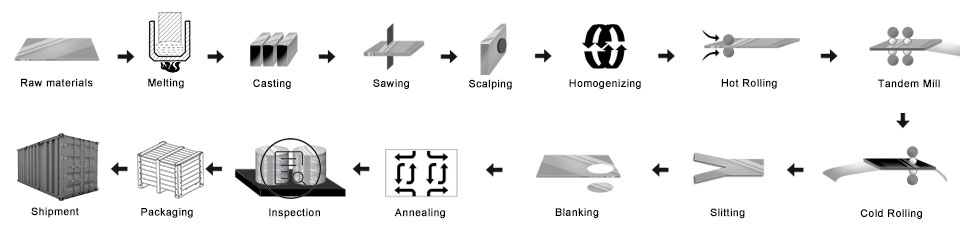
- मास्टर मिश्र तैयार करें
- पिघलती भट्टी: मिश्र धातुओं को पिघलने वाली भट्टी में डालें
- डीसी कास्ट एल्यूमीनियम पिंड: माँ को पिंड बनाने के लिए
- एल्यूमीनियम पिंड मिल: सतह और साइड को चिकना बनाने के लिए
- ताप भट्टी
- हॉट रोलिंग मिल: माँ का तार बनाया
- कोल्ड रोलिंग मिल: मदर कॉइल को उस मोटाई के रूप में रोल किया गया था जिसे आप खरीदना चाहते हैं
- छिद्रण प्रक्रिया: आप जो चाहते हैं उसका आकार बनें
- एनीलिंग भट्टी: मिजाज बदलो
- अंतिम निरीक्षण
- पैकिंग: लकड़ी के मामले या लकड़ी के फूस
- वितरण
गुणवत्ता नियंत्रण
आश्वासन नीचे निरीक्षण उत्पादन में किया जाएगा.
- ए. किरण का पता लगाना—आर टी;
- बी. अल्ट्रासोनिक परीक्षण—केन्द्र शासित प्रदेशों;
- सी. चुंबकीय कण परीक्षण-एमटी;
- डी. पैठ परीक्षण-पीटी;
- इ. एड़ी वर्तमान दोष का पता लगाने-ET
1) तेल के दाग से मुक्त रहें, काटने का निशान, समावेश, स्क्रैच, धब्बा, ऑक्साइड मलिनकिरण, ब्रेक, जंग, रोल मार्क्स, गंदगी की धारियाँ, और अन्य दोष जो उपयोग में हस्तक्षेप करेंगे.
2) काली रेखा के बिना सतह, तेज़ बाहर की रेखाओंवालअ, आवधिक दाग, रोलर मुद्रण दोष, जैसे अन्य gko आंतरिक नियंत्रण मानक.
एल्यूमिनियम डिस्क पैकिंग:
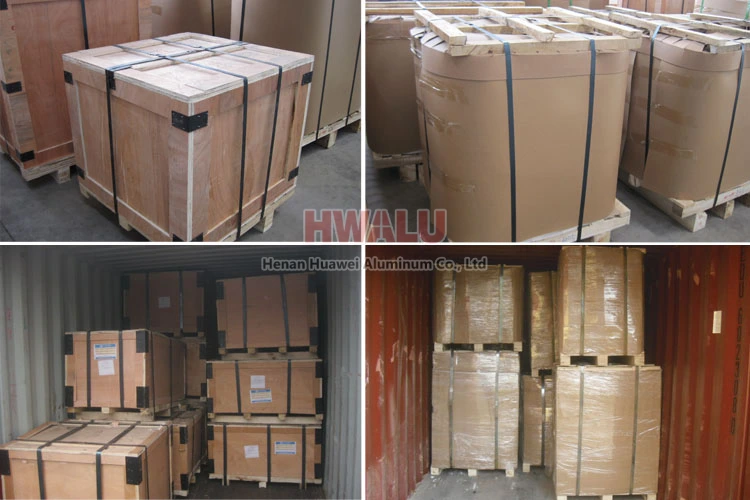
एल्यूमिनियम सर्किल निर्यात मानकों द्वारा पैक किया जा सकता है, भूरे रंग के कागज और प्लास्टिक की फिल्म के साथ कवर करना. आखिरकार, एल्यूमिनियम दौर लकड़ी के फूस / लकड़ी के मामले पर तय किया गया है.
- एल्युमिनियम सर्कल के ऊपर ड्रायर्स लगा दें, उत्पादों को सूखा और साफ रखें.
- स्वच्छ प्लास्टिक पेपर का प्रयोग करें, एल्यूमीनियम सर्कल पैक करें, सीलिंग अच्छी रखें.
- सांप की खाल के कागज का प्रयोग करें, प्लास्टिक पेपर की सतह को पैक करें, सीलिंग अच्छी रखें.
- अगला, पैकेजिंग के दो तरीके हैं: लकड़ी के फूस की पैकेजिंग का एक तरीका है, सतह को पैक करने वाले क्रस्टी पेपर का उपयोग करना; दूसरा तरीका लकड़ी के मामले की पैकेजिंग है, सतह को पैक करने वाले लकड़ी के मामले का उपयोग करना.
- आखिरकार, लकड़ी के बक्से की सतह पर स्टील की बेल्ट बिछाएं, लकड़ी के बक्से को तेज और सुरक्षित रखना.
हेनान हुआवेई एल्यूमिनियम का एल्यूमिनियम सर्कल. निर्यात मानक को पूरा करें. प्लास्टिक की फिल्म और भूरे रंग के कागज को ग्राहकों की जरूरतों पर कवर किया जा सकता है. इससे ज्यादा और क्या, डिलीवरी के दौरान उत्पादों को नुकसान से बचाने के लिए लकड़ी के मामले या लकड़ी के फूस को अपनाया जाता है. पैकेजिंग दो प्रकार की होती है, जो आंख से दीवार या आंख से आसमान की ओर हैं. ग्राहक अपनी सुविधा के लिए इनमें से किसी एक को चुन सकते हैं. आम तौर पर बोलना, वहां 2 एक पैकेज में टन, और लोड हो रहा है 18-22 1×20′ कंटेनर में टन, तथा 20-24 1×40′ कंटेनर में टन.
हमारा चयन क्यों?
समय के साथ चलने के लिए, HWALU अपनी प्रतिस्पर्धात्मकता में सुधार के लिए अत्याधुनिक उपकरण और तकनीक पेश करता रहता है. हमेशा केंद्र और ग्राहक के रूप में गुणवत्ता के व्यापार दर्शन का पालन करें, दुनिया के सभी हिस्सों में उच्चतम गुणवत्ता वाले एल्यूमीनियम डिस्क सर्कल श्रृंखला उत्पाद प्रदान करने के लिए. अधिक …

