रसोई के बर्तनों में उपयोग की जाने वाली एल्युमीनियम डिस्क जैसी समस्याओं का खतरा होता है “खुर” तथा “शिकन” ऑपरेशन के दौरान. उन्हें कैसे रोका जाए?
1. परिचय: उद्योग के दर्द बिंदु और बरतन के लिए एल्यूमीनियम डिस्क में प्रसंस्करण दोषों के प्रभाव
एल्यूमिनियम डिस्क बरतन के लिए (आमतौर पर बर्तनों में उपयोग किया जाता है, तडके का पात्र, मेज, आदि।) मुख्य रूप से बने होते हैं 3003, 5052, तथा 1100 एल्यूमीनियम मिश्र धातु. उनकी मुद्रांकन और ड्राइंग प्रक्रियाओं की आवश्यकता होती है “पतली दीवार बनाना + आयामी सटीकता + दोष रहित उपस्थिति”-तथापि, “खुर” (स्थानीय तनाव सामग्री की तन्य शक्ति से अधिक है) तथा “शिकन” (असमान सामग्री प्रवाह के कारण स्थानीय संचय) दो मुख्य दोष हैं, सीधे ले जाता है:
- पास दर में कमी (उद्योग औसत दोष दर: 8%-15%, तक पहुँचने 20% गहरे खींचे गए बरतन के लिए);
- बढ़ती लागतें (कच्चे माल का अपशिष्ट + मोल्ड रखरखाव लागत से अधिक बढ़ जाती है 30%);
- प्रदर्शन जोखिम (बरतन के उपयोग के दौरान क्रैकिंग आसानी से विकृति का कारण बनती है, जबकि झुर्रियाँ समान ऊष्मा चालन को प्रभावित करती हैं).
व्यावहारिक रोकथाम समाधान तैयार करना, दोषों के मूल कारणों का तीन आयामों से सटीक विश्लेषण किया जाना चाहिए: भौतिक गुण, प्रक्रिया पैरामीटर, और मोल्ड डिजाइन. विशेष रूप से, रसोई के बर्तनों में उपयोग की जाने वाली एल्यूमीनियम डिस्क के साथ समस्याओं की रोकथाम उत्पादन क्षमता और उत्पाद की गुणवत्ता में सुधार के लिए निर्माताओं के लिए एक प्रमुख फोकस बन गया है.

2. का मूल कारण विश्लेषण “खुर” तथा “शिकन” दोष के
(1) खुर: तनाव अधिभार और अपर्याप्त सामग्री लचीलापन का आरोपित प्रभाव
- मुख्य सामग्री-संबंधित ट्रिगर
-
- ग़लत मिश्र धातु चयन: उदाहरण के लिए, का उपयोग करते हुए 5052 H18 स्वभाव (तन्यता ताकत: 260एमपीए, बढ़ाव: 10%) के बजाय 3003 हे स्वभाव! (तन्यता ताकत: 110एमपीए, बढ़ाव: 25%) गहरे खींचे गए बर्तनों के लिए - अपर्याप्त लचीलेपन के कारण दरारें पड़ जाती हैं;
-
- आंतरिक सामग्री दोष: रोलिंग धारियों के साथ एल्यूमीनियम डिस्क (गहराई >0.02मिमी) या समावेशन (फ़े सामग्री >0.7% आसानी से कठोर कण बनाता है) ड्राइंग के दौरान तनाव एकाग्रता बिंदु बनें;
-
- अनुचित ताप उपचार: अपर्याप्त एनीलिंग (जैसे, 3003 एल्यूमीनियम डिस्क पर एनील्ड किया गया <340℃ के लिए <1एच) आंतरिक तनाव समाप्त हो जाता है, जिससे ड्राइंग के दौरान स्थानीय तनाव में अचानक वृद्धि हो जाती है.
- मुख्य प्रक्रिया और मोल्ड-संबंधित ट्रिगर
-
- अत्यधिक ड्राइंग अनुपात: पहला ड्राइंग अनुपात (तैयार उत्पाद का व्यास/खाली व्यास) >2.2 (के लिए सीमा 3003 हे स्वभाव!) और बाद में ड्राइंग अनुपात >1.8, जिसके परिणामस्वरूप स्थानीय पतलेपन की दर अधिक हो जाती है 35% (सामग्री फ्रैक्चर के लिए महत्वपूर्ण मूल्य);
-
- बहुत छोटा सांचा पट्टिका: पंच-डाई पट्टिका त्रिज्या आर <5लेपित एल्यूमीनियम सर्कल शीट से संबंधित (टी = एल्यूमीनियम डिस्क की मोटाई; जैसे, आर <10मिमी जब t=2 मिमी), से तनाव एकाग्रता कारक बढ़ रहा है 1.2 प्रति 2.5 और दरार पड़ने का खतरा तेजी से बढ़ रहा है;
-
- स्नेहन विफलता: स्नेहक कार्बोनाइजेशन (जैसे, फ्लैश प्वाइंट के साथ तेल आधारित स्नेहक <180℃) उच्च तापमान ड्राइंग के दौरान (मोल्ड तापमान >60℃), से घर्षण गुणांक बढ़ाना 0.05 0.15 तक - स्थानीय तनाव सामग्री की भार-वहन सीमा से अधिक है.
(2) शिकन: असंतुलित सामग्री प्रवाह और अपर्याप्त बाधाओं का अपरिहार्य परिणाम
- असंतुलित प्रक्रिया पैरामीटर
-
- अपर्याप्त रिक्त धारक बल: रिक्त धारक बल एफ < K×t×D (के = गुणांक, 1.2-1.5 के लिये 3003 अल्युमीनियम; टी = मोटाई; डी = रिक्त व्यास). उदाहरण के लिए, एफ <3600एन जब टी = 1.5 मिमी और डी = 200 मिमी - खाली किनारे पर कोई प्रभावी बाधा नहीं है, जिससे गुहा में अत्यधिक सामग्री का प्रवाह होता है और झुर्रियाँ पड़ती हैं;
-
- असामान्य ड्राइंग गति: रफ़्तार >2एमएस (0.5-1.2गहरी ड्राइंग के लिए एम/एस की सिफारिश की गई) समान सामग्री विरूपण के लिए कोई समय नहीं छोड़ता, स्थानीय संचय की ओर अग्रसर; रफ़्तार <0.3घर्षण ताप संचय के कारण एम/एस आसानी से स्थानीय सामग्री को नरम कर देता है, जिसके परिणामस्वरूप असमान प्रवाह होता है.
- मोल्ड और खाली डिज़ाइन दोष
-
- अनुचित साँचे की निकासी: एक तरफा पंच-डाई क्लीयरेंस <1.05लेपित एल्यूमीनियम सर्कल शीट से संबंधित (जैसे, <2.1मिमी जब t=2 मिमी) सामग्री प्रवाह प्रतिरोध बढ़ाता है; निकासी >1.2यह अपर्याप्त सामग्री समर्थन छोड़ता है, झुर्रियों का कारण बनता है;
-
- रिक्त आयामी विचलन: एल्यूमिनियम डिस्क गोलाई त्रुटि >0.1मिमी (जैसे, >0.2200 मिमी व्यास के लिए मिमी विचलन) ड्राइंग के दौरान असमान तनाव उत्पन्न होता है, के साथ >20% धार सामग्री प्रवाह गति में अंतर;
-
- ख़राब निकास: कोई वेंट छेद नहीं (व्यास <φ1मिमी) मोल्ड गुहा या अवरुद्ध वेंट में नकारात्मक दबाव बनता है (<-0.02एमपीए) ड्राइंग के दौरान गुहा के अंदर, सामग्री प्रवाह में बाधा और स्थानीय झुर्रियाँ पैदा करना.

3. व्यवस्थित रोकथाम समाधान: सामग्री का सहयोगात्मक अनुकूलन, प्रक्रिया, और ढालना
(1) सामग्री अंत: सटीक चयन और प्रीट्रीटमेंट नियंत्रण (कोर प्रिवेंशन फाउंडेशन)
- मिश्र धातु-तापमान मिलान (कुकवेयर प्रकार द्वारा वर्गीकृत)
| कुकवेयर प्रकार |
अनुशंसित मिश्र धातु |
अनुशंसित स्वभाव |
मुख्य प्रदर्शन पैरामीटर (फॉर्मैबिलिटी सुनिश्चित करना) |
| गहरे खींचे हुए बर्तन (गहराई >50मिमी) |
3003 |
हे |
तन्यता ताकत: 100-120एमपीए, बढ़ाव ≥24% |
| उथले-तैयार फ्राइंग पैन (गहराई <30मिमी) |
5052 |
एच14 |
तन्यता ताकत: 170-190एमपीए, बढ़ाव ≥15% |
| पतली दीवार वाला टेबलवेयर (मोटाई <1मिमी) |
1100 |
हे |
तन्यता ताकत: 90-100एमपीए, बढ़ाव ≥28% |
- मुख्य सामग्री पूर्व-उपचार प्रक्रियाएँ
-
- एनीलिंग (आंतरिक तनाव को दूर करना): 3003 एल्यूमीनियम डिस्क को 1.5-2 घंटे के लिए 340-360℃ पर इंसुलेटेड किया जाता है, फिर भट्टी में ठंडा किया गया <100जारी होने से पहले ℃ (भट्ठी से हटाना), कठोरता सुनिश्चित करना ≤HV30 (विकर्स कठोरता); 5052 H14 टेम्परेचर को पहले O टेम्परेचर में बदलना होगा (370-390℃ 2 घंटे के लिए), फिर आवश्यकतानुसार H14 तक बढ़ाया गया;
-
- सतह का उपचार: एल्यूमीनियम डिस्क की ऑक्साइड फिल्म की मोटाई 5-8μm पर नियंत्रित करें (पतली परत >12μm आसानी से टूटने का कारण बनता है), तेल संदूषण ≤5mg/m² (सुखाने का तापमान: 60-80विलायक सफाई के बाद ℃), और सतह खुरदरापन Ra ≤0.8μm (असमान घर्षण प्रतिरोध से बचना);
-
- रिक्त निरीक्षण: आंतरिक समावेशन के लिए एड़ी वर्तमान परीक्षण (एकल समावेशन क्षेत्र <0.5mm²), मोटाई विचलन के लिए लेजर मोटाई गेज ±5% (जैसे, ±0.1मिमी जब t=2मिमी), और गोलाई त्रुटि ≤0.08 मिमी.
(2) प्रक्रिया समाप्ति: मात्रात्मक पैरामीटर अनुकूलन और गतिशील विनियमन
- कोर प्रोसेस पैरामीटर्स के लिए मात्रात्मक मानक (लेना 3003 हे स्वभाव!, उदाहरण के तौर पर t=2mm एल्यूमिनियम डिस्क)
| प्रसंस्करण प्रकार |
ड्राइंग अनुपात रेंज |
रिक्त धारक बल (एफ) गणना विधि |
ड्राइंग गति |
स्नेहक प्रकार |
मोल्ड तापमान नियंत्रण |
| पहली गहरी ड्राइंग |
1.8-2.2 |
F=1.5×t×D (डी=खाली व्यास) |
0.8-1.0एमएस |
अत्यधिक दबाव वाला तेल आधारित स्नेहक (फ़्लैश बिंदु ≥220℃) |
40-50℃ |
| द्वितीयक रेखांकन |
1.5-1.8 |
F=1.2×t×D (डी=पिछले तैयार उत्पाद का व्यास) |
1.0-1.2एमएस |
जल आधारित स्नेहक (अत्यधिक दबाव योजक के साथ) |
50-60℃ |
| उथला रेखाचित्र बनाना |
1.2-1.5 |
F=1.0×t×D |
1.2-1.5एमएस |
सूखा स्नेहक (PTFE आधारित) |
30-40℃ |
- गतिशील विनियमन रणनीतियाँ
-
- वास्तविक समय में निगरानी: बल सेंसर का प्रयोग करें (सटीकता ±1%) मुद्रांकन बल की निगरानी के लिए; जब तात्कालिक बल अधिक हो जाता है 1.2 सामग्री की तन्य शक्ति का गुना, ड्राइंग गति को स्वचालित रूप से कम करें 20%-30%;
-
- स्नेहक पुनःपूर्ति: हर बार चिकनाई दोबारा लगाएं 500-800 टुकड़े; उपयोग “फुहार + पोंछते” 5-10μm कोटिंग मोटाई सुनिश्चित करने के लिए गहरी ड्राइंग के लिए (अत्यधिक मोटाई आसानी से झुर्रियों का कारण बनती है);
-
- प्रक्रिया अंतराल: के लिए परिचालन बंद करें 10 प्रत्येक मिनट 2 मोल्ड को निर्धारित तापमान सीमा तक ठंडा करने के लिए निरंतर प्रसंस्करण के दौरान घंटों (ज़्यादा गरम होने के कारण सामग्री को नरम होने से बचाना).
(3) साँचे का अंत: संरचनात्मक अनुकूलन और परिशुद्धता नियंत्रण
- मुख्य संरचनात्मक डिज़ाइन पैरामीटर
-
- पंच-डाई पट्टिका: डिज़ाइन प्रति “R=5t-8t” (R=10-16mm जब t=2mm); ऊपरी सीमा का उपयोग करें (आर=14-16मिमी) गहरी ड्राइंग और निचली सीमा के लिए (आर=10-12मिमी) उथली ड्राइंग के लिए; पट्टिका सतह खुरदरापन सुनिश्चित करें Ra ≤0.4μm (तनाव एकाग्रता को कम करना);
-
- निकासी नियंत्रण: एकतरफ़ा क्लीयरेंस =1.05t-1.15t (2.1-2.3मिमी जब t=2 मिमी); ऊपरी सीमा का उपयोग करें (2.2-2.3मिमी) गहरी ड्राइंग और निचली सीमा के लिए (2.1-2.2मिमी) उथली ड्राइंग के लिए;
-
- सपाट छाती: छेद करना 2-4 मोल्ड गुहा के अधिकतम प्रक्षेपण पर φ1.2-1.5 मिमी वेंट छेद, 5-8 मिमी की छेद गहराई के साथ-गुहा दबाव सुनिश्चित करें ≤-0.005ड्राइंग के दौरान एम.पी.ए (नकारात्मक दबाव-प्रेरित प्रवाह अवरोध से बचना).
- मोल्ड परिशुद्धता और रखरखाव
-
- मोल्ड निर्माण परिशुद्धता: पंच-डाई समाक्षीयता ≤0.02 मिमी, समतलता ≤0.01मिमी/100मिमी-खराब केंद्रीकरण के कारण असमान सामग्री तनाव से बचें;
-
- नियमित रखरखाव: प्रसंस्करण के बाद 1,000 टुकड़े, हीरा पीसने वाले पहियों के साथ मोल्ड फ़िललेट्स की मरम्मत करें (घिसाव के निशान हटाना) और अल्ट्रासोनिक तरंगों से वेंट छिद्रों को साफ करें (एल्यूमीनियम चिप रुकावट को रोकना); सुनिश्चित करें कि मोल्ड की सतह पर कोई खरोंच न हो (गहराई <0.01मिमी).
इस स्तर पर, रसोई के बर्तनों में उपयोग की जाने वाली एल्यूमीनियम डिस्क की समस्याओं की रोकथाम सामग्री चयन के तालमेल पर काफी हद तक निर्भर करती है, प्रक्रिया विनियमन, और मोल्ड अनुकूलन-प्रत्येक लिंक दोष जोखिम को कम करने के लिए दूसरों को पूरक बनाता है.
4. पूर्ण-प्रक्रिया गुणवत्ता नियंत्रण प्रणाली: स्रोत से तैयार उत्पाद तक दोष अवरोधन
(1) आने वाले कच्चे माल का निरीक्षण (महत्वपूर्ण संकेतक)
- रचना विश्लेषण: एमएन का परीक्षण करने के लिए डायरेक्ट-रीडिंग स्पेक्ट्रोमीटर का उपयोग करें (1.0%-1.5%) और सी (≤0.6%) में 3003 अल्युमीनियम, और एमजी (2.2%-2.8%) में 5052 एल्यूमीनियम-जीबी/टी का अनुपालन सुनिश्चित करें 3880.2-2022 (एल्युमीनियम और एल्युमीनियम मिश्र धातु के लिए पीपुल्स रिपब्लिक ऑफ चाइना का राष्ट्रीय मानक – भाग 2: गढ़े उत्पादों की रासायनिक संरचना);
- यांत्रिक विशेषताएं: नमूना 5 तन्यता परीक्षण के लिए प्रति बैच टुकड़े (जीबी/टी 228.1-2021); यदि बढ़ाव है तो पूरे बैच को अस्वीकार करें 10% मानक मान से कम;
- उपस्थिति निरीक्षण: सीसीडी दृश्य निरीक्षण का प्रयोग करें (सटीकता 0.01 मिमी) सतह की खरोंचों और समावेशन की पहचान करना; यदि दोषपूर्ण दर अधिक हो तो पुनः कार्य करें 2%.
(2) प्रसंस्करण के दौरान वास्तविक समय की निगरानी
- ऑनलाइन निरीक्षण: औद्योगिक कैमरे स्थापित करें (शूटिंग आवृत्ति 30 फ़्रेम/एस) वास्तविक समय में झुर्रियों की पहचान करने के लिए (झुर्रियों की ऊंचाई >0.5मिमी) और टूट रहा है (दरार की लंबाई >1मिमी); दोष पाए जाने पर समायोजन के लिए तुरंत रोकें;
- पैरामीटर रिकॉर्डिंग: ड्राइंग फोर्स को स्टोर करें, रिक्त धारक बल, और एमईएस के माध्यम से प्रत्येक उत्पाद के लिए गति डेटा (विनिर्माण निष्पादन प्रणाली) एक प्रक्रिया ट्रैसेबिलिटी श्रृंखला बनाने के लिए; यदि पैरामीटर में उतार-चढ़ाव ±10% से अधिक हो तो अलर्ट ट्रिगर करें.
(3) डिलीवरी से पहले तैयार उत्पाद का निरीक्षण
- उपस्थिति: तस्वीर + स्पर्शनीय निरीक्षण - कोई दरार या झुर्रियाँ दिखाई नहीं देतीं (स्थानीय फलाव ≤0.2 मिमी), और किनारों पर कोई गड़गड़ाहट नहीं (ऊंचाई ≤0.1मिमी);
- DIMENSIONS: तैयार व्यास का परीक्षण करने के लिए एक समन्वय मापने वाली मशीन का उपयोग करें (विचलन ±0.2मिमी), गहराई (विचलन ±0.1मिमी), और दीवार की मोटाई एकरूपता (अधिकतम विचलन ≤10%);
- यांत्रिक सत्यापन: नमूना दबाव परीक्षण (0.3बर्तनों के लिए बिना किसी विकृति के एमपीए दबाव 30 सेकंड तक बनाए रखना) और परीक्षण छोड़ें (1.2बिना किसी दरार के मी ड्रॉप ऊंचाई).

5. उद्योग अनुप्रयोग मामले: से अनुकूलन 18% दोष दर को 3%
मामला 1: गहरे खींचे गए बर्तनों के साथ 3003 ओ टेम्पर एल्यूमिनियम डिस्क (गहराई 60 मिमी, टी=2.5मिमी) एक बरतन फैक्ट्री में
- मूल समस्याएँ: 12% क्रैकिंग दर और 6% झुर्रियों की दर - अत्यधिक ड्राइंग अनुपात के कारण (2.4), बहुत छोटा सांचा पट्टिका (आर=8मिमी), और अपर्याप्त रिक्त धारक बल (4,500एन);
- अनुकूलन समाधान:
-
- प्रक्रिया समायोजन: ड्राइंग अनुपात को दो चरणों में विभाजित करें (पहला 2.0, माध्यमिक 1.6); रिक्त धारक बल को 6,000N तक बढ़ाएँ (F=1.5×2.5×200 के रूप में गणना की गई);
-
- साँचे में सुधार: फ़िलेट आर को 15 मिमी तक बढ़ाएँ (7लेपित एल्यूमीनियम सर्कल शीट से संबंधित), सिंगल-साइडेड क्लीयरेंस को 2.7 मिमी पर सेट करें (1.08लेपित एल्यूमीनियम सर्कल शीट से संबंधित), और जोड़ें 4 φ1.5 मिमी वेंट छेद;
- परिणाम: दोष दर कम हो गई 3% (0.8% खुर, 2.2% शिकन), पास दर में वृद्धि हुई 15 प्रतिशत बिंदु, और इकाई लागत में कमी आई 22%.
मामला 2: उथले-तैयार फ्राइंग पैन के साथ 5052 H14 टेम्पर एल्यूमिनियम डिस्क (गहराई 25 मिमी, टी=1.8मिमी)
- मूल समस्या: 10% झुर्रियों की दर-अपर्याप्त रिक्त धारक बल के कारण (2,000एन) और अत्यधिक ड्राइंग गति (2.5एमएस);
- अनुकूलन समाधान: रिक्त धारक बल को 2,700N पर समायोजित करें (एफ=1.0×1.8×150), गति को 1.2 मीटर/सेकेंड तक कम करें, और शुष्क स्नेहक पर स्विच करें;
- परिणाम: झुर्रियों की दर कम हो गई 0, और उत्पादन क्षमता में वृद्धि हुई 30% (से 120 टुकड़े/घंटा से 156 टुकड़े/घंटा).
6. भविष्य के रुझान: बुद्धिमान प्रौद्योगिकी और सामग्री नवाचार का गहन एकीकरण
- बुद्धिमान प्रक्रिया विनियमन: एआई विज़ुअल निरीक्षण का परिचय दें (पहचान सटीकता 0.05 मिमी) + रिक्त धारक बल और गति को वास्तविक समय में समायोजित करने के लिए अनुकूली नियंत्रण प्रणालियाँ (प्रतिक्रिया समय <0.1एस), एक गठन “दोष भविष्यवाणी-पैरामीटर स्व-अनुकूलन” बंद लूप;
- सामग्री उन्नयन: विकास करना “3003 + ट्रेस Zr” समग्र एल्यूमीनियम मिश्र धातु (बढ़ाव बढ़ गया 28%, तन्य शक्ति 115MPa पर कायम है) बड़े ड्राइंग अनुपातों को अनुकूलित करने के लिए (पहला ड्राइंग अनुपात 2.4);
- मोल्ड प्रौद्योगिकी नवाचार: 3डी प्रिंटेड मोल्ड अपनाएं (एसएलएम धातु मुद्रण, सतह खुरदरापन रा ≤0.2μm) जटिल गुहाओं के एकीकृत गठन को प्राप्त करने और सामग्री प्रवाह प्रतिरोध को कम करने के लिए.
रसोई के बर्तनों में उपयोग की जाने वाली एल्यूमीनियम डिस्क के साथ समस्याओं की रोकथाम भविष्य में उच्च दक्षता और कम दोष दर प्राप्त करने के लिए बुद्धिमान और नवीन प्रौद्योगिकियों का लाभ उठाएगी।.

7. निष्कर्ष
की रोकथाम “खुर” तथा “शिकन” की मुद्रांकन और ड्राइंग में बरतन के लिए एल्यूमीनियम डिस्क के सहयोग पर केन्द्रित है सामग्री का चयन और पूर्व उपचार, प्रक्रिया मापदंडों का मात्रात्मक अनुकूलन, और सटीक मोल्ड संरचना डिजाइन. लेना जरूरी है “प्रसंस्करण आवश्यकताओं के साथ मिश्र धातु गुणों का मिलान” नींव के रूप में, “प्रक्रिया मापदंडों का गतिशील विनियमन” मूल के रूप में, तथा “पूर्ण-प्रक्रिया गुणवत्ता नियंत्रण” गारंटी के रूप में. इस दौरान, बुद्धिमान प्रौद्योगिकी और सामग्री नवाचार को एकीकृत करने से उद्योग की समस्याएं मूल रूप से हल हो जाएंगी और लक्ष्य हासिल हो जाएगा “उच्च उत्तीर्ण दर + कम लागत + उच्च प्रदर्शन” प्रक्रिया में है.
एल्यूमीनियम सर्कल के गुण:
एल्यूमिनियम सर्कल कई बाजारों के लिए उपयुक्त है, कुकवेयर सहित, मोटर वाहन और प्रकाश उद्योग, आदि।, अच्छे उत्पाद विशेषताओं के लिए धन्यवाद:
- कम अनिसोट्रॉपी, जो गहरी ड्राइंग की सुविधा प्रदान करता है
- मजबूत यांत्रिक गुण
- उच्च और सजातीय गर्मी प्रसार
- तामचीनी होने की क्षमता, PTFE द्वारा कवर किया गया (या अन्य), एनोड किए गए
- अच्छा परावर्तन
- उच्च शक्ति-से-वजन अनुपात
- जंग के लिए स्थायित्व और प्रतिरोध
एल्यूमिनियम सर्किल प्रक्रिया
पिंड/मास्टर मिश्र — मेल्टिंग फर्नेस - होल्डिंग फर्नेस — डी.सी.. कास्टर — पत्थर की पटिया —- स्कैल्पर — हॉट रोलिंग मिल - कोल्ड रोलिंग मिल - पंचिंग - एनीलिंग फर्नेस — अंतिम निरीक्षण - पैकिंग — वितरण
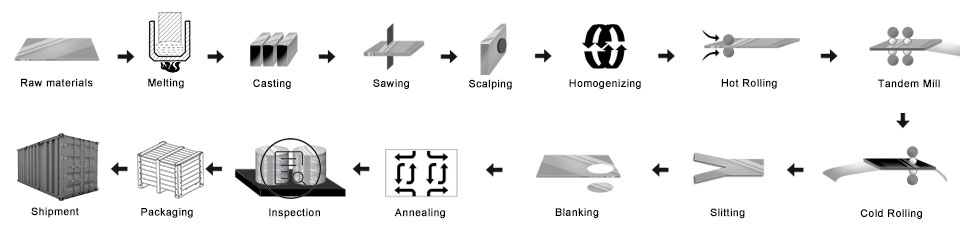
- मास्टर मिश्र तैयार करें
- पिघलती भट्टी: मिश्र धातुओं को पिघलने वाली भट्टी में डालें
- डीसी कास्ट एल्यूमीनियम पिंड: माँ को पिंड बनाने के लिए
- एल्यूमीनियम पिंड मिल: सतह और साइड को चिकना बनाने के लिए
- ताप भट्टी
- हॉट रोलिंग मिल: माँ का तार बनाया
- कोल्ड रोलिंग मिल: मदर कॉइल को उस मोटाई के रूप में रोल किया गया था जिसे आप खरीदना चाहते हैं
- छिद्रण प्रक्रिया: आप जो चाहते हैं उसका आकार बनें
- एनीलिंग भट्टी: मिजाज बदलो
- अंतिम निरीक्षण
- पैकिंग: लकड़ी के मामले या लकड़ी के फूस
- वितरण
गुणवत्ता नियंत्रण
आश्वासन नीचे निरीक्षण उत्पादन में किया जाएगा.
- ए. किरण का पता लगाना—आर टी;
- बी. अल्ट्रासोनिक परीक्षण—केन्द्र शासित प्रदेशों;
- सी. चुंबकीय कण परीक्षण-एमटी;
- डी. पैठ परीक्षण-पीटी;
- इ. एड़ी वर्तमान दोष का पता लगाने-ET
1) तेल के दाग से मुक्त रहें, काटने का निशान, समावेश, स्क्रैच, धब्बा, ऑक्साइड मलिनकिरण, ब्रेक, जंग, रोल मार्क्स, गंदगी की धारियाँ, और अन्य दोष जो उपयोग में हस्तक्षेप करेंगे.
2) काली रेखा के बिना सतह, तेज़ बाहर की रेखाओंवालअ, आवधिक दाग, रोलर मुद्रण दोष, जैसे अन्य gko आंतरिक नियंत्रण मानक.
एल्यूमिनियम डिस्क पैकिंग:
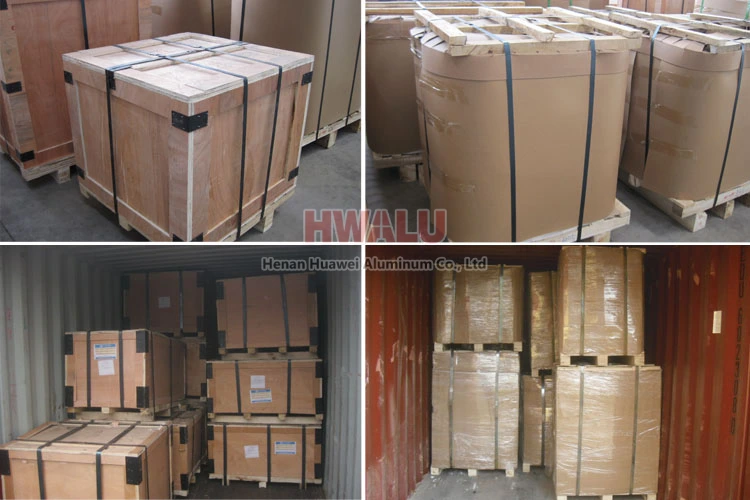
एल्यूमिनियम सर्किल निर्यात मानकों द्वारा पैक किया जा सकता है, भूरे रंग के कागज और प्लास्टिक की फिल्म के साथ कवर करना. आखिरकार, एल्यूमिनियम दौर लकड़ी के फूस / लकड़ी के मामले पर तय किया गया है.
- एल्युमिनियम सर्कल के ऊपर ड्रायर्स लगा दें, उत्पादों को सूखा और साफ रखें.
- स्वच्छ प्लास्टिक पेपर का प्रयोग करें, एल्यूमीनियम सर्कल पैक करें, सीलिंग अच्छी रखें.
- सांप की खाल के कागज का प्रयोग करें, प्लास्टिक पेपर की सतह को पैक करें, सीलिंग अच्छी रखें.
- अगला, पैकेजिंग के दो तरीके हैं: लकड़ी के फूस की पैकेजिंग का एक तरीका है, सतह को पैक करने वाले क्रस्टी पेपर का उपयोग करना; दूसरा तरीका लकड़ी के मामले की पैकेजिंग है, सतह को पैक करने वाले लकड़ी के मामले का उपयोग करना.
- आखिरकार, लकड़ी के बक्से की सतह पर स्टील की बेल्ट बिछाएं, लकड़ी के बक्से को तेज और सुरक्षित रखना.
हेनान हुआवेई एल्यूमिनियम का एल्यूमिनियम सर्कल. निर्यात मानक को पूरा करें. प्लास्टिक की फिल्म और भूरे रंग के कागज को ग्राहकों की जरूरतों पर कवर किया जा सकता है. इससे ज्यादा और क्या, डिलीवरी के दौरान उत्पादों को नुकसान से बचाने के लिए लकड़ी के मामले या लकड़ी के फूस को अपनाया जाता है. पैकेजिंग दो प्रकार की होती है, जो आंख से दीवार या आंख से आसमान की ओर हैं. ग्राहक अपनी सुविधा के लिए इनमें से किसी एक को चुन सकते हैं. आम तौर पर बोलना, वहां 2 एक पैकेज में टन, और लोड हो रहा है 18-22 1×20′ कंटेनर में टन, तथा 20-24 1×40′ कंटेनर में टन.
हमारा चयन क्यों?
समय के साथ चलने के लिए, HWALU अपनी प्रतिस्पर्धात्मकता में सुधार के लिए अत्याधुनिक उपकरण और तकनीक पेश करता रहता है. हमेशा केंद्र और ग्राहक के रूप में गुणवत्ता के व्यापार दर्शन का पालन करें, दुनिया के सभी हिस्सों में उच्चतम गुणवत्ता वाले एल्यूमीनियम डिस्क सर्कल श्रृंखला उत्पाद प्रदान करने के लिए. अधिक …

