Сравнительный анализ приложений 1060 Алюминиевые диски против 1100 Алюминиевые диски в современном производстве
1. Введение
Алюминиевые диски, также называемые алюминиевыми кругами или круглыми заготовками., остаются основополагающими полуфабрикатами при производстве кухонной посуды., электрические корпуса, компоненты сосудов под давлением, и упаковка глубокой вытяжки. Среди технически чистых марок алюминия, 1060 алюминиевые диски и 1100 алюминиевые диски доминируют в мировом спросе благодаря своей высокой формуемости, устойчивость к коррозии, и широкие возможности обработки. Несмотря на их сходство как часть алюминиевого семейства серии 1xxx., их микроструктура, примесный состав, и дальнейшее поведение существенно различаются, что приводит к различная пригодность для применения в различных отраслях промышленности.
Поскольку легкие материалы продолжают заменять сталь в кухонной посуде и потребительских товарах, понимание нюансов различий между 1060 и 1100 сплавы становятся критически важными для инженеров, стремящихся оптимизировать производительность пресса, уменьшить процент брака, и повысить надежность конечного продукта. В этой статье проводится всестороннее техническое сравнение, включая химический состав., механические свойства, производительность глубокой вытяжки, Требования к качеству поверхности, термическое поведение, и конкретные области применения. Благодаря анализу данных и детальным практическим примерам производства, разъясняем, как производителям следует выбирать между 1060 и 1100 на основе требований процесса, геометрия продукта, эффективность производства, и соображения стоимости.

2. Обзор 1060 Алюминиевые диски
1060 алюминий относится к категории технически чистого алюминия, содержащего 99.6% Ал. Со сверхнизким содержанием примесей, он обеспечивает исключительную электропроводность и высокую пластичность., что делает его особенно подходящим для:
- Глубокий рисунок
- Спиннинг
- Гибка
- Штамповка
- Полировка и анодирование
Широко используется в кухонной посуде. (горшки, кастрюли, чайники), отражатели, и электроника.
Стол 1. Ключевые характеристики 1060 Алюминиевые диски
| Категория недвижимости |
Описание |
| Чистота |
99.6% алюминий (очень высокий) |
| Механическое поведение |
Очень мягкий, отличная пластичность, низкий предел текучести |
| Способность глубокого вытягивания |
Выдающийся; идеально подходит для больших деформаций |
| Теплостойкость |
Подходит для посуды с низкой и средней температурой. |
| Коррозионная стойкость |
Высокий, особенно к воде и мягким химикатам |
| Расходы |
Ниже, чем 1100 |
| Общий характер |
О, Н12, Н14, H18 |
3. Обзор 1100 Алюминиевые диски
1100 алюминий содержит 99.0% алюминий, с несколько более высоким содержанием примесей - в основном 0.05–0,20% медь, что повышает прочность без ухудшения коррозионных характеристик. По сравнению с 1060, 1100 предложения:
- Более высокая прочность на растяжение
- Лучшее сопротивление усталости
- Немного сниженная формуемость
- Более высокая теплопроводность, чем у некоторых легированных марок.
Эти характеристики делают 1100 подходит для:
- Промышленные контейнеры
- Химическое оборудование
- Компоненты теплообменника
- Посуда высокого давления и структурные корпуса
Стол 2. Ключевые характеристики 1100 Алюминиевые диски
| Категория недвижимости |
Описание |
| Чистота |
99.0% алюминий |
| Механическое поведение |
Сильнее, чем 1060, умеренная пластичность |
| Способность глубокого вытягивания |
Хорошо, но меньше 1060 |
| Усталостная устойчивость |
Лучше, чем 1060 |
| Сила |
Выше из-за присутствия Cu |
| Общий характер |
О, Н14, Н16, H18 |
| Идеальное использование |
Сосуды под давлением, промышленная посуда, химические резервуары |
4. Сравнение химического состава
Несмотря на то, что оба относятся к серии 1xxx., второстепенные элементы определяют поведение процесса и приложения. Наличие меди в 1100 является основным отличием, обеспечение повышенной прочности и усталостной стойкости.
Стол 3. Химический состав (Типичные значения)
| Сплав |
Ал (%) |
Cu (%) |
И (%) |
Фе (%) |
Мин. (%) |
Зн (%) |
Другие |
| 1060 |
99.6 |
≤0,05 |
≤0,25 |
≤0,35 |
0 |
0 |
≤0,03 |
| 1100 |
99.0 |
0.05–0,20 |
≤0,95 |
≤0,95 |
≤0,05 |
≤0,10 |
≤0,15 |
Ключевая информация:
The 0.05–0,20% медь содержание в 1100 значительно повышает прочность и устойчивость к давлению, что делает его пригодным для промышленного и структурного применения, где 1060 может слишком легко деформироваться.
5. Сравнение механических свойств
Механическое поведение напрямую влияет на производительность диска при штамповке., прядение, и операции глубокой вытяжки.
Стол 4. Сравнение механических свойств (Типичный характер О)
| Свойство |
1060-О |
1100-О |
| Предел прочности (МПа) |
55–95 |
70–120 |
| Предел текучести (МПа) |
15–35 |
25–60 |
| Удлинение (%) |
30–45 |
25–35 |
| Твердость (полупансион) |
17–25 |
19–30 |
Ключевые наблюдения:
- 1060 имеет превосходную пластичность, что делает его более подходящим для посуды глубокой вытяжки с большой деформацией. (например, горшки, посуда типа таза).
- 1100 сильнее, идеально подходит для промышленного ламинирования, сверхпрочная посуда, и компоненты, несущие давление.
6. Глубокая вытяжка и производительность вращения
В этом разделе рассматриваются практические последствия обработки..
6.1 Поведение при глубокой прорисовке
- 1060 алюминиевые диски исключительно хорошо работают при одноэтапном и многошаговом вытягивании благодаря своей мягкости и высокому удлинению..
- 1100 алюминиевые диски также можно глубоко вытянуть, но износ инструмента увеличивается из-за более высокой прочности и большего сопротивления трению..
Стол 5. Рейтинг производительности глубокой вытяжки
| Сплав |
Одиночная глубокая вытяжка |
Многоэтапная глубокая вытяжка |
Риск растрескивания |
Типичные применения |
| 1060 |
Отличный |
Отличный |
Очень низкий |
Горшки, кастрюли, отражатели освещения |
| 1100 |
Хороший |
Умеренный |
От низкого до среднего |
Промышленная посуда, химические контейнеры |

7. Совместимость обработки поверхности
Оба сплава по-разному реагируют во время:
- Анодирование
- Полировка
- Покрытие
- Офорт
Полировка
- 1060 достигает зеркальная поверхность благодаря чрезвычайно высокой чистоте.
- 1100 хорошо полируется, но может иметь небольшие изменения тона из-за содержания меди.
Поведение при анодировании
- 1060 создает более однородные оксидные слои, идеально подходит для светоотражающей посуды.
- 1100 дает более твердую анодированную поверхность, но с немного более темным цветом.
8. Стоимость и доступность на рынке
Обзор рынка
1060 алюминиевые диски имеют более высокие объемы производства во всем мире из-за их широкого использования в кухонной посуде и освещении., сделать их немного дешевле.
Стол 6. Сравнение затрат (Приблизительно. Отраслевые коэффициенты)
| Сплав |
Относительная цена |
Доступность на рынке |
Глобальный спрос |
| 1060 |
Низкий |
Очень высокий |
Очень высокий |
| 1100 |
Середина |
Высокий |
Высокий |
9. Различия в пригодности приложений
Это самая важная часть для инженеров, выбирающих между двумя сплавами..
9.1 Приложения Идеально подходит для 1060 Алюминиевые диски
- Стандартная бытовая посуда
- Корпуса чайников
- Гибкие отражатели освещения
- Контейнеры для пищевых продуктов глубокой вытяжки
- Лопасти вентилятора
- Алюминиевые знаки
- Низкопрочные промышленные корпуса
9.2 Приложения Идеально подходит для 1100 Алюминиевые диски
- Посуда высокого давления
- Резервуары для хранения химикатов
- изоляционные кожухи для труб
- Промышленные теплообменники
- Многослойное дно посуды.
- Высокотемпературные промышленные отражатели
- Термостойкие упаковочные материалы
Стол 7. Матрица рекомендаций по применению
| Тип приложения |
1060 Рекомендация |
1100 Рекомендация |
| Бытовая посуда |
★★★★★ |
★★★ |
| Промышленная посуда |
★★★ |
★★★★★ |
| Химические контейнеры |
★★ |
★★★★★ |
| Отражатели |
★★★★★ |
★★★ |
| Упаковка для пищевых продуктов глубокой вытяжки |
★★★★★ |
★★★ |
| Сосуды высокого давления |
★★ |
★★★★★ |
| Компоненты, требующие интенсивного отжима |
★★★★★ |
★★★ |
10. Теплопроводность и распределение тепла
Оба сплава обладают превосходной теплопроводностью., но небольшие различия имеют значение в термочувствительных приложениях.
Тепловые характеристики
- 1060 обеспечивает очень равномерное распределение тепла — идеально подходит для равномерного нагрева посуды.
- 1100 обеспечивает немного меньшую термическую однородность, но лучшую механическую стабильность при колебаниях температуры..
Стол 8. Сравнение тепловых свойств
| Свойство |
1060 |
1100 |
| Теплопроводность (Вт/м·К) |
234 |
222 |
| Теплоемкость |
Высокий |
Высокий |
| Сопротивление тепловой деформации |
Умеренный |
Выше |
11. Формируемость, Поведение, связанное с упрочнением работы, и обработка ответа
Понимание того, как 1060 и 1100 алюминиевые диски реагируют во время механических операций, что важно для производителей, стремящихся к высокой эффективности формовки., низкий процент брака, и постоянная геометрия продукта. Формирующие механизмы, характеристики наклепа, и скорость чувствительности к деформации значительно различаются между обоими сплавами..
11.1 Характеристики упрочнения
Алюминиевые сплавы упрочняются при холодной обработке за счет увеличения дислокаций., улучшение твердости, но снижение пластичности. Степень наклепа различает сплавы.:
Стол 9. Сравнение упрочнения
| Сплав |
Скорость упрочнения |
Сохранение мягкости |
Пригодность для нескольких этапов рисования |
| 1060 |
Низкий |
Высокий |
Отличный |
| 1100 |
Середина |
Умеренный |
Хорошо, но больший износ инструмента |
Анализ:
- 1060скорость упрочнения низкая, это означает, что даже после существенной деформации, сохраняет пластичность и не становится хрупким.
- 1100 работа затвердевает быстрее из-за содержания меди, улучшение прочности, но требует промежуточного отжига для многоэтапной глубокой вытяжки.
11.2 Чувствительность к скорости деформации
Чувствительность к скорости деформации определяет, как сплав реагирует на быстрые и. медленная деформация.
- 1060 алюминий демонстрирует стабильный отклик при различных скоростях деформации, возможность быстрой штамповки без риска локального истончения.
- 1100 алюминий работает лучше при более медленном, контролируемая скорость вытяжки, при которой более высокое упрочнение может быть использовано для структурной целостности.
Вот почему 1060 идеально подходит для автоматизированных высокоскоростных линий штамповки посуды, пока 1100 предпочтителен при формовании промышленных резервуаров где глубина вытяжки умеренная, но прочность конструкции имеет решающее значение.
12. Поведение при отжиге и совместимость с отпуском
Отжиг смягчает сплав после холодной обработки., восстанавливает пластичность, и стабилизирует зернистую структуру. Инженеры-технологи должны выбрать правильный закал, чтобы максимизировать производительность..
12.1 Характеристики отжига
Стол 10. Реакция на отжиг
| Сплав |
Полная температура отжига |
Время выдержки |
Однородность размера зерна |
Пластичность после отжига |
| 1060 |
350–410°С |
1-2 часа |
Очень высокий |
Отличный |
| 1100 |
350–430°С |
1–3 часа |
Высокий |
Очень хороший |
Ключевые примечания:
- 1100 требуется немного более широкий температурный диапазон и более длительное время выдержки из-за свойств рекристаллизации, связанных с медью..
- 1060 достигает единообразия, мелкие зерна, улучшающие способность к глубокой вытяжке.
12.2 Распространенные закалки, используемые в производстве
Стол 11. Общие темпераменты и их применение
| Характер |
1060 Приложения |
1100 Приложения |
| О |
Посуда с глубокой вытяжкой, отражатели |
Посуда под давлением, химические резервуары |
| Н12 |
Компоненты средней вытяжки |
Конструктивные корпуса |
| Н14 |
Прядильные изделия |
Контейнеры для пищевых продуктов средней прочности |
| H18 |
Знаки, таблички с именами |
Промышленные изоляционные куртки |
Темперирование существенно влияет на выбор продукции.. Например:
- Диск 1060-О идеально подходит для корпуса чайника, требующего нескольких операций вытяжки.
- Диск 1100-H14 лучше подходит для промышленных теплозащитных экранов, требующих умеренной жесткости конструкции..

13. Требования к качеству поверхности и отражательной способности
Качество поверхности влияет как на эстетику, так и на эксплуатационные характеристики., особенно в посуде, отражатели освещения, и декоративные применения.
13.1 Отражательная способность
Стол 12. Различия в отражательной способности
| Сплав |
Полированная отражательная способность |
Анодированная отражательная способность |
Лучшее использование |
| 1060 |
Очень высокий |
Очень высокий |
Осветительные приборы, интерьер посуды |
| 1100 |
Высокий |
Умеренный |
Промышленные отражатели, корпуса |
Почему 1060 работает лучше:
Сверхвысокая чистота алюминия снижает микродефекты., возможность зеркальной полировки.
13.2 Шероховатость поверхности после штамповки
Стол 13. Шероховатость поверхности (Ра) После формирования
| Сплав |
Одиночный розыгрыш Ра (мкм) |
Мульти-дро Ра (мкм) |
Вращающийся Ра (мкм) |
| 1060 |
0.25–0,35 |
0.30–0,45 |
0.25–0,30 |
| 1100 |
0.30–0,45 |
0.35–0,55 |
0.28–0,40 |
Более низкие значения Ra коррелируют с:
- Улучшенная адгезия покрытия
- Более высокая отражательная способность
- Уменьшение трения на внутренних поверхностях посуды.
1060 поэтому превосходен в производстве посуды и освещения премиум-класса..
14. Сила, Усталостная устойчивость, и структурное поведение
Сопротивление усталости является решающим фактором в приложениях, связанных с циклическими нагрузками., механическая вибрация, или термоциклирование.
14.1 Объяснение разницы в силе
1100небольшое добавление меди увеличивает:
- Предел прочности
- Предел текучести
- Усталостная устойчивость
Это делает его более подходящим для:
- Скороварки
- Крышки промышленных резервуаров
- Несущие корпуса
Стол 14. Сравнение структурных характеристик
| Категория производительности |
1060 |
1100 |
| Статическая нагрузка |
Середина |
Высокий |
| Вибрационная усталость |
Середина |
Высокий |
| Термическая усталость |
Середина |
Высокий |
| Ударопрочность |
Высокий |
Середина |
15. Коррозионное поведение и химическая стойкость
Оба сплава хорошо противостоят коррозии., но различия возникают в конкретных условиях.
15.1 Общие характеристики защиты от коррозии
- 1060: Отличная устойчивость к воде, пар, органические кислоты
- 1100: Также отлично, со слегка пониженной устойчивостью в средах с высоким содержанием хлоридов из-за присутствия меди
Стол 15. Коррозионная пригодность
| Среда применения |
1060 Пригодность |
1100 Пригодность |
| Нейтральная вода |
★★★★★ |
★★★★★ |
| Пищевые кислоты |
★★★★★ |
★★★★ |
| Хлориды |
★★★★ |
★★★ |
| Промышленная химия |
★★★ |
★★★★★ |
| Атмосферное воздействие |
★★★★★ |
★★★★★ |
16. Поведение при высоких температурах и термоциклирование
16.1 Сравнение термостойкости
1060 сохраняет превосходную теплопроводность, но может деформироваться при повторяющихся циклах высокой температуры из-за мягкости.
1100, обладающий большей силой, лучше сохраняет форму под:
- Высокие температуры пламени
- Термические градиенты
- Быстрые циклы нагрева-охлаждения
Вот почему производители промышленной посуды часто выбирают 1100 для крышек скороварок при выборе 1060 для корпусов чайников.
17. Сварка, Пайка, Присоединение, и поведение покрытия
Производители должны учитывать совместимость с методами соединения..
17.1 Свариваемость
Оба сплава легко свариваются.:
- ТИГ
- МНЕ
- Контактная сварка
Однако:
- 1060 обеспечивает более чистые зоны сварки
- 1100 обеспечивает более прочные сварные швы за счет прироста прочности, вызванного медью
Стол 16. Сварочные характеристики
| Свойство |
1060 |
1100 |
| Чистота сварных швов |
Отличный |
Хороший |
| Прочность сварного шва |
Середина |
Высокий |
| Формируемость после сварки |
Отличный |
Умеренный |

18. Производительность в производстве кухонной посуды (Глубокий анализ)
Посуда остается крупнейшим сектором потребления алюминиевых дисков в мире.
18.1 Почему 1060 Доминирует над бытовой посудой
Причины включают в себя:
- Сверхвысокое удлинение снижает риск растрескивания
- Гладкая поверхность идеально подходит для полировки или нанесения покрытия.
- Высокая теплопроводность обеспечивает равномерный нагрев.
- Более низкая стоимость повышает конкурентоспособность
- Идеально подходит для больших деформаций кастрюль и сковородок.
18.2 Почему 1100 Популярен в промышленной посуде или посуде высокого давления.
Производители выбирают 1100 когда:
- Требования к прочности превышают возможности 1060
- Посуда должна быть устойчивой к усталости (сосуды под давлением)
- В промышленных условиях происходят множественные термические циклы.
- Стабильность размеров имеет решающее значение под нагрузкой
19. Промышленное применение: Химическая, ОВиК, и структурный
19.1 Приложения для хранения химикатов
1100 алюминиевые диски предпочтительнее для:
- Концевые крышки химических резервуаров
- Газовые крышки
- Изоляционная оболочка
- Фланцевые диски для систем отопления, вентиляции и кондиционирования воздуха
Добавленная медь повышает структурную целостность без резкого снижения коррозионной стойкости..
19.2 Компоненты систем отопления, вентиляции и кондиционирования воздуха и теплообменников
Термические свойства алюминия позволяют использовать оба сплава., но:
- 1060 используется там, где важны отражательная способность и формуемость
- 1100 используется там, где ключевыми факторами являются прочность и вибрационная усталость
20. Осветительные приборы, Отражатель, и декоративные применения
20.1 Производство отражателей
Отражатели освещения требуют:
- Высокая отражательная способность
- Гладкая поверхность
- Отличная способность к формованию
Вот где 1060 превосходит в подавляющем большинстве случаев.
Стол 17. Класс материала отражателя
| Категория производительности |
1060 Рейтинг |
1100 Рейтинг |
| Полировка |
★★★★★ |
★★★★ |
| Яркость поверхности |
★★★★★ |
★★★ |
| Формируемость при вращении |
★★★★★ |
★★★★ |
| Оптимизация веса |
★★★★★ |
★★★★★ |
21. Устойчивое развитие, Возможность вторичной переработки, и экологические соображения
Оба сплава легко перерабатываются., с более чем 90% степень пригодности к вторичной переработке после переработки по окончании срока службы.
Однако:
- 1060 является легче переработать из-за меньшего количества легирующих элементов.
- 1100 требует немного больше очистки из-за меди, но дает более прочные переработанные продукты.
22. Практические примеры (Примеры производства)
Тематическое исследование 1: Фабрика посуды во Вьетнаме
Крупный производитель посуды перешёл с:
- 1100 для корпусов чайников → 1060
Причина:
- Переключение на 1060 снижение скорости растрескивания при глубокой вытяжке из 3.2% к 0.4%
- Повышенная скорость производства
- Улучшено качество зеркальной полировки.
Тематическое исследование 2: Бренд промышленных сосудов под давлением в Турции
Переключено с:
- 1060 к 1100 для крышек промышленных плит
Исход:
- Сила увеличена на 18%
- Срок службы судна продлен на 22%
- Улучшено соответствие нормам сосудов под давлением
Свойства алюминиевого круга:
Алюминиевый круг подходит для многих рынков., включая посуду, автомобильная и светотехническая промышленность, и т. д., благодаря хорошим характеристикам продукта:
- Низкая анизотропия, что облегчает глубокую вытяжку
- Сильные механические свойства
- Высокая и однородная диффузия тепла
- Возможность нанесения эмали., покрытый ПТФЭ (или другие), анодированный
- Хорошая отражательная способность
- Высокое соотношение прочности и веса
- Долговечность и устойчивость к коррозии
Процесс алюминиевых кругов
Слитки/Лигатуры — Плавильная печь – Раздаточная печь — округ Колумбия. Кастер — Плита —- Скальпер — Стан горячей прокатки – Стан холодной прокатки – Штамповка – Печь отжига — Заключительная проверка – упаковка — Доставка
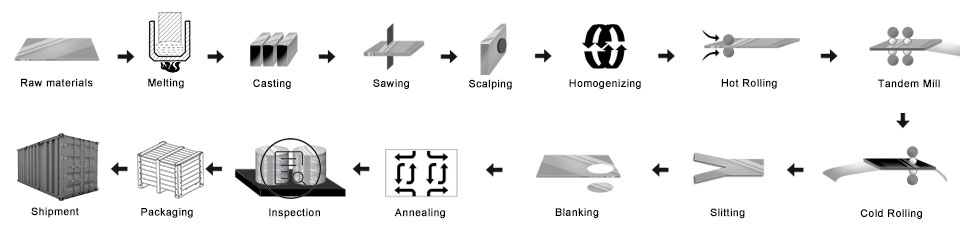
- Подготовьте лигатуры
- Плавильная печь: положить сплавы в плавильную печь
- Литой алюминиевый слиток DC: Сделать материнский слиток
- Измельчите алюминиевый слиток: сделать поверхность и бока гладкими
- Отопительная печь
- Стан горячей прокатки: сделал материнскую катушку
- Холодно-прокатный стан: материнская катушка была раскатана той толщины, которую вы хотите купить
- Процесс штамповки: стань того размера, который ты хочешь
- Печь отжига: изменить характер
- Окончательная проверка
- Упаковка: деревянный ящик или деревянный поддон
- Доставка
Контроль качества
Гарантия Ниже будет проведена проверка на производстве.
- а. обнаружение лучей—РТ;
- б. ультразвуковой контроль—ЮТ;
- с. Магнитопорошковое тестирование-МТ;
- д. тестирование на проникновение-PT;
- е. вихретоковая дефектоскопия-ET
1) Будьте свободны от масляных пятен, Вмятина, Включение, Царапины, Пятно, Изменение цвета оксида, Перерывы, Коррозия, Метки рулона, Полосы грязи, и другие дефекты, которые будут мешать использованию.
2) Поверхность без черной линии, чистый, периодическое пятно, дефекты печати на роликах, например, другие стандарты внутреннего контроля GKO.
Упаковка алюминиевых дисков:
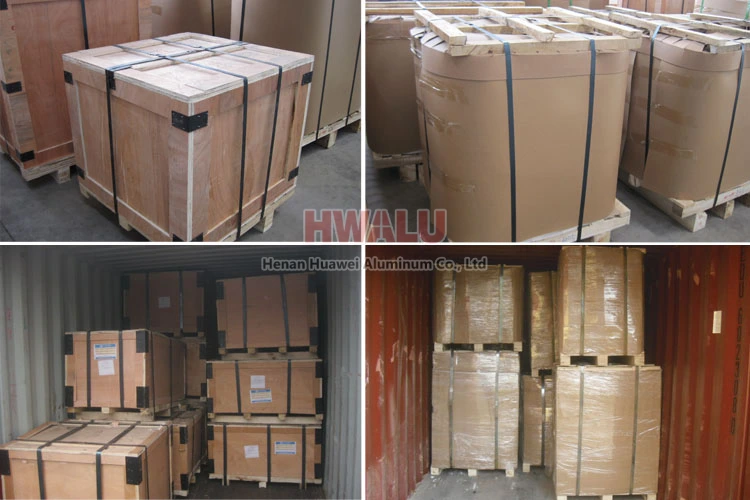
Алюминиевые круги могут быть упакованы по экспортным стандартам., накрытие коричневой бумагой и полиэтиленовой пленкой. Окончательно, Алюминиевый круглый фиксируется на деревянном поддоне/деревянном ящике.
- Поместите сушилки сбоку от алюминиевого круга., держите продукты сухими и чистыми.
- Используйте чистую пластиковую бумагу., упаковать алюминиевый круг, сохранять хорошую герметизацию.
- Используйте бумагу из змеиной кожи., упаковать поверхность пластиковой бумаги, сохранять хорошую герметизацию.
- Следующий, есть два способа упаковки: Один из способов – упаковка на деревянных поддонах., используя хрустящую бумагу, упаковывающую поверхность; Другой способ – упаковка в деревянный ящик., используя деревянный ящик, упаковывающий поверхность.
- Окончательно, положите стальной ремень на поверхность деревянного ящика, сохранение прочности и безопасности деревянного ящика.
Алюминиевый круг Хэнань Huawei Aluminium. соответствовать экспортному стандарту. Пластиковая пленка и коричневая бумага могут быть покрыты по желанию клиентов.. Более того, используется деревянный ящик или деревянный поддон для защиты продукции от повреждений во время доставки.. Есть два вида упаковки, которые глаза в стену или глаза в небо. Клиенты могут выбрать любой из них для своего удобства.. Вообще говоря, есть 2 тонн в одной упаковке, и загрузка 18-22 тонн в контейнере 1х20 футов, и 20-24 тонн в контейнере 1х40 футов.
Почему выбирают нас?
Чтобы идти в ногу со временем, HWALU продолжает внедрять современное оборудование и технику для повышения своей конкурентоспособности.. Всегда придерживайтесь бизнес-философии качества как центра и клиента в первую очередь., поставлять продукцию серии алюминиевых дисков высочайшего качества во все части мира.. Более …

