का तुलनात्मक अनुप्रयोग विश्लेषण 1060 एल्यूमिनियम डिस्क बनाम 1100 आधुनिक विनिर्माण में एल्यूमिनियम डिस्क
1. परिचय
एल्यूमिनियम डिस्क, इसे एल्यूमीनियम सर्कल या गोल रिक्त स्थान भी कहा जाता है, कुकवेयर निर्माण में मूलभूत अर्ध-तैयार सामग्री बनी हुई है, विद्युत आवास, दबाव-वाहिका घटक, और डीप-ड्रा पैकेजिंग. व्यावसायिक रूप से शुद्ध एल्यूमीनियम ग्रेडों में से, 1060 एल्यूमीनियम डिस्क तथा 1100 एल्यूमीनियम डिस्क अपनी उच्च निर्माण क्षमता के कारण वैश्विक मांग पर हावी हैं, जंग प्रतिरोध, और व्यापक प्रसंस्करण अनुकूलनशीलता. 1xxx श्रृंखला एल्यूमीनियम परिवार के हिस्से के रूप में उनकी समानता के बावजूद, उनकी सूक्ष्म संरचना, अशुद्धता रचना, और डाउनस्ट्रीम व्यवहार में काफी भिन्नता होती है - जिसके परिणामस्वरूप विनिर्माण उद्योगों में विशिष्ट अनुप्रयोग उपयुक्तता.
चूँकि कुकवेयर और उपभोक्ता उत्पादों में स्टील की जगह हल्के पदार्थ लगातार ले रहे हैं, के बीच सूक्ष्म अंतर को समझना 1060 तथा 1100 प्रेस प्रदर्शन को अनुकूलित करने का लक्ष्य रखने वाले इंजीनियरों के लिए मिश्र धातुएँ महत्वपूर्ण हो जाती हैं, स्क्रैप दर कम करें, और अंतिम-उत्पाद विश्वसनीयता में सुधार करें. यह आलेख एक व्यापक तकनीकी तुलना करता है - जिसमें रासायनिक संरचना भी शामिल है, यांत्रिक विशेषताएं, गहरा प्रदर्शन, सतह की गुणवत्ता की आवश्यकताएँ, थर्मल व्यवहार, और विशिष्ट अनुप्रयोग फ़ील्ड. डेटा-संचालित विश्लेषण और विस्तृत विनिर्माण मामले के अध्ययन के माध्यम से, हम स्पष्ट करते हैं कि निर्माताओं को इनमें से कैसे चयन करना चाहिए 1060 तथा 1100 प्रक्रिया की माँगों के आधार पर, उत्पाद ज्यामिति, उत्पादन क्षमता, और लागत संबंधी विचार.

2. का अवलोकन 1060 एल्यूमिनियम डिस्क
1060 एल्युमीनियम व्यावसायिक रूप से शुद्ध एल्युमीनियम युक्त श्रेणी से संबंधित है 99.6% अली. अति-निम्न अशुद्धता सामग्री के साथ, यह असाधारण विद्युत चालकता और उच्च लचीलापन प्रदान करता है, इसे विशेष रूप से उपयुक्त बनाना:
- ग़हरी कला
- कताई
- झुकने
- मुद्रांकन
- पॉलिशिंग और एनोडाइजिंग अनुप्रयोग
कुकवेयर में इसका व्यापक रूप से उपयोग किया जाता है (बर्तन, पैन, केटल्स), रिफ्लेक्टर, और इलेक्ट्रॉनिक्स.
मेज़ 1. की प्रमुख विशेषताएँ 1060 एल्यूमिनियम डिस्क
| संपत्ति श्रेणी |
विवरण |
| पवित्रता |
99.6% अल्युमीनियम (बहुत ऊँचा) |
| यांत्रिक व्यवहार |
बेहद नरम, उत्कृष्ट लचीलापन, कम उपज शक्ति |
| गहरा चित्रण करने की क्षमता |
असाधारण; बड़े विरूपण के लिए आदर्श |
| गर्मी प्रतिरोध |
निम्न-से-मध्यम तापमान वाले कुकवेयर के लिए अच्छा है |
| संक्षारण प्रतिरोध |
उच्च, विशेष रूप से पानी और हल्के रसायनों के लिए |
| लागत |
से कम 1100 |
| सामान्य स्वभाव |
हे, एच12, एच14, एच18 |
3. का अवलोकन 1100 एल्यूमिनियम डिस्क
1100 एल्यूमीनियम शामिल है 99.0% अल्युमीनियम, थोड़ी अधिक अशुद्धियों के साथ-मुख्य रूप से 0.05-0.20% तांबा, जो संक्षारण प्रदर्शन को कम किए बिना ताकत में सुधार करता है. के साथ तुलना 1060, 1100 ऑफर:
- उच्च तन्यता ताकत
- बेहतर थकान प्रतिरोध
- थोड़ी कम फॉर्मेबिलिटी
- कुछ मिश्रित ग्रेडों की तुलना में उच्च तापीय चालकता
ये विशेषताएँ बनाती हैं 1100 के लिए उपयुक्त:
- औद्योगिक कंटेनर
- रासायनिक उपकरण
- हीट एक्सचेंजर घटक
- उच्च दबाव वाले कुकवेयर और संरचनात्मक आवास
मेज़ 2. की प्रमुख विशेषताएँ 1100 एल्यूमिनियम डिस्क
| संपत्ति श्रेणी |
विवरण |
| पवित्रता |
99.0% अल्युमीनियम |
| यांत्रिक व्यवहार |
की तुलना में मजबूत 1060, मध्यम लचीलापन |
| गहरा चित्रण करने की क्षमता |
अच्छा है लेकिन उससे कम 1060 |
| थकान प्रतिरोध |
से बेहतर 1060 |
| ताकत |
Cu की उपस्थिति के कारण अधिक |
| सामान्य स्वभाव |
हे, एच14, H16, एच18 |
| आदर्श उपयोग |
दबाव वाहिकाओं, औद्योगिक कुकवेयर, रासायनिक टैंक |
4. रासायनिक संरचना तुलना
दोनों 1xxx श्रृंखला से संबंधित होने के बावजूद, छोटे तत्व प्रक्रिया और अनुप्रयोग व्यवहार को निर्धारित करते हैं. तांबे की उपस्थिति 1100 प्राथमिक विभेदक है, बढ़ी हुई ताकत और थकान प्रतिरोध प्रदान करना.
मेज़ 3. रासायनिक संरचना (विशिष्ट मूल्य)
| मिश्र धातु |
अली (%) |
साथ में (%) |
और (%) |
फ़े (%) |
एम.एन. (%) |
Zn (%) |
अन्य |
| 1060 |
99.6 |
≤0.05 |
≤0.25 |
≤0.35 |
0 |
0 |
≤0.03 |
| 1100 |
99.0 |
0.05-0.20 |
≤0.95 |
≤0.95 |
≤0.05 |
≤0.10 |
≤0.15 |
मुख्य अंतर्दृष्टि:
NS 0.05-0.20% तांबा में सामग्री 1100 ताकत और दबाव प्रतिरोध में उल्लेखनीय वृद्धि करता है, जहां यह इसे औद्योगिक और संरचनात्मक अनुप्रयोगों के लिए उपयुक्त बनाता है 1060 बहुत आसानी से विकृत हो सकता है.
5. यांत्रिक गुणों की तुलना
यांत्रिक व्यवहार स्टैम्पिंग में डिस्क के प्रदर्शन को सीधे प्रभावित करता है, कताई, और डीप-ड्राइंग ऑपरेशन.
मेज़ 4. यांत्रिक गुणों की तुलना (विशिष्ट हे स्वभाव)
| संपत्ति |
1060-हे |
1100-हे |
| तन्यता ताकत (एमपीए) |
55-95 |
70-120 |
| नम्य होने की क्षमता (एमपीए) |
15-35 |
25-60 |
| बढ़ाव (%) |
30-45 |
25-35 |
| कठोरता (मॉडिफ़ाइड अमेरिकन प्लान) |
17-25 |
19-30 |
मुख्य टिप्पणियाँ:
- 1060 बेहतर लचीलापन है, बड़े विरूपण वाले गहरे-खींचने वाले कुकवेयर के लिए इसे और अधिक उपयुक्त बनाना (जैसे, बर्तन, बेसिन-प्रकार का कुकवेयर).
- 1100 अधिक बलवान है, औद्योगिक लेमिनेशन के लिए आदर्श, हेवी-ड्यूटी कुकवेयर, और दबाव सहने वाले घटक.
6. गहरी ड्राइंग और स्पिनिंग प्रदर्शन
यह अनुभाग वास्तविक दुनिया के प्रसंस्करण निहितार्थों को शामिल करता है.
6.1 गहरा चित्रण व्यवहार
- 1060 एल्यूमीनियम डिस्क अपनी कोमलता और उच्च बढ़ाव के कारण एकल और बहु-चरणीय ड्राइंग में असाधारण रूप से अच्छा प्रदर्शन करते हैं.
- 1100 एल्यूमीनियम डिस्क गहरा भी खींचा जा सकता है, लेकिन अधिक ताकत और अधिक घर्षण प्रतिरोध के कारण टूलींग का घिसाव बढ़ जाता है.
मेज़ 5. डीप ड्राइंग प्रदर्शन रेटिंग
| मिश्र धातु |
सिंगल डीप ड्रा |
मल्टी-स्टेप डीप ड्रा |
क्रैकिंग का खतरा |
विशिष्ट अनुप्रयोग |
| 1060 |
उत्कृष्ट |
उत्कृष्ट |
बहुत कम |
बर्तन, पैन, प्रकाश परावर्तक |
| 1100 |
अच्छा |
मध्यम |
निम्न-से-मध्यम |
औद्योगिक कुकवेयर, रासायनिक कंटेनर |

7. भूतल उपचार संगतता
दोनों मिश्र धातुएँ अलग-अलग प्रतिक्रिया करती हैं:
- एनोडाइजिंग
- चमकाने
- कलई करना
- एचिंग
चमकाने का प्रदर्शन
- 1060 एक हासिल करता है दर्पण जैसी सतह अत्यधिक उच्च शुद्धता के कारण.
- 1100 अच्छी तरह से पॉलिश करता है लेकिन तांबे की मात्रा के कारण टोन में थोड़ा बदलाव हो सकता है.
एनोडाइजिंग व्यवहार
- 1060 अधिक समान ऑक्साइड परतें उत्पन्न करता है, चिंतनशील कुकवेयर के लिए आदर्श.
- 1100 एक सख्त एनोडाइज्ड सतह देता है लेकिन थोड़े गहरे रंग के साथ.
8. लागत और बाज़ार उपलब्धता
बाज़ार अंतर्दृष्टि
1060 कुकवेयर और प्रकाश व्यवस्था में व्यापक उपयोग के कारण विश्व स्तर पर एल्युमीनियम डिस्क का उत्पादन मात्रा अधिक है, उन्हें थोड़ा सस्ता बनाना.
मेज़ 6. लागत तुलना (लगभग. उद्योग अनुपात)
| मिश्र धातु |
सापेक्ष कीमत |
बाज़ार उपलब्धता |
वैश्विक मांग |
| 1060 |
कम |
बहुत ऊँचा |
बहुत ऊँचा |
| 1100 |
मध्यम |
उच्च |
उच्च |
9. अनुप्रयोग उपयुक्तता अंतर
दो मिश्रधातुओं के बीच चयन करने वाले इंजीनियरों के लिए यह सबसे महत्वपूर्ण हिस्सा है.
9.1 अनुप्रयोगों के लिए आदर्श 1060 एल्यूमिनियम डिस्क
- मानक घरेलू कुकवेयर
- केतली निकाय
- लचीले प्रकाश परावर्तक
- खाद्य कंटेनरों को गहराई से खींचे
- पंखा का ब्लेड
- एल्युमिनियम के चिन्ह
- कम ताकत वाले औद्योगिक आवास
9.2 अनुप्रयोगों के लिए आदर्श 1100 एल्यूमिनियम डिस्क
- उच्च दबाव वाले कुकवेयर
- रासायनिक भंडारण टैंक
- पाइप इन्सुलेशन जैकेट
- औद्योगिक ताप विनिमायक
- मल्टी-लेयर कुकवेयर बॉटम्स
- उच्च तापमान वाले औद्योगिक परावर्तक
- गर्मी प्रतिरोधी पैकेजिंग सामग्री
मेज़ 7. आवेदन अनुशंसा मैट्रिक्स
| आवेदन का प्रकार |
1060 सिफारिश |
1100 सिफारिश |
| घरेलू कुकवेयर |
★★★★★ |
★★★ |
| औद्योगिक कुकवेयर |
★★★ |
★★★★★ |
| रासायनिक कंटेनर |
★★ |
★★★★★ |
| रिफ्लेक्टर |
★★★★★ |
★★★ |
| खाद्य पैकेजिंग को गहराई से ड्रा करें |
★★★★★ |
★★★ |
| उच्च दबाव वाले बर्तन |
★★ |
★★★★★ |
| कताई-गहन घटक |
★★★★★ |
★★★ |
10. तापीय चालकता और ताप वितरण
दोनों मिश्रधातुएँ उत्कृष्ट तापीय चालकता प्रदर्शित करती हैं, लेकिन ताप-संवेदनशील अनुप्रयोगों में मामूली अंतर मायने रखता है.
तापीय विशेषताएँ
- 1060 अत्यधिक समान ताप वितरण प्रदान करता है - समान ताप वाले कुकवेयर के लिए आदर्श.
- 1100 तापमान में उतार-चढ़ाव के तहत थोड़ी कम तापीय एकरूपता लेकिन बेहतर यांत्रिक स्थिरता प्रदान करता है.
मेज़ 8. तापीय संपत्ति तुलना
| संपत्ति |
1060 |
1100 |
| ऊष्मीय चालकता (डब्ल्यू/एम·के) |
234 |
222 |
| ताप की गुंजाइश |
उच्च |
उच्च |
| ताप विरूपण प्रतिरोध |
मध्यम |
उच्च |
11. प्रपत्र, कठोर व्यवहार का कार्य करें, और प्रसंस्करण प्रतिक्रिया
कैसे समझें 1060 तथा 1100 उच्च निर्माण दक्षता चाहने वाले निर्माताओं के लिए यांत्रिक संचालन के दौरान एल्यूमीनियम डिस्क की प्रतिक्रिया आवश्यक है, कम स्क्रैप दर, और सुसंगत उत्पाद ज्यामिति. गठन तंत्र, कार्य-सख्त करने की विशेषताएँ, और तनाव संवेदनशीलता की दर दोनों मिश्र धातुओं के बीच काफी भिन्न होती है.
11.1 कार्य सख्त करने की विशेषताएँ
ठंड के दौरान एल्युमीनियम मिश्रधातुएँ मजबूत हो जाती हैं क्योंकि अव्यवस्थाएँ कई गुना बढ़ जाती हैं, कठोरता में सुधार लेकिन लचीलापन कम करना. कठोरीकरण कार्य की डिग्री मिश्रधातुओं को अलग करती है:
मेज़ 9. कार्य सख्त तुलना
| मिश्र धातु |
कार्य कठोरता दर |
कोमलता प्रतिधारण |
एकाधिक ड्राइंग चरणों के लिए उपयुक्तता |
| 1060 |
कम |
उच्च |
उत्कृष्ट |
| 1100 |
मध्यम |
मध्यम |
अच्छा लेकिन अधिक उपकरण घिसावट |
विश्लेषण:
- 1060कार्य सख्त करने की दर कम है, अर्थात् पर्याप्त विकृति के बाद भी, यह लचीलापन बरकरार रखता है और भंगुर नहीं होता है.
- 1100 तांबे की मात्रा के कारण वर्क अधिक तेजी से कठोर होता है, ताकत में सुधार लेकिन मल्टी-स्टेज गहरी ड्राइंग के लिए मध्यवर्ती एनीलिंग की आवश्यकता होती है.
11.2 तनाव दर संवेदनशीलता
तनाव दर संवेदनशीलता यह नियंत्रित करती है कि मिश्रधातु तेज बनाम तेज गति के तहत कैसे प्रतिक्रिया करता है. धीमी विकृति.
- 1060 अल्युमीनियम विभिन्न तनाव दरों पर एक स्थिर प्रतिक्रिया प्रदर्शित करता है, स्थानीयकृत पतलेपन के जोखिम के बिना तेजी से मुद्रांकन की अनुमति.
- 1100 अल्युमीनियम धीमी गति से बेहतर प्रदर्शन करता है, नियंत्रित ड्रॉ गति जहां संरचनात्मक अखंडता के लिए इसके उच्च कार्य सख्तता का लाभ उठाया जा सकता है.
इसलिए 1060 स्वचालित हाई-स्पीड कुकवेयर स्टैम्पिंग लाइनों के लिए आदर्श है, जबकि 1100 औद्योगिक टैंक निर्माण कार्यों में इसे प्राथमिकता दी जाती है जहां खींचने की गहराई मध्यम है लेकिन संरचनात्मक मजबूती महत्वपूर्ण है.
12. एनीलिंग व्यवहार और स्वभाव अनुकूलता
ठंडे काम के बाद एनीलिंग मिश्रधातु को नरम कर देता है, लचीलापन बहाल करता है, और अनाज की संरचना को स्थिर करता है. प्रसंस्करण इंजीनियरों को प्रदर्शन को अधिकतम करने के लिए सही स्वभाव का चयन करना होगा.
12.1 एनीलिंग विशेषताएँ
मेज़ 10. एनीलिंग प्रतिक्रिया
| मिश्र धातु |
पूर्ण एनील तापमान |
अपने पास रखने की अवधि |
अनाज के आकार की एकरूपता |
पोस्ट-एनील लचीलापन |
| 1060 |
350-410°C |
1-2 घंटे |
बहुत ऊँचा |
उत्कृष्ट |
| 1100 |
350-430°C |
1-3 घंटे |
उच्च |
बहुत अच्छा |
मुख्य नोट्स:
- 1100 तांबे से संबंधित पुनर्क्रिस्टलीकरण व्यवहार के कारण थोड़ी व्यापक तापमान सीमा और लंबे समय तक धारण करने की आवश्यकता होती है.
- 1060 एकरूपता प्राप्त करता है, बारीक दाने जो गहराई से खींचने की क्षमता को बढ़ाते हैं.
12.2 विनिर्माण में प्रयुक्त सामान्य टेम्पर्स
मेज़ 11. सामान्य स्वभाव और उनके अनुप्रयोग
| मनोवृत्ति |
1060 अनुप्रयोग |
1100 अनुप्रयोग |
| हे |
डीप-ड्रा कुकवेयर, रिफ्लेक्टर |
प्रेशर कुकवेयर, रासायनिक टैंक |
| एच12 |
मध्यम ड्रा घटक |
संरचनात्मक आवास |
| एच14 |
कताई उत्पाद |
मध्यम-शक्ति वाले खाद्य कंटेनर |
| एच18 |
लक्षण, नेमप्लेट |
औद्योगिक इन्सुलेशन जैकेट |
तड़का लगाना उत्पाद चयन को बहुत प्रभावित करता है. उदाहरण के लिए:
- एक 1060-ओ डिस्क केतली बॉडी के लिए आदर्श है जिसमें कई ड्राइंग ऑपरेशन की आवश्यकता होती है.
- एक 1100-H14 डिस्क मध्यम संरचनात्मक कठोरता की आवश्यकता वाले औद्योगिक हीट शील्ड के लिए बेहतर है.

13. सतह की गुणवत्ता आवश्यकताएँ और परावर्तनशीलता
सतह की फिनिश सौंदर्यशास्त्र और प्रदर्शन दोनों को प्रभावित करती है, विशेषकर कुकवेयर में, प्रकाश परावर्तक, और सजावटी अनुप्रयोग.
13.1 परावर्तन प्रदर्शन
मेज़ 12. परावर्तनशीलता में अंतर
| मिश्र धातु |
पॉलिश परावर्तन |
एनोडाइज्ड परावर्तन |
सर्वोत्तम उपयोग |
| 1060 |
बहुत ऊँचा |
बहुत ऊँचा |
प्रकाश, कुकवेयर अंदरूनी |
| 1100 |
उच्च |
मध्यम |
औद्योगिक परावर्तक, आवास |
क्यों 1060 बेहतर प्रदर्शन करता है:
अल्ट्रा-उच्च एल्यूमीनियम शुद्धता सूक्ष्म दोषों को कम करती है, मिरर-ग्रेड पॉलिशिंग को सक्षम करना.
13.2 मुद्रांकन के बाद सतह का खुरदरापन
मेज़ 13. सतह का खुरदरापन (आरए) गठन के बाद
| मिश्र धातु |
सिंगल ड्रा रा (माइक्रोन) |
मल्टी-ड्रा रा (माइक्रोन) |
कताई रा (माइक्रोन) |
| 1060 |
0.25–0.35 |
0.30–0.45 |
0.25-0.30 |
| 1100 |
0.30–0.45 |
0.35–0.55 |
0.28–0.40 |
निम्न Ra मान सहसंबद्ध होते हैं:
- बेहतर कोटिंग आसंजन
- उच्च परावर्तनशीलता
- कुकवेयर की आंतरिक सतहों में घर्षण कम हो गया
1060 इसलिए प्रीमियम कुकवेयर और लाइटिंग में उत्कृष्टता प्राप्त करता है.
14. ताकत, थकान प्रतिरोध, और संरचनात्मक व्यवहार
चक्रीय भार वाले अनुप्रयोगों में थकान प्रतिरोध एक महत्वपूर्ण कारक है, यांत्रिक कंपन, या थर्मल साइकलिंग.
14.1 ताकत का अंतर समझाया गया
1100तांबे की मामूली मात्रा बढ़ जाती है:
- तन्यता ताकत
- नम्य होने की क्षमता
- थकान प्रतिरोध
यह इसे इसके लिए बेहतर अनुकूल बनाता है:
- प्रैशर कूकर
- औद्योगिक टैंक के ढक्कन
- भार वहन करने वाले आवास
मेज़ 14. संरचनात्मक प्रदर्शन तुलना
| प्रदर्शन श्रेणी |
1060 |
1100 |
| स्थैतिक भार शक्ति |
मध्यम |
उच्च |
| कंपन थकान |
मध्यम |
उच्च |
| थर्मल थकान |
मध्यम |
उच्च |
| संघात प्रतिरोध |
उच्च |
मध्यम |
15. संक्षारण व्यवहार और रासायनिक प्रतिरोध
दोनों मिश्र धातुएं संक्षारण का अच्छी तरह से प्रतिरोध करती हैं, लेकिन विशिष्ट वातावरण में मतभेद उत्पन्न होते हैं.
15.1 सामान्य संक्षारण प्रदर्शन
- 1060: पानी के प्रति उत्कृष्ट प्रतिरोध, भाप, कार्बनिक अम्ल
- 1100: उत्कृष्ट भी, Cu उपस्थिति के कारण क्लोराइड-भारी वातावरण में प्रतिरोध थोड़ा कम हो जाता है
मेज़ 15. संक्षारण उपयुक्तता
| अनुप्रयोग वातावरण |
1060 उपयुक्तता |
1100 उपयुक्तता |
| तटस्थ जल |
★★★★★ |
★★★★★ |
| खाद्य अम्ल |
★★★★★ |
★★★★ |
| क्लोराइड |
★★★★ |
★★★ |
| औद्योगिक रसायन |
★★★ |
★★★★★ |
| वायुमंडलीय जोखिम |
★★★★★ |
★★★★★ |
16. उच्च तापमान व्यवहार और थर्मल साइक्लिंग
16.1 ताप प्रतिरोध तुलना
1060 उत्कृष्ट तापीय चालकता बनाए रखता है लेकिन कोमलता के कारण बार-बार उच्च ताप चक्र के तहत ख़राब हो सकता है.
1100, अधिक ताकत रखने वाला, नीचे आकार को बेहतर बनाए रखता है:
- उच्च ज्वाला तापमान
- तापीय प्रवणताएँ
- तीव्र ताप-शीतलन चक्र
यही कारण है कि औद्योगिक कुकवेयर निर्माता अक्सर चुनते हैं 1100 प्रेशर कुकर के ढक्कन के लिए चयन करते समय 1060 केतली निकायों के लिए.
17. वेल्डिंग, टांकना, में शामिल होने से, और कोटिंग व्यवहार
निर्माताओं को जुड़ने की तकनीक के साथ अनुकूलता पर विचार करना चाहिए.
17.1 जुड़ने की योग्यता
दोनों मिश्रधातुओं का उपयोग करके वेल्ड करना आसान है:
- छूत
- मुझे
- प्रतिरोध वेल्डिंग
हालाँकि:
- 1060 स्वच्छ वेल्ड क्षेत्र उत्पन्न करता है
- 1100 तांबे से प्रेरित ताकत बढ़ने के कारण मजबूत वेल्ड प्रदान करता है
मेज़ 16. वेल्डिंग व्यवहार
| संपत्ति |
1060 |
1100 |
| वेल्ड सफाई |
उत्कृष्ट |
अच्छा |
| वेल्ड ताकत |
मध्यम |
उच्च |
| पोस्ट-वेल्ड फॉर्मैबिलिटी |
उत्कृष्ट |
मध्यम |

18. कुकवेयर विनिर्माण में प्रदर्शन (गहन विश्लेषण)
विश्व स्तर पर एल्युमीनियम डिस्क के लिए कुकवेयर सबसे बड़ा खपत क्षेत्र बना हुआ है.
18.1 क्यों 1060 घरेलू कुकवेयर पर हावी है
कारणों में शामिल हैं:
- अल्ट्रा-उच्च बढ़ाव दरार के जोखिम को कम करता है
- चिकनी सतह पॉलिशिंग या कोटिंग के लिए आदर्श है
- उच्च तापीय चालकता समान ताप सुनिश्चित करती है
- कम लागत से प्रतिस्पर्धात्मकता में सुधार होता है
- बर्तनों और धूपदानों में बड़े विरूपण के लिए आदर्श
18.2 क्यों 1100 औद्योगिक या उच्च दबाव वाले कुकवेयर में लोकप्रिय है
निर्माता चुनते हैं 1100 कब:
- ताकत की आवश्यकताएं 1060 की क्षमता से अधिक हैं
- कुकवेयर को थकान प्रतिरोध की आवश्यकता होती है (दबाव वाहिकाओं)
- औद्योगिक वातावरण में अनेक तापीय चक्र होते हैं
- लोड के तहत आयामी स्थिरता महत्वपूर्ण है
19. औद्योगिक अनुप्रयोग: रासायनिक, एचवीएसी, और संरचनात्मक
19.1 रासायनिक भंडारण अनुप्रयोग
1100 एल्यूमीनियम डिस्क को प्राथमिकता दी जाती है:
- रासायनिक टैंक अंत टोपियां
- गैस ढक्कन
- इन्सुलेशन जैकेटिंग
- एचवीएसी निकला हुआ किनारा डिस्क
जोड़ा गया तांबा संक्षारण प्रतिरोध को कम किए बिना संरचनात्मक अखंडता को बढ़ाता है.
19.2 एचवीएसी और हीट एक्सचेंजर घटक
एल्युमीनियम के तापीय गुण दोनों मिश्र धातुओं को उपयुक्त बनाते हैं, लेकिन:
- 1060 इसका उपयोग वहां किया जाता है जहां परावर्तनशीलता और फॉर्मेबिलिटी मायने रखती है
- 1100 इसका उपयोग वहां किया जाता है जहां ताकत और कंपन थकान प्रमुख हैं
20. प्रकाश, प्रतिक्षेपक, और सजावटी अनुप्रयोग
20.1 परावर्तक उत्पादन
प्रकाश परावर्तकों की आवश्यकता है:
- उच्च परावर्तन
- सौम्य सतह
- उत्कृष्ट स्पिन बनाने की क्षमता
यहीं पर 1060 अत्यधिक उत्कृष्टता प्राप्त करता है.
मेज़ 17. परावर्तक सामग्री रेटिंग
| प्रदर्शन श्रेणी |
1060 रेटिंग |
1100 रेटिंग |
| चमकाने |
★★★★★ |
★★★★ |
| सतह की चमक |
★★★★★ |
★★★ |
| स्पिन फॉर्मेबिलिटी |
★★★★★ |
★★★★ |
| वजन अनुकूलन |
★★★★★ |
★★★★★ |
21. वहनीयता, recyclability, और पर्यावरण संबंधी विचार
दोनों मिश्रधातुएँ अत्यधिक पुनर्चक्रण योग्य हैं, से अधिक के साथ 90% जीवन समाप्ति प्रसंस्करण के बाद पुनर्चक्रण दर.
हालाँकि:
- 1060 है रीसायकल करना आसान कम मिश्रधातु तत्वों के कारण.
- 1100 आवश्यक है थोड़ा और परिष्कृत तांबे के कारण लेकिन मजबूत पुनर्नवीनीकरण उत्पाद प्राप्त होते हैं.
22. वास्तविक दुनिया के मामले का अध्ययन (विनिर्माण उदाहरण)
केस स्टडी 1: वियतनाम में कुकवेयर फैक्ट्री
एक प्रमुख कुकवेयर निर्माता से संक्रमण हुआ:
- 1100 केतली निकायों के लिए → 1060
कारण:
- इसमें स्विच हो रहा है 1060 गहरी ड्राइंग के दौरान क्रैकिंग दर कम हो गई 3.2% प्रति 0.4%
- उत्पादन की गति में वृद्धि
- दर्पण चमकाने की गुणवत्ता में सुधार
केस स्टडी 2: तुर्की में औद्योगिक दबाव पोत ब्रांड
से स्विच किया गया:
- 1060 प्रति 1100 औद्योगिक कुकर ढक्कन के लिए
नतीजा:
- ताकत बढ़ गयी 18%
- जहाज का जीवनकाल किसके द्वारा बढ़ाया गया? 22%
- दबाव पोत मानदंडों के अनुपालन में सुधार हुआ
एल्यूमीनियम सर्कल के गुण:
एल्यूमिनियम सर्कल कई बाजारों के लिए उपयुक्त है, कुकवेयर सहित, मोटर वाहन और प्रकाश उद्योग, आदि।, अच्छे उत्पाद विशेषताओं के लिए धन्यवाद:
- कम अनिसोट्रॉपी, जो गहरी ड्राइंग की सुविधा प्रदान करता है
- मजबूत यांत्रिक गुण
- उच्च और सजातीय गर्मी प्रसार
- तामचीनी होने की क्षमता, PTFE द्वारा कवर किया गया (या अन्य), एनोड किए गए
- अच्छा परावर्तन
- उच्च शक्ति-से-वजन अनुपात
- जंग के लिए स्थायित्व और प्रतिरोध
एल्यूमिनियम सर्किल प्रक्रिया
पिंड/मास्टर मिश्र — मेल्टिंग फर्नेस - होल्डिंग फर्नेस — डी.सी.. कास्टर — पत्थर की पटिया —- स्कैल्पर — हॉट रोलिंग मिल - कोल्ड रोलिंग मिल - पंचिंग - एनीलिंग फर्नेस — अंतिम निरीक्षण - पैकिंग — वितरण
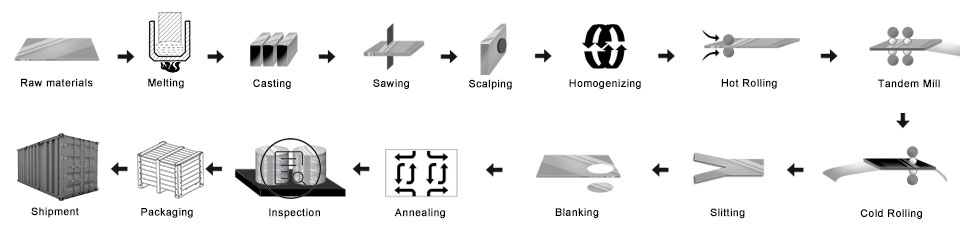
- मास्टर मिश्र तैयार करें
- पिघलती भट्टी: मिश्र धातुओं को पिघलने वाली भट्टी में डालें
- डीसी कास्ट एल्यूमीनियम पिंड: माँ को पिंड बनाने के लिए
- एल्यूमीनियम पिंड मिल: सतह और साइड को चिकना बनाने के लिए
- ताप भट्टी
- हॉट रोलिंग मिल: माँ का तार बनाया
- कोल्ड रोलिंग मिल: मदर कॉइल को उस मोटाई के रूप में रोल किया गया था जिसे आप खरीदना चाहते हैं
- छिद्रण प्रक्रिया: आप जो चाहते हैं उसका आकार बनें
- एनीलिंग भट्टी: मिजाज बदलो
- अंतिम निरीक्षण
- पैकिंग: लकड़ी के मामले या लकड़ी के फूस
- वितरण
गुणवत्ता नियंत्रण
आश्वासन नीचे निरीक्षण उत्पादन में किया जाएगा.
- ए. किरण का पता लगाना—आर टी;
- बी. अल्ट्रासोनिक परीक्षण—केन्द्र शासित प्रदेशों;
- सी. चुंबकीय कण परीक्षण-एमटी;
- डी. पैठ परीक्षण-पीटी;
- इ. एड़ी वर्तमान दोष का पता लगाने-ET
1) तेल के दाग से मुक्त रहें, काटने का निशान, समावेश, स्क्रैच, धब्बा, ऑक्साइड मलिनकिरण, ब्रेक, जंग, रोल मार्क्स, गंदगी की धारियाँ, और अन्य दोष जो उपयोग में हस्तक्षेप करेंगे.
2) काली रेखा के बिना सतह, तेज़ बाहर की रेखाओंवालअ, आवधिक दाग, रोलर मुद्रण दोष, जैसे अन्य gko आंतरिक नियंत्रण मानक.
एल्यूमिनियम डिस्क पैकिंग:
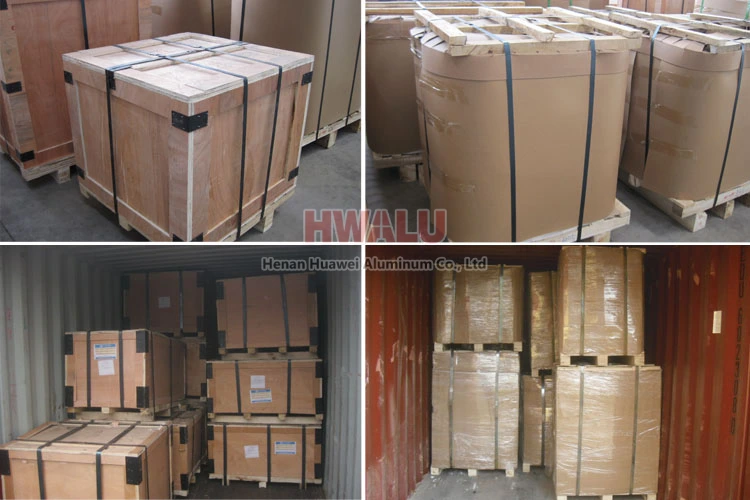
एल्यूमिनियम सर्किल निर्यात मानकों द्वारा पैक किया जा सकता है, भूरे रंग के कागज और प्लास्टिक की फिल्म के साथ कवर करना. आखिरकार, एल्यूमिनियम दौर लकड़ी के फूस / लकड़ी के मामले पर तय किया गया है.
- एल्युमिनियम सर्कल के ऊपर ड्रायर्स लगा दें, उत्पादों को सूखा और साफ रखें.
- स्वच्छ प्लास्टिक पेपर का प्रयोग करें, एल्यूमीनियम सर्कल पैक करें, सीलिंग अच्छी रखें.
- सांप की खाल के कागज का प्रयोग करें, प्लास्टिक पेपर की सतह को पैक करें, सीलिंग अच्छी रखें.
- अगला, पैकेजिंग के दो तरीके हैं: लकड़ी के फूस की पैकेजिंग का एक तरीका है, सतह को पैक करने वाले क्रस्टी पेपर का उपयोग करना; दूसरा तरीका लकड़ी के मामले की पैकेजिंग है, सतह को पैक करने वाले लकड़ी के मामले का उपयोग करना.
- आखिरकार, लकड़ी के बक्से की सतह पर स्टील की बेल्ट बिछाएं, लकड़ी के बक्से को तेज और सुरक्षित रखना.
हेनान हुआवेई एल्यूमिनियम का एल्यूमिनियम सर्कल. निर्यात मानक को पूरा करें. प्लास्टिक की फिल्म और भूरे रंग के कागज को ग्राहकों की जरूरतों पर कवर किया जा सकता है. इससे ज्यादा और क्या, डिलीवरी के दौरान उत्पादों को नुकसान से बचाने के लिए लकड़ी के मामले या लकड़ी के फूस को अपनाया जाता है. पैकेजिंग दो प्रकार की होती है, जो आंख से दीवार या आंख से आसमान की ओर हैं. ग्राहक अपनी सुविधा के लिए इनमें से किसी एक को चुन सकते हैं. आम तौर पर बोलना, वहां 2 एक पैकेज में टन, और लोड हो रहा है 18-22 1×20′ कंटेनर में टन, तथा 20-24 1×40′ कंटेनर में टन.
हमारा चयन क्यों?
समय के साथ चलने के लिए, HWALU अपनी प्रतिस्पर्धात्मकता में सुधार के लिए अत्याधुनिक उपकरण और तकनीक पेश करता रहता है. हमेशा केंद्र और ग्राहक के रूप में गुणवत्ता के व्यापार दर्शन का पालन करें, दुनिया के सभी हिस्सों में उच्चतम गुणवत्ता वाले एल्यूमीनियम डिस्क सर्कल श्रृंखला उत्पाद प्रदान करने के लिए. अधिक …

