एल्यूमिनियम सर्कल एनीलिंग प्रक्रिया समझाई गई
एल्यूमिनियम सर्कल एनीलिंग प्रक्रिया स्थिर फॉर्मैबिलिटी सुनिश्चित करने में महत्वपूर्ण भूमिका निभाता है, सुसंगत यांत्रिक गुण, और कुकवेयर और औद्योगिक घटक निर्माण के दौरान सतह की गुणवत्ता. गहरी ड्राइंग में एल्यूमीनियम सर्कल का उपयोग करने वाले निर्माताओं के लिए, कताई, या हाई-स्पीड प्रेसिंग ऑपरेशन, एनीलिंग कोई द्वितीय चरण नहीं है बल्कि एक मुख्य प्रक्रिया है जो सीधे उत्पादन उपज निर्धारित करती है, दोष दर, और विश्वसनीयता का निर्माण. अनुचित एनीलिंग नियंत्रण से अक्सर दरारें पड़ जाती हैं, संतरे के छिलके के दोष, अत्यधिक स्प्रिंगबैक, या गठन के दौरान असंगत बढ़ाव.
 जो एल्युमीनियम के गोल टुकड़े पैक किये जा रहे हैं
1. उद्योग पृष्ठभूमि और अनुप्रयोग संदर्भ
कुकवेयर में एल्युमिनियम सर्कल का व्यापक रूप से उपयोग किया जाता है, बरतन, प्रकाश परावर्तक, और औद्योगिक कंटेनर अपनी हल्की प्रकृति के कारण, जंग प्रतिरोध, और उत्कृष्ट फॉर्मेबिलिटी. हालाँकि, एल्यूमीनियम सर्कल का निर्माण प्रदर्शन केवल मिश्र धातु संरचना या मोटाई चयन पर निर्भर नहीं करता है. बजाय, यह एनीलिंग के दौरान निर्मित धातुकर्म स्थिति के प्रति अत्यधिक संवेदनशील है.
कुकवेयर निर्माण में, एल्यूमीनियम सर्कल अक्सर गहरी ड्राइंग या कताई प्रक्रियाओं के अधीन होते हैं जिनके लिए उच्च बढ़ाव और समान अनाज संरचना की आवश्यकता होती है. उचित रूप से नियंत्रित एनीलिंग प्रक्रिया के बिना, यहां तक कि उच्च शुद्धता वाली मिश्रधातुएं भी निर्माण आवश्यकताओं को पूरा करने में विफल हो सकती हैं. जैसे-जैसे उत्पादन की गति बढ़ती है और दोष सहनशीलता कम होती जाती है, एनीलिंग गुणवत्ता स्थिर और अस्थिर एल्यूमीनियम सर्कल आपूर्ति के बीच सबसे महत्वपूर्ण अंतरों में से एक बन गई है.
2. एल्यूमिनियम सर्कल सामग्री और मिश्र धातु बुनियादी बातें
स्वयं एनीलिंग का विश्लेषण करने से पहले, एल्यूमीनियम सर्कल की भौतिक नींव को समझना आवश्यक है.
एल्युमीनियम सर्किलों के लिए प्रयुक्त सामान्य मिश्र धातुएँ
| मिश्र धातु |
एल्यूमिनियम शुद्धता |
विशिष्ट अनुप्रयोग |
प्रपत्र |
| 1050 |
≥99.5% |
मानक कुकवेयर |
उत्कृष्ट |
| 1060 |
≥99.6% |
गहरी ड्राइंग कुकवेयर |
उत्कृष्ट |
| 3003 |
अल-एमएन मिश्र धातु |
हेवी-ड्यूटी कुकवेयर |
अच्छा |
| 5052 |
अल-एमजी मिश्र धातु |
सरंचनात्मक घटक |
मध्यम |
शुद्ध एल्यूमीनियम मिश्र धातु जैसे 1050 तथा 1060 अपनी कम मिश्रधातु सामग्री और सरल अनाज संरचना के कारण एनीलिंग के प्रति अत्यधिक प्रतिक्रियाशील होते हैं. मिश्रधातु ग्रेड जैसे 3003 अधिक सटीक एनीलिंग नियंत्रण की आवश्यकता होती है क्योंकि मिश्रधातु तत्व पुनर्क्रिस्टलीकरण व्यवहार और अनाज के विकास को प्रभावित करते हैं.
एनीलिंग से पहले तापमान की स्थिति
एल्युमीनियम सर्कल आमतौर पर H12 या H14 जैसी कार्य-कठोर स्थितियों में एनीलिंग प्रक्रिया में प्रवेश करते हैं. एनीलिंग का उद्देश्य इन गुस्से को नरम में बदलना है, पूरी तरह से पुनर्क्रिस्टलीकृत O टेम्परेचर बनाने के लिए उपयुक्त है.
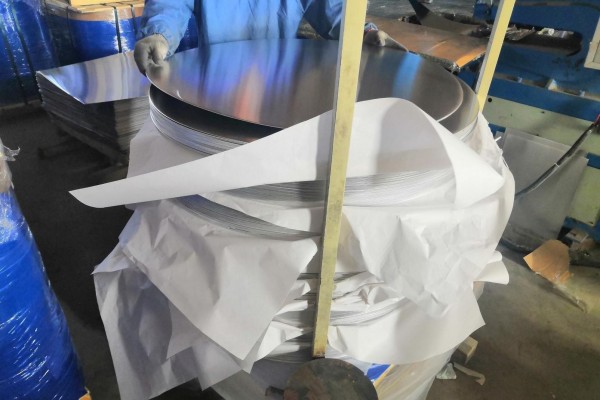 एल्यूमीनियम के गोल टुकड़ों का प्रसंस्करण समाप्त
3. एल्यूमिनियम सर्कल एनीलिंग प्रक्रिया के मुख्य सिद्धांत
एनीलिंग एक ताप उपचार प्रक्रिया है जिसे कार्य कठोरता को खत्म करने के लिए डिज़ाइन किया गया है, अनाज की संरचना को परिष्कृत करें, और लचीलापन बहाल करें.
विशिष्ट एनीलिंग प्रक्रिया प्रवाह
- एल्यूमीनियम सर्किलों को नियंत्रित तापमान सीमा तक गर्म करना
- पुन:क्रिस्टलीकरण की अनुमति देने के लिए तापमान पर धारण करना
- माइक्रोस्ट्रक्चर को स्थिर करने के लिए नियंत्रित शीतलन
मुख्य एनीलिंग पैरामीटर
| पैरामीटर |
विशिष्ट रेंज |
गठन पर प्रभाव |
| तापमान |
320-420°C |
पुनर्क्रिस्टलीकरण को नियंत्रित करता है |
| अपने पास रखने की अवधि |
1-4 घंटे |
अनाज की एकरूपता निर्धारित करता है |
| तापन दर |
मध्यम |
थर्मल विरूपण को रोकता है |
| शीतलन दर |
नियंत्रित |
अंतिम गुणों को स्थिर करता है |
एनीलिंग तापमान सबसे महत्वपूर्ण चर है. अपर्याप्त तापमान से आंशिक पुनर्क्रिस्टलीकरण होता है, जिसके परिणामस्वरूप कम बढ़ाव और असमान कठोरता होती है. अत्यधिक तापमान से अनाज की असामान्य वृद्धि हो सकती है, गहरी ड्राइंग के दौरान संतरे के छिलके में खराबी का खतरा बढ़ जाता है.
4. एनीलिंग में महत्वपूर्ण गुणवत्ता नियंत्रण बिंदु
प्रभावी एनीलिंग के लिए कई गुणवत्ता नियंत्रण संकेतकों की सख्त निगरानी की आवश्यकता होती है.
मुख्य नियंत्रण फोकस क्षेत्र
| गुणवत्ता जोखिम |
मूल कारण |
नियंत्रण विधि |
| अपूर्ण नरमी |
कम तापमान या कम समय तक रुकना |
तापमान अंशांकन |
| अनाज का मोटा होना |
अति-एनीलिंग |
ऊपरी तापमान सीमा |
| कठोरता असंगति |
असमान तापन |
फर्नेस लोडिंग नियंत्रण |
| सतह ऑक्सीकरण |
ख़राब वातावरण नियंत्रण |
सुरक्षात्मक वातावरण |
समान भट्ठी लोडिंग को अक्सर नजरअंदाज कर दिया जाता है. कम दूरी वाले स्टैक्ड एल्यूमीनियम सर्कल असमान गर्मी वितरण का कारण बन सकते हैं, एक ही बैच के भीतर कठोरता और बढ़ाव में भिन्नता पैदा करता है.
 असंसाधित एल्यूमीनियम प्लेटें
5. अनुचित एनीलिंग के कारण होने वाले सामान्य दोष
कई निर्माण विफलताओं का पता सीधे तौर पर एनीलिंग मुद्दों से लगाया जा सकता है.
विशिष्ट विफलता परिदृश्य
- गहरी ड्राइंग के दौरान क्रैकिंग: अक्सर अपर्याप्त पुनर्क्रिस्टलीकरण या अवशिष्ट कार्य सख्त होने के कारण होता है
- संतरे के छिलके की सतह: आमतौर पर उच्च एनीलिंग तापमान से अनाज की अत्यधिक वृद्धि से जुड़ा हुआ है
- गठन के दौरान झुर्रियाँ पड़ना: असमान यांत्रिक गुणों के परिणामस्वरूप
- असंगत गठन गहराई: पूरे वृत्त में कठोरता भिन्नता के कारण
ज्यादातर मामलों में, इन दोषों को निर्माण चरण में पूरी तरह से ठीक नहीं किया जा सकता है और इन्हें एनीलिंग अनुकूलन के माध्यम से संबोधित किया जाना चाहिए.
6. अनुप्रयोग-विशिष्ट एनीलिंग आवश्यकताएँ
विभिन्न अनुप्रयोग एल्यूमीनियम सर्कल पर अलग-अलग एनीलिंग आवश्यकताएं लगाते हैं.
कुकवेयर विनिर्माण
- अधिकतम बढ़ाव की आवश्यकता है
- बारीक और समान अनाज संरचना पर जोर देता है
- पूरी तरह से पुनर्क्रिस्टलीकृत ओ स्वभाव को प्राथमिकता देता है
औद्योगिक और प्रकाश अनुप्रयोग
- सतह की गुणवत्ता और आयामी स्थिरता पर ध्यान दें
- मध्यम गठन गहराई
- थोड़ी अधिक कठोरता स्वीकार्य हो सकती है
हाई-स्पीड प्रेस लाइनें रुकावटों और स्क्रैप उत्पादन से बचने के लिए विशेष रूप से एनीलिंग स्थिरता के सख्त नियंत्रण की मांग करती हैं.
7. उत्पादन और प्रबंधन संबंधी विचार
भट्ठी चक्र समाप्त होने पर उचित एनीलिंग समाप्त नहीं होती है.
प्रमुख विचारों में शामिल हैं:
- एनीलिंग के बाद यांत्रिक क्षति से बचना
- बैच ट्रैसेबिलिटी बनाए रखना
- भंडारण के दौरान संदूषण को रोकना
- यह सुनिश्चित करना कि पैकेजिंग विरूपण उत्पन्न न करे
एनीलिंग के बाद की हैंडलिंग त्रुटियां गर्मी उपचार के दौरान प्राप्त लाभों को नकार सकती हैं.
 पैकेज्ड एल्यूमीनियम डिस्क
8. निष्कर्ष
स्थिर गठन प्रदर्शन प्राप्त करने के लिए एक अच्छी तरह से नियंत्रित एल्यूमीनियम सर्कल एनीलिंग प्रक्रिया आवश्यक है, दोषों को कम करना, और निरंतर गुणवत्ता सुनिश्चित करना कुकवेयर और औद्योगिक उत्पादन. एनीलिंग तापमान का सावधानीपूर्वक प्रबंधन करके, अपने पास रखने की अवधि, और भट्ठी की स्थिति, निर्माता उपज में उल्लेखनीय सुधार कर सकते हैं और फॉर्मिंग-संबंधी विफलताओं को कम कर सकते हैं. जैसे-जैसे निर्माण आवश्यकताओं की जटिलता बढ़ती जा रही है, एल्यूमीनियम सर्कल के प्रदर्शन में एनीलिंग गुणवत्ता एक निर्णायक कारक बनी रहेगी.
एल्यूमीनियम सर्कल के गुण:
एल्यूमिनियम सर्कल कई बाजारों के लिए उपयुक्त है, कुकवेयर सहित, मोटर वाहन और प्रकाश उद्योग, आदि।, अच्छे उत्पाद विशेषताओं के लिए धन्यवाद:
- कम अनिसोट्रॉपी, जो गहरी ड्राइंग की सुविधा प्रदान करता है
- मजबूत यांत्रिक गुण
- उच्च और सजातीय गर्मी प्रसार
- तामचीनी होने की क्षमता, PTFE द्वारा कवर किया गया (या अन्य), एनोड किए गए
- अच्छा परावर्तन
- उच्च शक्ति-से-वजन अनुपात
- जंग के लिए स्थायित्व और प्रतिरोध
एल्यूमिनियम सर्किल प्रक्रिया
पिंड/मास्टर मिश्र — मेल्टिंग फर्नेस - होल्डिंग फर्नेस — डी.सी.. कास्टर — पत्थर की पटिया —- स्कैल्पर — हॉट रोलिंग मिल - कोल्ड रोलिंग मिल - पंचिंग - एनीलिंग फर्नेस — अंतिम निरीक्षण - पैकिंग — वितरण
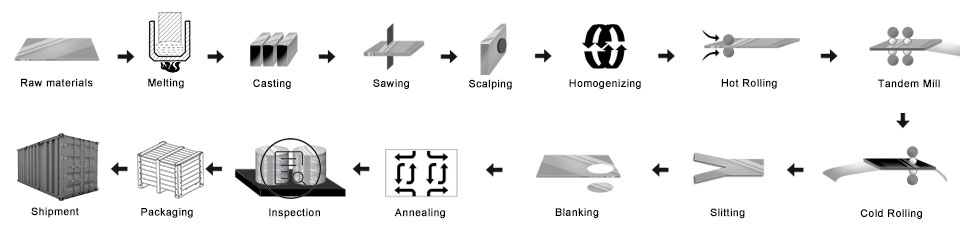
- मास्टर मिश्र तैयार करें
- पिघलती भट्टी: मिश्र धातुओं को पिघलने वाली भट्टी में डालें
- डीसी कास्ट एल्यूमीनियम पिंड: माँ को पिंड बनाने के लिए
- एल्यूमीनियम पिंड मिल: सतह और साइड को चिकना बनाने के लिए
- ताप भट्टी
- हॉट रोलिंग मिल: माँ का तार बनाया
- कोल्ड रोलिंग मिल: मदर कॉइल को उस मोटाई के रूप में रोल किया गया था जिसे आप खरीदना चाहते हैं
- छिद्रण प्रक्रिया: आप जो चाहते हैं उसका आकार बनें
- एनीलिंग भट्टी: मिजाज बदलो
- अंतिम निरीक्षण
- पैकिंग: लकड़ी के मामले या लकड़ी के फूस
- वितरण
गुणवत्ता नियंत्रण
आश्वासन नीचे निरीक्षण उत्पादन में किया जाएगा.
- ए. किरण का पता लगाना—आर टी;
- बी. अल्ट्रासोनिक परीक्षण—केन्द्र शासित प्रदेशों;
- सी. चुंबकीय कण परीक्षण-एमटी;
- डी. पैठ परीक्षण-पीटी;
- इ. एड़ी वर्तमान दोष का पता लगाने-ET
1) तेल के दाग से मुक्त रहें, काटने का निशान, समावेश, स्क्रैच, धब्बा, ऑक्साइड मलिनकिरण, ब्रेक, जंग, रोल मार्क्स, गंदगी की धारियाँ, और अन्य दोष जो उपयोग में हस्तक्षेप करेंगे.
2) काली रेखा के बिना सतह, तेज़ बाहर की रेखाओंवालअ, आवधिक दाग, रोलर मुद्रण दोष, जैसे अन्य gko आंतरिक नियंत्रण मानक.
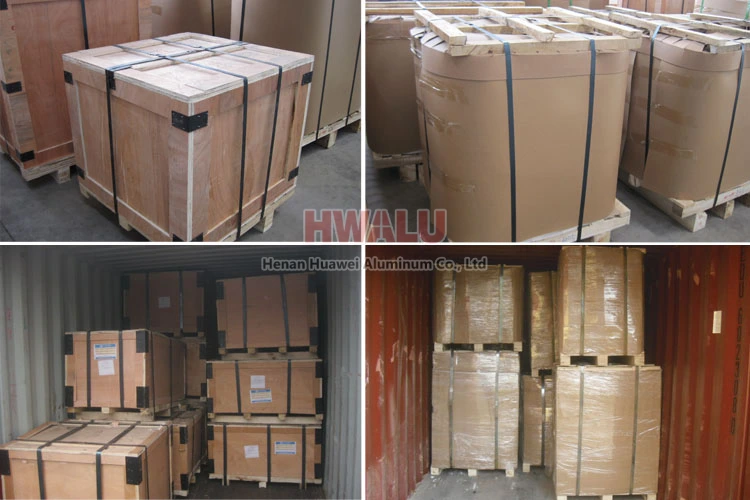
एल्यूमिनियम डिस्क पैकिंग:
एल्यूमिनियम सर्किल निर्यात मानकों द्वारा पैक किया जा सकता है, भूरे रंग के कागज और प्लास्टिक की फिल्म के साथ कवर करना. आखिरकार, एल्यूमिनियम दौर लकड़ी के फूस / लकड़ी के मामले पर तय किया गया है.
- एल्युमिनियम सर्कल के ऊपर ड्रायर्स लगा दें, उत्पादों को सूखा और साफ रखें.
- स्वच्छ प्लास्टिक पेपर का प्रयोग करें, एल्यूमीनियम सर्कल पैक करें, सीलिंग अच्छी रखें.
- सांप की खाल के कागज का प्रयोग करें, प्लास्टिक पेपर की सतह को पैक करें, सीलिंग अच्छी रखें.
- अगला, पैकेजिंग के दो तरीके हैं: लकड़ी के फूस की पैकेजिंग का एक तरीका है, सतह को पैक करने वाले क्रस्टी पेपर का उपयोग करना; दूसरा तरीका लकड़ी के मामले की पैकेजिंग है, सतह को पैक करने वाले लकड़ी के मामले का उपयोग करना.
- आखिरकार, लकड़ी के बक्से की सतह पर स्टील की बेल्ट बिछाएं, लकड़ी के बक्से को तेज और सुरक्षित रखना.
हेनान हुआवेई एल्यूमिनियम का एल्यूमिनियम सर्कल. निर्यात मानक को पूरा करें. प्लास्टिक की फिल्म और भूरे रंग के कागज को ग्राहकों की जरूरतों पर कवर किया जा सकता है. इससे ज्यादा और क्या, डिलीवरी के दौरान उत्पादों को नुकसान से बचाने के लिए लकड़ी के मामले या लकड़ी के फूस को अपनाया जाता है. पैकेजिंग दो प्रकार की होती है, जो आंख से दीवार या आंख से आसमान की ओर हैं. ग्राहक अपनी सुविधा के लिए इनमें से किसी एक को चुन सकते हैं. आम तौर पर बोलना, वहां 2 एक पैकेज में टन, और लोड हो रहा है 18-22 1×20′ कंटेनर में टन, तथा 20-24 1×40′ कंटेनर में टन.
हमारा चयन क्यों?
समय के साथ चलने के लिए, HWALU अपनी प्रतिस्पर्धात्मकता में सुधार के लिए अत्याधुनिक उपकरण और तकनीक पेश करता रहता है. हमेशा केंद्र और ग्राहक के रूप में गुणवत्ता के व्यापार दर्शन का पालन करें, दुनिया के सभी हिस्सों में उच्चतम गुणवत्ता वाले एल्यूमीनियम डिस्क सर्कल श्रृंखला उत्पाद प्रदान करने के लिए. अधिक …

