क्यों हैं? 1060 तथा 3003 रसोई के बर्तनों के लिए एल्यूमीनियम डिस्क में अक्सर मिश्रधातुओं का उपयोग किया जाता है? विभिन्न भागों के बीच भौतिक गुणों में क्या अंतर हैं??
HW-ए. परिचय: कुकवेयर के लिए एल्यूमिनियम डिस्क की मुख्य भूमिका
कुकवेयर के लिए एल्यूमीनियम डिस्क मिश्र धातुएं स्टैम्पिंग-निर्मित कुकवेयर के लिए मुख्य आधार सामग्री के रूप में काम करती हैं (वोक, स्टॉकपॉट, तडके का पात्र, आदि।). उनका मिश्र धातु चयन सीधे तापीय चालकता एकरूपता निर्धारित करता है, कठिनाई पैदा करना, सेवा जीवन, और कुकवेयर का सुरक्षा प्रदर्शन. वर्तमान में, 1060 (श्रृंखला 1 शुद्ध एल्यूमीनियम) तथा 3003 (श्रृंखला 3 एल्यूमीनियम-मैंगनीज मिश्र धातु) खत्म के लिए हिसाब 90% इस सामग्री के लिए मुख्यधारा के विकल्प के रूप में बाज़ार हिस्सेदारी का. इसके अतिरिक्त, पॉट बॉटम्स और बॉडी के बीच भौतिक अंतर के सिद्धांत पर आधारित एक परिष्कृत डिजाइन है “कार्यात्मक क्षेत्र अनुकूलन,” जो मिलकर कुकवेयर के लिए एल्यूमीनियम बेस सामग्री की तकनीकी प्रणाली बनाते हैं.

HW-बी. चुनने के मुख्य कारण 1060 तथा 3003 कुकवेयर एल्यूमिनियम डिस्क के लिए मिश्र धातु
के गुण 1060 तथा 3003 मिश्र धातुएँ कुकवेयर की विनिर्माण आवश्यकताओं के साथ अत्यधिक अनुकूल हैं, और वे बेहतर संतुलन प्रदान करते हैं “प्रदर्शन-लागत-प्रक्रिया” अन्य एल्यूमीनियम मिश्र धातुओं की तुलना में (जैसे, 5052, 6061). विशिष्ट कारणों का विश्लेषण तीन पहलुओं से किया जा सकता है:
(ए) अंतर्निहित मिश्र धातु गुण: कोर कुकवेयर आवश्यकताओं के साथ संरेखित करना
| मिश्र धातु ग्रेड |
मूल रचना (सामूहिक अंश) |
मुख्य प्रदर्शन पैरामीटर (जीबी/टी 3880.2-2022) |
अनुकूलनीय कुकवेयर आवश्यकताएँ |
| 1060 |
अल≥99.6%, अशुद्धियाँ≤0.4% |
तन्य शक्ति σb=95-120MPa, बढ़ाव δ10≥30%, तापीय चालकता λ=230W/(एम·के) (20℃) |
1. उच्च लचीलापन: पॉट निकायों के निर्माण के खिंचाव को पूरा करता है (जैसे, गहरे खींचे गए स्टॉकपॉट के चाप संक्रमण); 2. समान तापीय चालकता: λ शुद्ध एल्यूमीनियम के करीब है (237डब्ल्यू/(एम·के)), खाना पकाने के दौरान स्थानीय ज़्यादा गरम होने से बचें; 3. उच्च सतह गतिविधि: एनोडिक ऑक्सीकरण और नॉन-स्टिक कोटिंग के लिए आसान (जैसे, पीटीएफई) आवेदन, उत्कृष्ट उपस्थिति बनावट के साथ |
| 3003 |
Al≥96.5%, एमएन=1.0-1.5%, Cu≤0.2% |
तन्य शक्ति σb=120-150MPa (30% उससे ऊँचा 1060), बढ़ाव δ10≥20%, तापीय चालकता λ=190W/(एम·के) (20℃), जंग प्रतिरोध (>500सफेद जंग के बिना एच नमक स्प्रे परीक्षण) |
1. अधिक शक्ति: पॉट बॉटम्स के उच्च तापमान विरूपण का प्रतिरोध करता है (जैसे, खुली लौ हीटिंग के दौरान थर्मल विस्तार तनाव); 2. उत्कृष्ट संक्षारण प्रतिरोध: खाना पकाने के तेल से जंग को रोकता है, डिटर्जेंट (विशेषकर अम्लीय तत्व); 3. उच्च तापमान स्थिरता: 150℃ पर दीर्घकालिक उपयोग के दौरान कोई महत्वपूर्ण शक्ति क्षरण नहीं (कड़ाही के लिए 200-300℃ खाना पकाने के तापमान को अपनाना) |
(बी) कुकवेयर निर्माण प्रक्रियाओं के साथ एल्युमीनियम डिस्क सामग्री की अनुकूलता
- गठन प्रक्रिया अनुकूलता:
-
- इन कुकवेयर डिस्क के लिए एक सामग्री के रूप में, 1060उच्च बढ़ाव है (δ10≥30%) सक्षम बनाता है “एक बार का खिंचाव बनाना,” पॉट बॉडी की जटिल घुमावदार सतहों के लिए उपयुक्त (जैसे, 32 सेमी व्यास वाली एक कड़ाही में एक बर्तन की दीवार की ऊंचाई है >8से। मी). और गणनाओं को शामिल किया गया है जो शक्ति के विनियोग को भी जोड़ते हैं, यह बनने के बाद कोई स्पष्ट स्प्रिंगबैक प्रदर्शित नहीं करता है, ±0.1 मिमी तक आयामी सटीकता के साथ;
-
- के लिए 3003, इसकी संतुलित शक्ति और लचीलापन (δ10≥20%) के लिए इसे आदर्श बनायें “मुद्रांकन मोटा होना” पॉट बॉटम्स की प्रक्रिया (जैसे, भार-वहन क्षमता बढ़ाने के लिए 3 मिमी पॉट बॉटम में 2 मिमी एल्यूमीनियम डिस्क को स्टैम्प करना). विशेष रूप से, यह स्टैम्पिंग के बाद बिना एनीलिंग किए आकार की स्थिरता बनाए रखता है - इसके विपरीत 1060, जिसमें स्ट्रेचिंग के बाद आंतरिक तनाव को खत्म करने के लिए 1 घंटे के लिए 300℃ पर एनीलिंग की आवश्यकता होती है.
- पोस्ट-प्रोसेसिंग अनुकूलनशीलता:
-
- ऑक्साइड फिल्म (Al₂O₃) 1060-आधारित कुकवेयर डिस्क की सतह पर एक समान और रंगना आसान है, इसे एनोडाइज्ड रंगीन पॉट बॉडी के लिए उपयुक्त बनाता है (जैसे, मैट काला, शैम्पेन सोना) 10-15μm की फिल्म मोटाई के साथ (जैसा जीबी/टी द्वारा अपेक्षित है 8013.1);
-
- 3003-आधारित कुकवेयर डिस्क के लिए, उनकी सतह को वेल्ड करना या अन्य सामग्रियों के साथ मिश्रित करना आसान है (जैसे, स्टेनलेस स्टील चुंबकीय परत, तांबे की थर्मल परत). इसके अलावा, वेल्डेड जोड़ों पर संक्षारण प्रतिरोध में उल्लेखनीय कमी नहीं आती है, की इंडक्शन कुकर अनुकूलता आवश्यकता को पूरा करना “एल्यूमीनियम-इस्पात मिश्रित” पॉट बॉटम्स.
(सी) कुकवेयर डिस्क अनुप्रयोगों से अन्य मिश्र धातुओं को बाहर करने का तर्क
मिश्र धातुएँ क्यों होती हैं? 5052 (श्रृंखला 5 अल-एमजी मिश्र धातु) तथा 6061 (श्रृंखला 6 अल-एमजी-सी मिश्र धातु) इस कुकवेयर सामग्री के लिए नहीं चुना गया? मूल में निहित है “प्रदर्शन अधिशेष” या “कार्यात्मक बेमेल”:
- 5052: इसकी तन्य शक्ति (σb=230MPa) की तुलना में बहुत अधिक है 1060/3003, लेकिन इसका बढ़ाव कम है (δ10≤25%) खींचने के दौरान दरार पड़ने का कारण बनता है, जिससे यह जटिल पॉट बॉडी बनाने में असमर्थ हो जाता है. इसके अतिरिक्त, इसकी उच्च मैग्नीशियम सामग्री (2.2-2.8%) तापमान पर Mg₂Si वर्षा होती है >180℃, जिसके परिणामस्वरूप असमान तापीय चालकता होती है;
- 6061: इसमें उच्च कठोरता होती है (एचबी≥95) लेकिन कम तापीय चालकता (λ=160W/(एम·के)), केवल 69.6% उस का 1060, आसानी से कारण “स्थानीय हॉट स्पॉट” खाना पकाने के दौरान (जैसे, बर्तन के निचले भाग के बीच में अत्यधिक गरम होना और किनारों पर कम तापमान होना). इसके अलावा, उम्र बढ़ने के बाद इसकी खराब लचीलापन इसे मुद्रांकन के लिए अनुपयुक्त बना देती है;
- 1100 (श्रृंखला 1 शुद्ध एल्यूमीनियम): इसकी शुद्धता (Al≥99.0%) से कम है 1060, और इसकी तापीय चालकता (λ=223W/(एम·के)) थोड़ा कम है. इसका संक्षारण प्रतिरोध (300 घंटे नमक स्प्रे परीक्षण के बाद सफेद जंग दिखाई देता है) से हीन है 3003, इसलिए इसका उपयोग केवल निम्न-स्तरीय कुकवेयर में किया जाता है (जैसे, डिस्पोजेबल एल्यूमीनियम के बर्तन) और मुख्यधारा के कुकवेयर एल्यूमीनियम डिस्क सामग्री के रूप में काम नहीं कर सकता.

HW-सी. विभिन्न कुकवेयर भागों के बीच भौतिक अंतर: कुकवेयर एल्यूमिनियम डिस्क का कार्यात्मक क्षेत्र अनुप्रयोग
पॉट बॉटम्स और बॉडीज़ को काम करने की अलग-अलग परिस्थितियों का सामना करना पड़ता है (तापमान, तनाव, संक्षारण वातावरण), इसलिए चयन में स्पष्ट अंतर हैं, मोटाई डिजाइन, और कुकवेयर के लिए एल्यूमीनियम डिस्क सामग्री के उपचार की प्रक्रिया. विशिष्ट तुलनाएँ इस प्रकार हैं:
(ए) मुख्य अंतर: कार्यात्मक आवश्यकताएँ कुकवेयर डिस्क के लिए सामग्री चयन निर्धारित करती हैं
| तुलना आयाम |
पॉट बॉटम (ताप क्षेत्र) |
पॉट बॉडी (गैर-तापीय क्षेत्र) |
| मुख्य कार्य परिस्थितियाँ |
1. उच्च तापमान के लंबे समय तक संपर्क में रहना (200-350खुली लपटों के लिए ℃, 180-250इंडक्शन कुकर के लिए ℃); 2. यांत्रिक तनाव को बनाए रखना (वोक स्पैटुला घर्षण, भोजन का वजन); 3. पानी से संपर्क करें, डिटर्जेंट, और अम्लीय तत्व (जैसे, सिरका, टमाटर) |
1. सामान्य से मध्यम तापमान (<150℃, बर्तन के तल से गर्मी का संचालन किया जाता है); 2. मुख्य रूप से तनाव पैदा करने वाले खिंचाव को बनाए रखना (कोई उच्च आवृत्ति यांत्रिक घर्षण नहीं); 3. उपस्थिति और हाथ की अनुभूति पर जोर देना (उपयोगकर्ताओं के हाथों से संपर्क करें) |
| मुख्य प्रदर्शन आवश्यकताएँ |
उच्च तापमान ताकत, जंग प्रतिरोध, तापीय चालकता स्थिरता, प्रतिरोध पहन |
उच्च लचीलापन (बनाने के लिए), सतही सौंदर्यशास्त्र, हल्के |
| मुख्यधारा मिश्र धातु चयन |
3003-आधारित कुकवेयर डिस्क (85% बाजार में हिस्सेदारी), या 3003 + समग्र परत (जैसे, स्टेनलेस स्टील, तांबा) |
1060-आधारित कुकवेयर डिस्क (90% बाजार में हिस्सेदारी), साथ 1050 (उच्च शुद्धता) कुछ हाई-एंड कुकवेयर में उपयोग किया जाता है |
(बी) सामग्री विवरण: कुकवेयर एल्युमीनियम डिस्क की मोटाई और प्रक्रिया में वृद्धि
- पॉट बॉटम मटेरियल डिज़ाइन:
-
- मूलभूत सामग्री: 3003-2-3 मिमी की मोटाई के साथ आधारित कुकवेयर डिस्क (50-100% पॉट बॉडी से अधिक मोटा). कारण: ① गाढ़ा होने से ताप प्रवाह घनत्व कम हो जाता है (Q=λ×ΔT/δ; δ बढ़ने से स्थानीय तापमान प्रवणता कम हो जाती है), टाल “जलना”; ② उच्च तापमान विरूपण को रोकने के लिए कठोरता को बढ़ाता है (जैसे, बर्तन के निचले भाग का टेढ़ा होना);
-
- समग्र वृद्धि: मध्य से लेकर उच्च स्तर तक का कुकवेयर एक मिश्रित संरचना को अपनाता है “3003-आधारित कुकवेयर डिस्क + चुंबकीय परत” (जैसे, “3003 (2मिमी) + 430 स्टेनलेस स्टील (0.5मिमी)”) शुद्ध एल्यूमीनियम के गैर-चुंबकीय मुद्दे को हल करने के लिए (इंडक्शन कुकर के साथ असंगत). स्टेनलेस स्टील की परत पहनने के प्रतिरोध में सुधार करती है (430 स्टेनलेस स्टील की कठोरता HB≥170 है, उससे दोगुना 3003);
-
- सतह का उपचार: पॉट के तल आमतौर पर सैंडब्लास्टेड होते हैं (Ra=1.6-3.2μm) स्टोव के साथ घर्षण बढ़ाने के लिए (फिसलने से रोकना) और उच्च तापमान पर नॉन-स्टिक कोटिंग को छीलने से बचाएं (जब बर्तन के नीचे का तापमान 260℃ से अधिक हो जाता है तो नॉन-स्टिक कोटिंग्स विघटित हो जाती हैं).
- पॉट बॉडी मटेरियल डिज़ाइन:
-
- मूलभूत सामग्री: 1060-1-1.5 मिमी की मोटाई के साथ आधारित कुकवेयर डिस्क. लाभ: ①हल्का (15-20% से हल्का 3003 समान आकार के पॉट बॉडी के लिए), हाथ को अधिक आरामदायक अनुभव प्रदान करना; ② उच्च लचीलापन का समर्थन करता है “ग़हरी कला” (जैसे, स्टॉकपॉट की गहराई >15से। मी) बनने के बाद झुर्रियों के बिना;
-
- सतह का उपचार: एनोडिक ऑक्सीकरण मुख्य प्रक्रिया है (70% आवेदन दर) 8-12μm की ऑक्साइड फिल्म मोटाई के साथ, की विशेषता: ① खरोंच प्रतिरोध (HB≥3H, वोक स्पैटुला से हल्की खरोंचों का सामना करता है); ② दाग प्रतिरोध (बंद सतह छिद्र, तेल अवशेषों को रोकना). उदाहरण के लिए, कुछ हाई-एंड कुकवेयर सिरेमिक कोटिंग का उपयोग करते हैं (1060-आधारित कुकवेयर डिस्क पर आधारित) उच्च तापमान प्रतिरोध में सुधार के लिए 20-30μm की मोटाई के साथ (400℃ पर अल्पकालिक शुष्क जलन को सहन करना);
-
- संरचनात्मक अनुकूलन: पॉट बॉडी और तली के बीच कनेक्शन क्षेत्र (जैसे, “पॉट गर्दन”) को गोद ले “1060-आधारित + स्थानीय 3003-आधारित कुकवेयर डिस्क स्प्लिसिंग।” इसका कारण यह है कि कनेक्शन क्षेत्र को पॉट तल से संचालित गर्मी और तनाव का सामना करने की आवश्यकता होती है, और की ताकत 3003 टूटने से बचाता है (टीआईजी वेल्डिंग का उपयोग स्प्लिसिंग के लिए किया जाता है, वेल्ड तन्य शक्ति ≥100MPa के साथ).
(सी) व्यावहारिक मामले: मेनस्ट्रीम ब्रांड्स द्वारा कुकवेयर एल्युमीनियम डिस्क का अनुप्रयोग
- कल्पना करना “रेड हॉट स्पॉट” कड़ाही:
-
- पॉट तली: 3003-आधारित कुकवेयर डिस्क (2.5मिमी मोटी) + 430 स्टेनलेस स्टील चुंबकीय परत (0.4मिमी मोटी). समग्र प्रक्रिया है “हॉट रोलिंग लेमिनेशन” (लेमिनेशन ताकत ≥50N/सेमी), इंडक्शन कुकर अनुकूलता और उच्च तापमान विरूपण समस्याओं का समाधान;
-
- मैं बॉडीसूट कर सकता हूं: 1060-आधारित कुकवेयर डिस्क (1.2मिमी मोटी) साथ “एनोडिक ऑक्सीकरण + नैनो-सिरेमिक कोटिंग” सतह पर. इसका बढ़ाव पहुँच जाता है 32%, सक्रिय करने के “एक-टुकड़ा खिंचाव बनाना” (सीमलेस पॉट दीवार).
- जुड़वां “गति” स्टॉकपॉट:
-
- पॉट तली: 3003-आधारित कुकवेयर डिस्क (3मिमी मोटी) + शुद्ध तांबे का कोर (0.8मिमी मोटी, λ=401W/(एम·के)). कॉपर कोर तापीय चालकता में सुधार करता है (शुद्ध से दोगुना 3003 पॉट बॉटम्स), तेजी से सूप उबालने के लिए उपयुक्त;
-
- मैं बॉडीसूट कर सकता हूं: 1060-आधारित कुकवेयर डिस्क (1.5मिमी मोटी) साथ “ब्रश एनोडिक ऑक्सीकरण” सतह पर (Ra=0.8μm), उपस्थिति बनावट और फिंगरप्रिंट प्रतिरोध को बढ़ाना.

HW-D. उद्योग के रुझान: कुकवेयर एल्युमीनियम डिस्क का उन्नयन और मिश्रित सामग्री का अनुप्रयोग विस्तार
कुकवेयर कार्यात्मक आवश्यकताओं के शोधन के साथ (जैसे, कम चीनी में खाना पकाना, प्रेरण अनुकूलता, हल्का डिज़ाइन), कुकवेयर एल्यूमीनियम डिस्क का अनुप्रयोग (पर आधारित 1060 तथा 3003) भी अपग्रेड कर रहा है, सहित मुख्य दिशा-निर्देश:
- मिश्र धातु संरचना अनुकूलन:
-
- “अति-निम्न अशुद्धता” 1060-आधारित कुकवेयर डिस्क का संस्करण (Fe≤0.15%, Si≤0.10%) तापीय चालकता बढ़कर 235W/ हो गई(एम·के), उच्च-स्तरीय परिशुद्धता वाले कुकवेयर के लिए उपयुक्त (जैसे, शिशु आहार के बर्तन);
-
- “माइक्रो एलॉयड” 3003-आधारित कुकवेयर डिस्क (जोड़ना 0.1-0.2% Zr) उच्च तापमान शक्ति के साथ (σb≥80MPa 300℃ पर) 15% सामान्य से अधिक 3003, लंबे समय तक खुली लौ पर खाना पकाने के लिए उपयोग की जाने वाली कड़ाही के लिए उपयुक्त.
- बहु-परत समग्र संरचना:
-
- चार परत संरचना: “1060-आधारित कुकवेयर डिस्क (मैं बॉडी बना सकता हूं) + 3003-आधारित कुकवेयर डिस्क (संक्रमण परत) + 430 स्टेनलेस स्टील (बाहरी बर्तन का निचला भाग) + तांबे का कोर (केंद्र).” यह तापीय चालकता को संतुलित करता है, जंग प्रतिरोध, चुंबकत्व, और दिखावट, और इसे उच्च कीमत वाले कुकवेयर में लागू किया गया है 10,000 युआन.
- पर्यावरण-अनुकूल प्रक्रिया अनुकूलन:
-
- दोनों 1060 और 3003-आधारित कुकवेयर डिस्क EU RoHS का अनुपालन करते हैं 2.0 और हम. एफडीए खाद्य संपर्क मानक (एफडीए 21 सीएफआर 175.300), और हो सकता है 100% पुनर्नवीनीकरण (पुनर्नवीनीकरण एल्यूमीनियम का प्रदर्शन ही है 5-8% प्राथमिक एल्यूमीनियम से कम), के साथ संरेखित करना “हरा कुकवेयर” रुझान.
HW-ई. निष्कर्ष
का चयन 1060 तथा 3003 कुकवेयर के लिए एल्यूमीनियम डिस्क मूलतः का संतुलन है “मिश्र धातु गुण – कुकवेयर आवश्यकताएँ – प्रक्रिया लागत”: 1060-आधारित डिस्क उच्च लचीलापन और समान तापीय चालकता के साथ पॉट बॉडी के निर्माण और उपस्थिति आवश्यकताओं के अनुकूल होती हैं, जबकि 3003-आधारित डिस्क उच्च शक्ति और संक्षारण प्रतिरोध के साथ पॉट बॉटम्स के उच्च तापमान और तनाव की स्थिति के अनुकूल होती हैं. इसके विपरीत, पॉट बॉटम्स और बॉडी के बीच भौतिक अंतर इन कुकवेयर डिस्क के परिष्कृत अनुप्रयोग पर आधारित है “कार्यात्मक ज़ोनिंग।” मिश्र धातु चयन के माध्यम से, मोटाई समायोजन, और समग्र वृद्धि, कुकवेयर का इष्टतम समग्र प्रदर्शन हासिल किया जाता है. भविष्य में, मिश्रित सामग्री और मिश्र धातु अनुकूलन की प्रगति के साथ, 1060 तथा 3003 कुकवेयर एल्यूमीनियम डिस्क के लिए मुख्य मिश्र धातु विकल्प बने रहेंगे, जबकि खंडित परिदृश्यों के अनुकूल अधिक उन्नत समाधान सामने आएंगे.
एल्यूमीनियम सर्कल के गुण:
एल्यूमिनियम सर्कल कई बाजारों के लिए उपयुक्त है, कुकवेयर सहित, मोटर वाहन और प्रकाश उद्योग, आदि।, अच्छे उत्पाद विशेषताओं के लिए धन्यवाद:
- कम अनिसोट्रॉपी, जो गहरी ड्राइंग की सुविधा प्रदान करता है
- मजबूत यांत्रिक गुण
- उच्च और सजातीय गर्मी प्रसार
- तामचीनी होने की क्षमता, PTFE द्वारा कवर किया गया (या अन्य), एनोड किए गए
- अच्छा परावर्तन
- उच्च शक्ति-से-वजन अनुपात
- जंग के लिए स्थायित्व और प्रतिरोध
एल्यूमिनियम सर्किल प्रक्रिया
पिंड/मास्टर मिश्र — मेल्टिंग फर्नेस - होल्डिंग फर्नेस — डी.सी.. कास्टर — पत्थर की पटिया —- स्कैल्पर — हॉट रोलिंग मिल - कोल्ड रोलिंग मिल - पंचिंग - एनीलिंग फर्नेस — अंतिम निरीक्षण - पैकिंग — वितरण
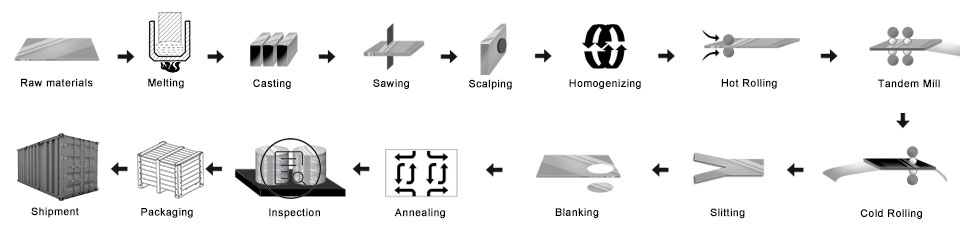
- मास्टर मिश्र तैयार करें
- पिघलती भट्टी: मिश्र धातुओं को पिघलने वाली भट्टी में डालें
- डीसी कास्ट एल्यूमीनियम पिंड: माँ को पिंड बनाने के लिए
- एल्यूमीनियम पिंड मिल: सतह और साइड को चिकना बनाने के लिए
- ताप भट्टी
- हॉट रोलिंग मिल: माँ का तार बनाया
- कोल्ड रोलिंग मिल: मदर कॉइल को उस मोटाई के रूप में रोल किया गया था जिसे आप खरीदना चाहते हैं
- छिद्रण प्रक्रिया: आप जो चाहते हैं उसका आकार बनें
- एनीलिंग भट्टी: मिजाज बदलो
- अंतिम निरीक्षण
- पैकिंग: लकड़ी के मामले या लकड़ी के फूस
- वितरण
गुणवत्ता नियंत्रण
आश्वासन नीचे निरीक्षण उत्पादन में किया जाएगा.
- ए. किरण का पता लगाना—आर टी;
- बी. अल्ट्रासोनिक परीक्षण—केन्द्र शासित प्रदेशों;
- सी. चुंबकीय कण परीक्षण-एमटी;
- डी. पैठ परीक्षण-पीटी;
- इ. एड़ी वर्तमान दोष का पता लगाने-ET
1) तेल के दाग से मुक्त रहें, काटने का निशान, समावेश, स्क्रैच, धब्बा, ऑक्साइड मलिनकिरण, ब्रेक, जंग, रोल मार्क्स, गंदगी की धारियाँ, और अन्य दोष जो उपयोग में हस्तक्षेप करेंगे.
2) काली रेखा के बिना सतह, तेज़ बाहर की रेखाओंवालअ, आवधिक दाग, रोलर मुद्रण दोष, जैसे अन्य gko आंतरिक नियंत्रण मानक.
एल्यूमिनियम डिस्क पैकिंग:
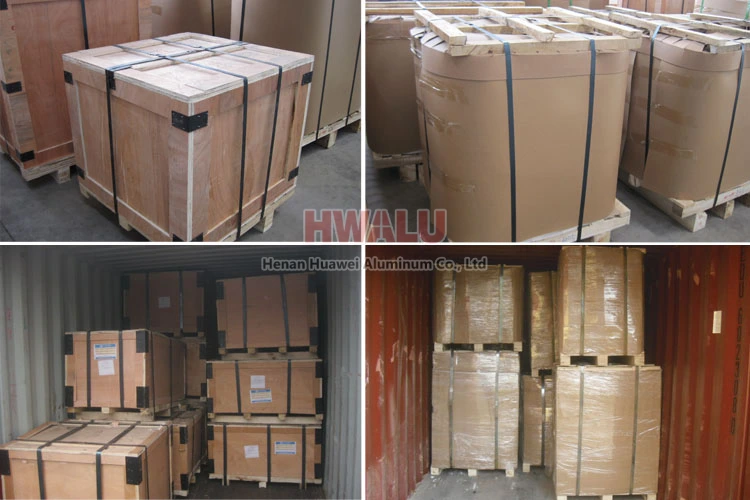
एल्यूमिनियम सर्किल निर्यात मानकों द्वारा पैक किया जा सकता है, भूरे रंग के कागज और प्लास्टिक की फिल्म के साथ कवर करना. आखिरकार, एल्यूमिनियम दौर लकड़ी के फूस / लकड़ी के मामले पर तय किया गया है.
- एल्युमिनियम सर्कल के ऊपर ड्रायर्स लगा दें, उत्पादों को सूखा और साफ रखें.
- स्वच्छ प्लास्टिक पेपर का प्रयोग करें, एल्यूमीनियम सर्कल पैक करें, सीलिंग अच्छी रखें.
- सांप की खाल के कागज का प्रयोग करें, प्लास्टिक पेपर की सतह को पैक करें, सीलिंग अच्छी रखें.
- अगला, पैकेजिंग के दो तरीके हैं: लकड़ी के फूस की पैकेजिंग का एक तरीका है, सतह को पैक करने वाले क्रस्टी पेपर का उपयोग करना; दूसरा तरीका लकड़ी के मामले की पैकेजिंग है, सतह को पैक करने वाले लकड़ी के मामले का उपयोग करना.
- आखिरकार, लकड़ी के बक्से की सतह पर स्टील की बेल्ट बिछाएं, लकड़ी के बक्से को तेज और सुरक्षित रखना.
हेनान हुआवेई एल्यूमिनियम का एल्यूमिनियम सर्कल. निर्यात मानक को पूरा करें. प्लास्टिक की फिल्म और भूरे रंग के कागज को ग्राहकों की जरूरतों पर कवर किया जा सकता है. इससे ज्यादा और क्या, डिलीवरी के दौरान उत्पादों को नुकसान से बचाने के लिए लकड़ी के मामले या लकड़ी के फूस को अपनाया जाता है. पैकेजिंग दो प्रकार की होती है, जो आंख से दीवार या आंख से आसमान की ओर हैं. ग्राहक अपनी सुविधा के लिए इनमें से किसी एक को चुन सकते हैं. आम तौर पर बोलना, वहां 2 एक पैकेज में टन, और लोड हो रहा है 18-22 1×20′ कंटेनर में टन, तथा 20-24 1×40′ कंटेनर में टन.
हमारा चयन क्यों?
समय के साथ चलने के लिए, HWALU अपनी प्रतिस्पर्धात्मकता में सुधार के लिए अत्याधुनिक उपकरण और तकनीक पेश करता रहता है. हमेशा केंद्र और ग्राहक के रूप में गुणवत्ता के व्यापार दर्शन का पालन करें, दुनिया के सभी हिस्सों में उच्चतम गुणवत्ता वाले एल्यूमीनियम डिस्क सर्कल श्रृंखला उत्पाद प्रदान करने के लिए. अधिक …

