की विस्तृत उत्पादन प्रक्रिया 1050 एल्यूमिनियम डिस्क: रोलिंग, मुद्रांकन, और एनीलिंग टेक्नोलॉजीज
1. परिचय
1050 एल्यूमीनियम डिस्क को उनके लिए व्यापक रूप से मान्यता प्राप्त है उत्कृष्ट संक्षारण प्रतिरोध, उच्च लचीलापन, और तापीय चालकता, उन्हें विभिन्न औद्योगिक और उपभोक्ता अनुप्रयोगों में अपरिहार्य बना दिया गया है. कुकवेयर से, विद्युत घटक, और वास्तुशिल्प और मोटर वाहन भागों के लिए रासायनिक कंटेनर, 1050 एल्यूमीनियम डिस्क एक विश्वसनीय प्रदान करते हैं, हल्के, और पुनर्चक्रण योग्य सामग्री समाधान.
उच्च गुणवत्ता का उत्पादन 1050 एल्यूमीनियम डिस्क की आवश्यकता है धातुकर्म संबंधी समझ का सटीक संयोजन, यांत्रिक प्रसंस्करण, और सतह परिष्करण तकनीकें. प्रत्येक चरण - कच्चे माल की तैयारी से लेकर रोलिंग तक, मुद्रांकन, और एनीलिंग-डिस्क के यांत्रिक गुणों को प्रभावित करता है, सतह की अखंडता, और आयामी सटीकता.
यह आलेख इंजीनियरों और औद्योगिक व्यवसायियों को समझने के लिए एक व्यापक मार्गदर्शिका प्रदान करता है की उत्पादन प्रक्रिया 1050 एल्यूमीनियम डिस्क, प्रक्रिया पैरामीटर सहित, दोष नियंत्रण, और सूक्ष्म संरचनात्मक अनुकूलन रणनीतियाँ.

2. कच्चे माल की तैयारी और मिश्र धातु की विशेषताएं
2.1 की रासायनिक संरचना 1050 एल्यूमीनियम मिश्र धातु
1050 एल्यूमीनियम का है 1xxx श्रृंखला, जो मूलतः एक उच्च शुद्धता वाला एल्यूमीनियम मिश्र धातु है (≥99.5% अल). मिश्र धातु बनाने में इसकी सरलता के परिणामस्वरूप उत्कृष्ट संक्षारण प्रतिरोध होता है, बेहतर फॉर्मैबिलिटी, और अच्छी विद्युत और तापीय चालकता. Fe का मामूली जोड़, और, और अन्य ट्रेस तत्व लचीलेपन से समझौता किए बिना यांत्रिक शक्ति में सुधार करते हैं.
| मेज़ 1 - की विशिष्ट रासायनिक संरचना 1050 एल्यूमीनियम मिश्र धातु (%) |
|
| अल्युमीनियम (अली) |
≥99.5 |
| लोहा (फ़े) |
0.4 मैक्स |
| सिलिकॉन (और) |
0.25 मैक्स |
| तांबा (साथ में) |
0.05 मैक्स |
| मैंगनीज (एम.एन.) |
0.05 मैक्स |
| मैगनीशियम (मिलीग्राम) |
0.05 मैक्स |
| जस्ता (Zn) |
0.05 मैक्स |
| टाइटेनियम (आप) |
0.03 मैक्स |
| अन्य (प्रत्येक) |
0.03 मैक्स |
| अन्य (कुल) |
0.10 मैक्स |
उच्च एल्यूमीनियम सामग्री सुनिश्चित करती है उत्कृष्ट संक्षारण प्रतिरोध, विशेष रूप से समुद्री या रासायनिक रूप से आक्रामक वातावरण में. इसकी उच्च लचीलापन है (बढ़ाव >30% ओ-टेम्पर में) के लिए इसे अत्यधिक उपयुक्त बनाता है गहरी ड्राइंग और मुद्रांकन संचालन.
2.2 यांत्रिक और भौतिक गुण
के प्रमुख यांत्रिक और भौतिक गुण 1050 विभिन्न तापमानों में एल्युमीनियम शामिल हैं:
- ओ-टेम्पर (annealed): उच्च लचीलापन, कम तन्यता ताकत (~70 एमपीए)
- एच14/एच18 (तनाव से कठोर): मध्यम शक्ति (~90-120 एमपीए), बढ़ाव कम हो गया (~10-15%)
- घनत्व: 2.71 जी/सेमी³
- गलनांक: ~660 डिग्री सेल्सियस
- ऊष्मीय चालकता: 230-235 डब्लू/एम·के
का यह संयोजन उच्च लचीलापन, अच्छी तापीय चालकता, और संक्षारण प्रतिरोध ऐसी डिस्क बनाने का आधार बनता है जो सहन कर सकें मुद्रांकन, ग़हरी कला, और एनीलिंग ऑपरेशन बिना असफलता के.
2.3 इनगोट और बिलेट तैयारी
उत्पादन प्रक्रिया उच्च शुद्धता वाले एल्यूमीनियम सिल्लियों या बिलेट्स से शुरू होती है, दोनों में से एक सीधे डाला या पुनर्चक्रित एल्यूमीनियम से पुनः पिघलाया गया. प्रमुख कदमों में शामिल हैं:
- पिघलना और परिष्कृत करना: रोटरी या प्रतिध्वनि भट्टी में पिघलना; अक्रिय गैसों के साथ डीगैसिंग (आर्गन) हाइड्रोजन सरंध्रता को कम करने के लिए.
- ढलाई: लगातार या सीधी ठंड लगना (डीसी) कास्टिंग से एकसमान माइक्रोस्ट्रक्चर के साथ बिलेट्स का उत्पादन होता है.
- एकरूपता: पृथक्करण को कम करने और पूरे क्रॉस-सेक्शन में एक समान रासायनिक संरचना सुनिश्चित करने के लिए बिलेट्स को 400-500 डिग्री सेल्सियस पर कई घंटों तक गर्म करना.
बचने के लिए समान संरचना और न्यूनतम अशुद्धियाँ महत्वपूर्ण हैं सतह दोष (गड्ढों, स्क्रैच) तथा आंतरिक दरारें बाद के रोलिंग और स्टैम्पिंग कार्यों के दौरान.
3. रोलिंग प्रक्रिया और यांत्रिक नियंत्रण
रोलिंग है प्राथमिक आकार देने का चरण एल्यूमीनियम डिस्क के उत्पादन में. यह बिलेट की मोटाई को कम करता है और वांछित यांत्रिक गुण प्रदान करता है कठोरीकरण और अनाज शोधन का कार्य करें.
3.1 हॉट रोलिंग
बिलेट होने पर आमतौर पर हॉट रोलिंग की जाती है 450-500 डिग्री सेल्सियस पर पहले से गरम किया हुआ. प्रमुख पहलुओं में शामिल हैं:
- उद्देश्य: समान अनाज के आकार को बढ़ावा देते हुए बिलेट की मोटाई ~50-100 मिमी से घटाकर ~5-10 मिमी करें.
- रोलिंग पास: रफिंग और फिनिशिंग स्टैंड का उपयोग करके एकाधिक पास; सतह के ऑक्सीकरण या किनारे के टूटने को रोकने के लिए तापमान को नियंत्रित किया जाता है.
- सूक्ष्म संरचनात्मक प्रभाव: हॉट रोलिंग के दौरान गतिशील पुनर्क्रिस्टलीकरण होता है, उत्पादन ए महीन दाने वाली संरचना जो लचीलापन बढ़ाता है.
| मेज़ 2 - हॉट रोलिंग पैरामीटर्स के लिए 1050 अल्युमीनियम |
|
| पास प्रकार |
खुरदरापन / मध्यवर्ती / परिष्करण |
| तापमान (डिग्री सेल्सियस) |
450-500 |
| प्रति पास कटौती (%) |
20-35 |
| घूमने की गति (मी/मेरा) |
5-15 |
| स्नेहन |
हल्का तेल या पानी आधारित शीतलन |
| ठंडा करने की विधि |
वायु या जल-स्प्रे नियंत्रित |
फिर हॉट-रोल्ड प्लेट को कुंडलित किया जाता है या उपयुक्त स्लैब में काटा जाता है कोल्ड रोलिंग.
3.2 कोल्ड रोलिंग
कोल्ड रोलिंग से एल्यूमीनियम की मोटाई और कम हो जाती है अंतिम डिस्क मोटाई (बड़ी डिस्क के लिए आमतौर पर 1-5 मिमी). इस प्रक्रिया से ताकत बढ़ती है तनाव कठोरण और मुद्रांकन के लिए उपयुक्त एक चिकनी सतह तैयार करता है.
कोल्ड रोलिंग के प्रमुख कारकों में शामिल हैं:
- प्रति पास कमी अनुपात: 5-15% आंतरिक तनाव को कम करने के लिए.
- स्नेहन: खरोंच को रोकने के लिए इमल्शन तेल.
- तनाव नियंत्रण: सटीक तनाव किनारे की तरंग निर्माण और असमान मोटाई को रोकता है.
कोल्ड रोलिंग के लिए सामग्री भी तैयार की जाती है annealing, जो तनाव सख्त होने के दौरान खोई हुई लचीलापन को बहाल करता है.
3.3 यांत्रिक संपत्ति नियंत्रण
गर्म और ठंडे रोलिंग के सावधानीपूर्वक संयोजन के माध्यम से, इंजीनियर वांछित हासिल कर सकते हैं तन्यता ताकत, बढ़ाव, और कठोरता. विशिष्ट ओ-टेम्पर डिस्क उच्च लचीलापन बनाए रखेगी, जबकि H14/H18 टेम्परेचर इसके लिए आदर्श हैं पूर्व-मुद्रांकित या गहरे खींचे गए घटक

4. मुद्रांकन और गठन तकनीक
4.1 गहरी ड्राइंग प्रक्रिया
डीप ड्राइंग परिवर्तन के सबसे सामान्य तरीकों में से एक है 1050 एल्यूमीनियम डिस्क में कप, ट्रे, या कंटेनर के गोले. इसकी उच्च लचीलापन बिना दरार के बड़ी कटौती की अनुमति देती है.
गहन चित्रण में मुख्य विचार:
- खाली व्यास: आमतौर पर अंतिम भाग व्यास का 1.5-2 गुना.
- पंच और डाई डिजाइन: इष्टतम फ़िलेट त्रिज्या के साथ गोल किनारे तन्य तनाव एकाग्रता को कम करते हैं.
- स्नेहन: ग्रेफाइट या सिंथेटिक तेल सुचारू धातु प्रवाह सुनिश्चित करता है.
- ड्राइंग गति: फटने को कम करने के लिए नियंत्रित; धीमी से मध्यम गति (10-50 मिमी/सेकेंड) अनुशंसित.
NS ओ-गुस्सा 1050 अल्युमीनियम अपने उच्च बढ़ाव के कारण एकल-चरण ड्राइंग के लिए आदर्श है, जबकि H14/H18 तापमान मल्टी-स्टेज ड्राइंग के लिए इंटरमीडिएट एनीलिंग की आवश्यकता हो सकती है.
4.2 प्रगतिशील मुद्रांकन
एकाधिक सुविधाओं की आवश्यकता वाले घटकों के लिए (निकला हुआ किनारा, उभार, या पसलियाँ), प्रगतिशील मुद्रांकन मर जाता है नियोजित कर रहे हैं. प्रत्येक स्टेशन सामग्री की तनाव सीमा को पार किए बिना धीरे-धीरे डिस्क बनाता है.
- लाभ: उच्चा परिशुद्धि, repeatability, और न्यूनतम अपशिष्ट.
- महत्वपूर्ण कारक: डाई संरेखण में सहनशीलता, स्नेहन स्थिरता, और मुक्का मारने की गति.
- परिणामी सूक्ष्म संरचना: थोड़ा सा काम सख्त हो जाता है, स्थानीय स्तर पर ताकत बढ़ाना, लेकिन समग्र लचीलापन संरक्षित है.
4.3 ट्रिमिंग और एज फिनिशिंग
मोहर लगाने के बाद, डिस्क को अंतिम आयामों में ट्रिम किया जाता है. तकनीकों में शामिल हैं:
- यांत्रिक कतरनी: तेज़, उच्च मात्रा में उत्पादन के लिए उपयुक्त.
- लेजर कटिंग: न्यूनतम गड़गड़ाहट के साथ सटीक किनारे प्रदान करता है.
- डिबुरिंग या चम्फरिंग: किनारे पर तनाव की सघनता को कम करता है और बाद की प्रक्रियाओं या कोटिंग के लिए सतह की गुणवत्ता में सुधार करता है.
हेनान हुआवेई एल्युमिनियम कंपनी, लिमिटेड लागू किया गया 1050 एल्यूमीनियम सर्कल (H16-स्वभाव, मोटाई 1.0-1.5 मिमी, व्यास 100-200 मिमी) चावल कुकर के भीतरी आवरणों के लिए, एनोडाइजिंग के माध्यम से सतह संक्षारण प्रतिरोध पर ध्यान केंद्रित करना. मुख्य मुद्दा घुमावदार एल्यूमीनियम सतहों पर एक समान ऑक्साइड फिल्म की मोटाई सुनिश्चित करना था.
प्रक्रिया नवाचार: 1) अल्ट्रासोनिक डीग्रीजिंग के साथ पूर्व-उपचारित सर्कल (50-55℃, 15-20 मिनट) रोलिंग तेल निकालने के लिए, फिल्म दोषों को कम करके 90%; 2) निरंतर-वर्तमान एनोडाइजिंग को अपनाया गया (1.2-1.5A/dm², सल्फ्यूरिक एसिड सांद्रता 180-200 ग्राम/लीटर) 12-15μm मोटी ऑक्साइड फिल्म बनाने के लिए (कठोरता ≥120 एच.वी); 3) नियंत्रित शीतलन दर (5-8℃/मिनट) फिल्म क्रैकिंग से बचने के लिए एनोडाइजिंग के बाद.
तैयार कवर 48 घंटे के तटस्थ नमक स्प्रे परीक्षण से गुजरे (कोई जंग नहीं), की वार्षिक आपूर्ति के साथ 1.2 करोड़ टुकड़े. घरेलू घरेलू उपकरण ब्रांडों ने थर्मल विरूपण या सतह छीलने के बारे में कोई शिकायत दर्ज नहीं की, और कच्चे माल की लागत थी 15% उपयोग करने से कम 3003 अल्युमीनियम.

5. एनीलिंग और माइक्रोस्ट्रक्चर अनुकूलन
5.1 एनीलिंग का उद्देश्य
रोलिंग और स्टैम्पिंग के दौरान ठंडा काम करने से ताकत बढ़ती है लेकिन लचीलापन कम हो जाता है. एनीलिंग लचीलापन बहाल करता है, आंतरिक तनाव से राहत मिलती है, और अनाज की संरचना को परिष्कृत करता है.
एनीलिंग का प्रभाव 1050 अल्युमीनियम:
- अवशिष्ट तनाव को कम करता है, स्टैम्प्ड डिस्क में वॉरपेज को न्यूनतम करना.
- बेहतर फॉर्मेबिलिटी के लिए एकसमान माइक्रोस्ट्रक्चर तैयार करता है.
- सतह ऑक्साइड परत को स्थिर करके संक्षारण प्रतिरोध को बढ़ाता है.
5.2 एनीलिंग तापमान और अवधि
- ओ-टेम्पर (पूर्ण एनीलिंग): 350-400 डिग्री सेल्सियस 1-2 घंटे के लिए; अधिकतम लचीलापन सुनिश्चित करता है.
- आंशिक एनीलिंग (एच14/एच18): 20030-60 मिनट के लिए -300 डिग्री सेल्सियस; कुछ कठोरता बरकरार रखते हुए फॉर्मैबिलिटी बहाल करता है.
| मेज़ 3 - एनीलिंग पैरामीटर्स और मैकेनिकल संपत्ति परिवर्तन |
|
| मनोवृत्ति |
एनीलिंग तापमान (डिग्री सेल्सियस) |
| ओ-टेम्पर |
350-400 |
| एच14 |
250-300 |
| एच18 |
200-250 |
5.3 सूक्ष्म संरचना नियंत्रण
एनीलिंग को बढ़ावा देता है recrystallization, समअक्षीय दाने बनाते हैं जो विरूपण बैंड को खत्म करते हैं. बारीक दाने लचीलेपन में सुधार करते हैं, जबकि समान अंतरधात्विक वितरण ताकत बढ़ाता है और स्टैम्पिंग के दौरान स्थानीयकृत टूट-फूट को रोकता है.
5.4 ठंडा करने के तरीके
- हवा ठंडी करना: धीमा, विकृति को रोकता है, बड़ी डिस्क के लिए उपयुक्त.
- जबरदस्ती हवा या पानी से बुझाना: और तेज, लेकिन विकृत होने का खतरा; डिस्क आकार और अंतिम अनुप्रयोग के आधार पर चयनात्मक रूप से उपयोग किया जाता है.
6. सतह गुणवत्ता नियंत्रण और निरीक्षण
6.1 निगरानी के लिए सतही दोष
1050 लुढ़कने के कारण एल्युमीनियम डिस्क की सतह में खराबी आ सकती है, मुद्रांकन, या संभालना:
- खरोंचें और घिसाव
- सतह के गड्ढे या सरंध्रता
- किनारे की गड़गड़ाहट या लहरें
- ऑक्सीकरण धारियाँ
6.2 निरीक्षण तकनीक
- दृश्य और स्पर्श निरीक्षण: स्पष्ट खरोंचों और डेंट की पहचान करता है.
- स्वचालित ऑप्टिकल सिस्टम: परावर्तक सतहों में सूक्ष्म खरोंच और विसंगतियों का पता लगाएं.
- मोटाई नापने का यंत्र: सुनिश्चित करें कि डिस्क सख्त सहनशीलता को पूरा करती है (±0.01 मिमी).
- सतह खुरदरापन माप: रा ≤ 0.3 μm उच्च गुणवत्ता वाली डिस्क के लिए विशिष्ट है.
6.3 सफाई और डीग्रीजिंग
डीग्रीज़िंग से रोलिंग तेल निकल जाता है, उंगलियों के निशान, और ऑक्सीकरण अवशेष. सामान्य तरीके:
- हल्के क्षारीय स्नान
- अल्ट्रासोनिक सफाई
- गर्म पानी से धोएं और हवा में सुखाएं
साफ सतहें आवश्यक हैं बाद की कोटिंग, एनोडाइजिंग, या सीधे आवेदन भोजन में, रासायनिक, या इलेक्ट्रॉनिक उद्योग.
7. सामान्य दोष और समाधान
| दोष |
कारण |
शमन |
| किनारों में दरारें |
ओवरड्राइंग या अनुचित पंच त्रिज्या |
डाई डिज़ाइन को अनुकूलित करें, प्री-एनील मोटे रिक्त स्थान |
| सतह पर खरोंचें |
रोलिंग या स्टैम्पिंग के दौरान अनुचित स्नेहन |
गुणवत्तापूर्ण स्नेहक का प्रयोग करें, रोल सतह को बनाए रखें |
| विकृति या अंडाकारता |
असमान एनीलिंग या शमन |
नियंत्रित तापमान, हवा का धीमा ठंडा होना |
| पिनहोल या सरंध्रता |
बिलेट में अशुद्धियाँ या अनुचित डीगैसिंग |
परिष्कृत कच्चा माल, अक्रिय गैस से डीगैसिंग |
| कार्य कठोरता-प्रेरित भंगुरता |
अत्यधिक ठण्डा काम करना |
इंटरमीडिएट एनीलिंग |
8. अनुप्रयोग और बाज़ार रुझान
8.1 अनुप्रयोग
1050 एल्यूमीनियम डिस्क अत्यधिक बहुमुखी हैं:
- कुकवेयर: पलकों, पैन, ट्रे
- पैकेजिंग: कैप्स, बंद, और कंटेनर
- विद्युत घटक: ताप डूब जाता है, कंडक्टर
- औद्योगिक भाग: रासायनिक कंटेनर, रिफ्लेक्टर
उनकी उत्कृष्ट संरचना और संक्षारण प्रतिरोध उन्हें इसके लिए उपयुक्त बनाते हैं गहरे खींचे गए और मुद्रांकित दोनों घटक.
8.2 बाज़ार के रुझान
- में मांग बढ़ रही है खाद्य पैकेजिंग और बरतन हल्के वजन के कारण, संक्षारण प्रतिरोधी डिस्क.
- में विस्तार नवीकरणीय ऊर्जा और इलेक्ट्रॉनिक्स एल्यूमीनियम हीट सिंक और बैटरी घटकों के लिए.
- अपनाने में वृद्धि पर्यावरण के अनुकूल, पुनर्नवीनीकरण योग्य एल्यूमीनियम कई क्षेत्रों में प्लास्टिक पर.
8.3 प्रौद्योगिकी प्रगति
- स्वचालित रोलिंग और मुद्रांकन लाइनें मानवीय त्रुटि को कम करें और एकरूपता में सुधार करें.
- लेजर-निर्देशित निरीक्षण प्रणाली वास्तविक समय में दोषों का पता लगाएं.
- उन्नत एनीलिंग भट्टियाँ ऑक्सीकरण को रोकने और सतह की गुणवत्ता बनाए रखने के लिए सटीक तापमान और वातावरण नियंत्रण प्रदान करें.
| मेज़ 4 - यांत्रिक और गठन प्रदर्शन की तुलना 1050 एल्यूमिनियम डिस्क |
|
| संपत्ति |
ओ-टेम्पर |
| नम्य होने की क्षमता (एमपीए) |
70 |
| तन्यता ताकत (एमपीए) |
110 |
| बढ़ाव (%) |
>35 |
| कठोरता (एचवी) |
25 |
| प्रपत्र |
उत्कृष्ट |
| अनुप्रयोग |
ग़हरी कला, मुद्रांकन |

9. निष्कर्ष
NS की उत्पादन प्रक्रिया 1050 एल्यूमीनियम डिस्क सावधानीपूर्वक मिश्र धातु चयन को जोड़ती है, सटीक रोलिंग, नियंत्रित मुद्रांकन, और डिस्क वितरित करने की घोषणा कर रहा है उत्कृष्ट फॉर्मैबिलिटी, उच्च संक्षारण प्रतिरोध, और आयामी स्थिरता.
के माध्यम से गरम और ठंडा रोलिंग, इंजीनियर मोटाई को नियंत्रित करते हैं, अनाज संरचना, और सतह की गुणवत्ता. मुद्रांकन तकनीक जटिल ज्यामिति को सक्षम बनाती है, जबकि एनीलिंग लचीलापन बहाल करता है और आंतरिक तनाव से राहत देता है. सतह निरीक्षण और दोष नियंत्रण औद्योगिक अनुप्रयोगों की एक विस्तृत श्रृंखला के लिए उपयुक्त सुसंगत उत्पाद गुणवत्ता सुनिश्चित करते हैं.
स्वचालित रोलिंग में तकनीकी प्रगति के साथ, annealing, और निरीक्षण प्रणाली, 1050 एल्यूमीनियम डिस्क एक रहती हैं कुकवेयर में मुख्य सामग्री, पैकेजिंग, विद्युतीय, और औद्योगिक क्षेत्र, और स्थिरता-संचालित विनिर्माण प्रवृत्तियों के साथ उनकी मांग और बढ़ने की उम्मीद है
एल्यूमीनियम सर्कल के गुण:
एल्यूमिनियम सर्कल कई बाजारों के लिए उपयुक्त है, कुकवेयर सहित, मोटर वाहन और प्रकाश उद्योग, आदि।, अच्छे उत्पाद विशेषताओं के लिए धन्यवाद:
- कम अनिसोट्रॉपी, जो गहरी ड्राइंग की सुविधा प्रदान करता है
- मजबूत यांत्रिक गुण
- उच्च और सजातीय गर्मी प्रसार
- तामचीनी होने की क्षमता, PTFE द्वारा कवर किया गया (या अन्य), एनोड किए गए
- अच्छा परावर्तन
- उच्च शक्ति-से-वजन अनुपात
- जंग के लिए स्थायित्व और प्रतिरोध
एल्यूमिनियम सर्किल प्रक्रिया
पिंड/मास्टर मिश्र — मेल्टिंग फर्नेस - होल्डिंग फर्नेस — डी.सी.. कास्टर — पत्थर की पटिया —- स्कैल्पर — हॉट रोलिंग मिल - कोल्ड रोलिंग मिल - पंचिंग - एनीलिंग फर्नेस — अंतिम निरीक्षण - पैकिंग — वितरण
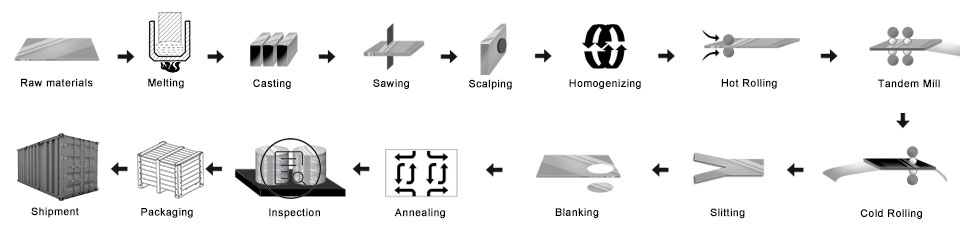
- मास्टर मिश्र तैयार करें
- पिघलती भट्टी: मिश्र धातुओं को पिघलने वाली भट्टी में डालें
- डीसी कास्ट एल्यूमीनियम पिंड: माँ को पिंड बनाने के लिए
- एल्यूमीनियम पिंड मिल: सतह और साइड को चिकना बनाने के लिए
- ताप भट्टी
- हॉट रोलिंग मिल: माँ का तार बनाया
- कोल्ड रोलिंग मिल: मदर कॉइल को उस मोटाई के रूप में रोल किया गया था जिसे आप खरीदना चाहते हैं
- छिद्रण प्रक्रिया: आप जो चाहते हैं उसका आकार बनें
- एनीलिंग भट्टी: मिजाज बदलो
- अंतिम निरीक्षण
- पैकिंग: लकड़ी के मामले या लकड़ी के फूस
- वितरण
गुणवत्ता नियंत्रण
आश्वासन नीचे निरीक्षण उत्पादन में किया जाएगा.
- ए. किरण का पता लगाना—आर टी;
- बी. अल्ट्रासोनिक परीक्षण—केन्द्र शासित प्रदेशों;
- सी. चुंबकीय कण परीक्षण-एमटी;
- डी. पैठ परीक्षण-पीटी;
- इ. एड़ी वर्तमान दोष का पता लगाने-ET
1) तेल के दाग से मुक्त रहें, काटने का निशान, समावेश, स्क्रैच, धब्बा, ऑक्साइड मलिनकिरण, ब्रेक, जंग, रोल मार्क्स, गंदगी की धारियाँ, और अन्य दोष जो उपयोग में हस्तक्षेप करेंगे.
2) काली रेखा के बिना सतह, तेज़ बाहर की रेखाओंवालअ, आवधिक दाग, रोलर मुद्रण दोष, जैसे अन्य gko आंतरिक नियंत्रण मानक.
एल्यूमिनियम डिस्क पैकिंग:
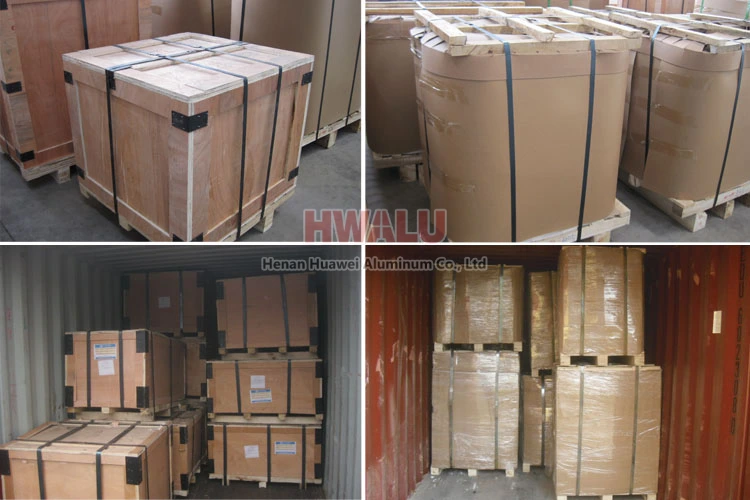
एल्यूमिनियम सर्किल निर्यात मानकों द्वारा पैक किया जा सकता है, भूरे रंग के कागज और प्लास्टिक की फिल्म के साथ कवर करना. आखिरकार, एल्यूमिनियम दौर लकड़ी के फूस / लकड़ी के मामले पर तय किया गया है.
- एल्युमिनियम सर्कल के ऊपर ड्रायर्स लगा दें, उत्पादों को सूखा और साफ रखें.
- स्वच्छ प्लास्टिक पेपर का प्रयोग करें, एल्यूमीनियम सर्कल पैक करें, सीलिंग अच्छी रखें.
- सांप की खाल के कागज का प्रयोग करें, प्लास्टिक पेपर की सतह को पैक करें, सीलिंग अच्छी रखें.
- अगला, पैकेजिंग के दो तरीके हैं: लकड़ी के फूस की पैकेजिंग का एक तरीका है, सतह को पैक करने वाले क्रस्टी पेपर का उपयोग करना; दूसरा तरीका लकड़ी के मामले की पैकेजिंग है, सतह को पैक करने वाले लकड़ी के मामले का उपयोग करना.
- आखिरकार, लकड़ी के बक्से की सतह पर स्टील की बेल्ट बिछाएं, लकड़ी के बक्से को तेज और सुरक्षित रखना.
हेनान हुआवेई एल्यूमिनियम का एल्यूमिनियम सर्कल. निर्यात मानक को पूरा करें. प्लास्टिक की फिल्म और भूरे रंग के कागज को ग्राहकों की जरूरतों पर कवर किया जा सकता है. इससे ज्यादा और क्या, डिलीवरी के दौरान उत्पादों को नुकसान से बचाने के लिए लकड़ी के मामले या लकड़ी के फूस को अपनाया जाता है. पैकेजिंग दो प्रकार की होती है, जो आंख से दीवार या आंख से आसमान की ओर हैं. ग्राहक अपनी सुविधा के लिए इनमें से किसी एक को चुन सकते हैं. आम तौर पर बोलना, वहां 2 एक पैकेज में टन, और लोड हो रहा है 18-22 1×20′ कंटेनर में टन, तथा 20-24 1×40′ कंटेनर में टन.
हमारा चयन क्यों?
समय के साथ चलने के लिए, HWALU अपनी प्रतिस्पर्धात्मकता में सुधार के लिए अत्याधुनिक उपकरण और तकनीक पेश करता रहता है. हमेशा केंद्र और ग्राहक के रूप में गुणवत्ता के व्यापार दर्शन का पालन करें, दुनिया के सभी हिस्सों में उच्चतम गुणवत्ता वाले एल्यूमीनियम डिस्क सर्कल श्रृंखला उत्पाद प्रदान करने के लिए. अधिक …

