5052 อลูมิเนียมวงกลมรีดร้อน: วิธีล็อคอินอย่างแม่นยำ “หน้าต่างอุณหภูมิสีทอง”?
ในด้านการแปรรูปอลูมิเนียม, 5052 อลูมิเนียมอัลลอยด์, มีความทนทานต่อการกัดกร่อนได้ดีเยี่ยม, ความแข็งแรงปานกลาง, และขึ้นรูปได้ดี, เป็นวัสดุฐานที่นิยมสำหรับผลิตภัณฑ์เช่นปลายกระป๋อง, ชิ้นส่วนยานยนต์, และตัวเรือนอิเล็กทรอนิกส์. อย่างไรก็ตาม, คุณภาพของอลูมิเนียมรีดร้อนแบบวงกลม, การเปลี่ยนจากแท่งโลหะเป็นแผ่นที่มีโครงสร้างสม่ำเสมอและมีคุณสมบัติเหมาะสม, ถูกกำหนดเป็นส่วนใหญ่ในระหว่างกระบวนการรีดร้อน. ท่ามกลางปัจจัยต่างๆ, การควบคุมหน้าต่างอุณหภูมิรีดร้อนอย่างแม่นยำ เป็นเส้นชีวิตของกระบวนการหลักที่เชื่อมต่อโครงสร้างแบบหล่อเข้ากับคุณสมบัติสุดท้ายที่ต้องการ.
บทความนี้จะวิเคราะห์ตรรกะการตัดสินใจอย่างเป็นระบบ, ช่วงการปฏิบัติงานจริง, และจุดควบคุมสำหรับเกณฑ์สำคัญสองประการในการรีดร้อน 5052 วงกลมอลูมิเนียม: ที่ อุณหภูมิเริ่มหมุน และ อุณหภูมิการกลิ้งเสร็จสิ้น, พร้อมคู่มือการปฏิบัติงานที่ชัดเจน.
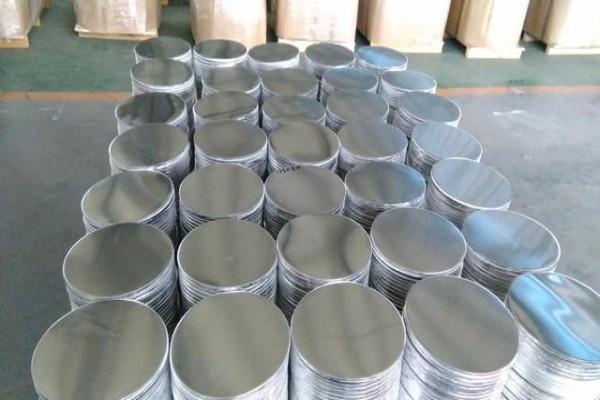 แผ่นอลูมิเนียมรีดร้อนชนิดหนาพิเศษ
1. การทำความเข้าใจพื้นฐาน: เหตุใดหน้าต่างอุณหภูมิจึงมีความสำคัญมาก?
5052 เป็นของซีรีส์ Al-Mg ของโลหะผสมเสริมความแข็งแรงที่ไม่ผ่านการบำบัดด้วยความร้อน. คุณสมบัติของมันจะได้มาจากการเสริมความแข็งแกร่งของสารละลายที่เป็นของแข็งและการทำให้งานแข็งตัวในภายหลัง. วัตถุประสงค์หลักของการรีดร้อนไม่ใช่แค่เท่านั้น “การเสียรูป” แต่ “นันทนาการ”:
- ทำลายโครงสร้างแบบหล่อ: ขจัดเดนไดรต์หยาบและการแยกองค์ประกอบ.
- ทำให้เกิดการตกผลึกใหม่อย่างสมบูรณ์: การได้รับเครื่องแบบ, เมล็ดละเอียดที่เท่ากันผ่านการเสียรูปร้อนและการตกผลึกแบบไดนามิก.
- วางรากฐานสำหรับการประมวลผลในภายหลัง: จัดให้มีช่องว่าง (บิลเล็ต) มีความเป็นพลาสติกที่ดีและมีโครงสร้างที่สม่ำเสมอ, อำนวยความสะดวกในการรีดเย็นในภายหลังด้วยอัตราการลดสูงหรือการดึงลึก.
การกำหนดกรอบอุณหภูมินั้นเกี่ยวข้องกับการหาสมดุลที่เหมาะสมที่สุดระหว่างกันอย่างแม่นยำ “ป้องกันความร้อนสูงเกินไป” และ “ส่งเสริมการตกผลึกซ้ำ,” และระหว่าง “ลดความต้านทานการเสียรูป” และ “หลีกเลี่ยงการทำให้เมล็ดหยาบ”
2. การควบคุมจุดเริ่มต้น: วิธีการตรวจสอบอุณหภูมิเริ่ม-กลิ้ง?
อุณหภูมิเริ่มต้นการกลิ้งคืออุณหภูมิของแท่งโลหะหลังการบำบัดการทำให้เป็นเนื้อเดียวกันเมื่อเข้าสู่การกลิ้งครั้งแรก. กำหนดว่าการรีดร้อนสามารถเริ่มต้นได้อย่างราบรื่นหรือไม่และคุณภาพของโครงสร้างเริ่มต้น.
พื้นฐานหลักในการตัดสินใจ:
- ข้อจำกัดไดอะแกรมเฟส: เส้นโซลิดัสของ 5052 อยู่ที่ประมาณ 607°C. จะต้องเก็บไว้ให้ต่ำกว่าอุณหภูมินี้เพื่อป้องกันความร้อนสูงเกินไป. นอกจากนี้ยังจำเป็นต้องหลีกเลี่ยงช่วงการหลอมเหลวของเฟสยูเทคติกที่มีจุดหลอมเหลวต่ำ (เช่น, อัล₃Mg₂).
- ข้อกำหนดการทำให้เป็นเนื้อเดียวกัน: ก่อนอื่น แท่งโลหะจะต้องทำให้เป็นเนื้อเดียวกันอย่างสมบูรณ์ที่อุณหภูมิ 500–540°C เพื่อละลายเฟสที่ละลายน้ำได้ และได้ความสม่ำเสมอขององค์ประกอบ. อุณหภูมิเริ่มหมุนควรเชื่อมต่อกับสิ่งนี้, ทำให้มั่นใจได้ว่าผลของการทำให้เป็นเนื้อเดียวกันจะไม่สูญหายเนื่องจากการทำความเย็น.
การบำบัดล่วงหน้า: พารามิเตอร์กระบวนการทำให้เป็นเนื้อเดียวกัน
การทำให้เป็นเนื้อเดียวกันเป็นกระบวนการบำบัดล่วงหน้าที่ขาดไม่ได้ก่อนการรีดร้อน. พารามิเตอร์ส่งผลโดยตรงต่อความเป็นไปได้ในการเริ่มกลิ้งและคุณภาพของโครงสร้างเริ่มต้น.
โต๊ะ 1: อ้างอิงพารามิเตอร์กระบวนการทำให้เป็นเนื้อเดียวกันสำหรับ 5052 แท่งโลหะผสมอลูมิเนียม
| รัฐอัลลอยด์ |
ความหนาของลิ่ม |
อุณหภูมิการทำให้เป็นเนื้อเดียวกันที่แนะนำ. |
เวลาแช่ |
วัตถุประสงค์หลัก |
| 5052-H112 |
≤400มม |
500 – 520องศาเซลเซียส |
8 – 12 ชั่วโมง |
กำจัดการแยกตัวภายในคริสตัลไลน์, ละลายเฟสที่ละลายน้ำได้ เช่น Mg₂Si |
| 5052-H112 |
>400มม |
520 – 540องศาเซลเซียส |
12 – 24 ชั่วโมง |
ตรวจสอบให้แน่ใจว่าแกนของแท่งโลหะหนาเป็นเนื้อเดียวกันอย่างละเอียด |
| รหัสกระบวนการ |
/ |
อัตราความร้อน: ≤80°ซ/ชม |
อัตราการทำความเย็น: ≤30°C/ชม. ถึง 300°C |
ป้องกันการแตกร้าวจากความเครียดจากความร้อน, หลีกเลี่ยงการตกตะกอนในระยะหยาบ |
หน้าต่างที่แนะนำและจุดปฏิบัติ:
- ช่วงอุณหภูมิ: 500–540°ซ. โดยปกติ, 510–530°ซเป็นที่ต้องการ.
- การปรับแต่งสถานการณ์:
- ผลิตภัณฑ์แบบบาง (≤3มม): สามารถใช้ขีดจำกัดล่างได้ (~500°ซ), เอื้อต่อการได้รับเมล็ดละเอียดยิ่งขึ้นสำหรับการตัดเฉือนที่มีความแม่นยำในภายหลัง.
- สินค้าหนา (>3มม): สามารถใช้ขีดกลางถึงบนได้ (520–540°ซ), ใช้ความเป็นพลาสติกที่สูงขึ้นเพื่อลดความต้านทานการเสียรูปในการผ่านครั้งแรก.
- การควบคุมที่สำคัญ:
- เครื่องทำความร้อนจะต้องสม่ำเสมอ; ความแตกต่างของอุณหภูมิหน้าตัดของแท่งโลหะควรอยู่ที่ ≤ ±5°C.
- จัดลำดับความสำคัญของการใช้ไพโรมิเตอร์แบบไม่สัมผัส (เช่น, อินฟราเรด) สำหรับการตรวจสอบอุณหภูมิพื้นผิวแบบเรียลไทม์, แทนที่เทอร์โมคัปเปิลแบบสัมผัสซึ่งมีความล่าช้ามากกว่า.
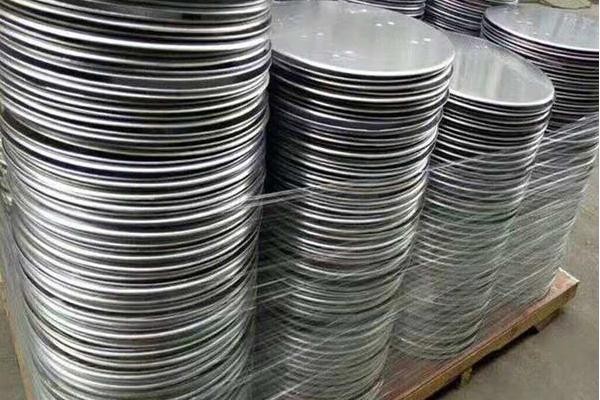
 รายละเอียดของแผ่นอลูมิเนียม
3. การควบคุมจุดสิ้นสุด: วิธีการตรวจสอบอุณหภูมิการกลิ้งขั้นสุดท้าย?
อุณหภูมิการรีดขั้นสุดท้ายคืออุณหภูมิของวัสดุเมื่อสิ้นสุดการรีดร้อน. โดยจะกำหนดโครงสร้างจุลภาคและคุณสมบัติเริ่มต้นของผลิตภัณฑ์ผลลัพธ์โดยตรงและเป็น ลำดับความสำคัญสูงสุดของการควบคุมอุณหภูมิหน้าต่าง.
พื้นฐานหลักในการตัดสินใจ:
- กฎหมายการตกผลึกซ้ำ: ต้องสูงกว่าอุณหภูมิการตกผลึกใหม่โดยสมบูรณ์ของโลหะผสม (~330°C สำหรับ 5052) เพื่อให้แน่ใจว่าโครงสร้างที่ผิดรูปจะถูกแทนที่ด้วยโครงสร้างใหม่, เมล็ดธัญพืชที่ปราศจากความเครียด.
- ข้อจำกัดขนาดเกรน: อุณหภูมิสูงเกินไป (>380องศาเซลเซียส) ส่งผลให้เมล็ดพืชเจริญเติบโตผิดปกติ (หยาบ) หลังจากการตกผลึกใหม่, ทำให้คุณสมบัติทางกลและคุณภาพพื้นผิวลดลง.
แอปพลิเคชันหน้าต่างและสถานการณ์ที่แนะนำ:
- หน้าต่างตู้นิรภัยทั่วไป: 330–350°ซ. ภายในช่วงนี้, โดยปกติแล้วจะทำให้เกิดความสมดุลระหว่างการตกผลึกซ้ำโดยสมบูรณ์และขนาดเกรนที่เหมาะสม.
| ประเภทสินค้า / ข้อมูลจำเพาะ |
อุณหภูมิการกลิ้งเสร็จสิ้นที่แนะนำ. |
การพิจารณาหลัก |
| วงกลมขนาดบาง (≤3มม) |
330–340°ซ |
ระงับการหยาบของเมล็ดพืช, ตรวจสอบให้แน่ใจว่าพื้นผิวเสร็จสิ้นสำหรับการรีดเย็นหรือการปั๊มในภายหลัง (เช่น, ฟอยล์แบตเตอรี่, สต็อกฝาคุณภาพสูง). |
| วงกลมหนา (>3มม) |
340–350°ซ |
ตรวจสอบให้แน่ใจว่าเกิดการตกผลึกใหม่อย่างสมบูรณ์ที่แกนกลางเช่นกัน, และปรับสมดุลประสิทธิภาพการรีดเพื่อลดภาระ. |
| ชิ้นส่วนที่มีข้อกำหนดความสามารถในการขึ้นรูปสูง |
335–345°ซ |
บรรลุความสมดุลที่ดีที่สุดระหว่างความสม่ำเสมอของโครงสร้างและความเป็นพลาสติก, ลดความเสี่ยงของการแตกร้าวในการดึงลึกในภายหลัง. |
การควบคุมที่สำคัญ:
- การปรับแบบไดนามิก: ควบคุมอุณหภูมิการกลิ้งขั้นสุดท้ายได้อย่างแม่นยำโดยการปรับความเร็วการหมุนและความเข้มของการทำความเย็นของอิมัลชัน. ความเร็วที่เพิ่มขึ้น ~10% จะทำให้อุณหภูมิเพิ่มขึ้น ~5-10°C.
- การตรวจสอบที่แม่นยำ: ที่ทางออกของด่านสุดท้าย, ต้องใช้ไพโรมิเตอร์ที่มีการตอบสนองสูงในการตรวจสอบ, โดยมีการควบคุมความเบี่ยงเบนอยู่ภายใน ±5°ซ.
4. แผนที่ฝึกปฏิบัติในการควบคุมอุณหภูมิแบบเต็มกระบวนการ
การรู้อุณหภูมิเริ่มต้นและสิ้นสุดยังไม่เพียงพอ; ความผันผวนของอุณหภูมิตลอดกระบวนการทั้งหมดจะต้องเป็น “ติดตามแบบเรียลไทม์และจัดการแบบไดนามิก” แผนภาพด้านล่างแสดงเส้นทางวิวัฒนาการของอุณหภูมิโดยทั่วไปและส่วนควบคุมหลักระหว่างการรีดร้อน:
การตีความจุดควบคุมหลัก:
- ขั้นตอนการหยาบ: อุณหภูมิจะลดลงจากจุดเริ่มต้นตามธรรมชาติ. อย่างไรก็ตาม, ผ่านวิธีการต่างๆ เช่น การอุ่นลูกกลิ้ง, ควรแน่ใจว่าเมื่อรีดให้มีความหนาปานกลาง (เช่น, 20มม), อุณหภูมิไม่ต่ำกว่า 400°C เพื่อป้องกันไม่ให้ความต้านทานการเสียรูปเพิ่มขึ้นอย่างรวดเร็ว.
- จบขั้นตอน: อุณหภูมิของวัสดุจะถูกควบคุมอย่างแม่นยำในหน้าต่างอุณหภูมิการกลิ้งขั้นสุดท้ายเป้าหมายผ่านทาง “เปิด-ปิด” และการควบคุมการไหลของสเปรย์อิมัลชั่น. นี่คือหน้าที่หลักของระบบควบคุมอัตโนมัติโรงรีดที่ทันสมัย.
- การจัดการข้อยกเว้น: ดังแสดงในแผนภูมิ, เมื่ออุณหภูมิเบี่ยงเบนไปจากหน้าต่าง, ต้องมีมาตรการแก้ไขที่ชัดเจน. ต่ำเกินไปต้องใช้เตาเผา “วิธีการรักษา,” สูงเกินไปต้องระบายความร้อนฉุกเฉินเพื่อป้องกันข้อบกพร่องทางโครงสร้างแบบแบตช์.
5. อุปกรณ์และการตรวจสอบ: การสนับสนุนการใช้งานหน้าต่าง
- การสนับสนุนอุปกรณ์: ควรมีการติดตั้งสายรีดร้อนที่ทันสมัย หลายจุด, ระบบวัดอุณหภูมิอินฟราเรดแบบไม่สัมผัส, เชื่อมโยงกันเป็นวงปิดด้วยความเร็วโรงสีและระบบระบายความร้อนเพื่อการควบคุม. ม้วนจำเป็นต้องมีช่องระบายความร้อนภายในเพื่อป้องกันความร้อนภายในสต็อกเนื่องจากตัวม้วนมีความร้อนสูงเกินไป.
- การตรวจสอบประสิทธิภาพ: เหล็กแผ่นรีดร้อนที่ผลิตภายในหน้าต่างอุณหภูมิที่ถูกต้อง (เช่น, เริ่มที่ 520°C, จบ 340°C) ควรมีเครื่องแบบ, โครงสร้างเกรนที่ตกผลึกใหม่เท่ากัน. หลังจากการรีดเย็นและการหลอมในภายหลัง (O-อารมณ์), คุณสมบัติทางกลทั่วไปควรถึงอย่างเสถียร: แรงดึง (฿) ≥175เมกะปาสคาล, ความแข็งแรงของผลผลิต (0.2 รูเปียห์) ≥65 เมกะปาสคาล, การยืดตัว (ก) ≥32%. นี่คือเกณฑ์มาตรฐานขั้นสูงสุดสำหรับการทดสอบว่าหน้าต่างอุณหภูมิเหมาะสมหรือไม่.
6. บทสรุป
การกำหนดหน้าต่างอุณหภูมิรีดร้อนสำหรับ 5052 วงกลมอะลูมิเนียมถือเป็นการออกแบบกระบวนการที่แม่นยำตามหลักวัสดุศาสตร์:
- อุณหภูมิเริ่มหมุน (510–530°ซ) คือจุดเริ่มต้นของความปลอดภัยและความเป็นพลาสติก, จำเป็นต้องดำเนินการผลการทำให้เป็นเนื้อเดียวกันต่อไป.
- อุณหภูมิการกลิ้งเสร็จสิ้น (330–350°ซ) เป็นจุดสิ้นสุดของโครงสร้างและคุณสมบัติ, และต้องแน่ใจว่ามีการตกผลึกใหม่อย่างสมบูรณ์.
นี้ “หน้าต่างสีทอง” ไม่ใช่ค่าคงที่และต้องมีการปรับอย่างละเอียดตาม การใช้งานขั้นสุดท้ายของผลิตภัณฑ์, ความหนาของข้อกำหนด, และความสามารถของอุปกรณ์. กุญแจสู่ความสำเร็จอยู่ที่การเปลี่ยนแปลงอุณหภูมิ “จุดกำหนด” เข้าไปใน “ค่าที่วัดได้คงที่” บนสายการผลิต, ซึ่งอาศัยการตรวจจับที่แม่นยำ, การตอบสนองอย่างรวดเร็ว, และระบบควบคุมอัตโนมัติแบบวงปิด. ด้วยวิธีนี้เท่านั้นที่คุณสมบัติที่ยอดเยี่ยมโดยธรรมชาติของ 5052 อลูมิเนียมอัลลอยด์จะถูกกระตุ้นอย่างสมบูรณ์และส่งต่อผ่านกระบวนการรีดร้อน.

